Home
IngredientHealth Benefits

Vegetables

Leafy greens and root vegetables that show up on the table every day.

38 ingredients

Search within this category

What this category is strong in

The nutrients most often listed as a key nutrient among these ingredients.

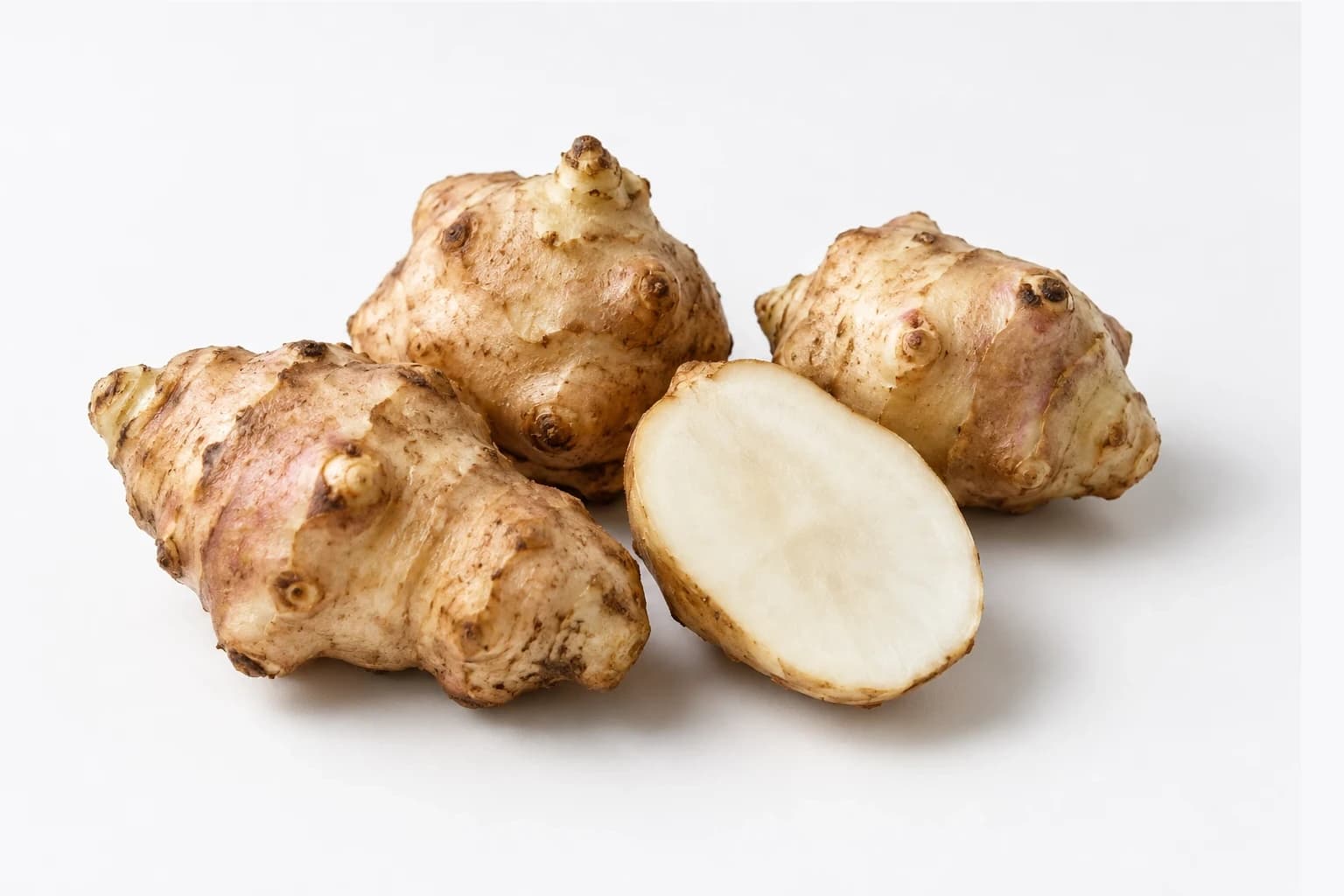
Jerusalem artichoke

Vegetables

Early research

Jerusalem artichoke

In a double-blind trial of 45 people in three groups, bifidobacteria rose 1.2 log10 over 21 days. But the short-chain fatty acids that would carry that effect did not change, and flatulence rose significantly.

Lotus root

Vegetables

Nutrition data

Lotus root

Raw lotus root carries 44 mg of vitamin C, 556 mg of potassium and 4.9 g of fibre per 100 g. But it is almost always eaten cooked, so you do not take that 44 mg across intact.

Okra

Vegetables

Moderate evidence

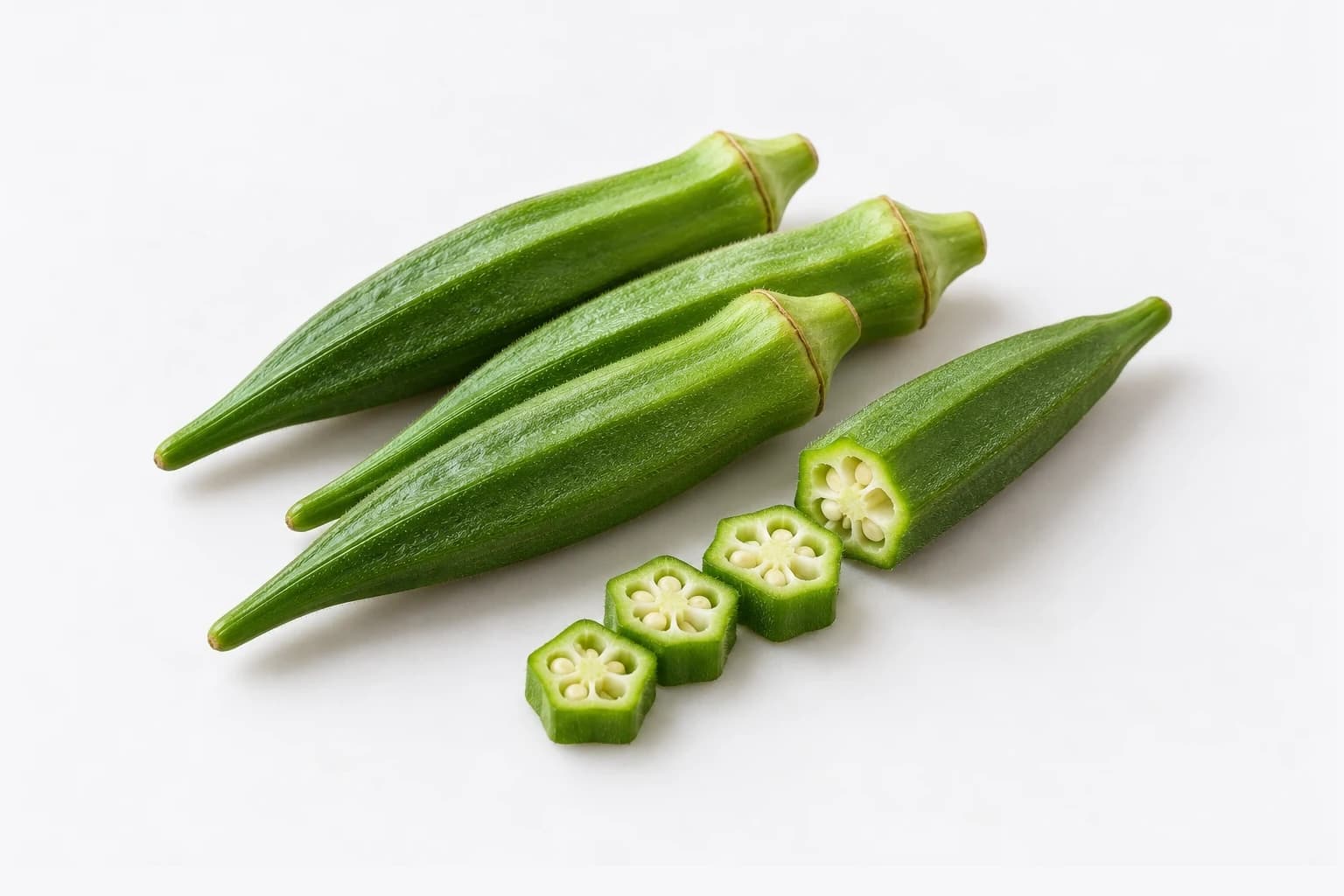
Okra

A 2025 meta-analysis found significant falls in weight, fasting glucose, HbA1c and LDL. But the 12 trials it pooled used doses from 125 mg to 40,000 mg a day — a 320-fold range.

Chicory root

Vegetables

Moderate evidence

Chicory root

In a double-blind crossover trial of 44 people, 12 g a day of chicory inulin raised stool frequency from 3 to 4 a week. But some of the researchers worked for the institute of the company that makes that inulin, and the change is one stool a week.

Cucumber

Vegetables

Nutrition data

Cucumber

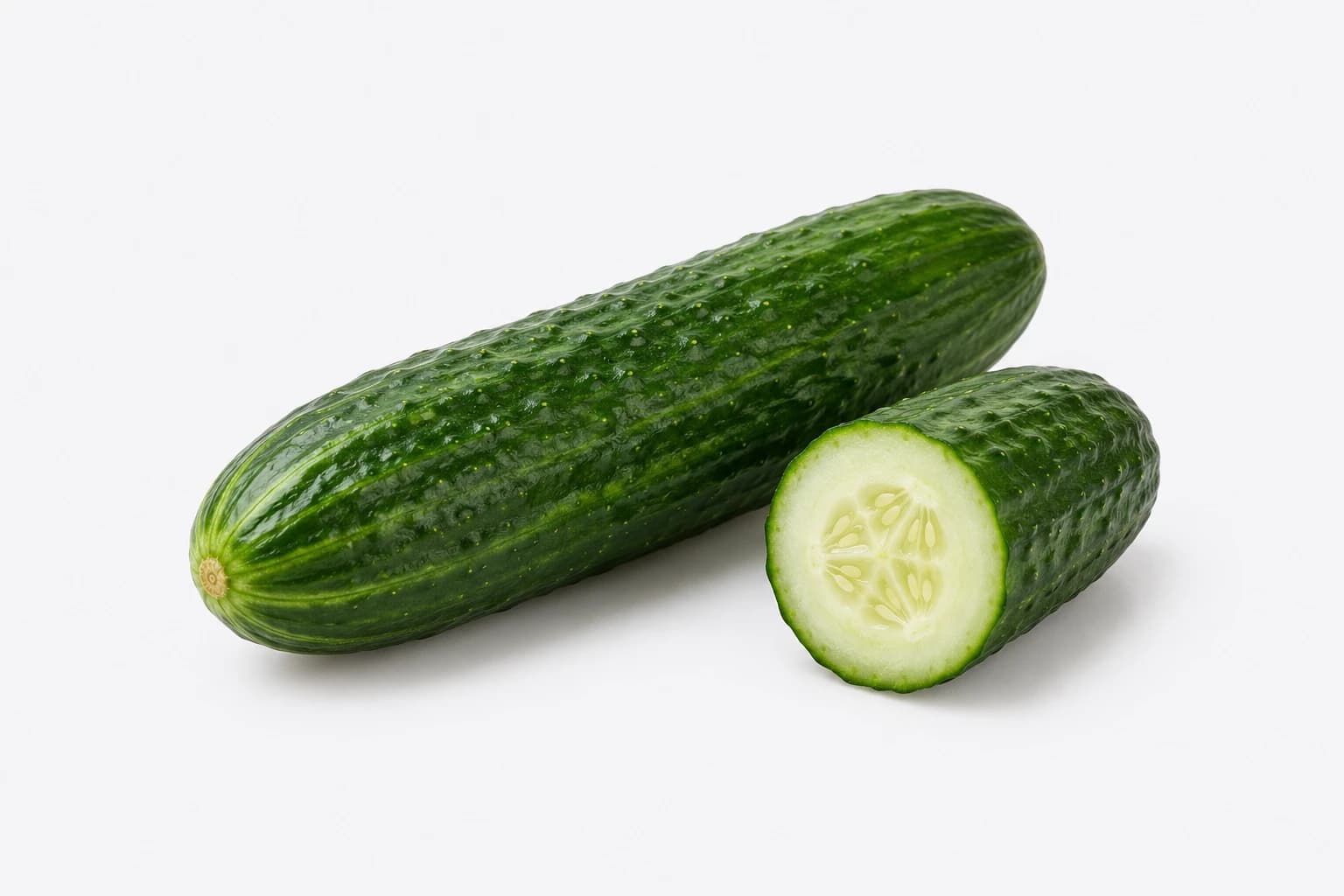
All three clinical trials on cucumber used extracts. The lipid trial used seed extract; the osteoarthritis trials used standardised extract. This site could not find a trial that fed cucumber, measured anything and compared against a control.

Green peas

Vegetables

Nutrition data

Green peas

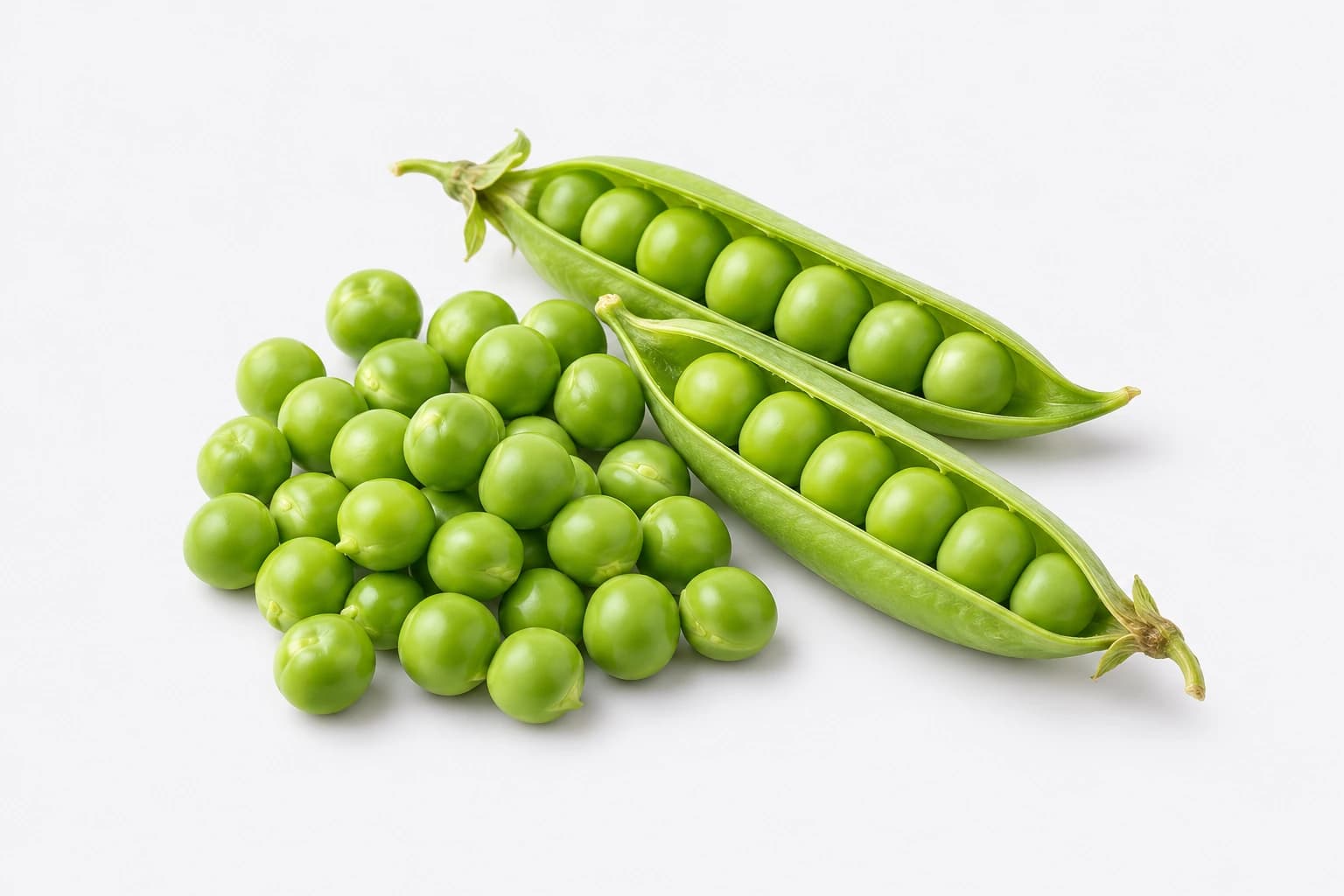
In a three-arm trial of 180 people, beans lowered LDL by 0.21 mmol/L while peas managed 0.11 with a confidence interval crossing zero. The composition is good — 5.42 g of protein, 40 mg of vitamin C and 5.7 g of fibre per 100 g.

Watercress

Vegetables

Early research

Watercress

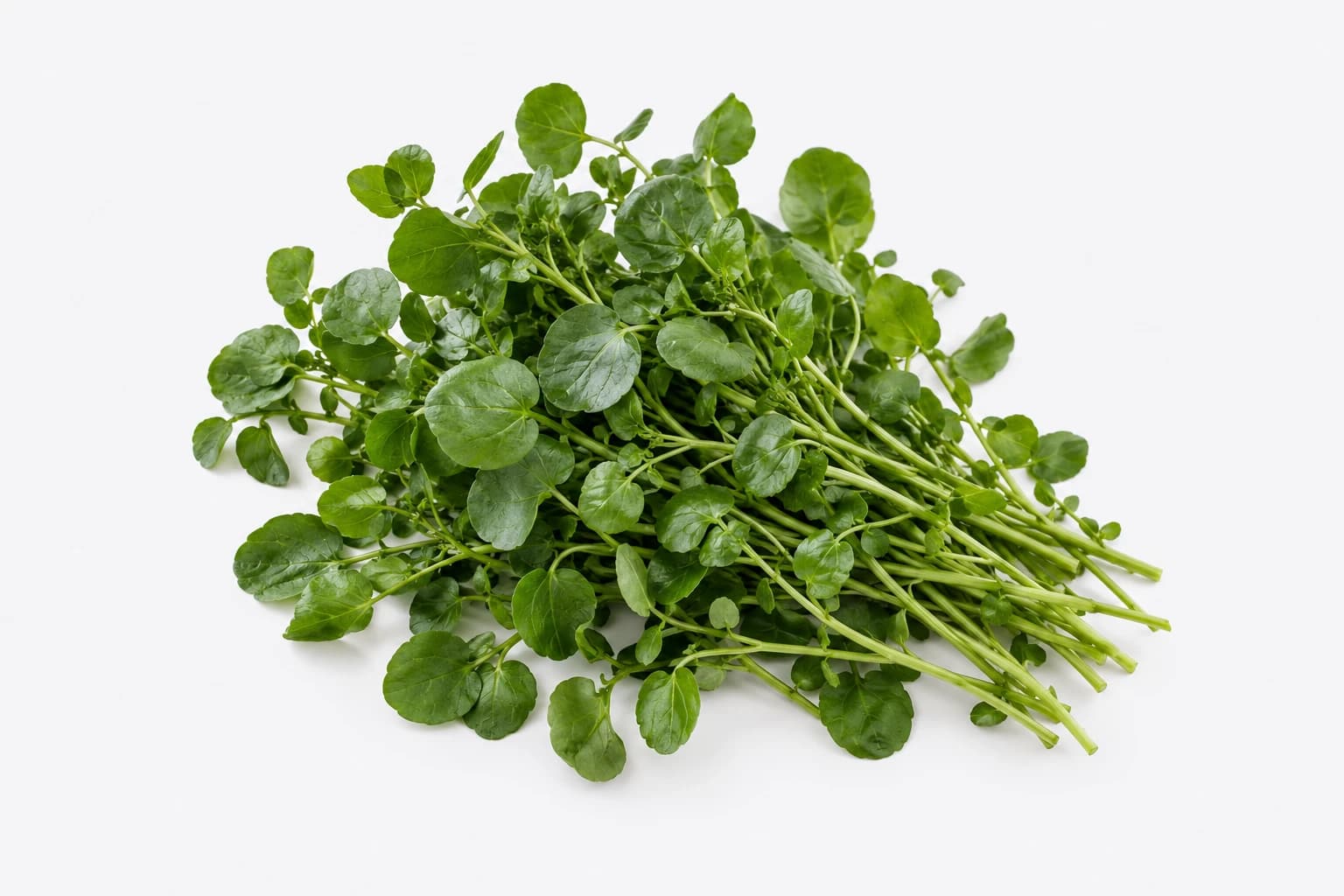
In a single-blind pilot trial, 26 people took dried watercress capsules for 28 days and LDL fell significantly. But there was no consistent effect on other lipids, and the paper states it is exploratory and needs confirmation in larger trials.
Oyster mushroom

Vegetables

Early research

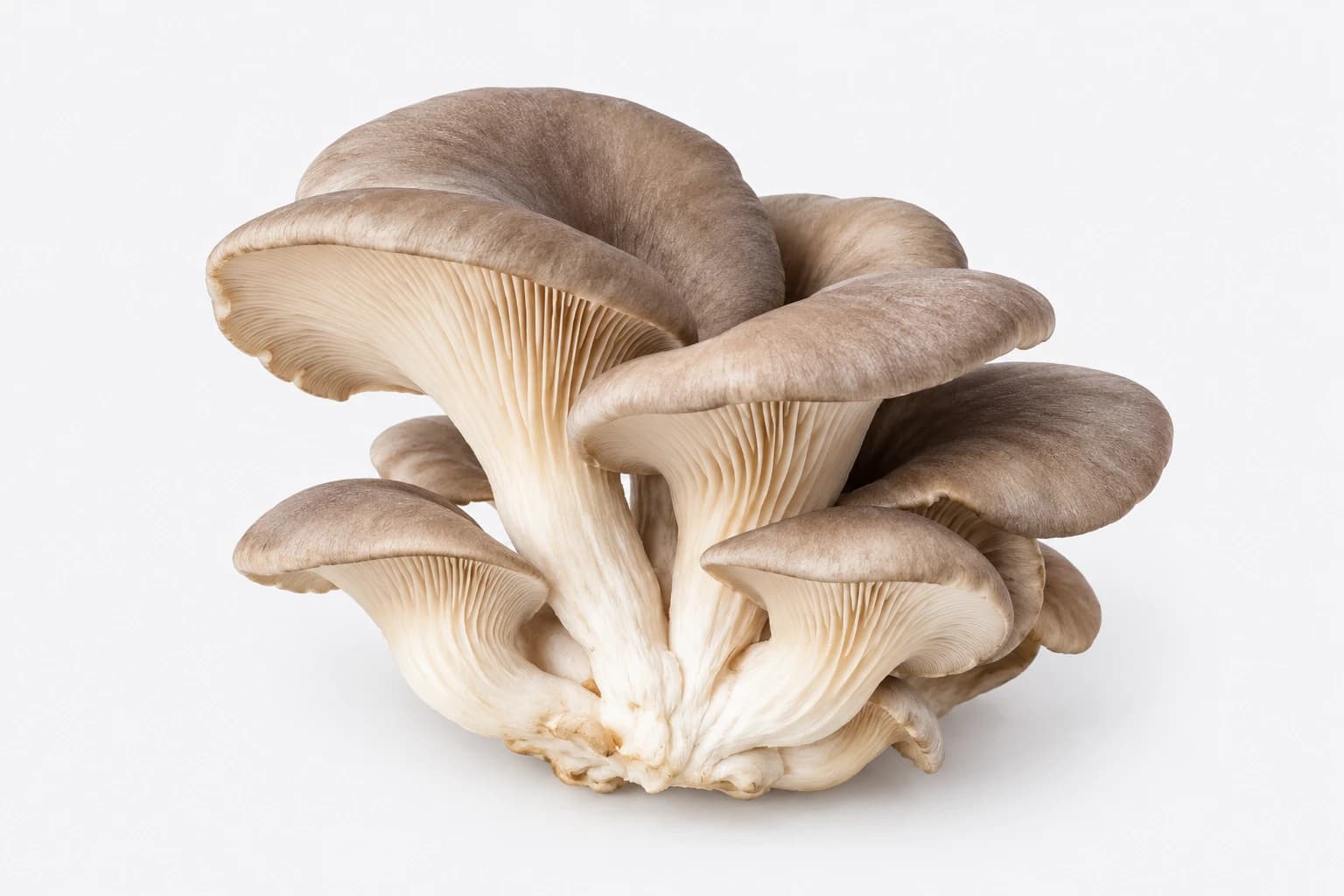
Oyster mushroom

Two double-blind trials have tested this mushroom. The 2022 one set postprandial glucose as its primary endpoint and it did not move. The 2026 one set LDL cholesterol and it did not move either. What moved in both cases were secondary outcomes.

Celery

Vegetables

Early research

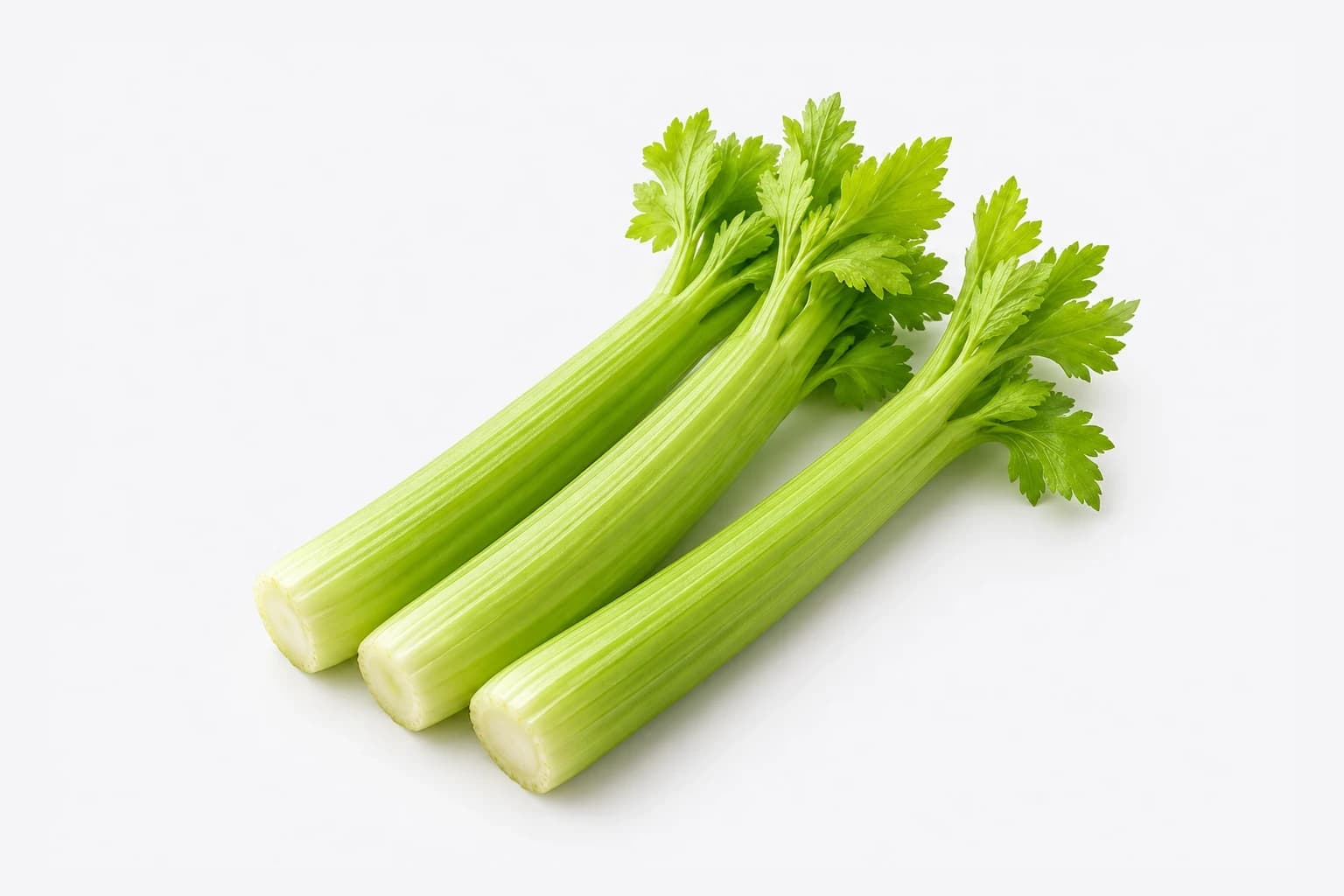
Celery

In a 2022 trial, systolic pressure fell from 141 to 130 mmHg, measured by 24-hour ambulatory monitoring — a good method. But what participants took was not celery stalks. It was 1.34 g a day of extract from the seed.

Lettuce

Vegetables

Early research

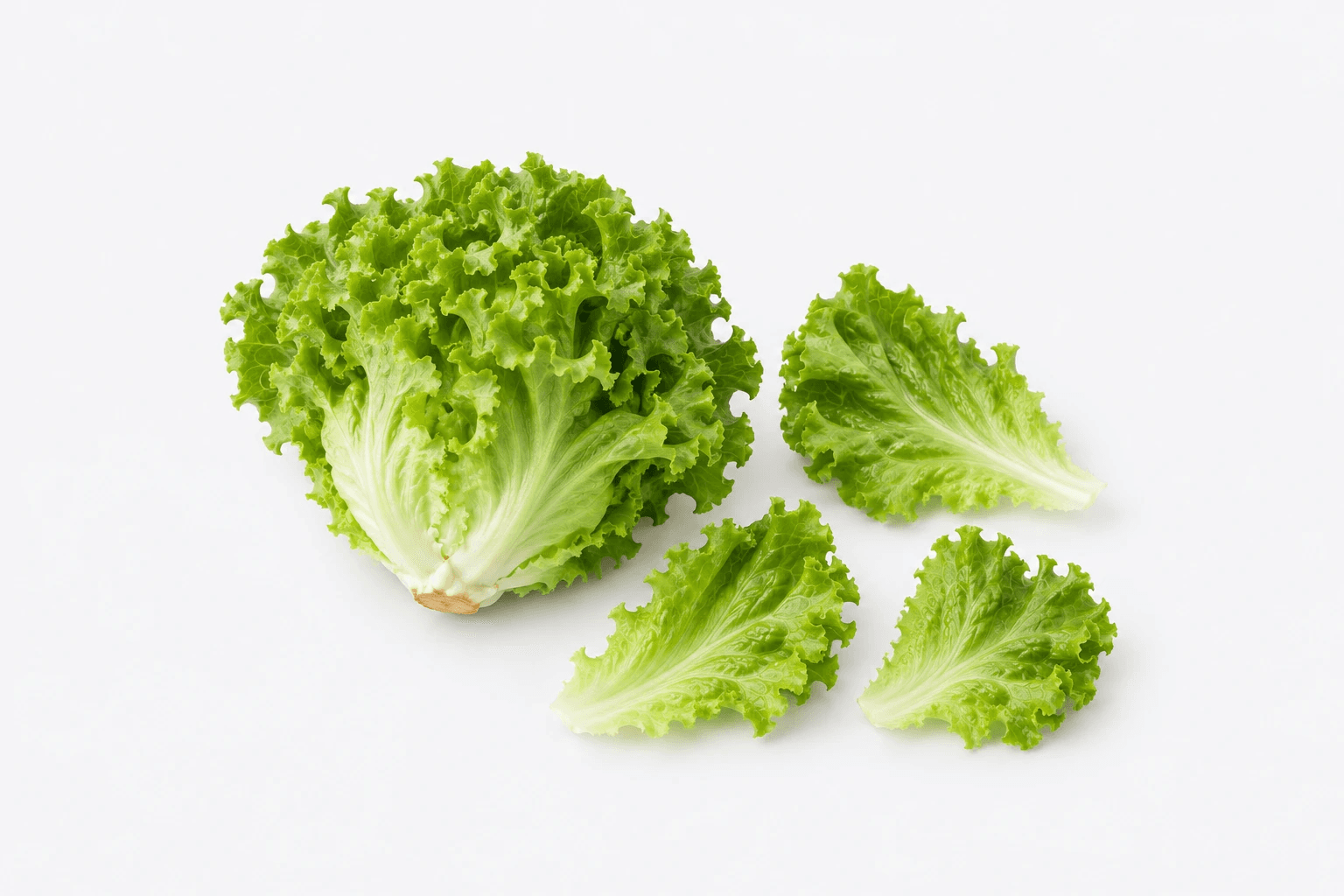
Lettuce

A 2025 randomised trial in Korean adults found total sleep time up by about 35 minutes. But what was given was two capsules a day of an extract from one specific cultivar, not lettuce leaves. The 15 kcal and 370 µg of vitamin A per 100 g are real.

Arugula

Vegetables

Moderate evidence

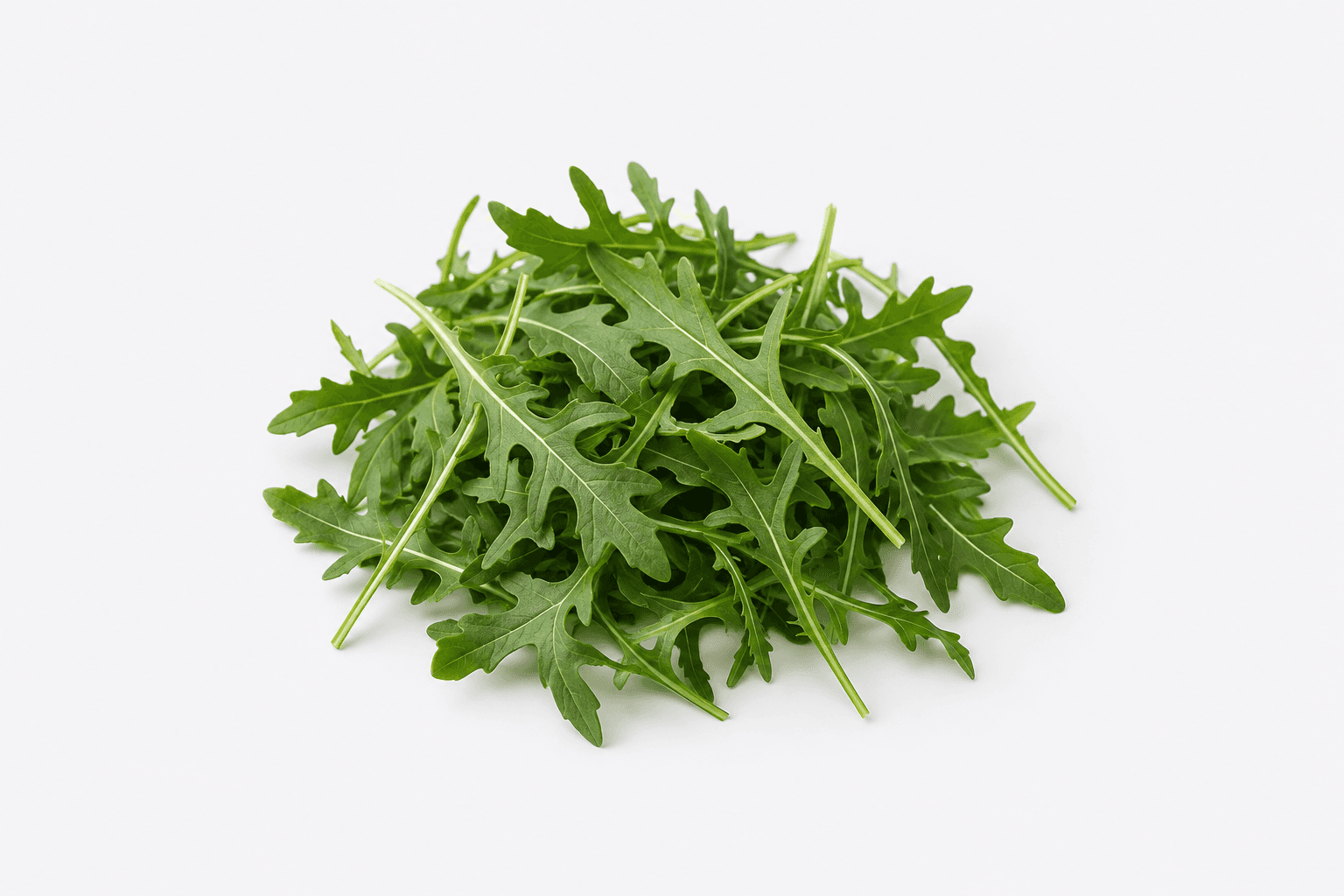
Arugula

A dose-response meta-analysis of 75 randomised trials in 1,823 people. Medium-term systolic pressure fell 0.48 mmHg per millimole of nitrate. That is a small figure, and since the USDA carries no nitrate value for arugula, there is no way to say how many millimoles a plateful holds.

Bamboo shoots

Vegetables

Nutrition data

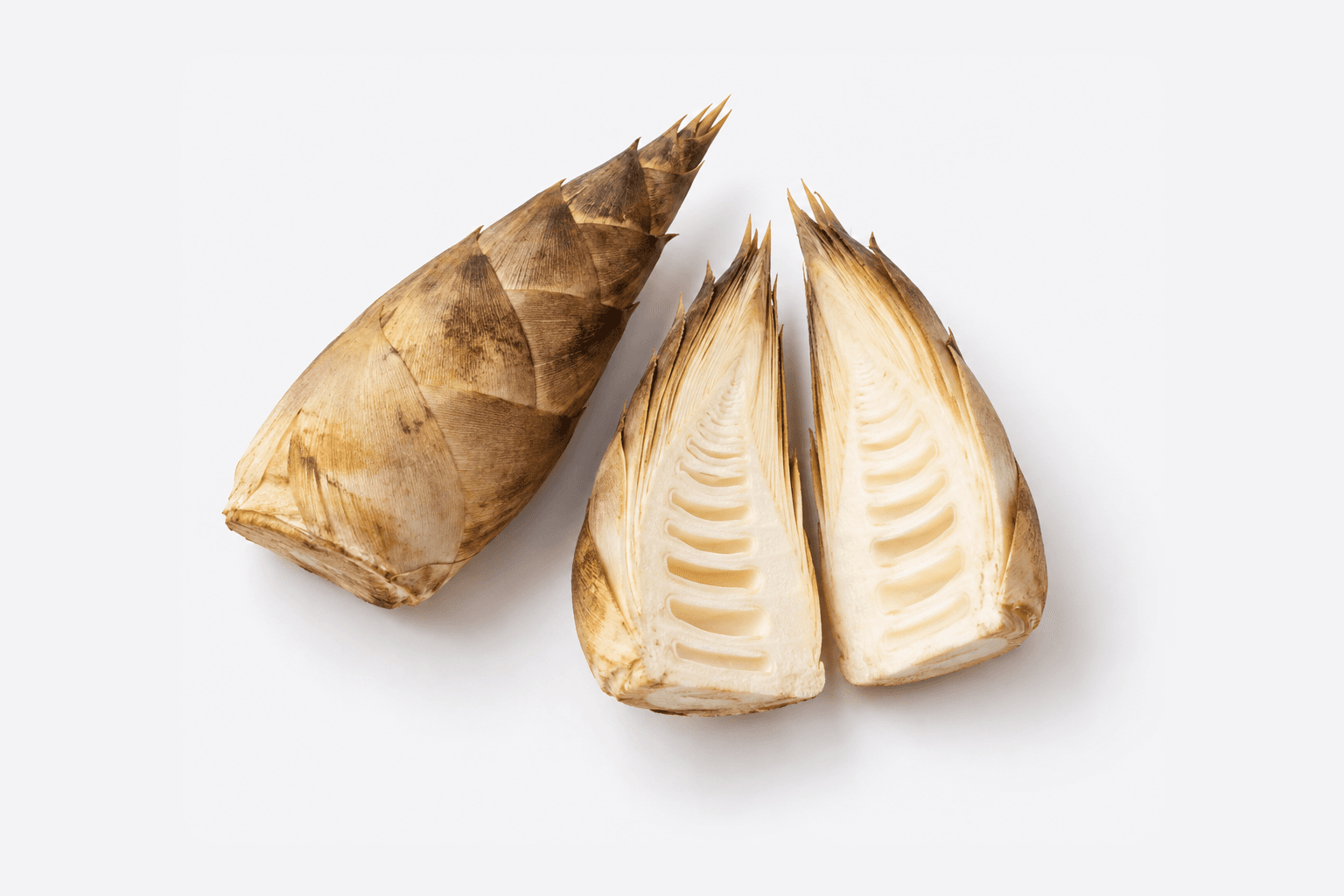
Bamboo shoots

Bamboo shoots contain taxiphyllin, a cyanogenic glycoside that poses a toxicity risk if they are not prepared properly. Boiling, fermentation and steaming reduce it. The composition itself is 27 kcal and 533 mg of potassium per 100 g.
Cauliflower

Vegetables

Moderate evidence

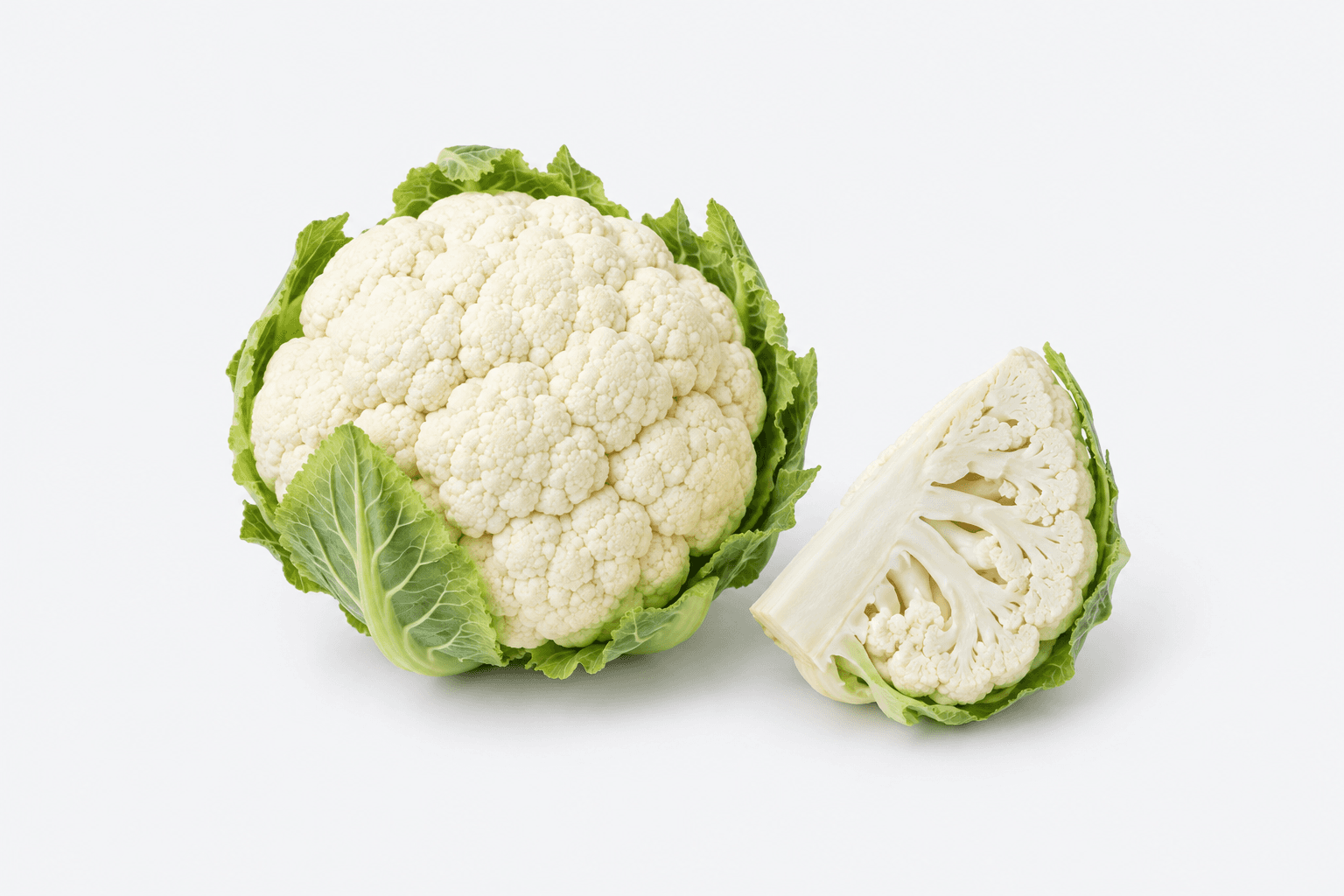
Cauliflower

25 kcal and 4.97 g of carbohydrate per 100 g. Against cooked rice (about 130 kcal and 28 g per 100 g) that is a fifth of the energy and the carbohydrate. As a brassica, it falls within observational data linking cruciferous vegetables to lower cardiovascular disease and mortality.

Eggplant

Vegetables

Nutrition data

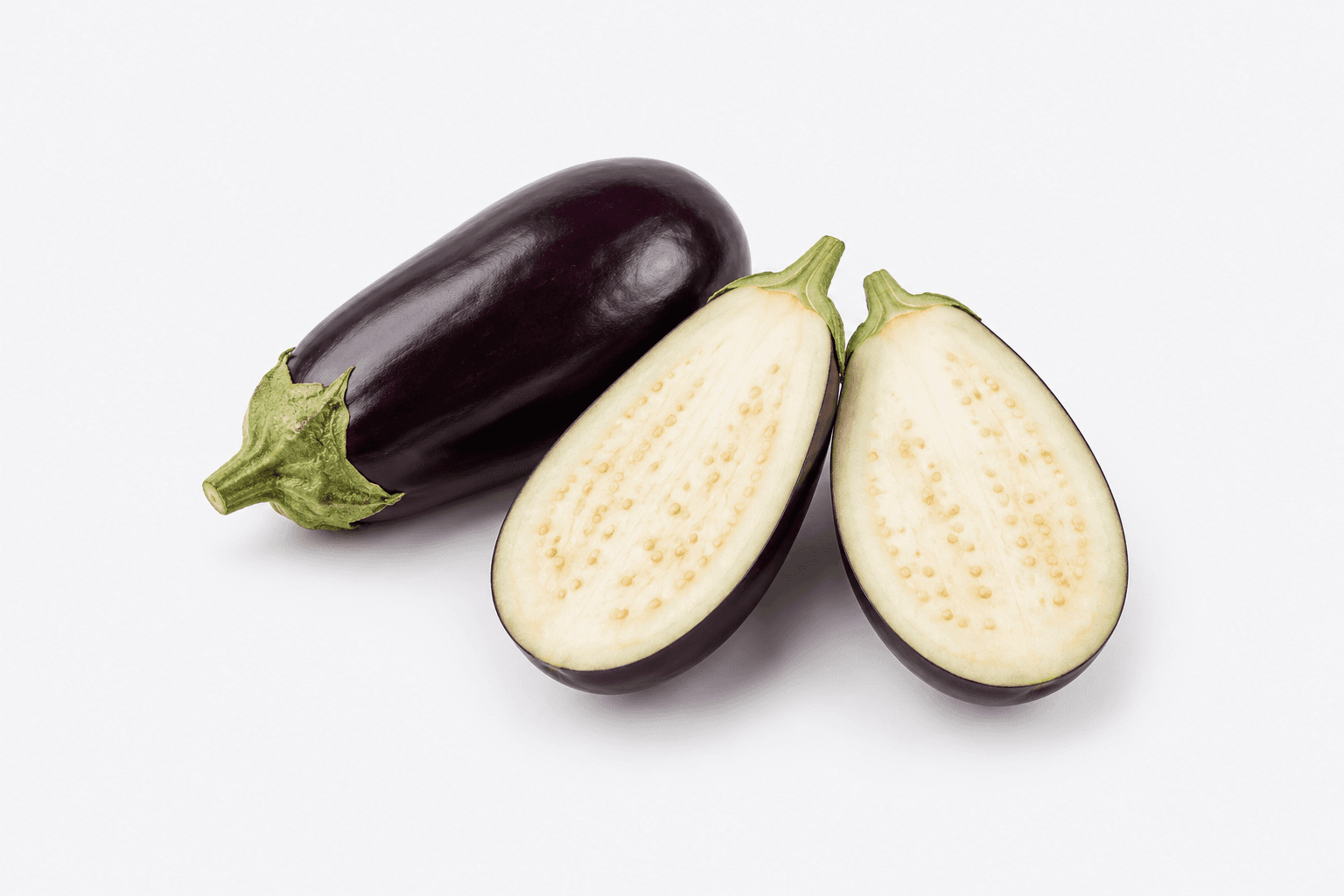
Eggplant

Eggplant has long been sold in Brazil as a folk remedy for high cholesterol, so it was put through two randomised trials. Both matched placebo. The 2004 trial stated outright that the placebo group changed the same way. The 25 kcal and 3.0 g of fibre per 100 g are real.

Daikon radish

Vegetables

Moderate evidence

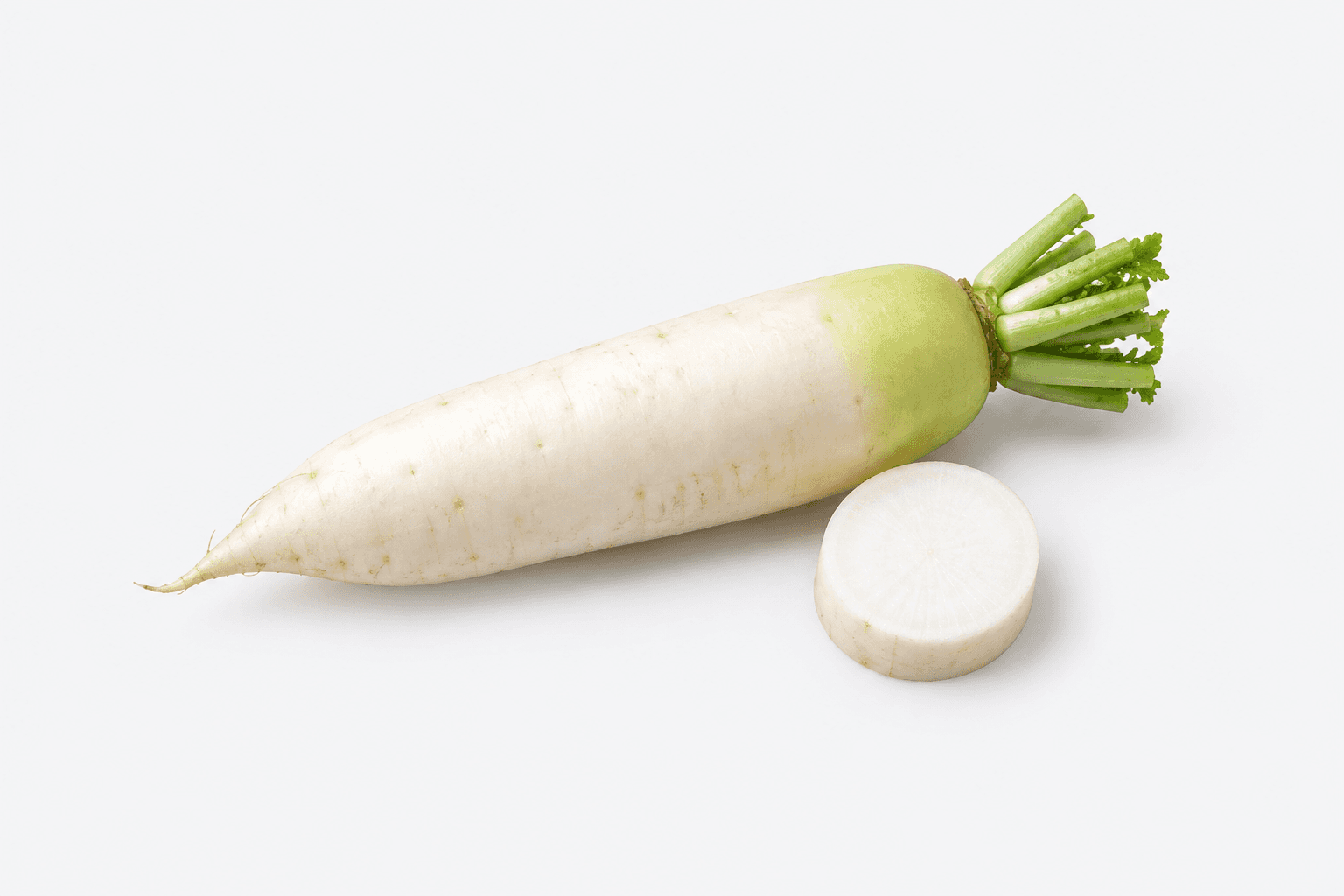
Daikon radish

At 18 kcal per 100 g it sits close to cucumber, with 22 mg of vitamin C. Observational data link cruciferous vegetables to lower cardiovascular disease and mortality. The old claim that it aids digestion has no established evidence behind it.

Soybean sprout

Vegetables

Nutrition data

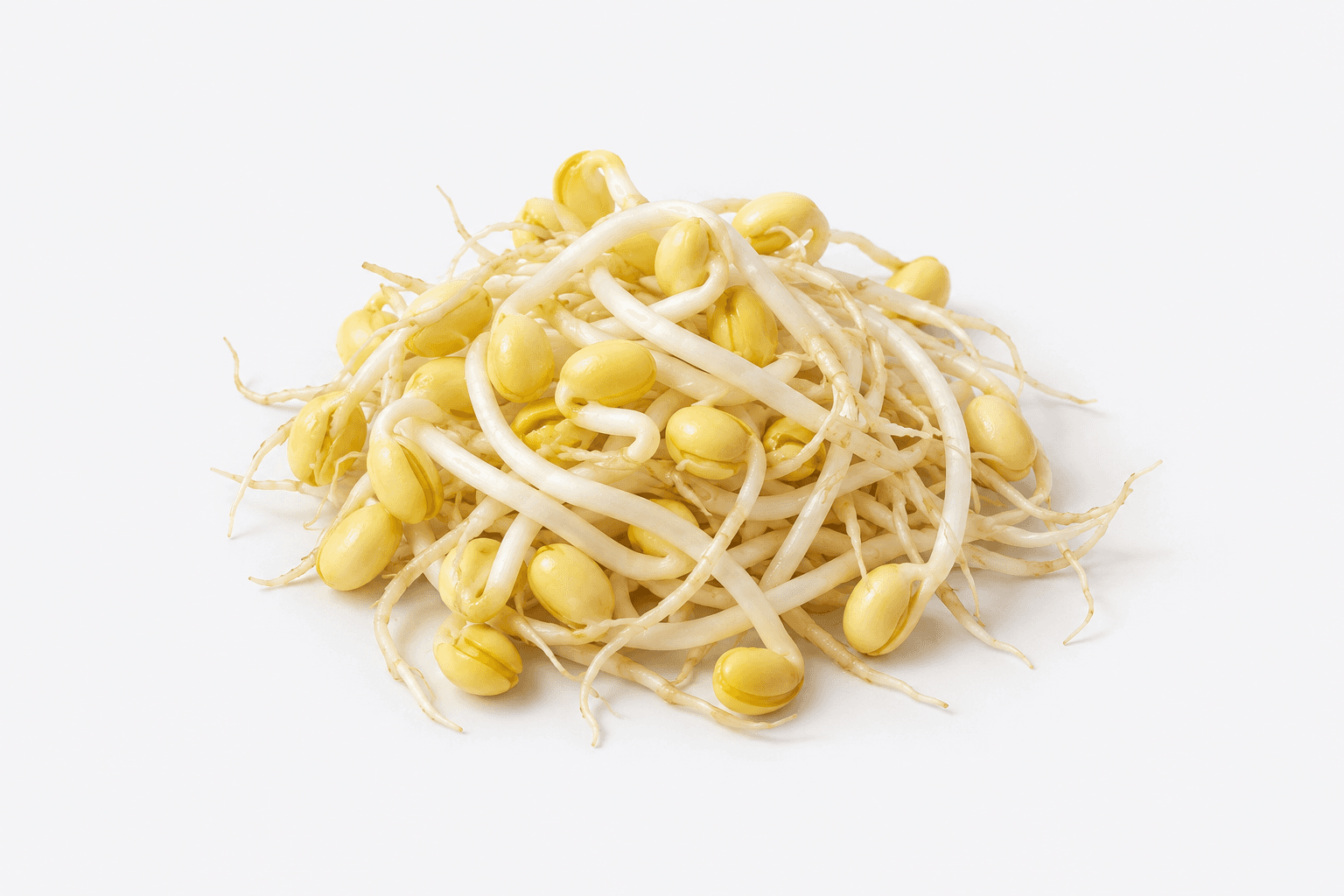
Soybean sprout

"Aspartic acid cures a hangover" is a widespread belief, but this site found no randomised trial in people where feeding soybean sprouts changed a hangover measure. The 172 µg of folate, 15.3 mg of vitamin C and 13.1 g of protein are real.

White mushrooms

Vegetables

Early research

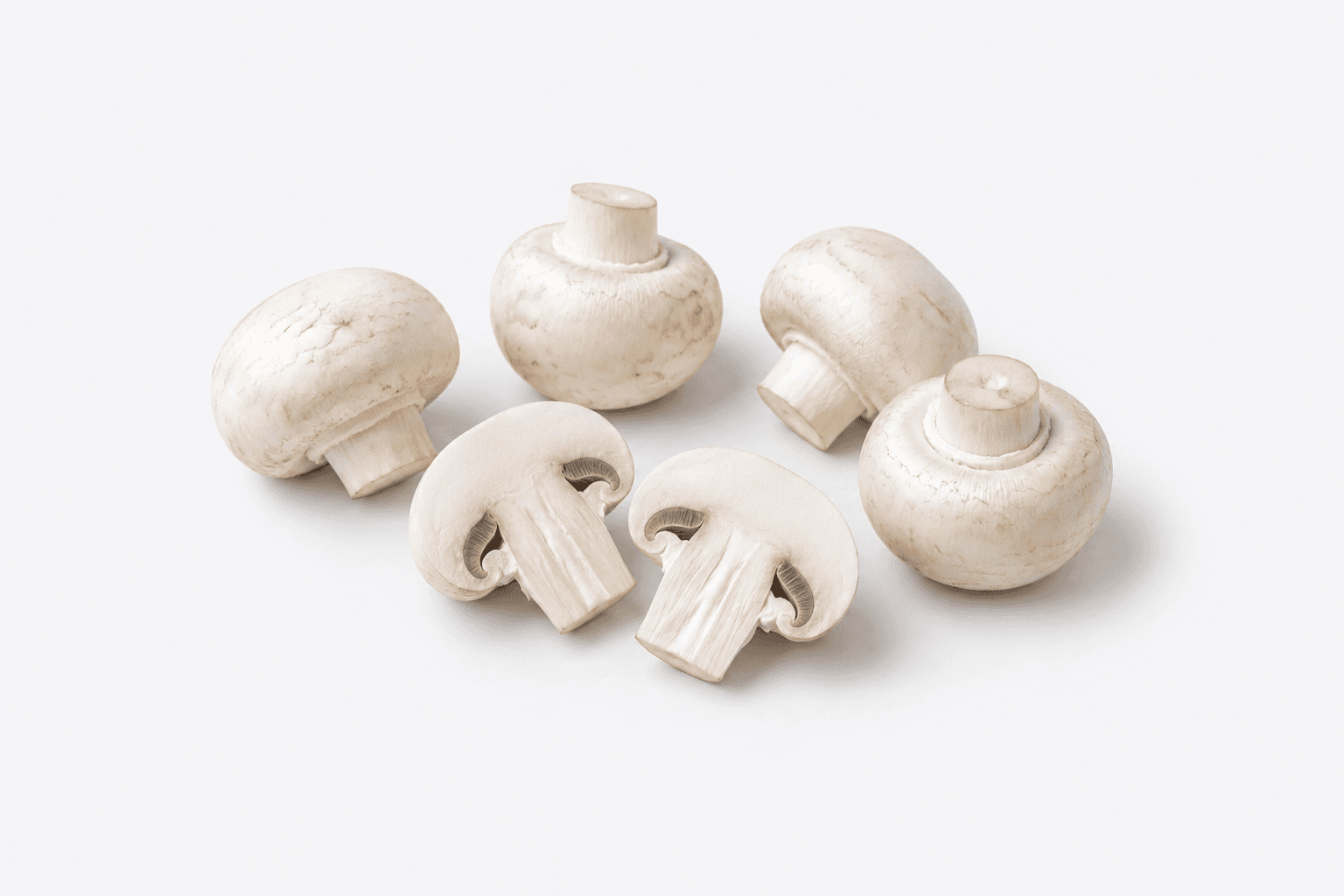
White mushrooms

USDA lists ordinary white mushrooms at 0.2 µg of vitamin D and UV-exposed ones at 26.2 µg. Yet pooling six randomised trials, blood levels did not rise significantly (p = 0.12). They rose only in the three European trials, where people started out low.

Artichoke

Vegetables

Moderate evidence

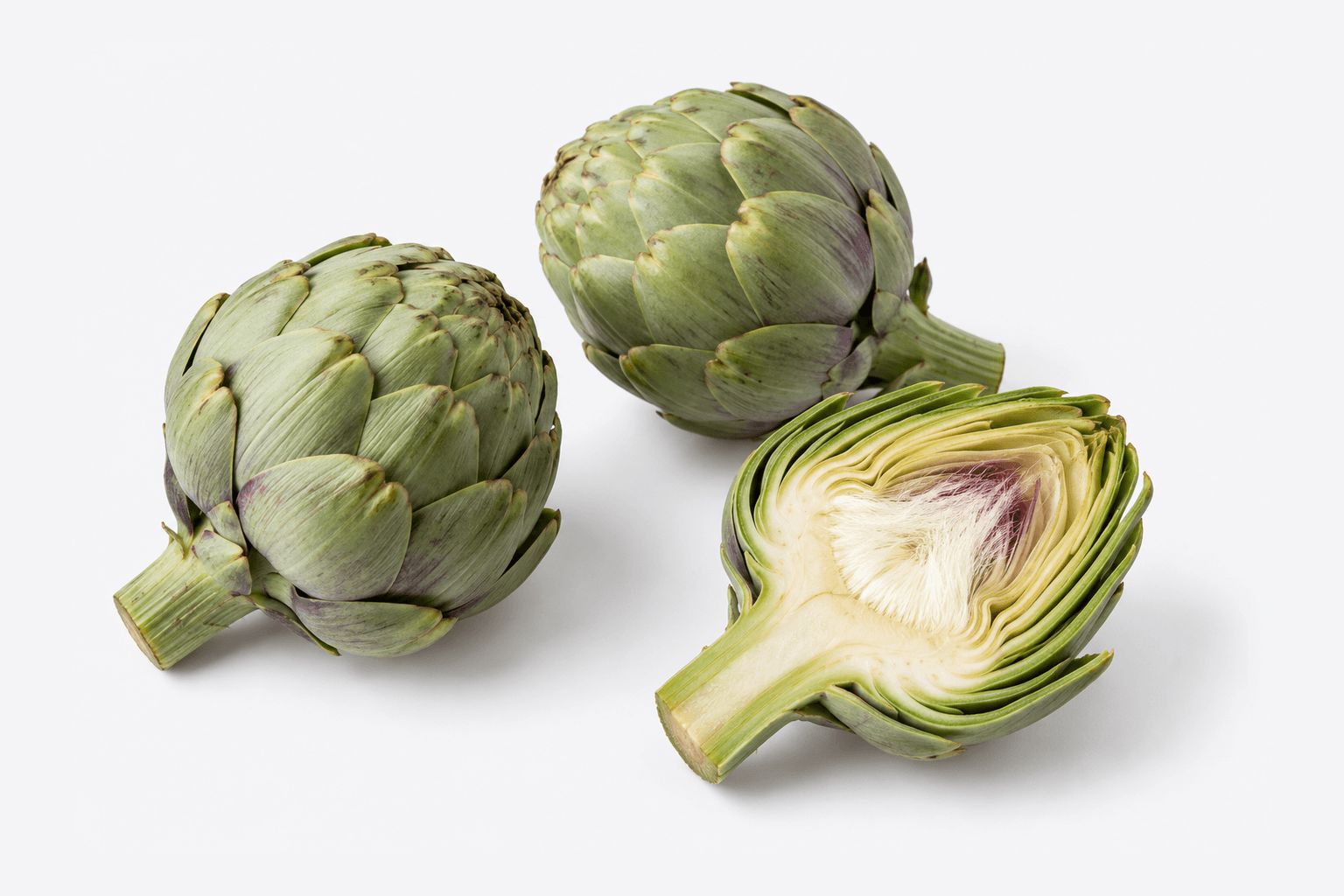
Artichoke

A meta-analysis of nine randomised trials in 702 people found artichoke extract lowered total cholesterol by 17.6 mg/dL. HDL did not move, and what was tested was a leaf extract, not a boiled artichoke.

Brussels sprouts

Vegetables

Moderate evidence

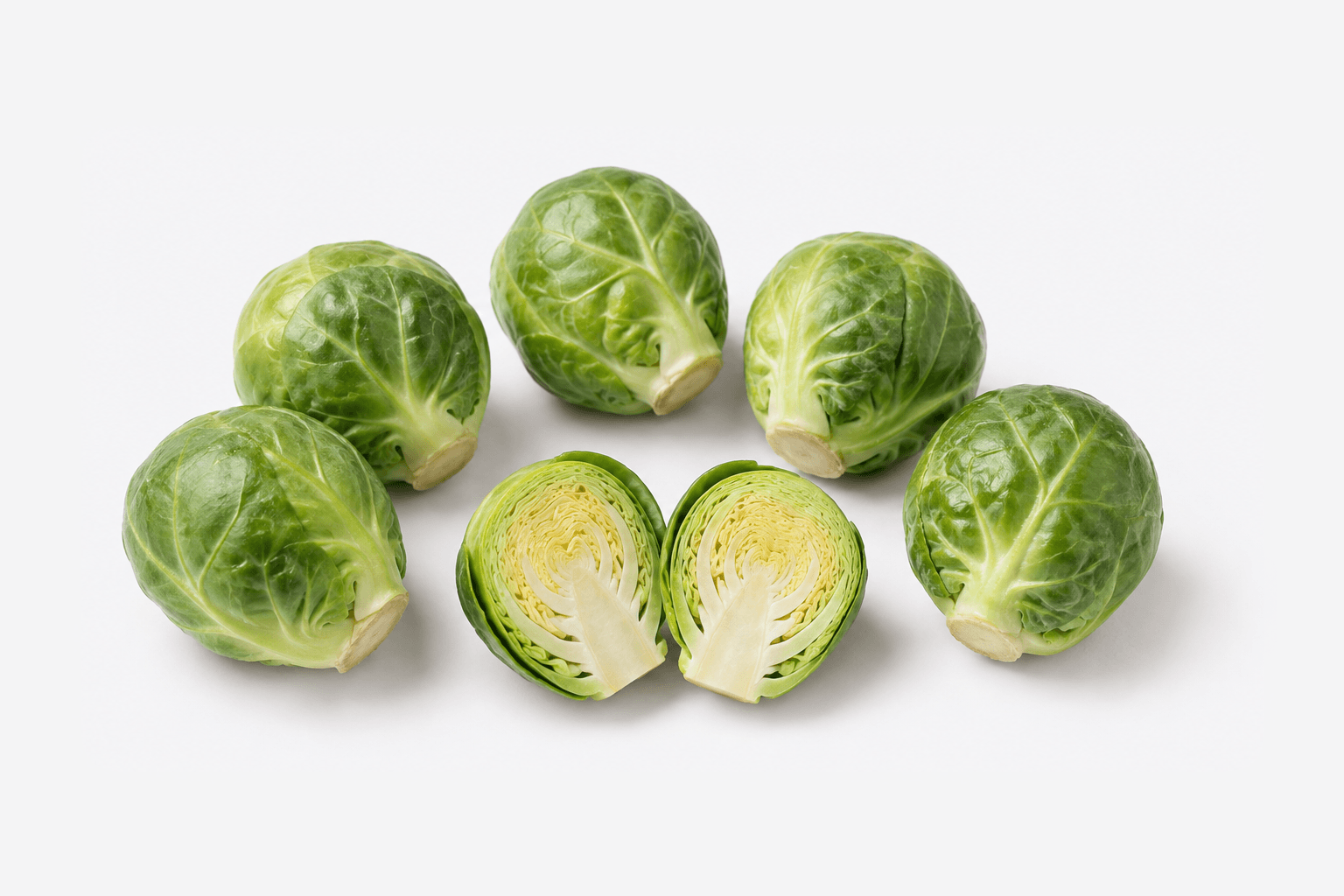
Brussels sprouts

More vitamin C than an orange, at 85 mg, and 177 µg of vitamin K. Cruciferous vegetables tracked with lower cardiovascular disease and mortality, but that is observational and not about Brussels sprouts specifically.

Asparagus

Vegetables

Moderate evidence

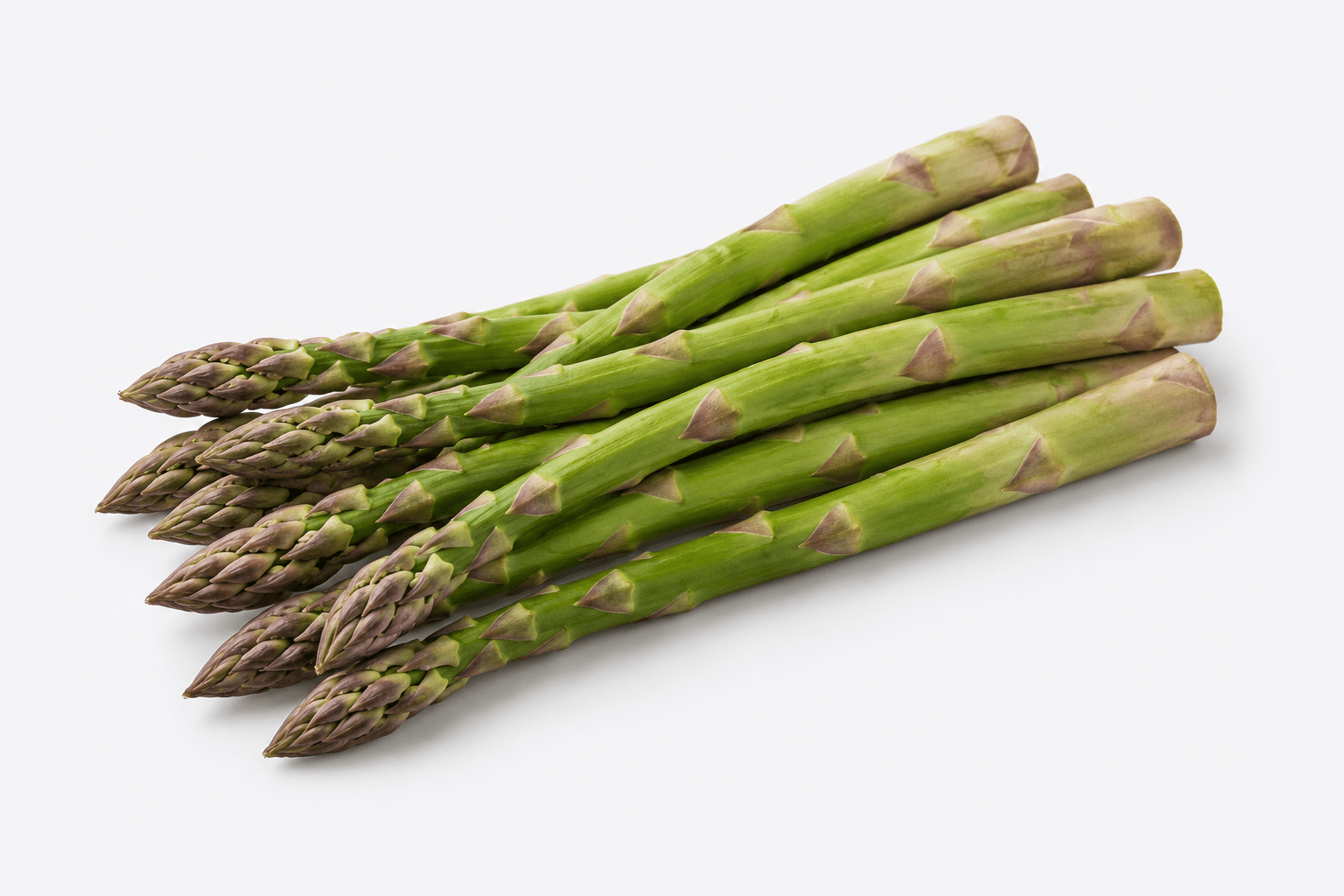
Asparagus

52 µg of folate and 41.6 µg of vitamin K for 20 kcal. And in a study of 6,909 people, close to 60% could not smell asparagus in their urine — it is genetic.

Bell pepper

Vegetables

Moderate evidence

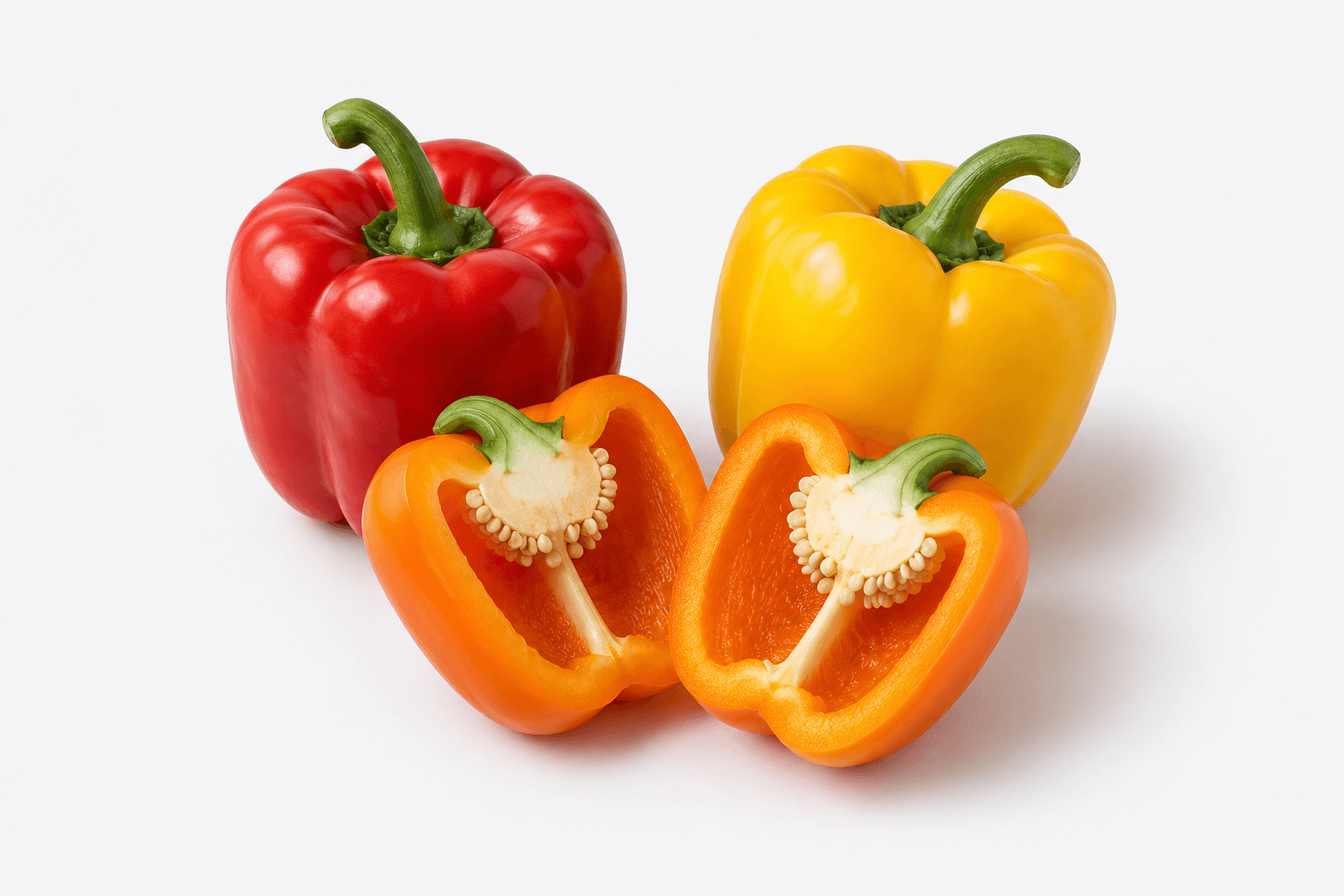
Bell pepper

128 mg of vitamin C per 100 g of red pepper. The Cochrane review, though, found no reduction in colds.

Kale

Vegetables

Moderate evidence

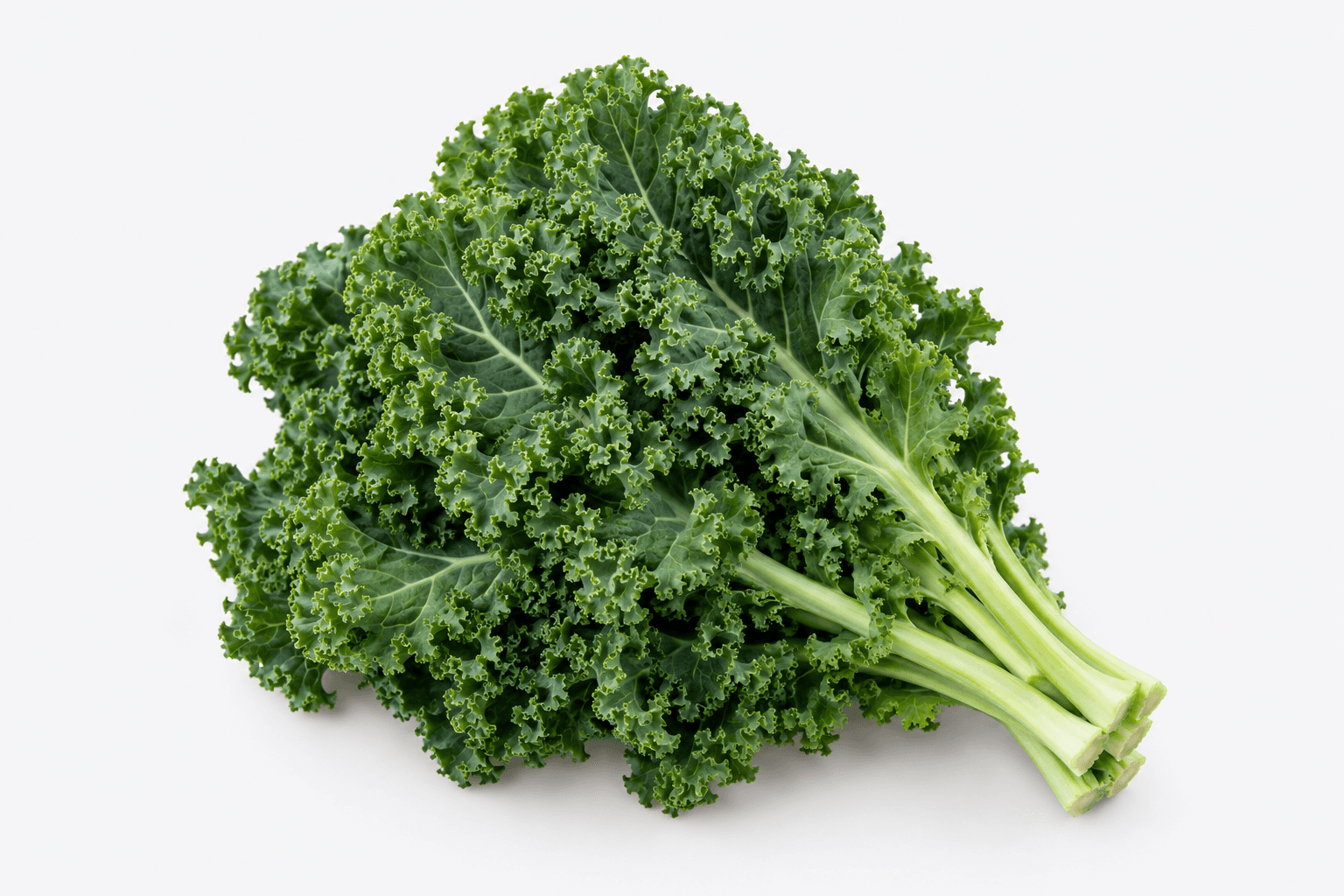
Kale

390 µg of vitamin K, 93.4 mg of vitamin C and 254 mg of calcium per 100 g. Lutein is 6,260 µg — but the AREDS2 primary analysis was not significant.

Potato

Vegetables

Moderate evidence

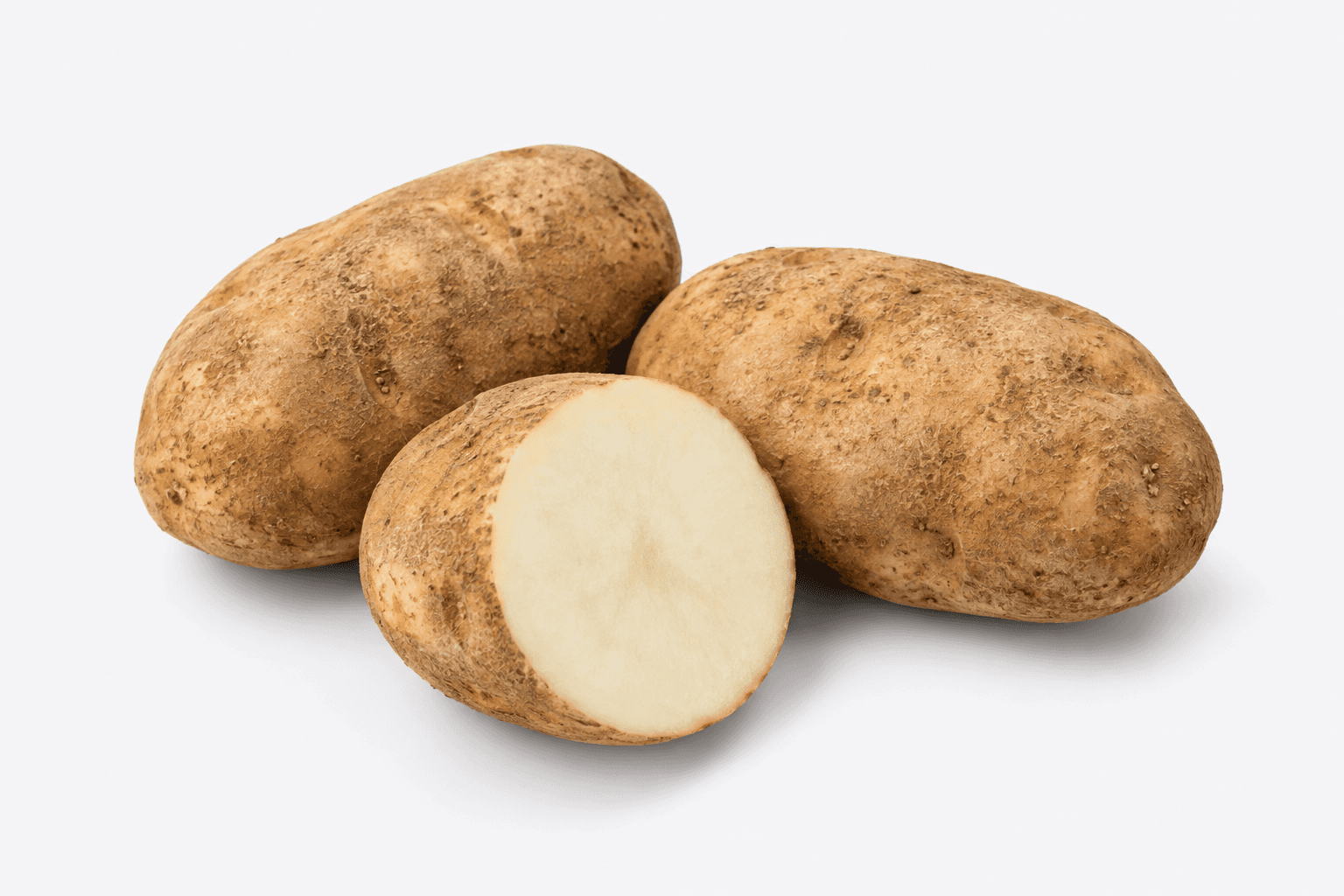
Potato

Total potato intake showed no association with type 2 diabetes risk. Only fried potato did, at a hazard ratio of 1.12.

Pumpkin

Vegetables

Moderate evidence

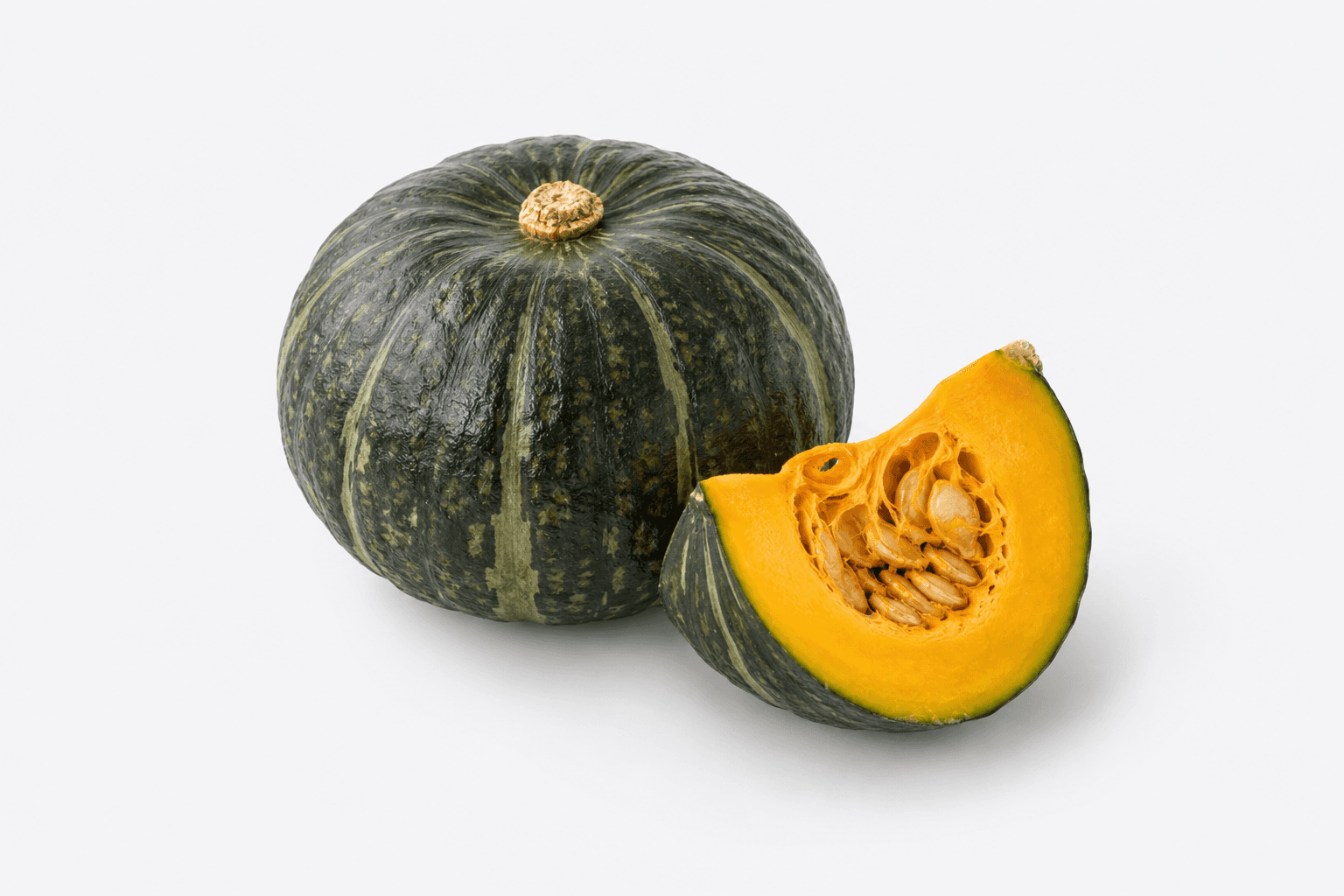
Pumpkin

2,790 µg of beta-carotene in 37 kcal per 100 g baked. Beta-carotene supplements, though, increased lung cancer in smokers.

Kimchi

Vegetables

Moderate evidence

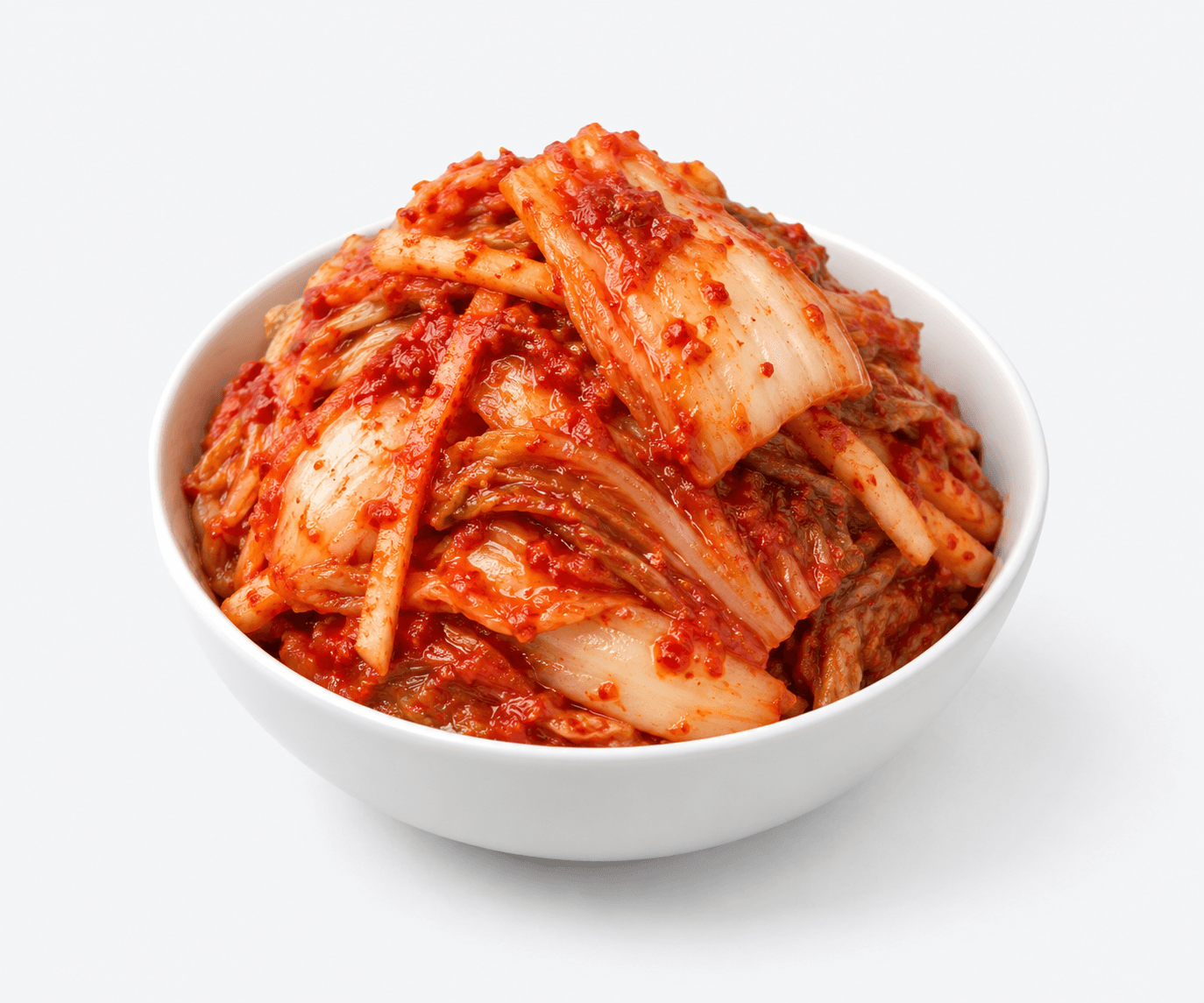
Kimchi

There is evidence that fermented foods help the gut microbiome. But that research did not isolate kimchi, and kimchi arrives with salt attached.

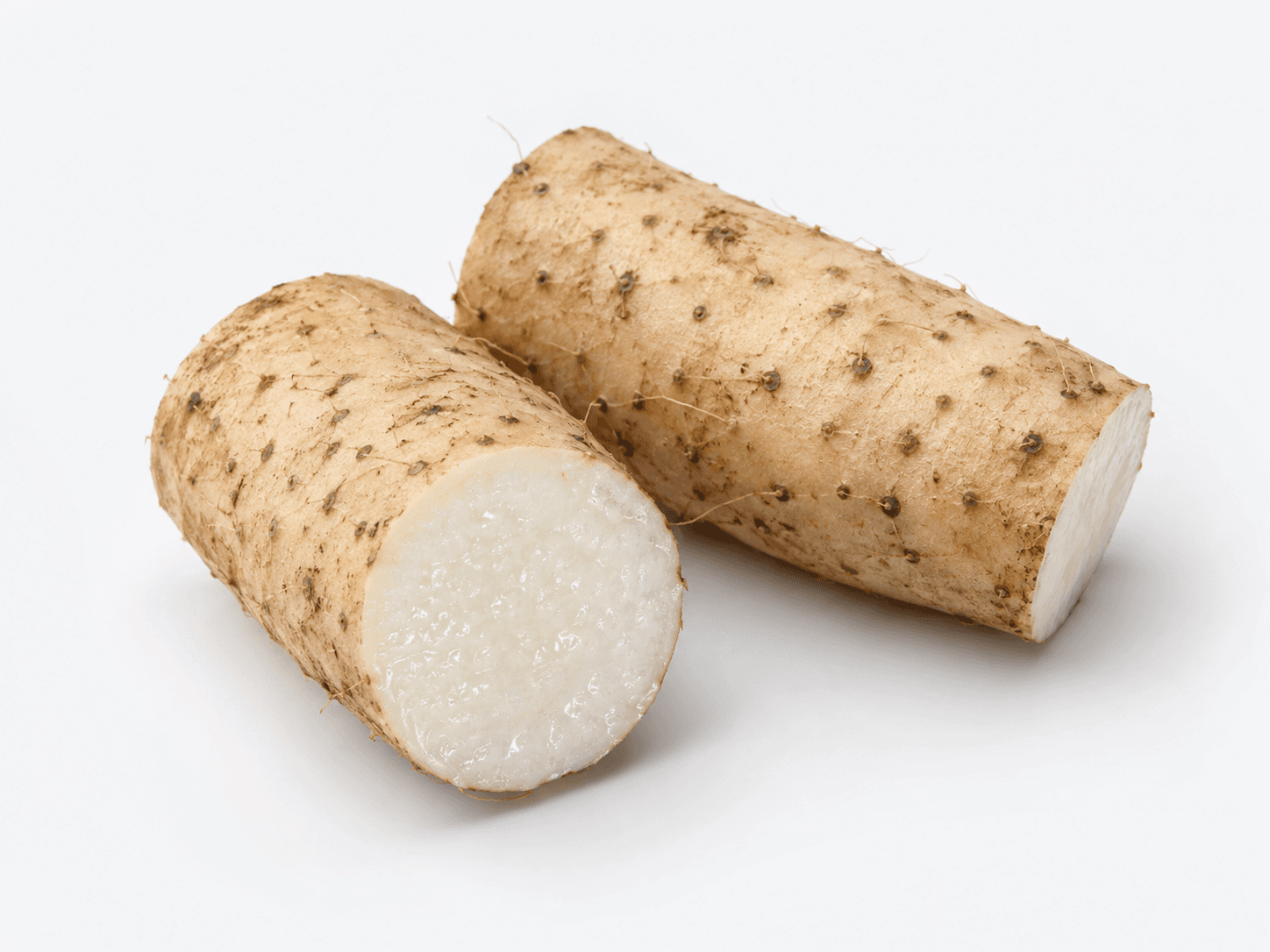
Korean yam

Vegetables

Early research

Korean yam

The mucilage is not mucin but a plant glycoprotein mixture. Research on gastric protection is still at an early stage.

Bitter melon

Vegetables

Nutrition data

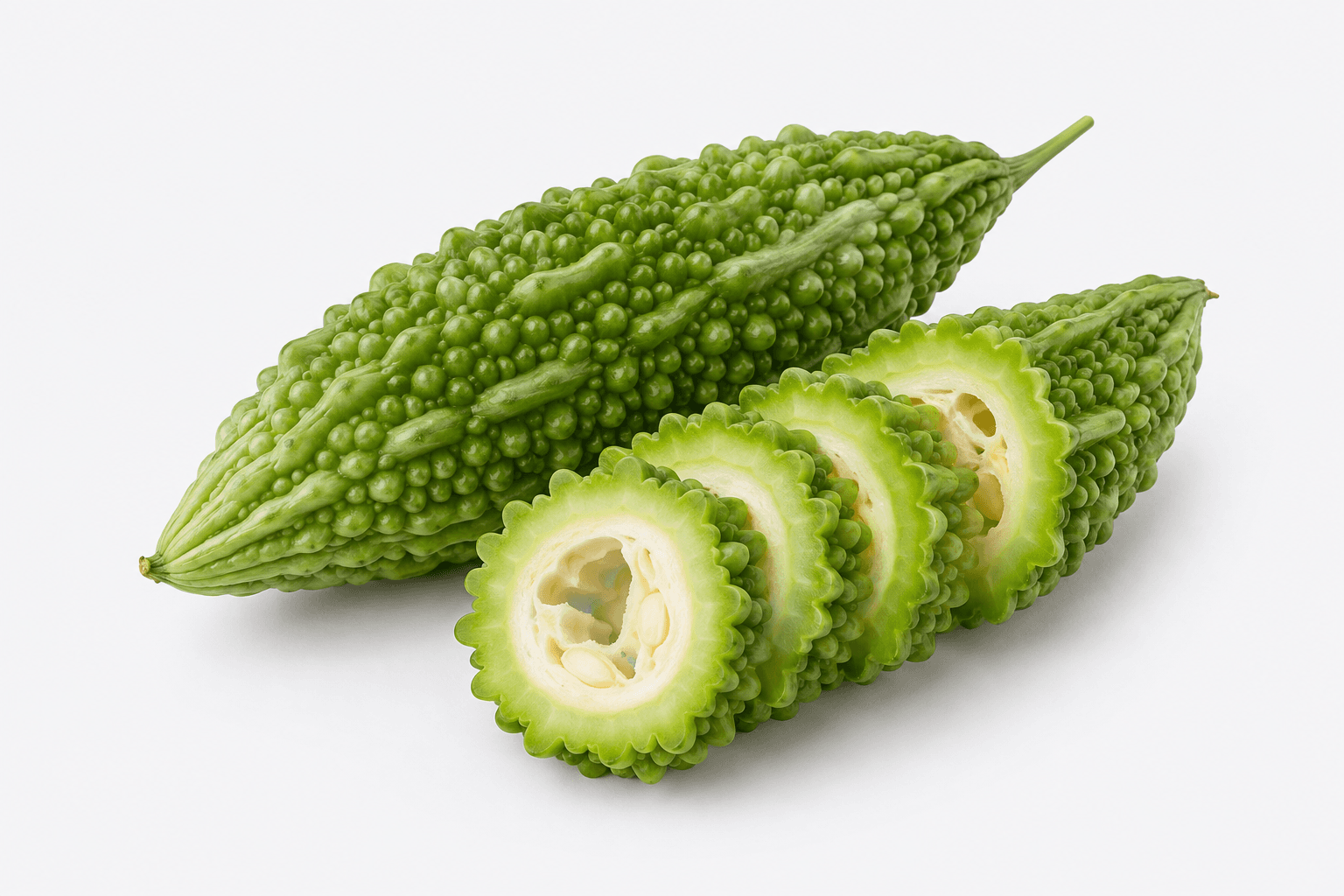
Bitter melon

Bitter melon contains compounds that act somewhat like insulin. Results in human trials, however, are not consistent.

Burdock root

Vegetables

Strong evidence

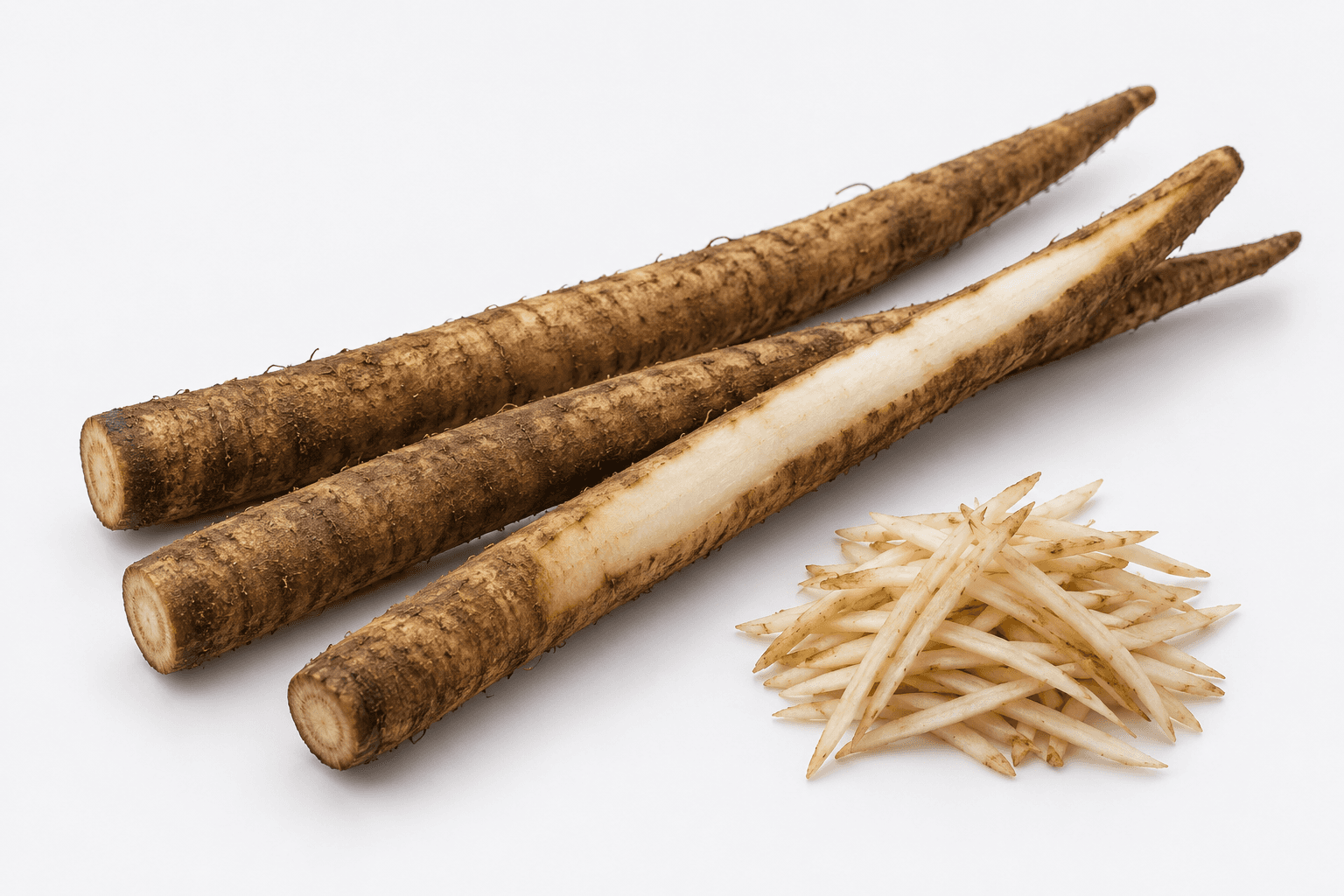
Burdock root

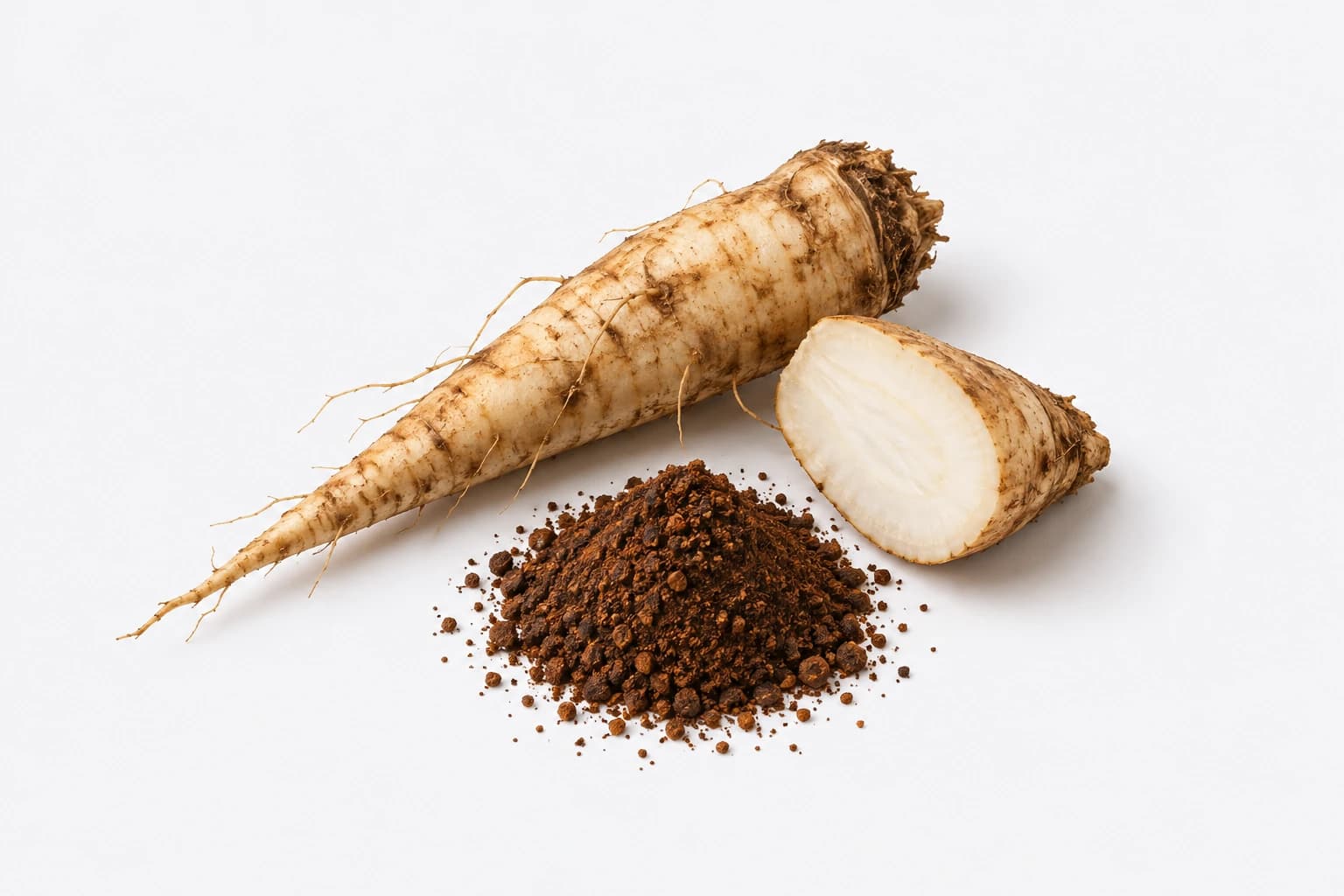
Much of burdock's carbohydrate is inulin, which you cannot digest. It feeds your gut bacteria instead of you.

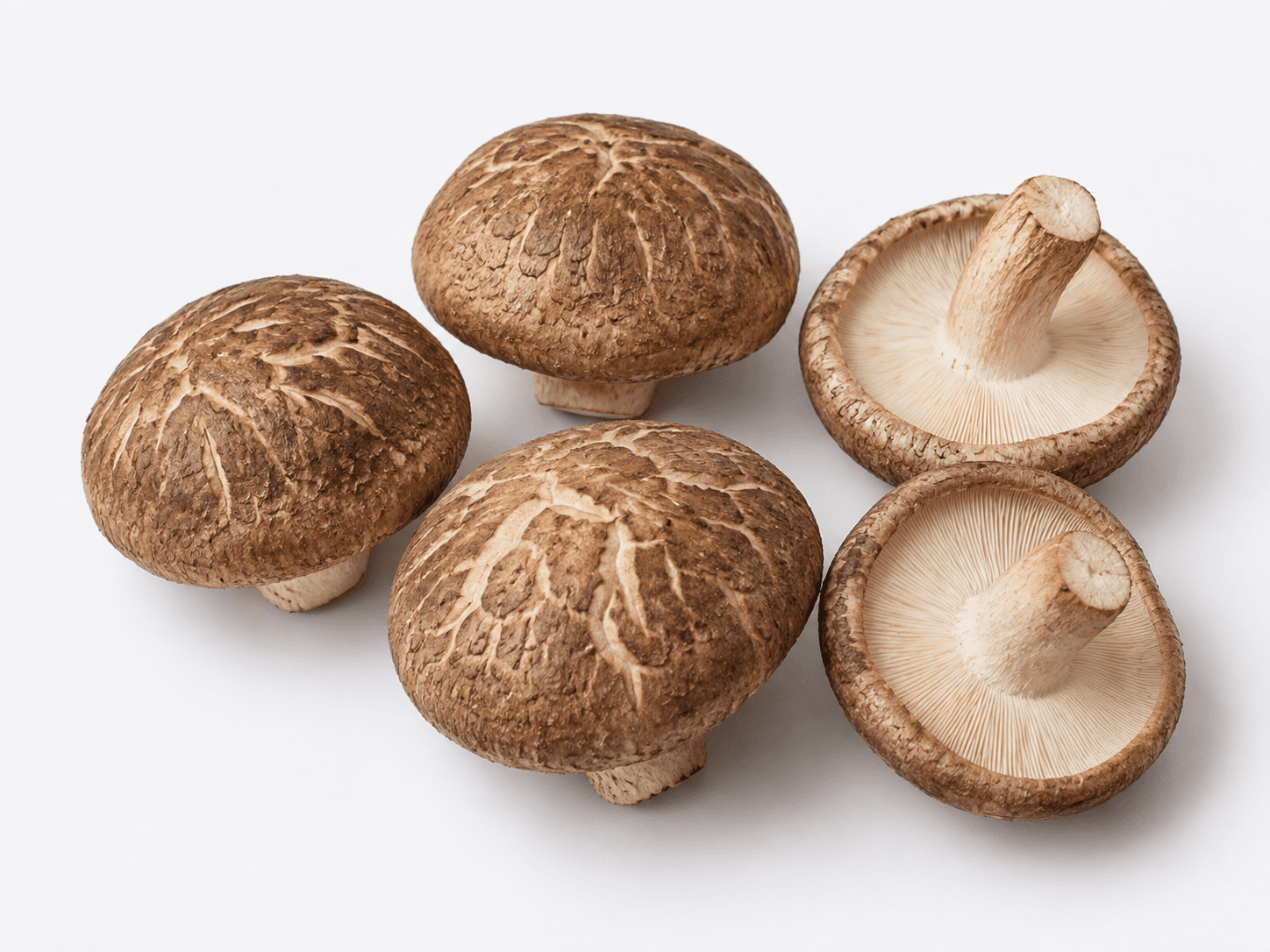
Shiitake

Vegetables

Early research

Shiitake

Ultraviolet light converts the ergosterol in shiitake into vitamin D2. Very few non-animal foods can do this.

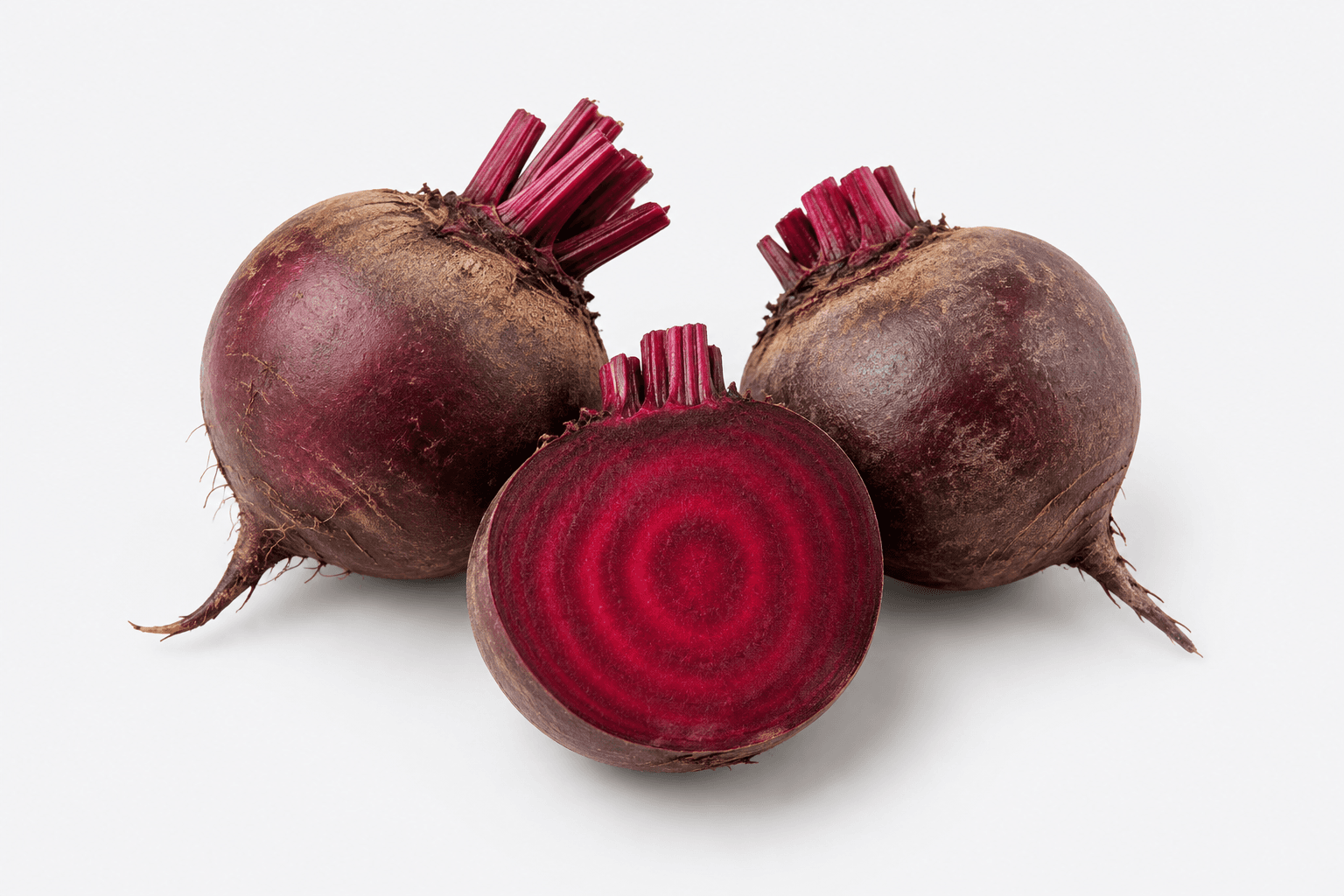
Beetroot

Vegetables

Strong evidence

Beetroot

Beet nitrate converts to nitric oxide, which widens blood vessels. That is why it keeps appearing in exercise physiology studies.

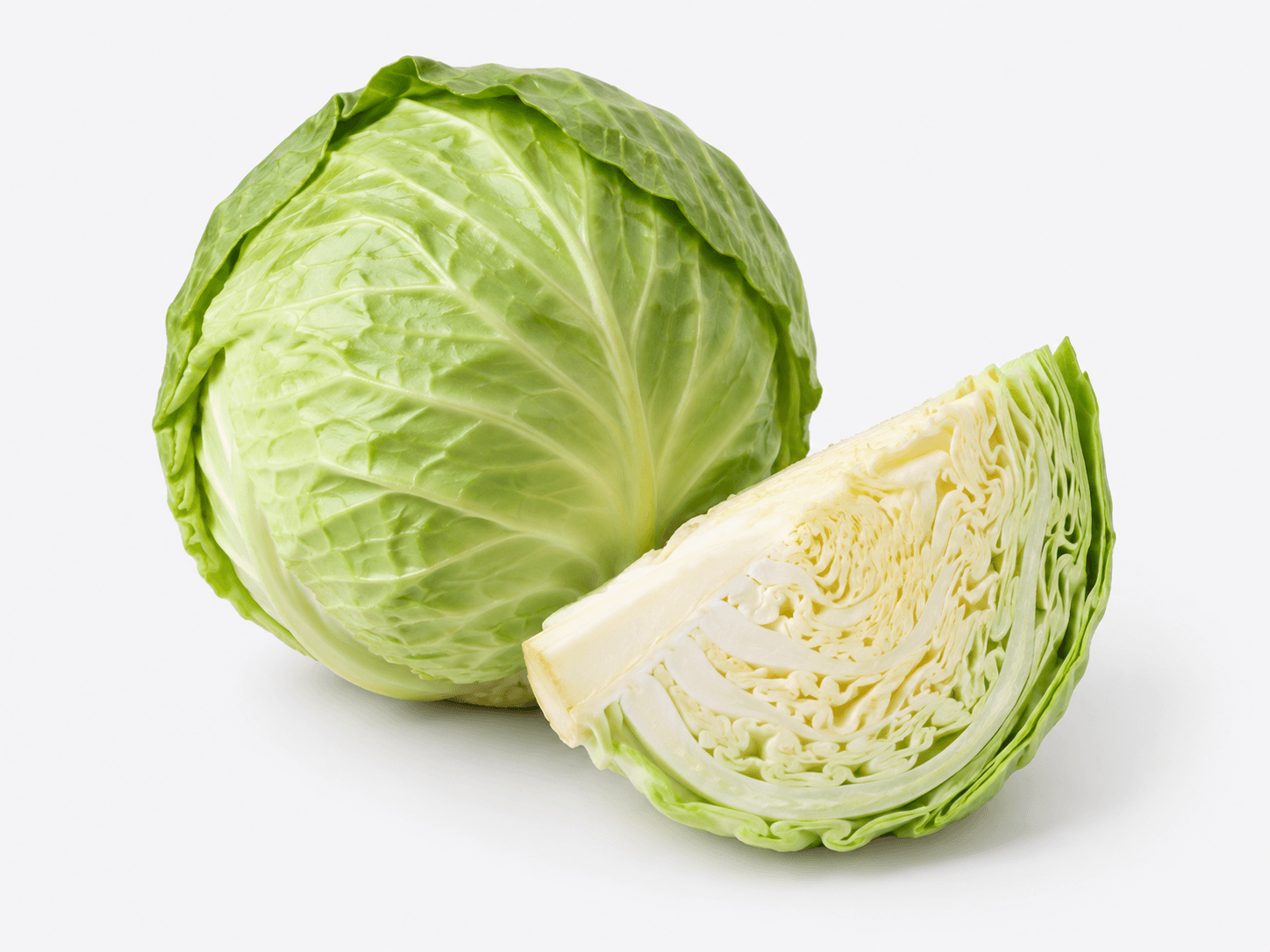
Cabbage

Vegetables

Early research

Cabbage

There is a reason cabbage juice became a folk remedy for stomach trouble. The evidence, though, is weaker than its reputation suggests.

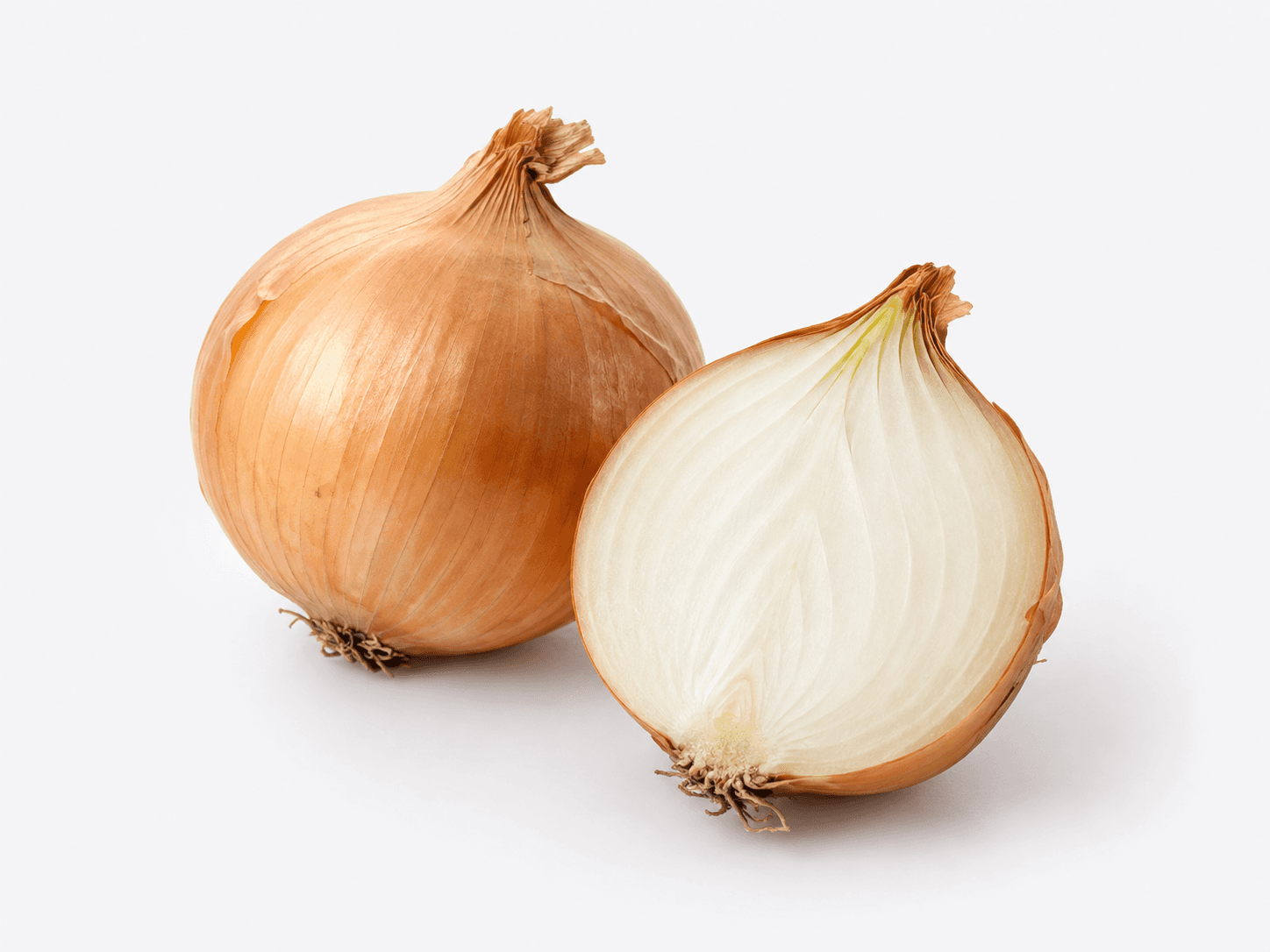
Onion

Vegetables

Moderate evidence

Onion

Onion's antioxidant quercetin concentrates in the outer layers. Peeling two extra layers out of habit throws much of it away.

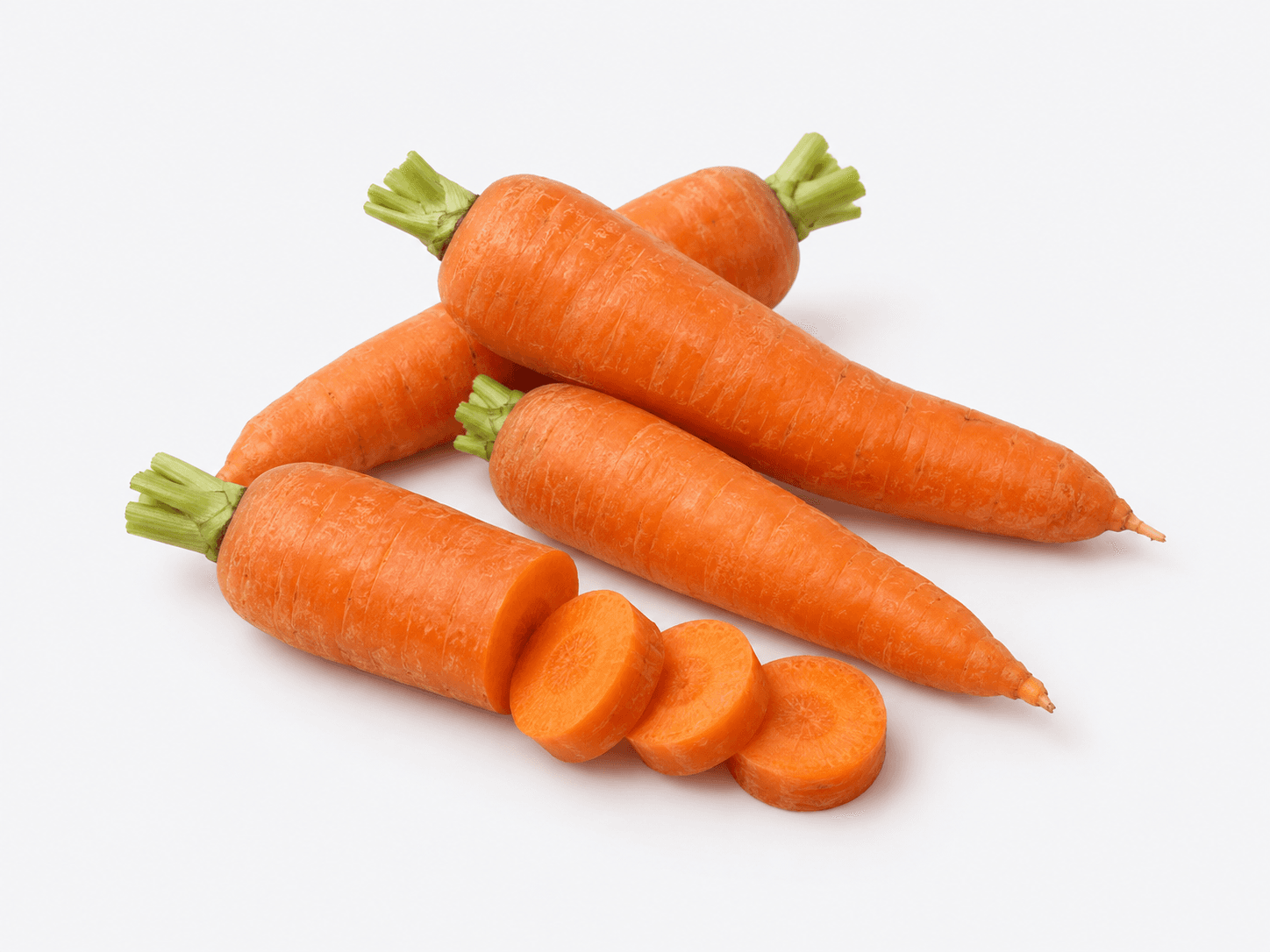
Carrot

Vegetables

Moderate evidence

Carrot

Carrot beta-carotene is locked inside tough cell walls. Cooking plus a little fat multiplies how much you absorb.

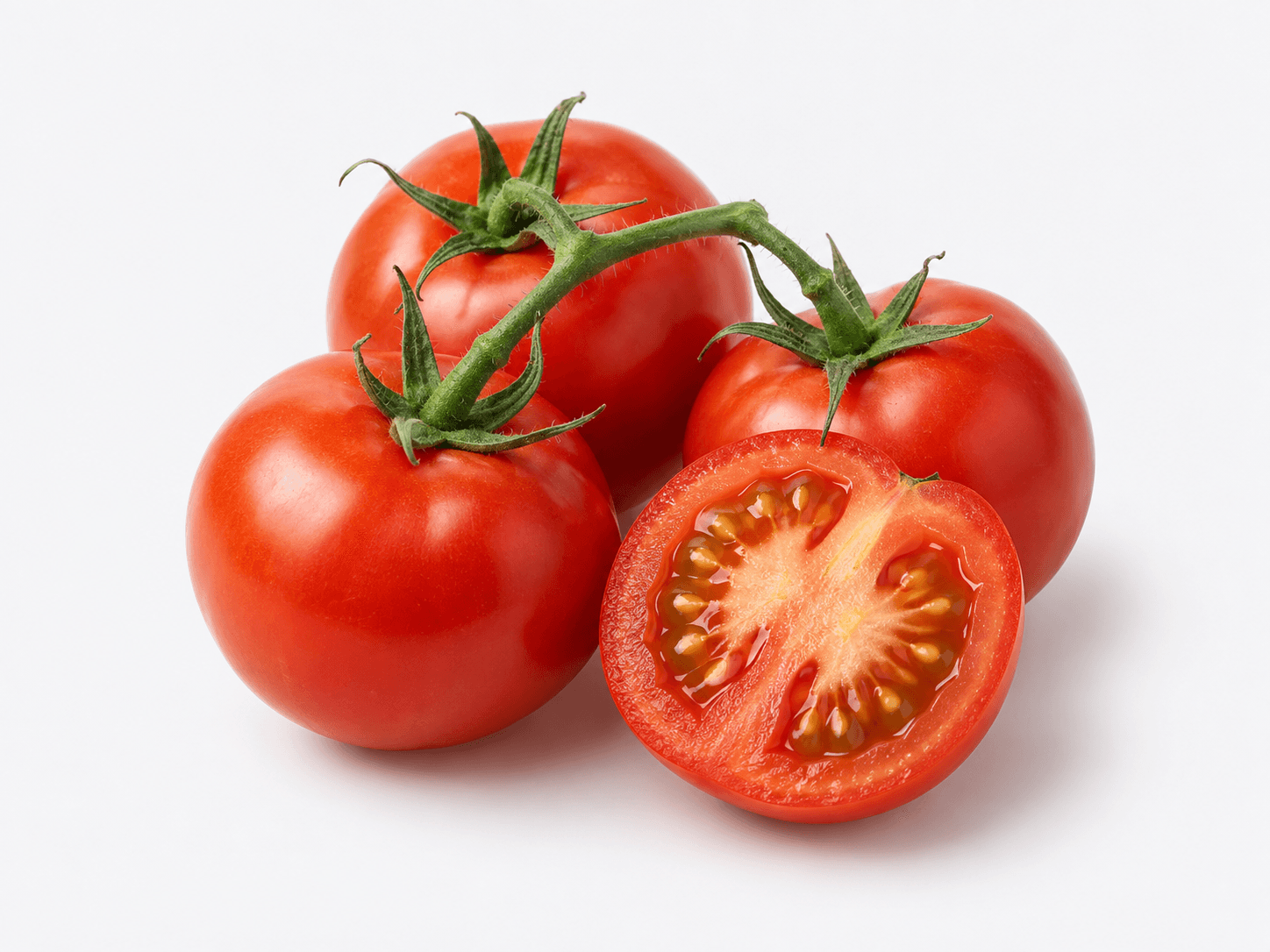
Tomato

Vegetables

Early research

Tomato

Cooked beats raw here. Heat multiplies how much lycopene your body can actually absorb.

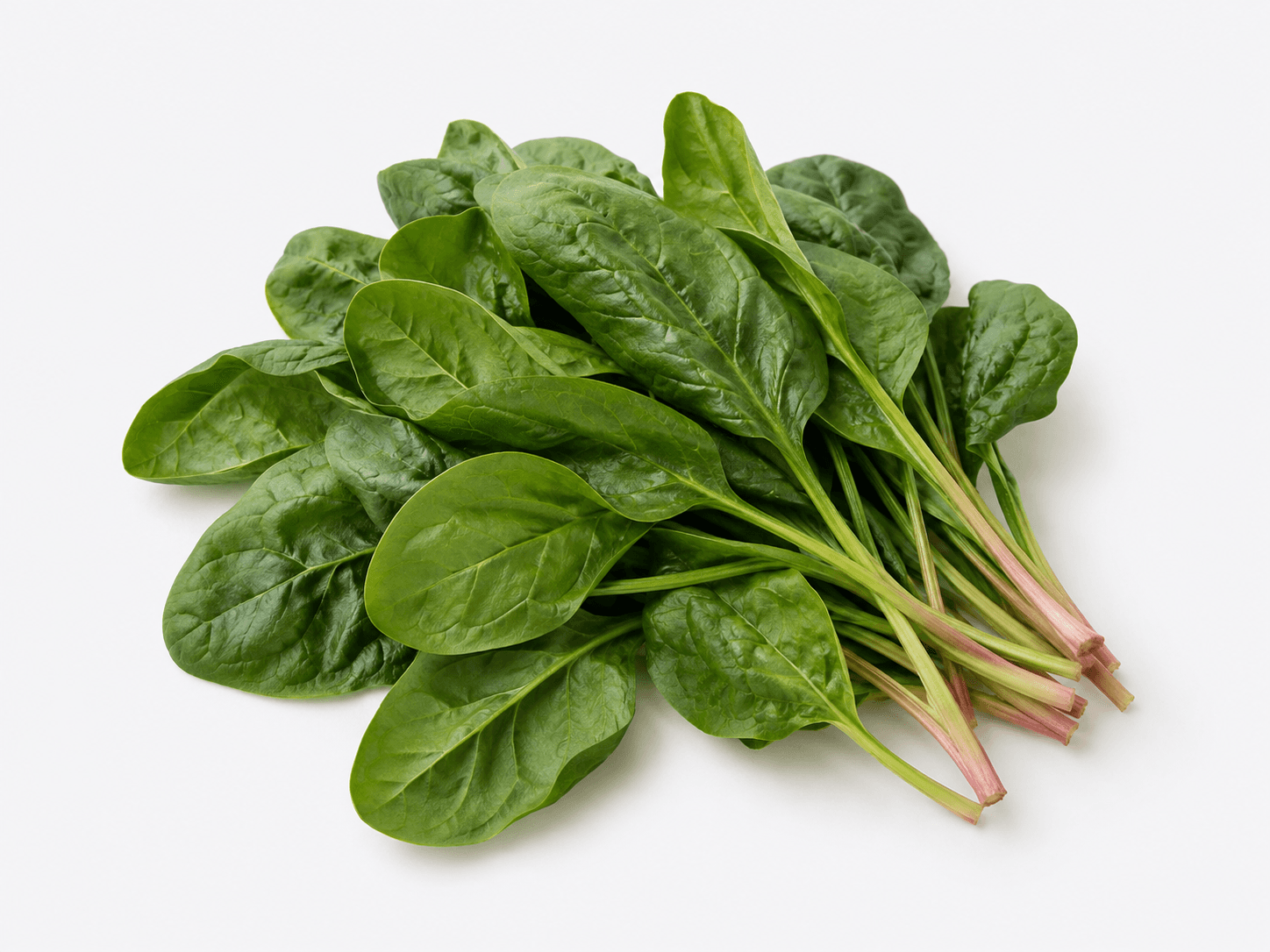
Spinach

Vegetables

Moderate evidence

Spinach

"Spinach equals iron" is only half true. The real value sits in folate, vitamin K, and the lutein that accumulates in your eyes.

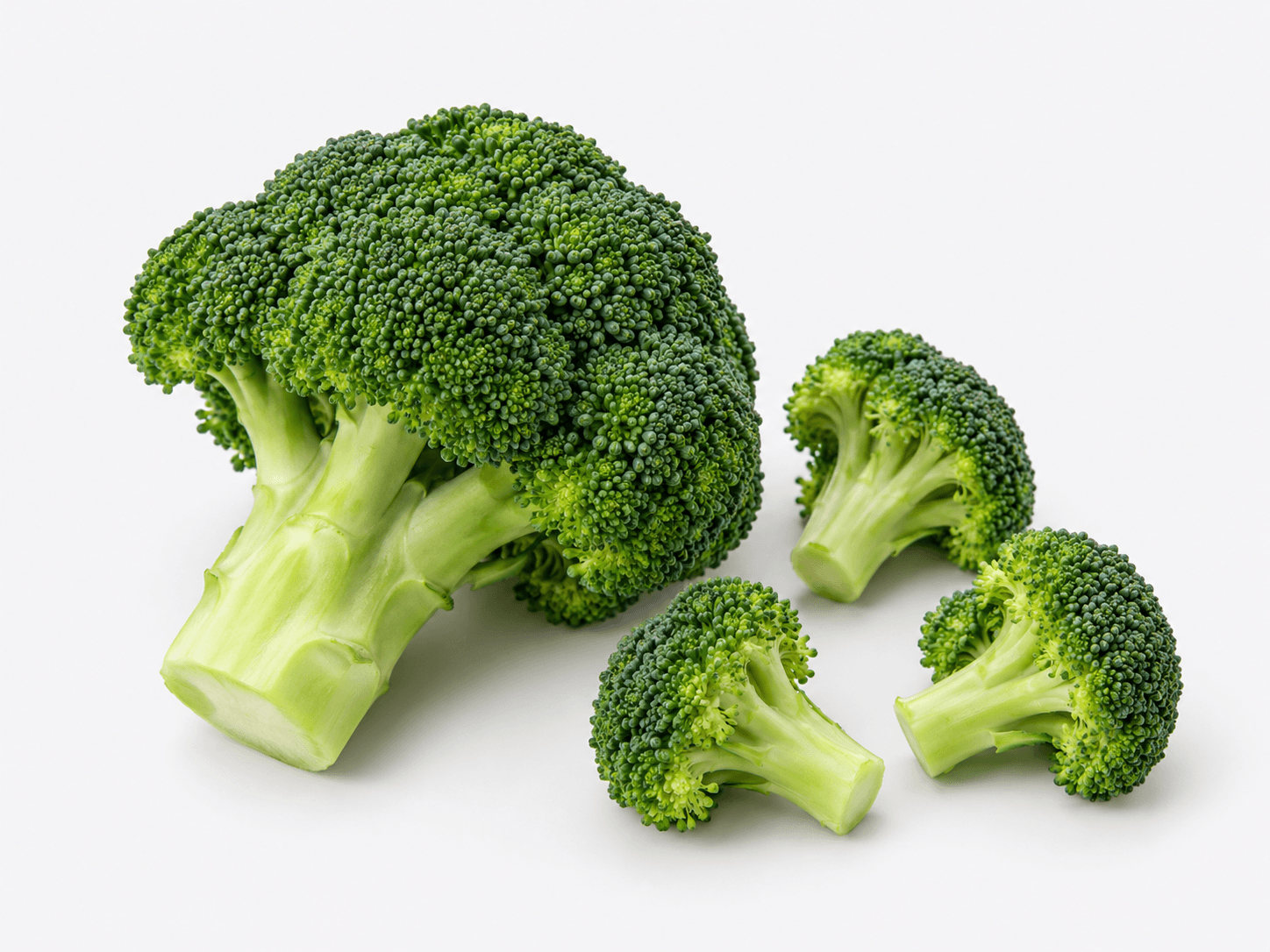
Broccoli

Vegetables

Early research

Broccoli

Broccoli's key compound, sulforaphane, only forms when the vegetable is cut or chewed. One cooking choice changes how much survives.

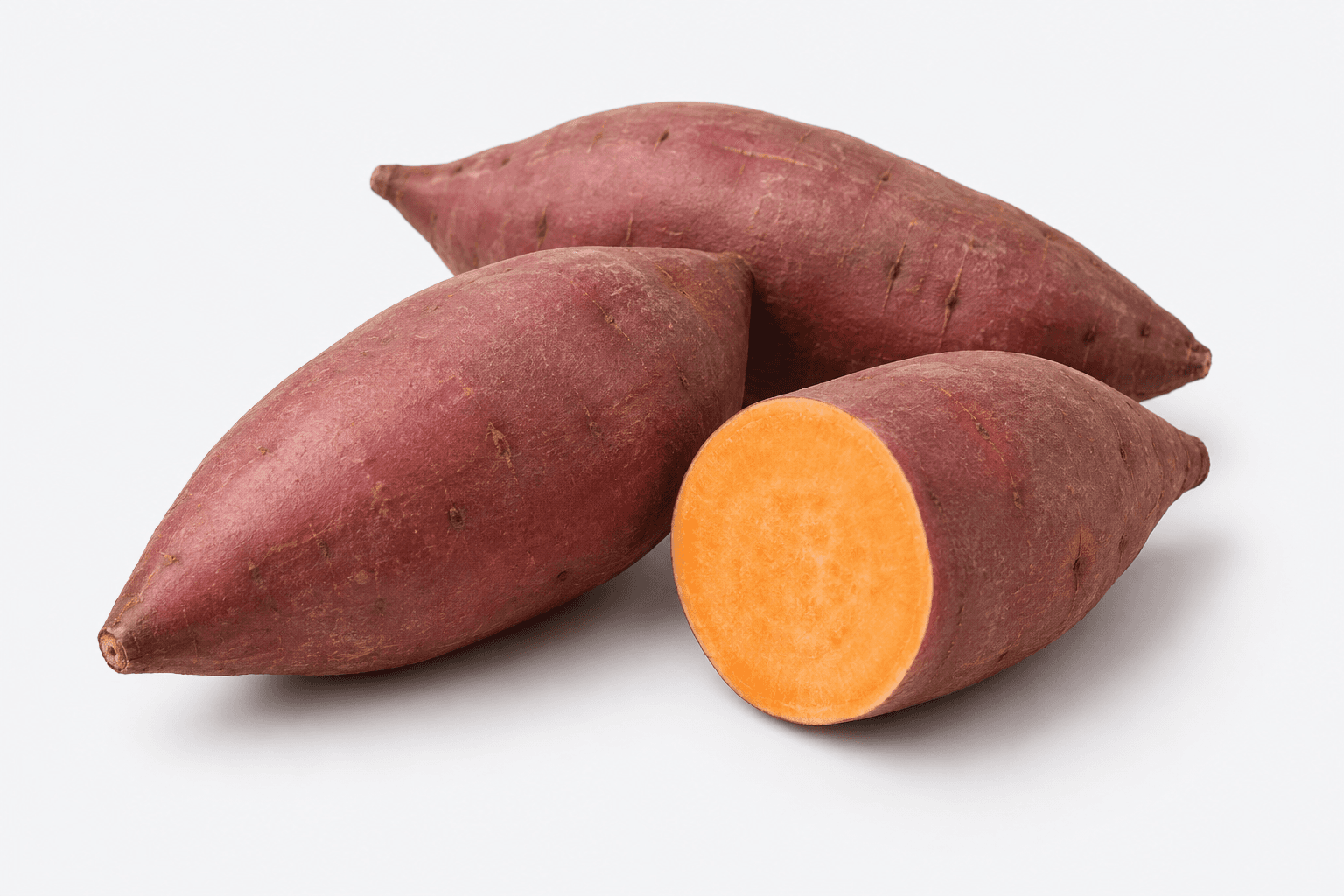
Sweet potato

Vegetables

Moderate evidence

Sweet potato

The beta-carotene and fibre are a clear win, but how you cook a sweet potato can nearly double its effect on blood sugar.

Garlic

Vegetables

Moderate evidence

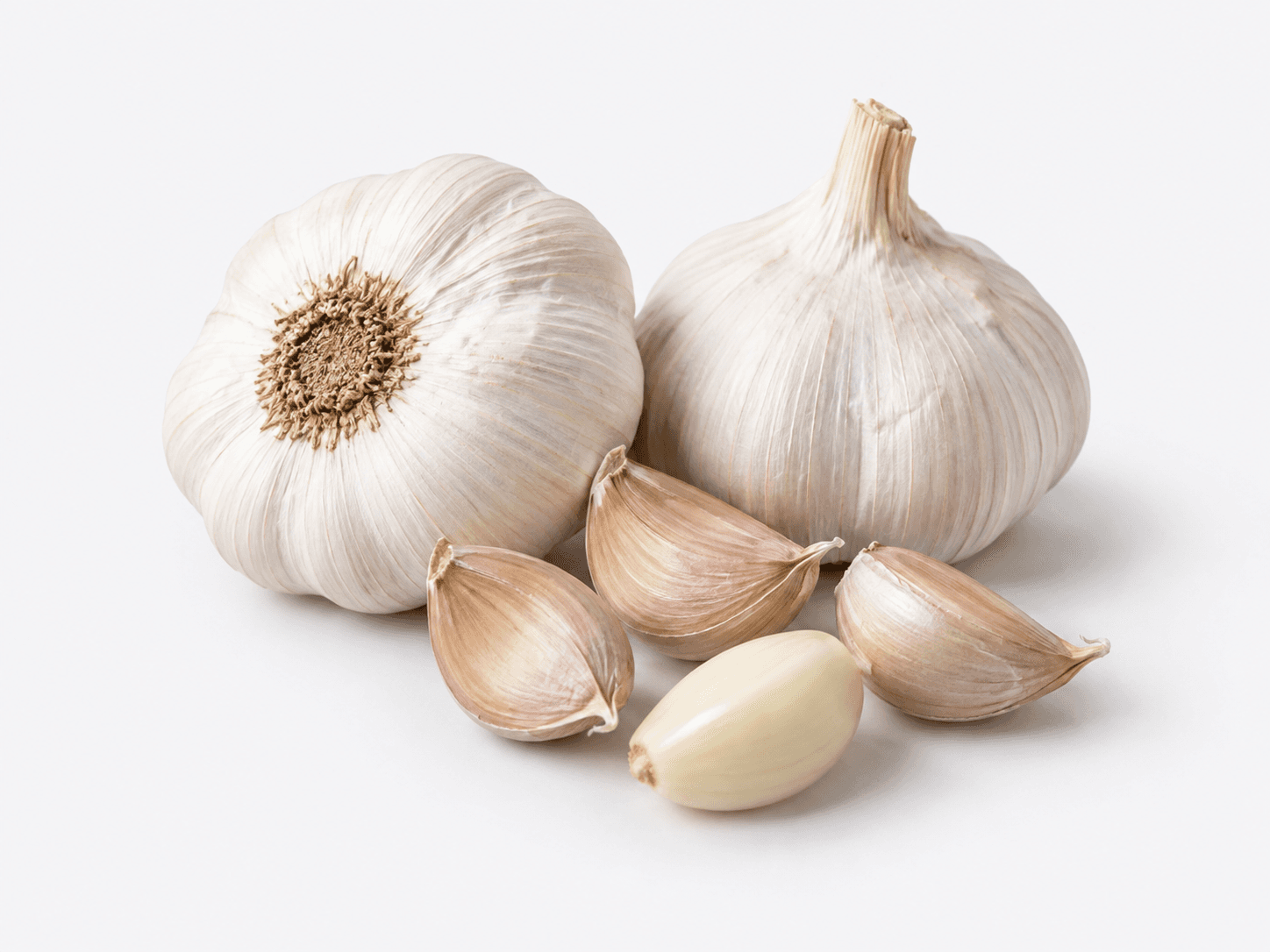
Garlic

The evidence for garlic points to a modest drop in blood pressure and cholesterol. The trick is to crush it and wait ten minutes before it hits the heat.

Recipes

Compare

Send feedback