Vegetables
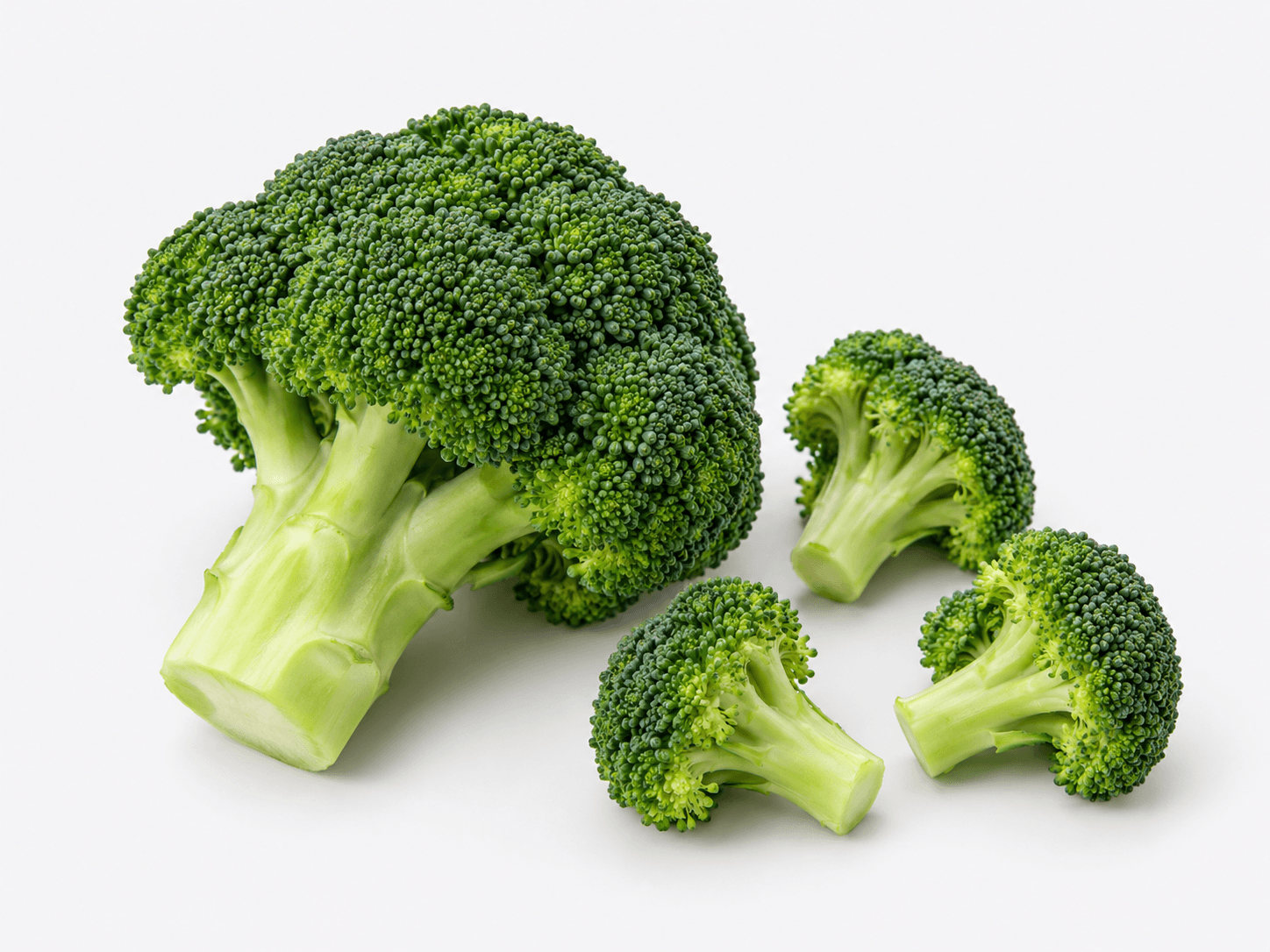
Broccoli
Broccoli's key compound, sulforaphane, only forms when the vegetable is cut or chewed. One cooking choice changes how much survives.
Spinach leads on micronutrient density; broccoli leads on vitamin C and sulforaphane. Spinach's oxalate makes the numbers alone misleading.
Vegetables
Broccoli's key compound, sulforaphane, only forms when the vegetable is cut or chewed. One cooking choice changes how much survives.
Vegetables
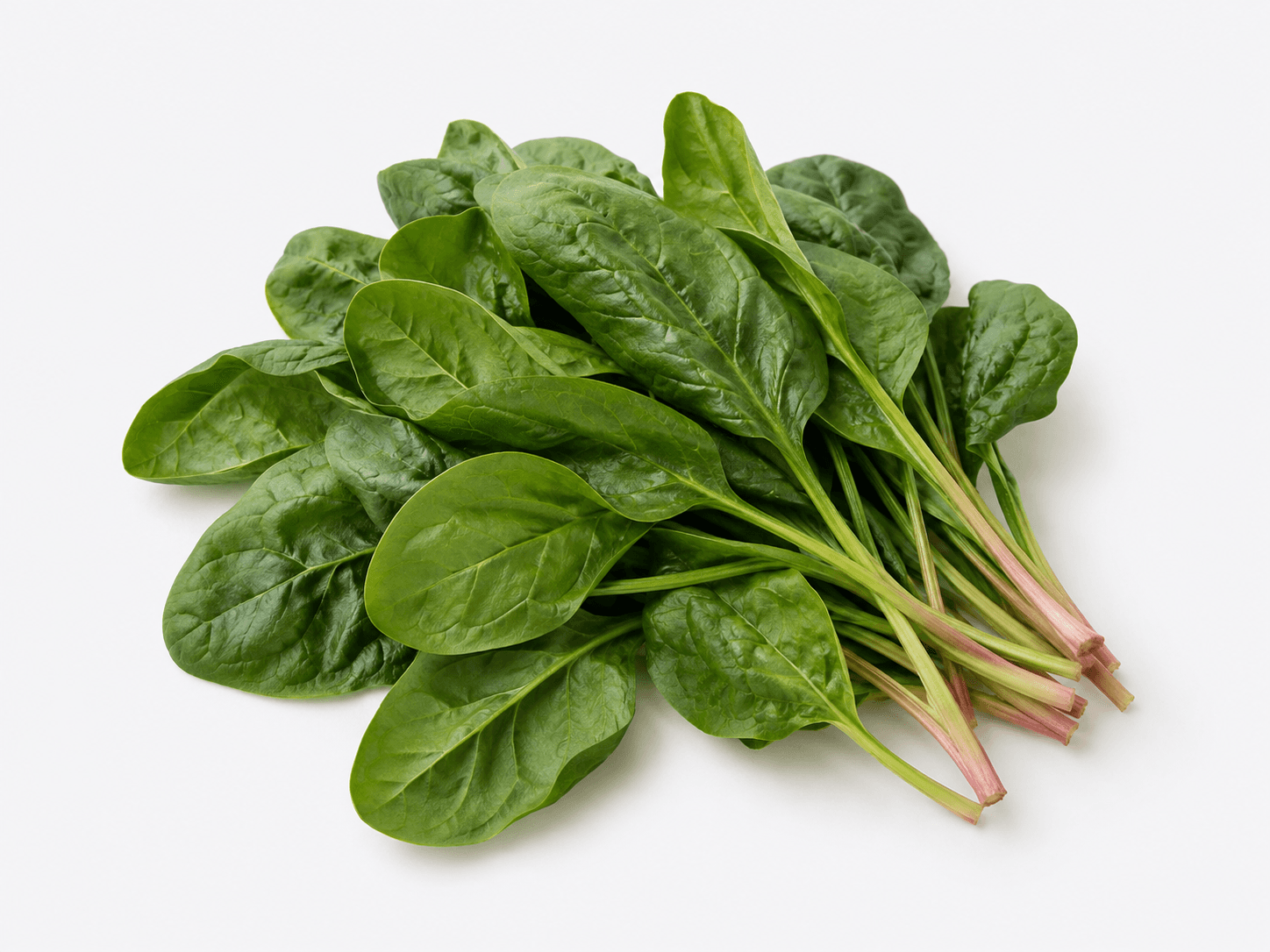
"Spinach equals iron" is only half true. The real value sits in folate, vitamin K, and the lutein that accumulates in your eyes.
Broccoli — Leads on
Spinach — Leads on
Per 100 g edible portion. Only rows where both have a figure are shown, and no winner is marked for items like calories or sugars where more is not better.
| Nutrition | Broccoli | Spinach |
|---|---|---|
| Calories | 34 kcal | 23 kcal |
| Protein | 2.8 g | 2.9 g |
| Carbohydrates | 6.6 g | 3.6 g |
| Fiber | 2.6 g | 2.2 g |
| Vitamin A | 31 µg | 469 µg |
| Vitamin E | 0.78 mg | 2.03 mg |
| Vitamin K | 102 µg | 483 µg |
| Folate | 63 µg | 194 µg |
| Potassium | 316 mg | 558 mg |
On the table, spinach wins most rows. Its vitamin K is more than four times broccoli's, and it leads on folate, iron and magnesium too. But spinach iron is poorly absorbed non-heme iron, and spinach's own oxalate binds much of the iron and calcium it carries. Few foods have such a gap between what the label says and what your body takes up.
Broccoli holds more than three times the vitamin C and offers sulforaphane, which spinach does not. It carries no oxalate problem. In exchange it is sensitive to cooking: boil it and the sulforaphane may never form.
There is no real reason to choose. Blanch spinach and discard the water, steam broccoli for under three minutes, and alternate. If you must split them by situation: spinach when folate matters, broccoli when you are topping up vitamin C.