Vegetables
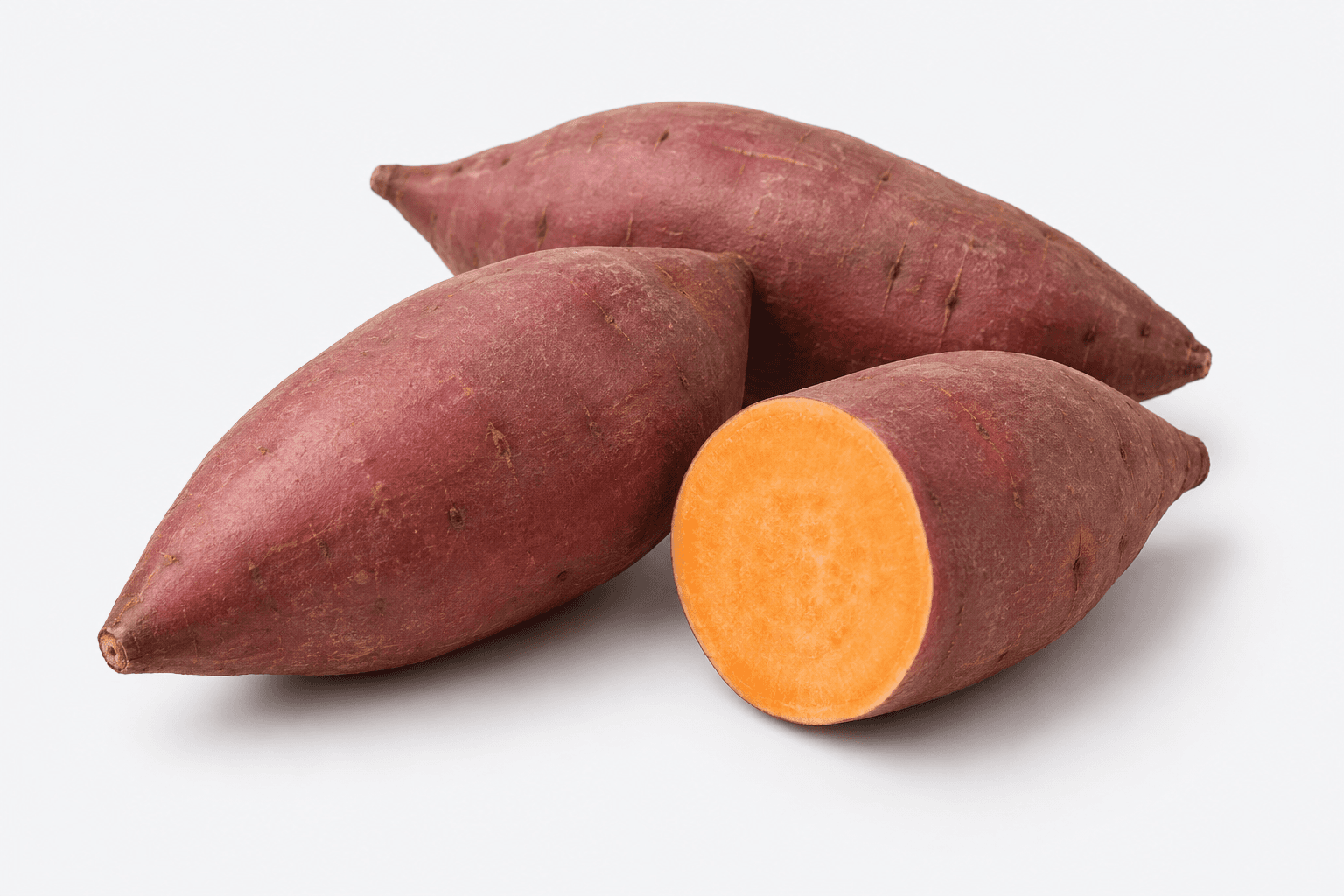
Sweet potato
The beta-carotene and fibre are a clear win, but how you cook a sweet potato can nearly double its effect on blood sugar.
Sweet potato brings beta-carotene; yam brings mucilage and digestive enzymes. Their cooking requirements are opposites.
Vegetables
The beta-carotene and fibre are a clear win, but how you cook a sweet potato can nearly double its effect on blood sugar.
Vegetables
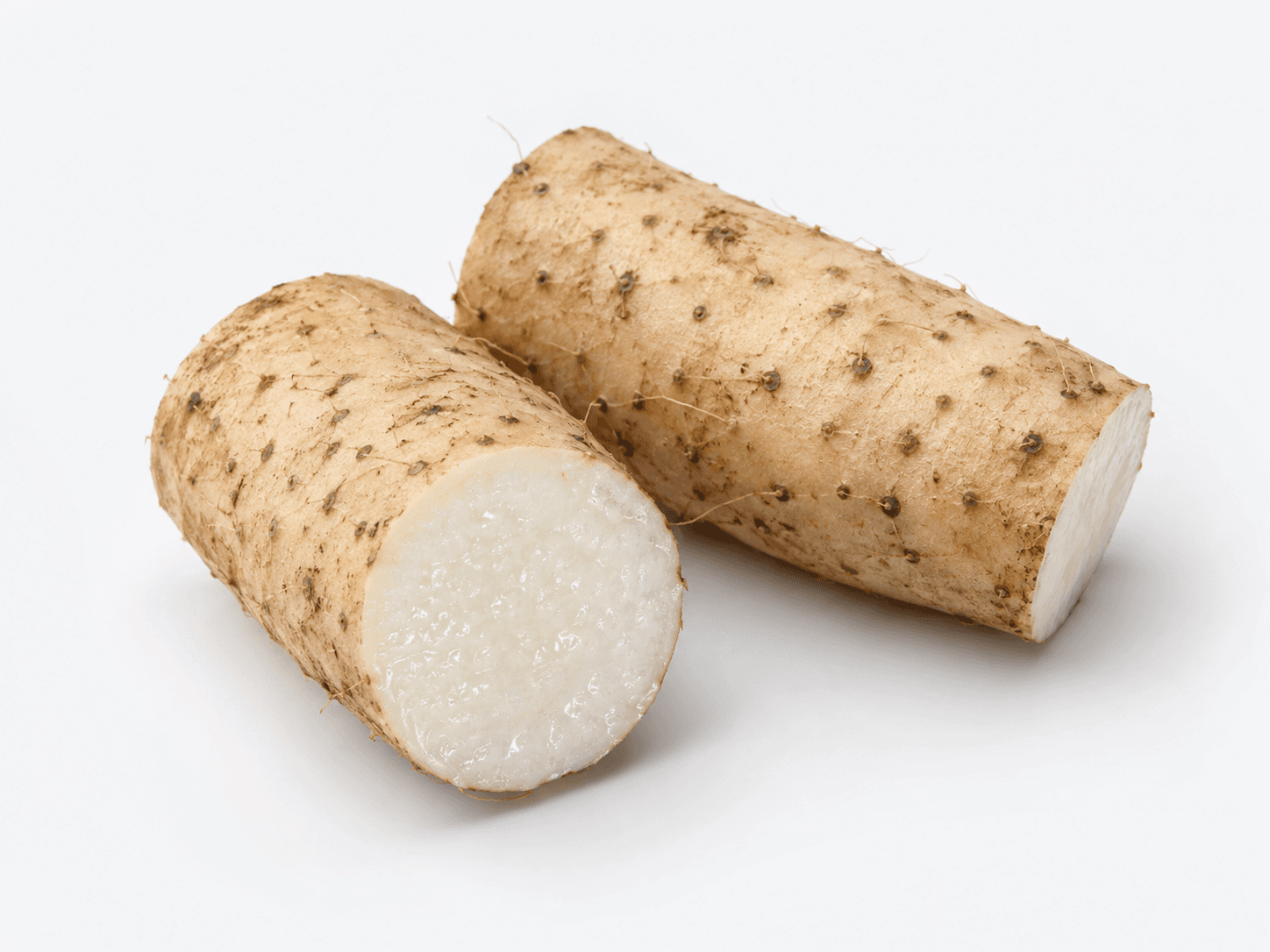
The mucilage is not mucin but a plant glycoprotein mixture. Research on gastric protection is still at an early stage.
Sweet potato — Leads on
Korean yam — Leads on
Per 100 g edible portion. Only rows where both have a figure are shown, and no winner is marked for items like calories or sugars where more is not better.
| Nutrition | Sweet potato | Korean yam |
|---|---|---|
| Calories | 86 kcal | 65 kcal |
| Protein | 1.6 g | 2.2 g |
| Carbohydrates | 20.1 g | 13.9 g |
| Fiber | 3.0 g | 1.0 g |
| Vitamin C | 2.4 mg | 6 mg |
| Potassium | 337 mg | 430 mg |
Sweet potato's strength is beta-carotene: over 8,500 µg per 100 g, so one medium root covers a day's vitamin A. Yam has virtually none. Fibre also favours sweet potato, 3.0 g against 1.0 g.
What makes yam distinctive barely shows on a nutrition table. The mucilage it releases when grated and enzymes such as amylase are not reported as figures. That is where the habit of eating yam for a troubled stomach comes from, though clinical evidence in people remains limited.
The practical point is that their cooking requirements are opposites. Sweet potato must be cooked, and whether you bake or boil it swings the glycaemic index from the fifties to above 90. Yam is the reverse: grating it raw is the only way to keep the enzymes. Cook it and only the mucilage remains.
For beta-carotene and satiety, sweet potato. For an unsettled stomach, raw grated yam. Both are high in potassium, so check quantities if you restrict it for kidney disease.