Filter by category or search for the ingredient you have in the kitchen.
20 ingredients
Grains & legumes — See the category page
Grains & legumes
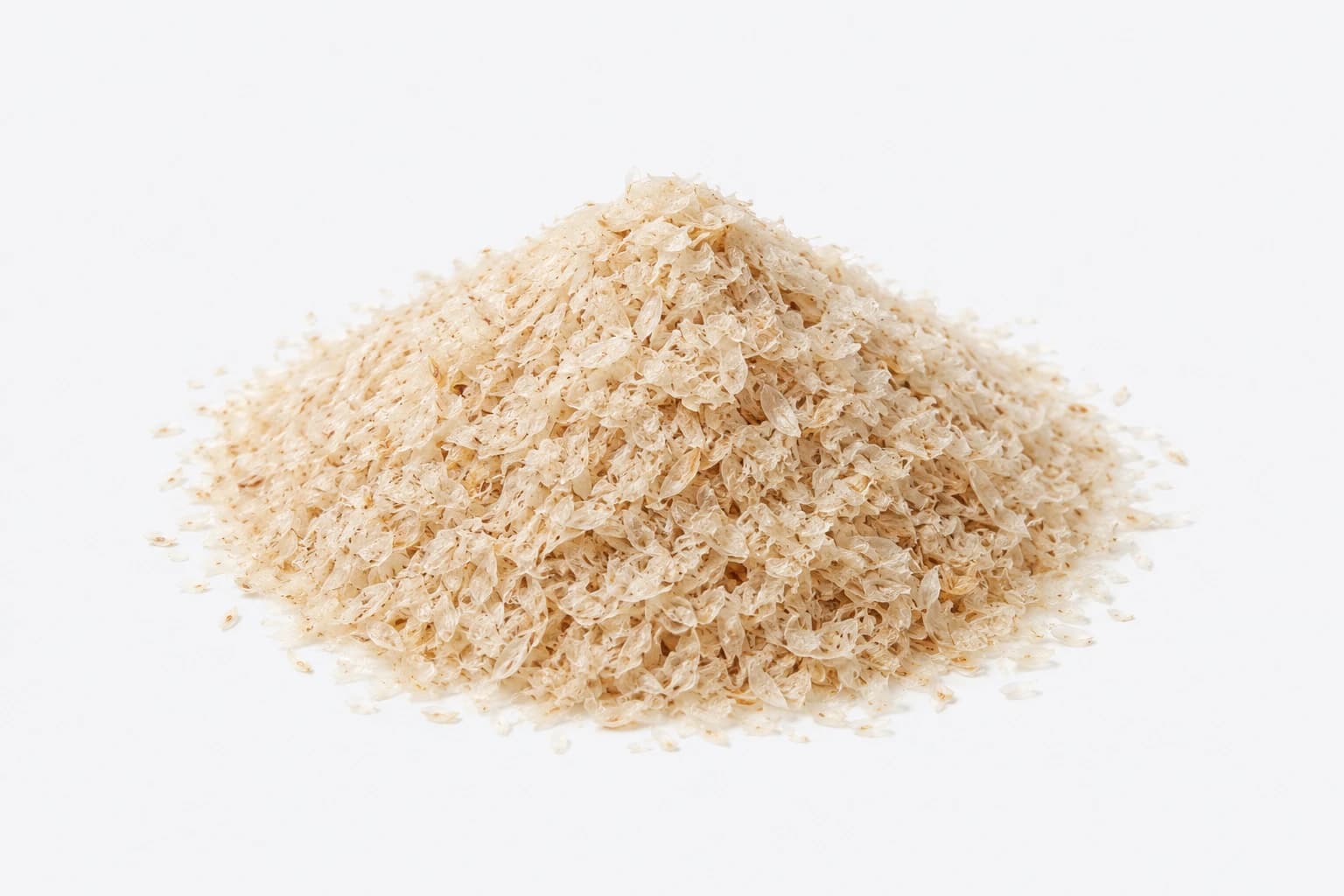
Strong evidenceA 2018 meta-analysis pooling 28 randomised controlled trials and 1,924 people found LDL cholesterol fell by 0.33 mmol/L on average. Non-HDL cholesterol and apolipoprotein B fell with it. This is one of the few entries this site marks as established.
Grains & legumes
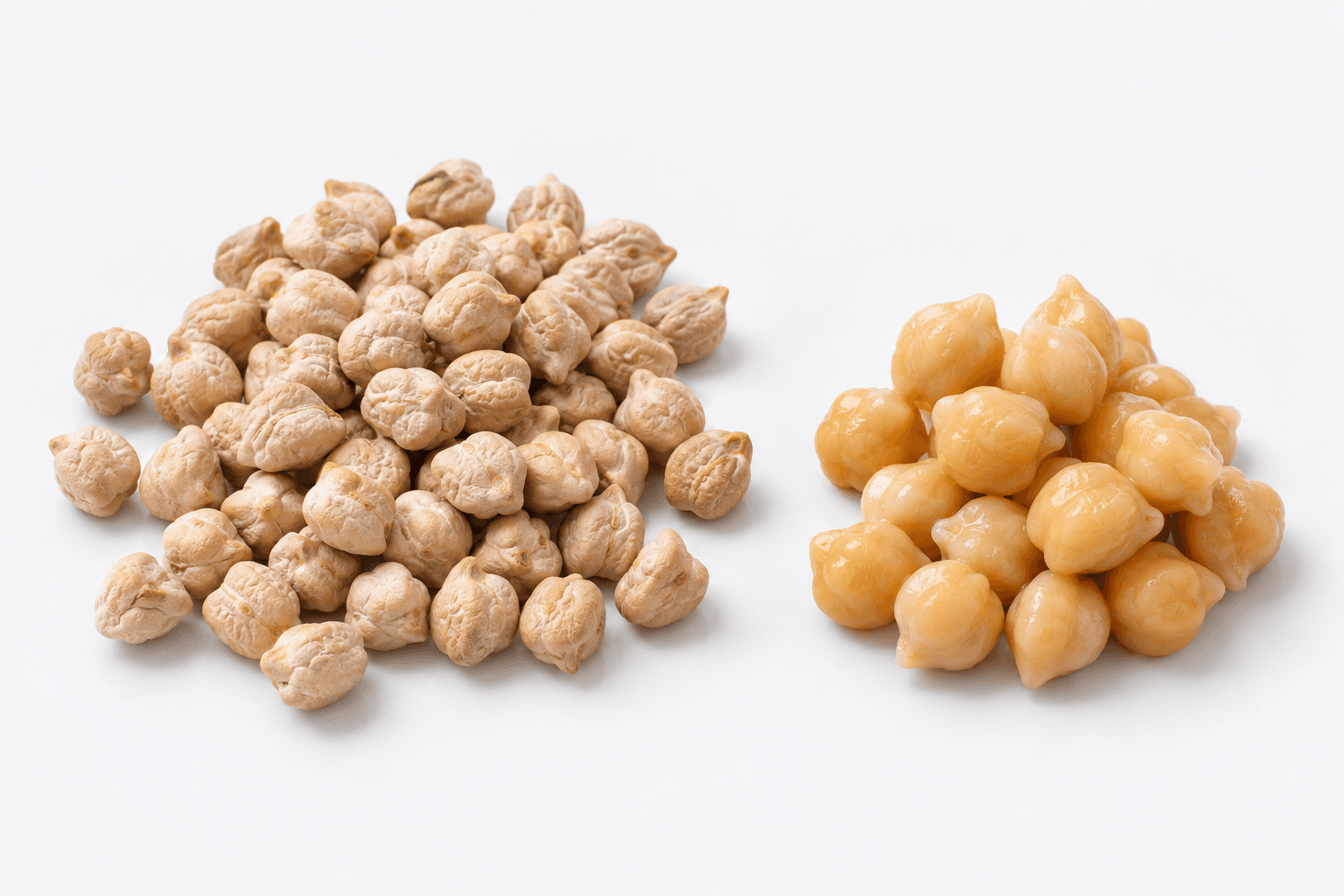
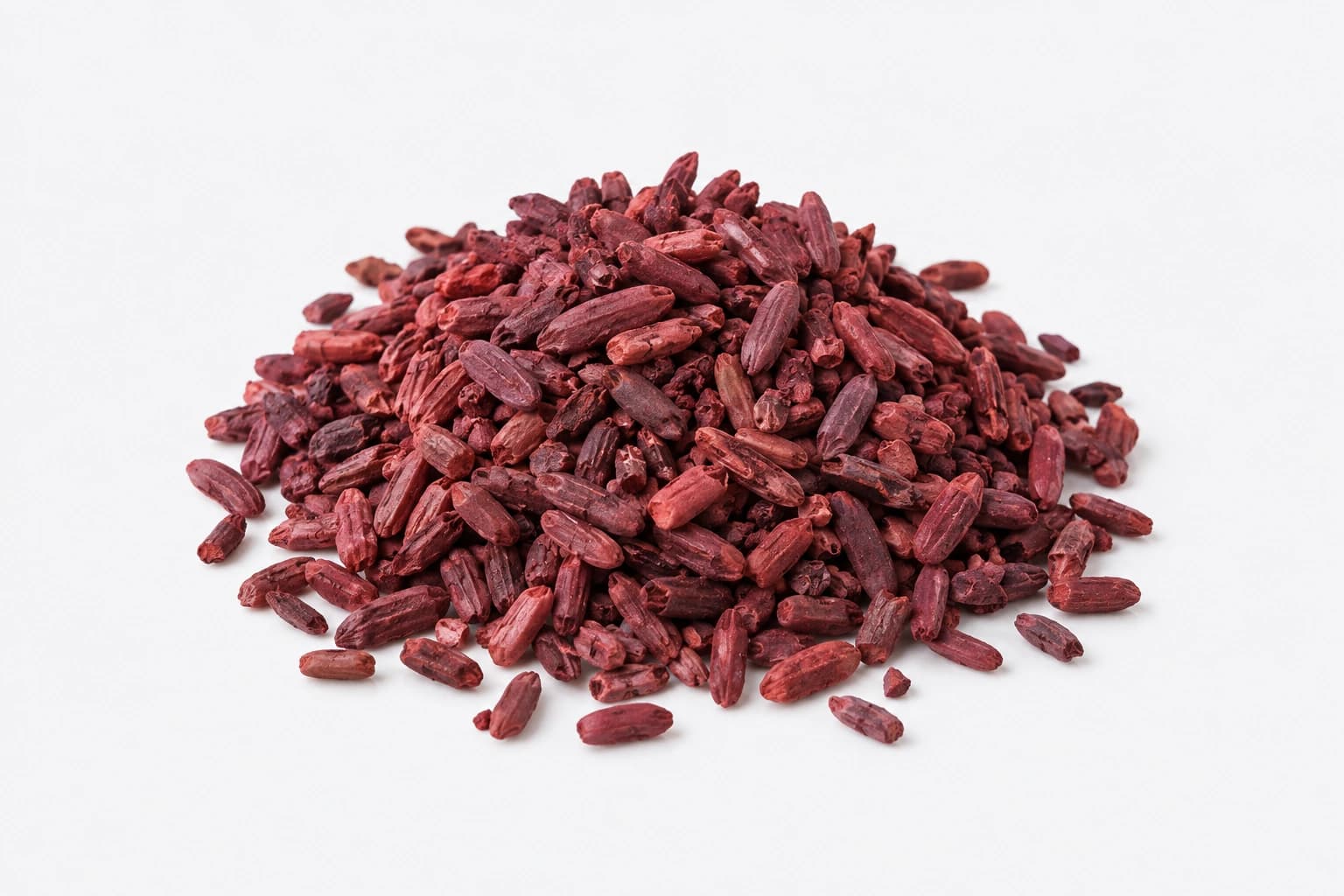
Strong evidenceA 2015 meta-analysis of 20 trials found LDL fell by 1.02 mmol/L, and the effect was statistically indistinguishable from statin therapy. The same paper's title continues: but safety is uncertain.
Grains & legumes
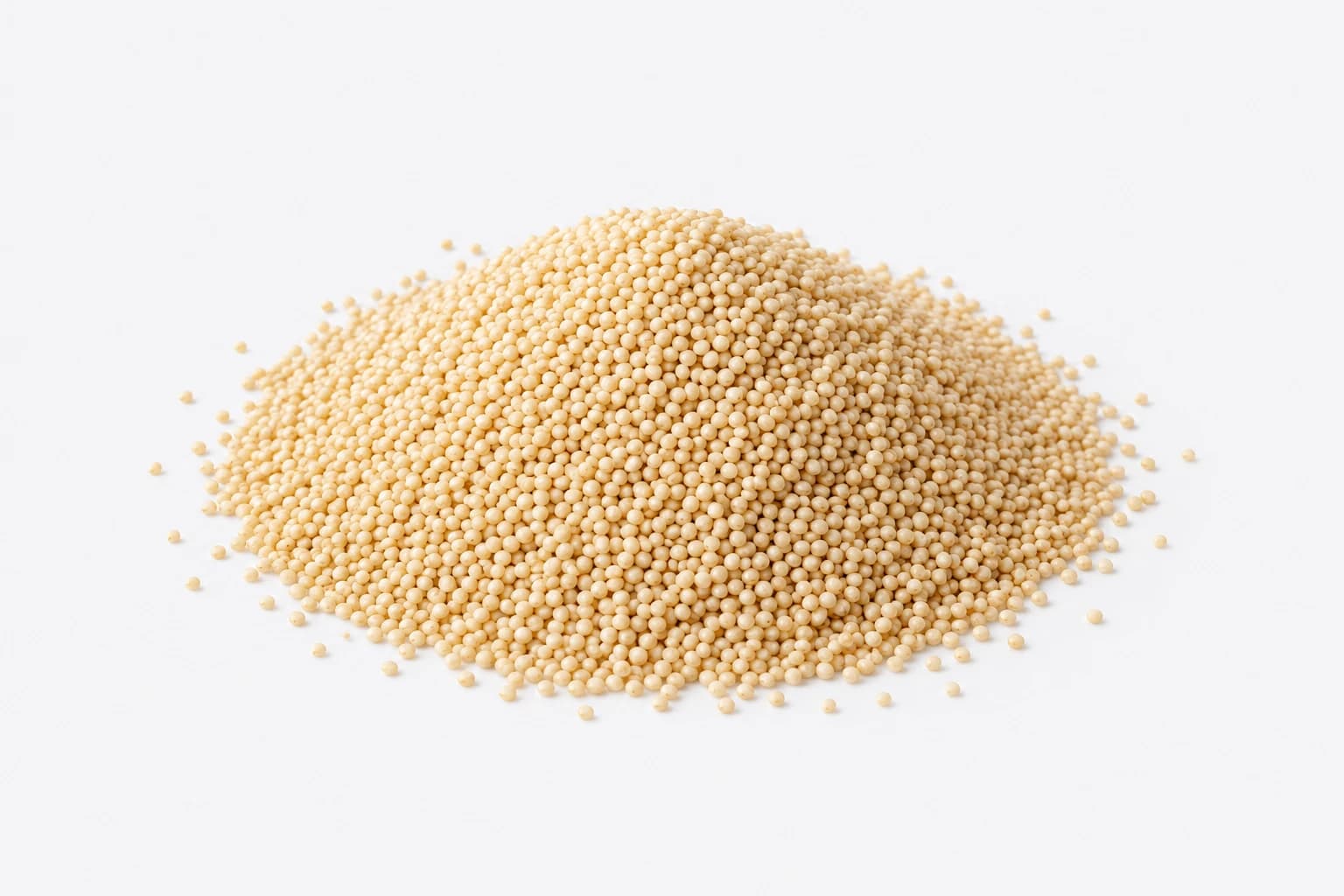
Early researchA 16-week trial in Kenya. The porridge with amaranth carried 5.6 times the iron of the control. Neither hemoglobin nor iron status moved. In the same trial, a micronutrient powder giving far less iron did reduce anemia.

Grains & legumes
Early researchIn the 2025 menopause trial, symptom scores fell in all three groups. That sounds like good news until you see that all three groups ate cheonggukjang. Without a placebo arm, there is no way to separate the improvement from time and expectation.

Grains & legumes
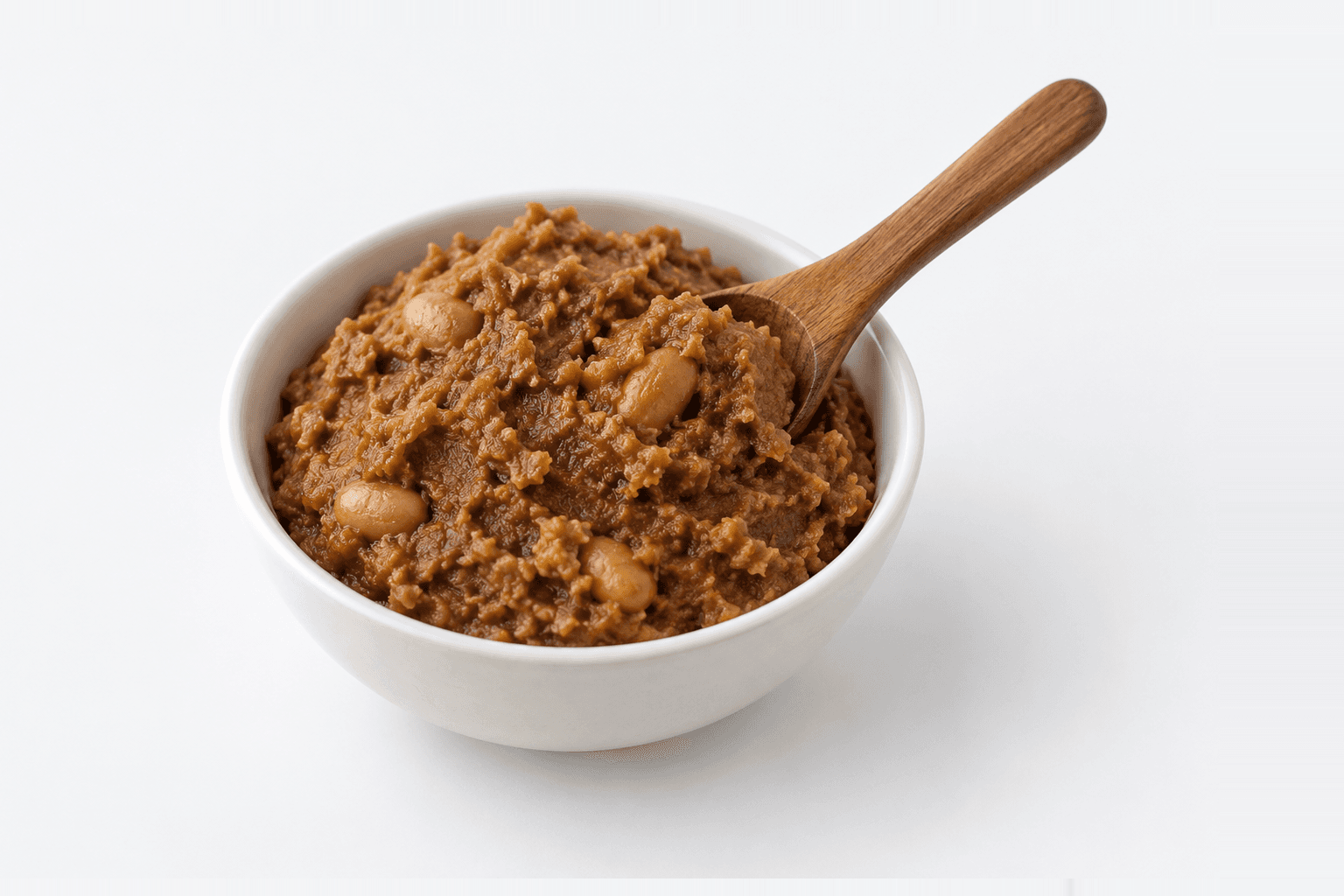
Early researchA 12-week double-blind randomised trial found visceral fat fell — only in people carrying the T allele of PPAR-γ2. And in the same trial, insulin and HOMA-IR rose. Meanwhile, the biggest number on doenjang's label is sodium.

Grains & legumes
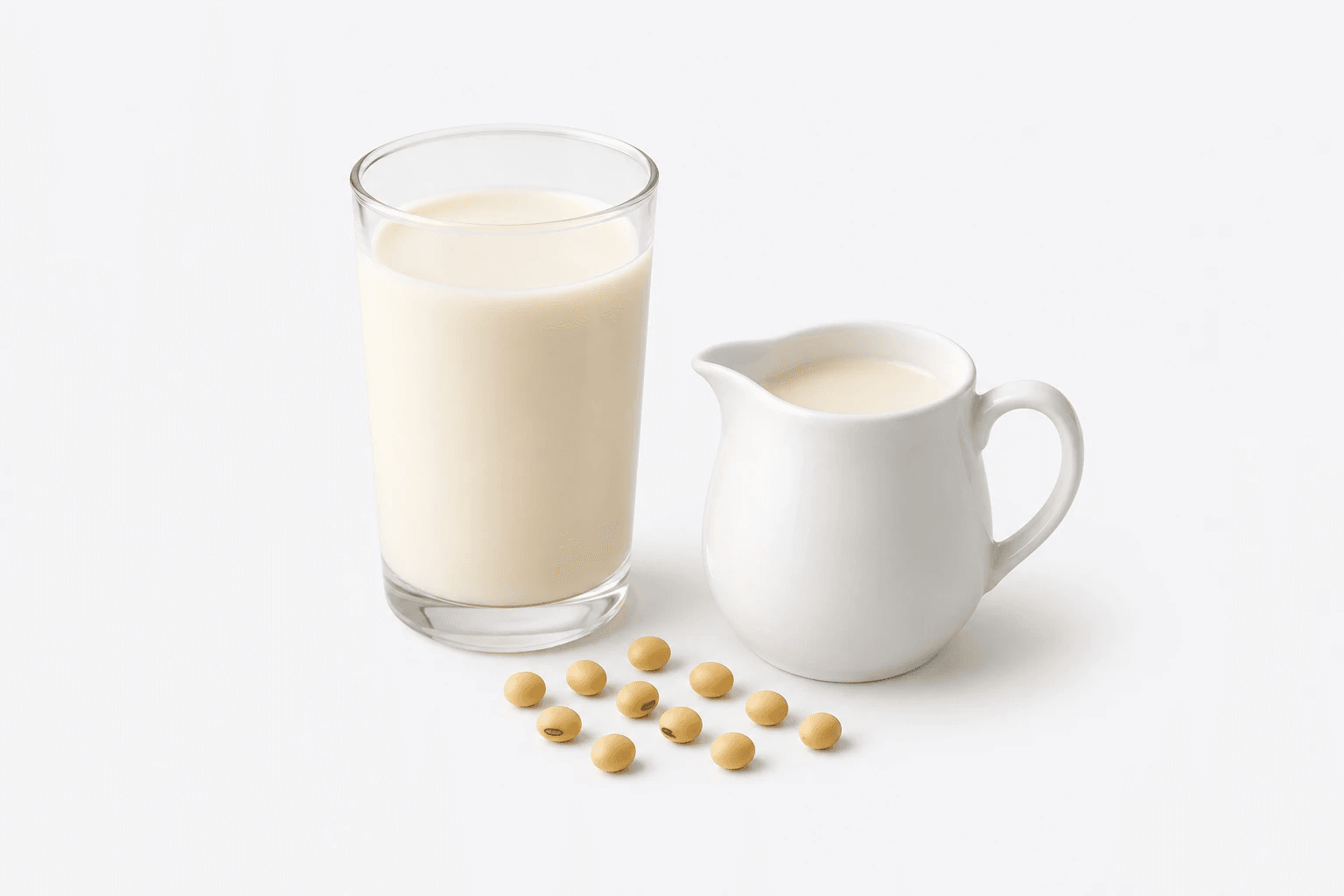
Early researchIn a 2026 network meta-analysis, replacing 500 mL of cow milk with soy drink lowered systolic pressure by 8.23 mmHg — about what a single blood-pressure tablet does. But the same paper's overall verdict is that "few differences were observed", and that number is graded low certainty.

Grains & legumes
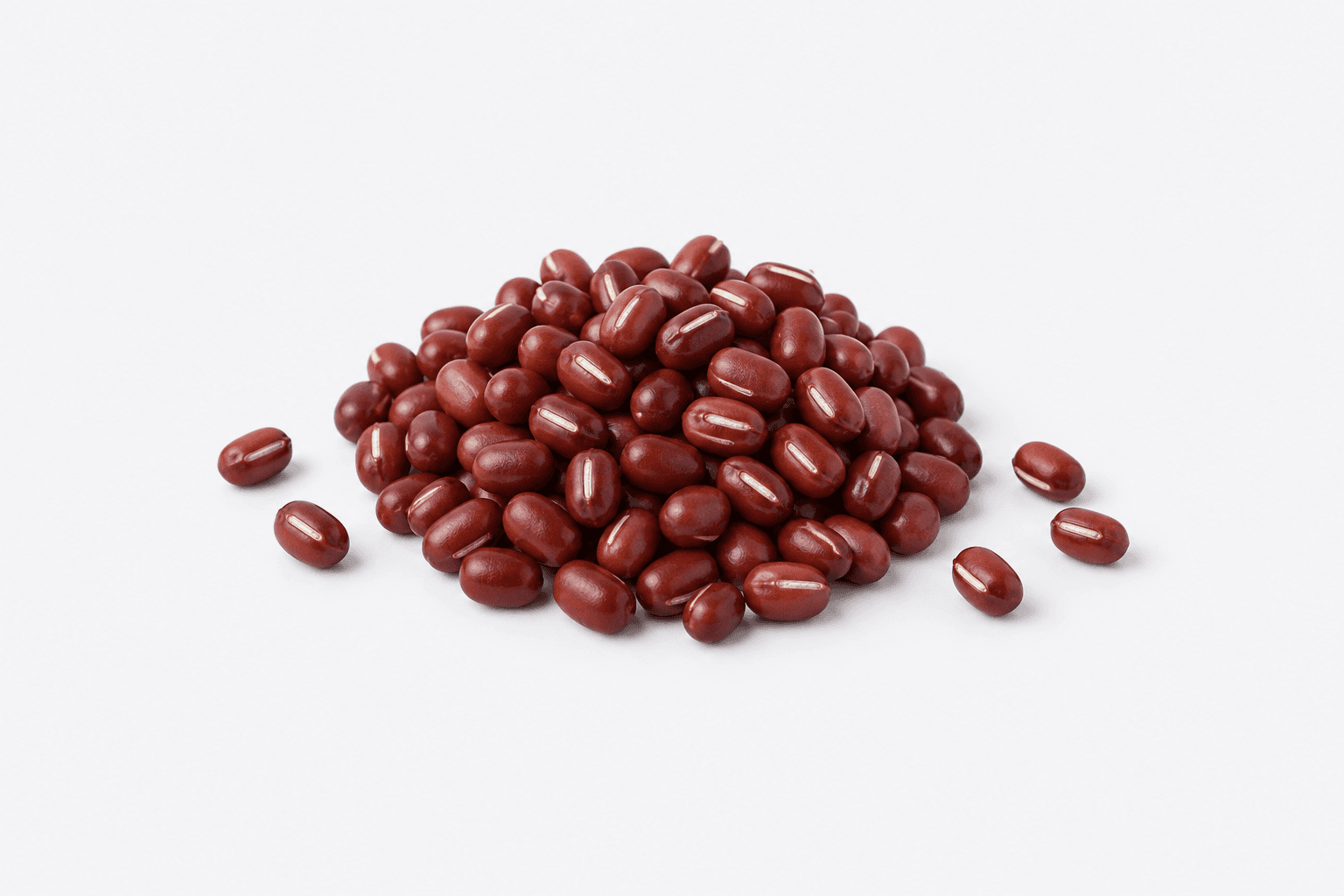
Moderate evidenceMeta-analyses of trials feeding people around 130 g of pulses a day found LDL falling. But in Korea adzuki mostly arrives with sugar — shaved ice, sweet buns, porridge. The 622 µg of folate and 12.7 g of fibre per 100 g dry are real; sweetened paste is a different food.

Grains & legumes
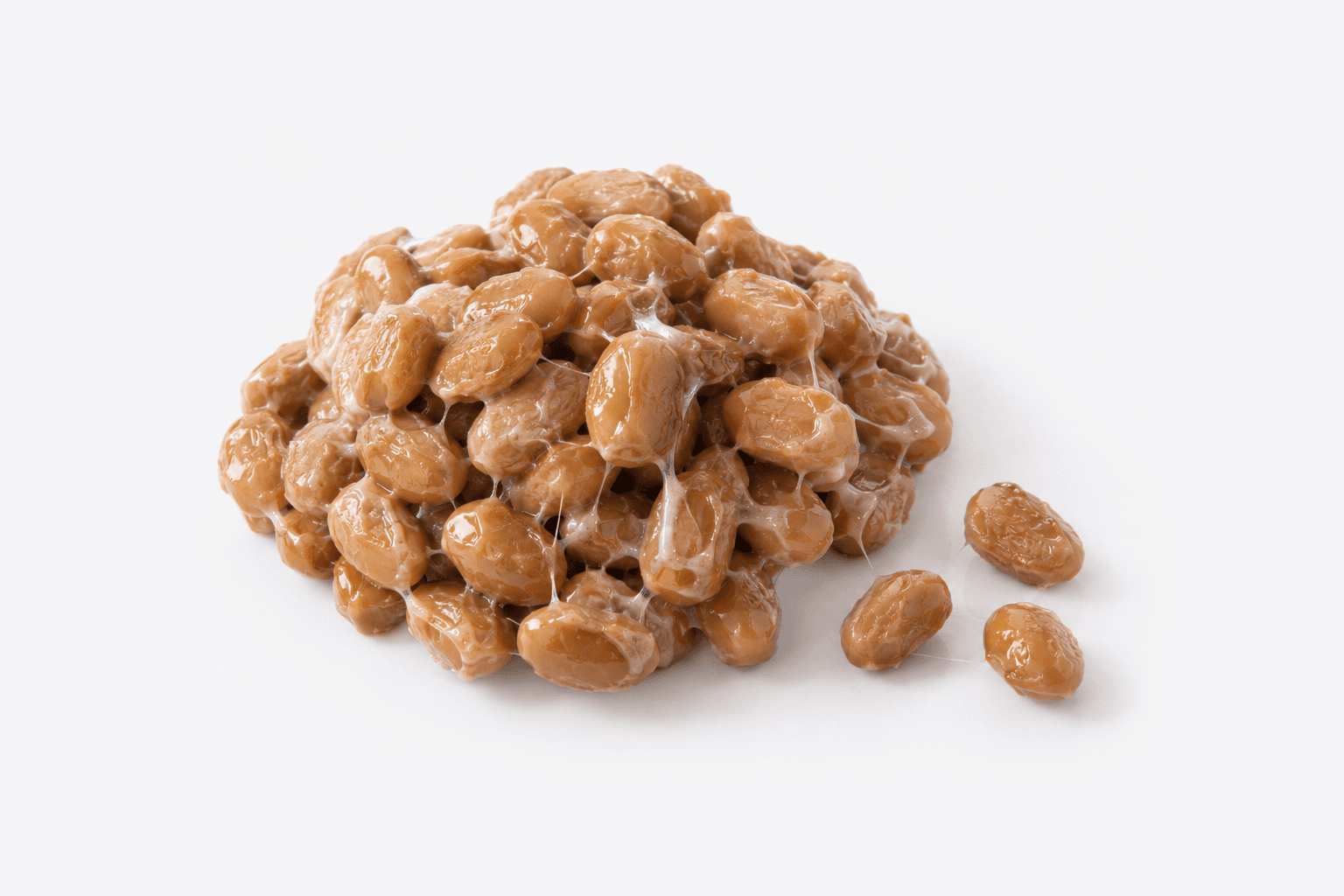
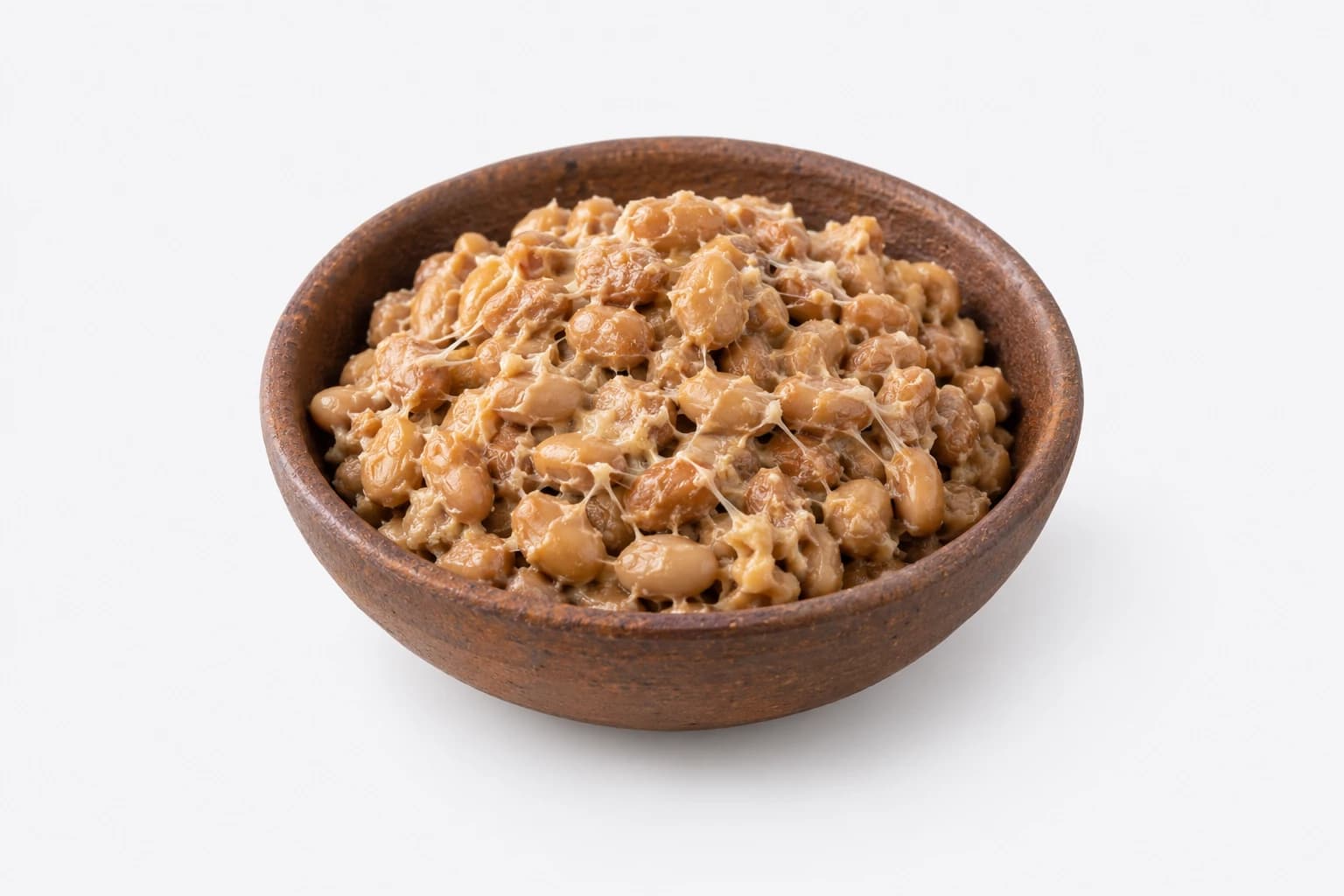
Early researchThree years of MK-7 in 244 women slowed bone loss at the lumbar spine and femoral neck — but not at the total hip. One year of natto capsules in 334 women changed nothing anywhere.

Grains & legumes
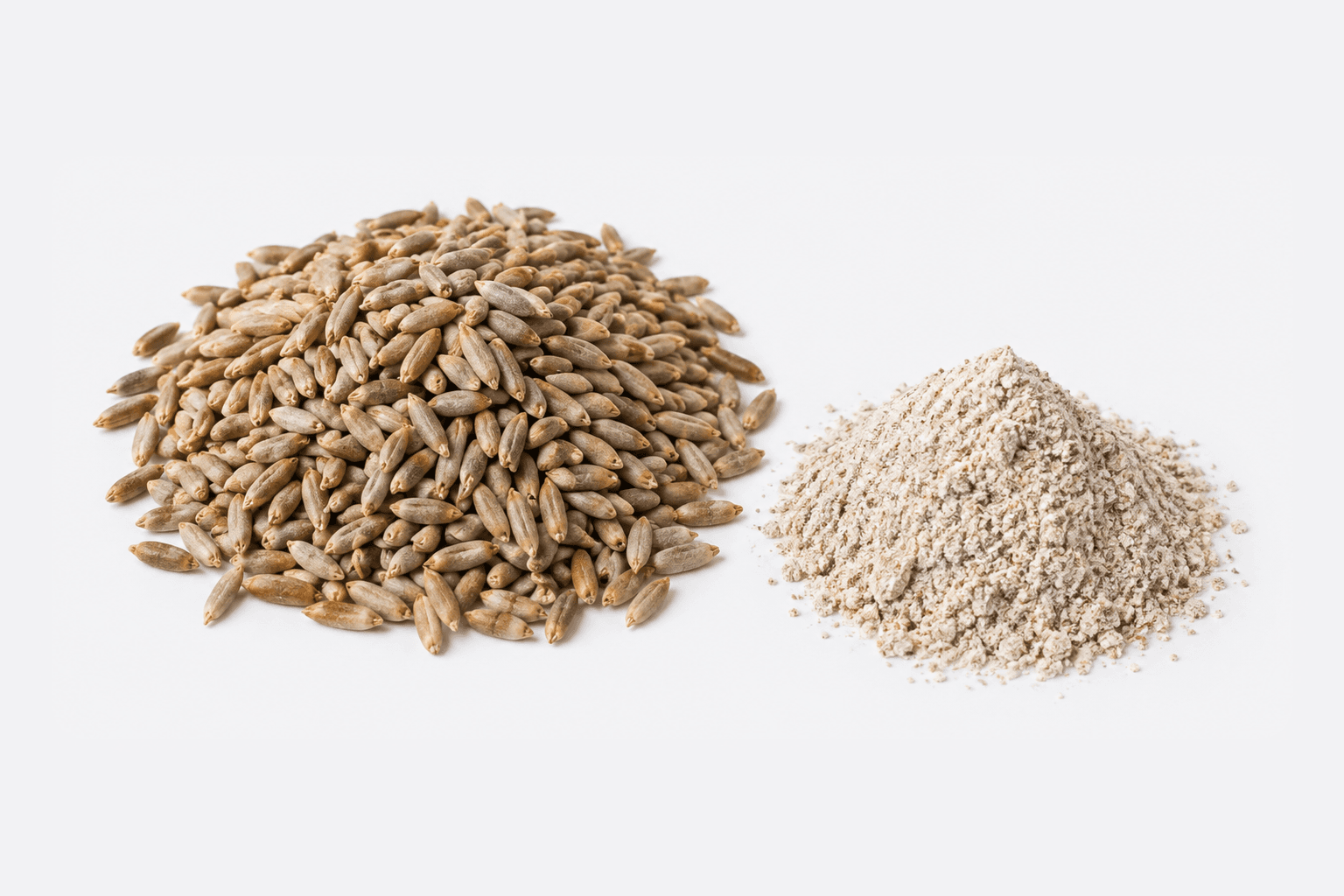
Early researchRye products produced lower insulin responses than white wheat bread. Yet in the same trial, bread made from rye bran produced a higher insulin response than every other rye product — the opposite of what more fibre is supposed to do.

Grains & legumes
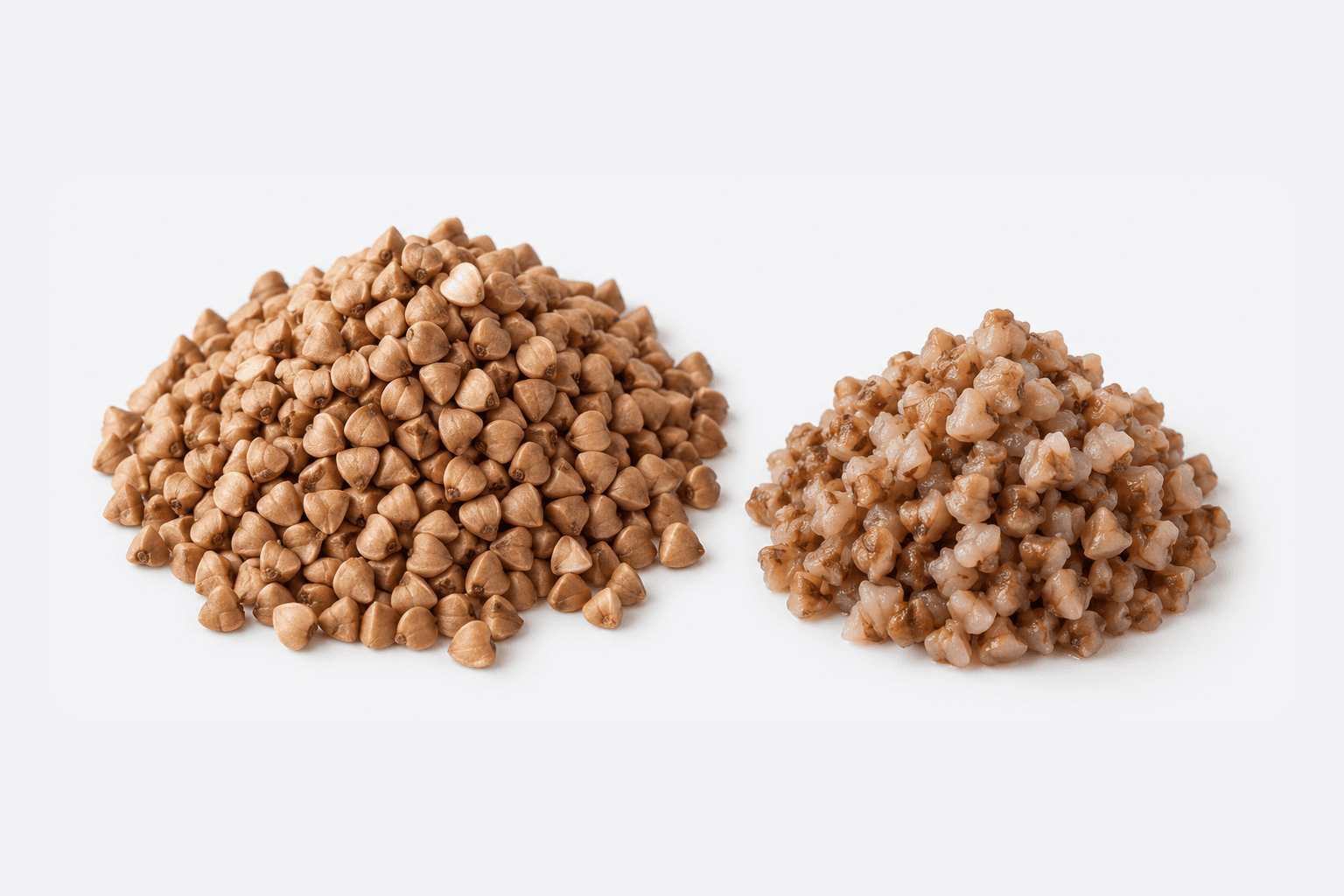
Moderate evidenceAcross 13 randomised human studies, total cholesterol fell 0.50 mmol/L — about 19 mg/dL. The authors also wrote that every outcome showed high unexplained heterogeneity.

Grains & legumes
Strong evidenceAcross 40 randomised trials and 3,285 participants, endometrial thickness, vaginal maturation, FSH and oestradiol all stayed put. LDL did fall — by 4.76 mg/dL.

Grains & legumes
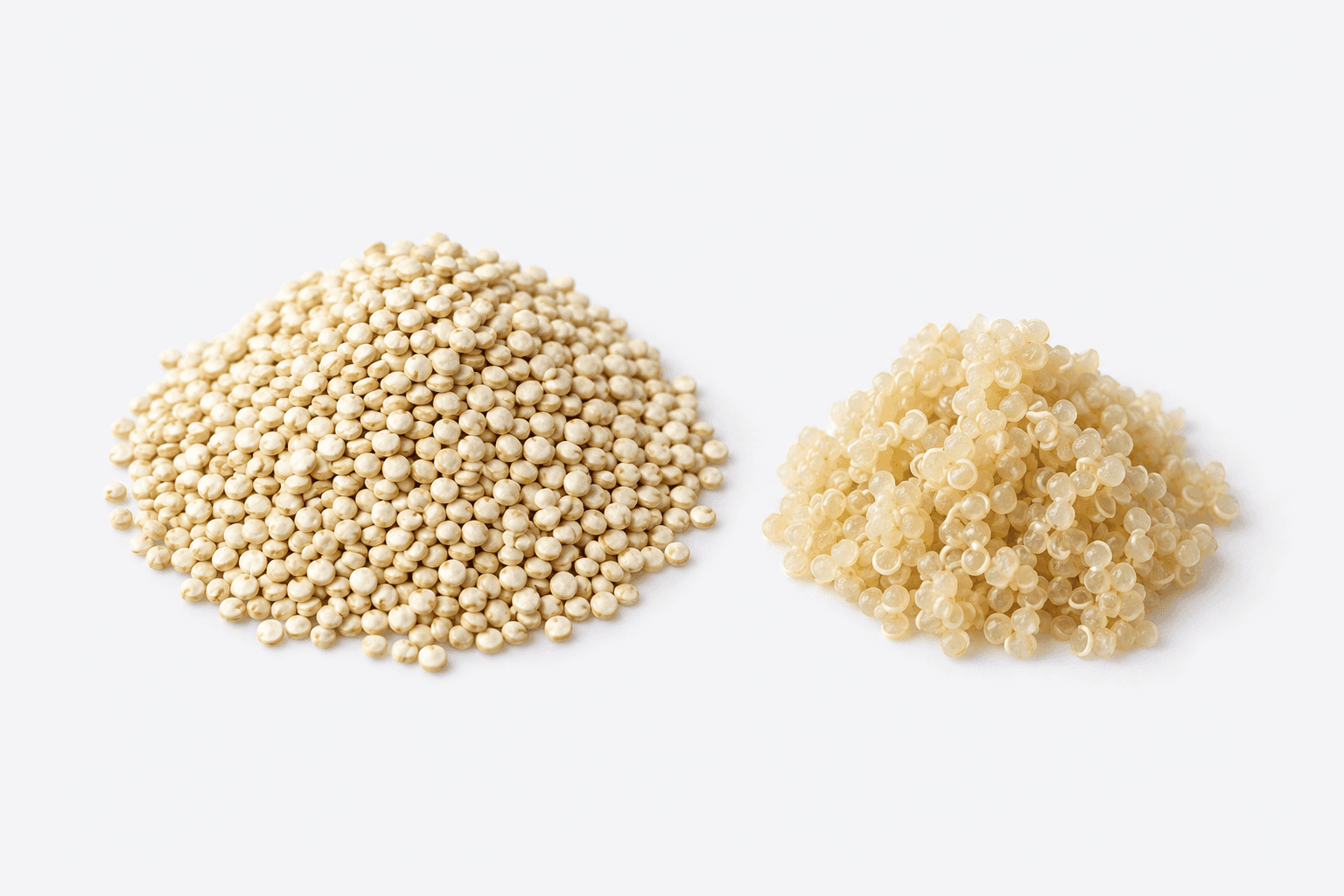
Nutrition dataCooked quinoa holds 4.4 g of protein per 100 g. It does contain all the essential amino acids, but not in an amount that meets your protein needs.

Grains & legumes
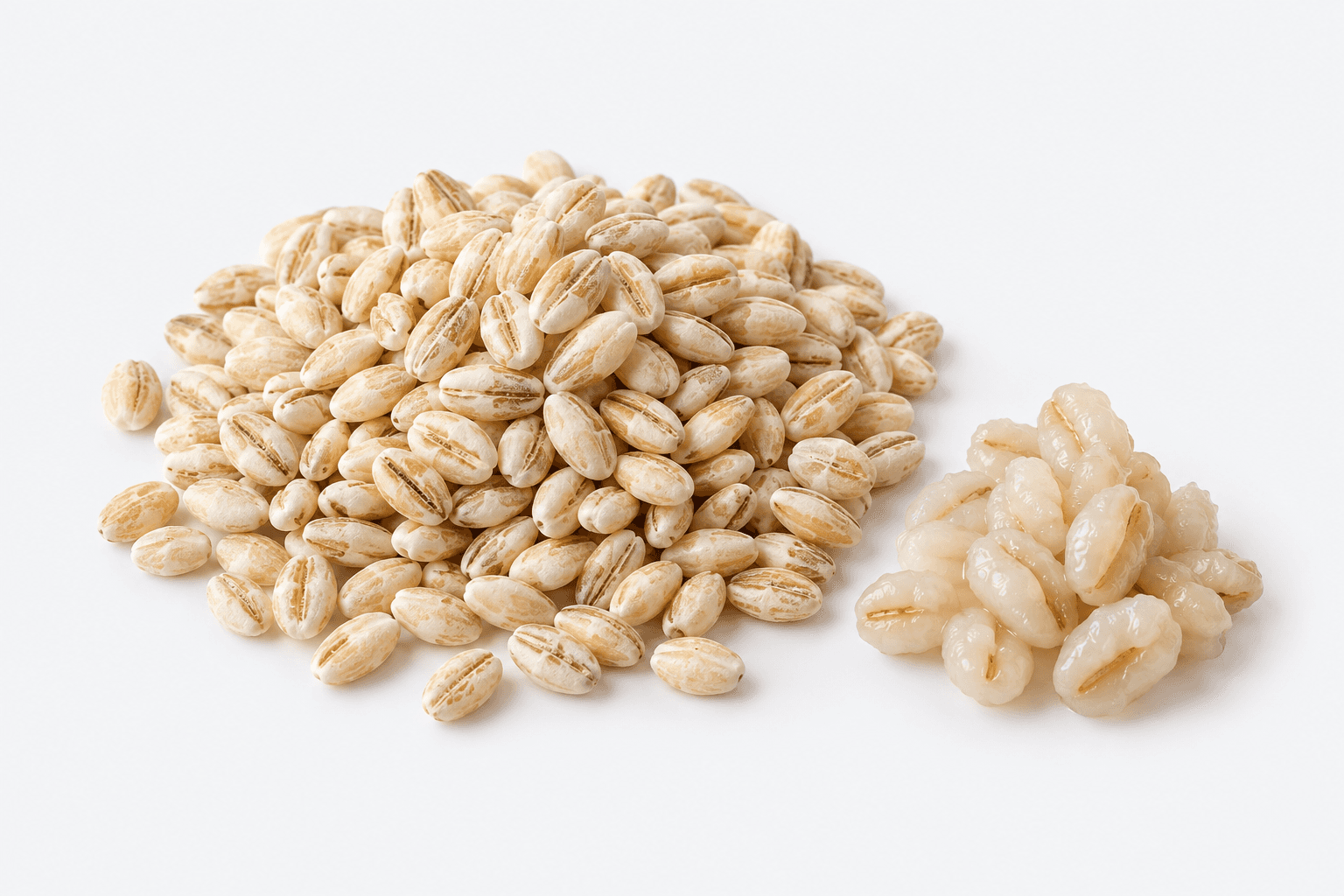
Strong evidenceBeta-glucan lowers LDL by 0.25 mmol/L. The glucose effect, though, fades by two hours and HbA1c did not move at all.

Grains & legumes
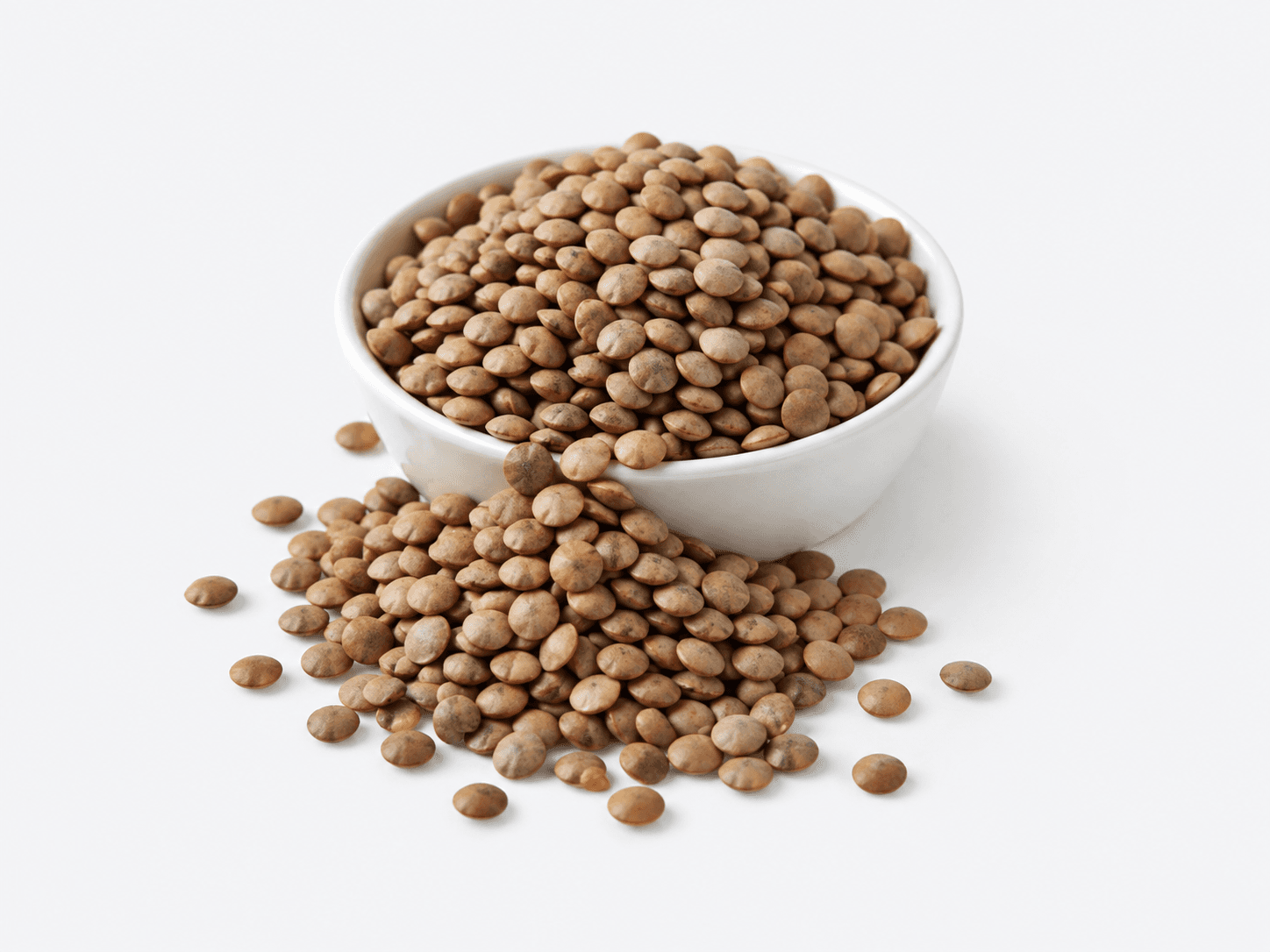
Strong evidence7.6 g of fibre and 172 µg of folate per 100 g cooked. Twenty-eight trials found a glucose effect — graded very low certainty.

Grains & legumes
Moderate evidenceIt carries 644 µg of lutein and zeaxanthin per 100 g. Yet in AREDS2's primary analysis, lutein supplementation did not significantly slow macular degeneration.

Grains & legumes
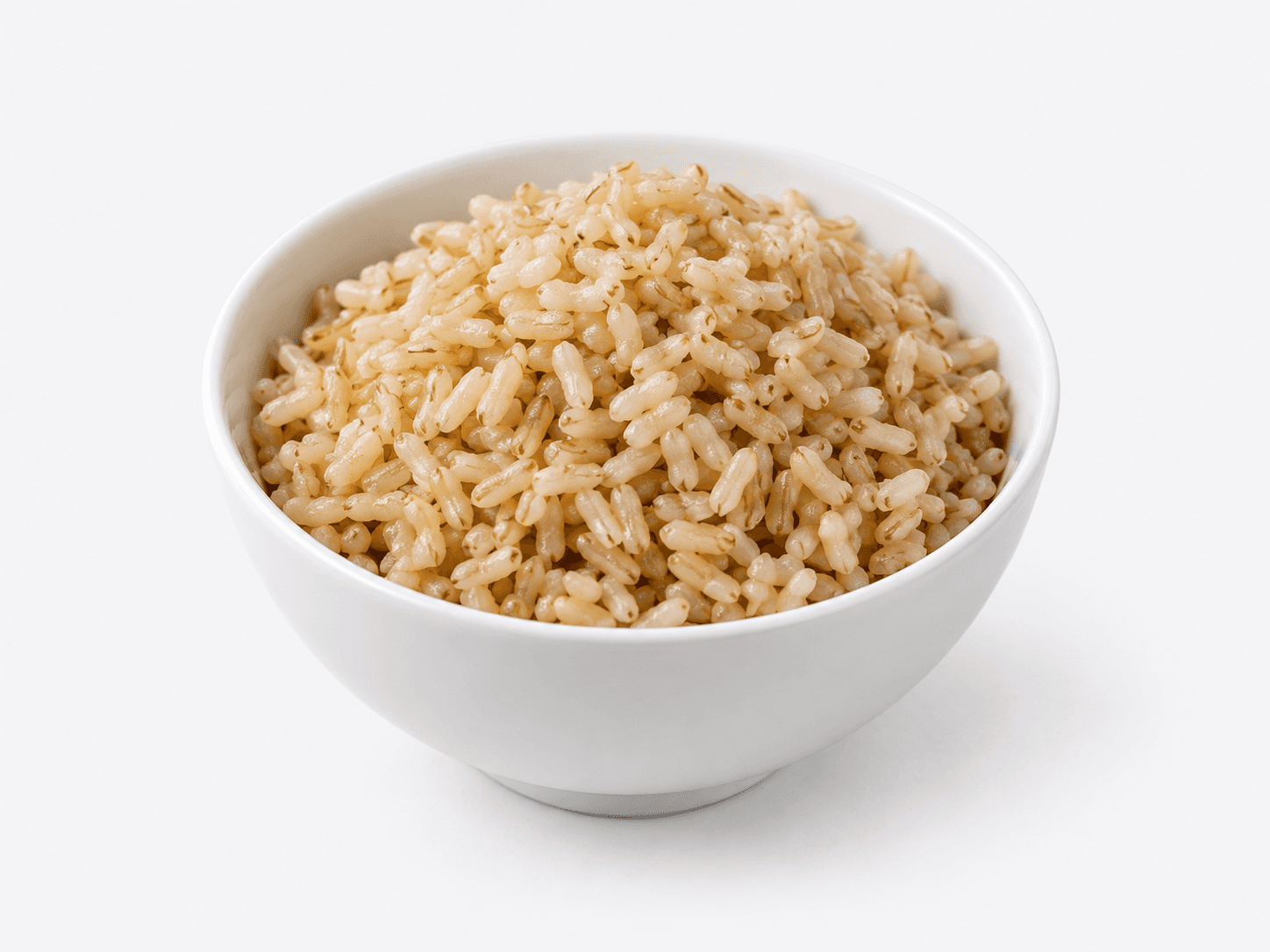
Moderate evidencePeople who eat more whole grains consistently show less type 2 diabetes. In randomised trials, though, the glycaemic markers barely moved.

Grains & legumes
Strong evidence7.9 g of fibre and 181 µg of folate per 100 g cooked. The LDL effect is settled across 38 randomised trials.

Grains & legumes
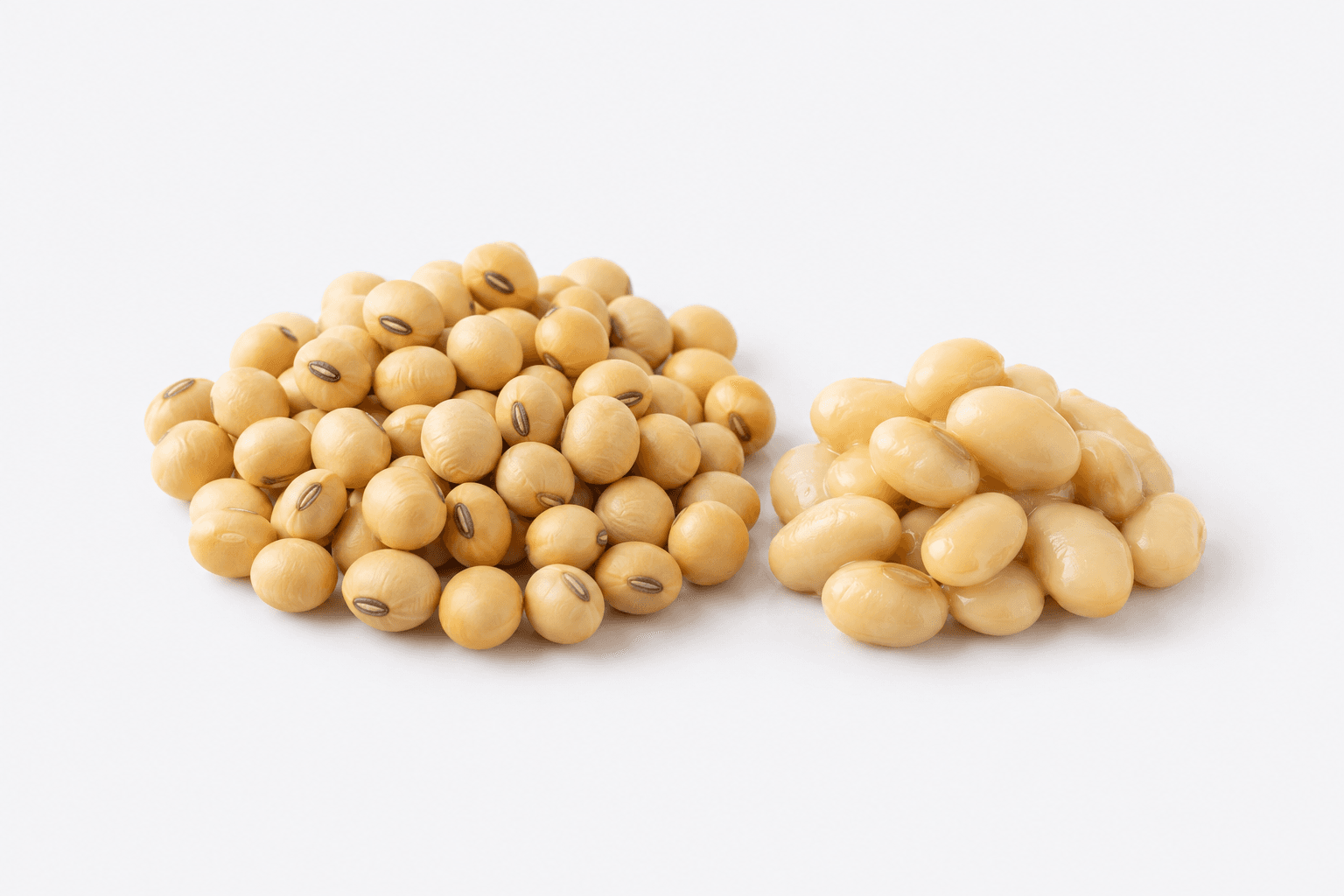
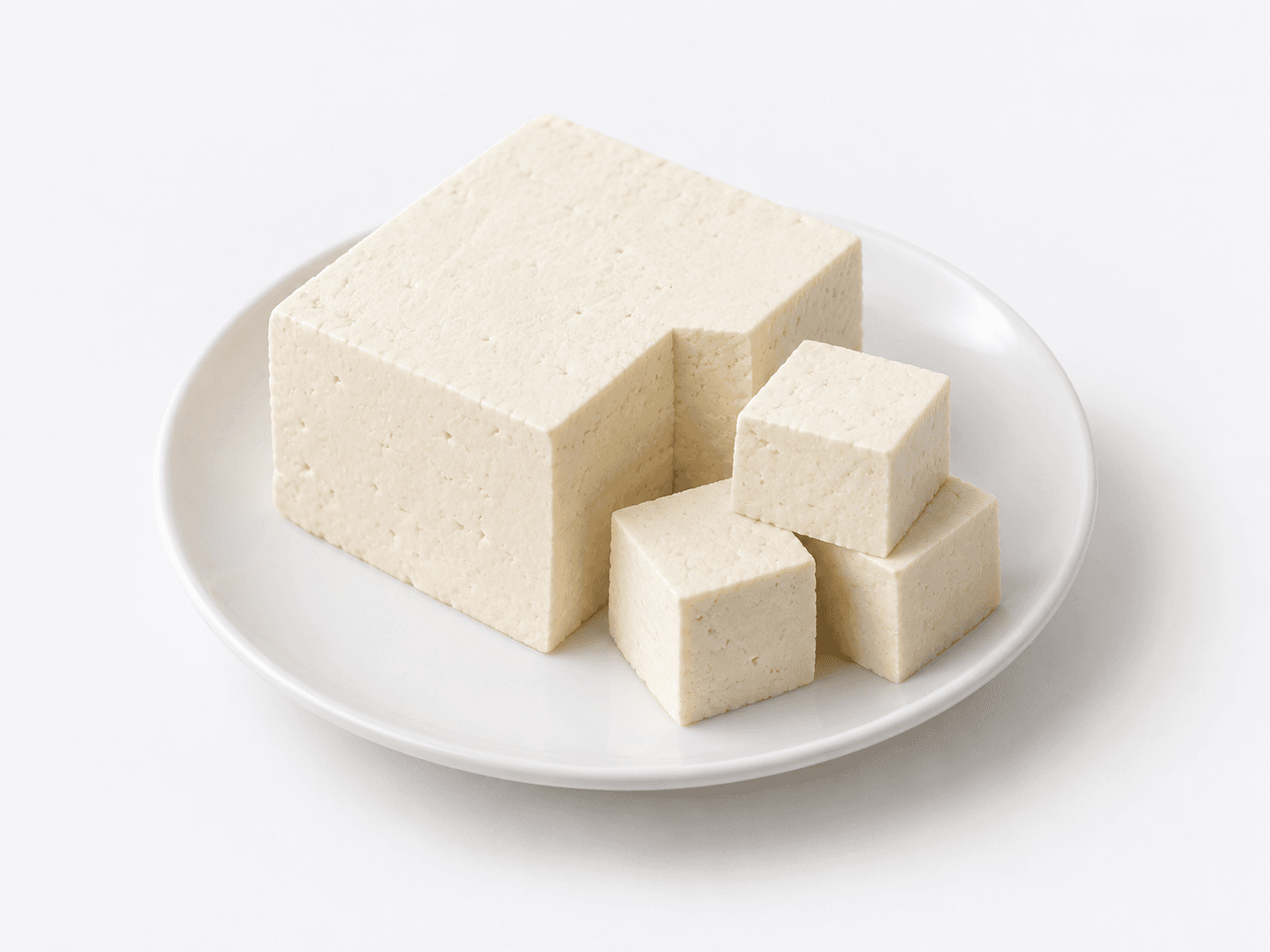
Strong evidenceSoy protein's LDL-lowering effect is confirmed across 43 randomised trials. The size of it is 3–4 %.

Grains & legumes
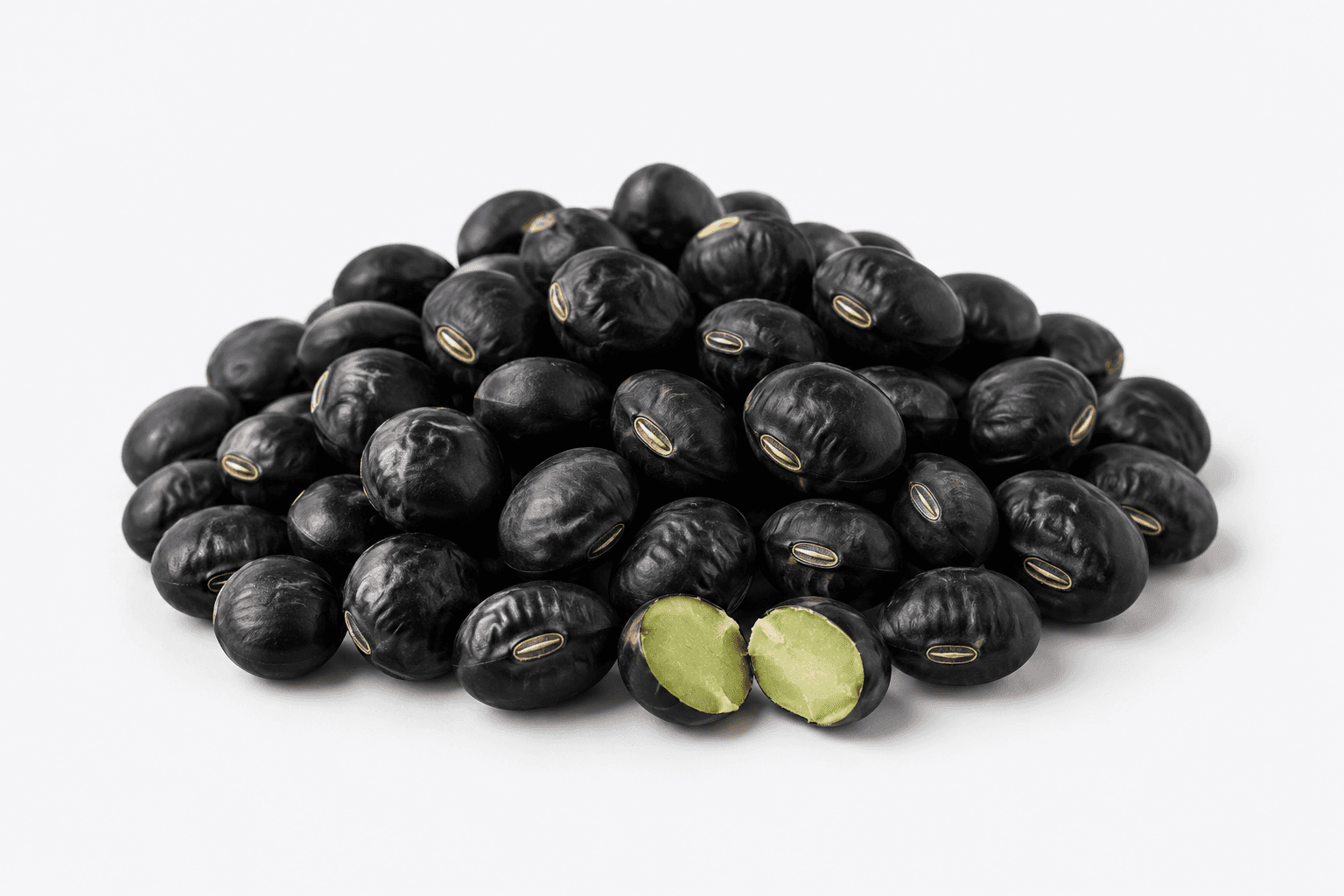
Nutrition dataIt is genuinely excellent for protein and anthocyanins. The popular claim about hair, however, has almost no clinical support.

Grains & legumes
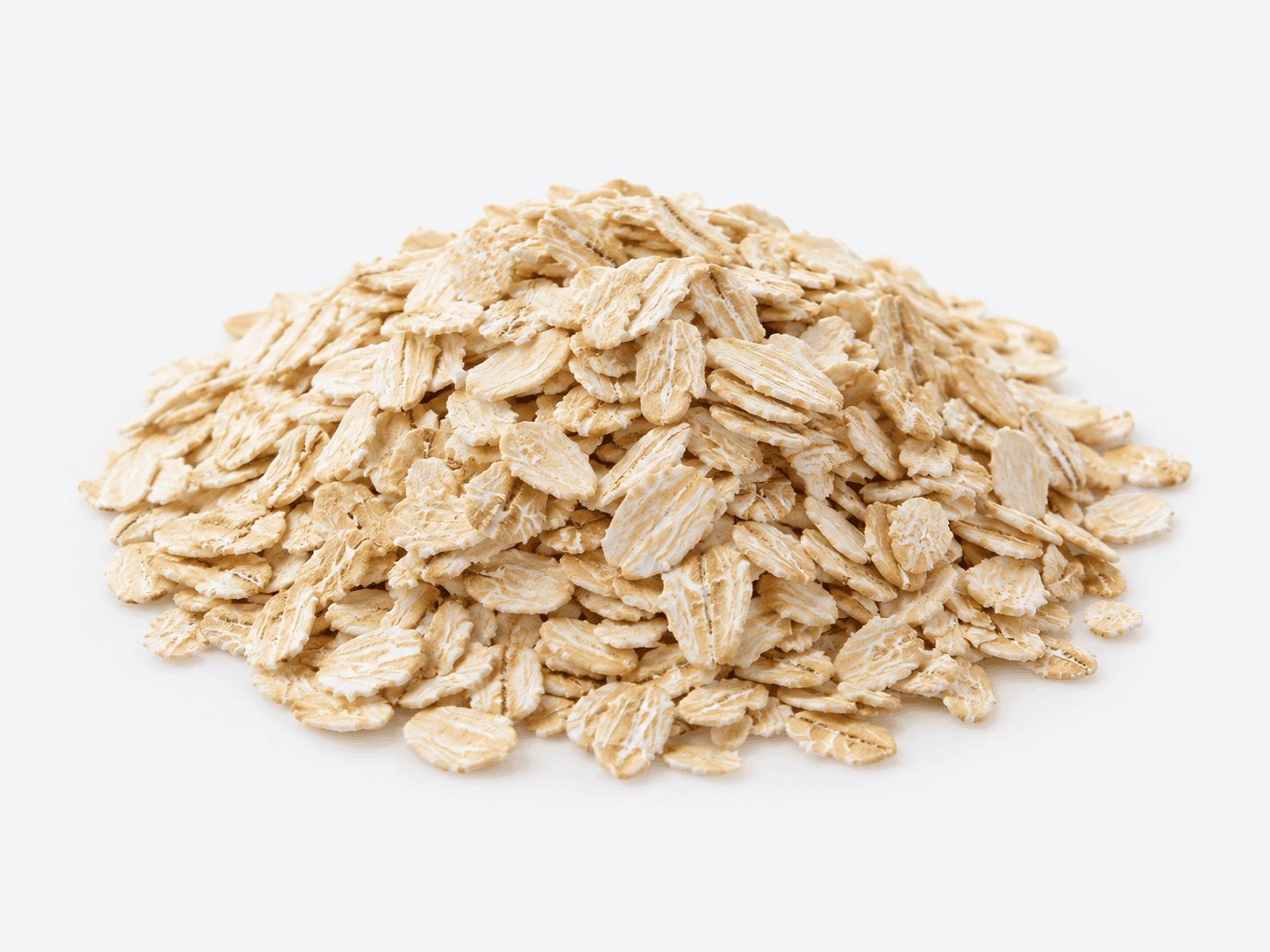
Strong evidenceThree grams a day of oat beta-glucan lowers LDL cholesterol — a claim regulators have actually approved.