Filter by category or search for the ingredient you have in the kitchen.
161 ingredients
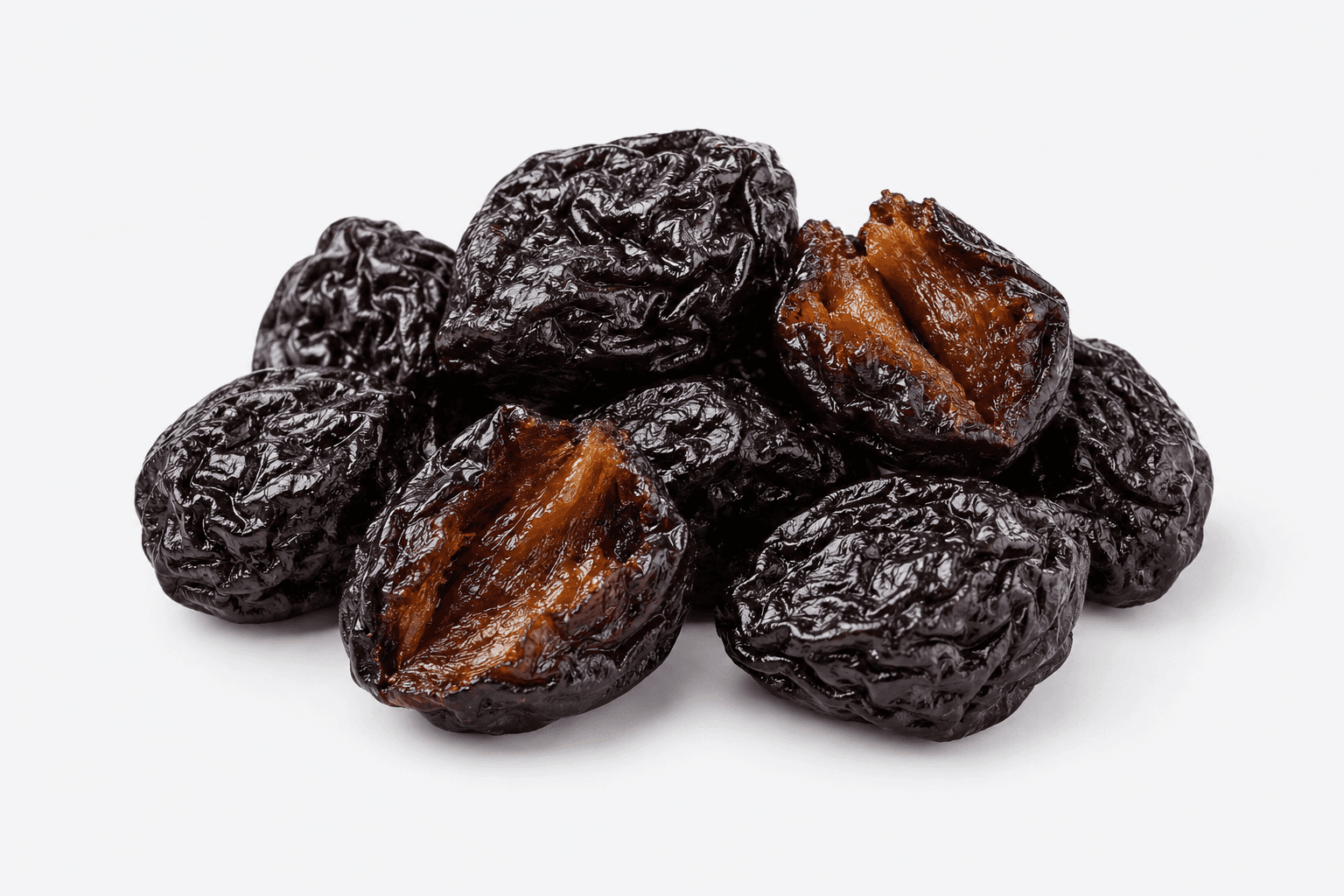
Fruits
Moderate evidenceIn a 12-month trial in 235 postmenopausal women, 50 g a day preserved hip bone density and 100 g did not — because 41% of the 100 g group dropped out.
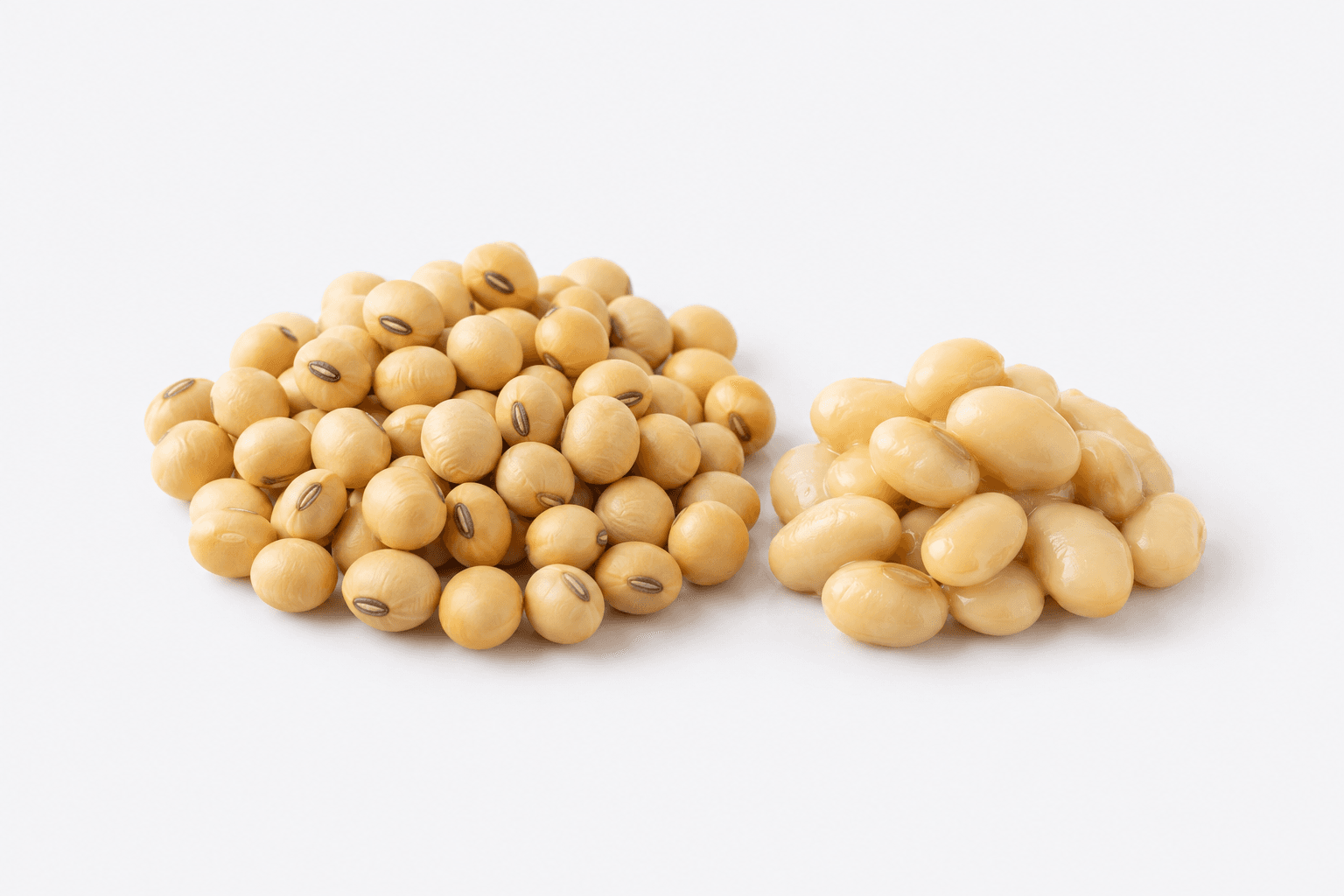
Grains & legumes
Strong evidenceAcross 40 randomised trials and 3,285 participants, endometrial thickness, vaginal maturation, FSH and oestradiol all stayed put. LDL did fall — by 4.76 mg/dL.
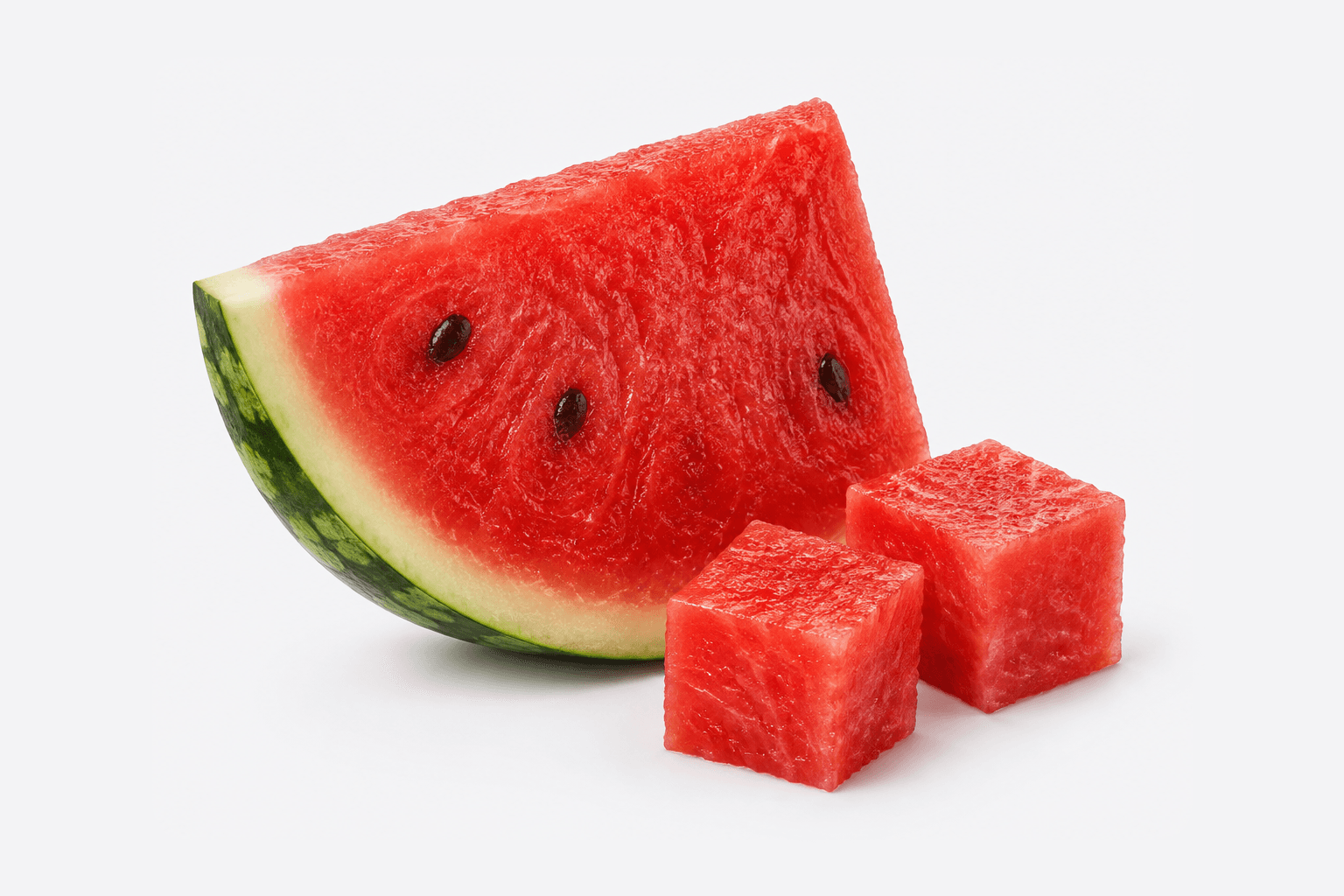
Fruits
Moderate evidence4,530 µg of lycopene per 100 g — 1.8 times the raw tomato's 2,573 µg. There is a blood pressure analysis too, but it is not an analysis of watermelon.
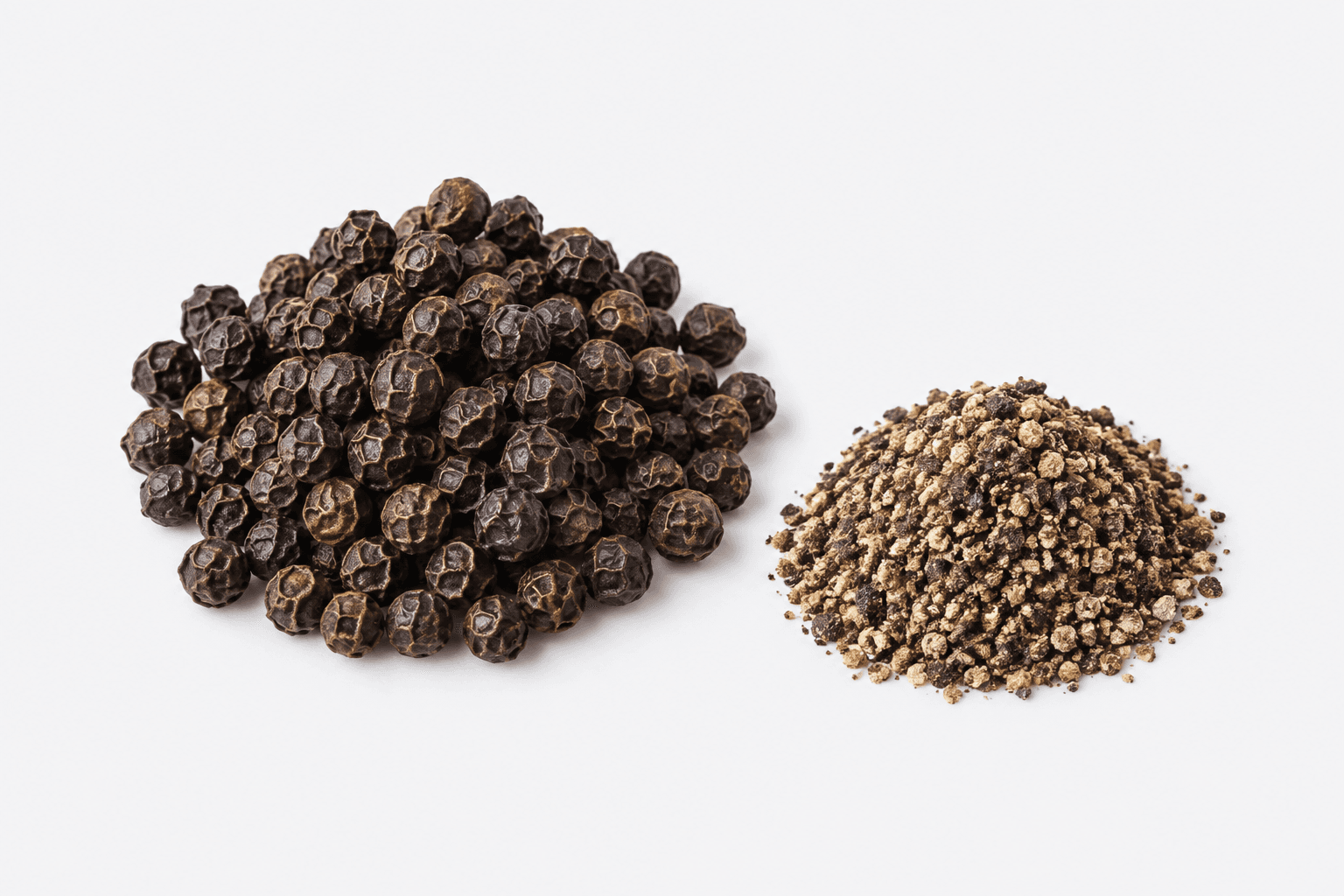
Herbs & spices
Early researchA 1998 trial showing piperine raised curcumin absorption by 2,000 % is cited everywhere. It had ten healthy adult volunteers.

Nuts & seeds
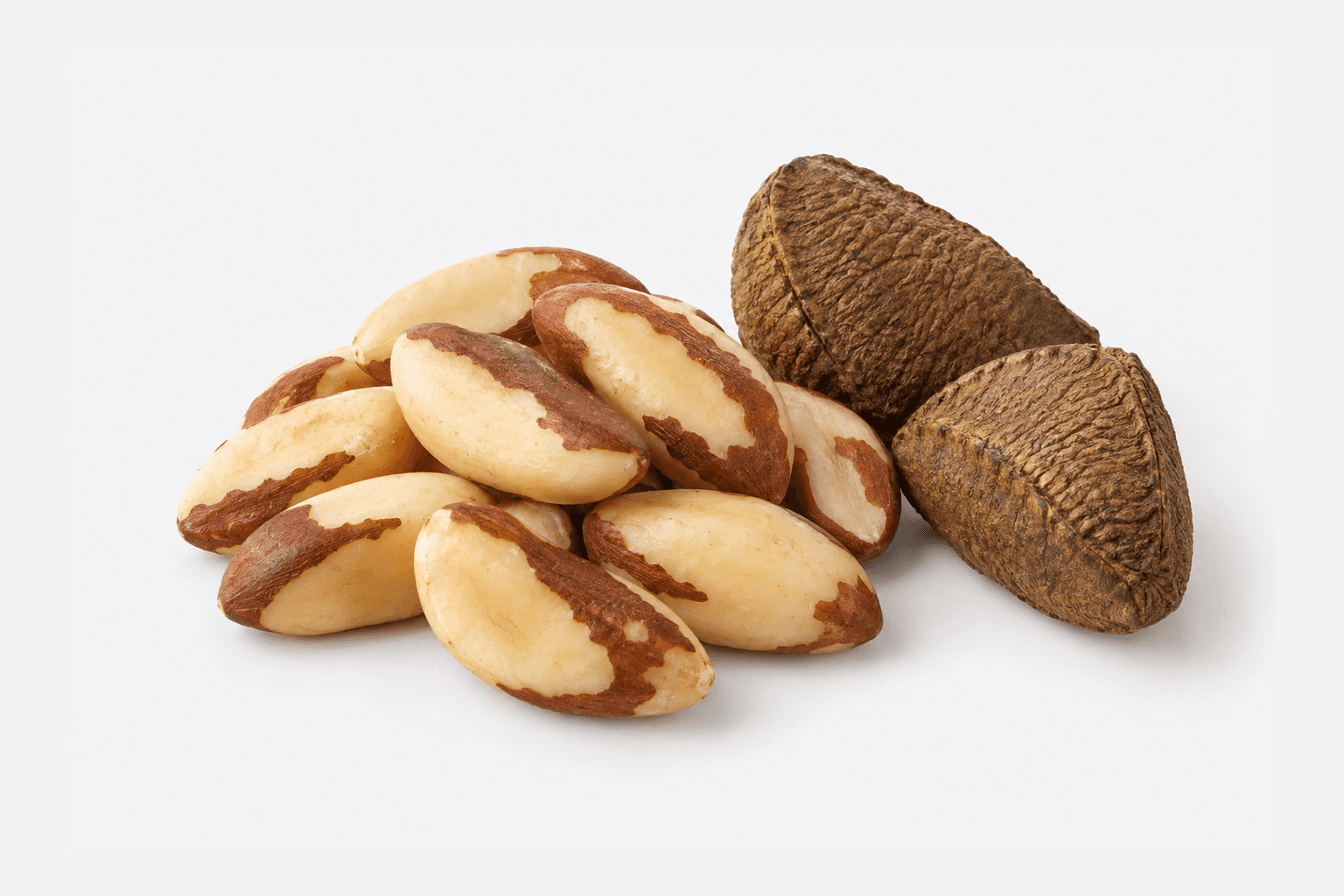
Moderate evidenceWithin USDA's own data the selenium figure ranges from 280 to 1,920 µg per 100 g, a sevenfold spread. It tracks the selenium in the soil the tree grew in.

Fruits
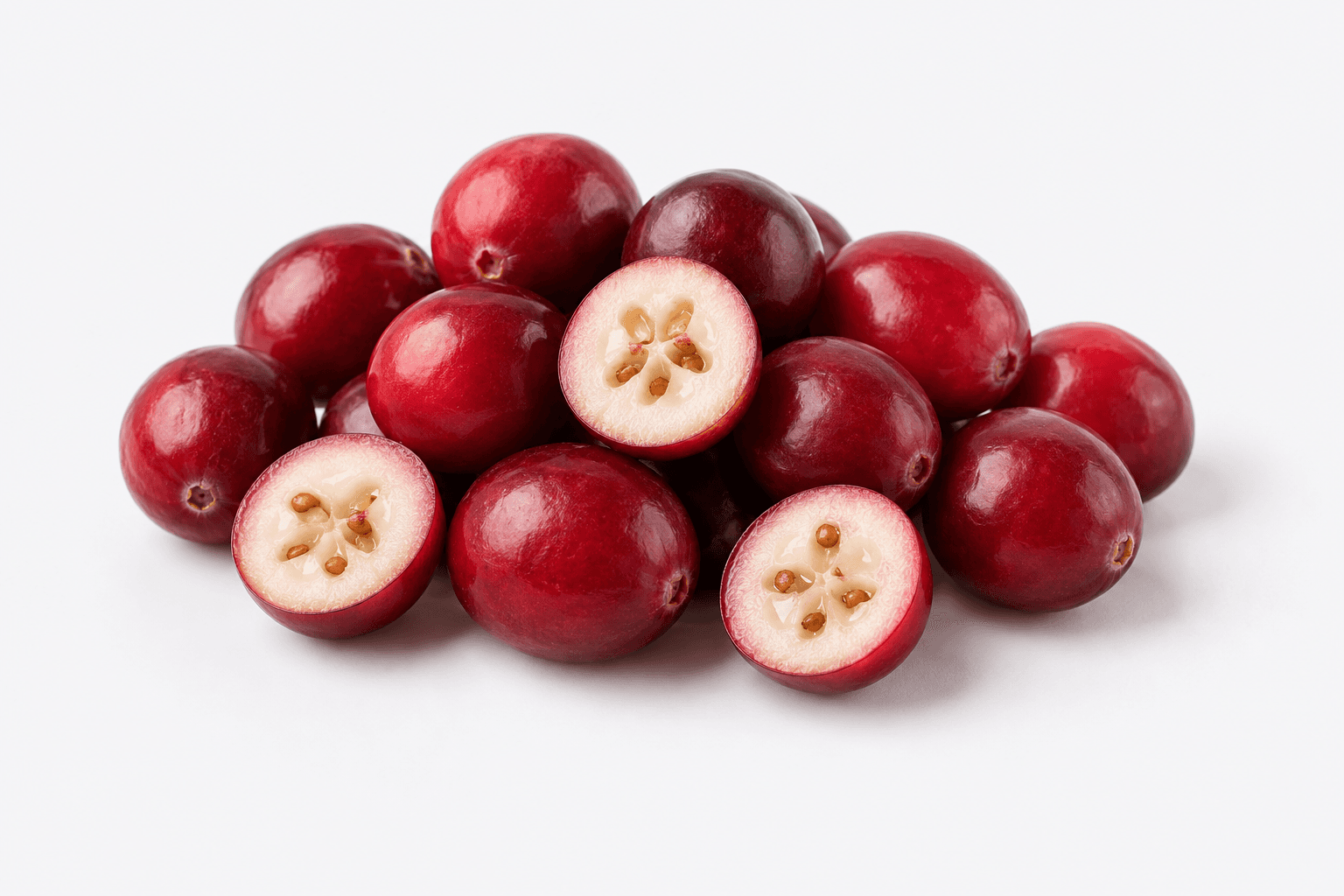
Strong evidenceA Cochrane review of 50 randomised trials found a 30 % lower risk of UTI. But the effect appeared in some groups and not others.

Fruits
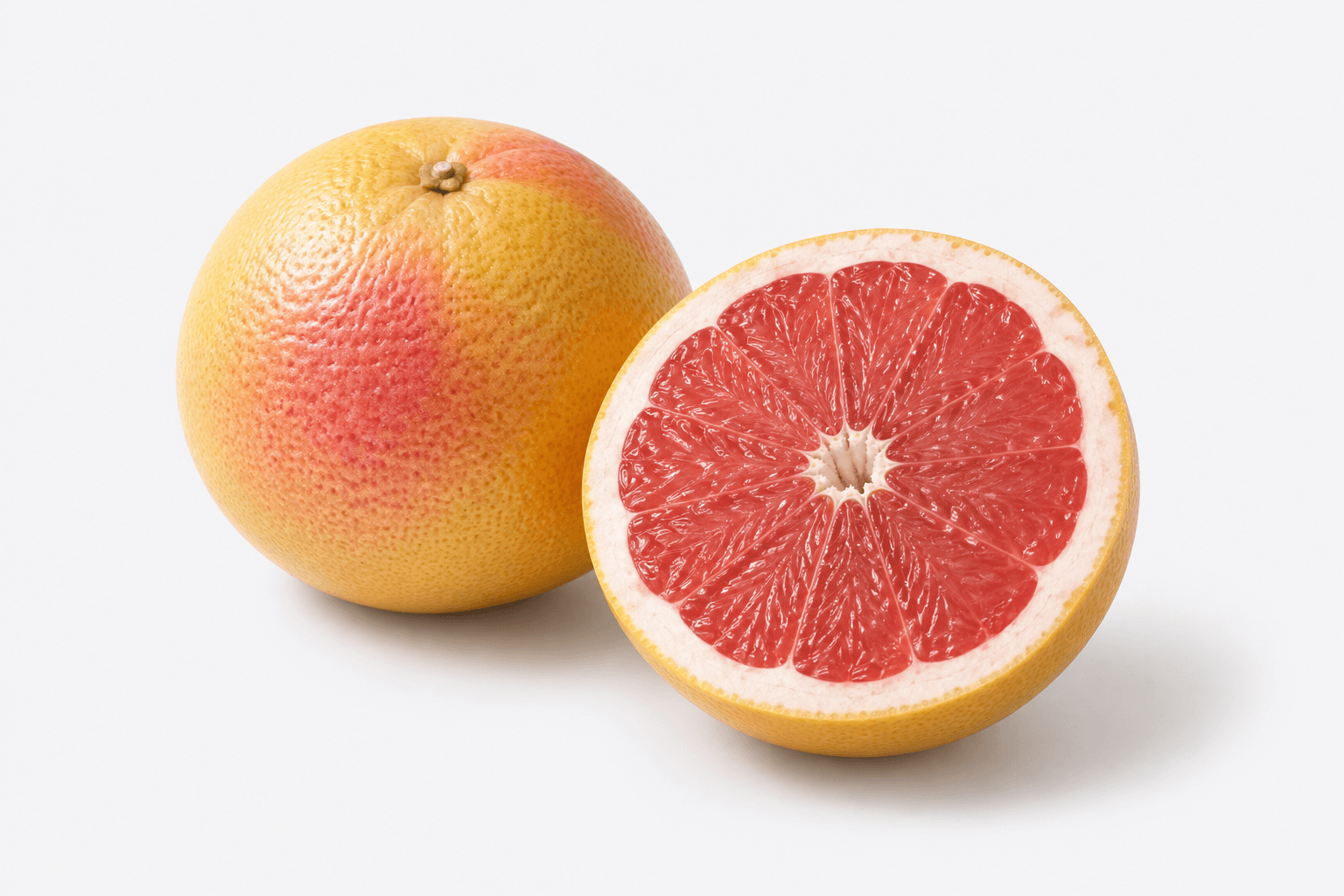
Strong evidenceGrapefruit blocks the gut enzyme (CYP3A4) that breaks down many drugs. Blood levels of some medicines rise, and one glass lasts more than a day.

Tea & drinks
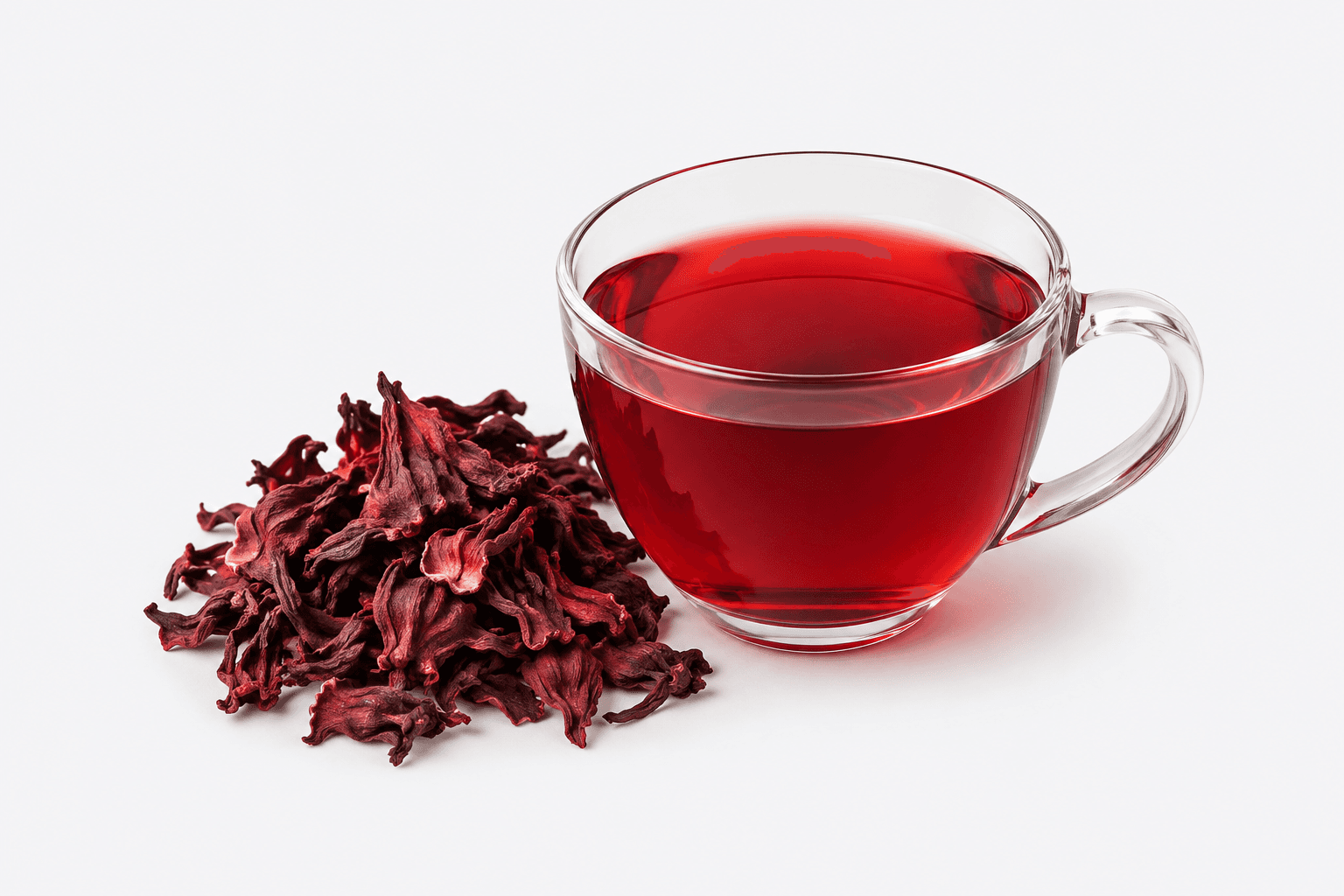
Moderate evidenceAcross 26 randomised trials and 1,797 participants, blood pressure fell dose-dependently. The claim that it matches antihypertensive drugs is not what the data support.

Grains & legumes
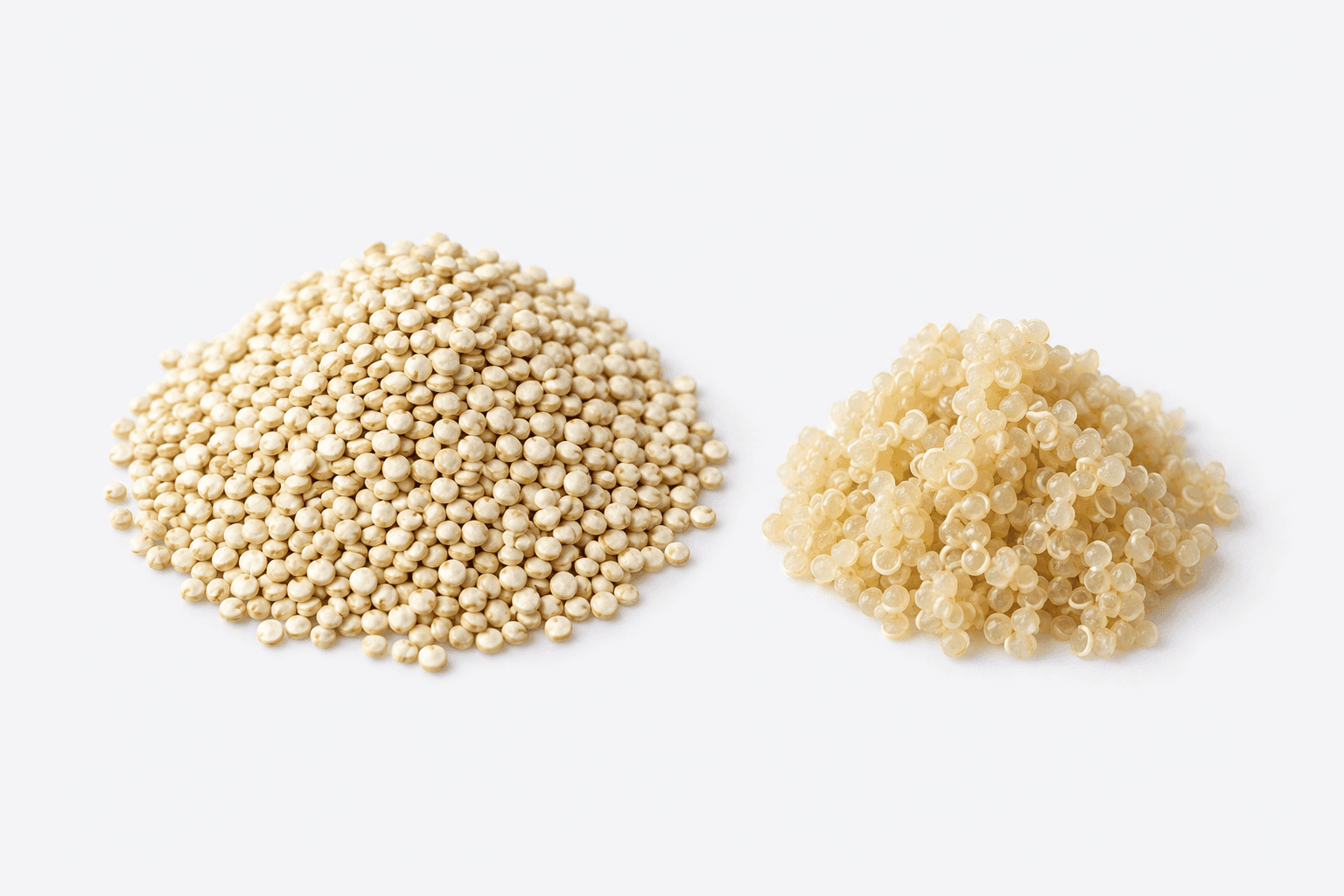
Nutrition dataCooked quinoa holds 4.4 g of protein per 100 g. It does contain all the essential amino acids, but not in an amount that meets your protein needs.

Seafood
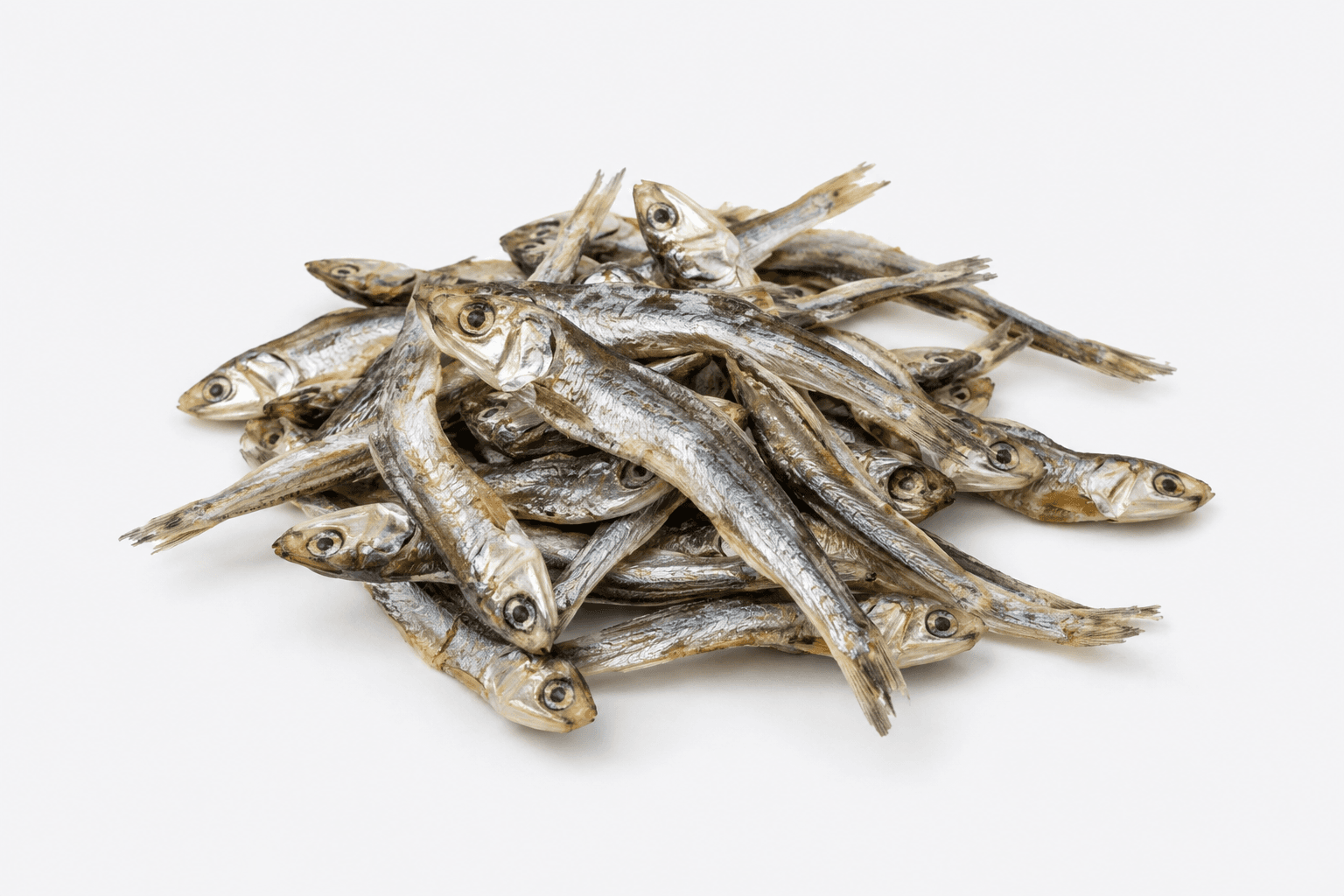
Strong evidence1.45 g of EPA and DHA per 100 g. A cohort links small-fish intake to lower mortality — but only in women.

Grains & legumes
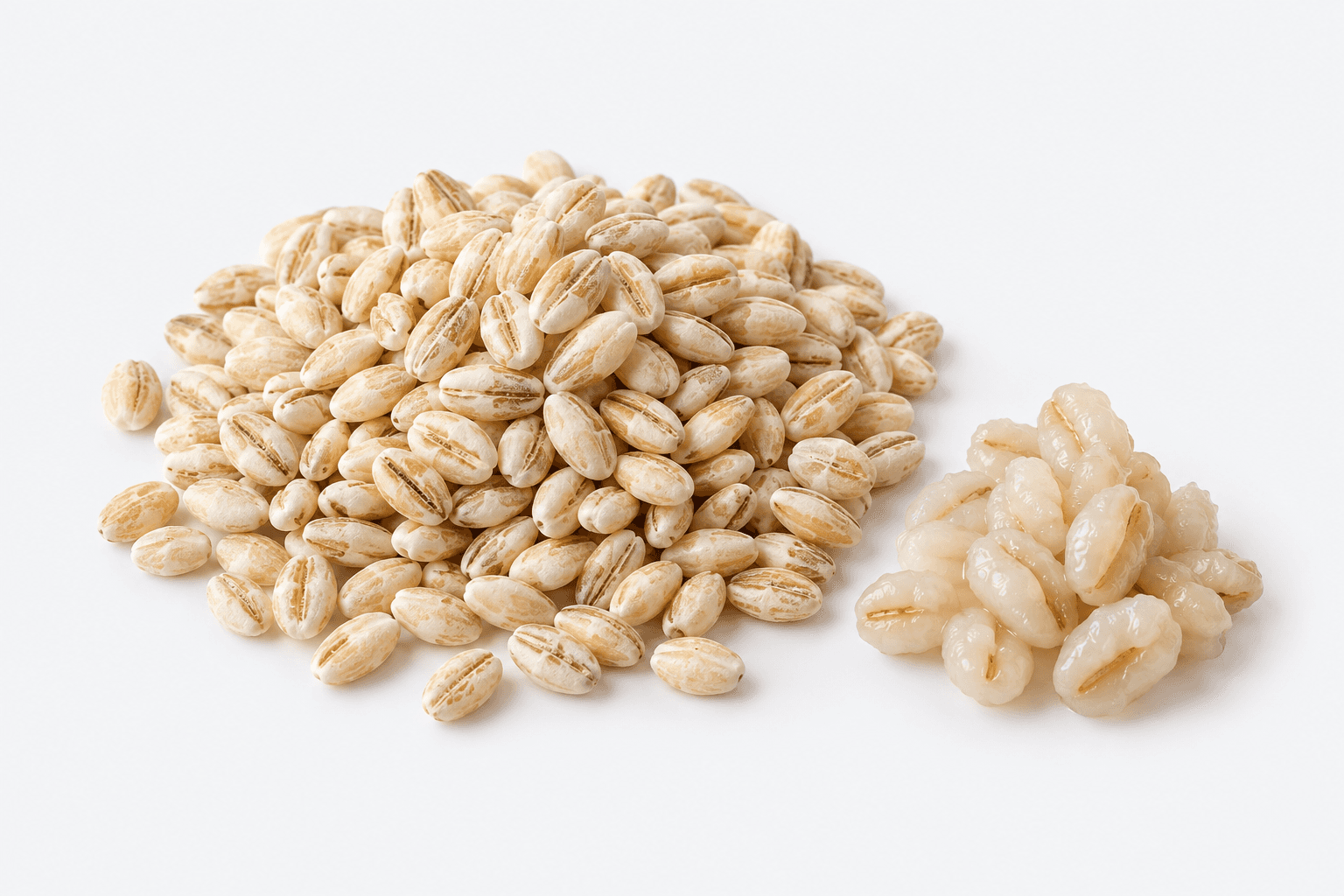
Strong evidenceBeta-glucan lowers LDL by 0.25 mmol/L. The glucose effect, though, fades by two hours and HbA1c did not move at all.

Vegetables
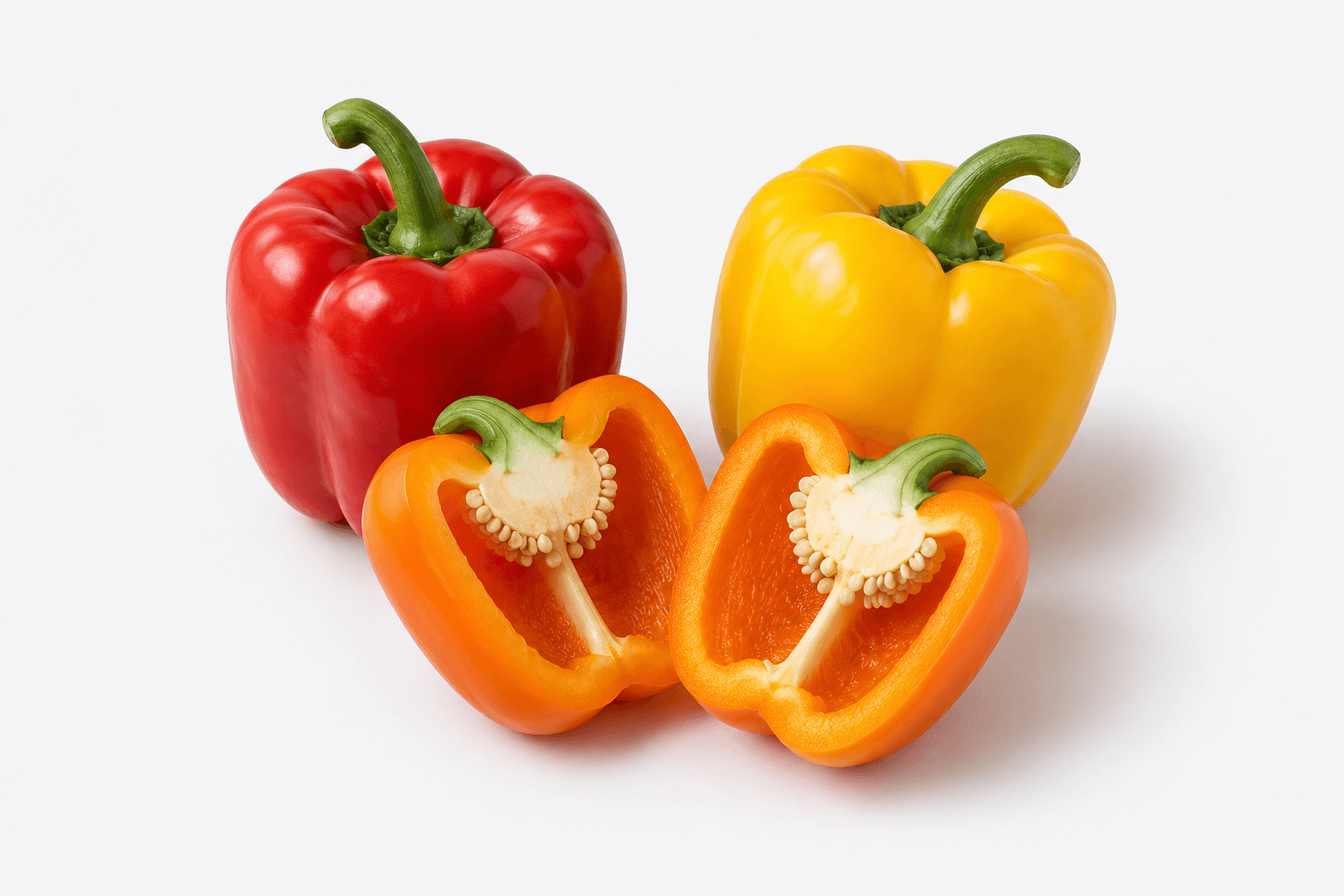
Moderate evidence128 mg of vitamin C per 100 g of red pepper. The Cochrane review, though, found no reduction in colds.

Tea & drinks
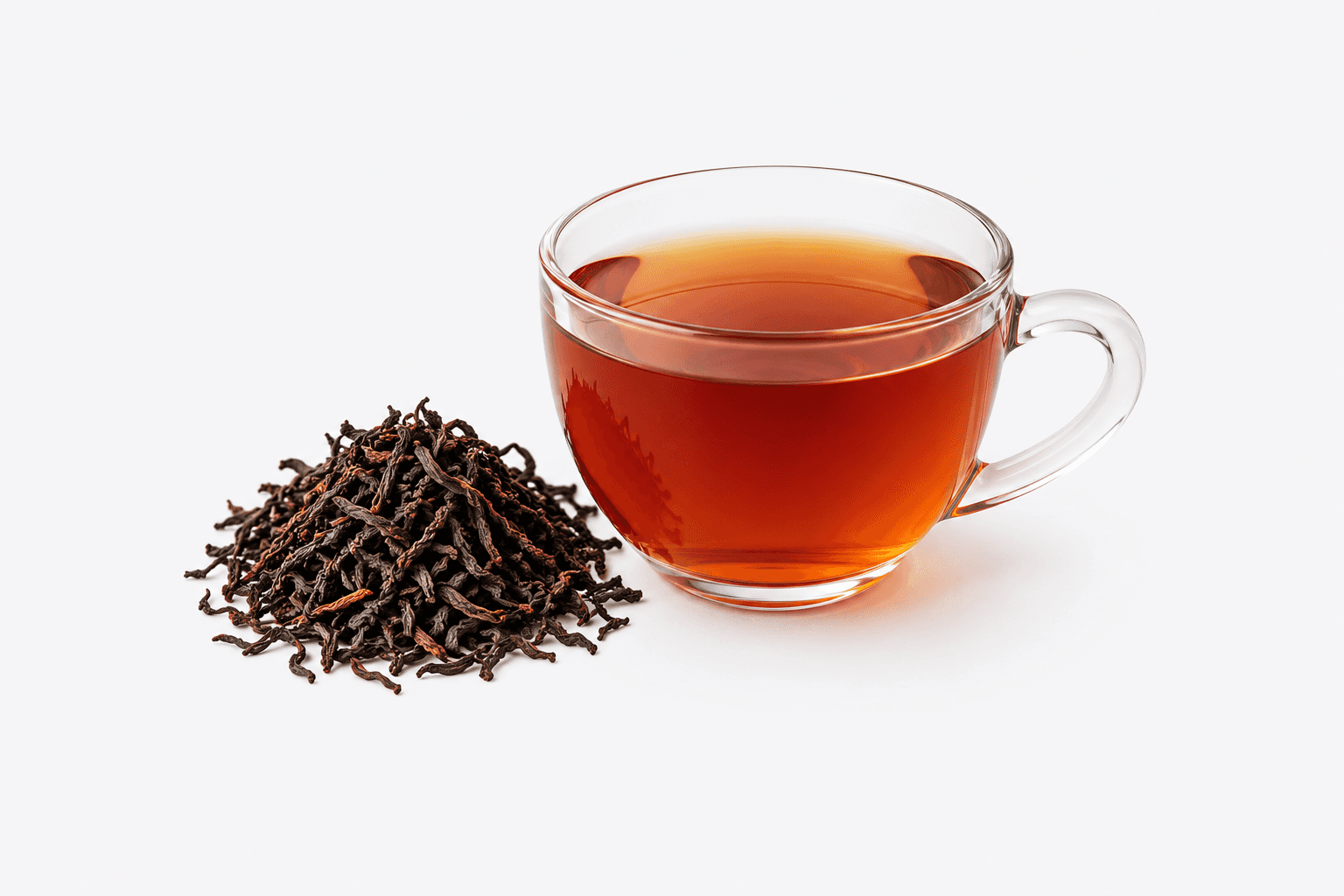
Moderate evidenceAcross 13 randomised trials, systolic blood pressure fell 1.04 mmHg. Statistically significant, and too small for one person to feel.

Oils & fats
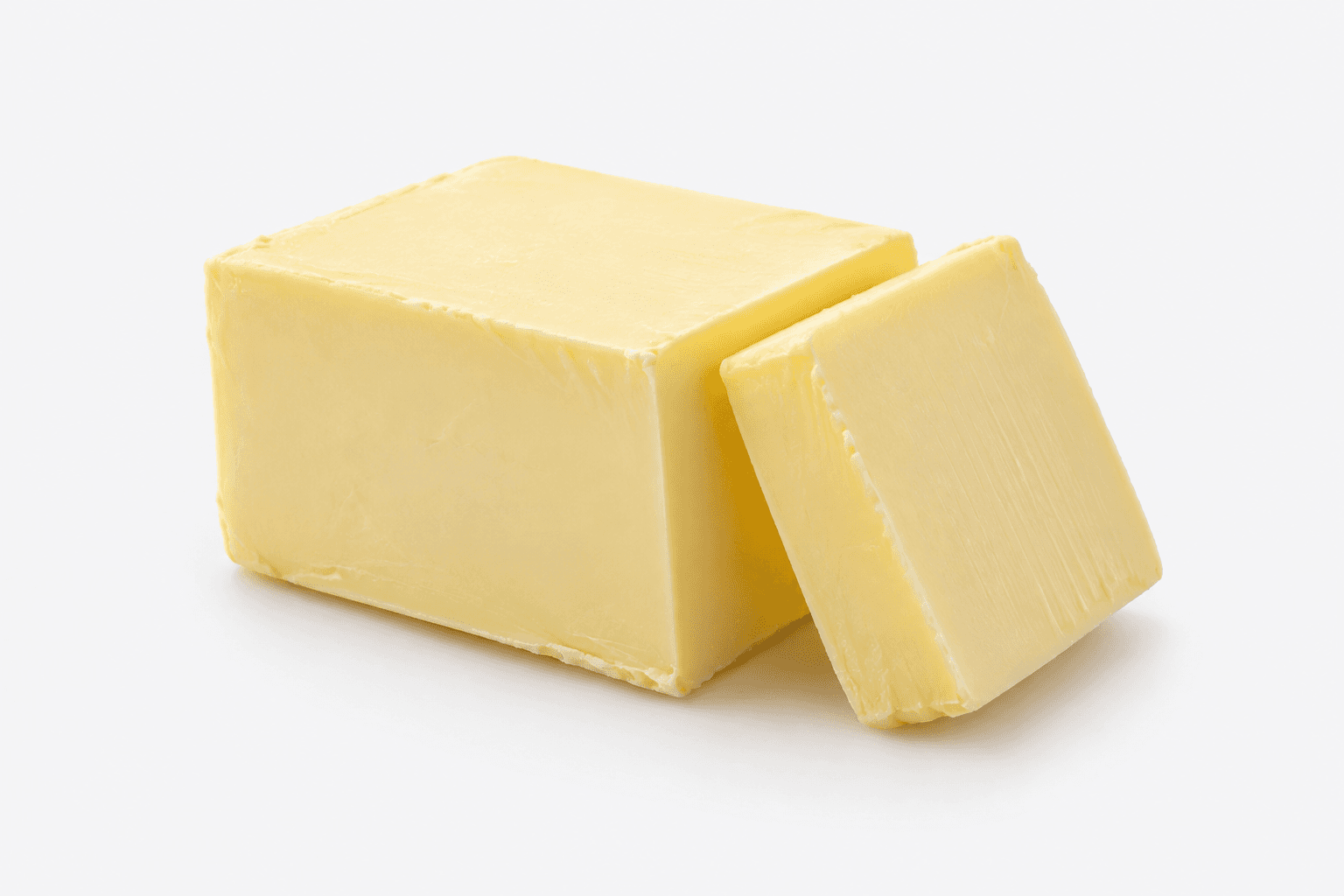
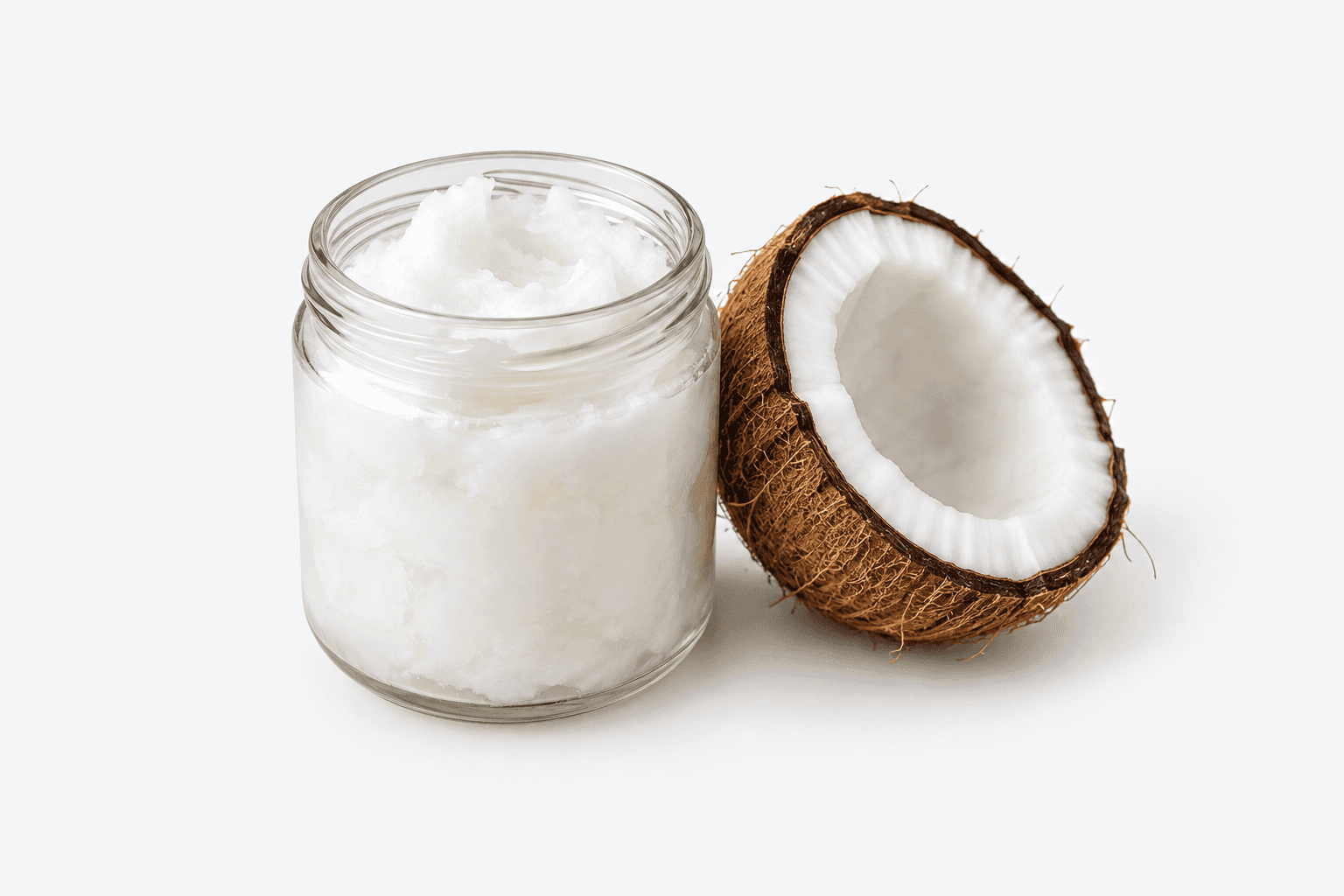
Strong evidenceSaturated fat runs 50.5 g per 100 g. Yet the evidence on dairy fat and cardiovascular disease is less tidy than the theory predicts.

Oils & fats
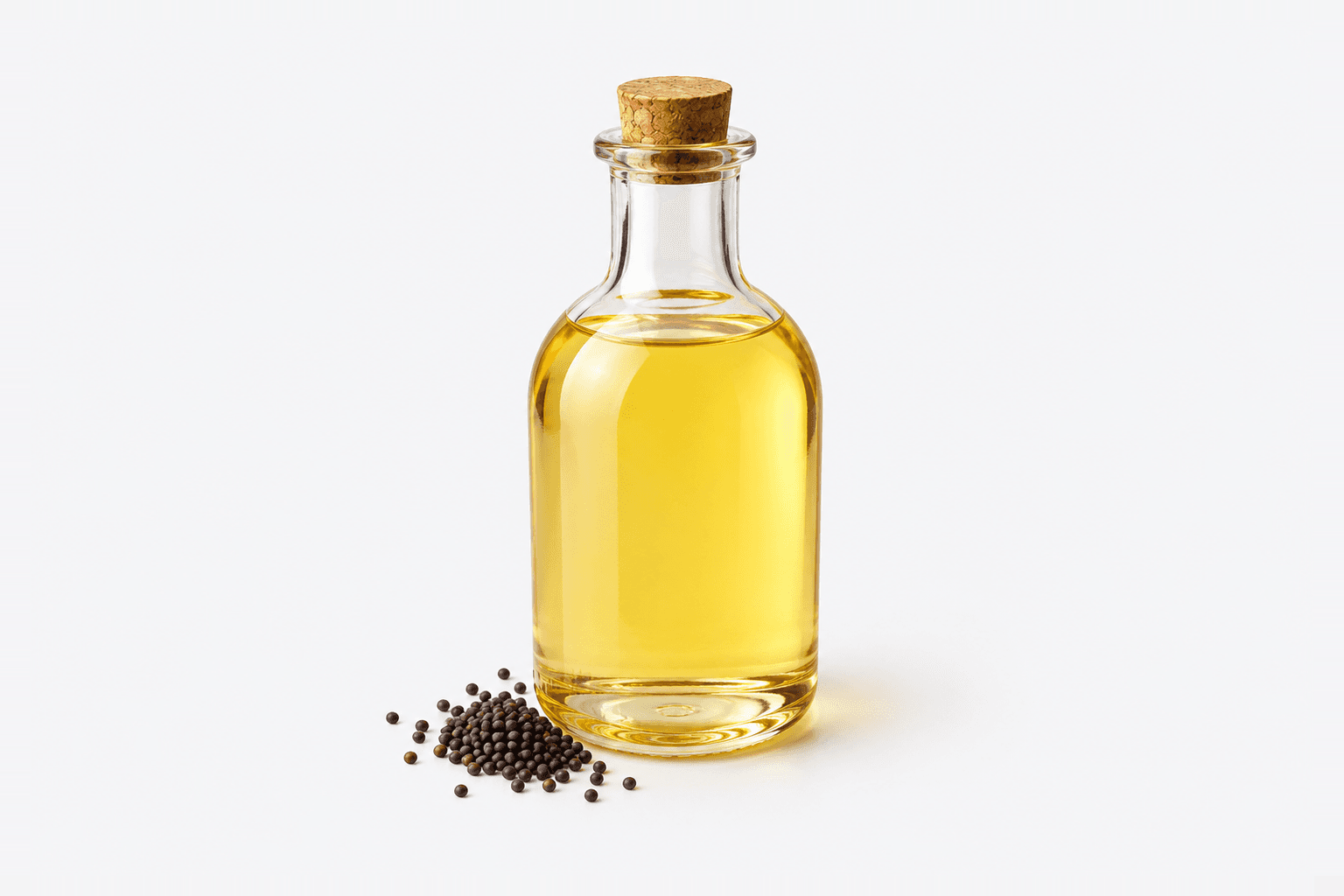
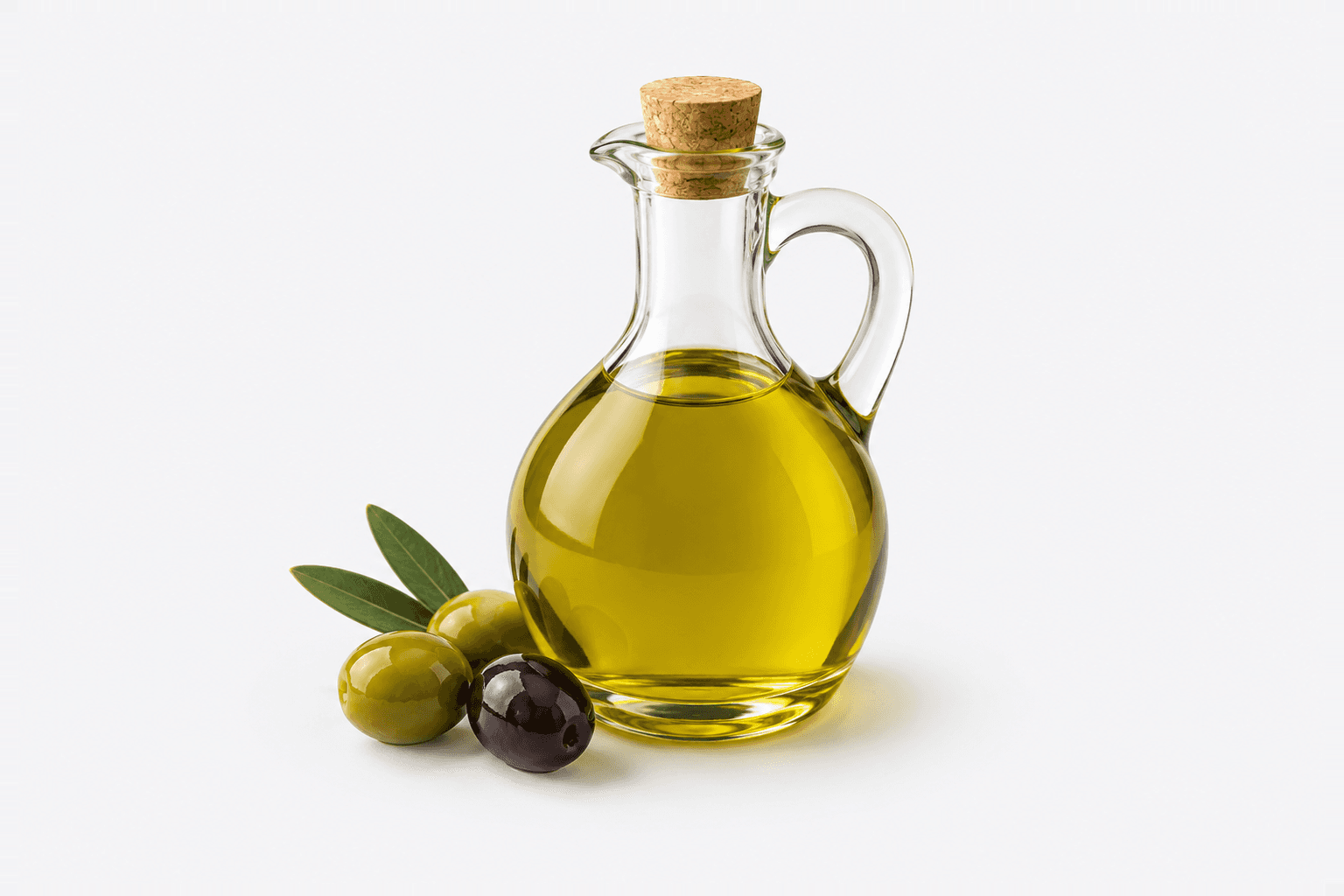
Strong evidenceAcross 42 trials it lowered LDL by 0.23 mmol/L against other cooking oils — and dropped total cholesterol further than olive oil did.

Grains & legumes
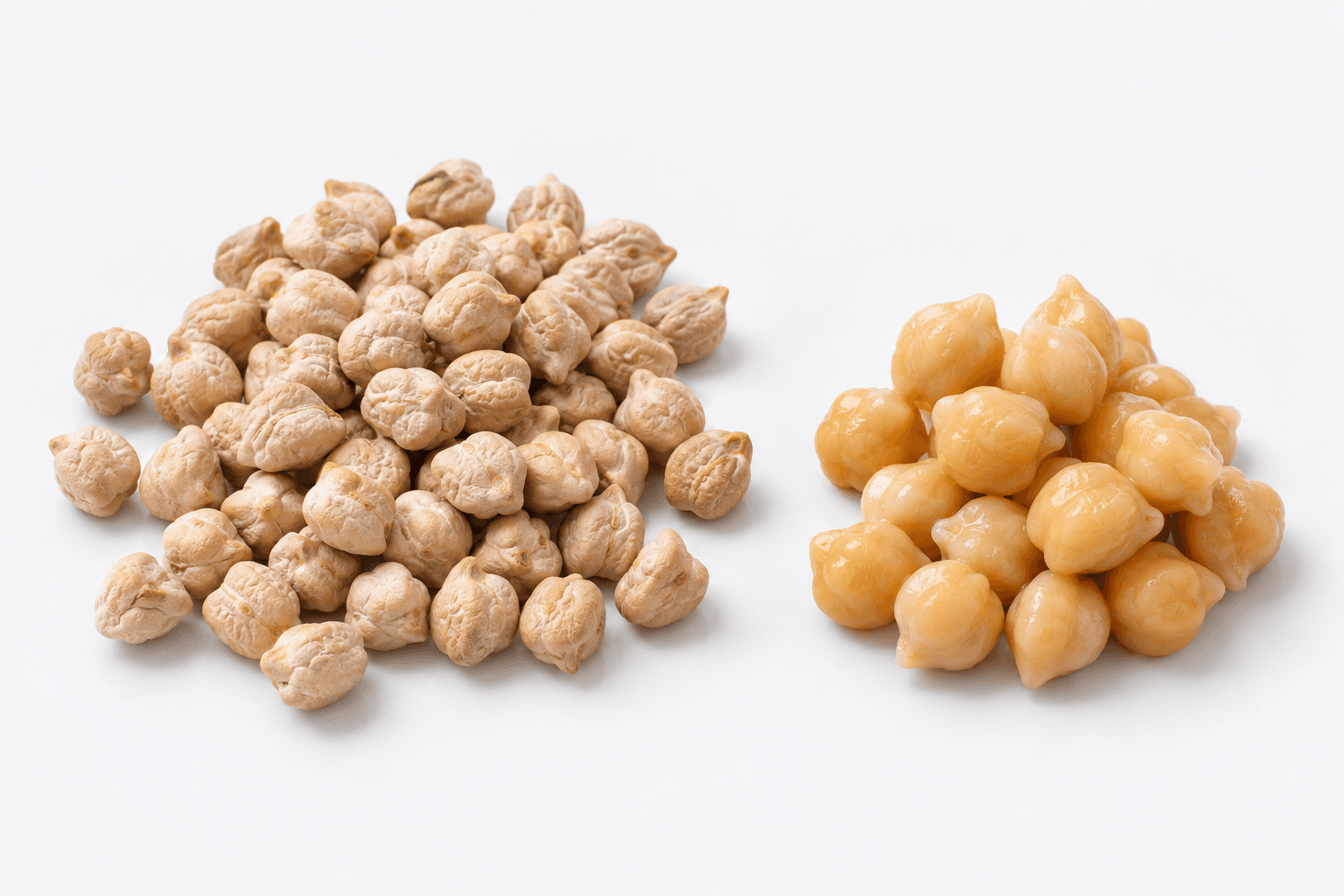
Strong evidence7.6 g of fibre and 172 µg of folate per 100 g cooked. Twenty-eight trials found a glucose effect — graded very low certainty.

Oils & fats
Strong evidencePooling 16 clinical trials, LDL rose 10.5 mg/dL against other vegetable oils. The 'healthy saturated fat' story did not survive testing.

Oils & fats
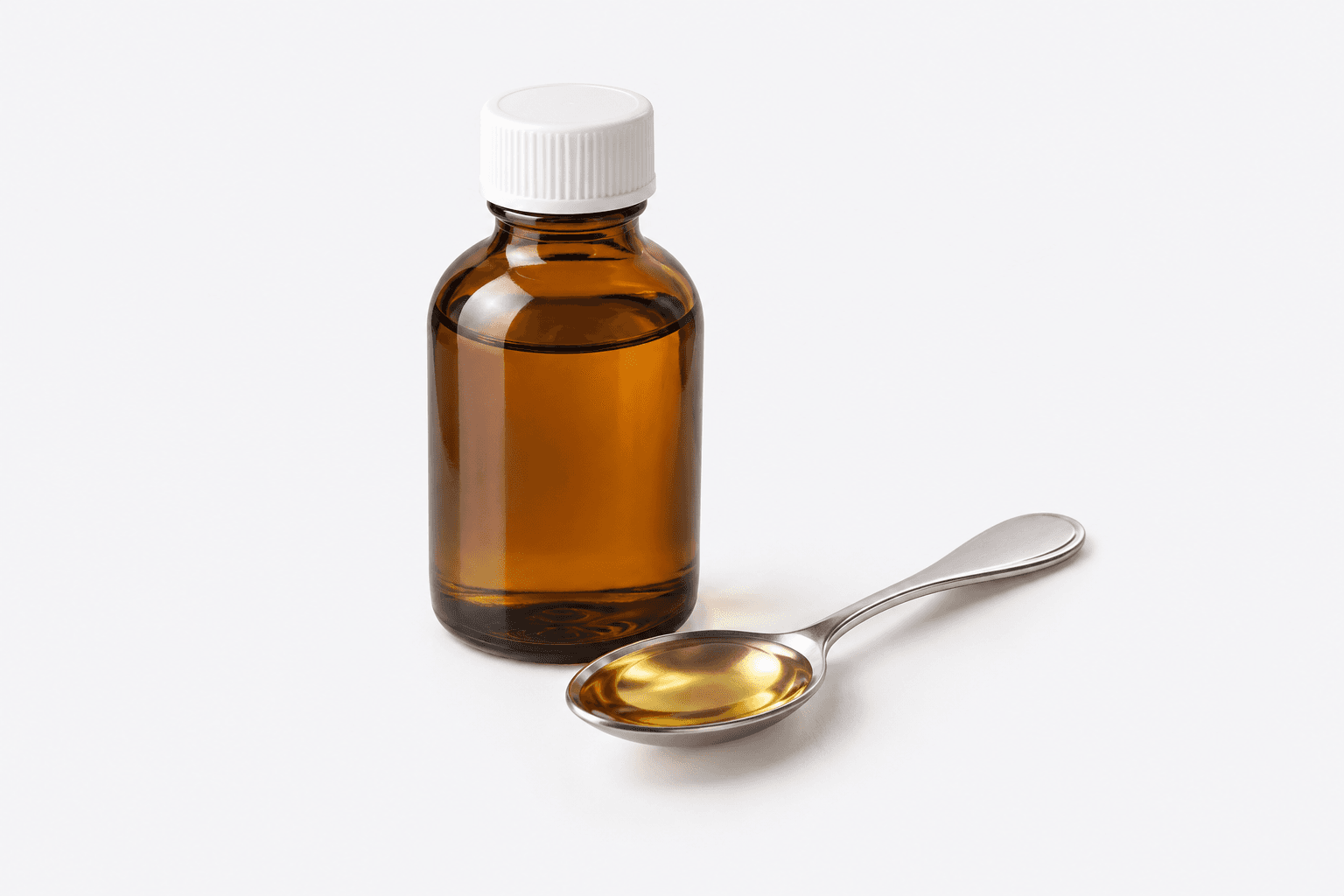
Strong evidenceA teaspoon carries 11 µg of vitamin D and 0.8 g of omega-3. It also carries 1,350 µg RAE of vitamin A — 45 % of the adult upper limit.

Grains & legumes
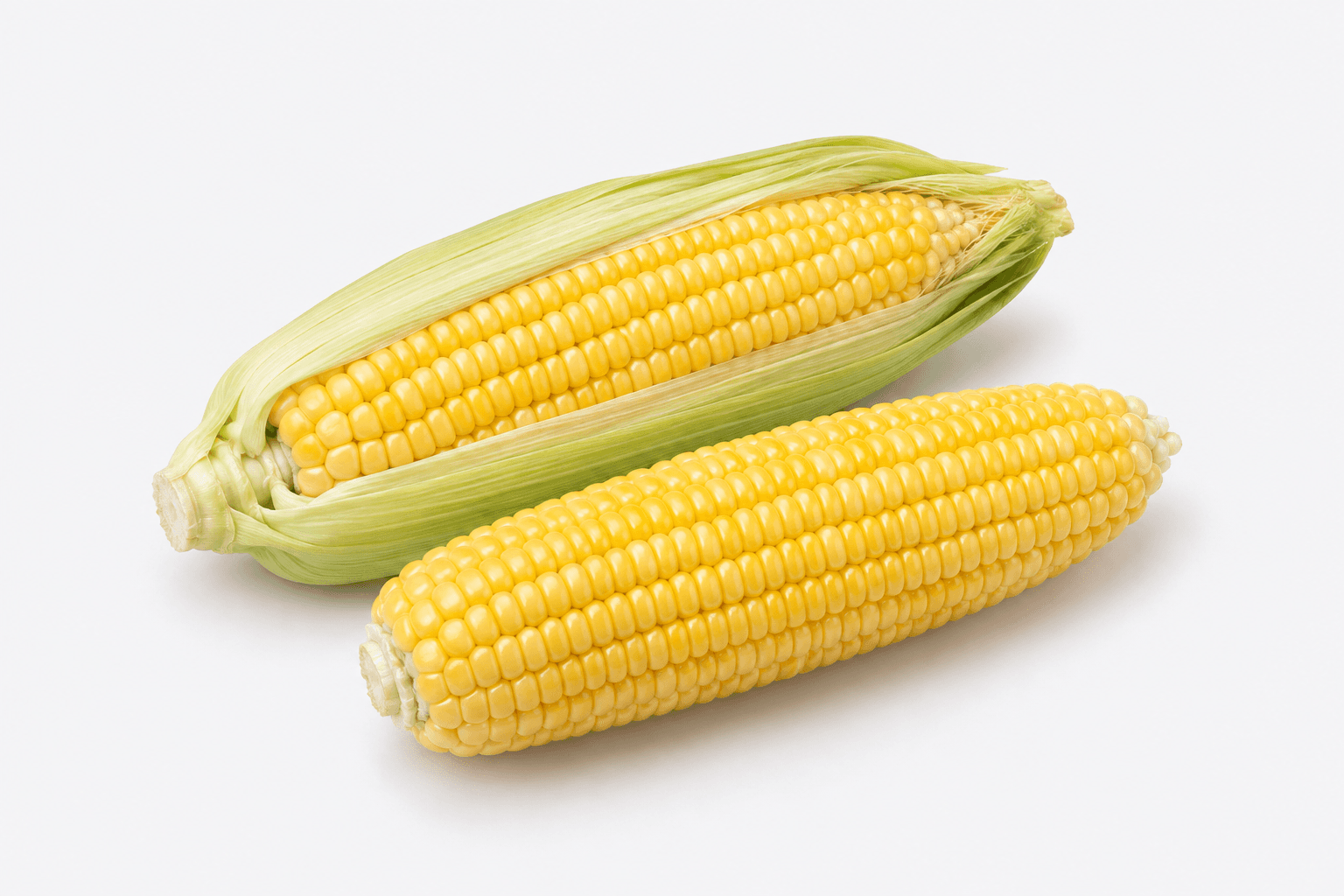
Moderate evidenceIt carries 644 µg of lutein and zeaxanthin per 100 g. Yet in AREDS2's primary analysis, lutein supplementation did not significantly slow macular degeneration.

Vegetables
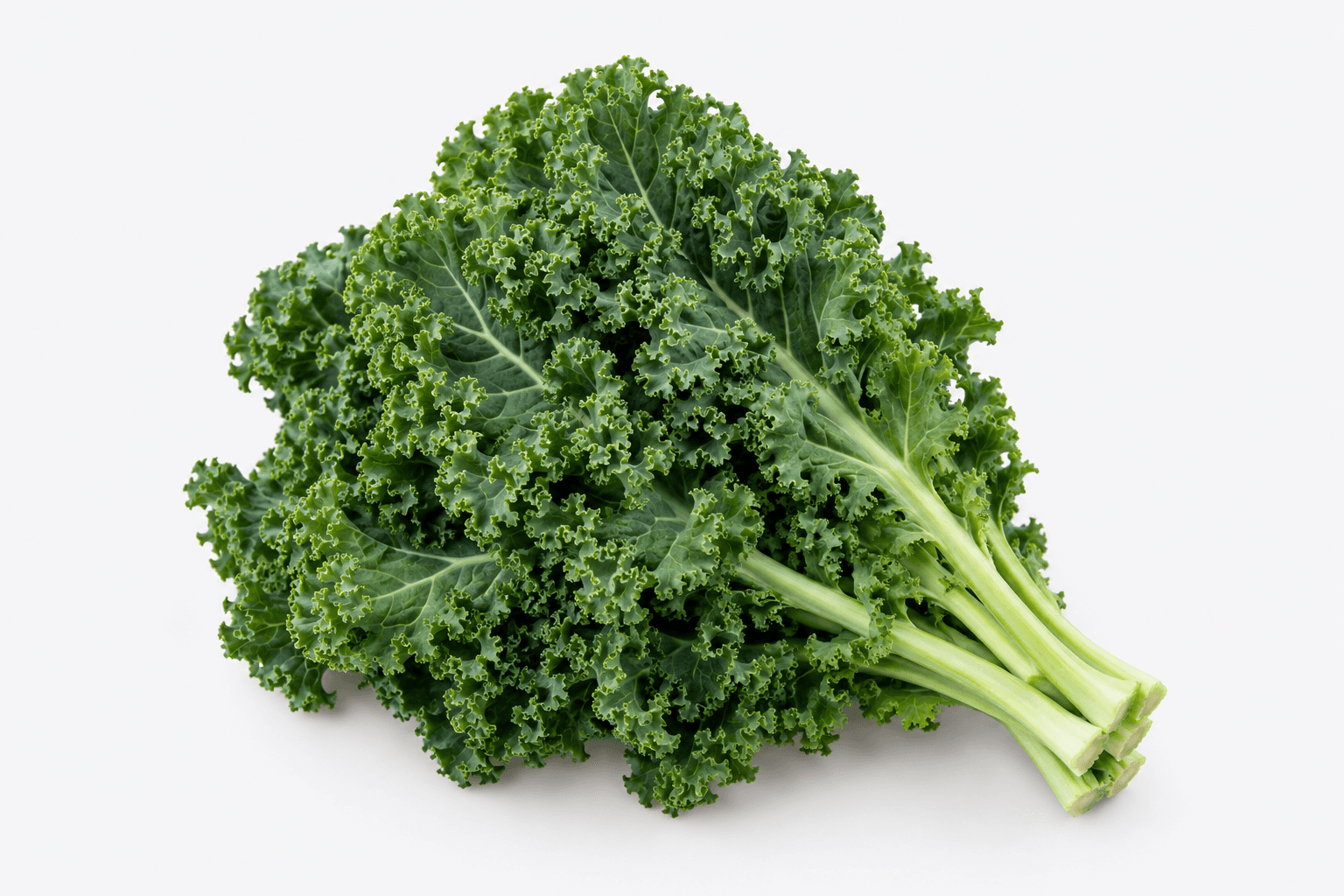
Moderate evidence390 µg of vitamin K, 93.4 mg of vitamin C and 254 mg of calcium per 100 g. Lutein is 6,260 µg — but the AREDS2 primary analysis was not significant.

Oils & fats
Strong evidenceCardiovascular events were 31 % lower in a randomised trial of 7,447 people. Against other vegetable oils, though, there was no difference.

Nuts & seeds
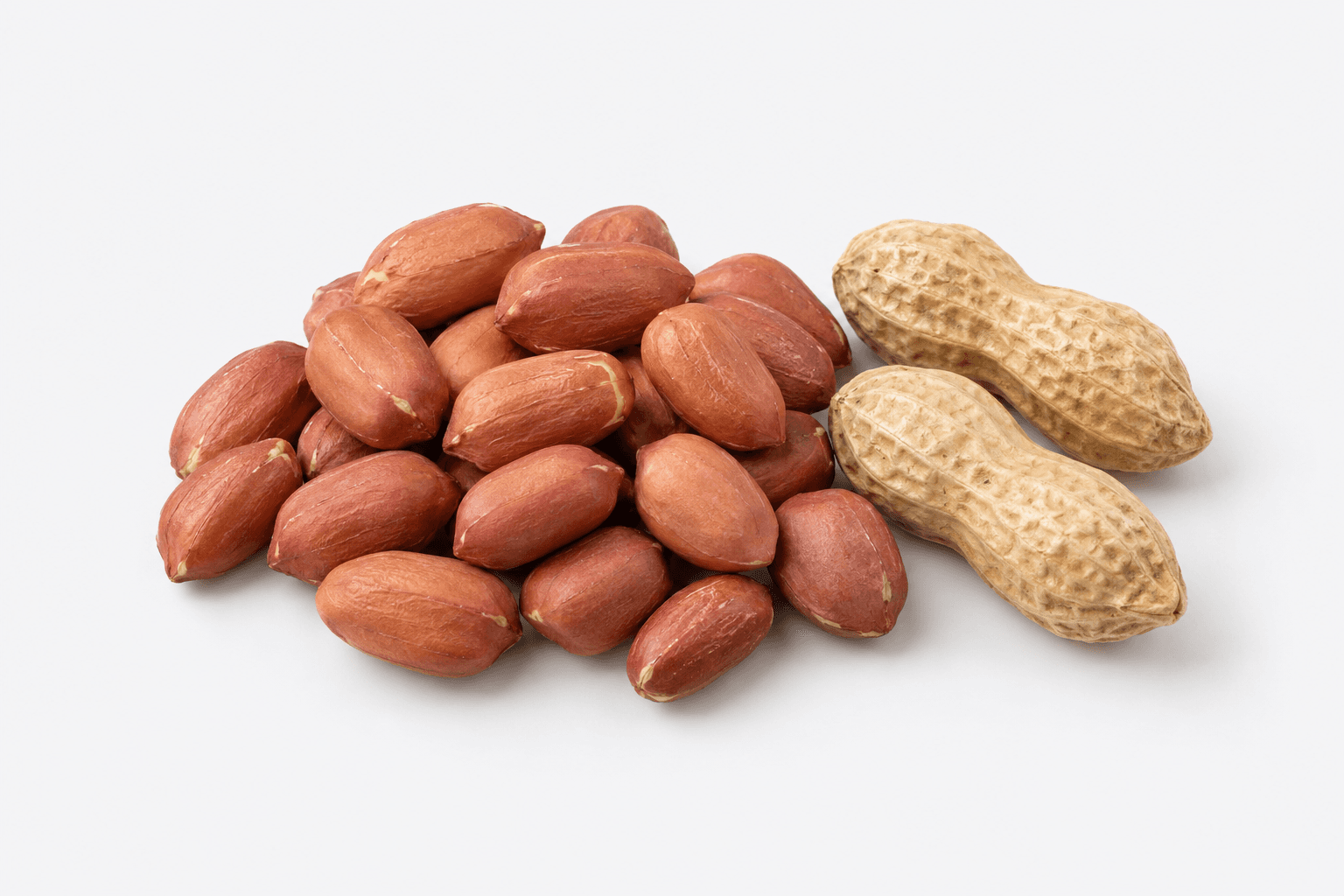
Strong evidenceAcross three cohorts of 206,000 people, mortality risk ran 17–21 % lower. Peanut butter showed no such association.

Fruits
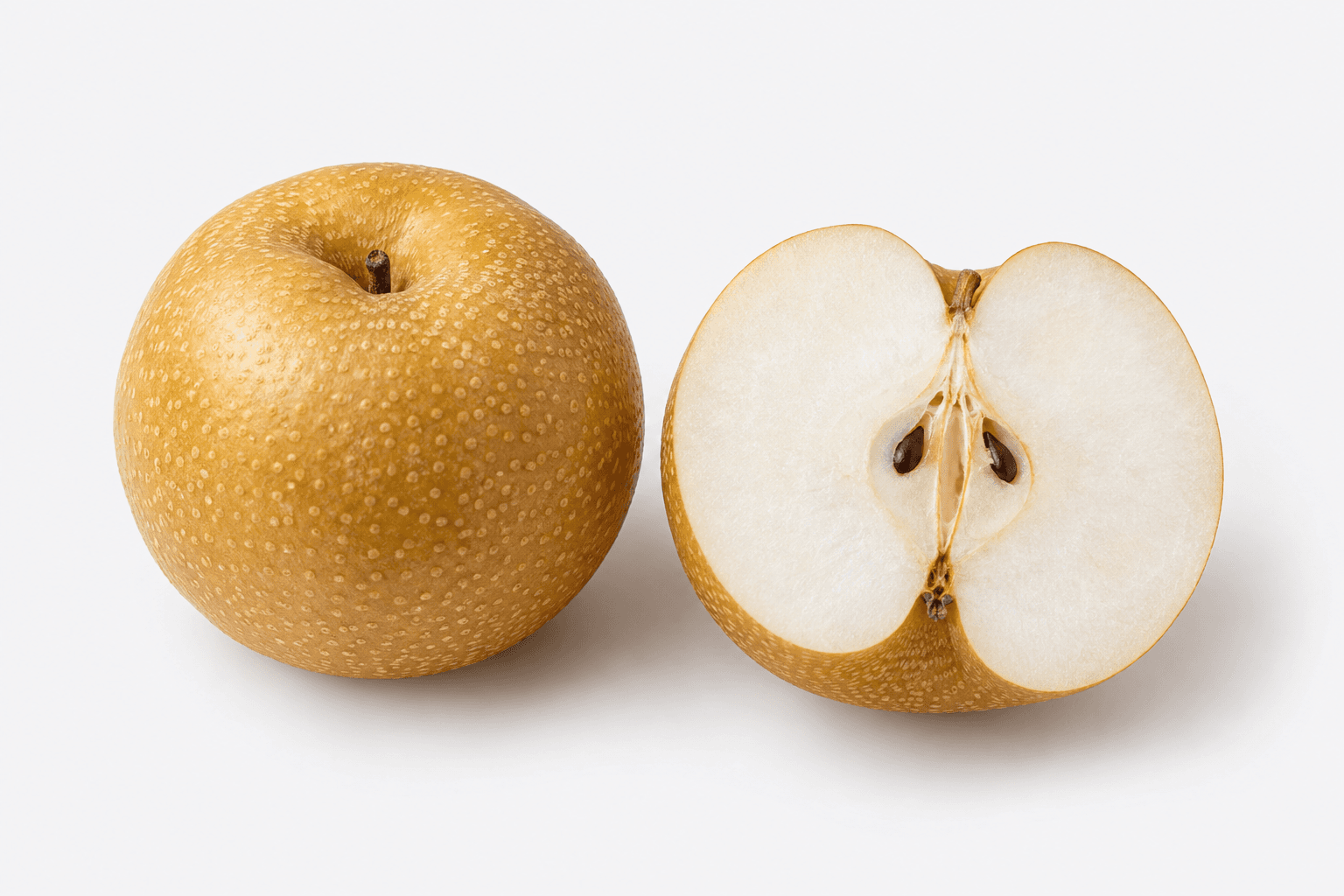
Moderate evidence3.6 g of fibre in 42 kcal per 100 g. A trial of Korean pear juice did find hangover scores 16–21 % lower.

Vegetables
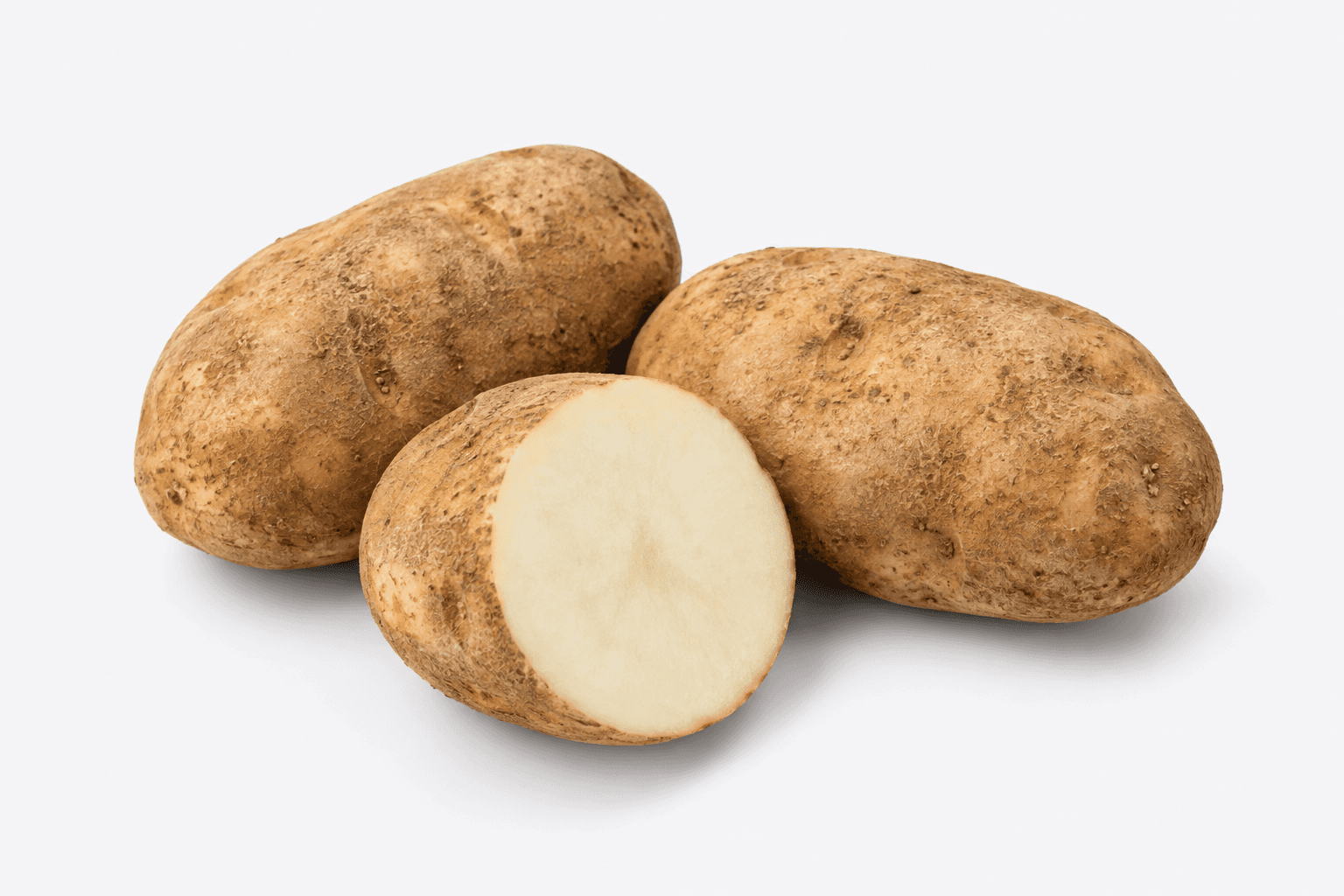
Moderate evidenceTotal potato intake showed no association with type 2 diabetes risk. Only fried potato did, at a hazard ratio of 1.12.