Filter by category or search for the ingredient you have in the kitchen.
161 ingredients
Vegetables
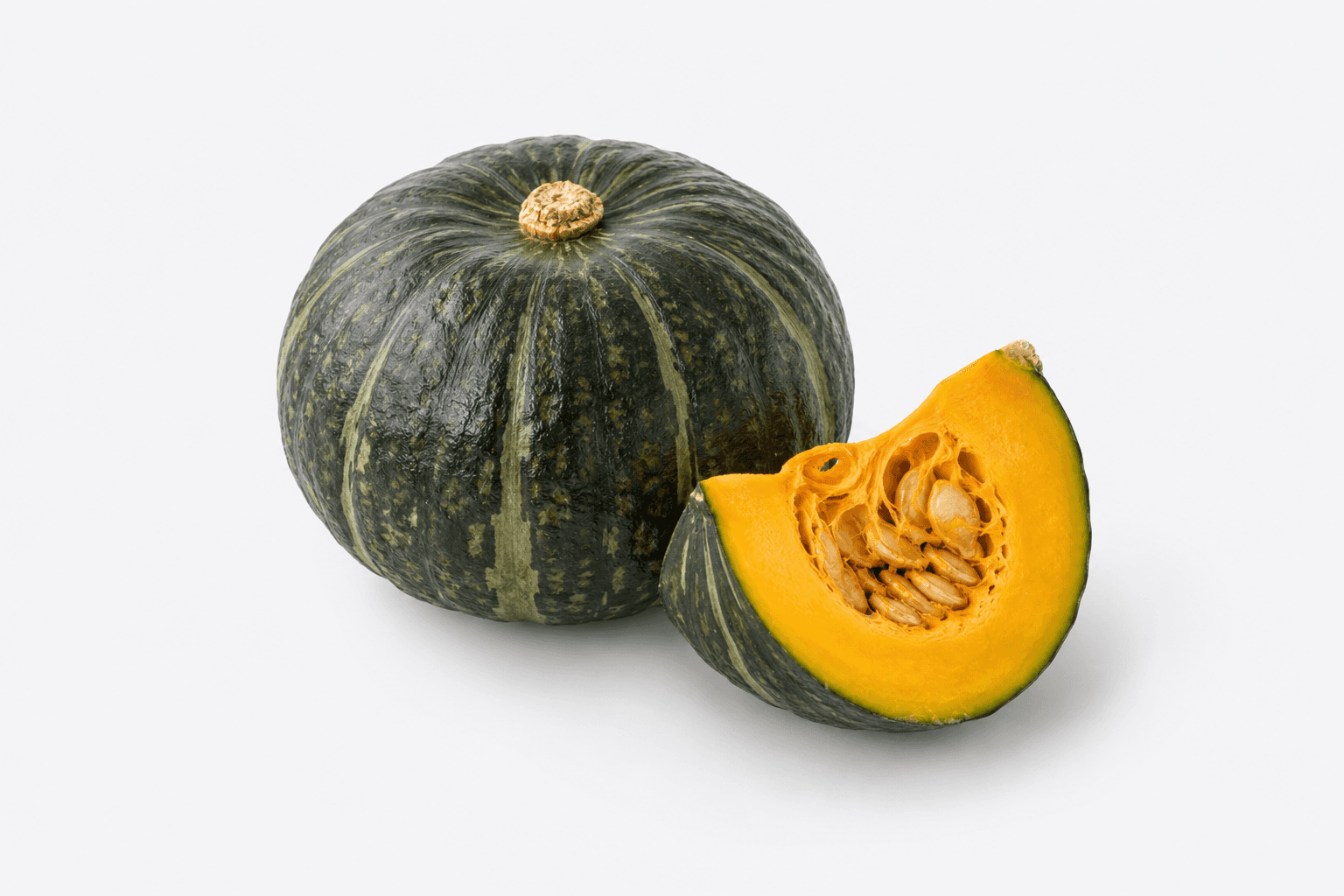
Moderate evidence2,790 µg of beta-carotene in 37 kcal per 100 g baked. Beta-carotene supplements, though, increased lung cancer in smokers.
Nuts & seeds
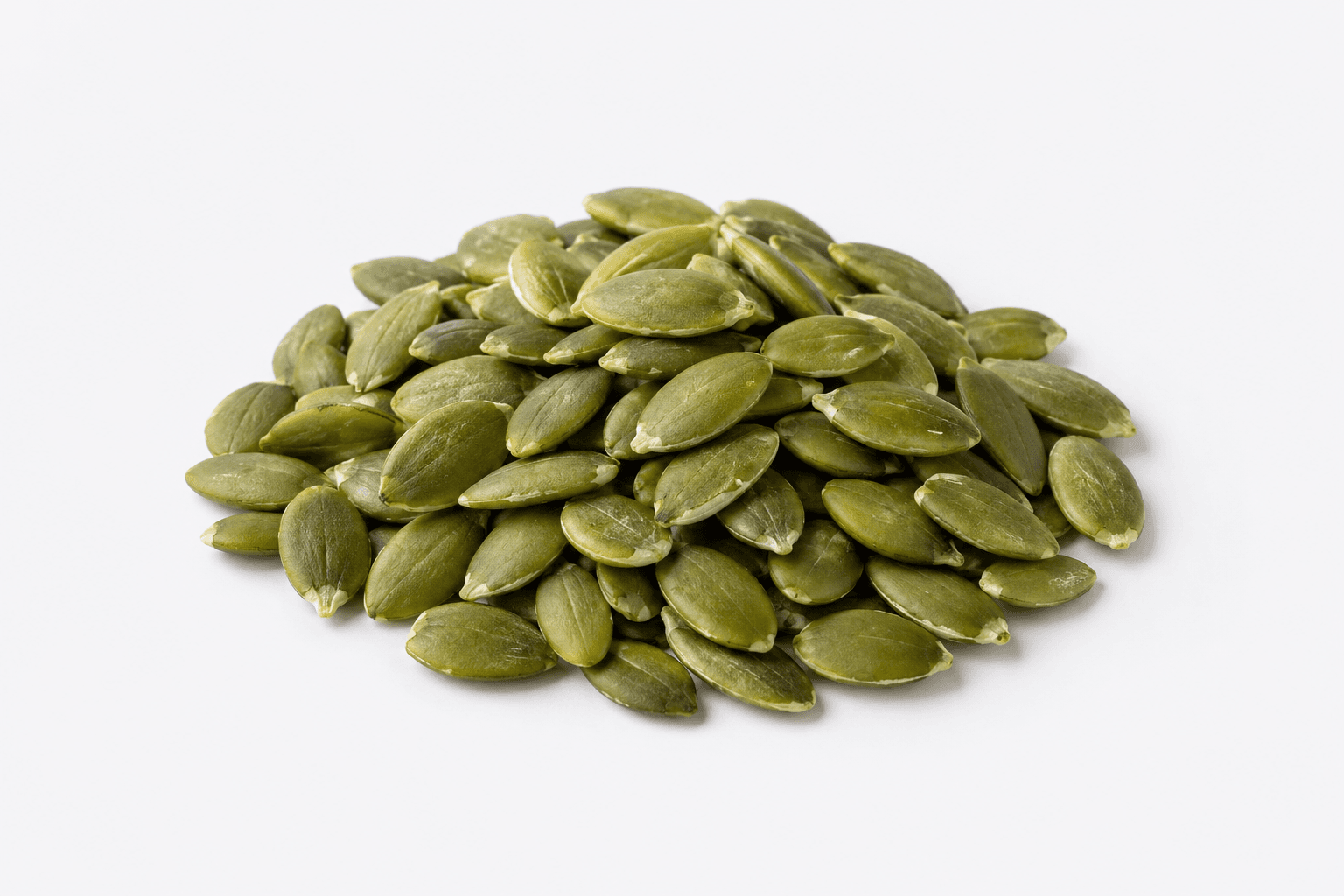
Moderate evidence550 mg of magnesium and 7.6 mg of zinc per 100 g. The blood-pressure effect of magnesium, though, showed up only in people who already had hypertension.
Oils & fats
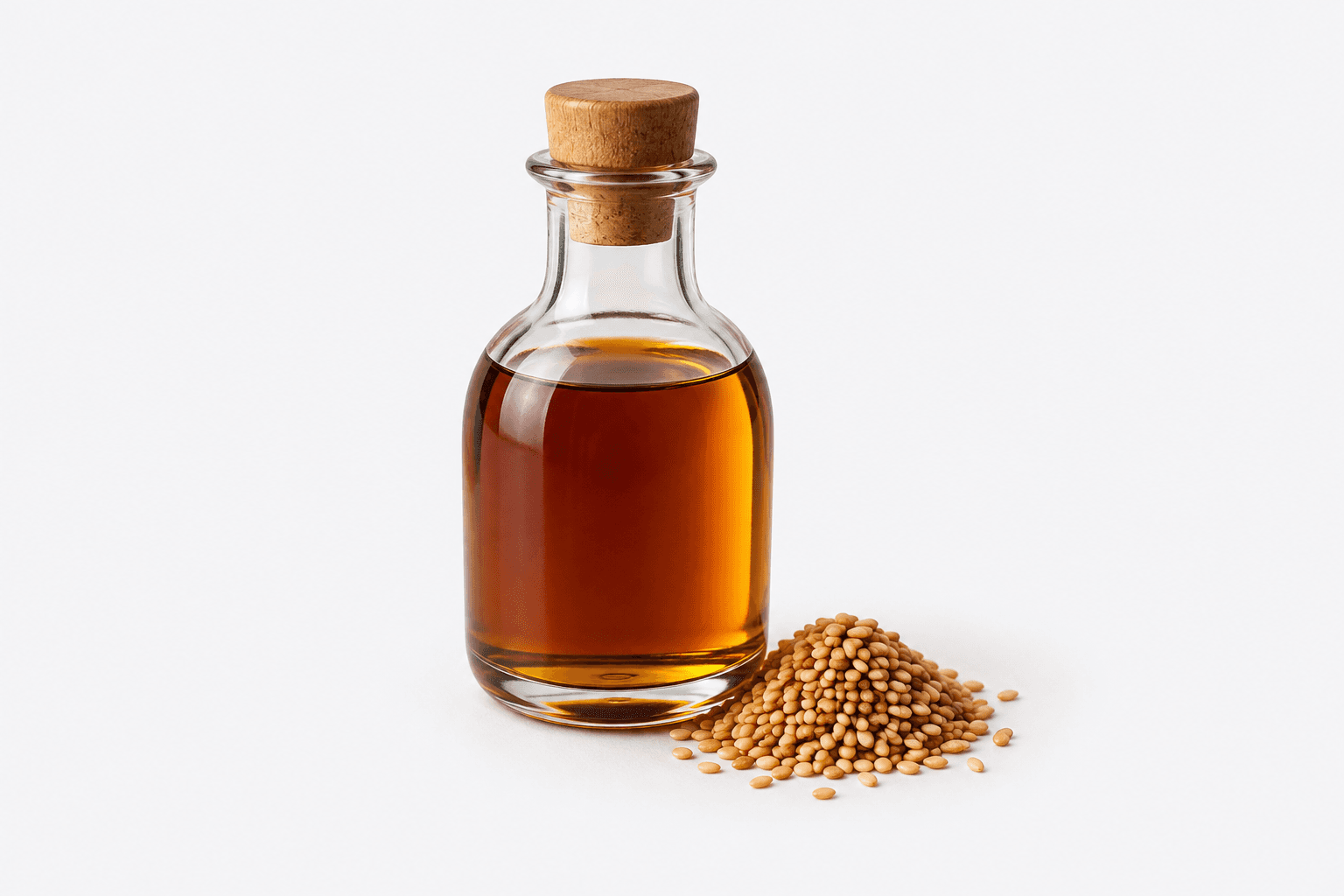
Nutrition dataSaturated fat sits at 14.2 g, mid-range for a vegetable oil, and vitamin E at 1.4 mg is a tenth of olive oil's. Sesame oil earns its place on flavour.
Seafood
Moderate evidence22.8 g of protein, 1.7 g of fat and 49.5 µg of selenium per 100 g. Even at 300 g a day, lipoprotein ratios did not worsen.

Seafood
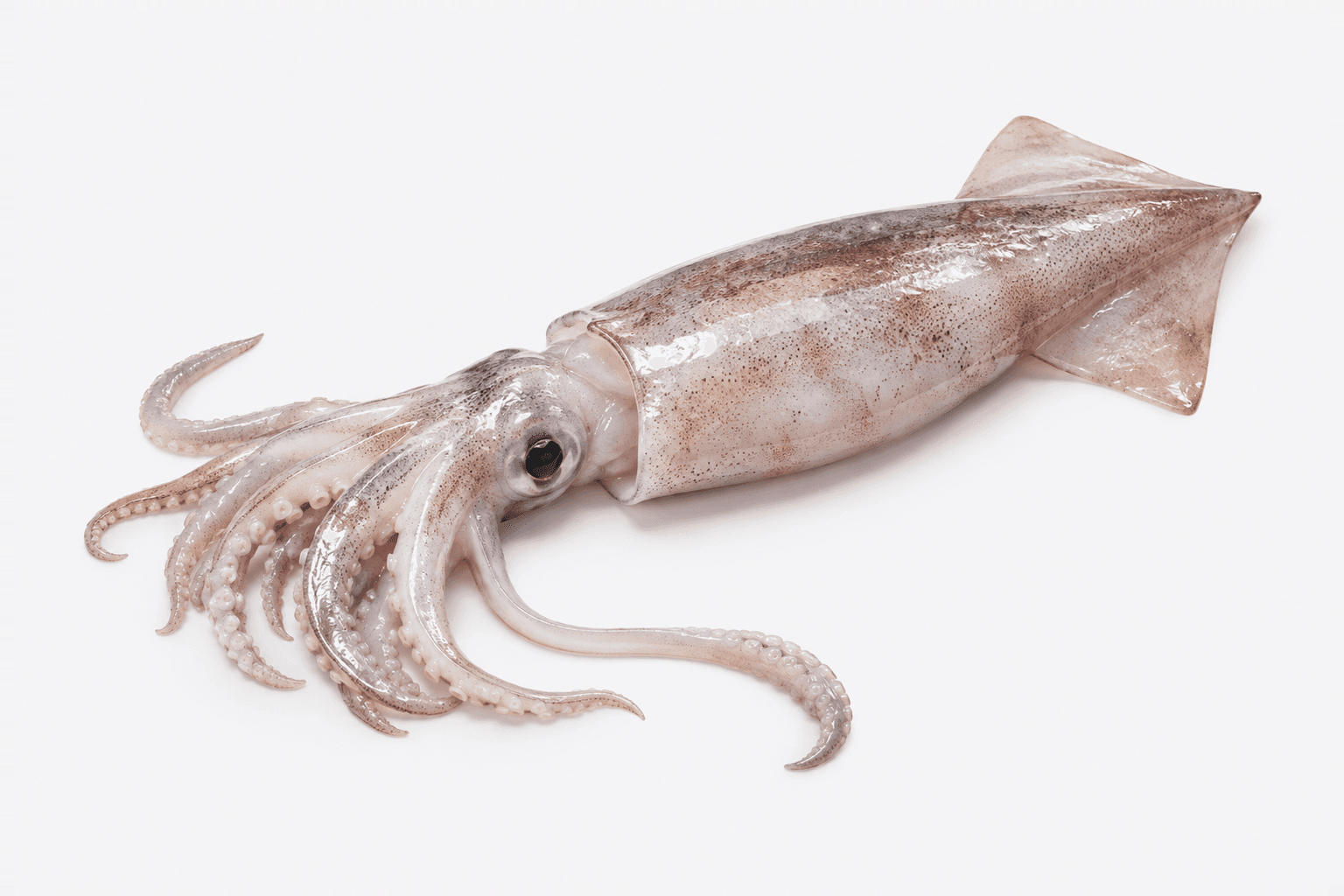
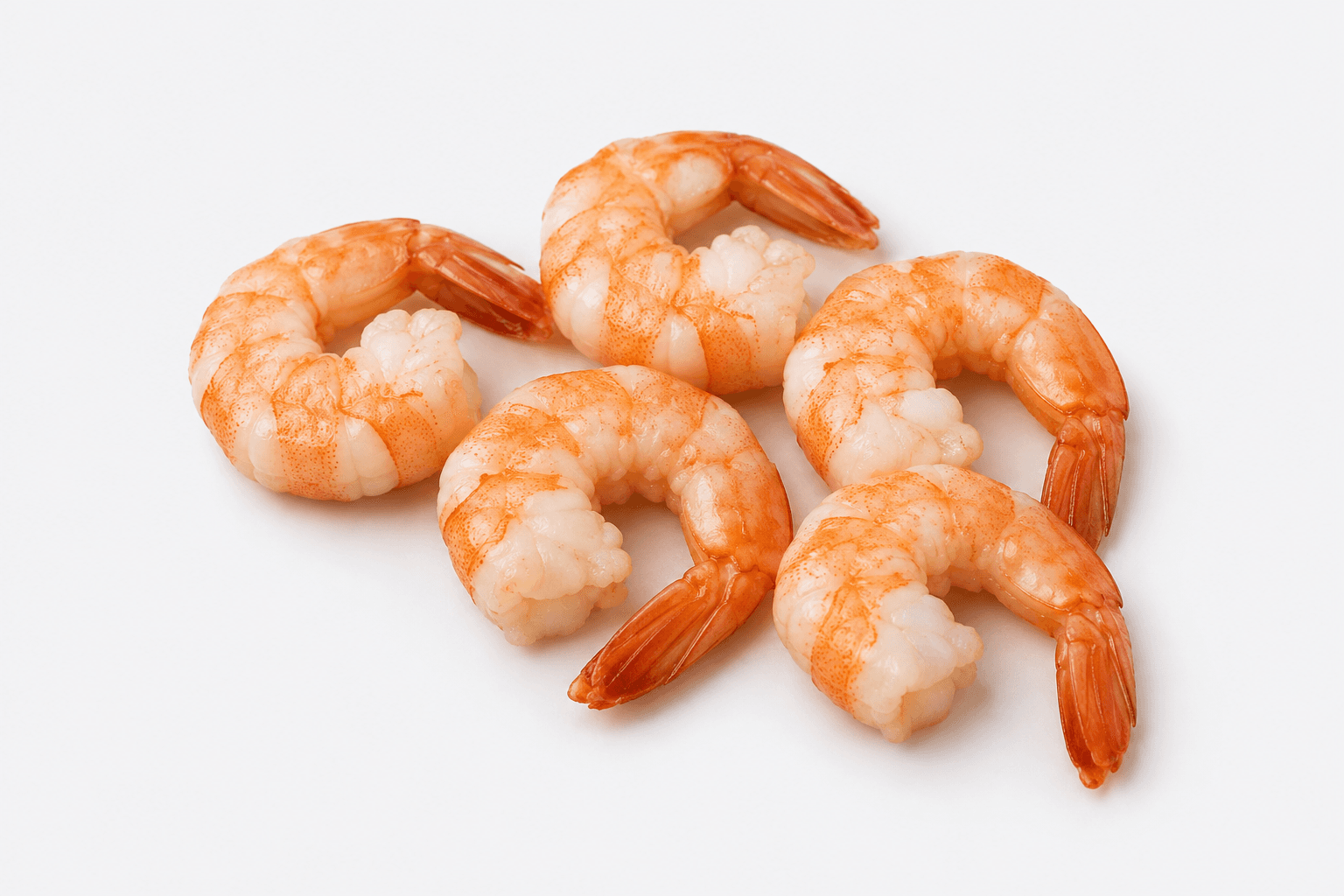
Moderate evidencePer 100 g it carries 15.6 g of protein and only 1.38 g of fat. Cholesterol is high at 233 mg — but in a shrimp trial, what mattered more was the rest of the meal.

Grains & legumes
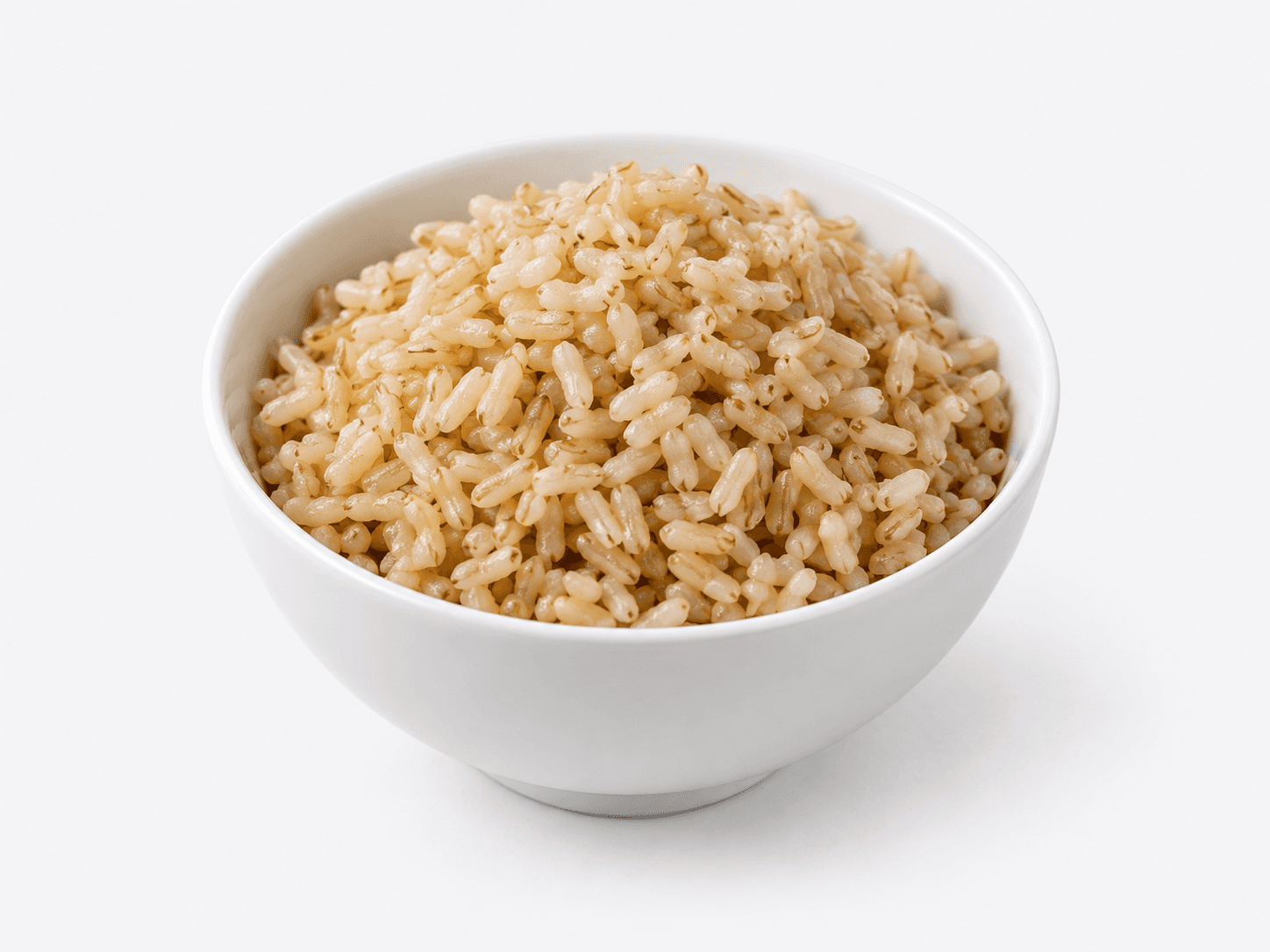
Moderate evidencePeople who eat more whole grains consistently show less type 2 diabetes. In randomised trials, though, the glycaemic markers barely moved.

Herbs & spices
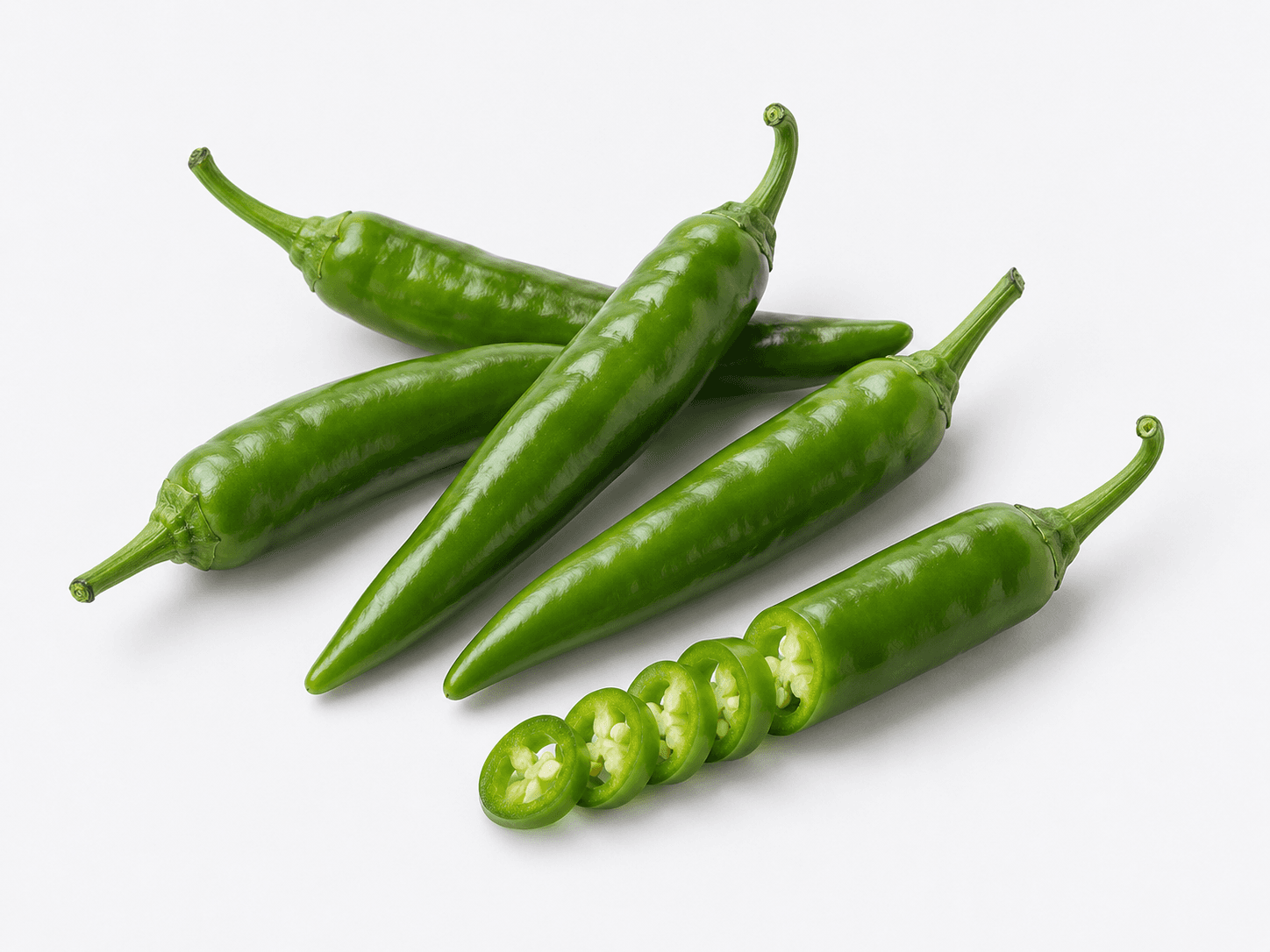
Moderate evidenceAcross 564,748 adults in four countries, regular spicy food eaters had 12 % lower all-cause mortality — with almost no disagreement between studies.

Tea & drinks
Moderate evidenceThe association with lower type 2 diabetes and liver disease risk is consistent. The interesting part is that decaf shows almost the same thing.

Seafood
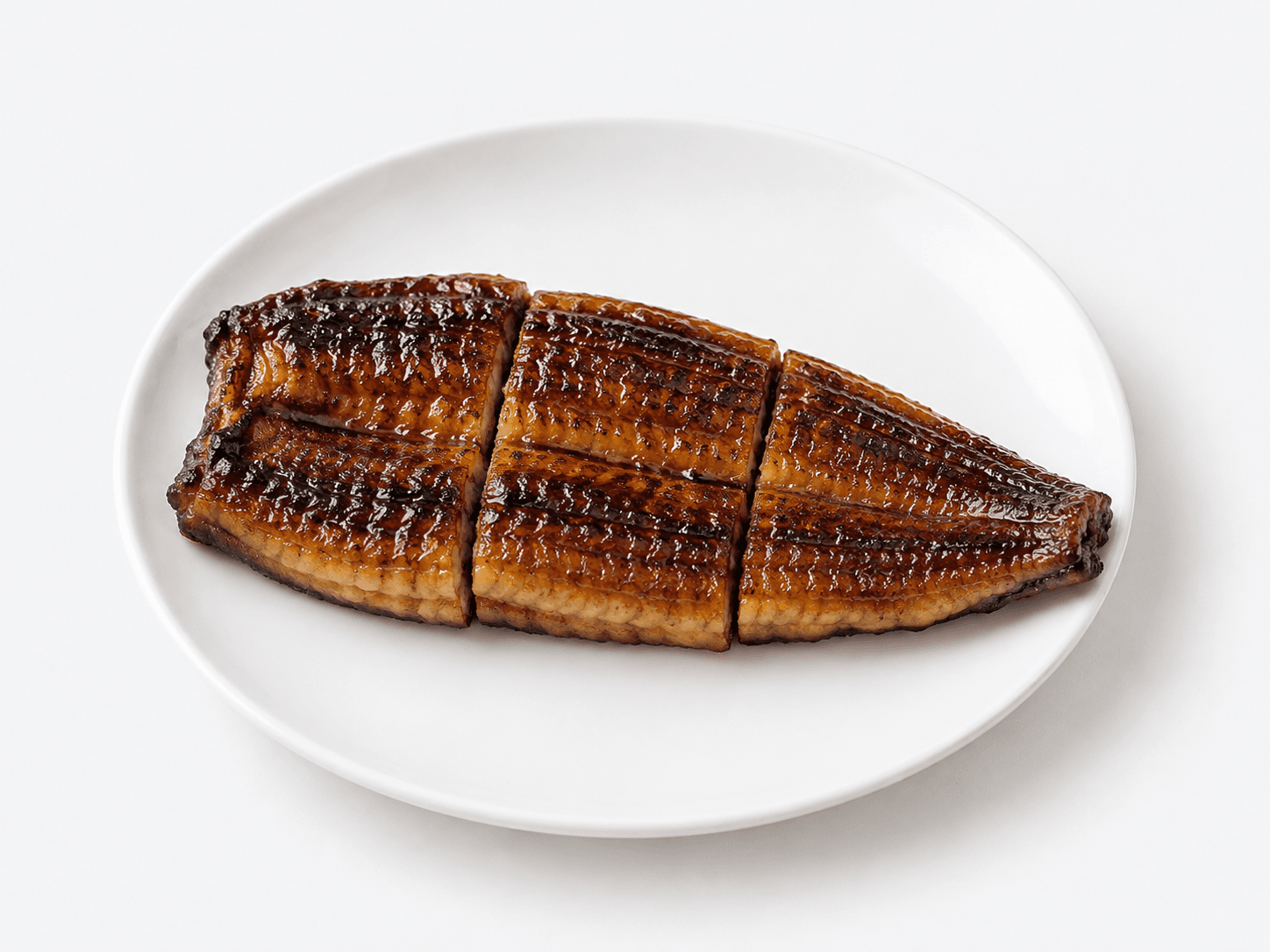
Nutrition data23.3 µg of vitamin D per 100 g, the highest on this site. But it also carries 1,043 µg of vitamin A, in the form that has an upper limit.

Nuts & seeds
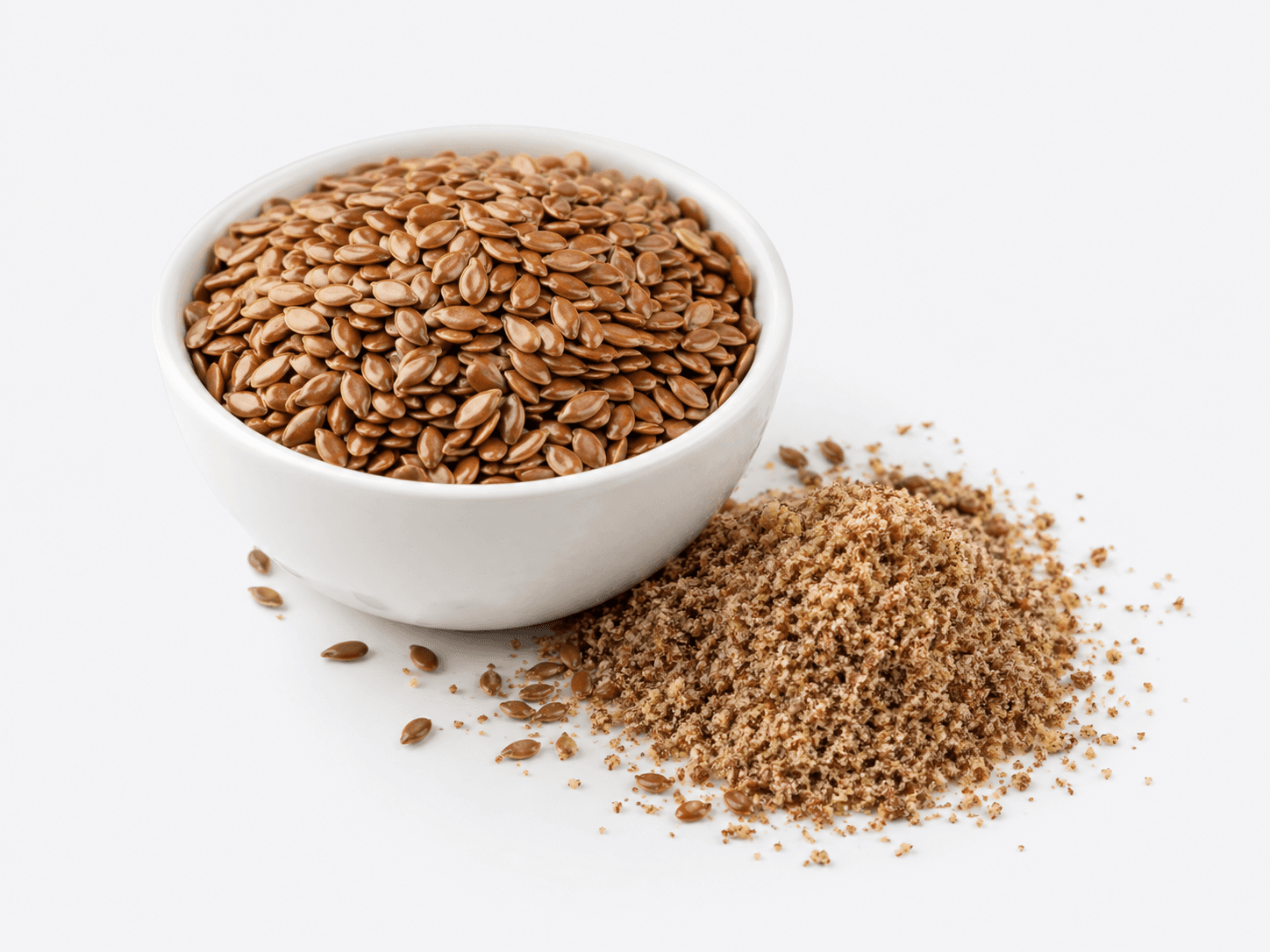
Moderate evidence19.4 g of omega-3 (ALA) and 23.1 g of fibre per 100 g. But swallowed whole, the hard hull means most of it passes through undigested.

Seafood
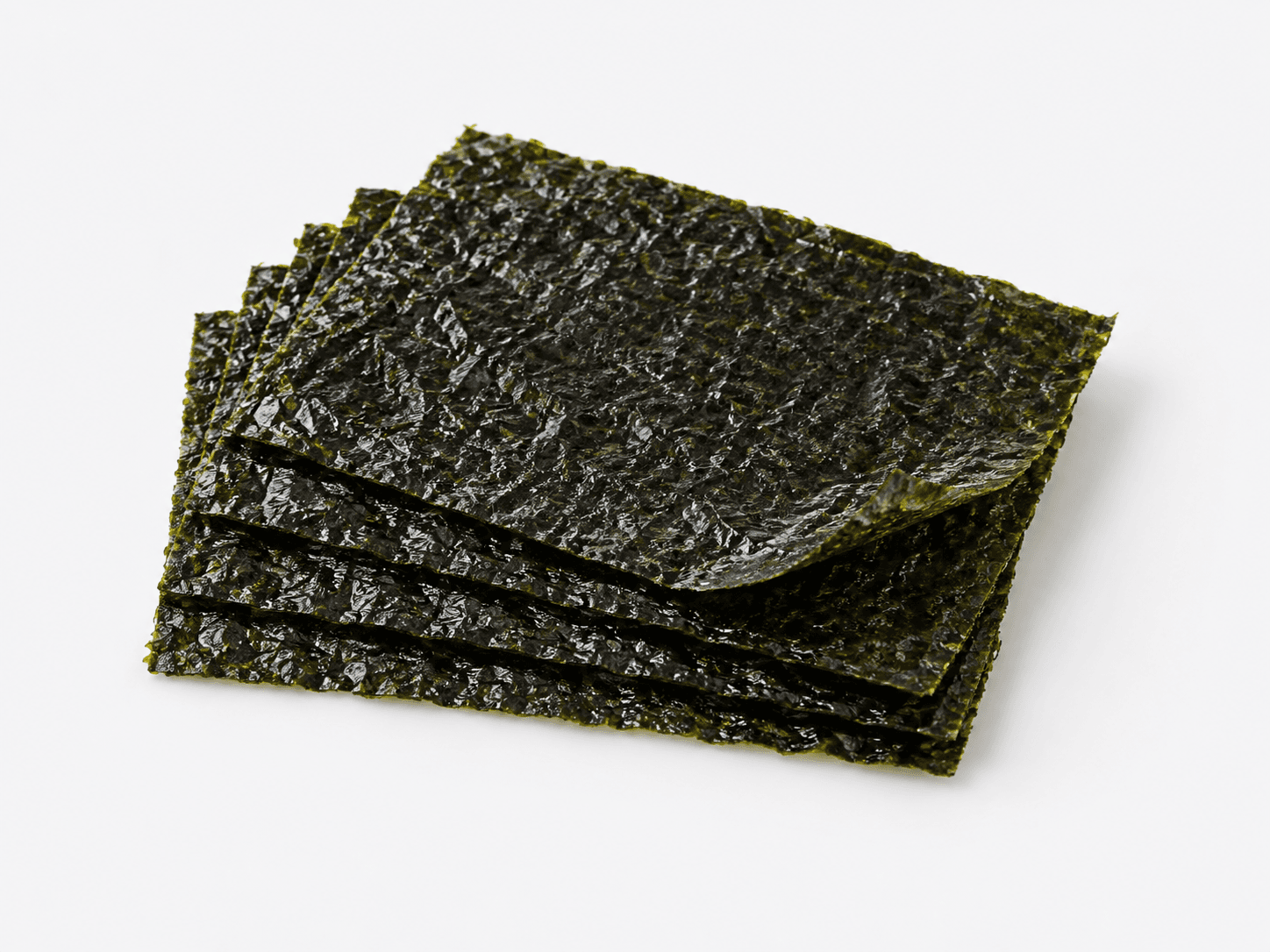
Early researchSeaweed's vitamin B12 was long dismissed as an unusable analogue. A 2024 randomised trial found otherwise.

Fruits
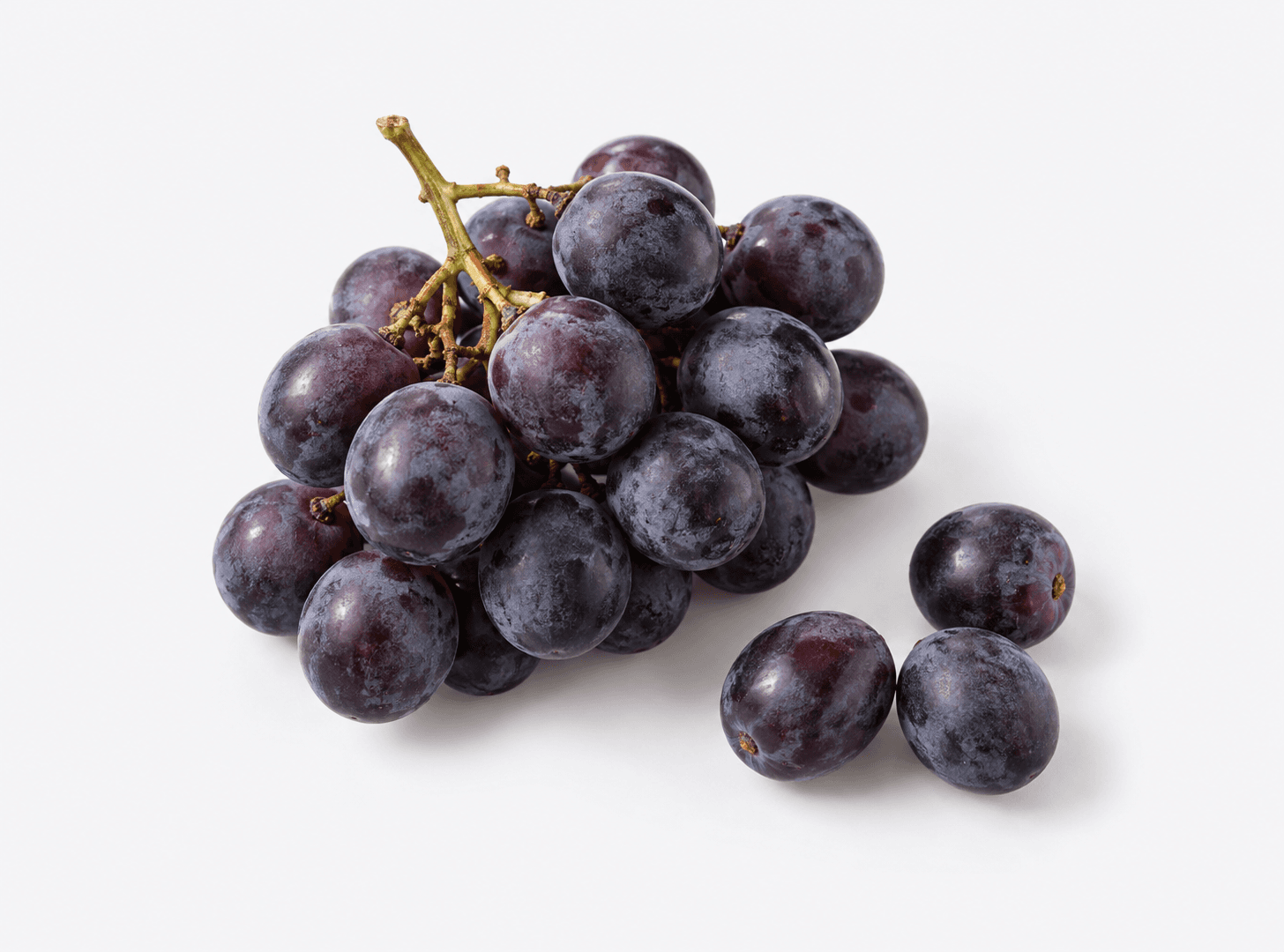
Moderate evidenceGrape polyphenols lowered systolic blood pressure by 1.48 mmHg. Every resveratrol trial used a supplement.

Seafood
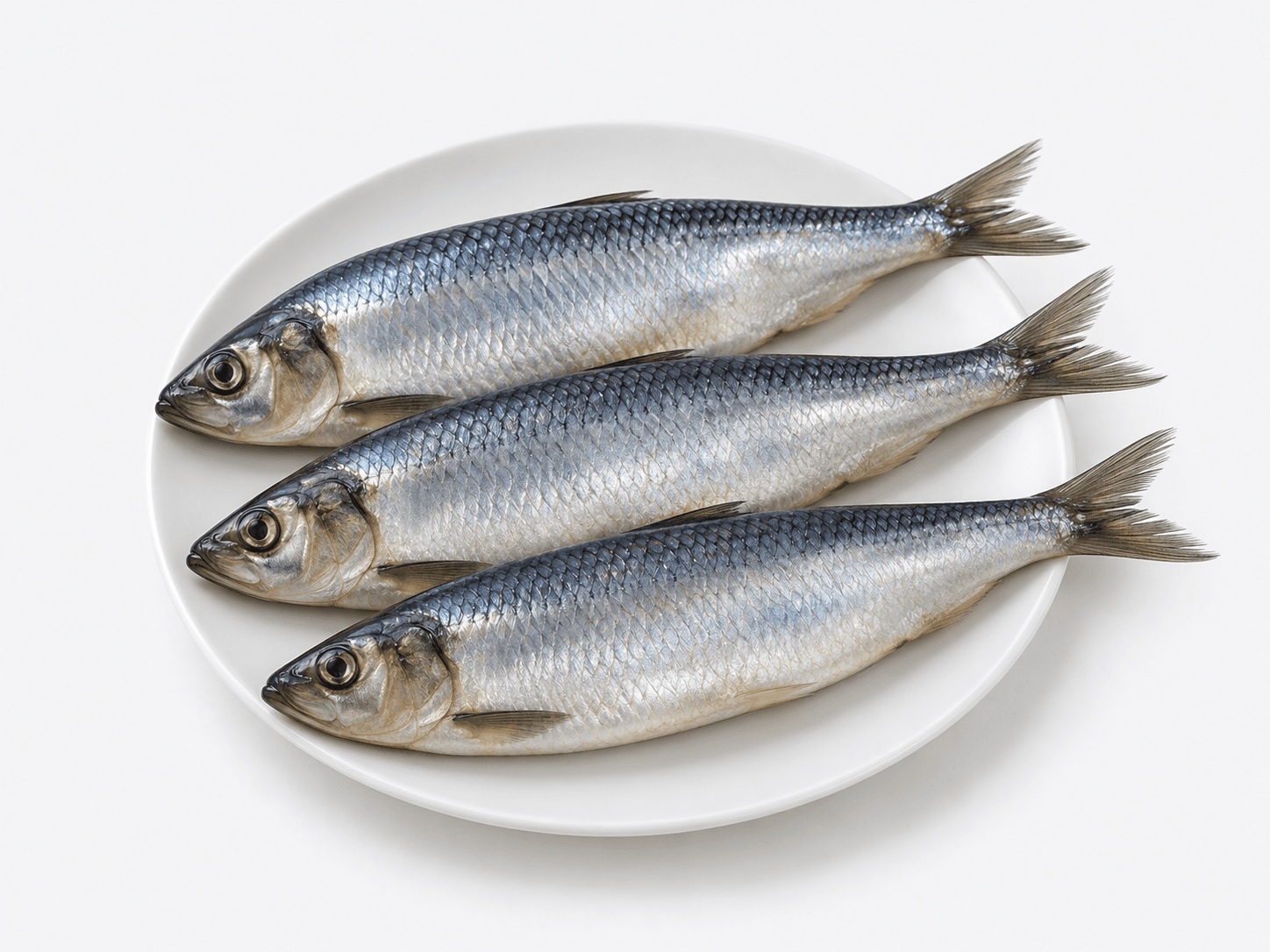
Moderate evidence13.7 µg of vitamin B12 per 100 g — more than five times the daily reference. Omega-3 is 1.57 g, behind only salmon and mackerel.

Vegetables
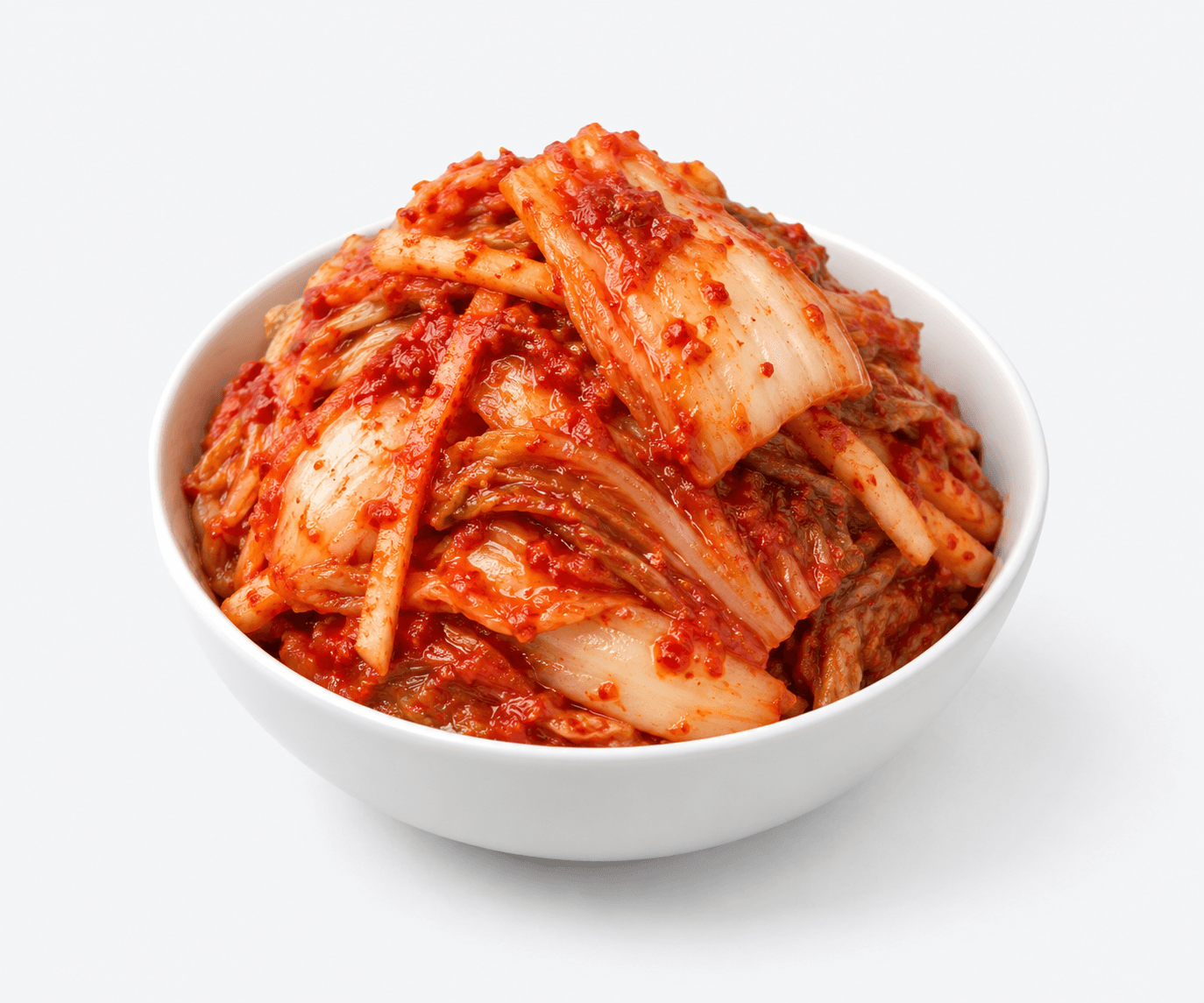
Moderate evidenceThere is evidence that fermented foods help the gut microbiome. But that research did not isolate kimchi, and kimchi arrives with salt attached.

Grains & legumes
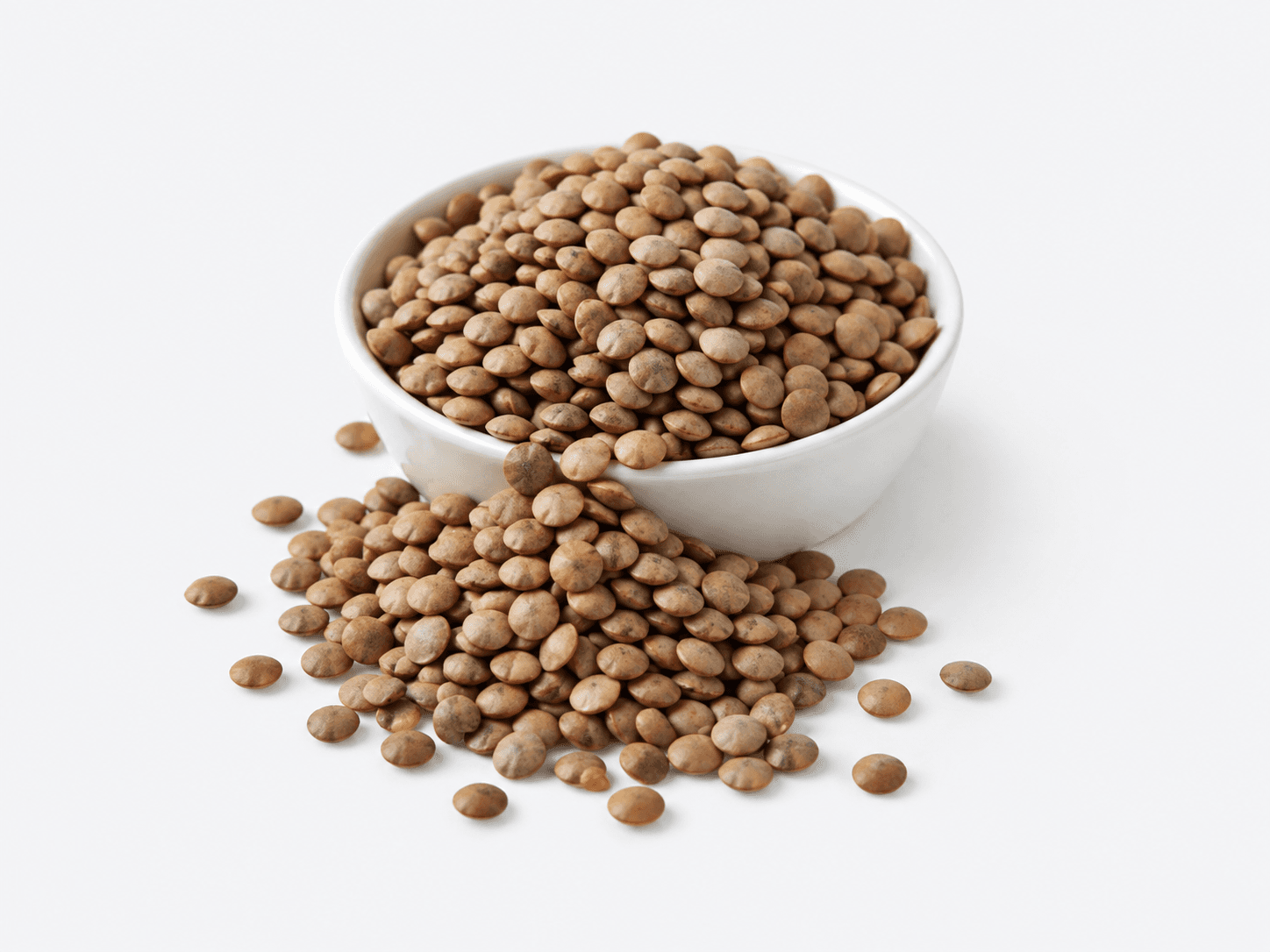
Strong evidence7.9 g of fibre and 181 µg of folate per 100 g cooked. The LDL effect is settled across 38 randomised trials.

Seafood
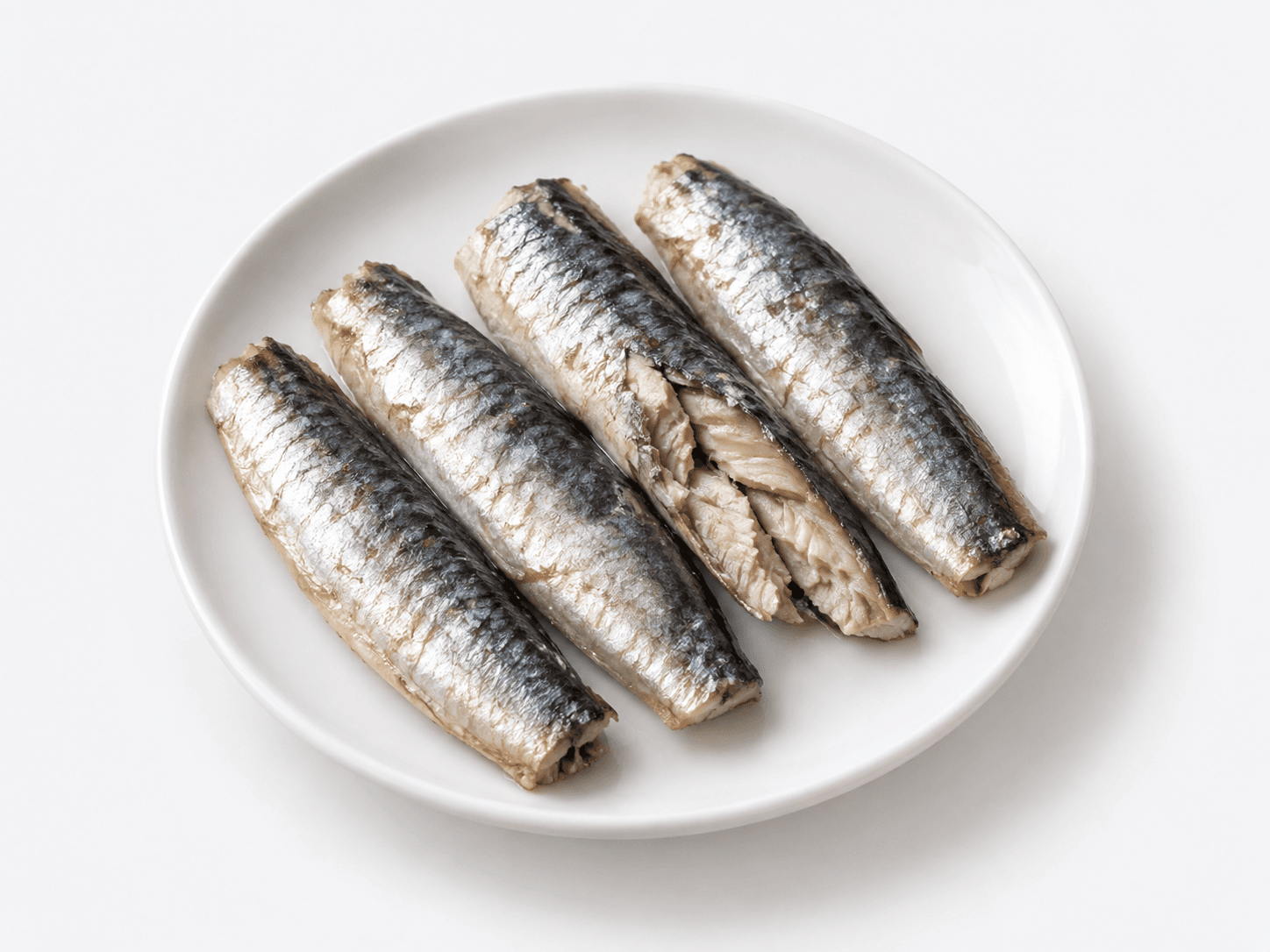
Moderate evidence382 mg of calcium, 4.8 µg of vitamin D and 0.98 g of omega-3 per 100 g of tinned sardines. Being a small fish, it also carries little mercury.

Fruits
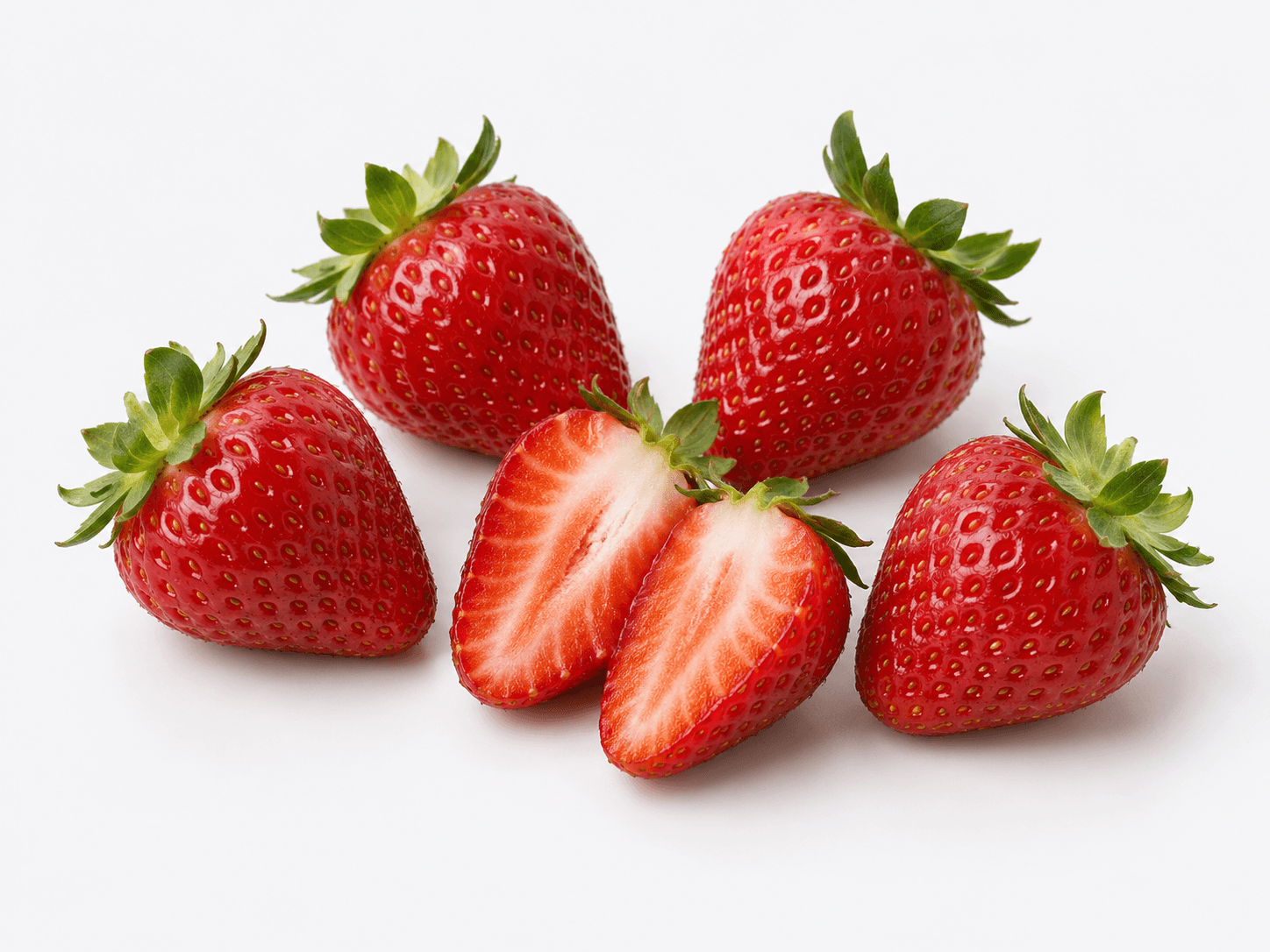
Moderate evidenceEight berries cover your vitamin C for the day. But the randomised trial that tried to lower cholesterol with strawberries failed on its target measure.

Nuts & seeds
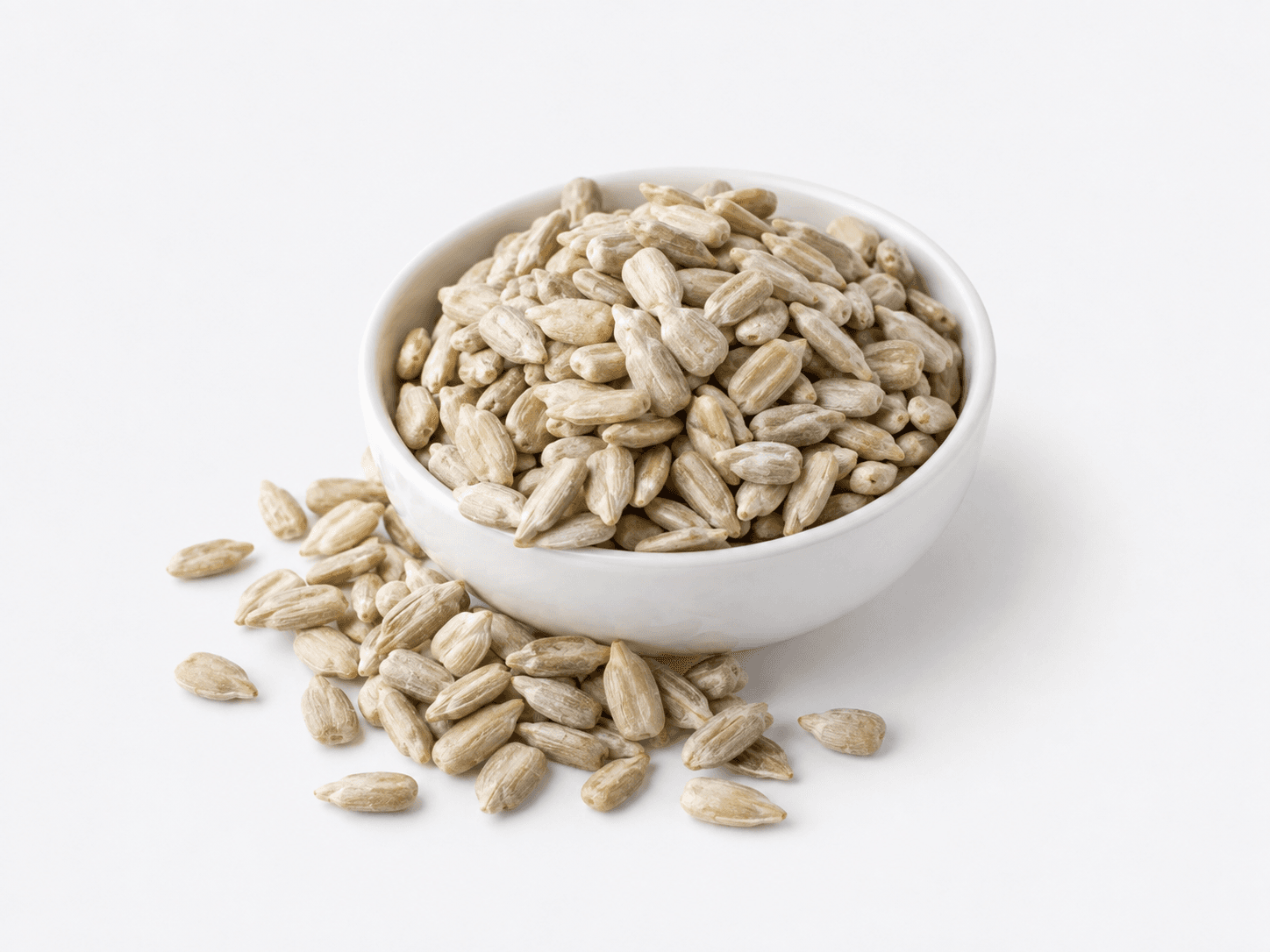
Nutrition data35.2 mg of vitamin E per 100 g — a handful covers 70 % of the daily requirement. That handful is also 175 kcal.

Grains & legumes
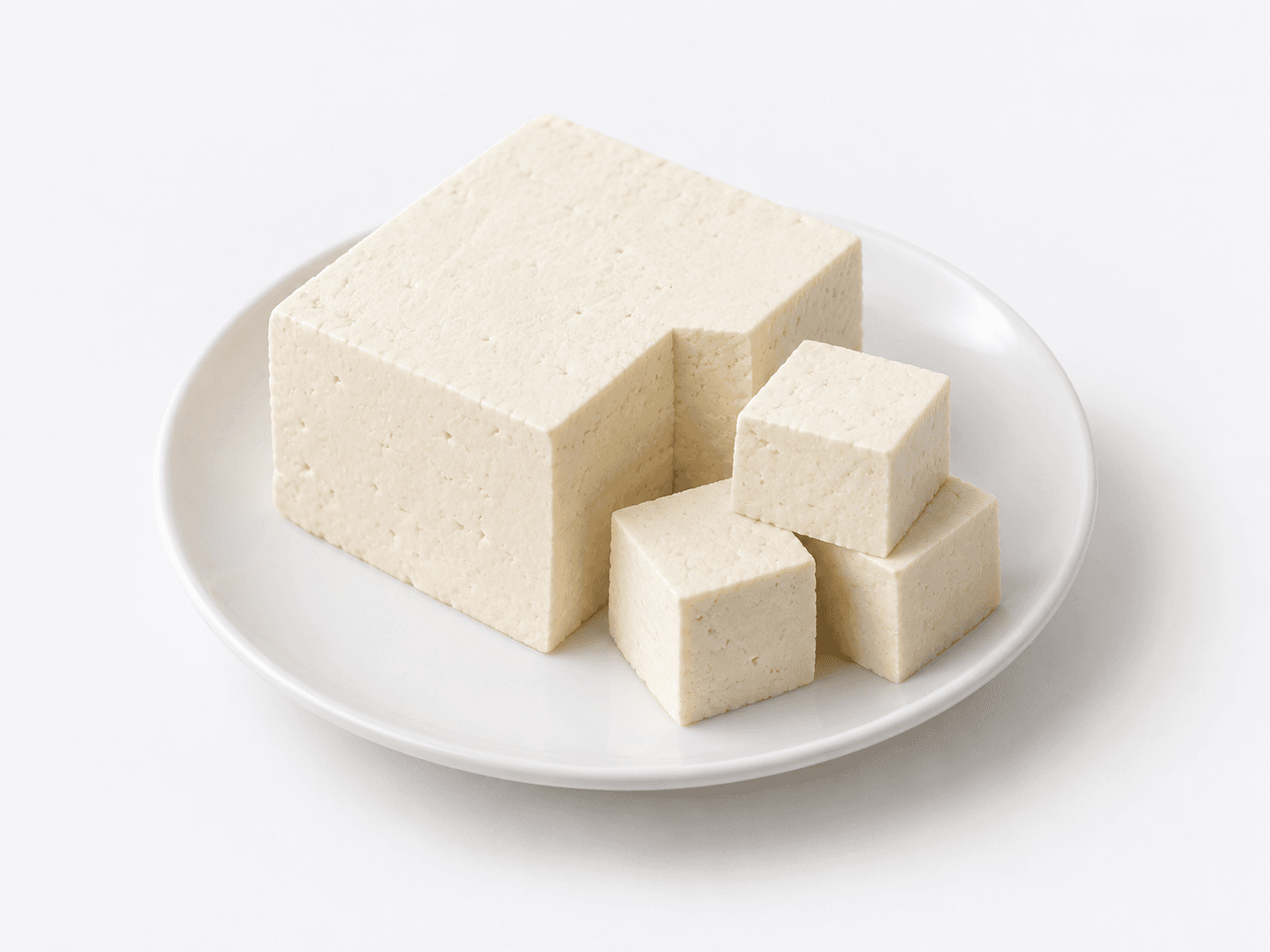
Strong evidenceSoy protein's LDL-lowering effect is confirmed across 43 randomised trials. The size of it is 3–4 %.

Seafood
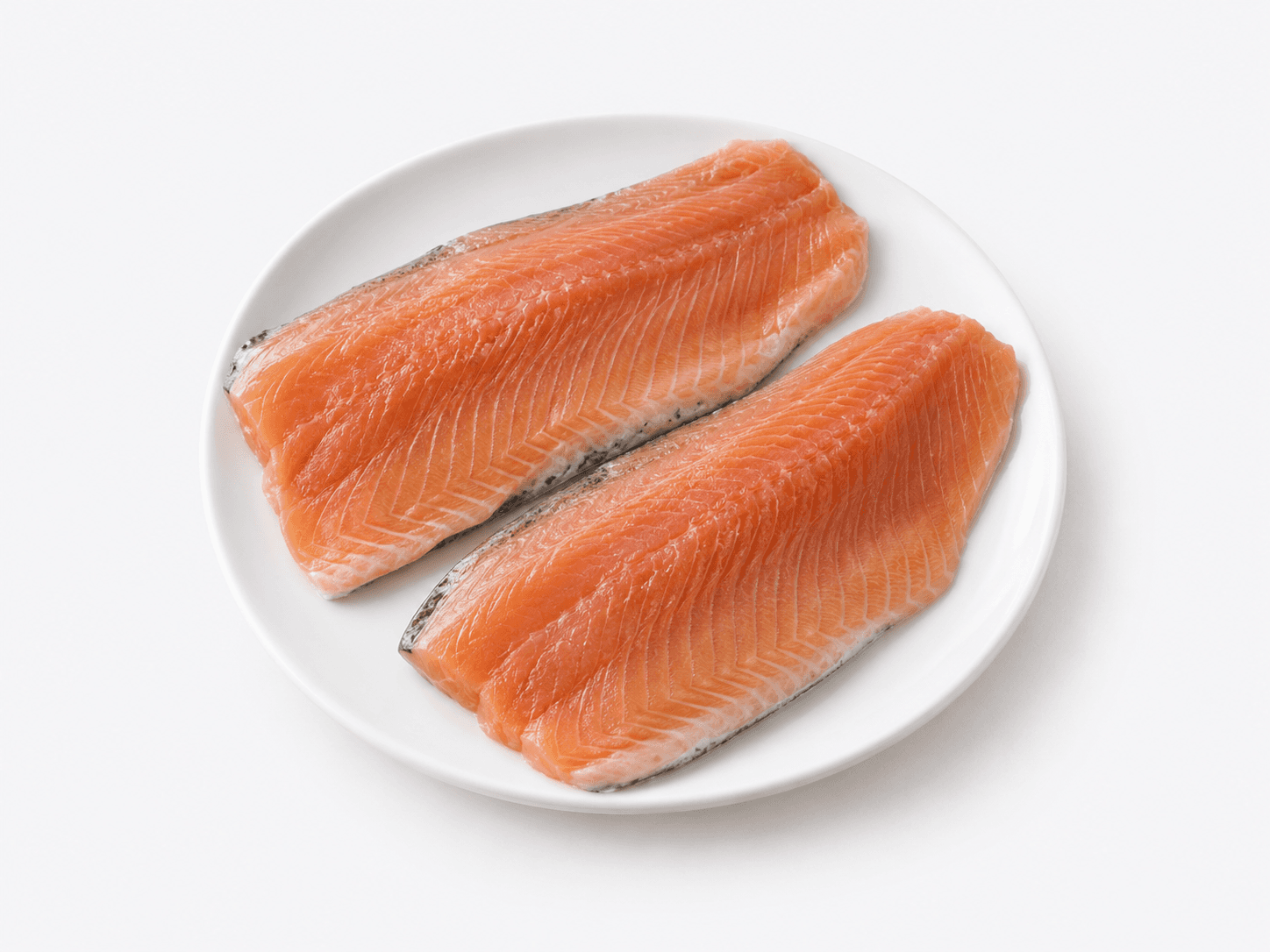
Moderate evidenceMore vitamin D than salmon — 15.9 µg against 11 µg. But under a third of the omega-3.

Seafood
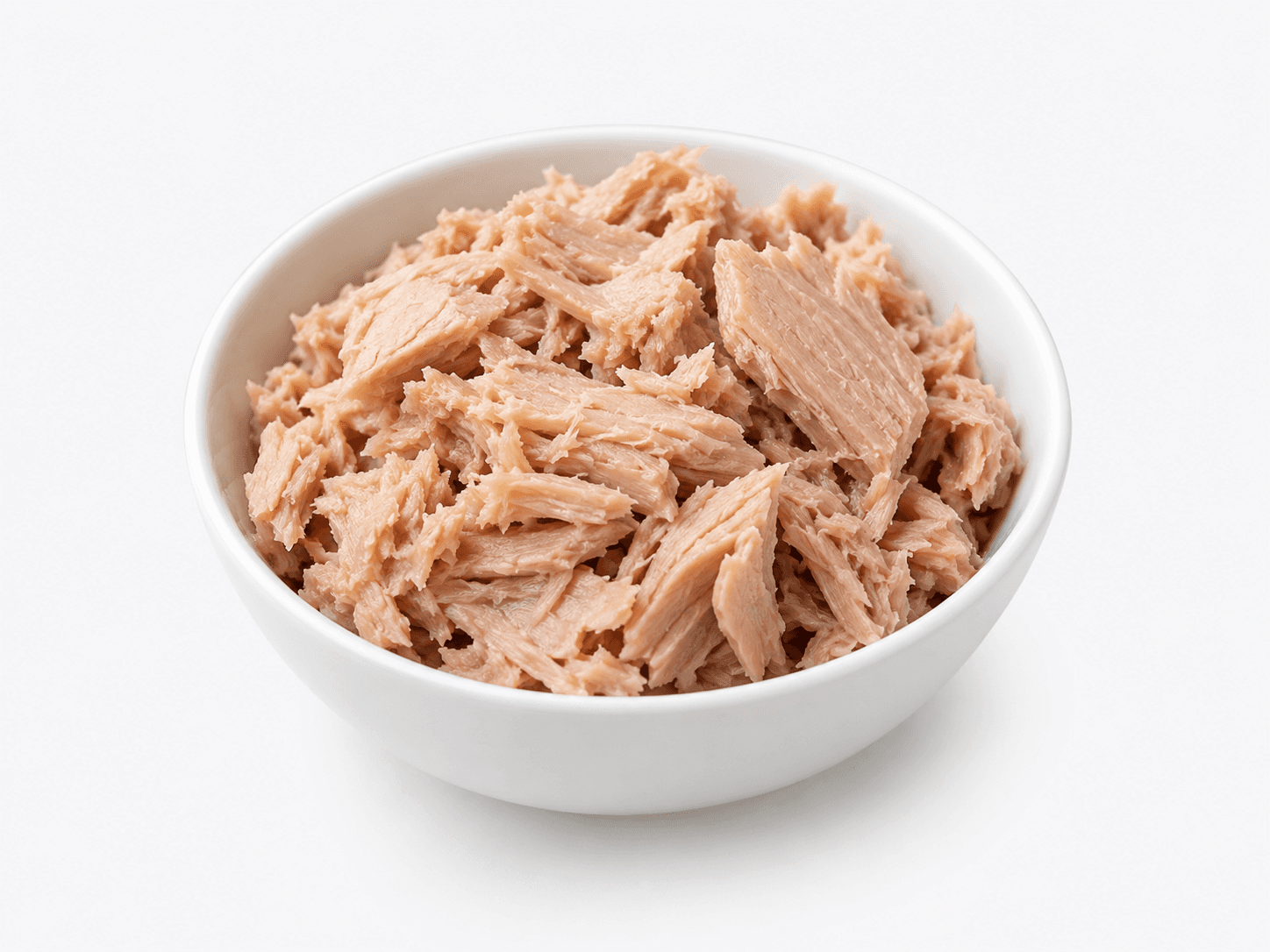
Nutrition dataCanned tuna in water packs 19 g of protein into 85 kcal per 100 g. But its omega-3 is one-twelfth of salmon's.

Nuts & seeds
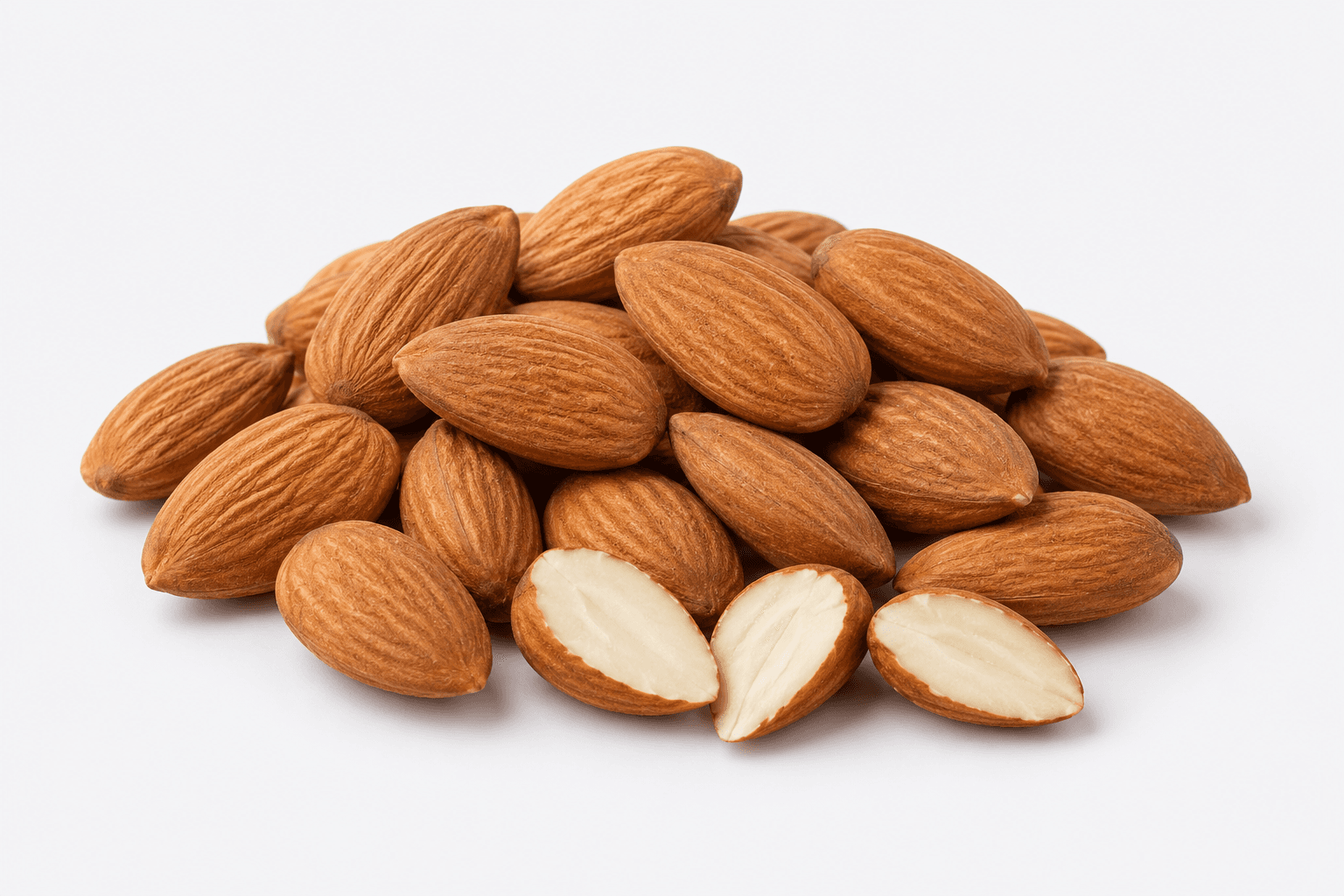
Moderate evidenceThirty grams of almonds carries 7.7 mg of vitamin E — half the 15 mg adult daily requirement. The reason all those calories do not show up on the scale is that the fat is not fully absorbed.

Dairy & eggs
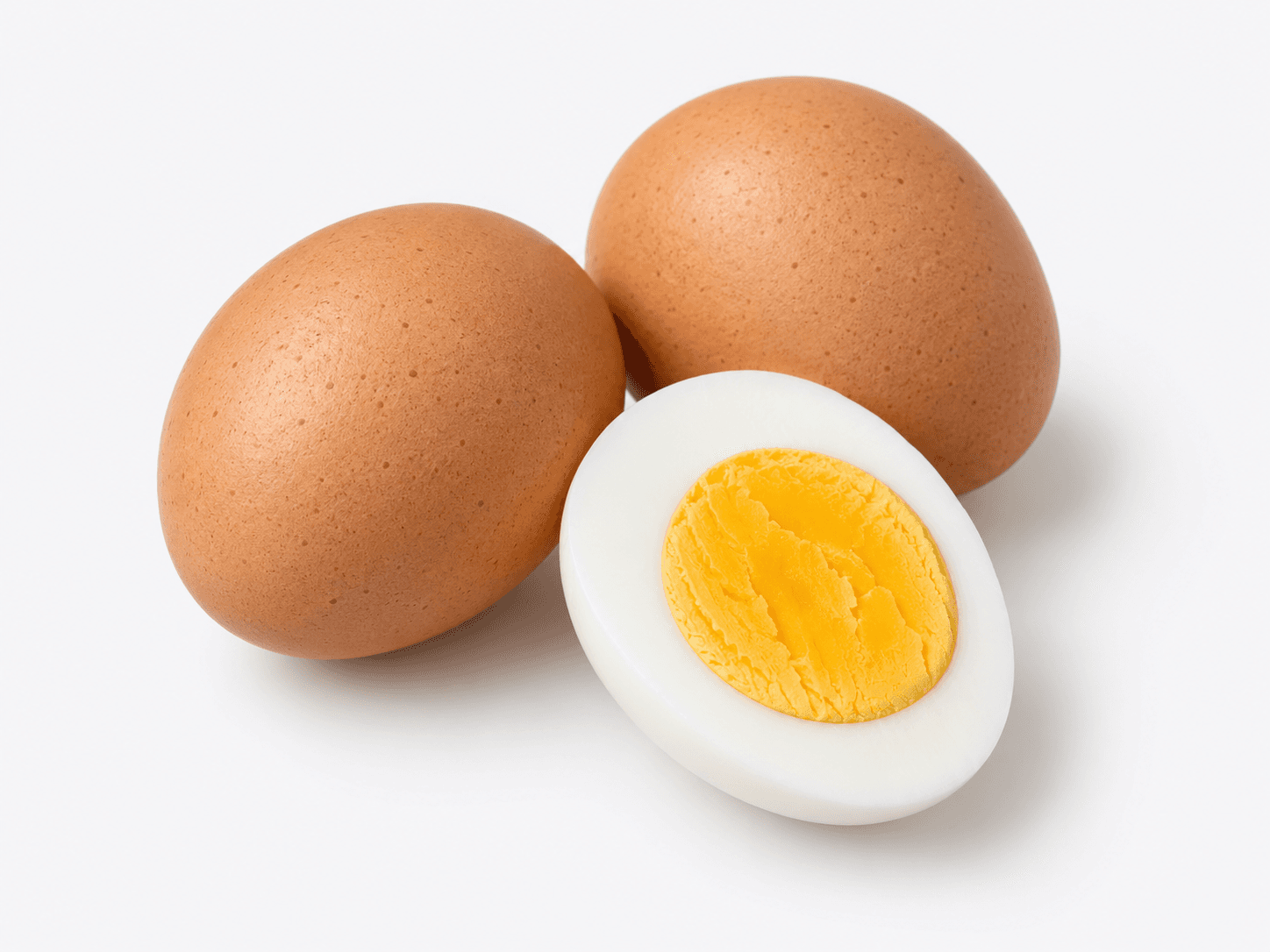
Nutrition dataThe advice to limit yolks because of their cholesterol has been overturned. What remains is choline, a nutrient far fewer people talk about.

Dairy & eggs
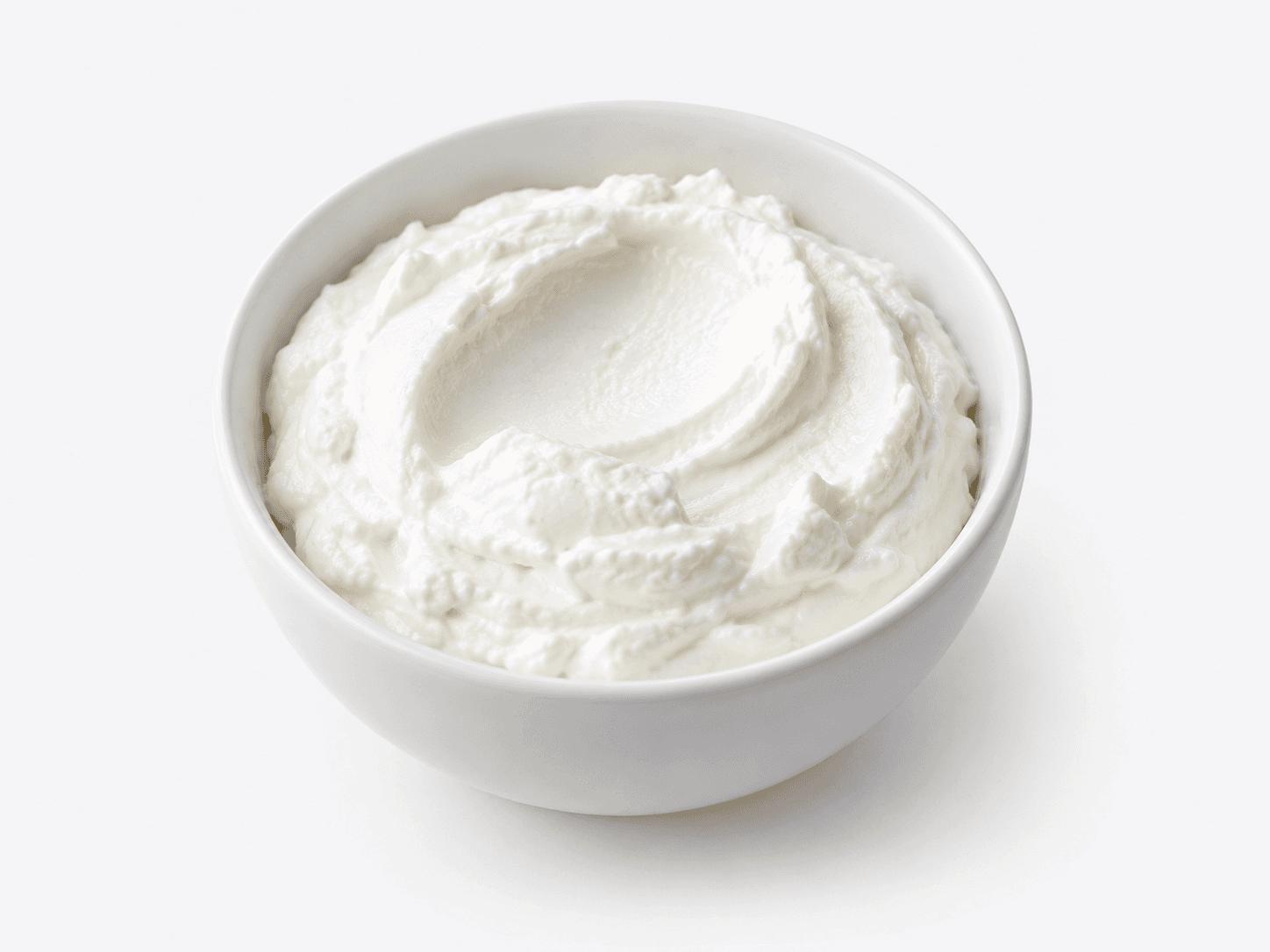
Moderate evidenceIt has nearly three times the protein of regular yogurt not because of any special ingredient, but because the liquid was removed. Calcium goes down in the same step.