Filter by category or search for the ingredient you have in the kitchen.
161 ingredients
Fruits
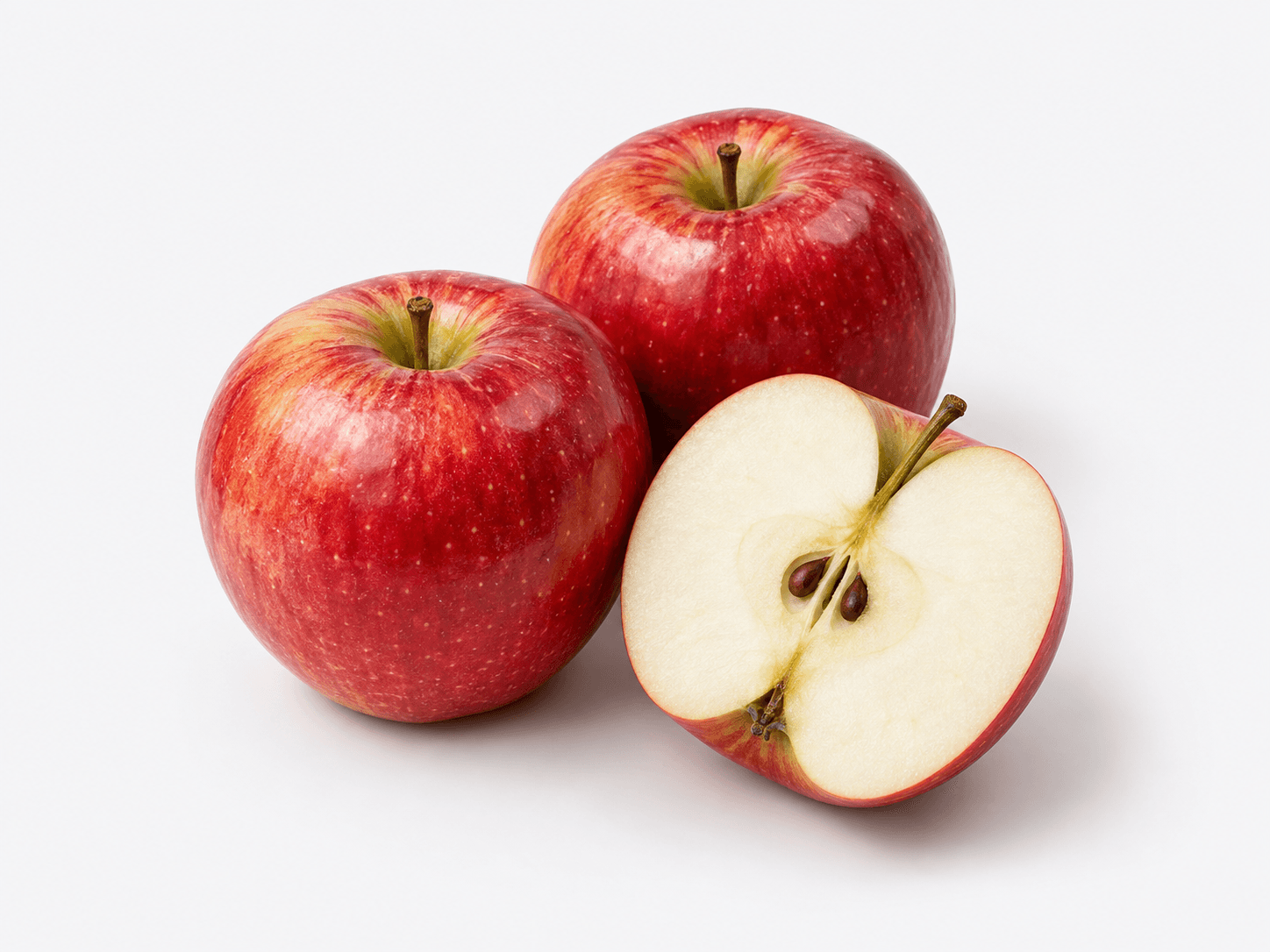
Moderate evidenceMost of an apple's fibre and polyphenols live in the skin. Peel it and what remains is mostly sugar and water.
Fruits
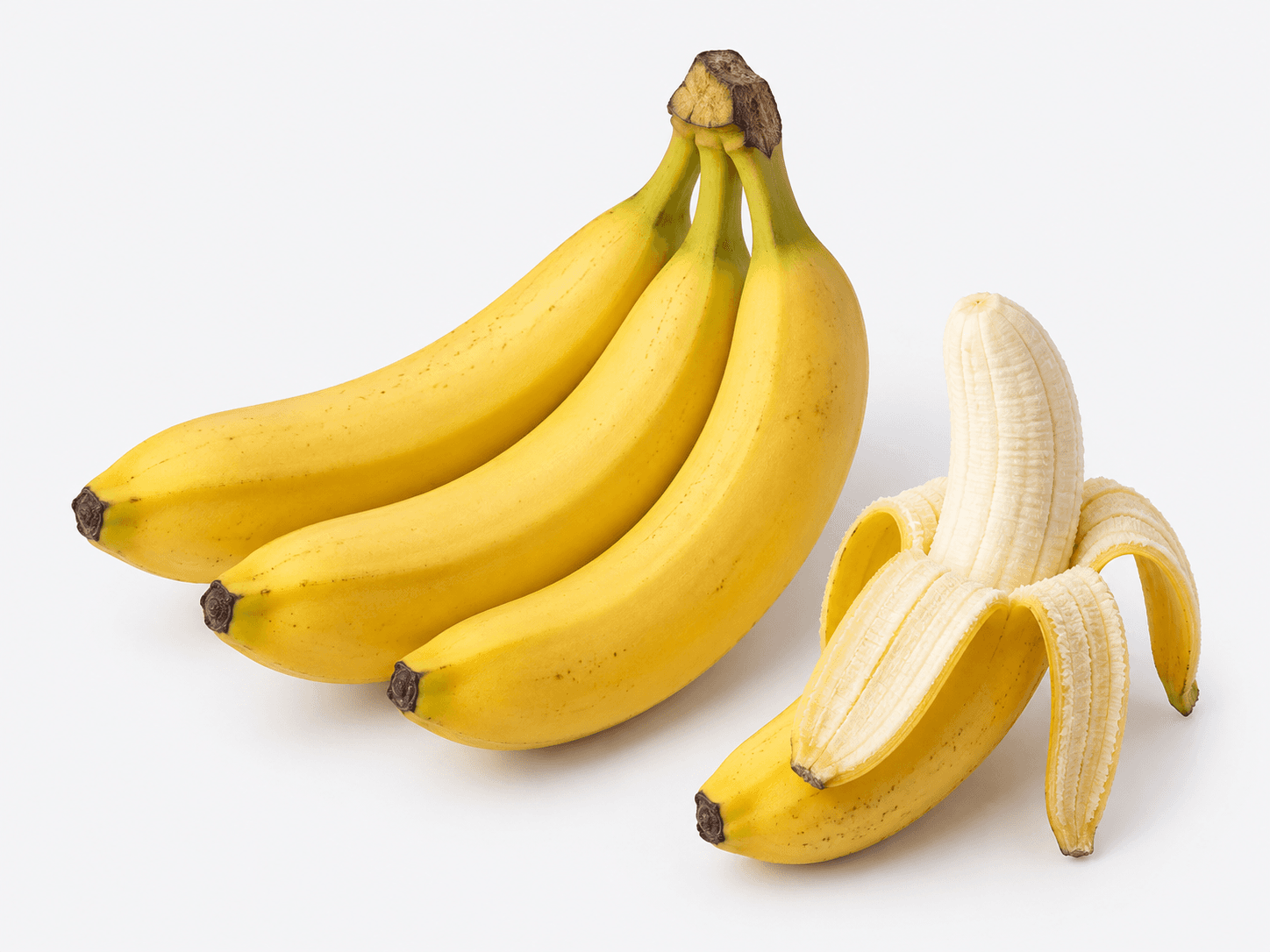
Moderate evidenceA green banana is mostly resistant starch; a ripe one is fast sugar. Choose the stage that matches what you want from it.
Vegetables
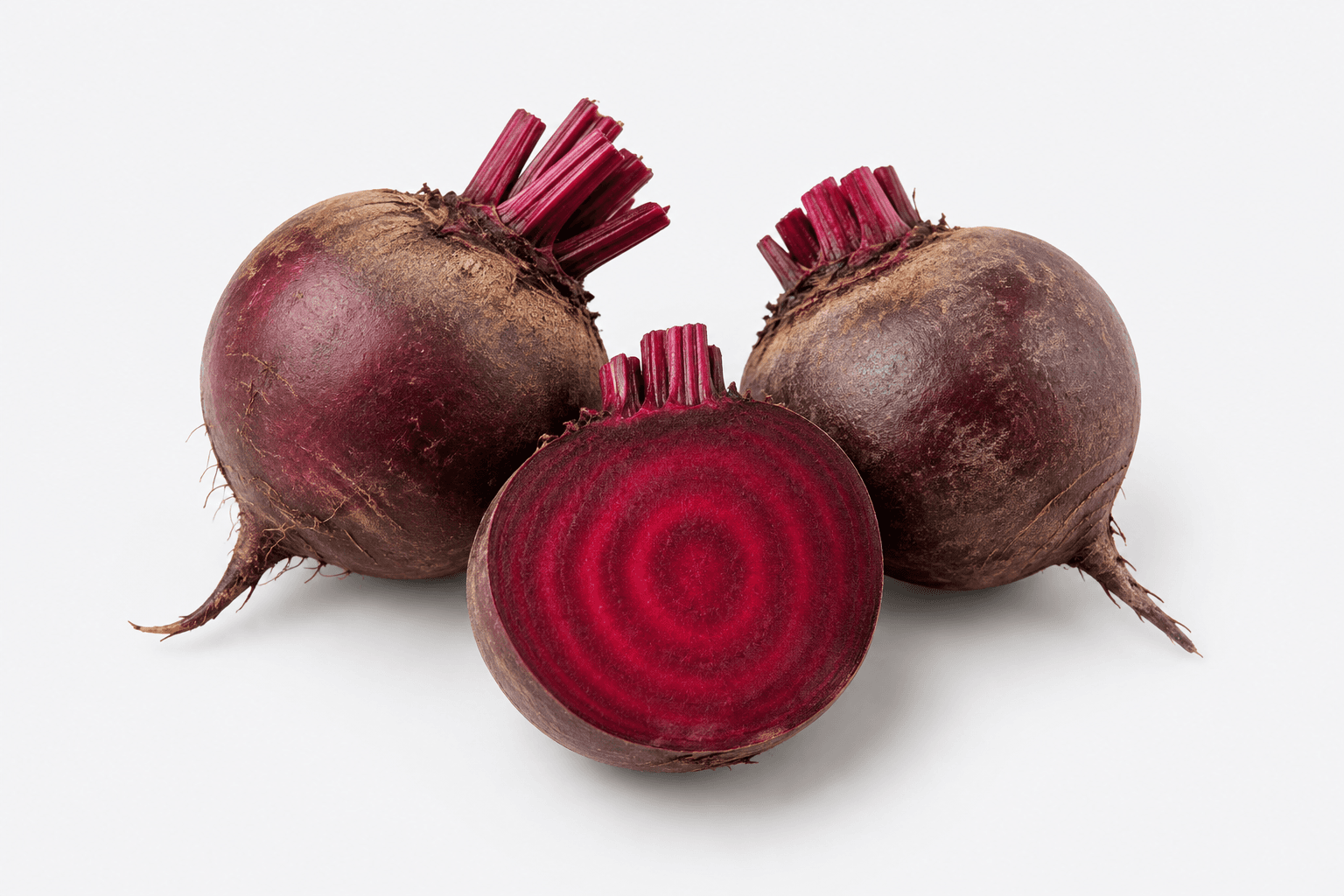
Strong evidenceBeet nitrate converts to nitric oxide, which widens blood vessels. That is why it keeps appearing in exercise physiology studies.
Vegetables
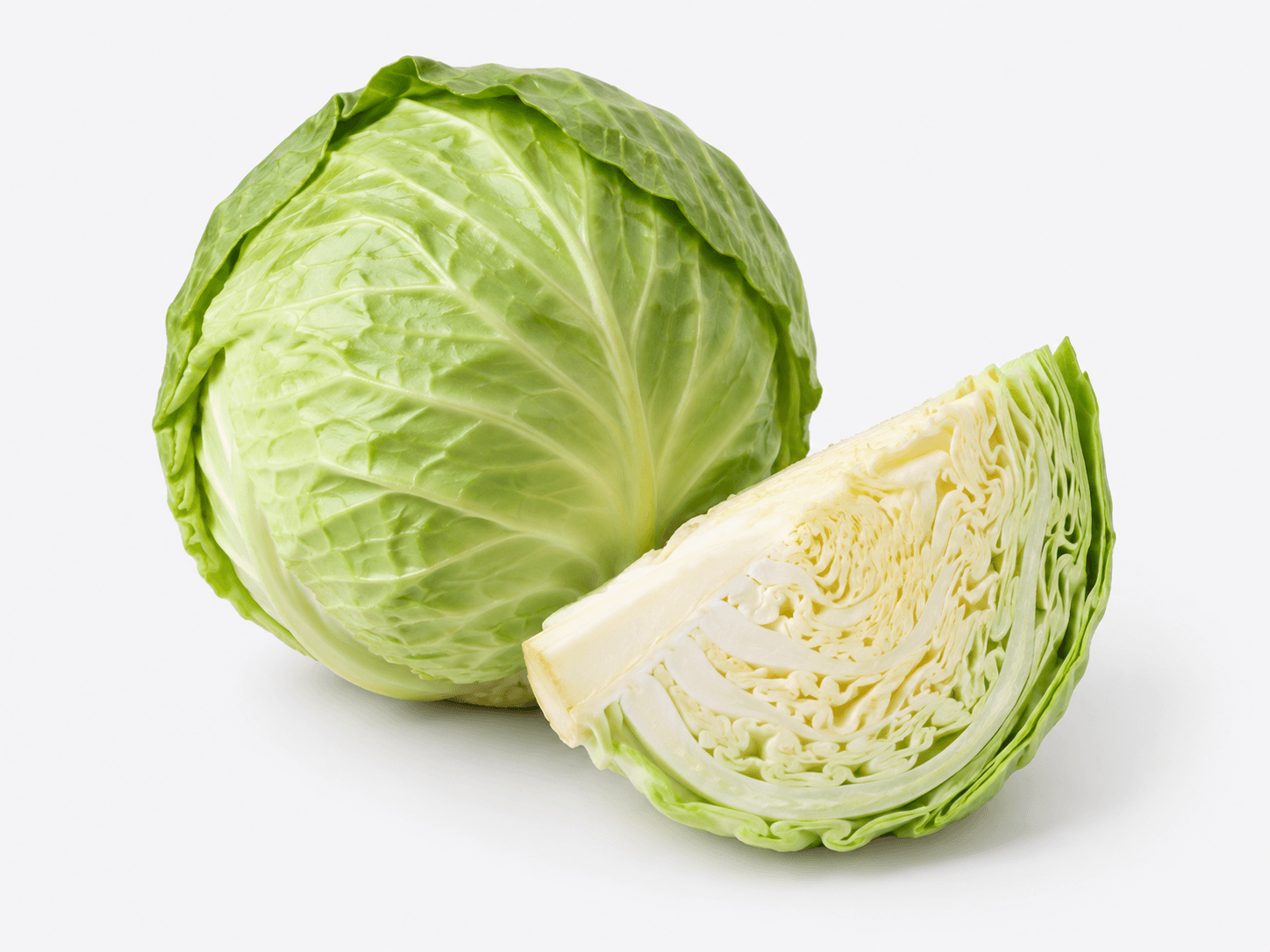
Early researchThere is a reason cabbage juice became a folk remedy for stomach trouble. The evidence, though, is weaker than its reputation suggests.

Vegetables
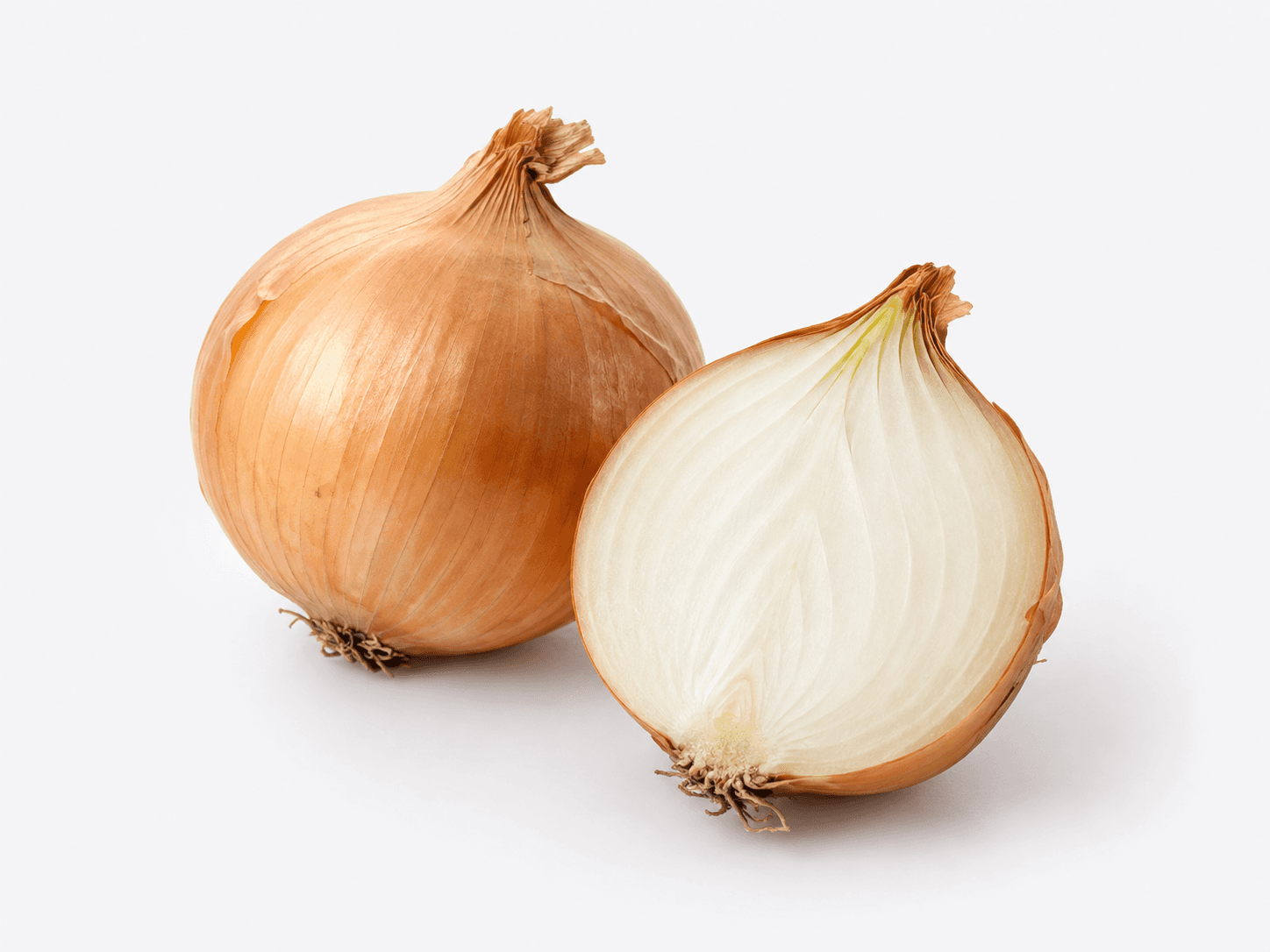
Moderate evidenceOnion's antioxidant quercetin concentrates in the outer layers. Peeling two extra layers out of habit throws much of it away.

Vegetables
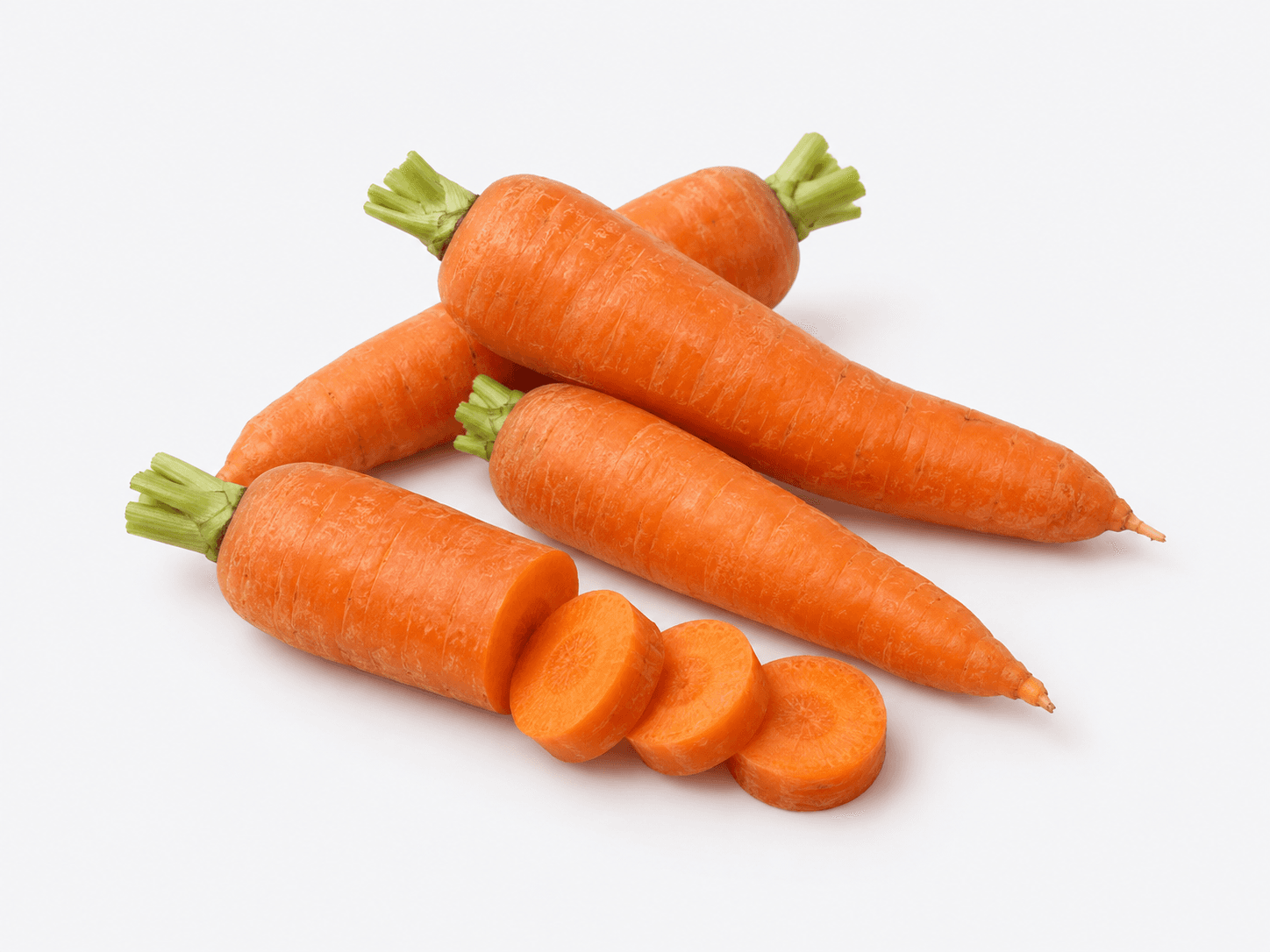
Moderate evidenceCarrot beta-carotene is locked inside tough cell walls. Cooking plus a little fat multiplies how much you absorb.

Vegetables
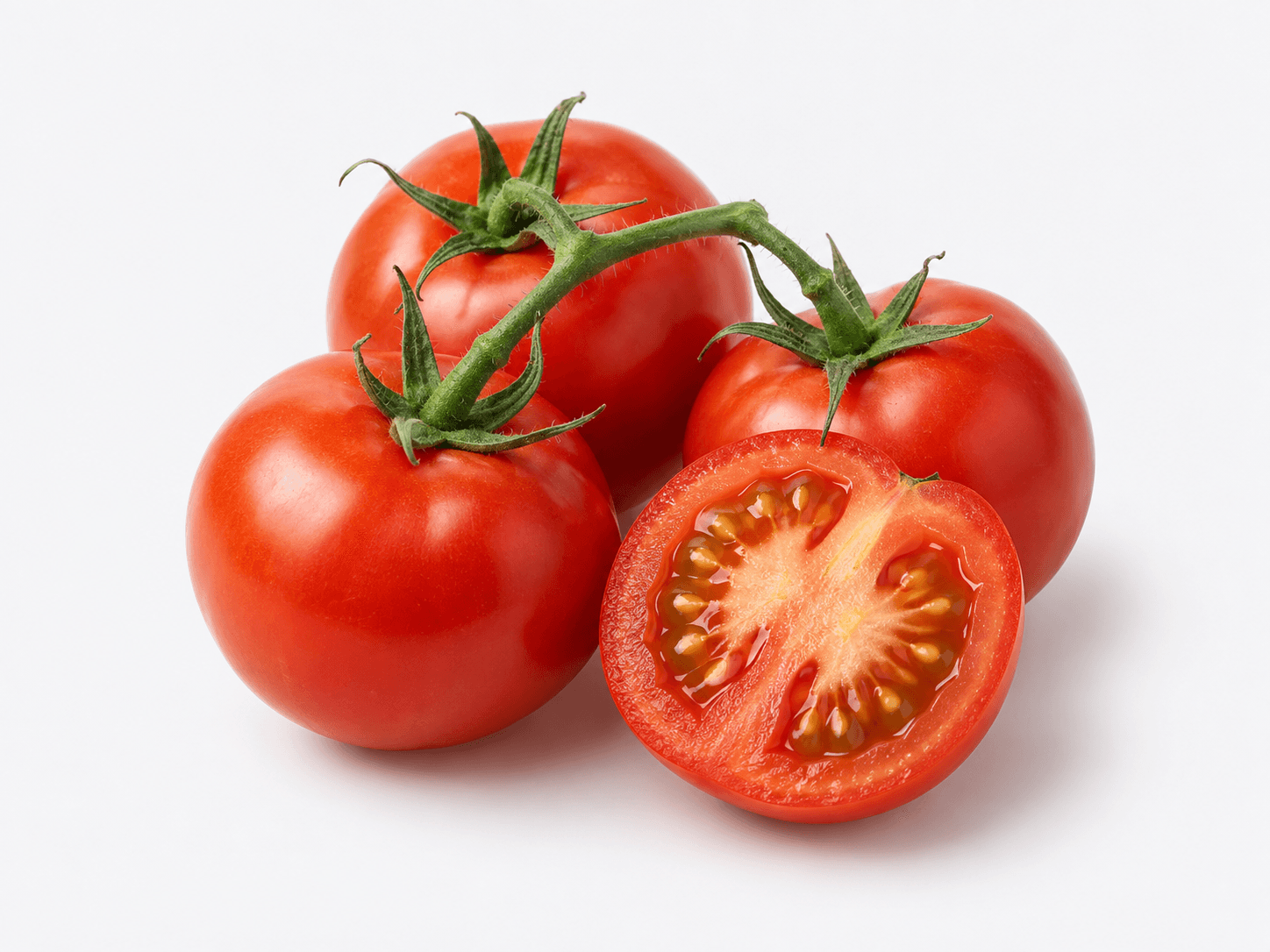
Early researchCooked beats raw here. Heat multiplies how much lycopene your body can actually absorb.

Vegetables
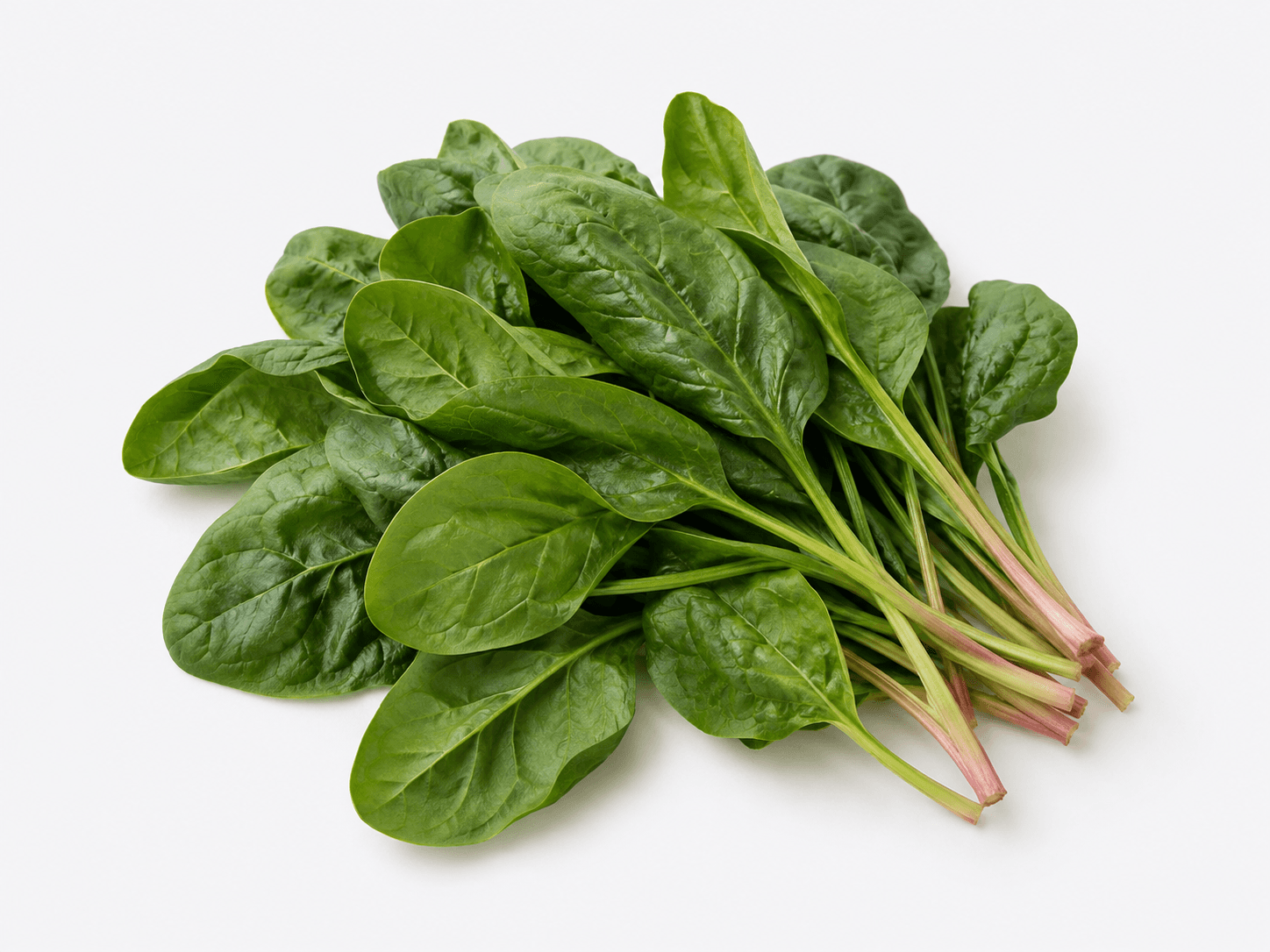
Moderate evidence"Spinach equals iron" is only half true. The real value sits in folate, vitamin K, and the lutein that accumulates in your eyes.

Vegetables
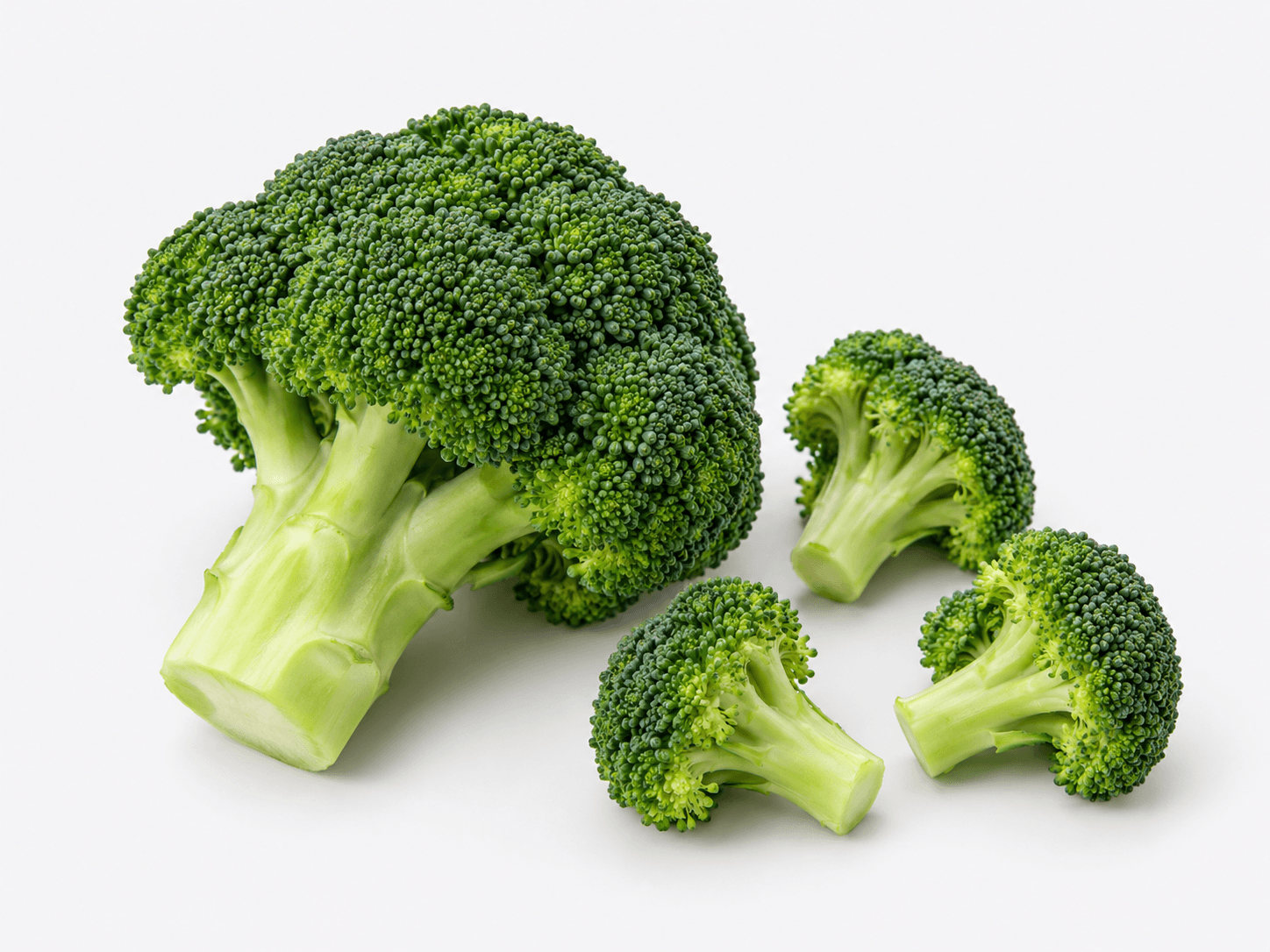
Early researchBroccoli's key compound, sulforaphane, only forms when the vegetable is cut or chewed. One cooking choice changes how much survives.

Fruits
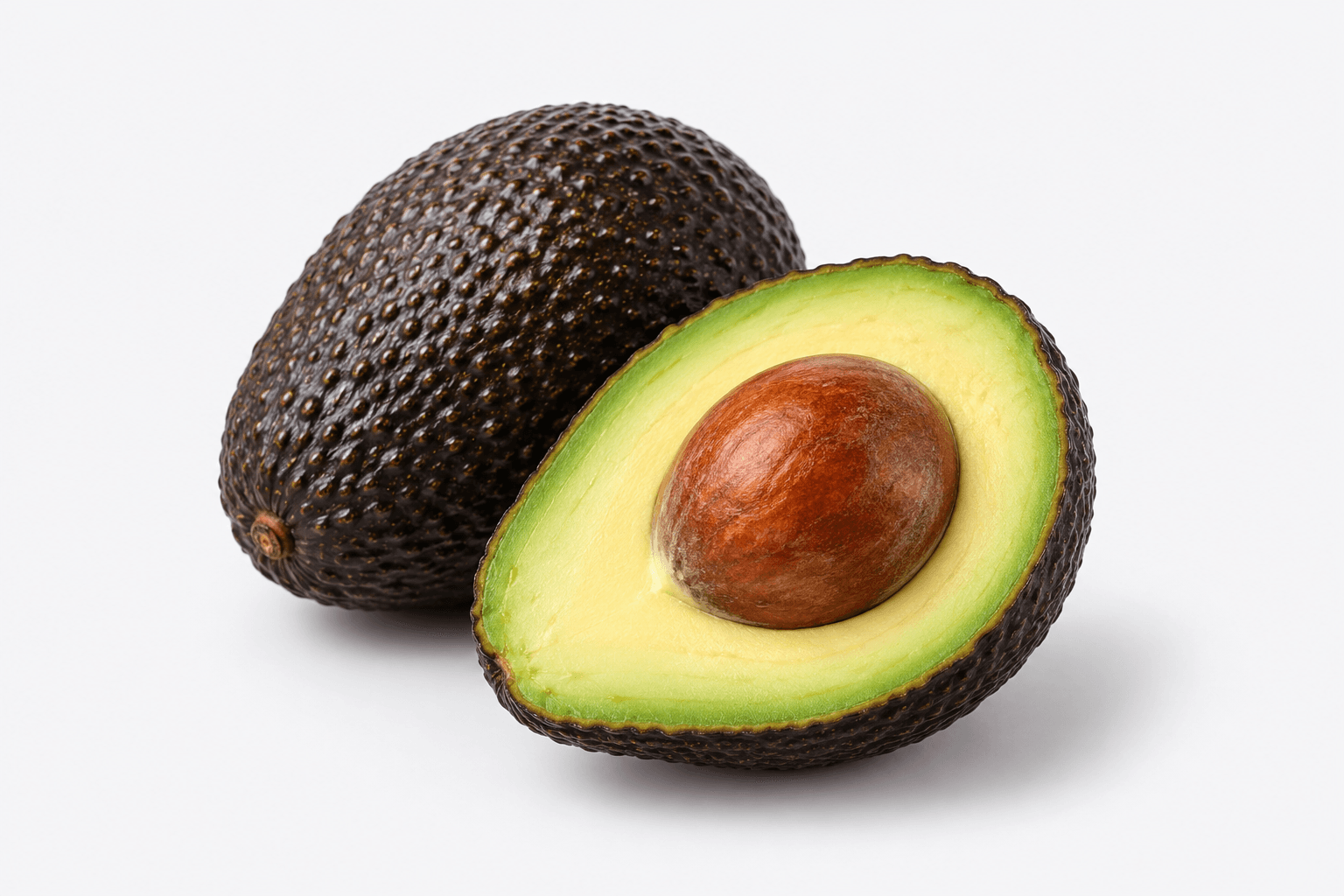
Moderate evidenceMonounsaturated fat and 6.7 g of fibre are the headline, but the most interesting part is what avocado does to the vegetables you eat alongside it.

Vegetables
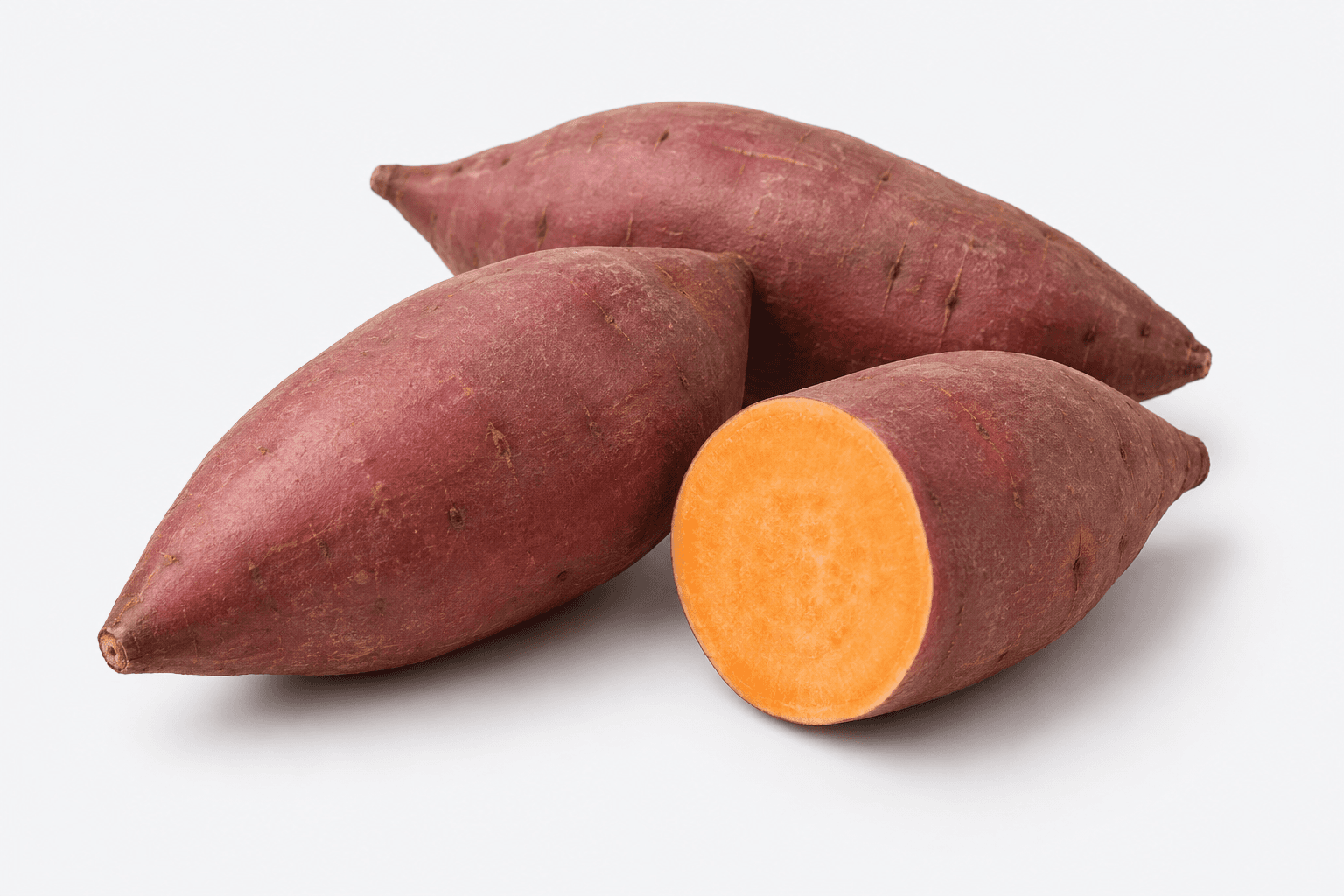
Moderate evidenceThe beta-carotene and fibre are a clear win, but how you cook a sweet potato can nearly double its effect on blood sugar.

Seafood
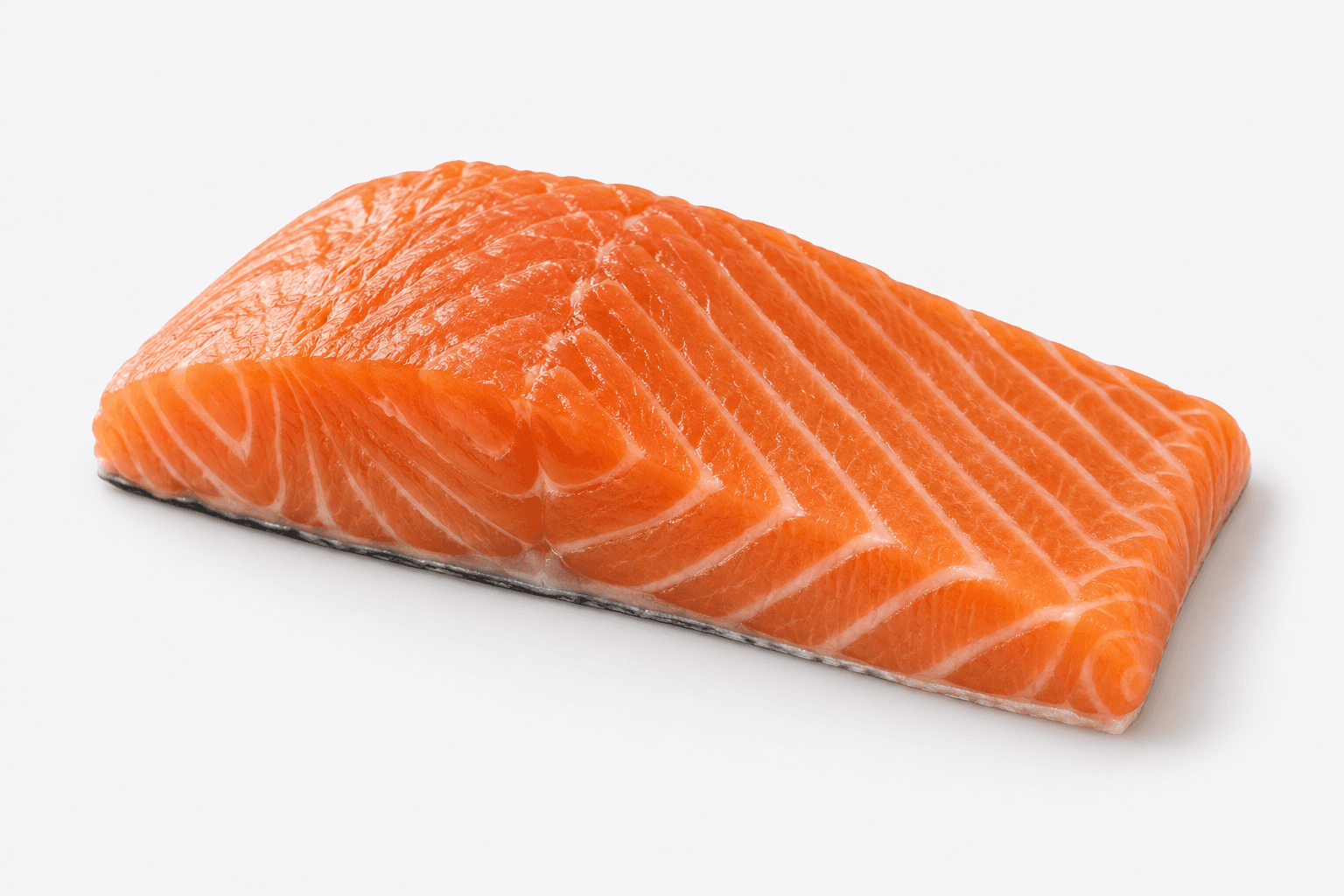
Moderate evidenceOne portion covers a large share of your weekly omega-3 and delivers vitamin D — a nutrient almost no other food supplies in useful amounts.

Tea & drinks
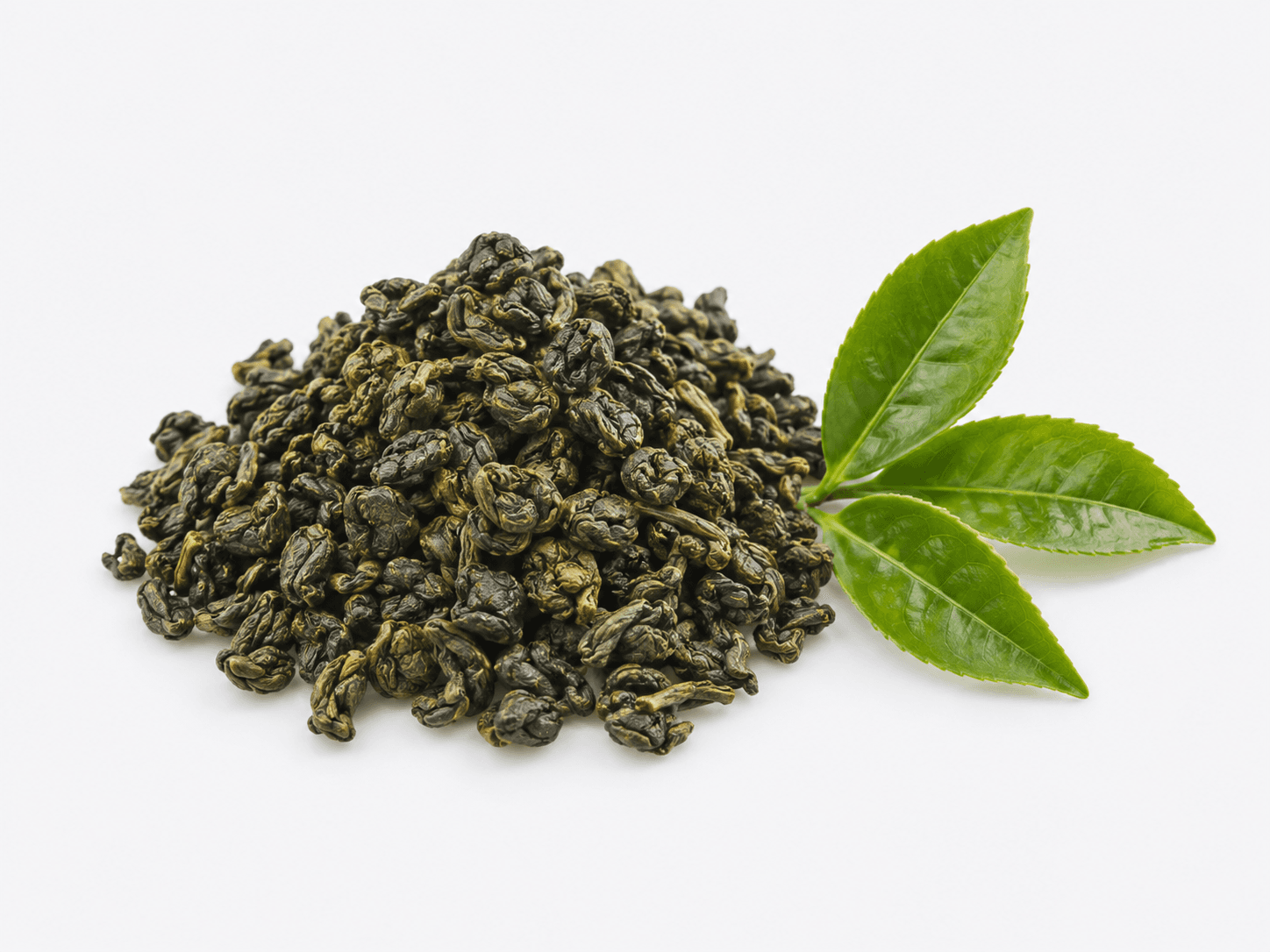
Moderate evidenceCatechins and L-theanine keep showing up in cardiovascular and attention research. What decides the result is your water temperature and when you drink it.

Fruits
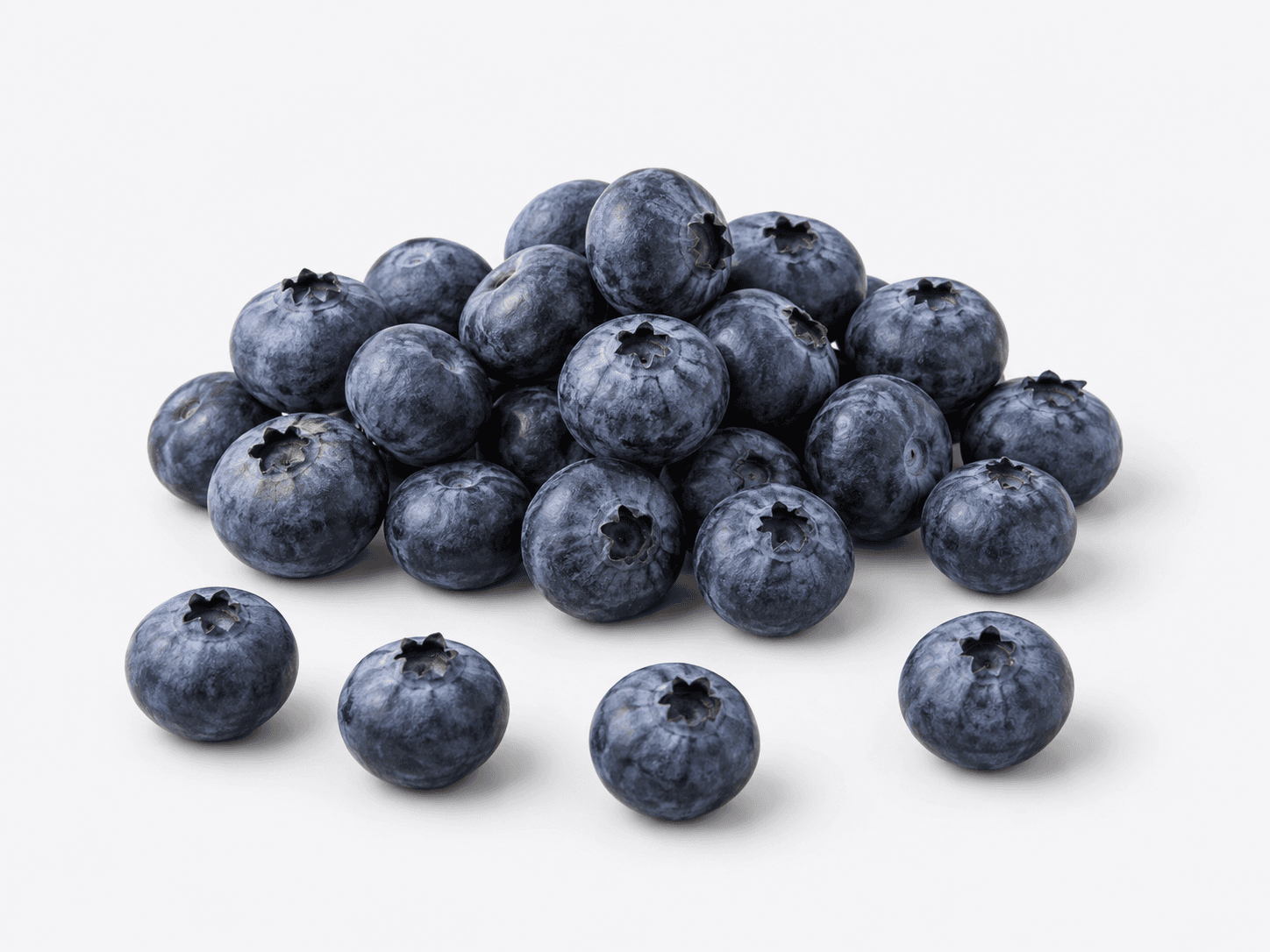
Moderate evidenceAnthocyanins — the pigment behind the blue — are the compound that keeps showing up in vascular and cognitive research. A handful a day is the studied dose.

Herbs & spices
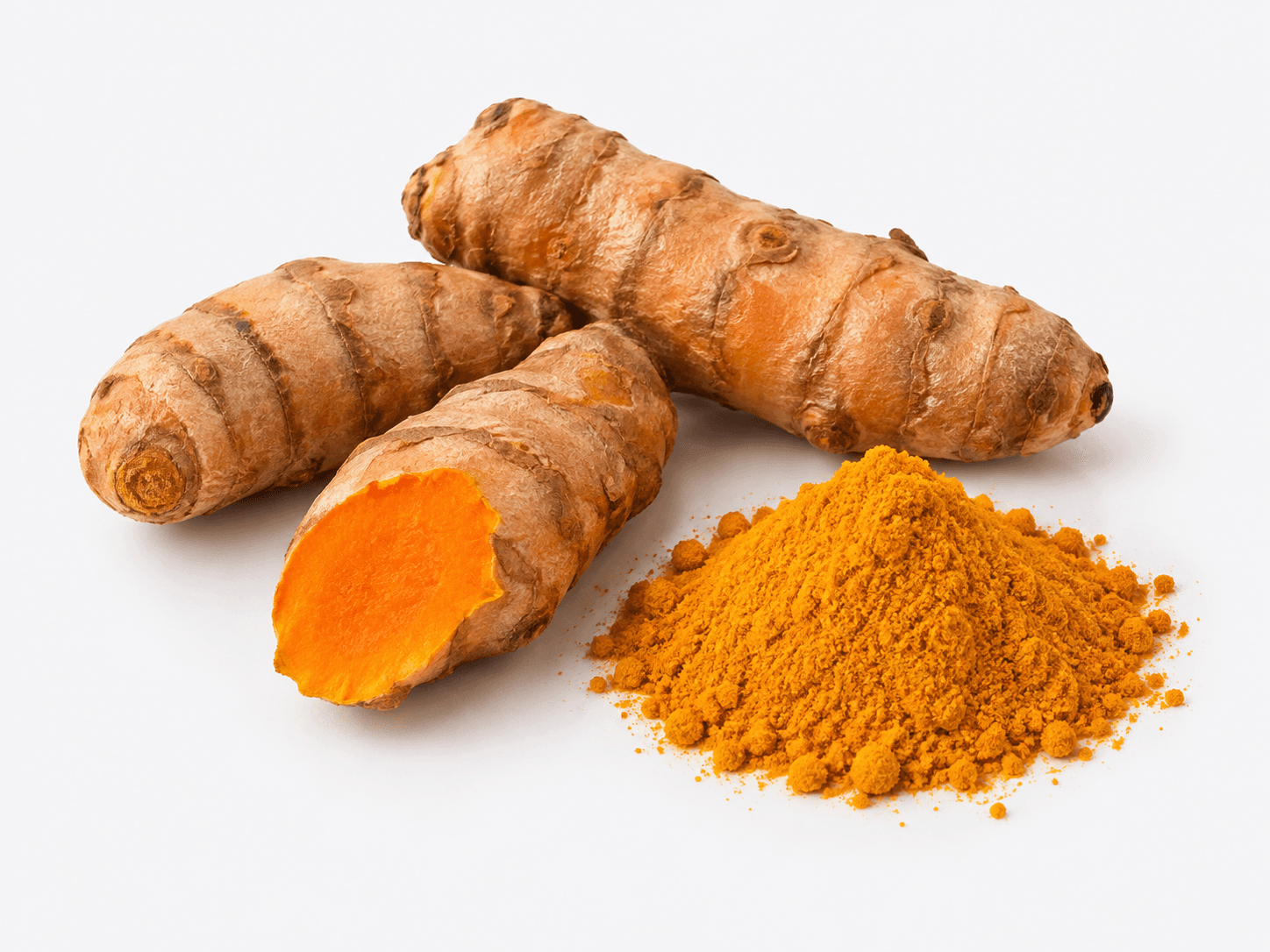
Moderate evidenceTurmeric's anti-inflammatory reputation rests on curcumin — which is barely absorbed on its own. That is why pepper and fat matter.

Vegetables
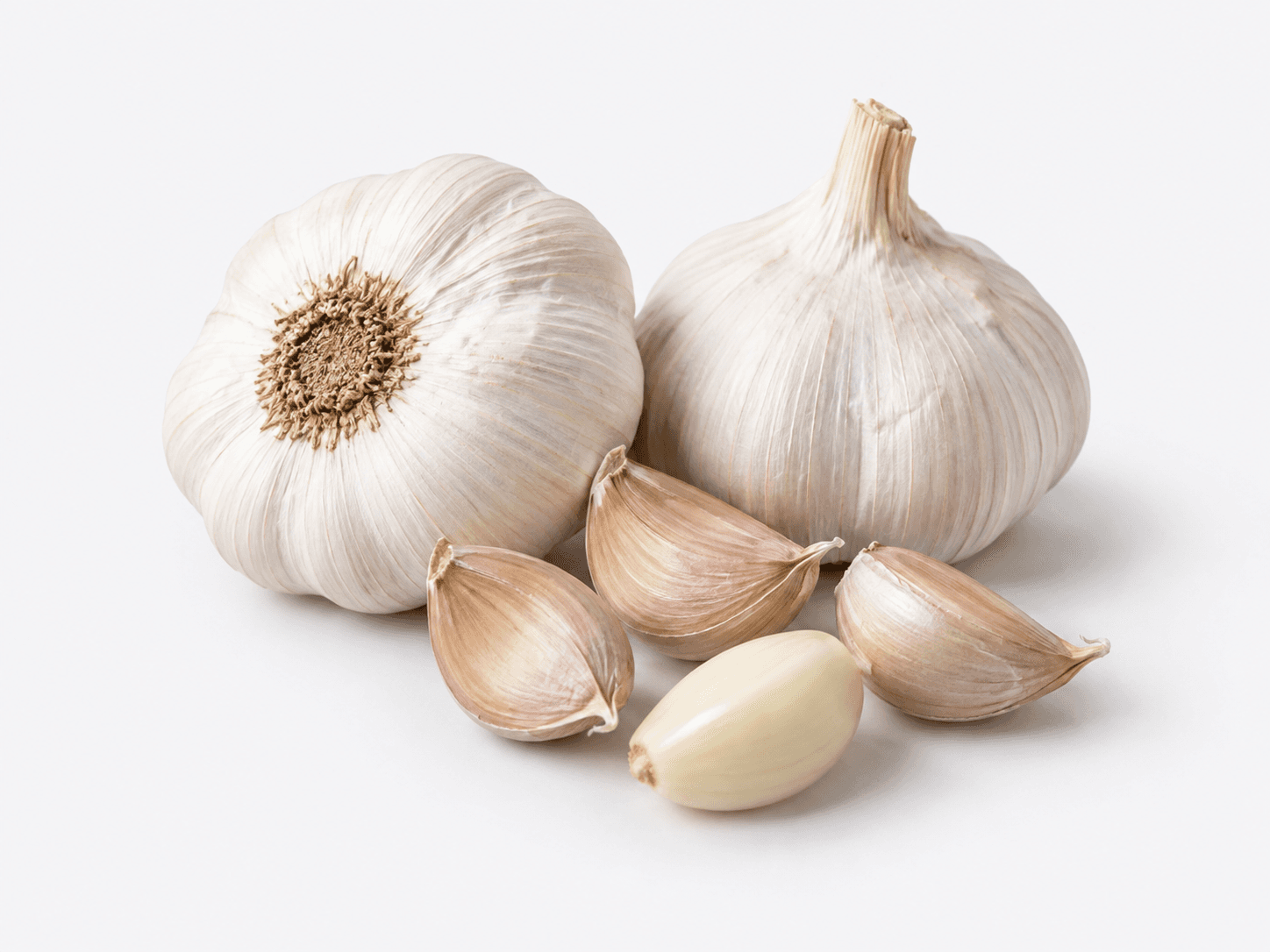
Moderate evidenceThe evidence for garlic points to a modest drop in blood pressure and cholesterol. The trick is to crush it and wait ten minutes before it hits the heat.

Herbs & spices
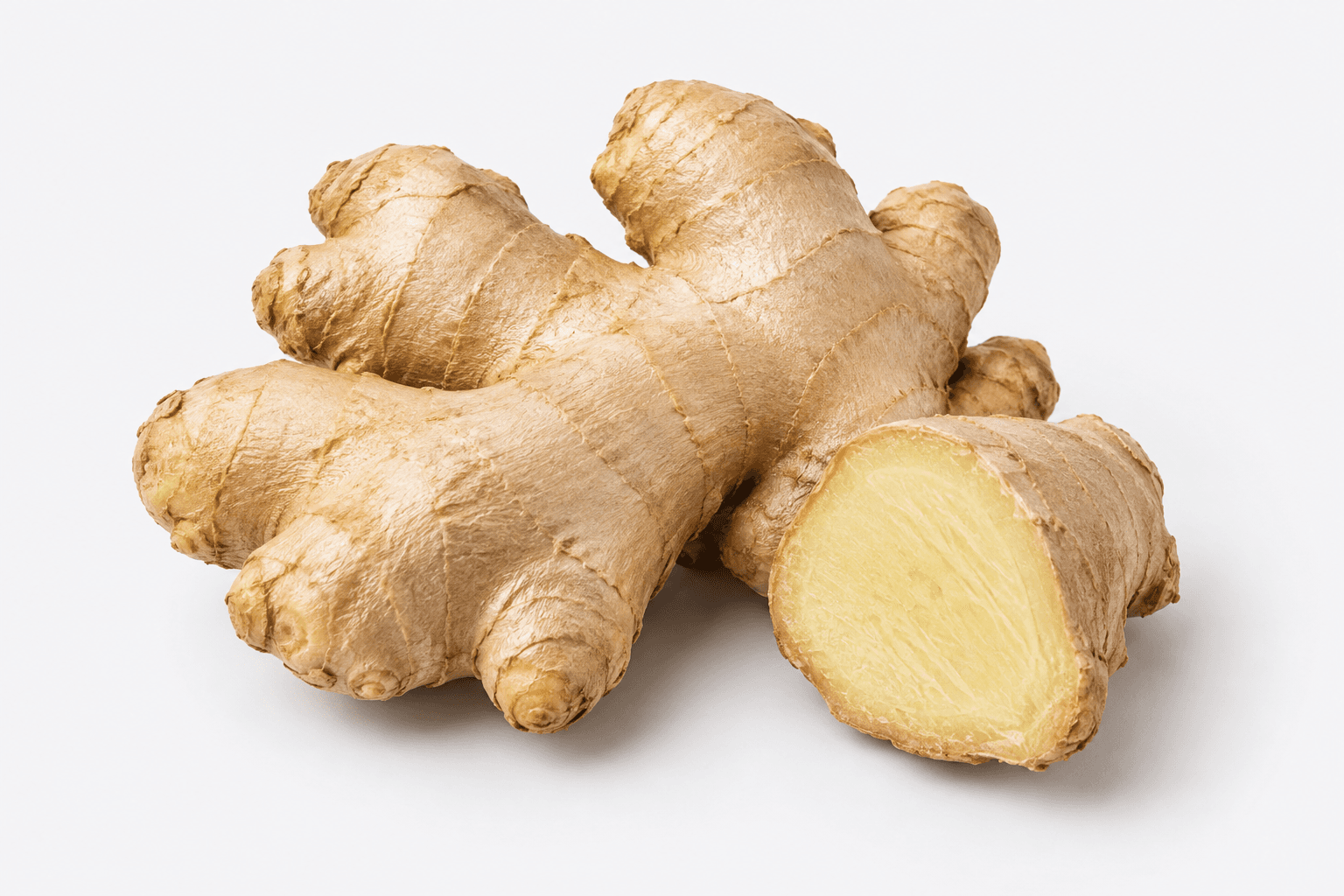
Strong evidenceGingerol, the pungent compound in ginger, has its strongest evidence for easing nausea and aiding digestion. One to three grams a day is enough.