Oils & fats
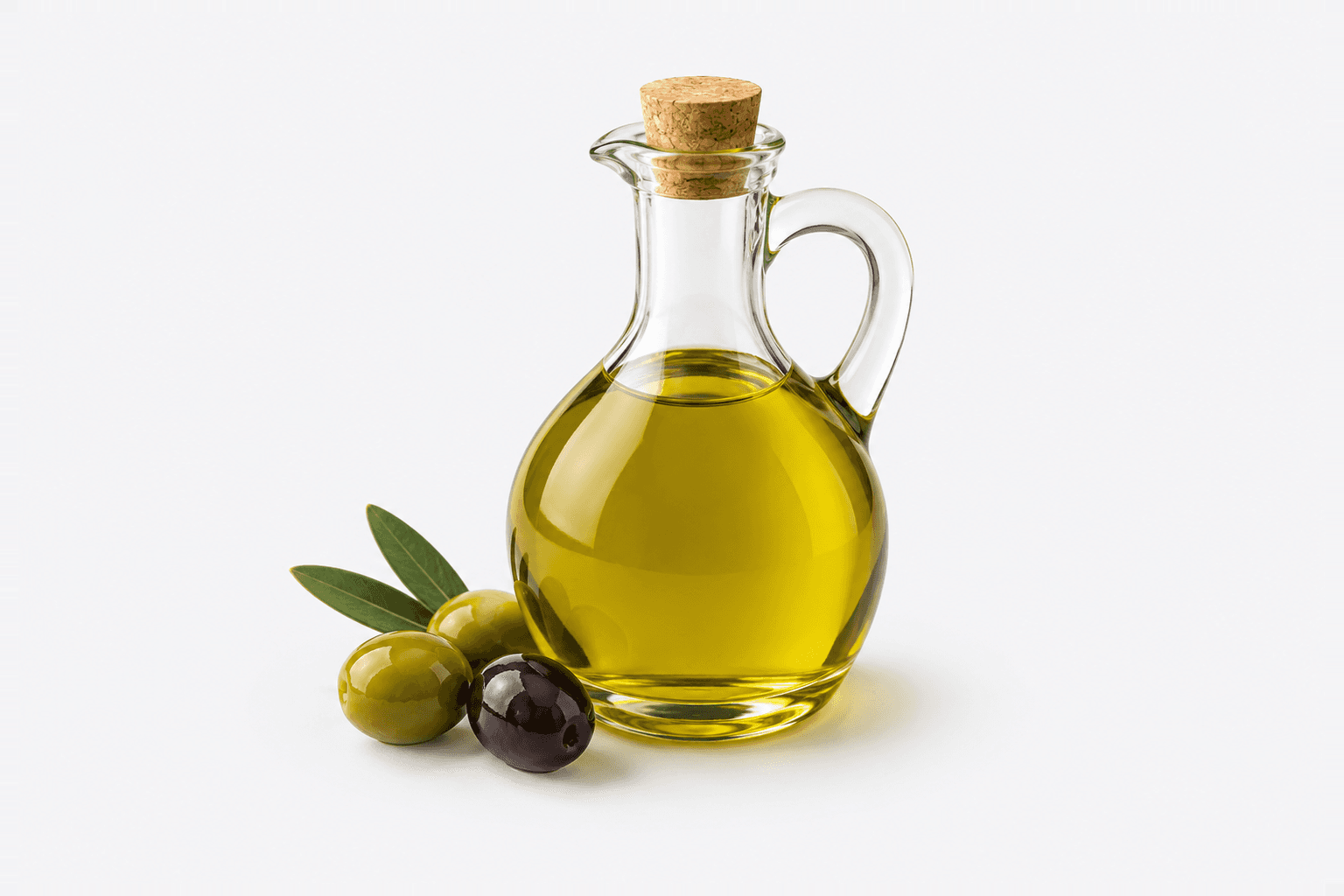
Olive oil
Cardiovascular events were 31 % lower in a randomised trial of 7,447 people. Against other vegetable oils, though, there was no difference.
Canola leads on omega-3, vitamin E and vitamin K. What olive oil has is not on the table — polyphenols — and only extra virgin carries them.
Oils & fats
Cardiovascular events were 31 % lower in a randomised trial of 7,447 people. Against other vegetable oils, though, there was no difference.
Oils & fats
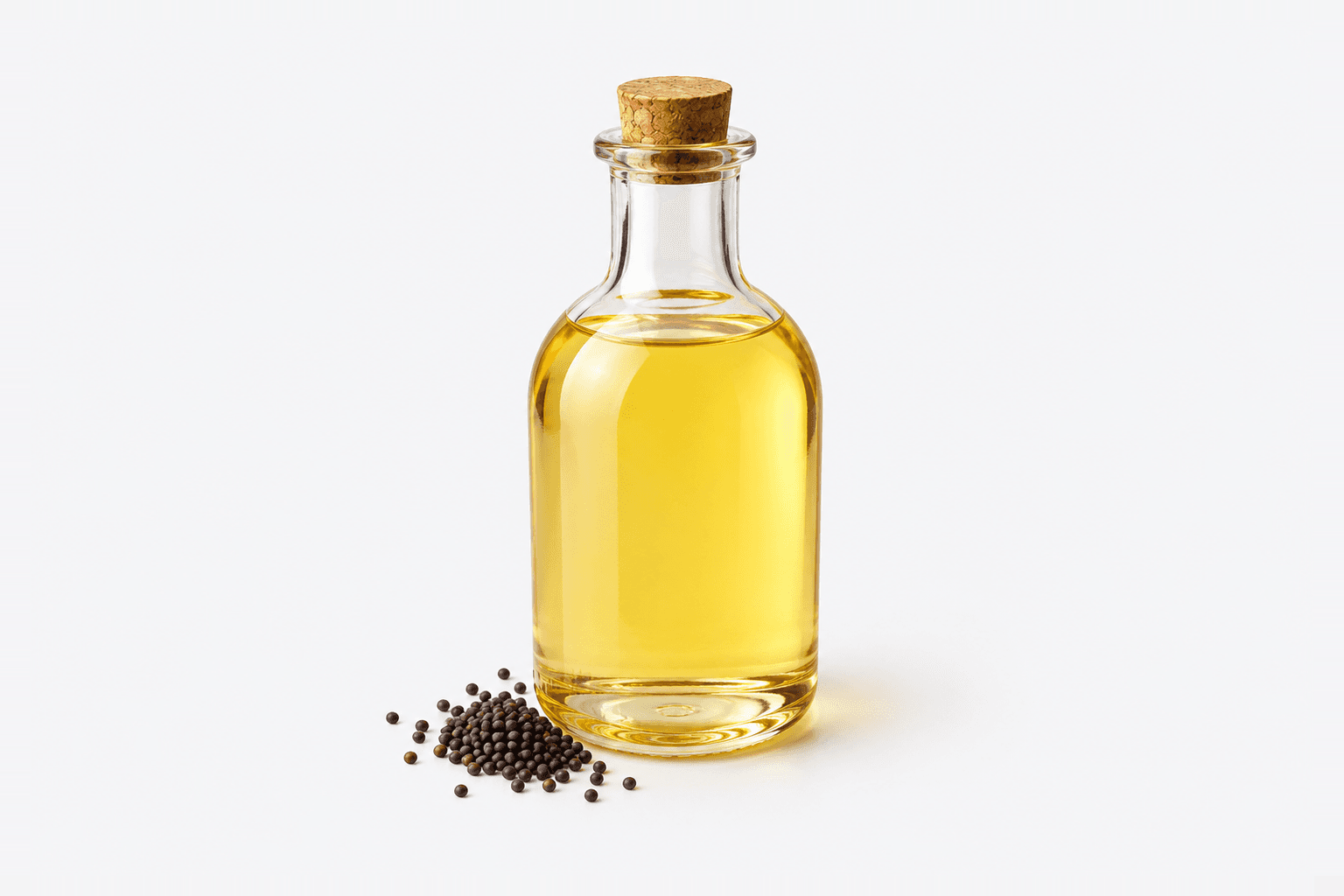
Across 42 trials it lowered LDL by 0.23 mmol/L against other cooking oils — and dropped total cholesterol further than olive oil did.
Olive oil — Leads on
About equal
Canola oil — Leads on
Per 100 g edible portion. Only rows where both have a figure are shown, and no winner is marked for items like calories or sugars where more is not better.
Basis for these figures
| Nutrition | Olive oil | Canola oil |
|---|---|---|
| Calories | 884 kcal | 884 kcal |
| Fat | 100 g | 100 g |
| Vitamin E | 14.4 mg | 17.5 mg |
| Vitamin K | 60.2 µg | 71.3 µg |
Energy is 884 kcal per 100 g for both, and fat is 100 g for both. Oils are entirely fat, so those two rows matching is simply arithmetic.
The remaining rows go to canola. Its 9.14 g of omega-3 is a row the olive oil table does not have at all, vitamin E runs 17.5 mg against 14.4 mg, and vitamin K 71.3 µg against 60.2 µg.
But the reason people use olive oil is not on the table — polyphenols.
Extra virgin olive oil carries polyphenols such as hydroxytyrosol and oleocanthal. The peppery catch at the back of the throat from a fresh oil is the oleocanthal. The European Food Safety Authority permits a claim that olive oil polyphenols protect LDL from oxidation, at a threshold of 5 mg per 20 g — and products vary widely against it.
Two conditions matter. First, the polyphenols are only meaningfully present in extra virgin. Refined "pure" olive oil has almost none. Second, they are sensitive to heat and light, so most of them survive when the oil is used raw.
The smoke point deserves a correction. Extra virgin smokes at roughly 190 to 210°C, higher than commonly claimed, which is fine for sautéing and roasting. "Never heat extra virgin" is an overstatement. But for deep-frying, where high heat is sustained, a refined oil or canola is the better tool.
Canola's omega-3 is ALA too. It is a different compound from the EPA and DHA in fish, and conversion is low. A spoonful of oil does not stand in for fish.
The practical arrangement. Extra virgin olive oil for salads and finishing; canola or refined olive oil for high heat and frying. Trying to do everything from one bottle costs you something either way.
One tablespoon is 14 g and 124 kcal. Remember the table above is seven tablespoons' worth.