Grains & legumes
Oats
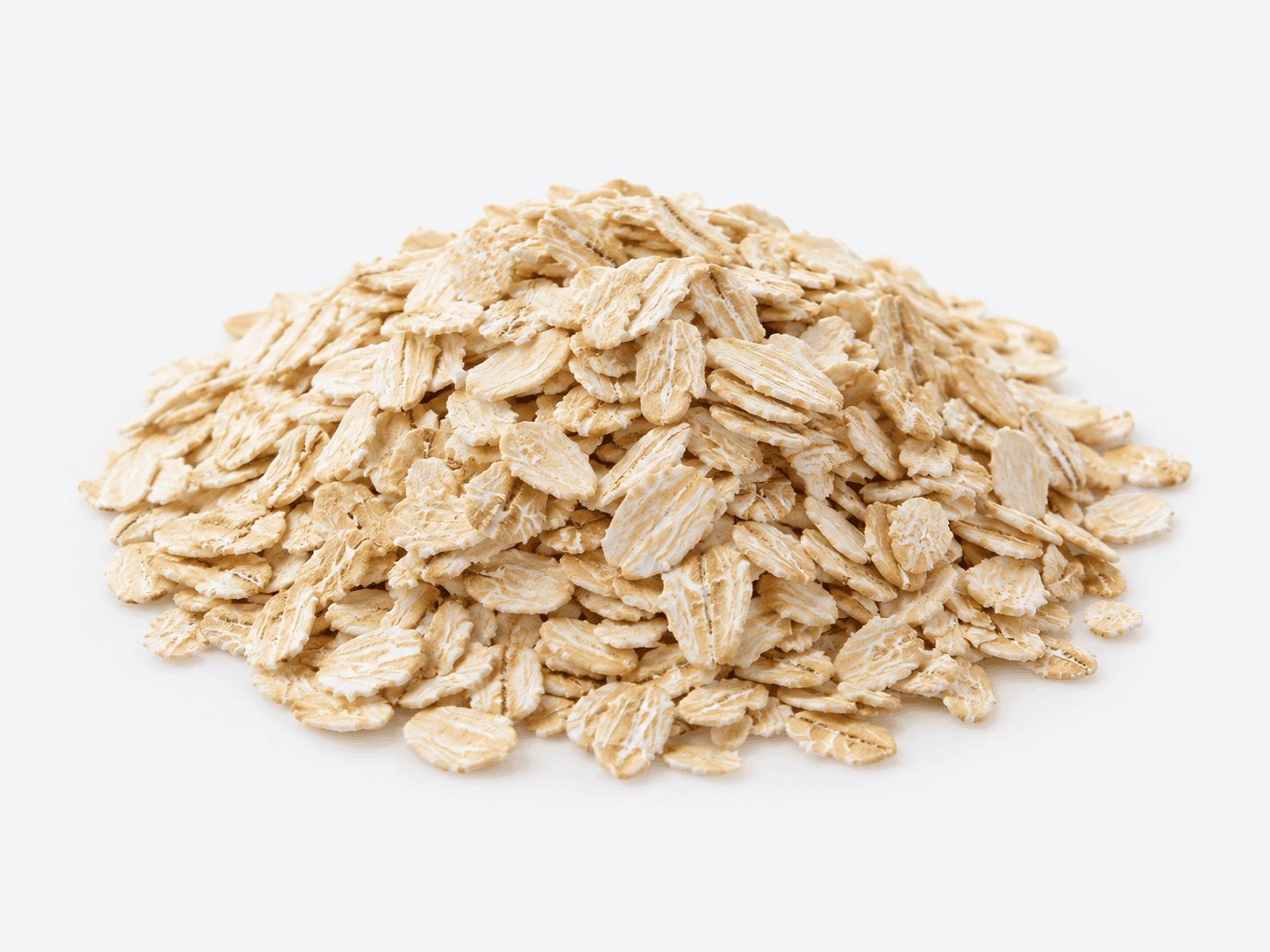
Three grams a day of oat beta-glucan lowers LDL cholesterol — a claim regulators have actually approved.
Oats aim at cholesterol through beta-glucan; black soybeans aim at protein and anthocyanins.
Grains & legumes
Three grams a day of oat beta-glucan lowers LDL cholesterol — a claim regulators have actually approved.
Grains & legumes
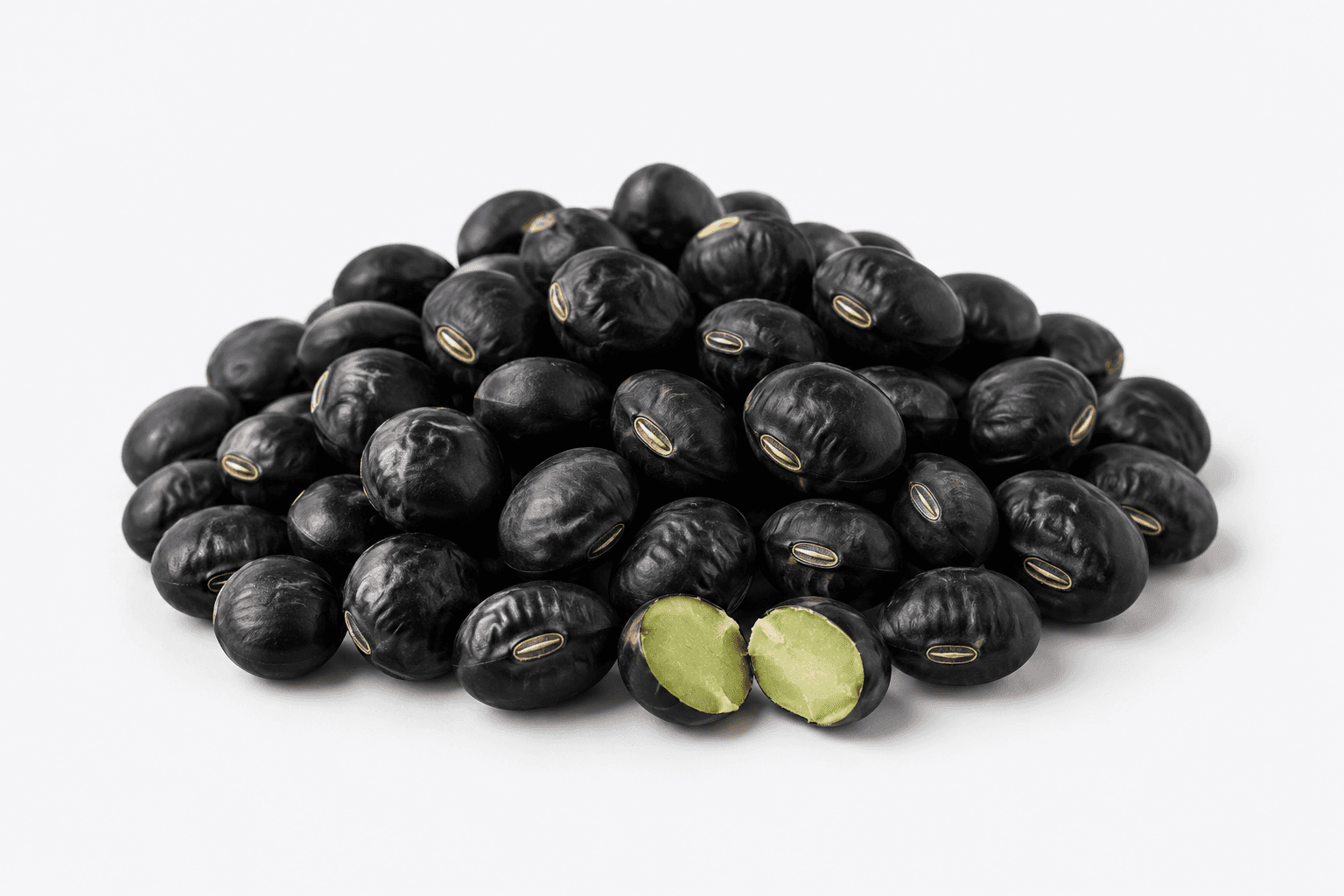
It is genuinely excellent for protein and anthocyanins. The popular claim about hair, however, has almost no clinical support.
Oats — Leads on
Black soybean — Leads on
Per 100 g edible portion. Only rows where both have a figure are shown, and no winner is marked for items like calories or sugars where more is not better.
Basis for these figures
| Nutrition | Oats | Black soybean |
|---|---|---|
| Calories | 389 kcal | 382 kcal |
| Protein | 16.9 g | 34.3 g |
| Fat | 6.9 g | 18 g |
| Carbohydrates | 66.3 g | 30.4 g |
| Fiber | 10.6 g | 17 g |
| Magnesium | 177 mg | 252 mg |
| Zinc | 4 mg | 3.7 mg |
Oats' weapon is a health claim that regulators actually approved. Both the US FDA and the EU's EFSA recognise the cholesterol-lowering effect of oat beta-glucan, at a threshold of 3 g a day. Very few foods carry evidence recognised at that level.
Black soybeans lead on protein: 34.3 g per 100 g dried against oats' 16.9 g, more than double, with fibre at 17 g against 10.6 g. On top of that, the anthocyanins in the skin are something oats do not have at all — that pigment is the real difference between black and yellow soybeans.
Note that both sets of figures are for the dry state. Black soybeans more than double in weight once soaked and cooked, so on a per-serving basis the gap narrows.
For cholesterol, oats. For protein and antioxidants, black soybeans. In truth they are not competitors: beans supply the lysine that oats lack, so eating them together fills each other's amino acid gaps.