Vegetables
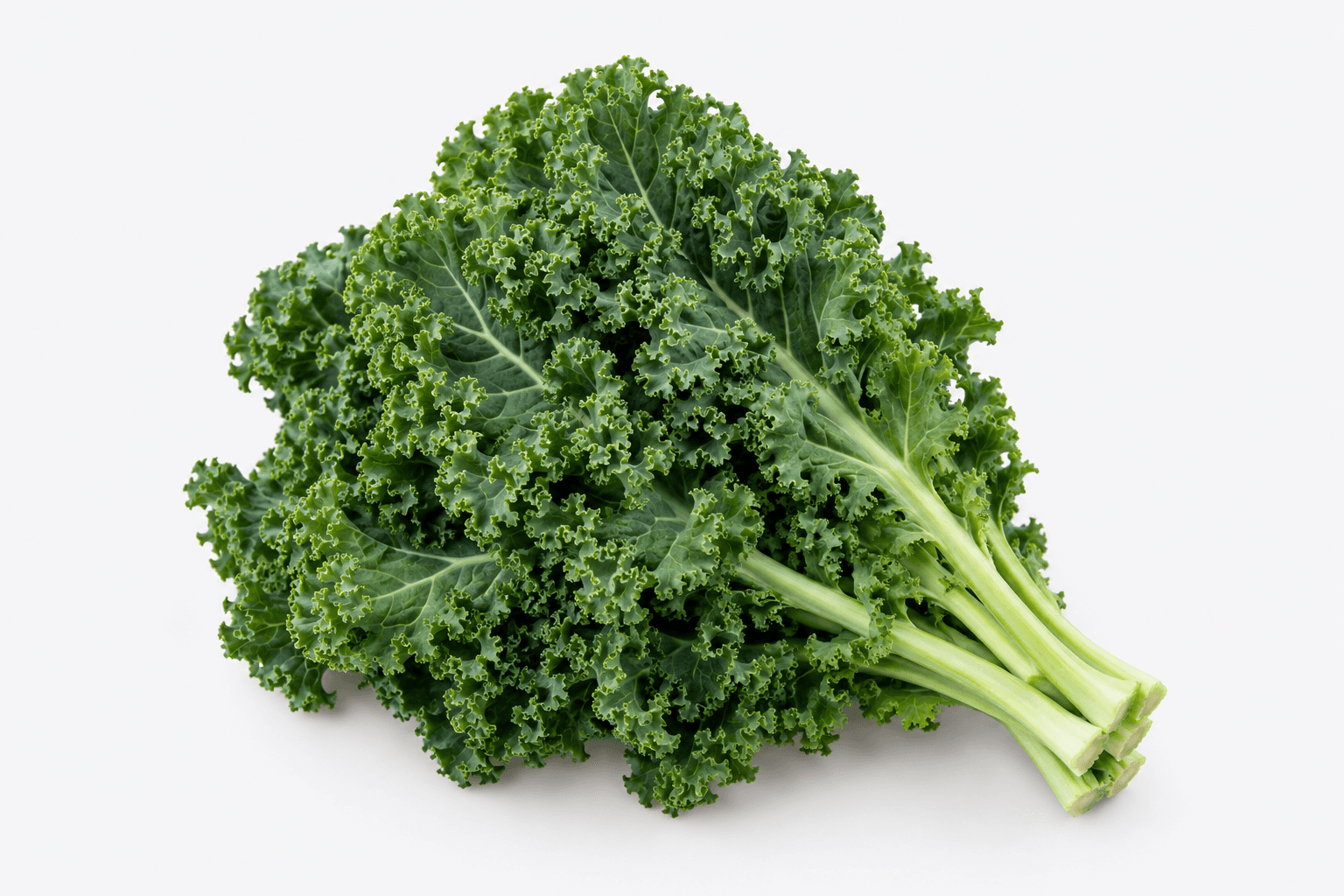
Kale
390 µg of vitamin K, 93.4 mg of vitamin C and 254 mg of calcium per 100 g. Lutein is 6,260 µg — but the AREDS2 primary analysis was not significant.
Spinach leads several rows, but its own oxalate binds the minerals it carries. Kale is low in oxalate, so the figures in the table are closer to what you get.
Vegetables
390 µg of vitamin K, 93.4 mg of vitamin C and 254 mg of calcium per 100 g. Lutein is 6,260 µg — but the AREDS2 primary analysis was not significant.
Vegetables
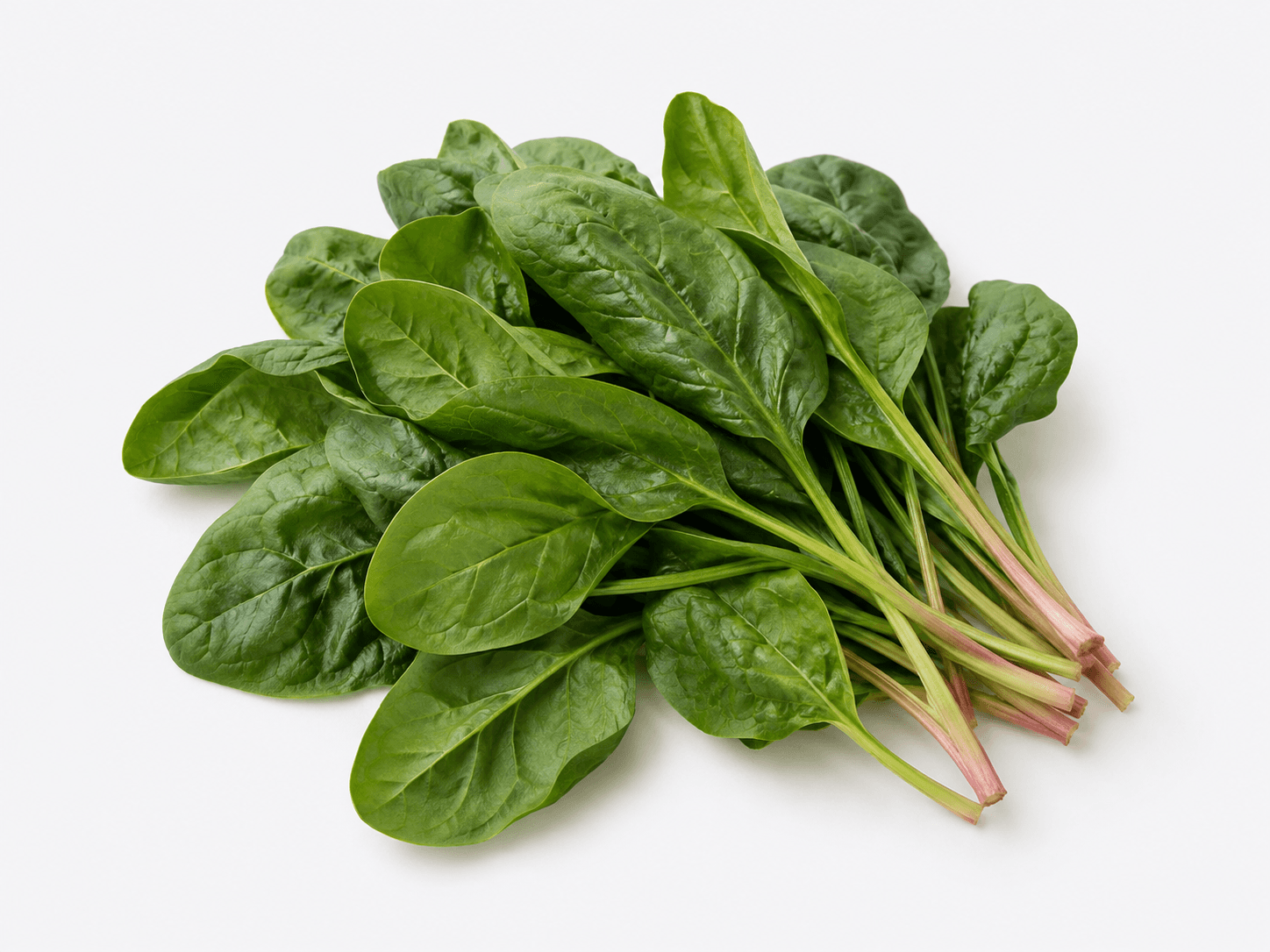
"Spinach equals iron" is only half true. The real value sits in folate, vitamin K, and the lutein that accumulates in your eyes.
Kale — Leads on
Spinach — Leads on
Per 100 g edible portion. Only rows where both have a figure are shown, and no winner is marked for items like calories or sugars where more is not better.
| Nutrition | Kale | Spinach |
|---|---|---|
| Calories | 35 kcal | 23 kcal |
| Protein | 2.9 g | 2.9 g |
| Carbohydrates | 4.4 g | 3.6 g |
| Fiber | 4.1 g | 2.2 g |
| Vitamin A | 241 µg | 469 µg |
| Vitamin K | 390 µg | 483 µg |
| Beta-carotene | 2870 µg | 5,626 µg |
| Potassium | 348 mg | 558 mg |
This comparison is about how to read the table.
Spinach leads on vitamin K at 483 µg, beta-carotene at 5,626 µg and folate at 194 µg. Its 2.7 mg of iron is high for a leaf. But spinach is one of the classic high-oxalate vegetables. Oxalate binds to iron and calcium and locks them into a form that is not absorbed. Few foods have such a wide gap between the iron printed in the table and the iron that reaches you.
Kale does not have that problem. It is low in oxalate, so much of its 254 mg of calcium is genuinely available. Calcium from leaves is usually hard to trust; kale is the exception. Its vitamin C, at 93.4 mg, is higher than an orange's, and its lutein, at 6,260 µg, is the highest of any ingredient on this site.
None of which is a reason to drop spinach. Its 194 µg of folate is a row kale does not have, and much of the oxalate leaches out if you blanch it and discard the water. That is the reason cooked spinach beats large amounts of raw spinach.
If you have had kidney stones, this changes. Calcium oxalate stones are the most common kind, and spinach sits near the top of the high-oxalate list. Kale is the safer choice there. Talk to your clinician.
Both are very high in vitamin K. If you take warfarin, do not swing your intake up and down — that means keeping it steady, not avoiding them.