Meat
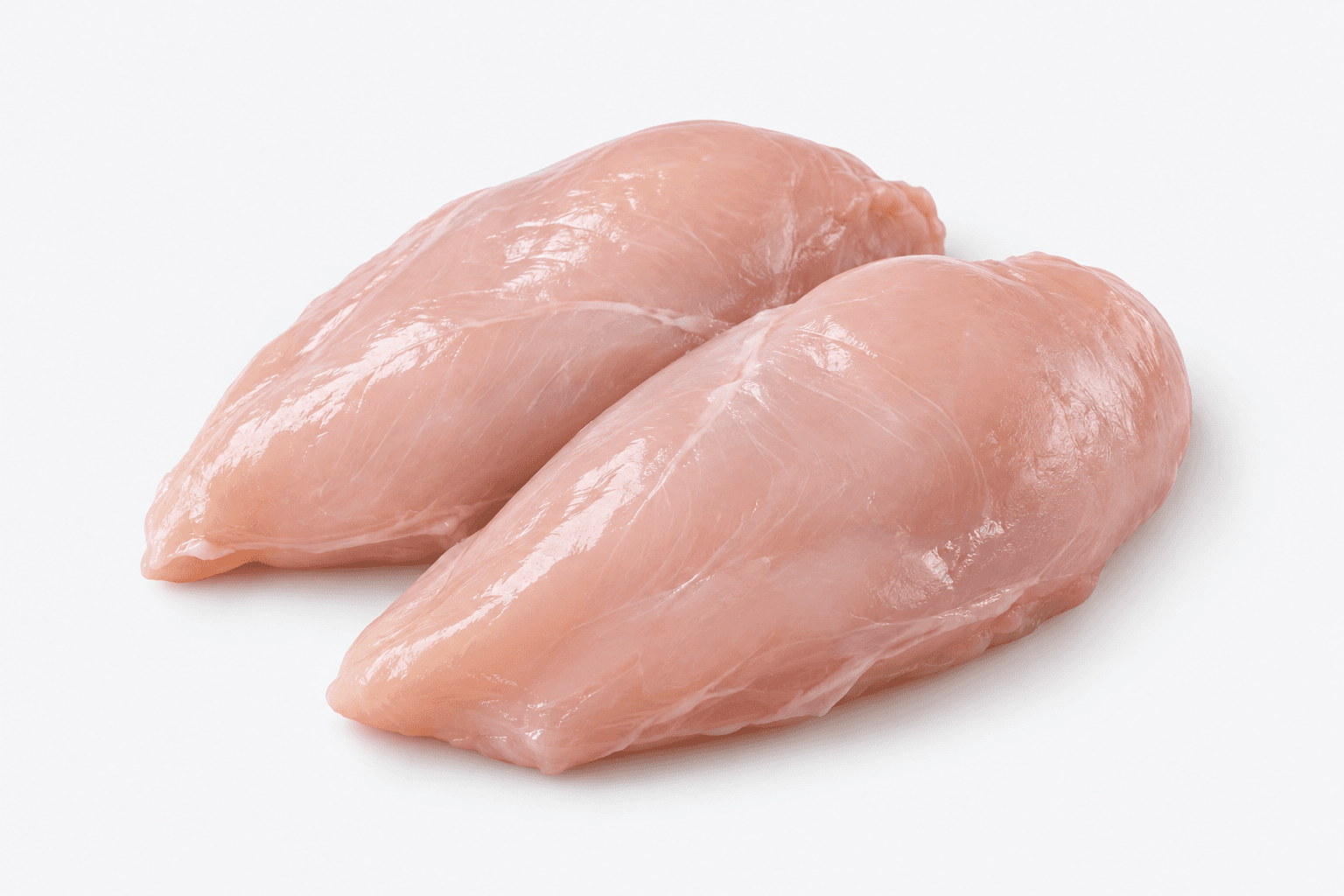
Chicken breast
31 g of protein and 3.6 g of fat per 100 g. Almost no everyday food beats it on protein per calorie.
Chicken breast wins on protein per calorie; beef wins on iron and zinc. Which you need decides which is better.
Meat
31 g of protein and 3.6 g of fat per 100 g. Almost no everyday food beats it on protein per calorie.
Meat
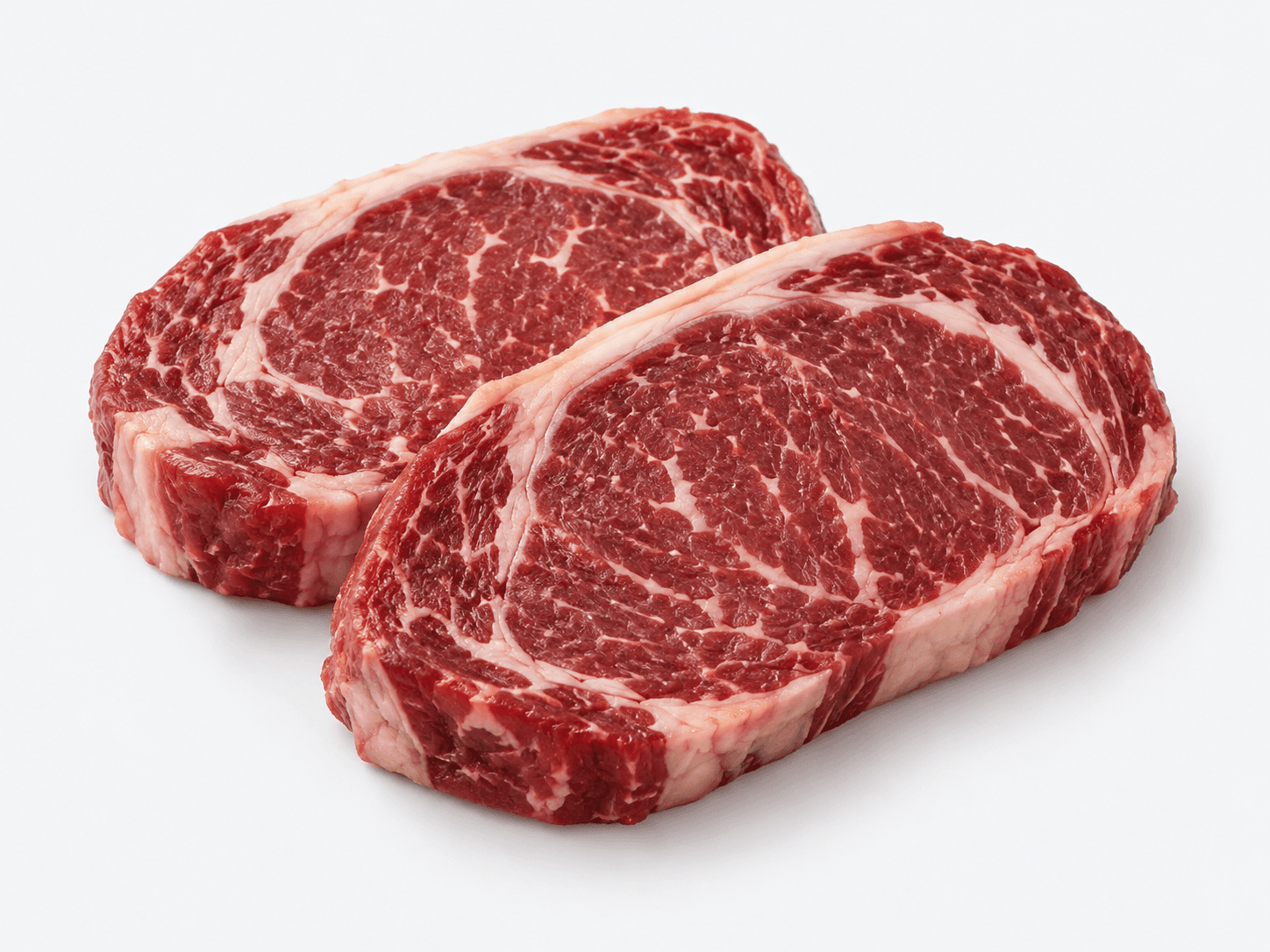
Beef's heme iron absorbs at 15–35%, against 2–20% for non-heme iron from foods like spinach. The real questions are the cut and whether it is processed.
Chicken breast — Leads on
Beef — Leads on
Per 100 g edible portion. Only rows where both have a figure are shown, and no winner is marked for items like calories or sugars where more is not better.
Basis for these figures
| Nutrition | Chicken breast | Beef |
|---|---|---|
| Calories | 165 kcal | 217 kcal |
| Protein | 31 g | 26.1 g |
| Fat | 3.6 g | 11.8 g |
| Vitamin B3 | 13.7 mg | 5.4 mg |
| Zinc | 0.9 mg | 6.3 mg |
| Selenium | 27 µg | 24 µg |
For weight management, chicken breast. 31 g of protein for 165 kcal means roughly 75% of its energy comes from protein, with only 3.6 g of fat. Beef delivers 26 g for 217 kcal — a lower ratio.
If iron is what you need, the answer flips. Beef carries 2.6 mg, three to four times chicken breast, and as heme iron it absorbs far better. Zinc is 6.3 mg against about 1 mg. For anyone with anaemia or high menstrual iron losses, a diet built only on chicken breast leaves that gap open.
One common misconception: chicken breast is not a "healthier meat", it is a leaner cut. Choose a lean cut of beef such as round and the saturated fat drops sharply.
The practical answer is to mix. Use chicken breast for everyday protein and lean beef once or twice a week to cover iron and zinc.