Meat
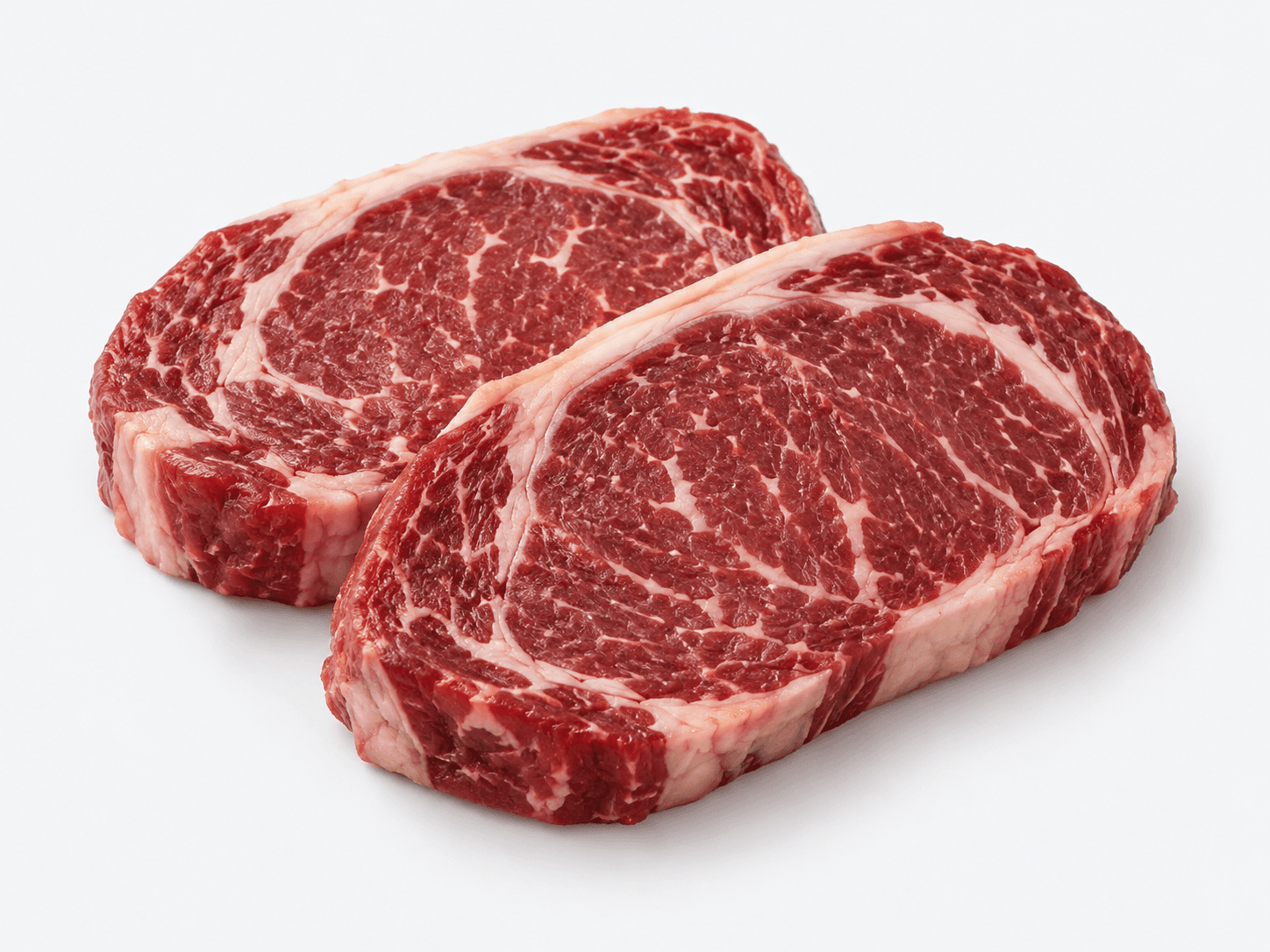
Beef
Beef's heme iron absorbs at 15–35%, against 2–20% for non-heme iron from foods like spinach. The real questions are the cut and whether it is processed.
Beef leads clearly on iron and zinc; pork leads on vitamin B1. Either way, the cut decides the fat.
Meat
Beef's heme iron absorbs at 15–35%, against 2–20% for non-heme iron from foods like spinach. The real questions are the cut and whether it is processed.
Meat
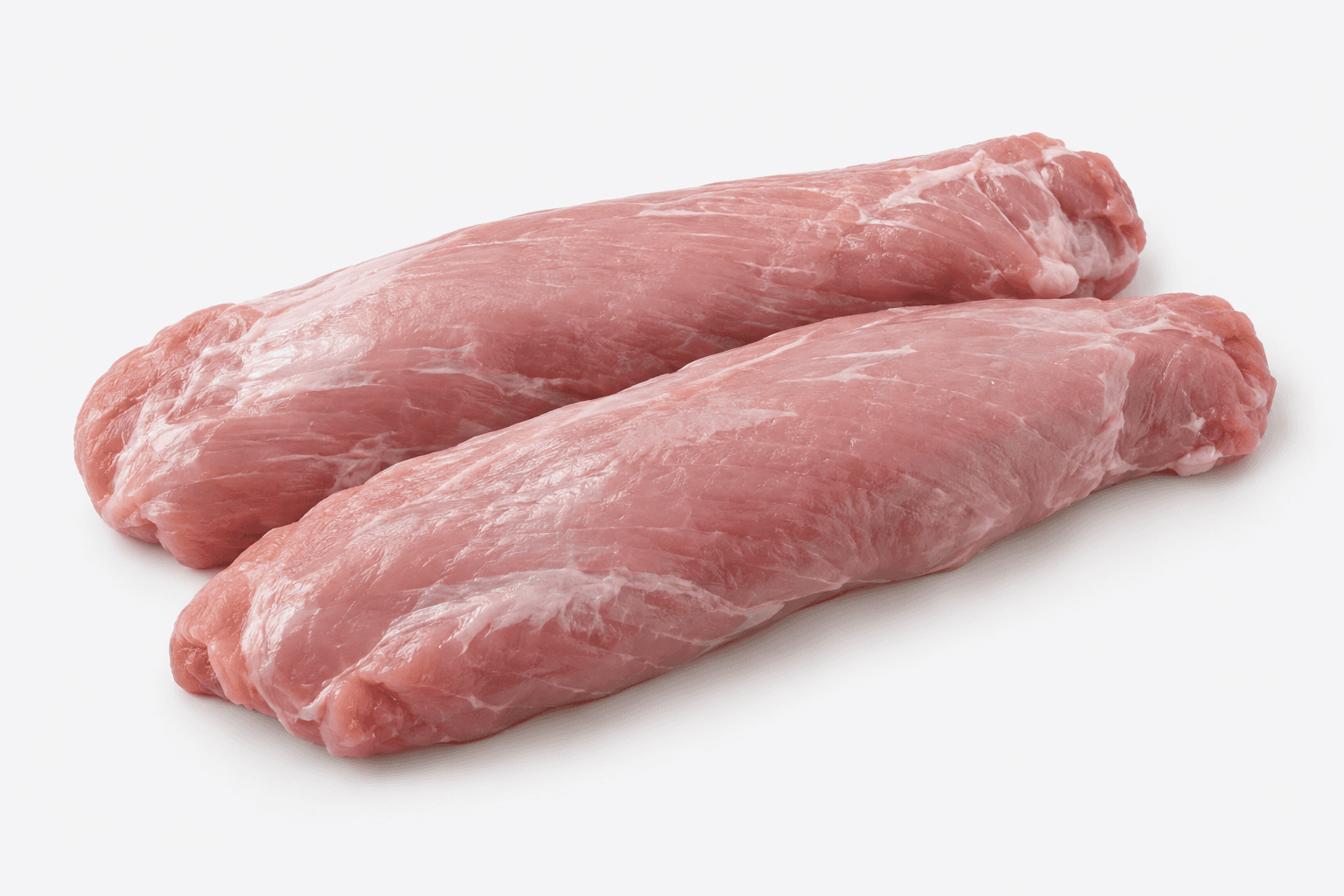
Pork carries more than eight times the thiamine of beef. Which cut you choose decides the fat you get with it.
Beef — Leads on
Pork — Leads on
Per 100 g edible portion. Only rows where both have a figure are shown, and no winner is marked for items like calories or sugars where more is not better.
| Nutrition | Beef | Pork |
|---|---|---|
| Calories | 217 kcal | 242 kcal |
| Protein | 26.1 g | 27.3 g |
| Fat | 11.8 g | 14 g |
| Vitamin B12 | 2.6 µg | 0.7 µg |
| Zinc | 6.3 mg | 2.4 mg |
| Selenium | 24 µg | 38 µg |
Beef's strength is minerals: 2.6 mg of iron and 6.3 mg of zinc, more than double pork's 2.4 mg of zinc. If anaemia or zinc is the issue, beef is the answer.
Pork's strength is sharper still. Vitamin B1 runs 0.87 mg, more than eight times beef's. A single serving covers over 70% of the daily requirement, which matters a great deal in a rice-based diet, because thiamine is the key cofactor in turning carbohydrate into energy.
The bigger variable between them is not the animal but the cut. Pork tenderloin holds 3–5 g of fat per 100 g, close to chicken breast, while belly exceeds 30 g. Beef round and brisket are likewise different foods. "Beef is fattier" is a generalisation made without looking at the cut.
The cautions are shared: processed meat belongs in a separate category from lean cuts, and charring over direct flame generates harmful compounds.