Home
IngredientHealth Benefits

Fruits

There is more to fruit than sugar — here is the nutrition side.

28 ingredients

Search within this category

What this category is strong in

The nutrients most often listed as a key nutrient among these ingredients.

Papaya

Fruits

Early research

Papaya

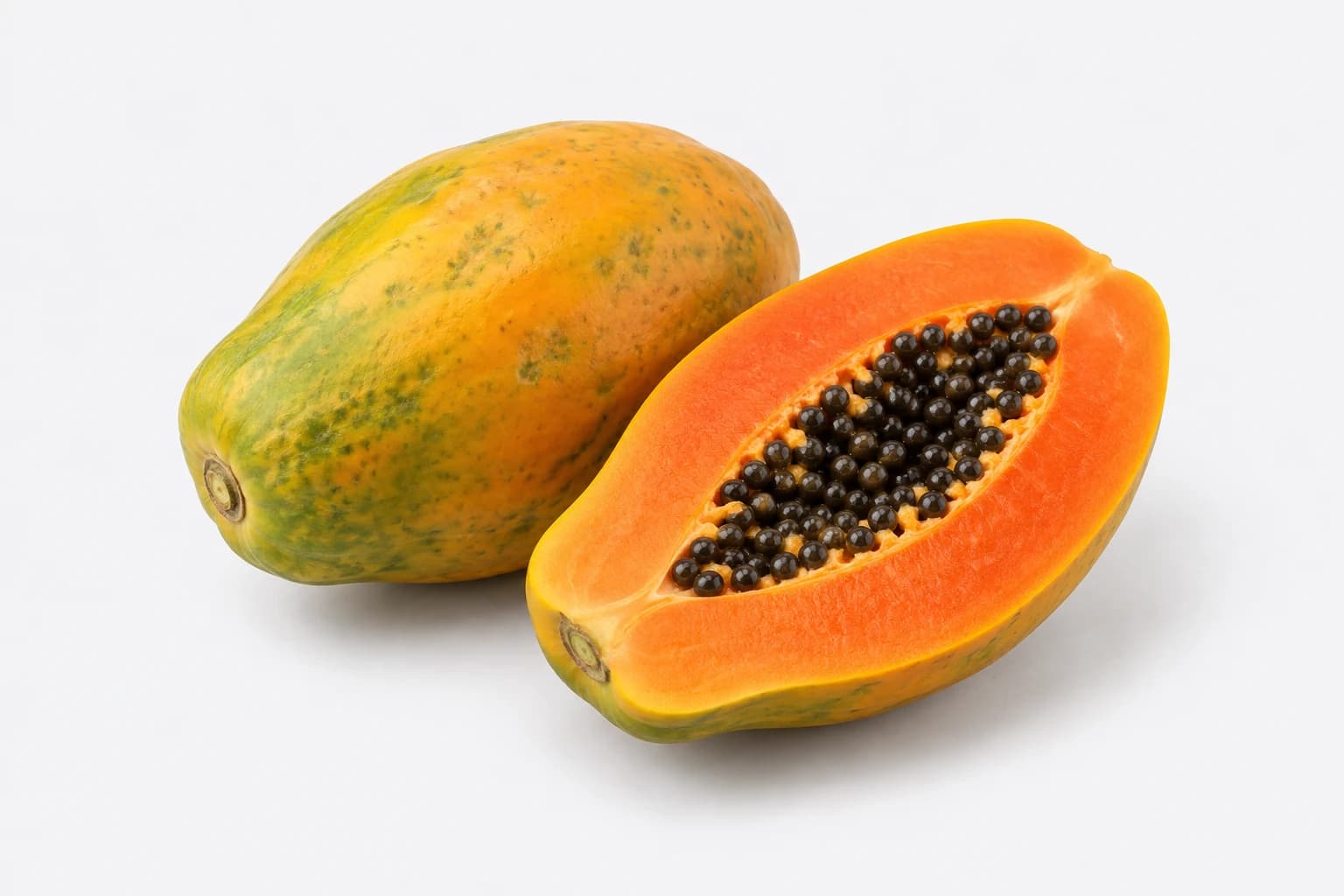
A phase III, triple-blinded, placebo-controlled trial in 219 patients was published in 2026. Platelet recovery was faster in patients whose counts had fallen from chemotherapy. But what it used was papaya leaf extract, and this entry is about the fruit.
Goji berry

Fruits

Early research

Goji berry

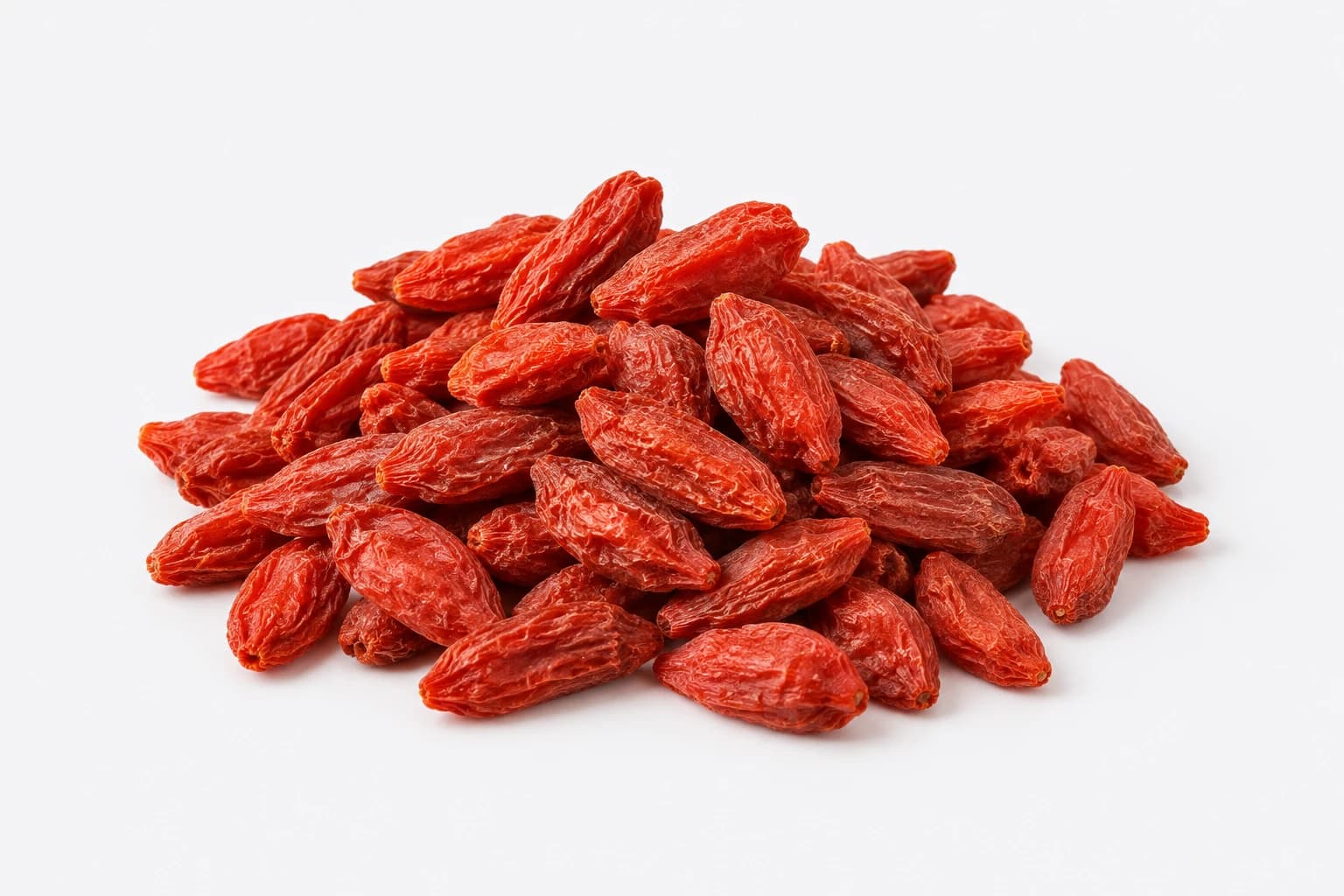
There is a trial in which eating goji berries raised macular pigment optical density. It had 27 participants, no masking, and calls itself a pilot. And the zeaxanthin said to explain the result is not listed in this food's composition table at all.

Guava

Fruits

Moderate evidence

Guava

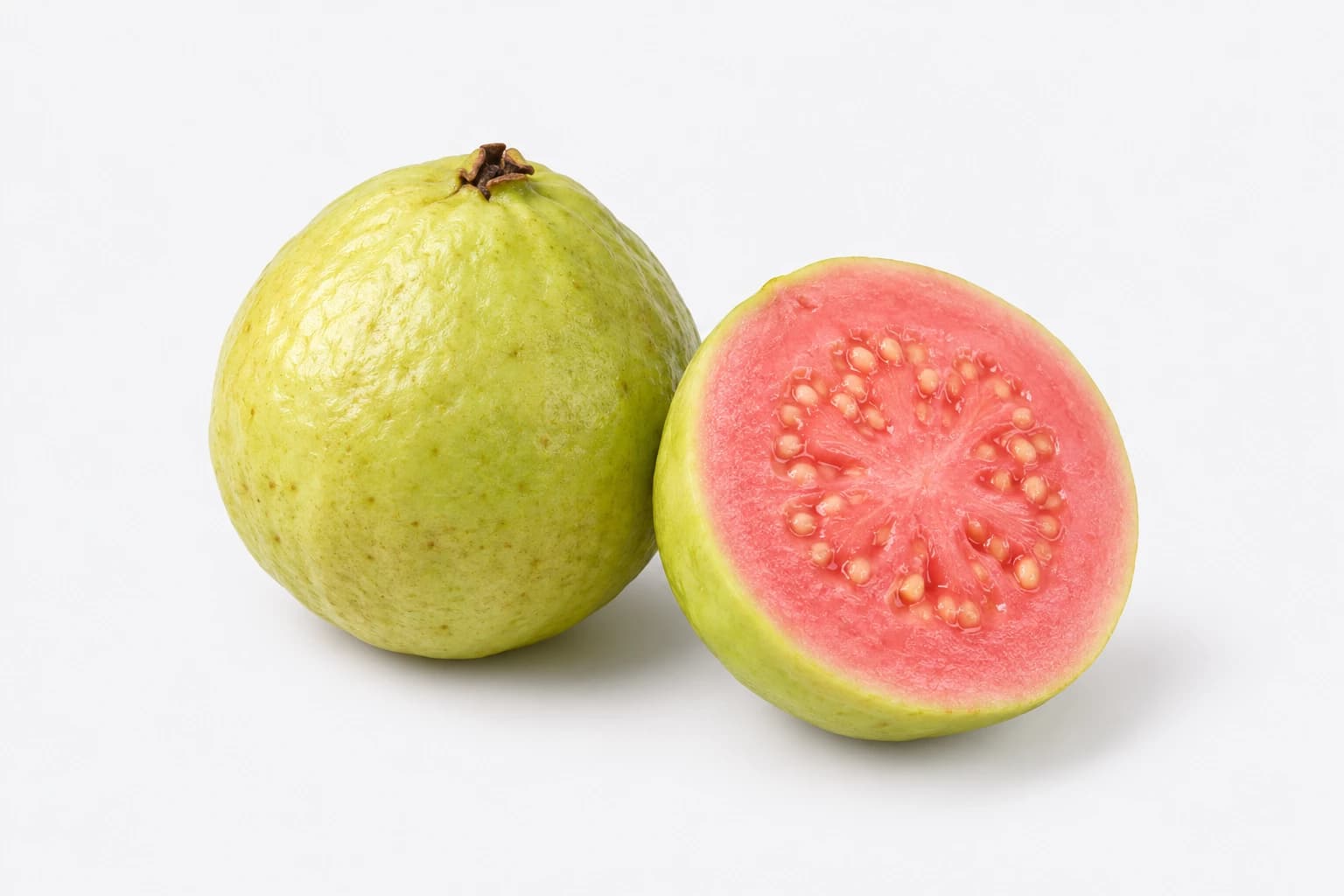
A seven-month school-feeding trial in India. Hemoglobin rose and anemia fell. But body iron stores, which the trial had named in advance as its primary outcome, did not rise significantly. What happened and what did not have to be read apart.

Mango

Fruits

Early research

Mango

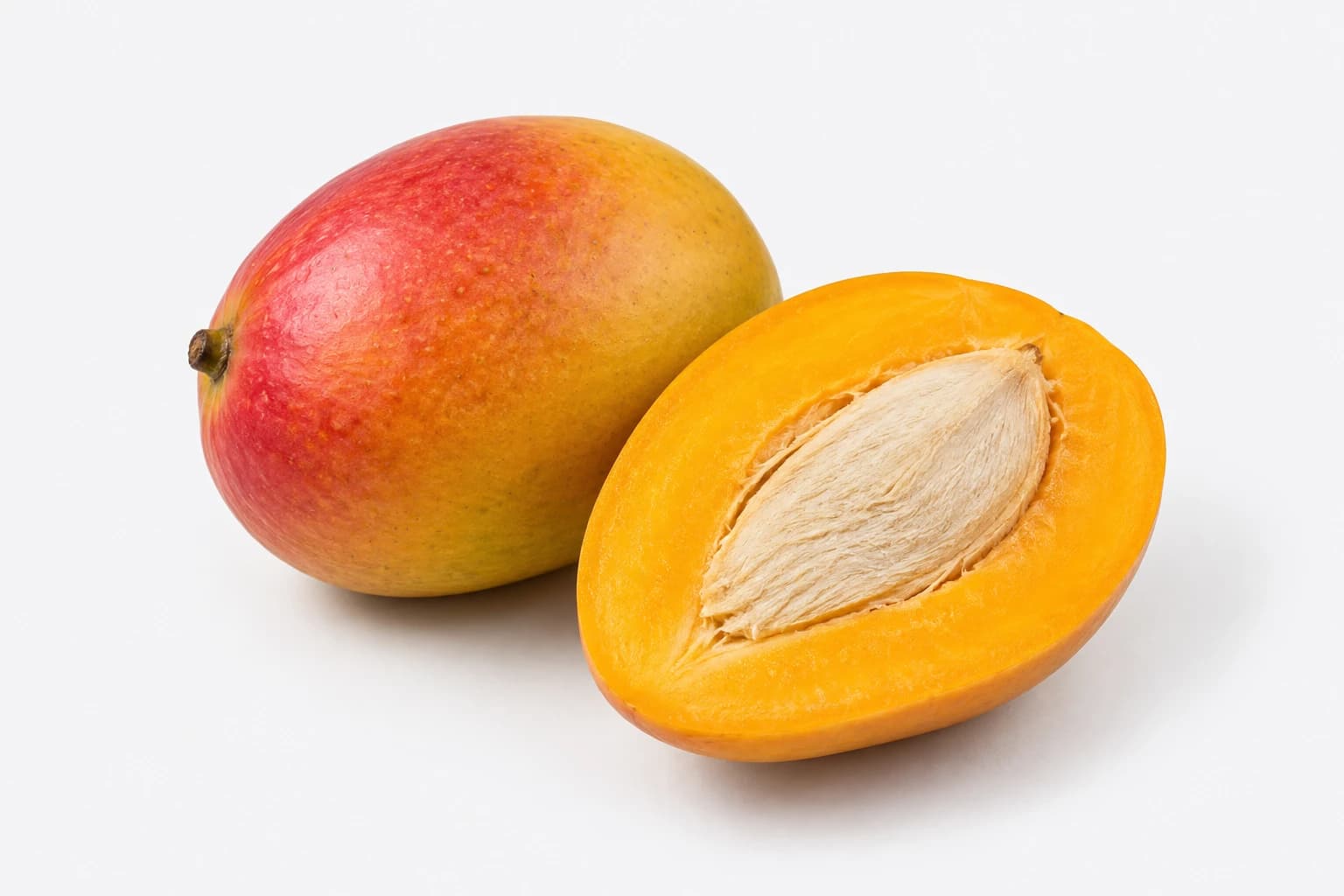
A 2026 trial in JAHA improved endothelial function. But the intervention was one avocado and one cup of mango together, and the comparator was low-fat, low-fibre food. How much of it belongs to mango cannot be read from this design.

Figs

Fruits

Early research

Figs

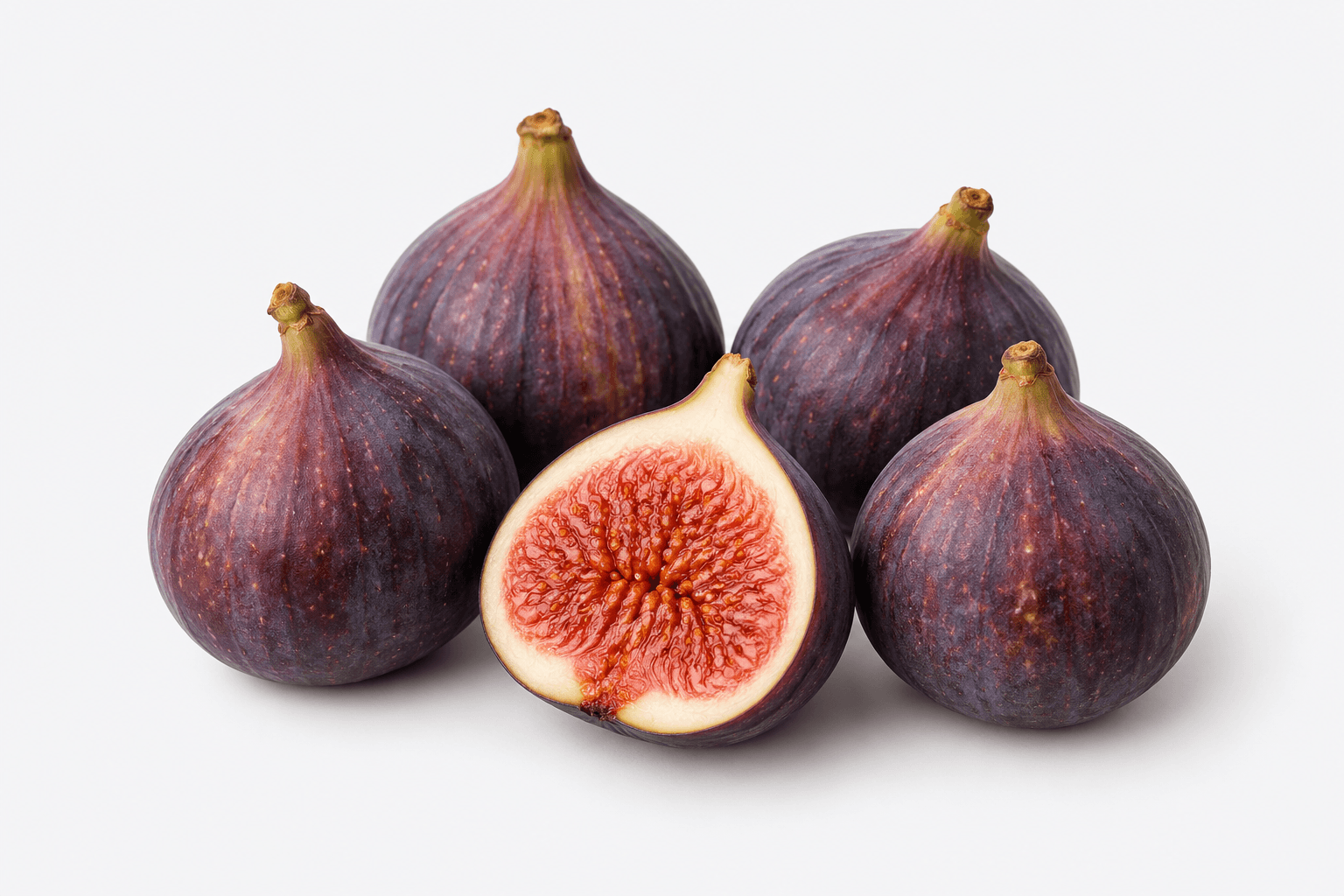
Two randomised trials have actually fed people figs, and both improved bowel measures. But in the four-month trial the severity of abdominal pain and CRP did not move, and in the pregnancy trial adding walnut was no better than fig alone.

Dates

Fruits

Early research

Dates

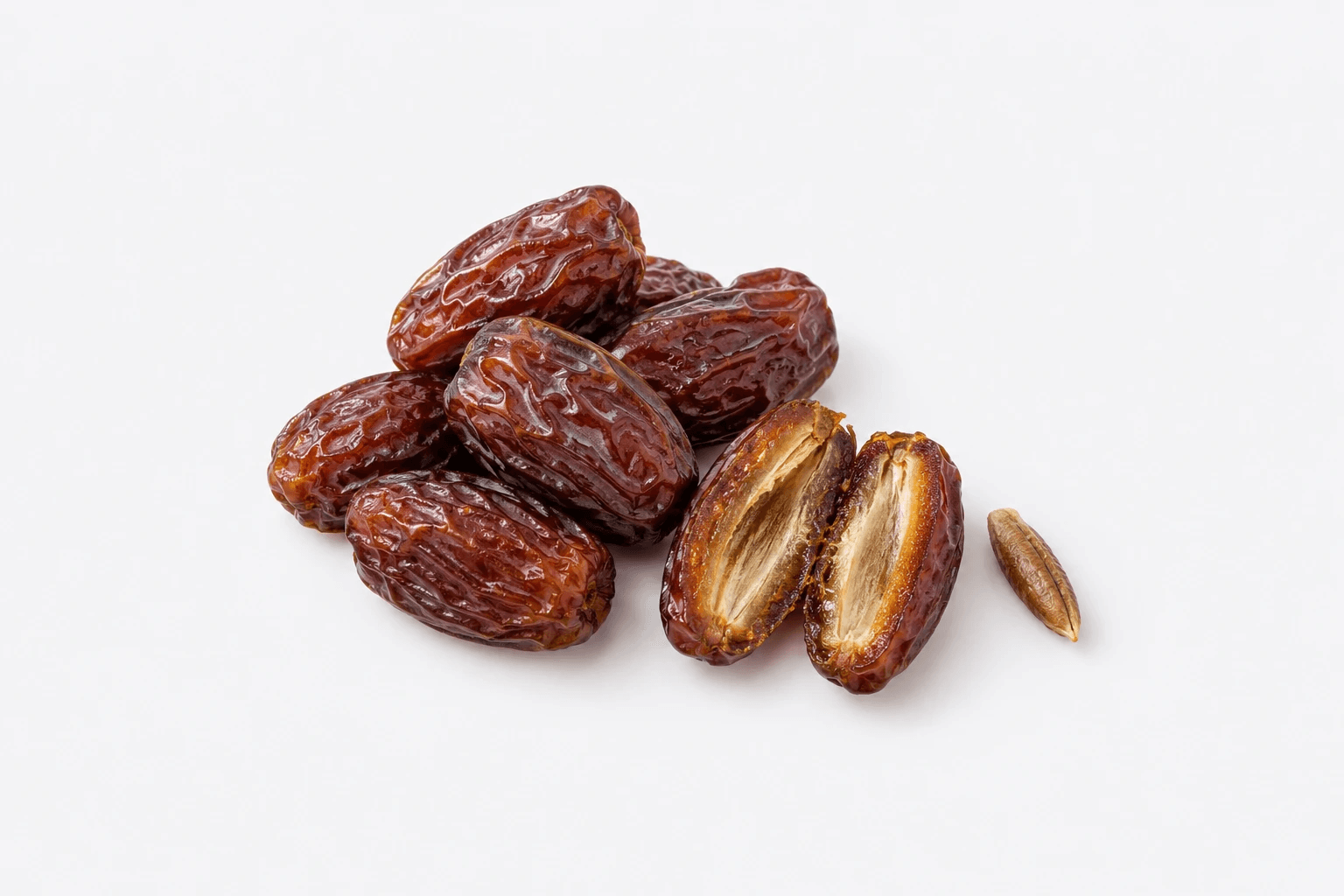
Several findings suggest eating dates in late pregnancy shortens labour and reduces the need for induction. But the same paper states that "the overall evidence quality was unacceptable, and risk of bias was high in most studies". And 66.5 g of every 100 g is sugar.

Olives

Fruits

Nutrition data

Olives

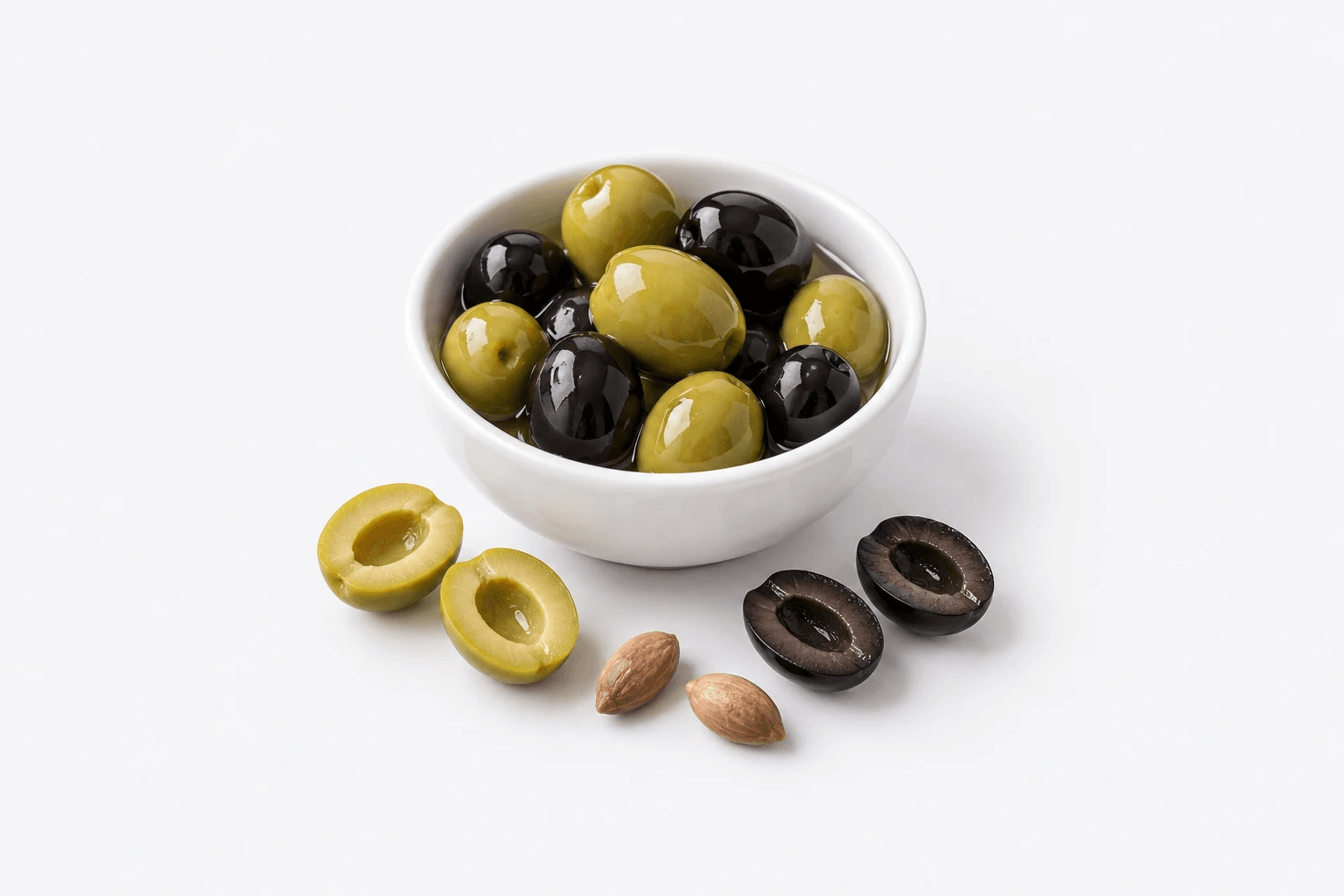
This site has not yet found a clinical trial that fed people olives themselves. The health evidence we have for olives is largely evidence about olive oil and the Mediterranean diet. What the fruit's own numbers say with confidence: 735 mg of sodium, 10.9 g of fat, and 8 mg of potassium.

Elderberry

Fruits

Early research

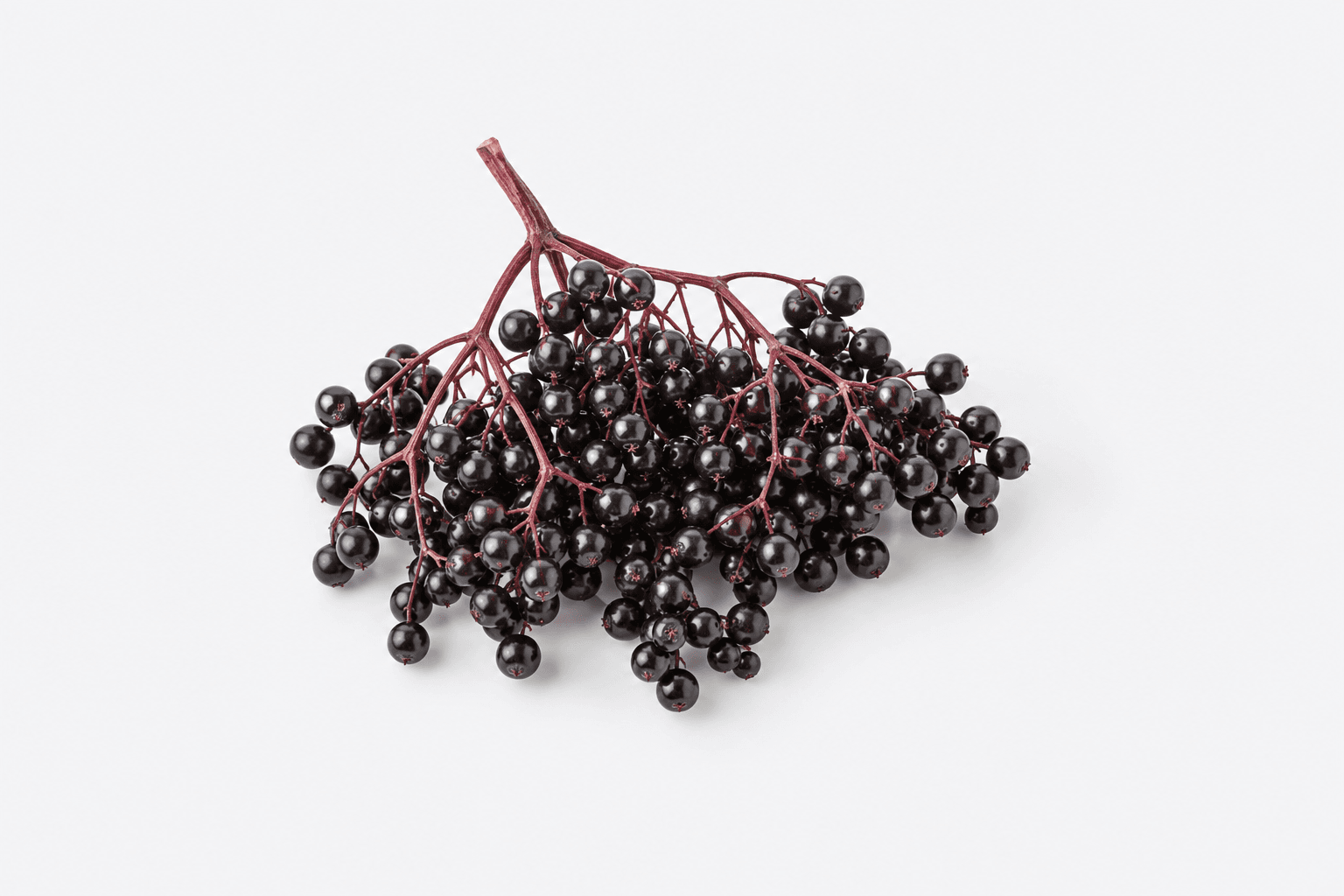
Elderberry

A 2021 systematic review that GRADE-assessed five randomised trials concluded it may not reduce the risk of catching a cold. It may shorten duration and severity, but the evidence is uncertain. And raw, it will make you ill.

Mulberry

Fruits

Early research

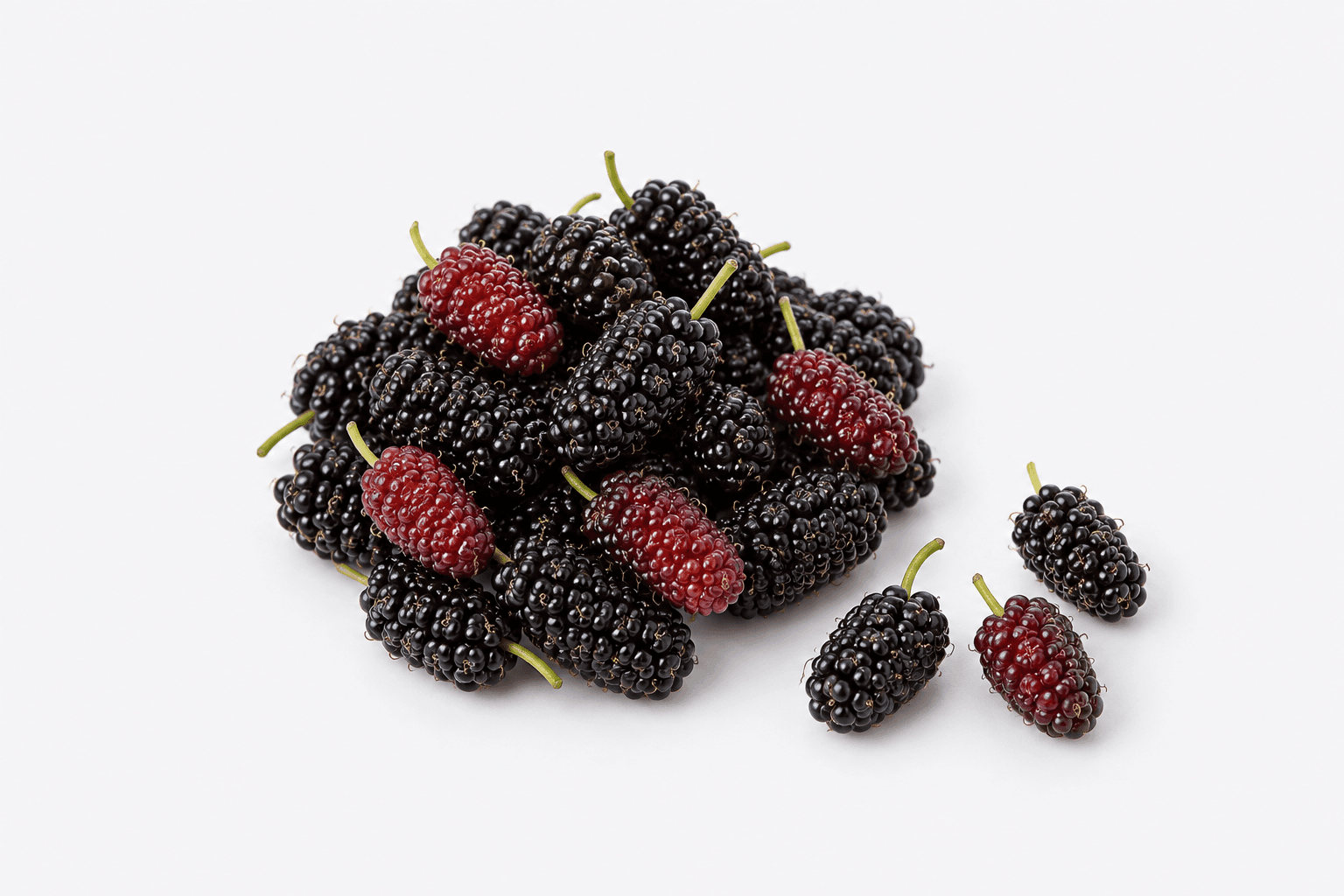
Mulberry

A meta-analysis of 13 randomised trials found post-meal glucose down at 30, 60 and 90 minutes. But fasting glucose, HbA1c, HOMA-IR and all four lipid measures showed no difference. And what those trials mostly used was the leaf, not the fruit.

Persimmon

Fruits

Early research

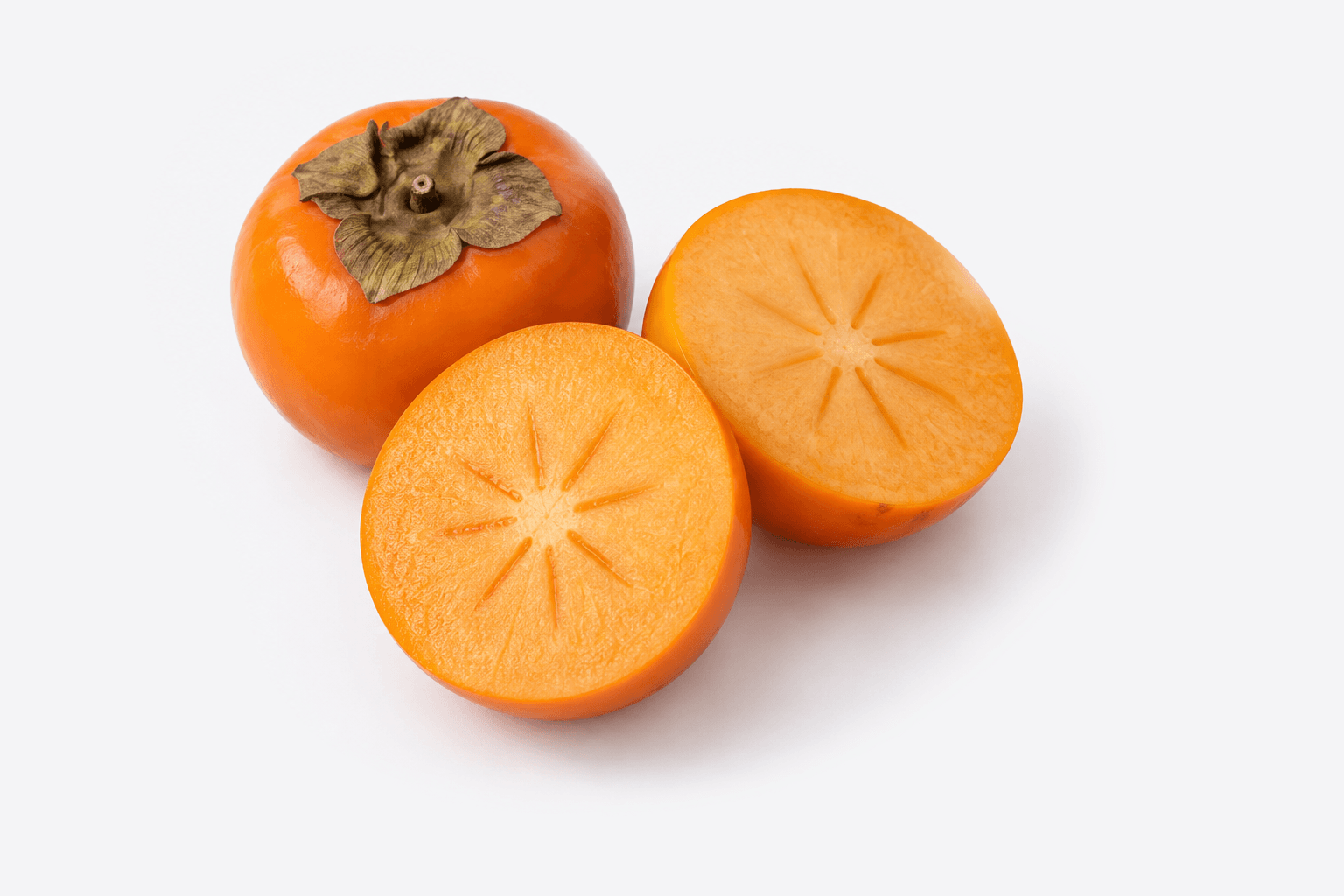
Persimmon

A trial feeding 9–15 g a day of persimmon tannin fibre for 12 weeks lowered total cholesterol. But that was not eating persimmons — it was a fibre fraction extracted from unripe fruit, baked into bars. And there is a separate caution about astringent persimmon on an empty stomach.

Pineapple

Fruits

Early research

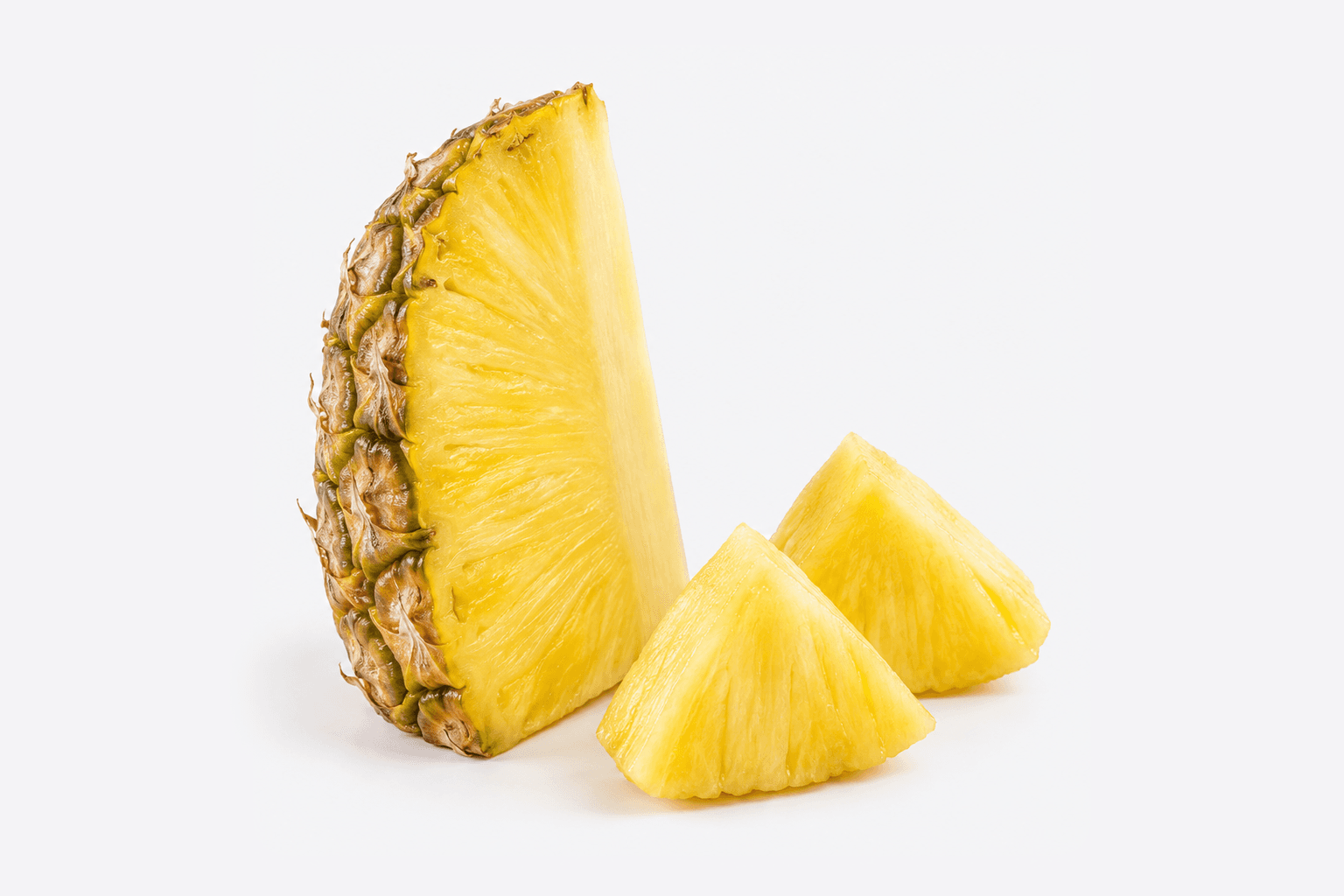
Pineapple

Bromelain tablets after third-molar surgery improved pain and quality-of-life scores. But there was no evidence for swelling or trismus, and what was given was an isolated enzyme, not fruit. Pineapple's own strengths are 47.8 mg of vitamin C and 0.927 mg of manganese.

Tart cherries

Fruits

Moderate evidence

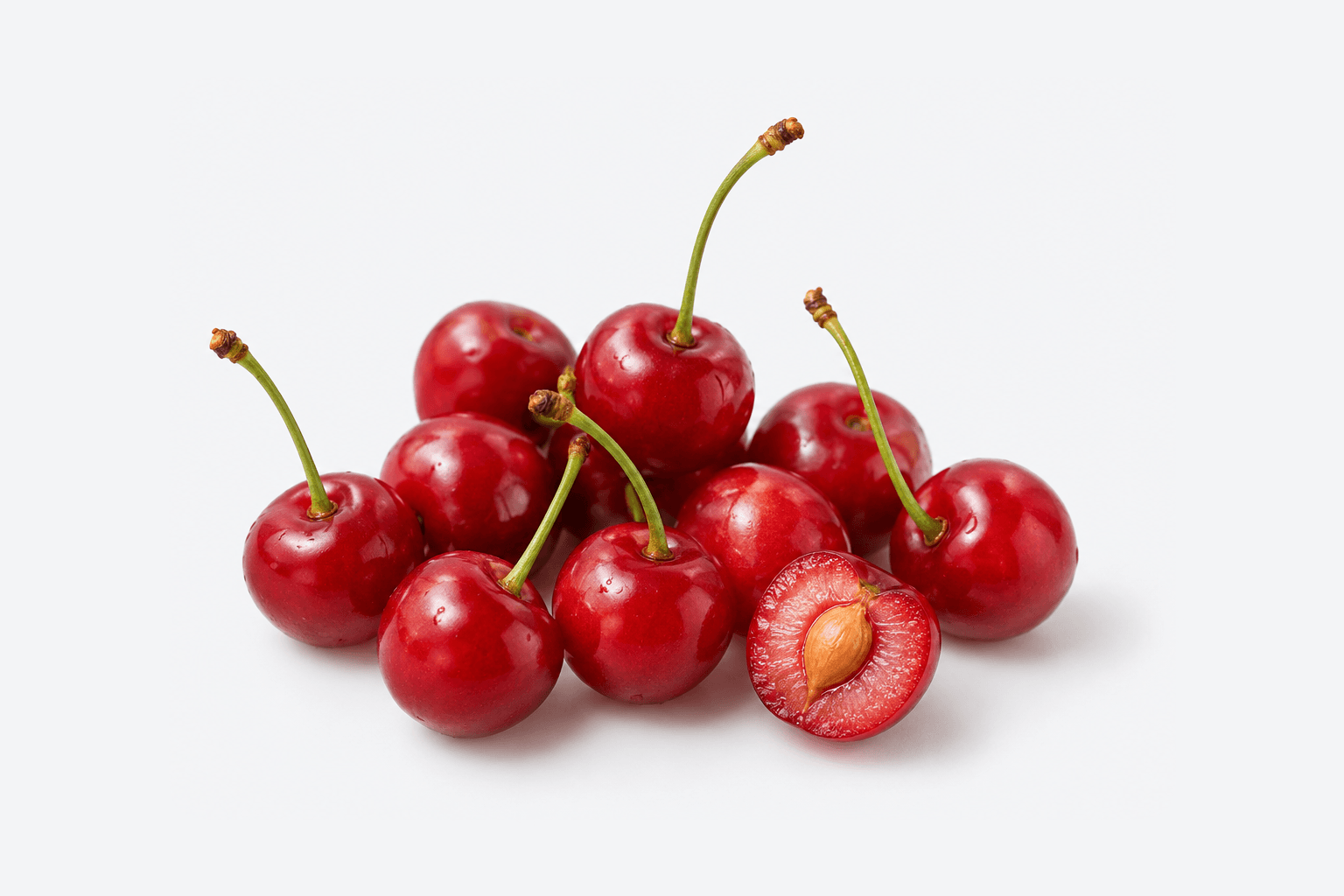
Tart cherries

Twenty people on juice concentrate for seven days slept longer and more efficiently. Thirty-four people on a 500 mg capsule for fourteen days showed no change on any measure.

Prunes

Fruits

Moderate evidence

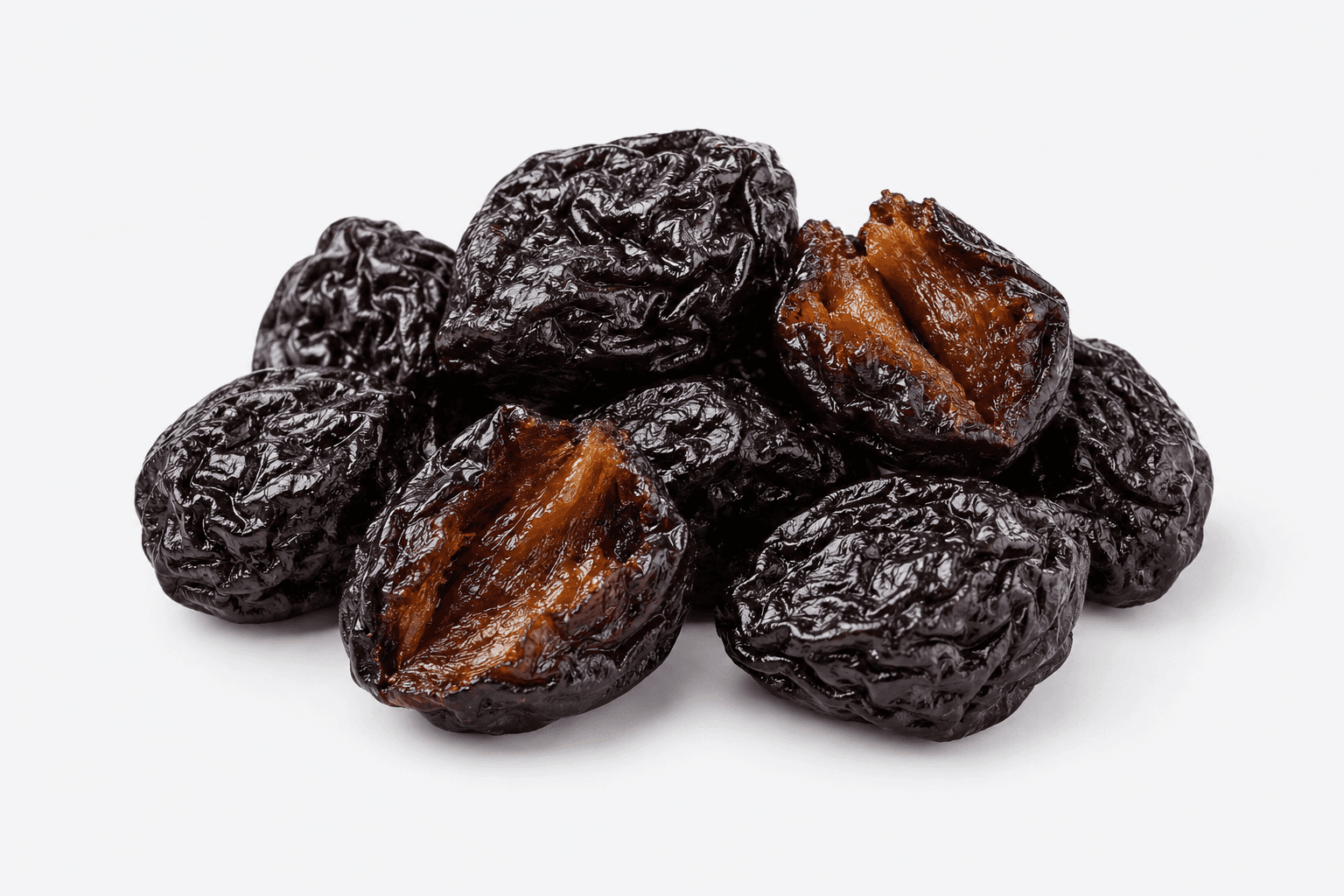
Prunes

In a 12-month trial in 235 postmenopausal women, 50 g a day preserved hip bone density and 100 g did not — because 41% of the 100 g group dropped out.

Watermelon

Fruits

Moderate evidence

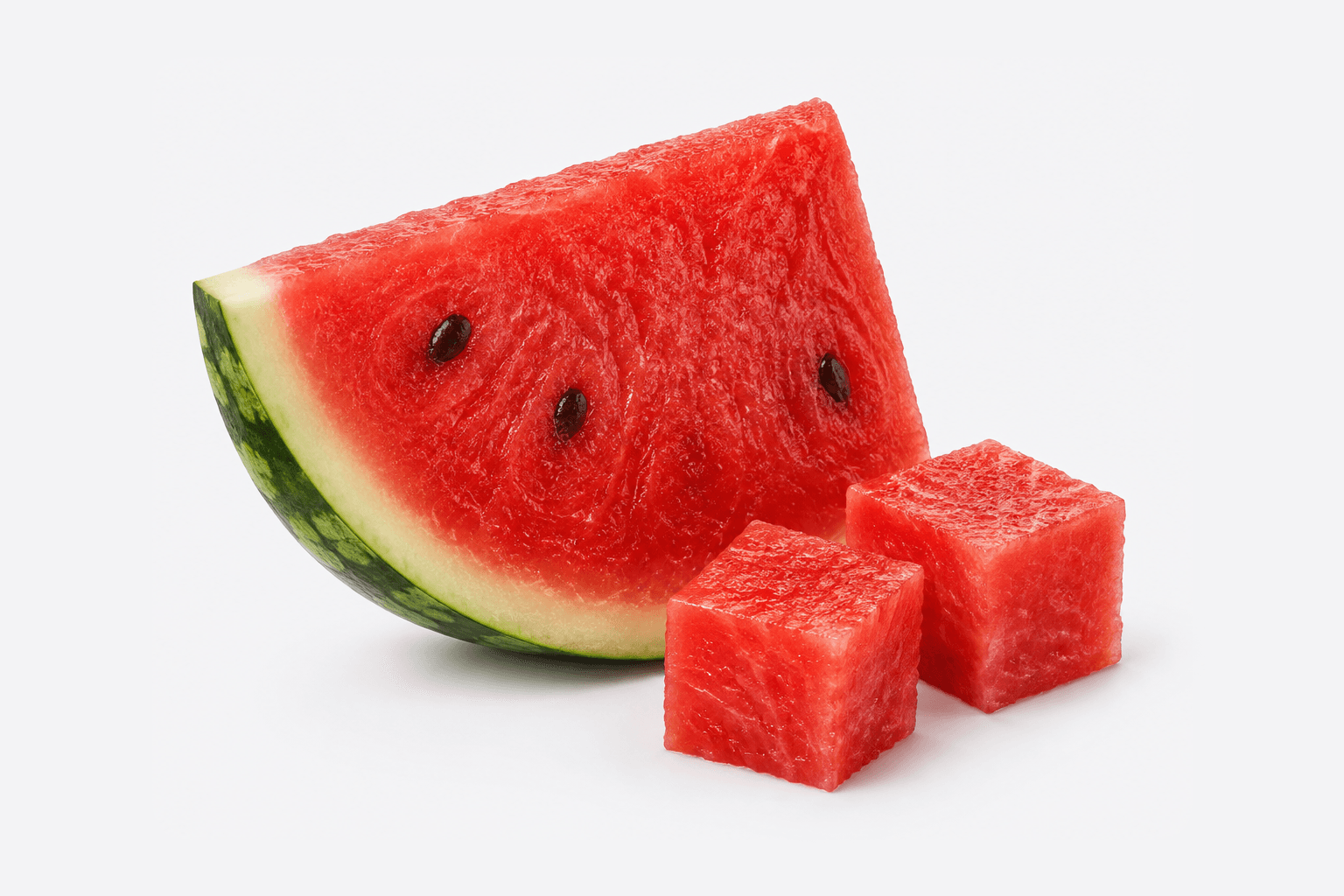
Watermelon

4,530 µg of lycopene per 100 g — 1.8 times the raw tomato's 2,573 µg. There is a blood pressure analysis too, but it is not an analysis of watermelon.

Cranberry

Fruits

Strong evidence

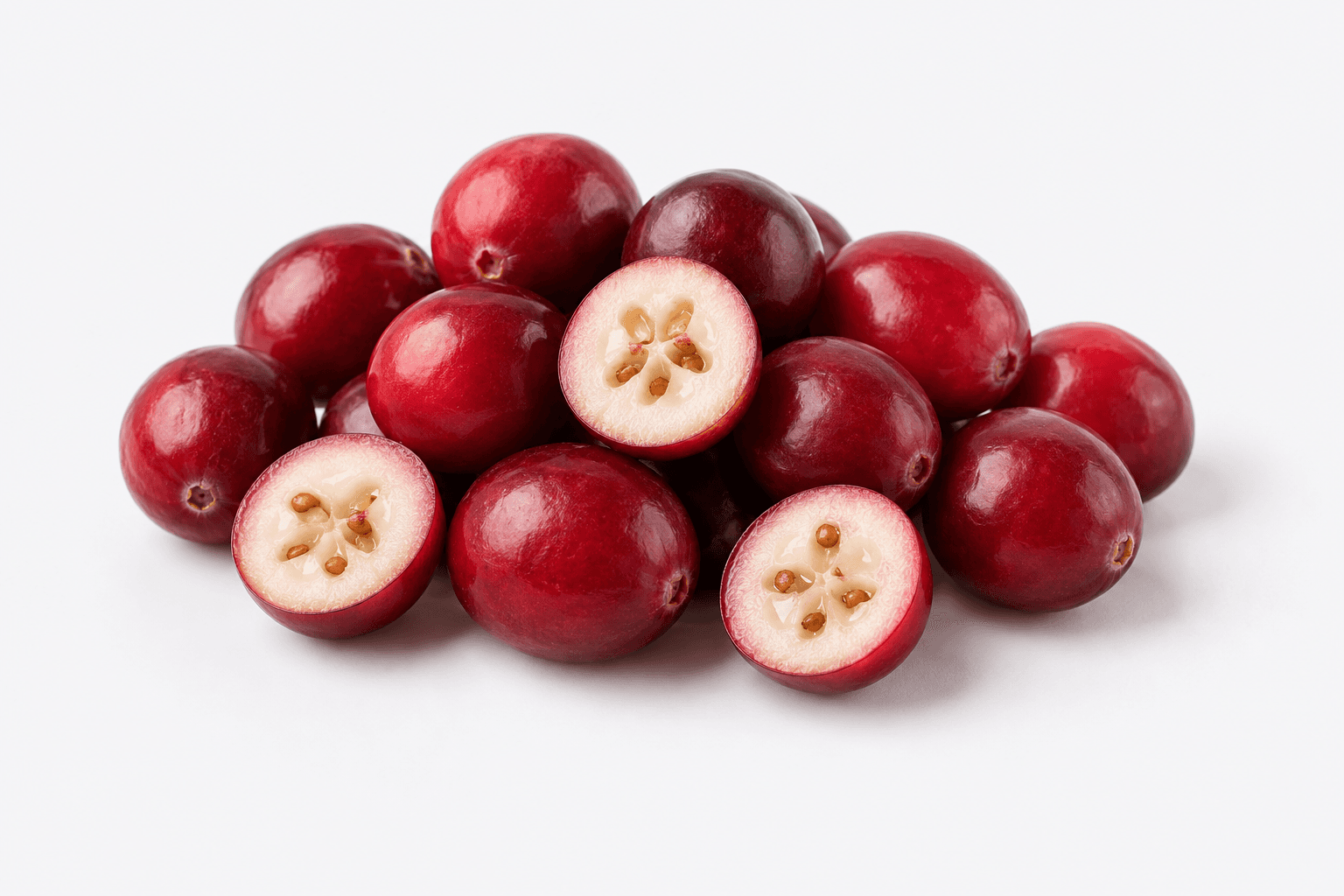
Cranberry

A Cochrane review of 50 randomised trials found a 30 % lower risk of UTI. But the effect appeared in some groups and not others.

Grapefruit

Fruits

Strong evidence

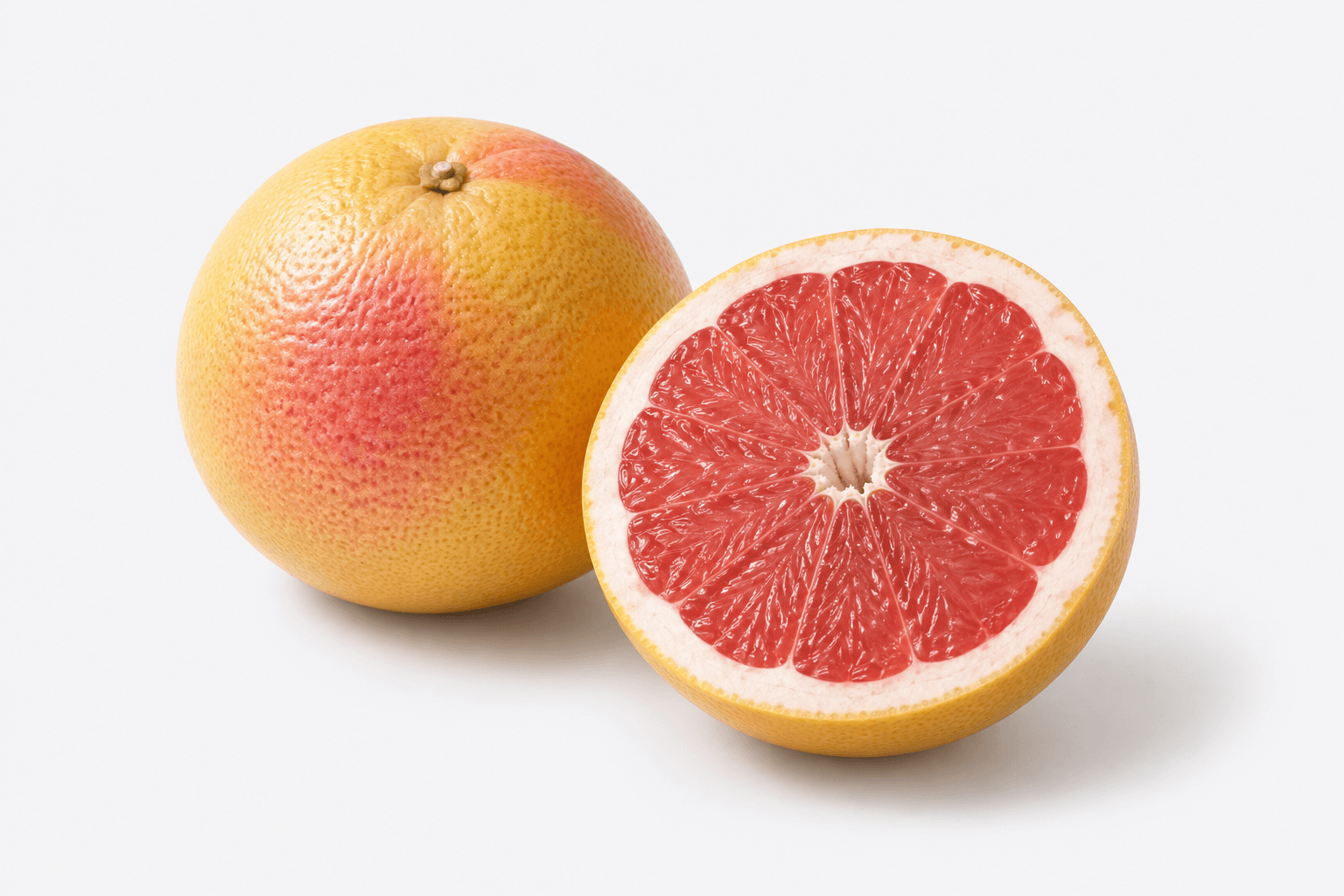
Grapefruit

Grapefruit blocks the gut enzyme (CYP3A4) that breaks down many drugs. Blood levels of some medicines rise, and one glass lasts more than a day.

Pear

Fruits

Moderate evidence

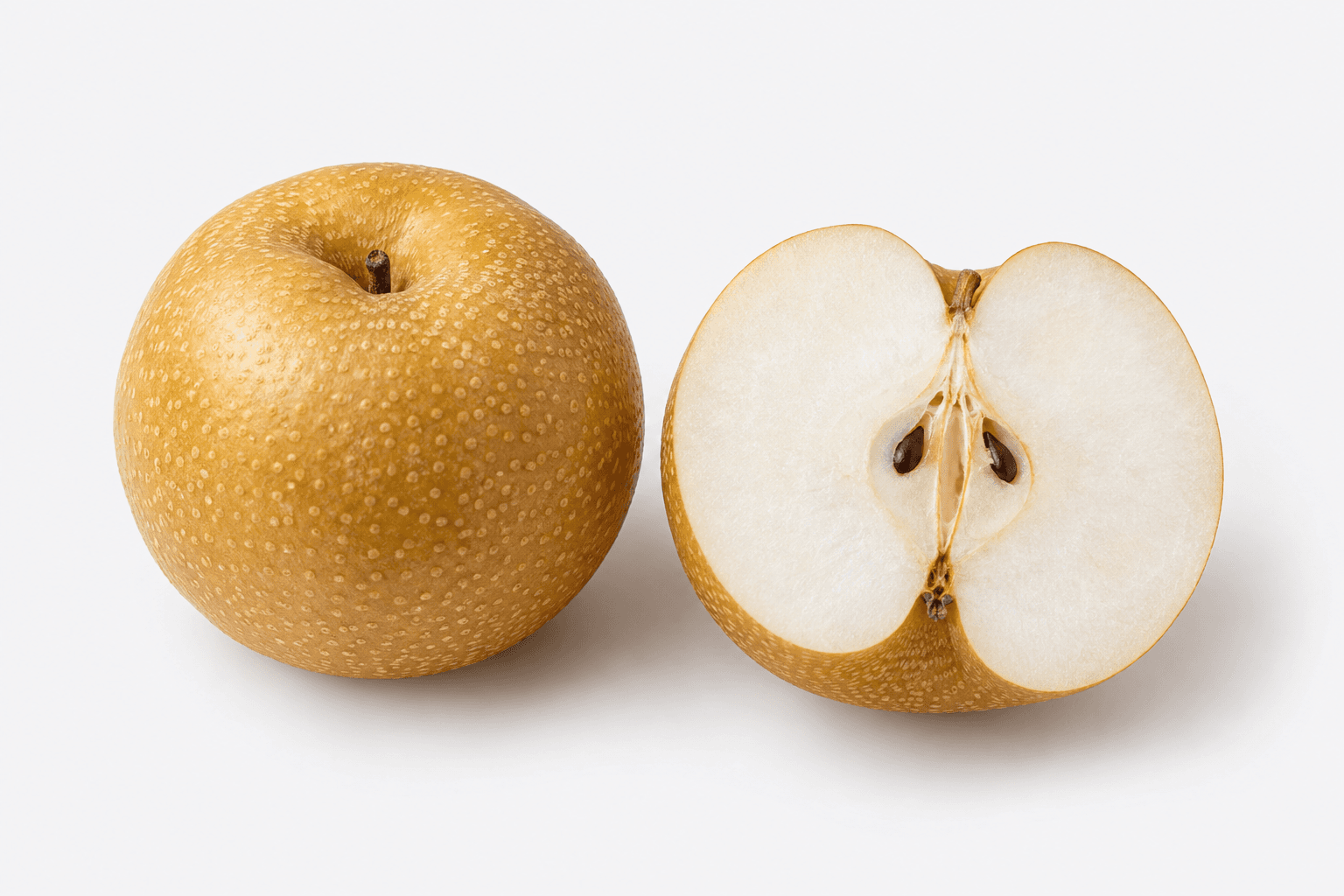
Pear

3.6 g of fibre in 42 kcal per 100 g. A trial of Korean pear juice did find hangover scores 16–21 % lower.

Grapes

Fruits

Moderate evidence

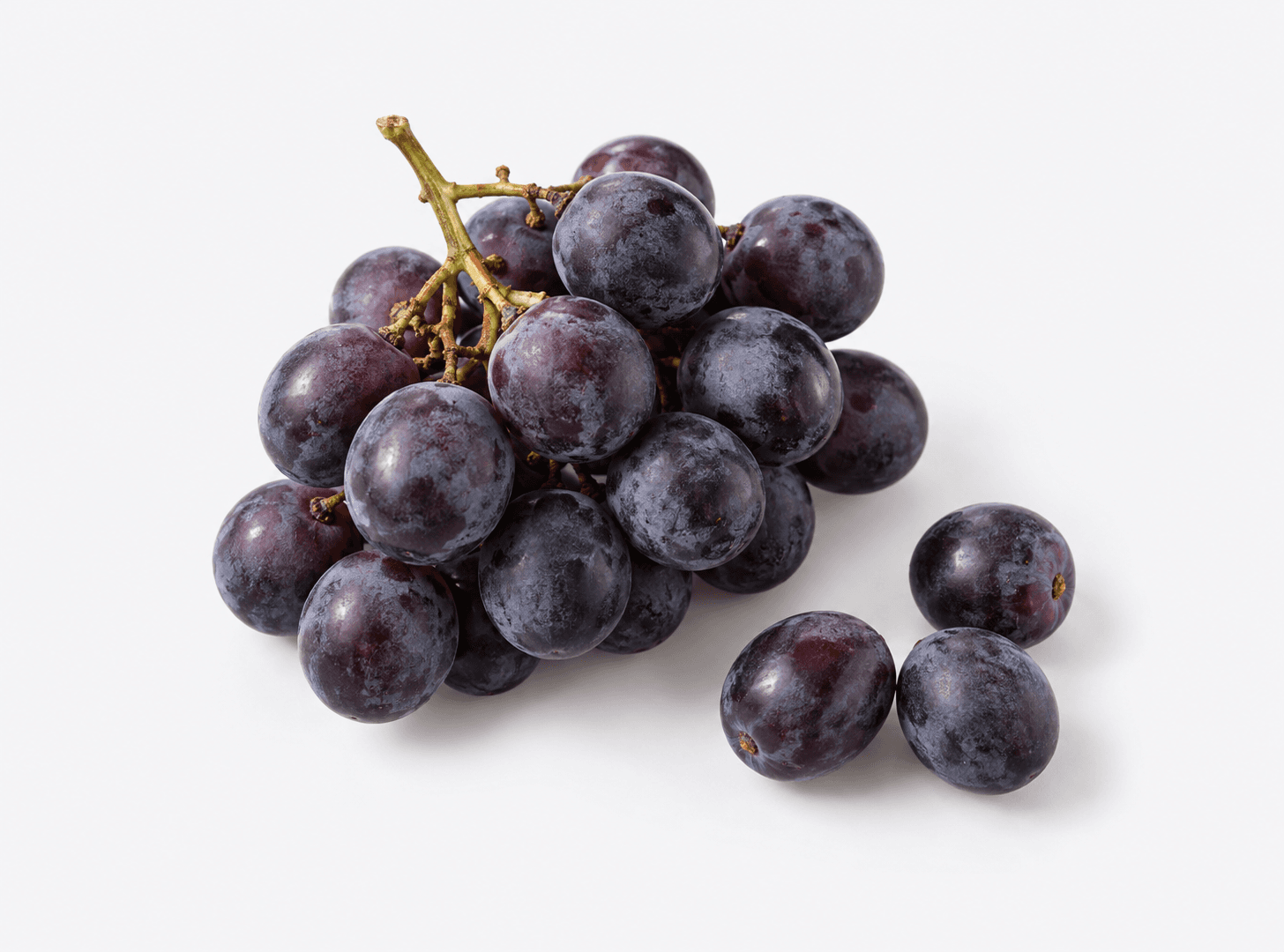
Grapes

Grape polyphenols lowered systolic blood pressure by 1.48 mmHg. Every resveratrol trial used a supplement.

Strawberry

Fruits

Moderate evidence

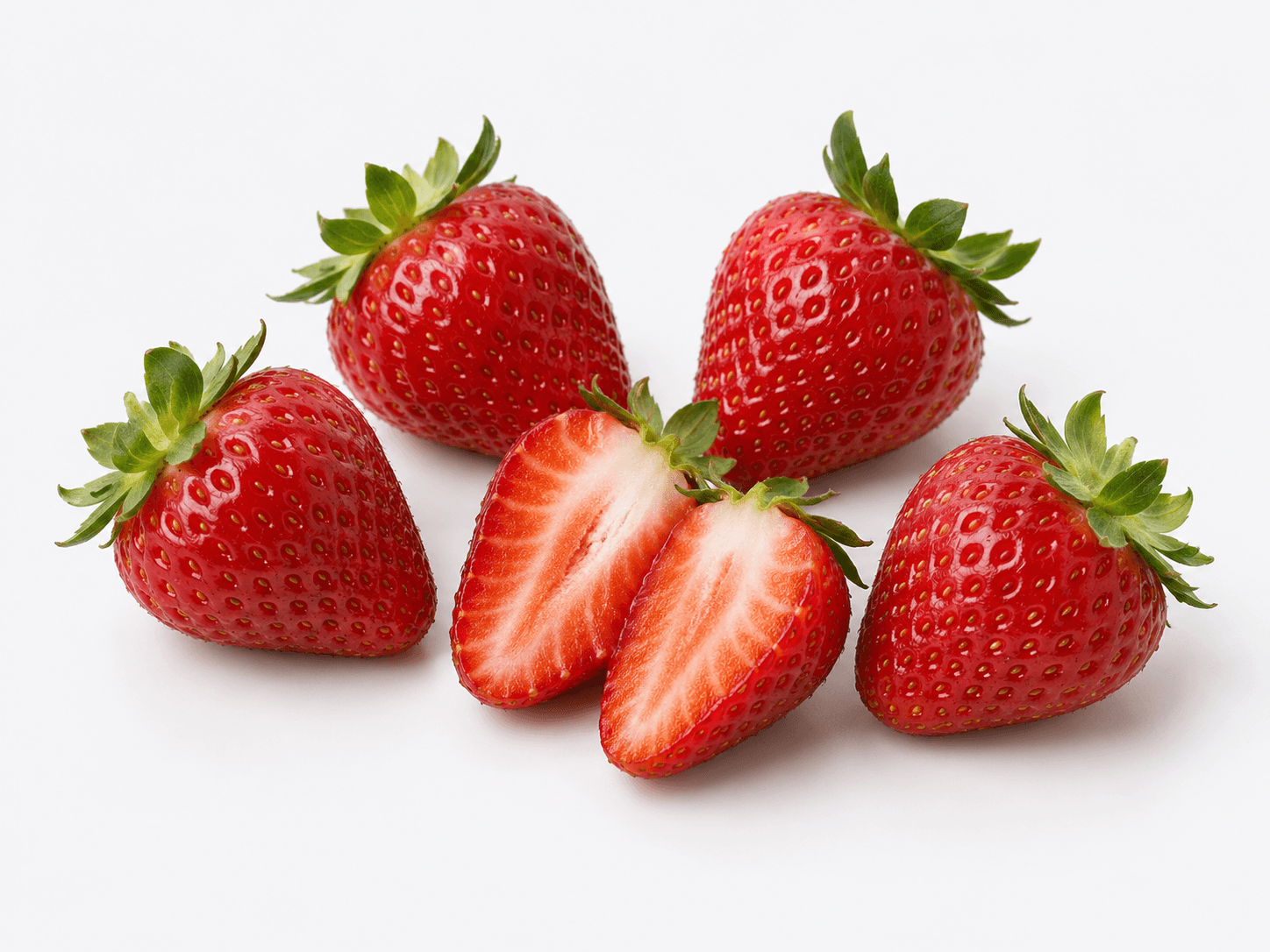
Strawberry

Eight berries cover your vitamin C for the day. But the randomised trial that tried to lower cholesterol with strawberries failed on its target measure.

Aronia (chokeberry)

Fruits

Early research

Aronia (chokeberry)

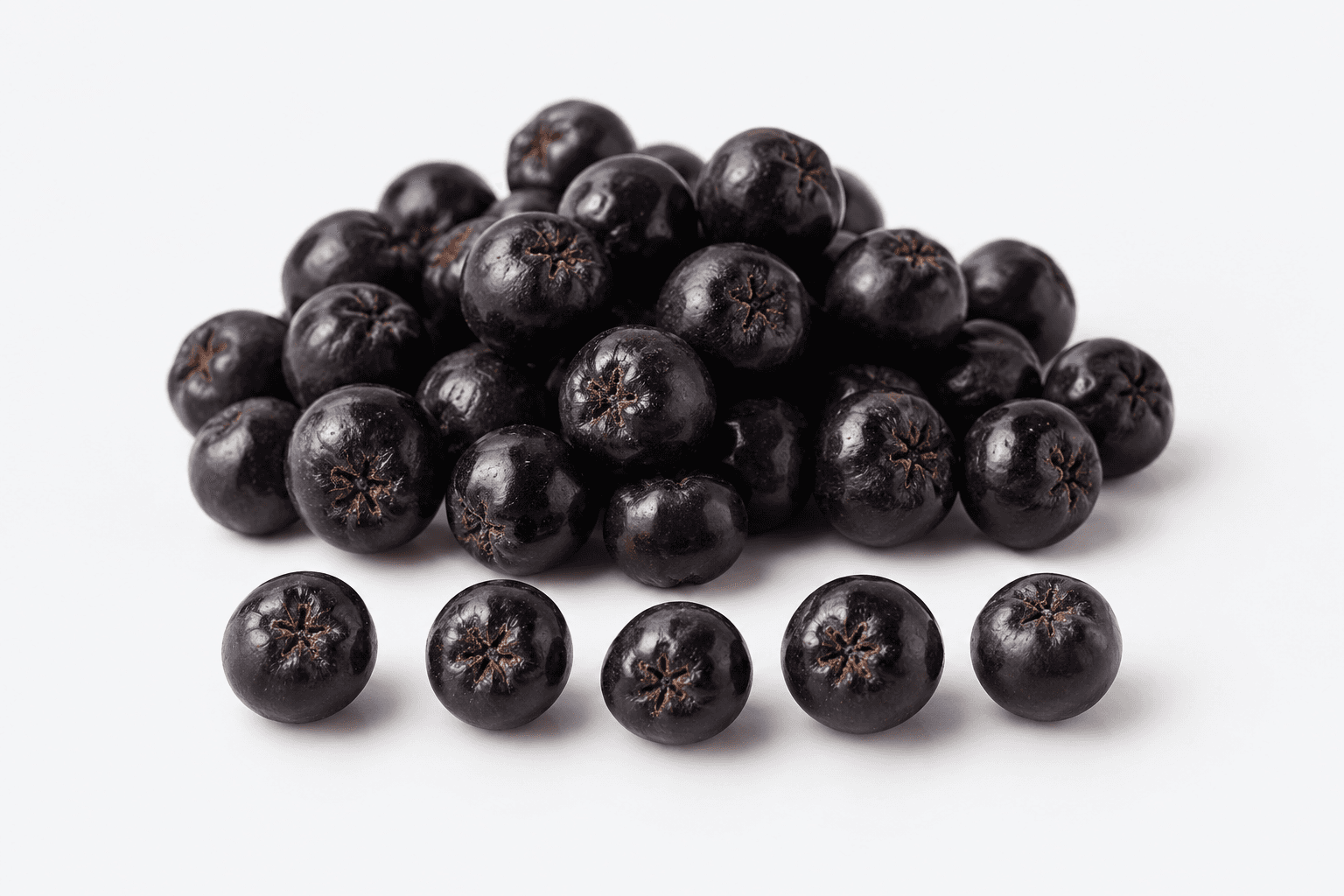
Aronia sits at the very top of fruits for anthocyanin content. The problem is that it is too astringent to eat plain.

Jujube

Fruits

Early research

Jujube

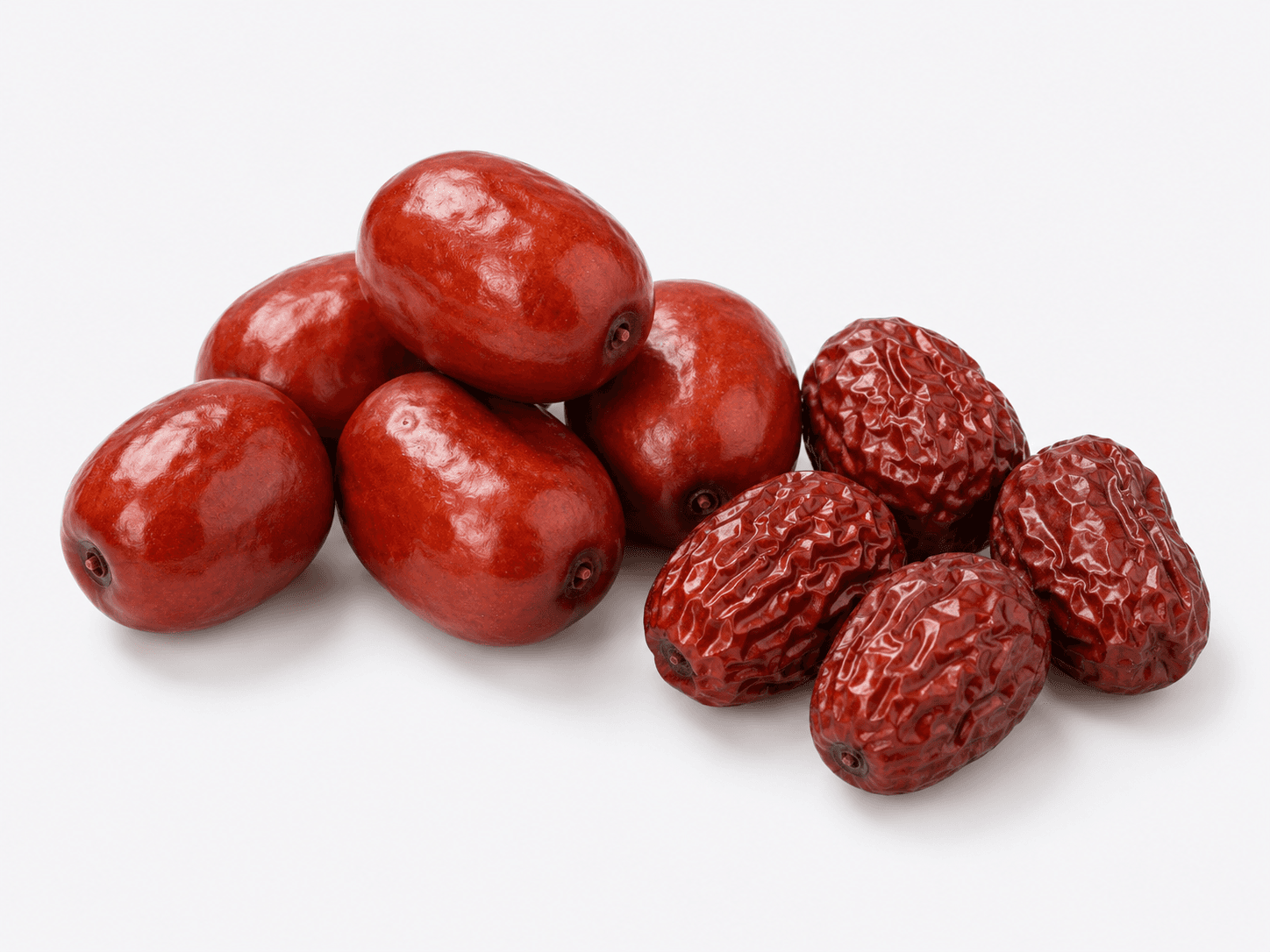
Fresh jujube beats orange on vitamin C. Dried, most of that is gone and what remains is concentrated sugar.

Pomegranate

Fruits

Moderate evidence

Pomegranate

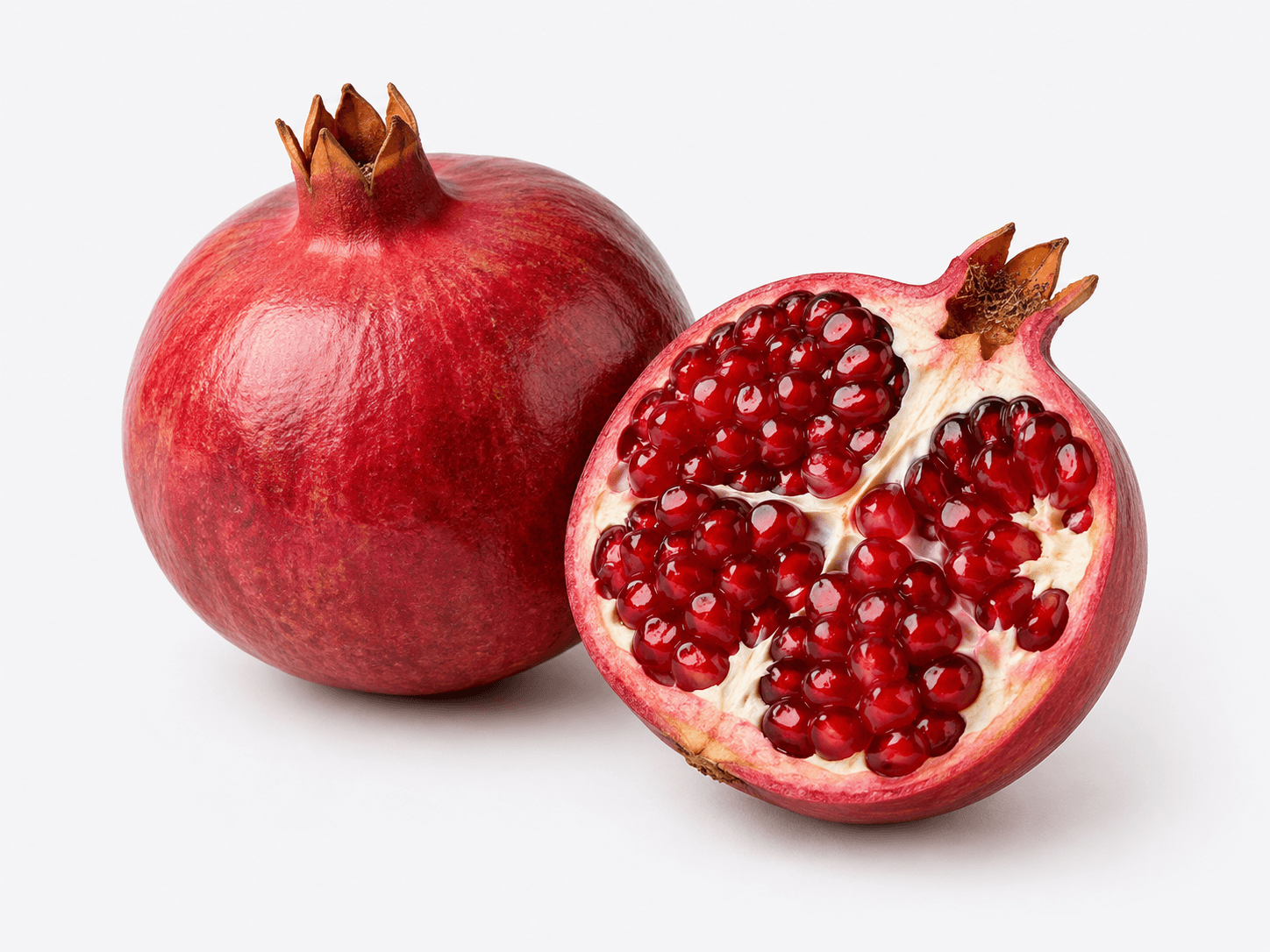
Its antioxidant capacity really is high. The hormonal marketing, though, runs well ahead of the evidence.

Kiwi

Fruits

Moderate evidence

Kiwi

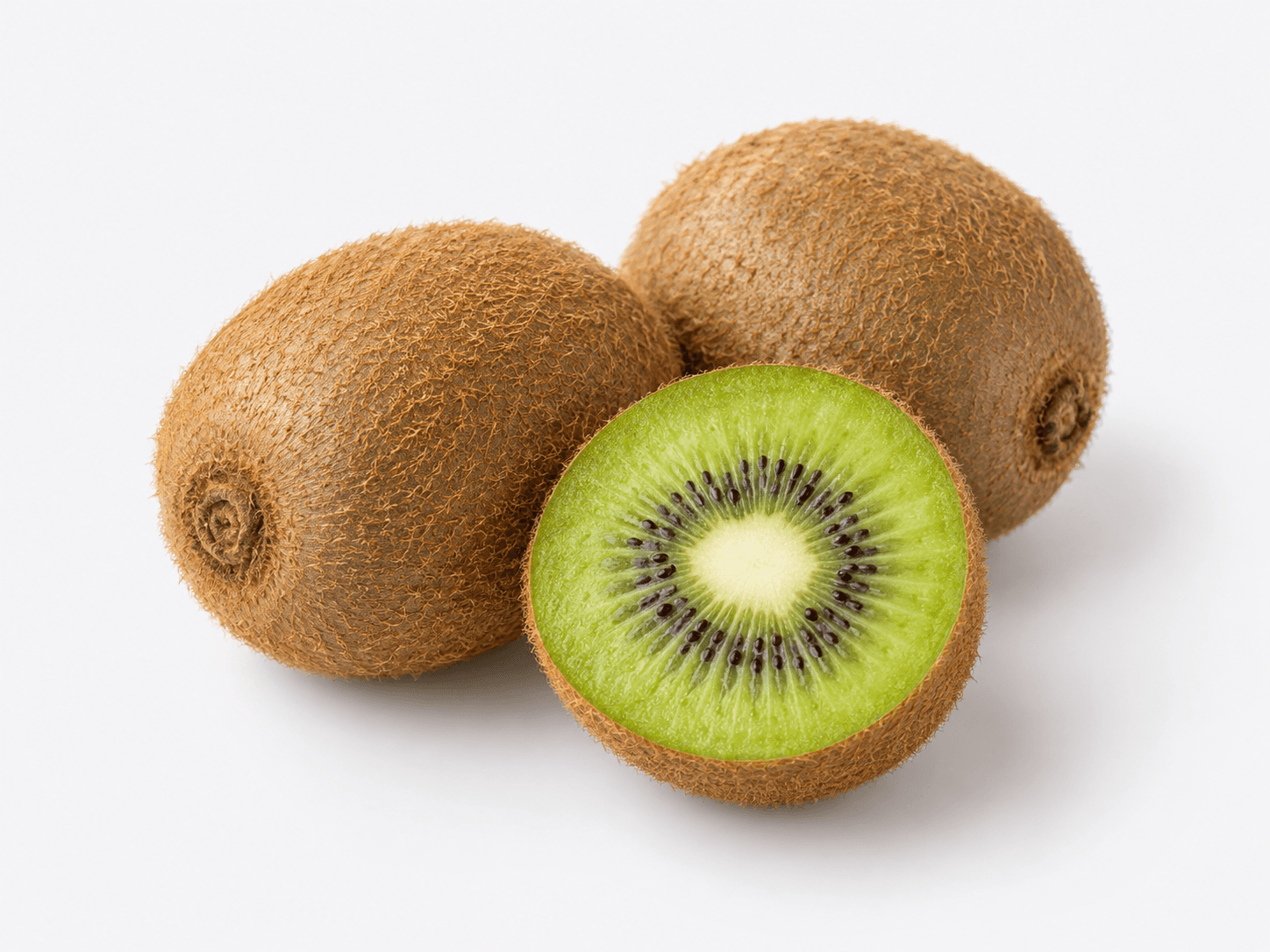
Kiwi is one of very few fruits with trial evidence for improving bowel movements at two a day. It also carries a protein-digesting enzyme.

Orange

Fruits

Moderate evidence

Orange

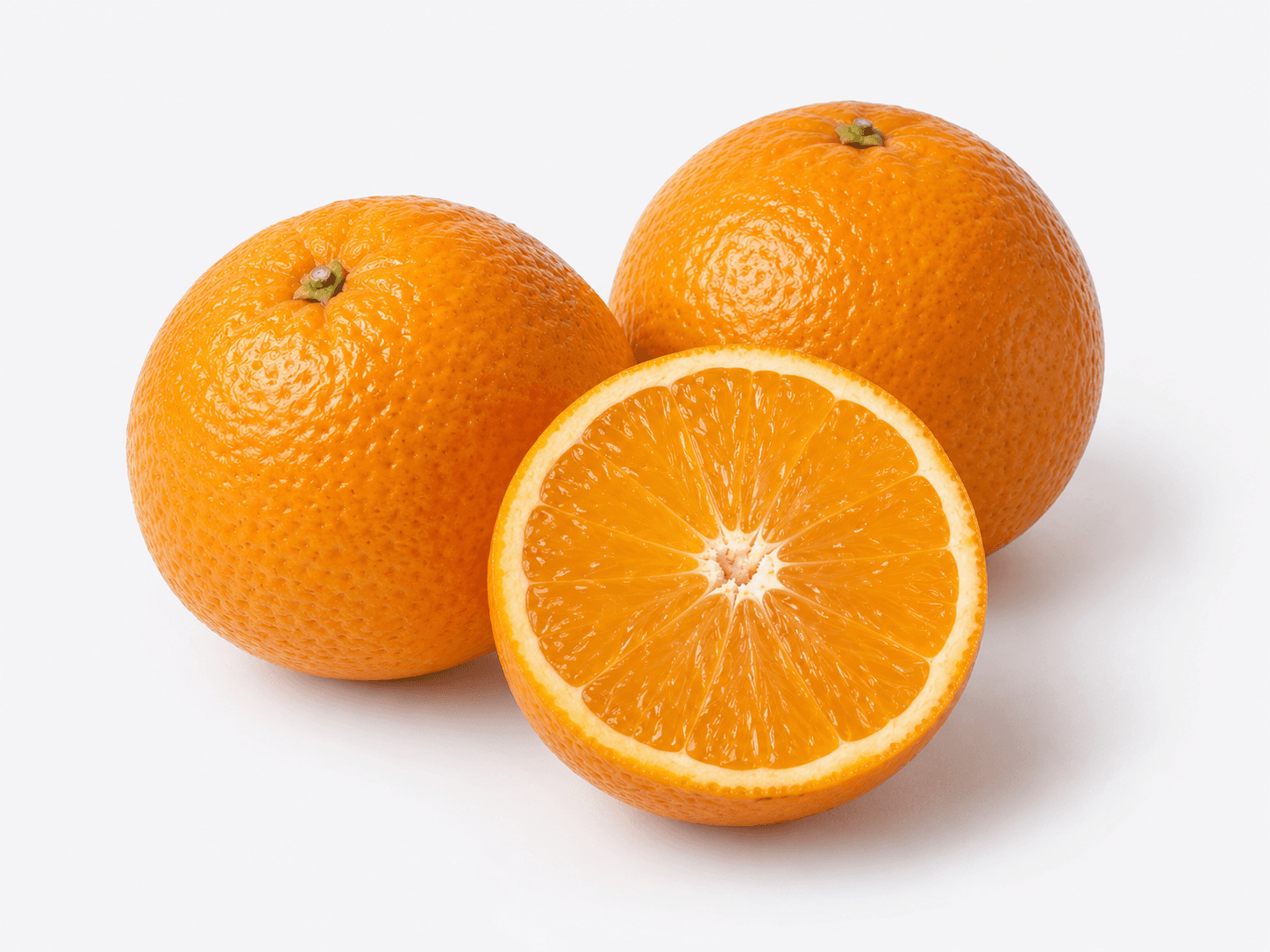
Everyone knows about the vitamin C. Less known is that the white pith people pick off carries the fibre and flavonoids.

Apple

Fruits

Moderate evidence

Apple

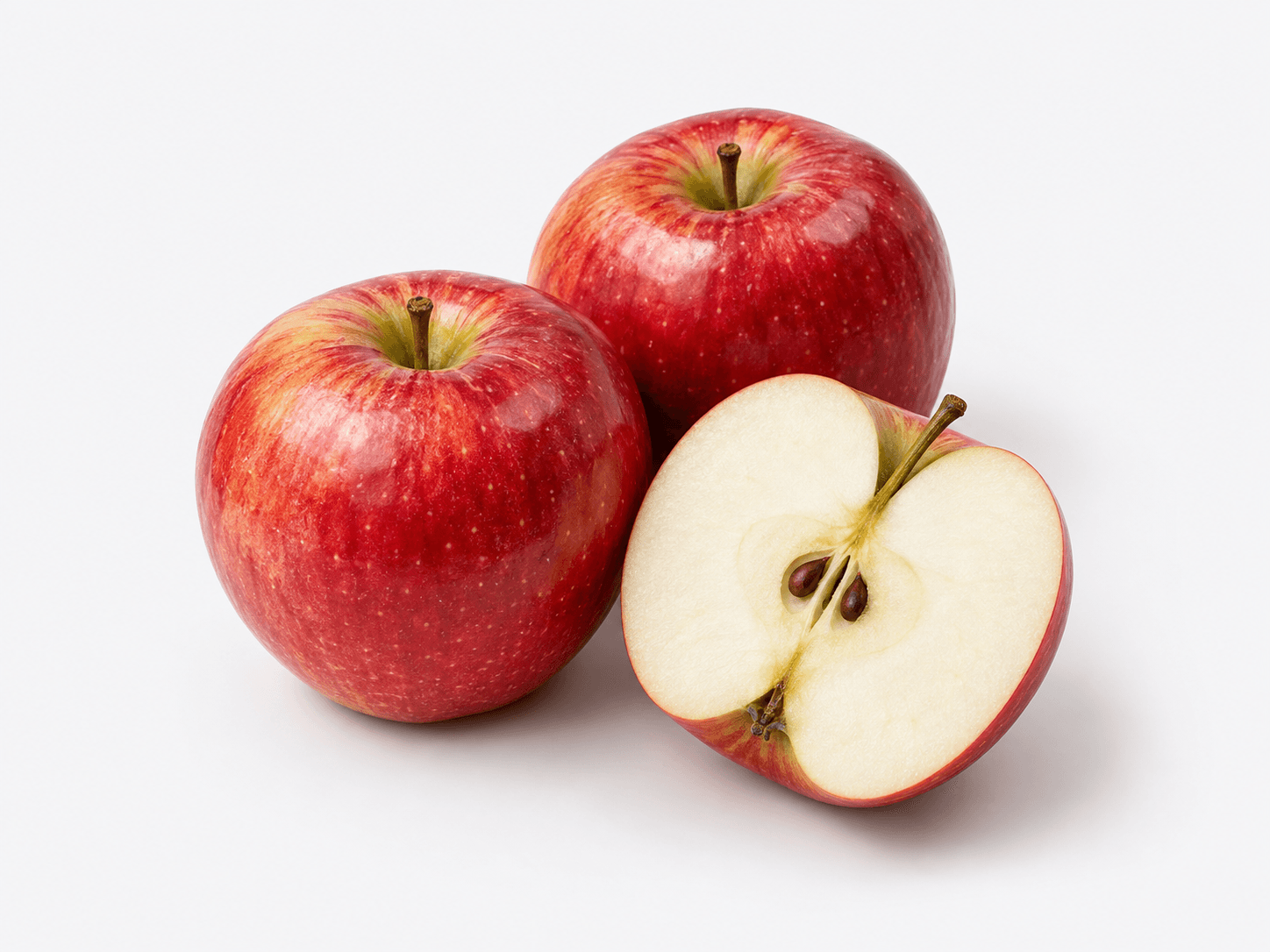
Most of an apple's fibre and polyphenols live in the skin. Peel it and what remains is mostly sugar and water.

Banana

Fruits

Moderate evidence

Banana

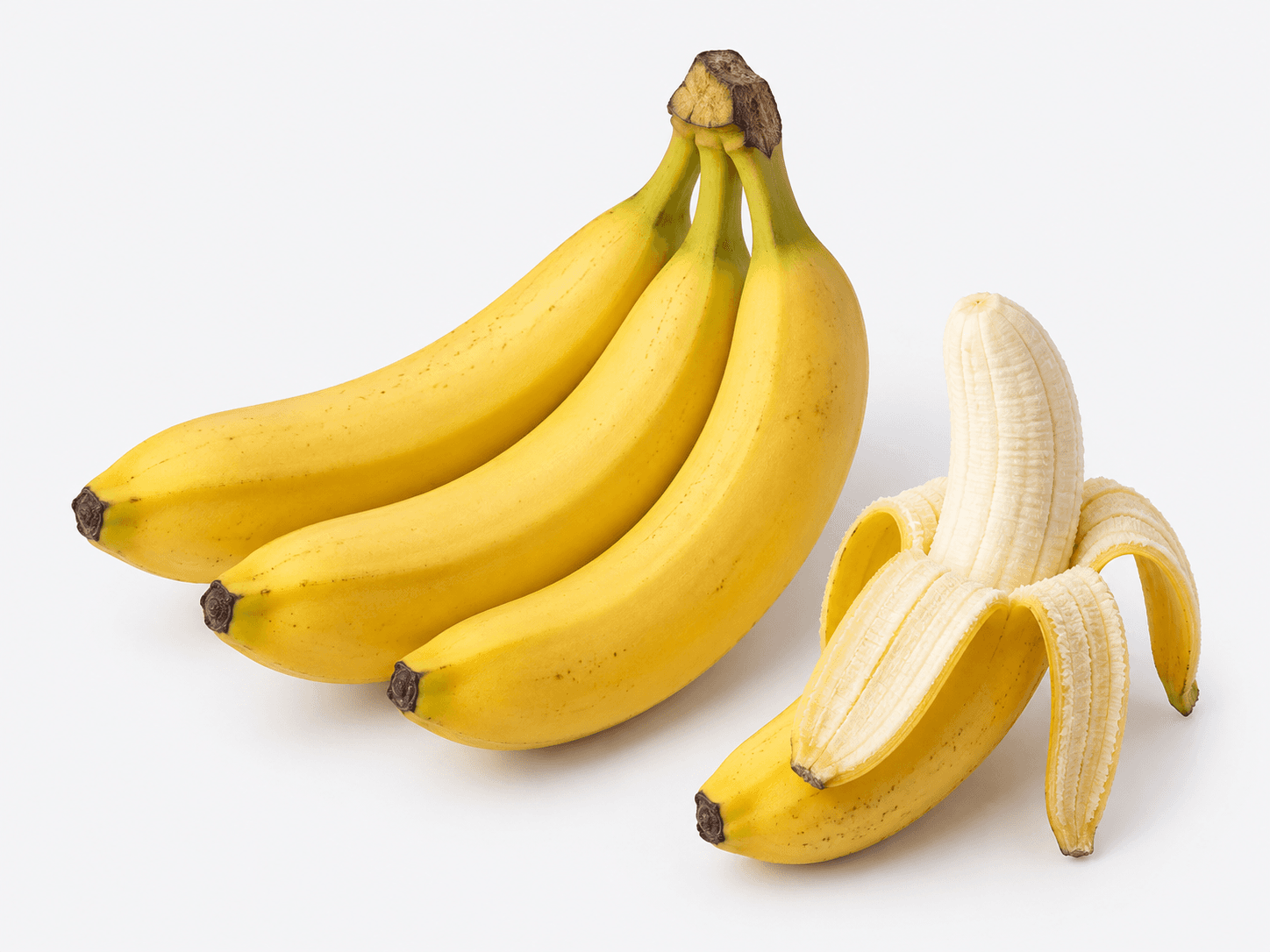
A green banana is mostly resistant starch; a ripe one is fast sugar. Choose the stage that matches what you want from it.

Avocado

Fruits

Moderate evidence

Avocado

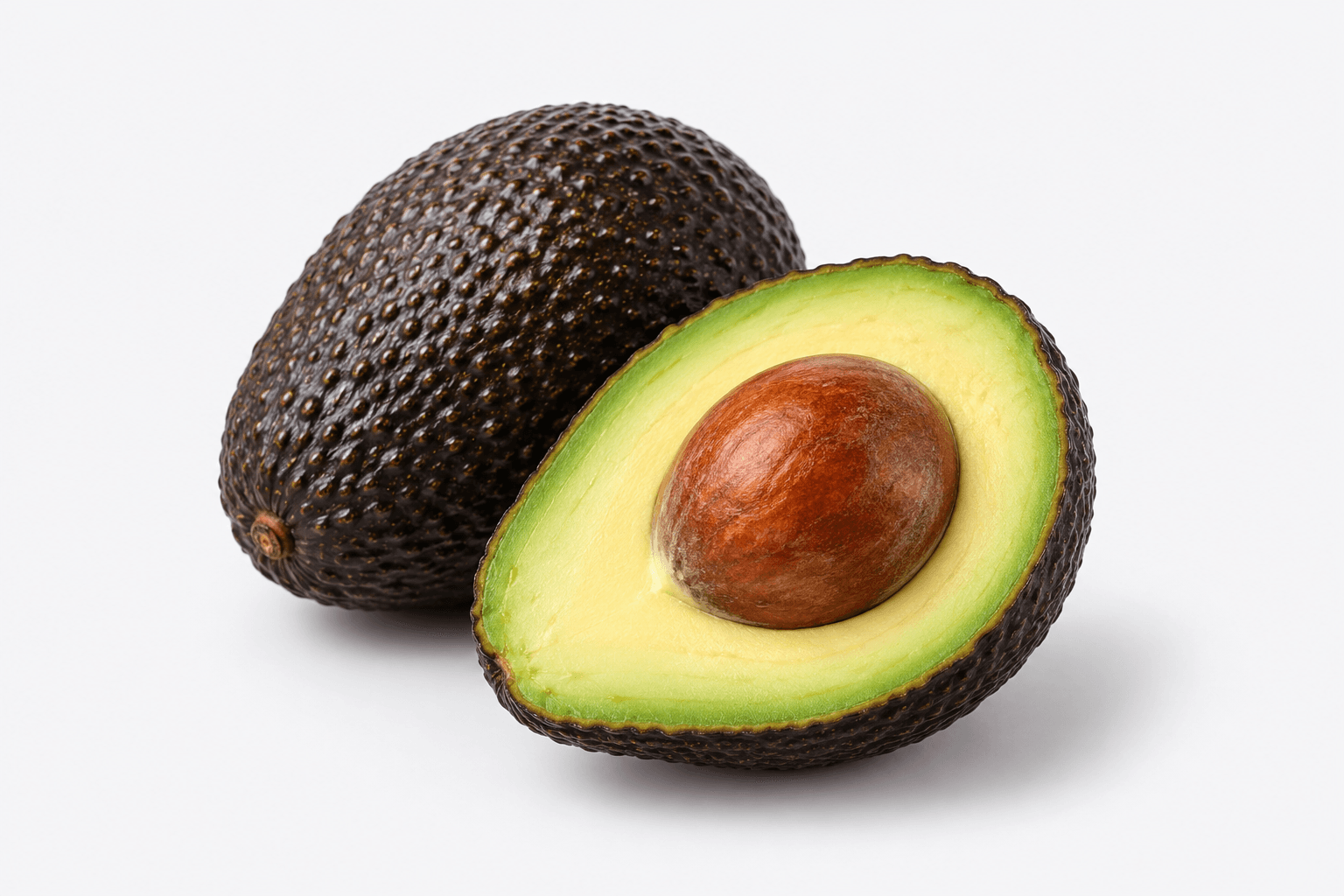
Monounsaturated fat and 6.7 g of fibre are the headline, but the most interesting part is what avocado does to the vegetables you eat alongside it.

Blueberry

Fruits

Moderate evidence

Blueberry

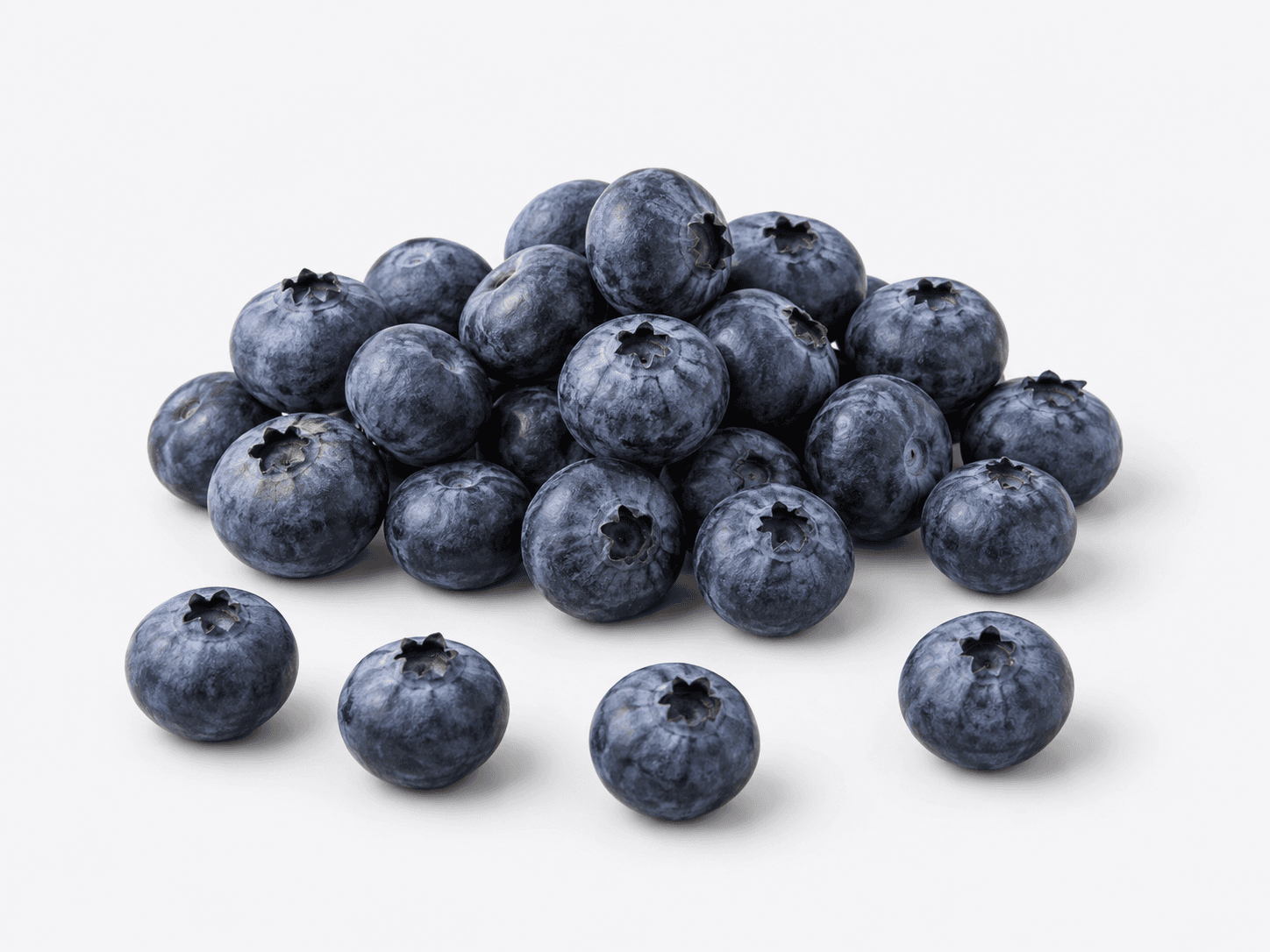
Anthocyanins — the pigment behind the blue — are the compound that keeps showing up in vascular and cognitive research. A handful a day is the studied dose.

Recipes

Compare

Send feedback