Filter by category or search for the ingredient you have in the kitchen.
77 ingredients
Tea & drinks
Moderate evidenceA Cochrane review pooled 35 randomised trials and 1,804 people. Systolic fell 1.76 mmHg. In people with normal blood pressure, there was no significant difference.
Dairy & eggs
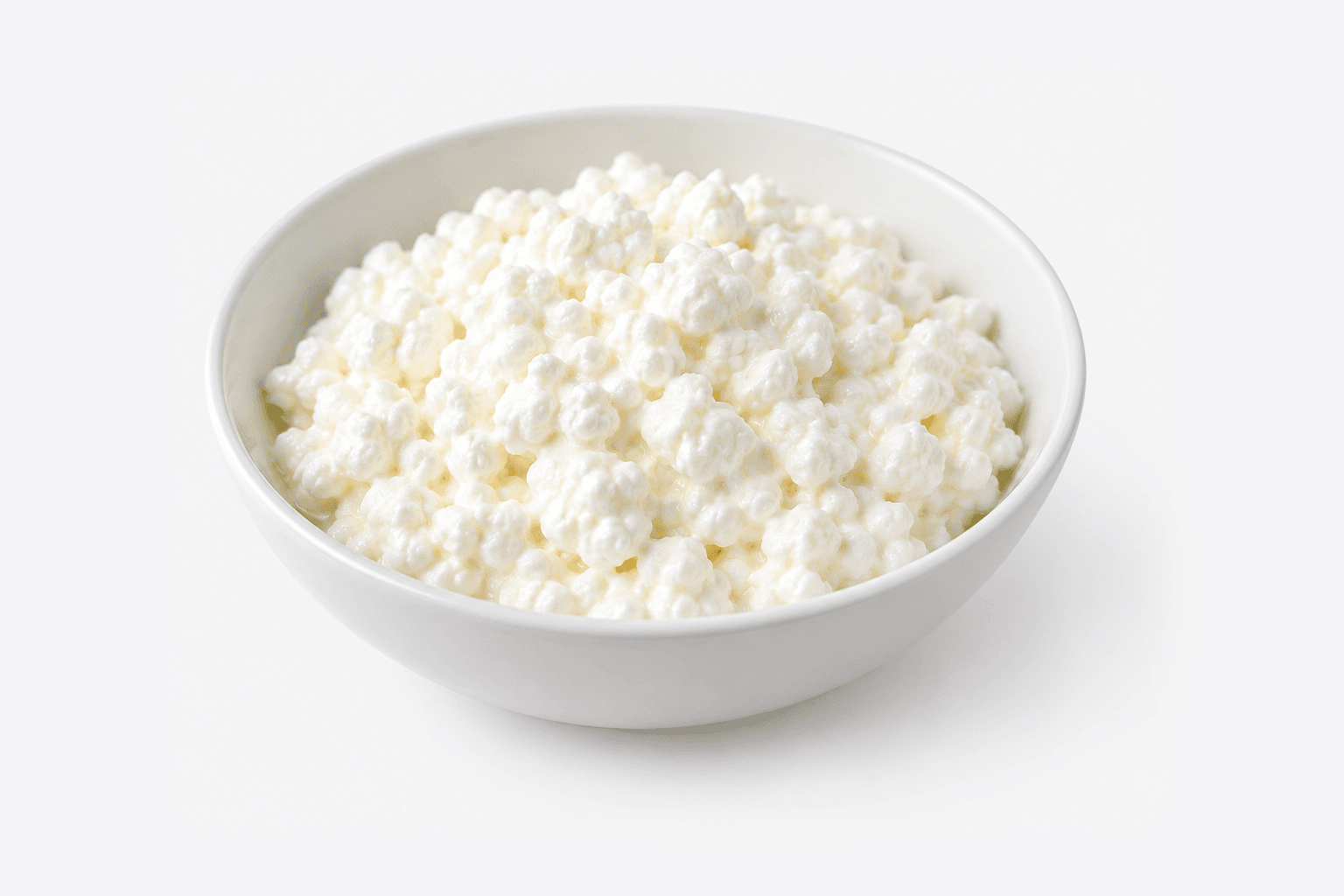
Moderate evidence12.4 g of protein per 100 g, for 72 kcal. But calcium is 61 mg — 9% of cheddar's 707 mg. The way it is made is why.
Dairy & eggs
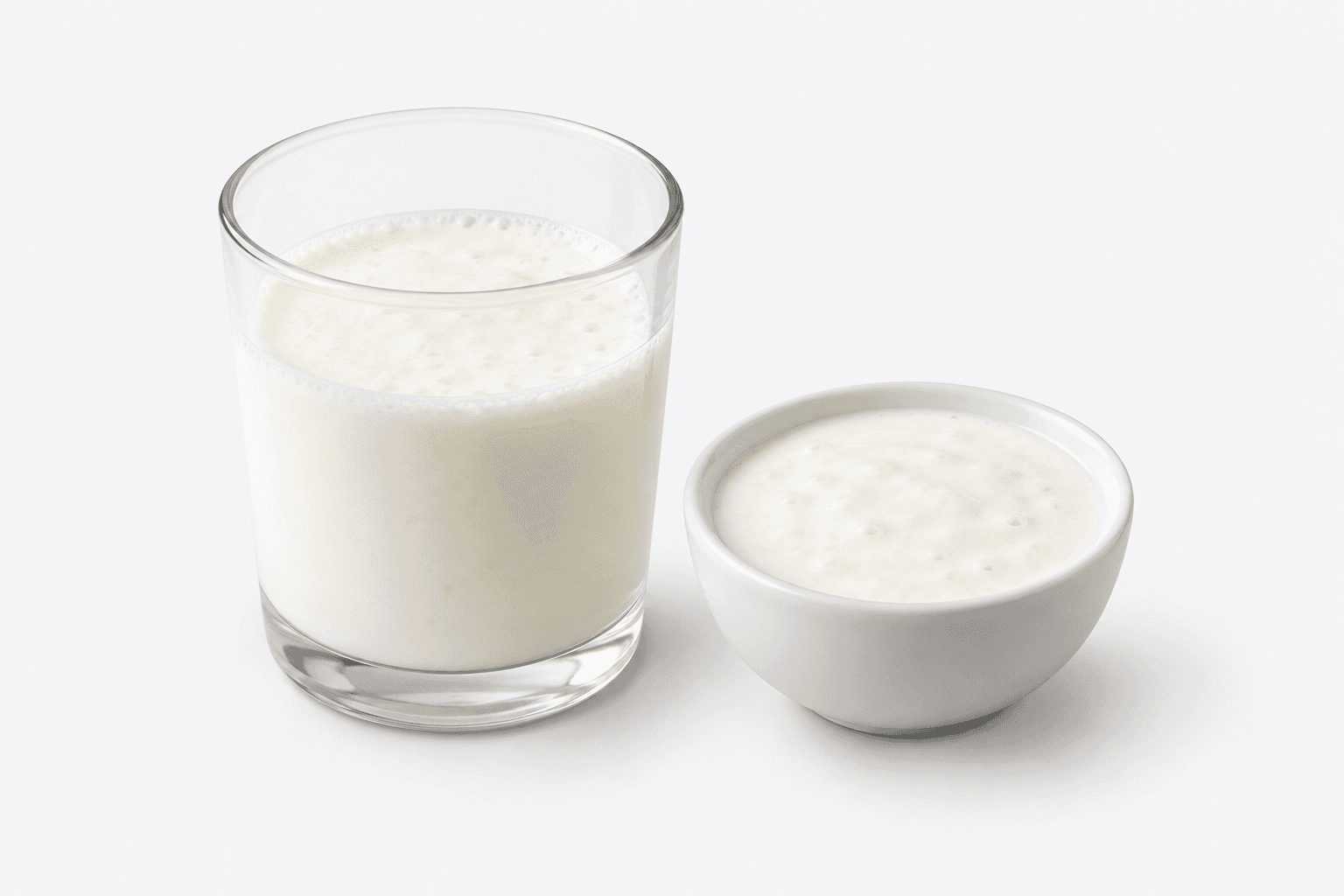
Moderate evidencePooling the randomised trials, blood pressure, CRP, cholesterol, blood sugar and weight all stayed put. Two things changed: fasting insulin, and lactose digestion.
Seafood
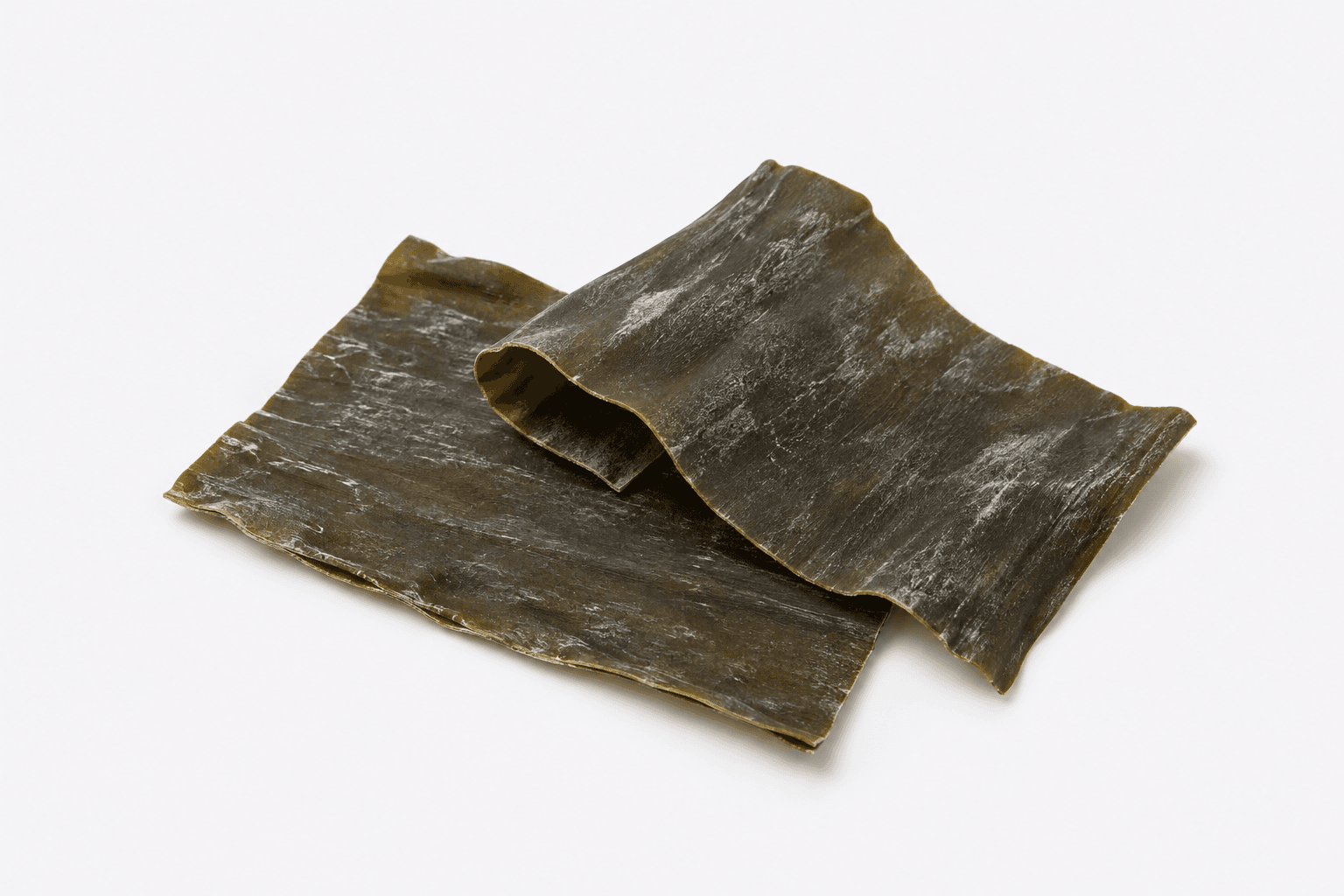
Moderate evidenceKoreans take three times more iodine from kelp broth than from kelp itself: 348 µg a day against 116 µg. Fishing the kelp back out does not take the iodine with it.

Meat
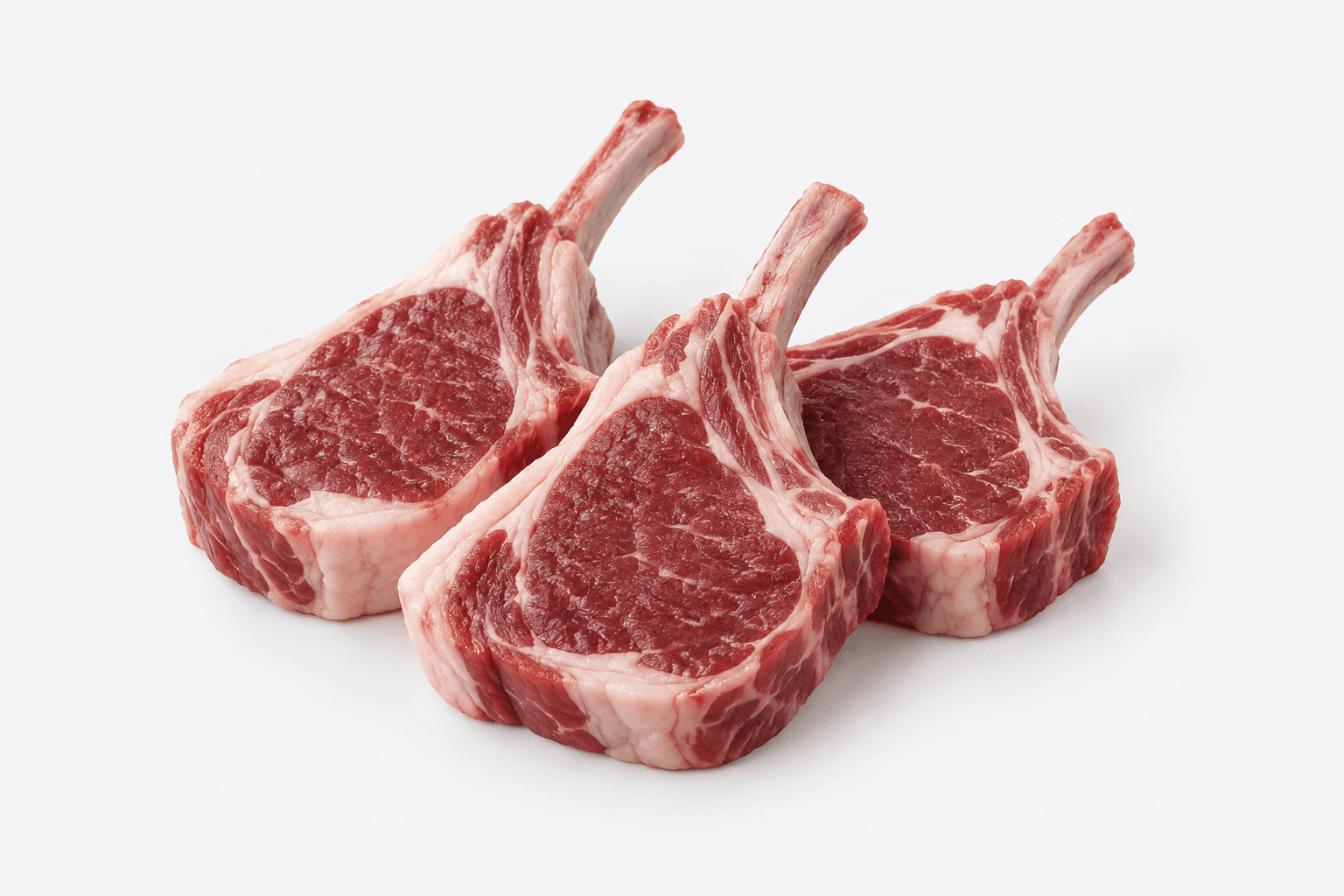
Moderate evidence2.31 µg of B12, 3.41 mg of zinc, 18.8 µg of selenium. And it is red meat — one analysis puts colorectal cancer risk 14% higher per 100 g a day.

Nuts & seeds
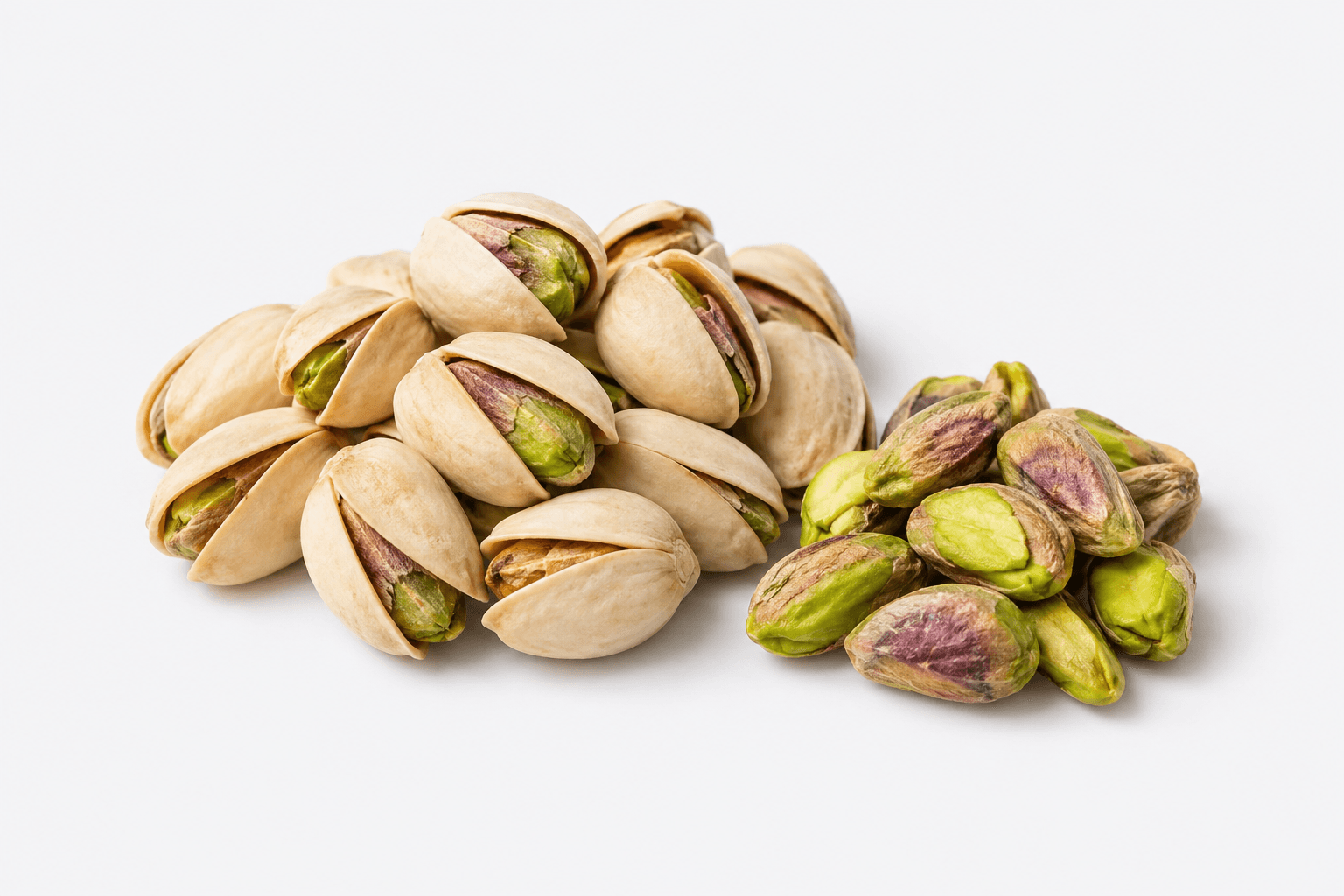
Moderate evidence2,900 µg of lutein and zeaxanthin per 100 g, against 1 µg in almonds and 9 in walnuts. Twelve randomised trials show LDL falling — by 3.82 mg/dL.

Fruits
Moderate evidenceIn a 12-month trial in 235 postmenopausal women, 50 g a day preserved hip bone density and 100 g did not — because 41% of the 100 g group dropped out.

Fruits
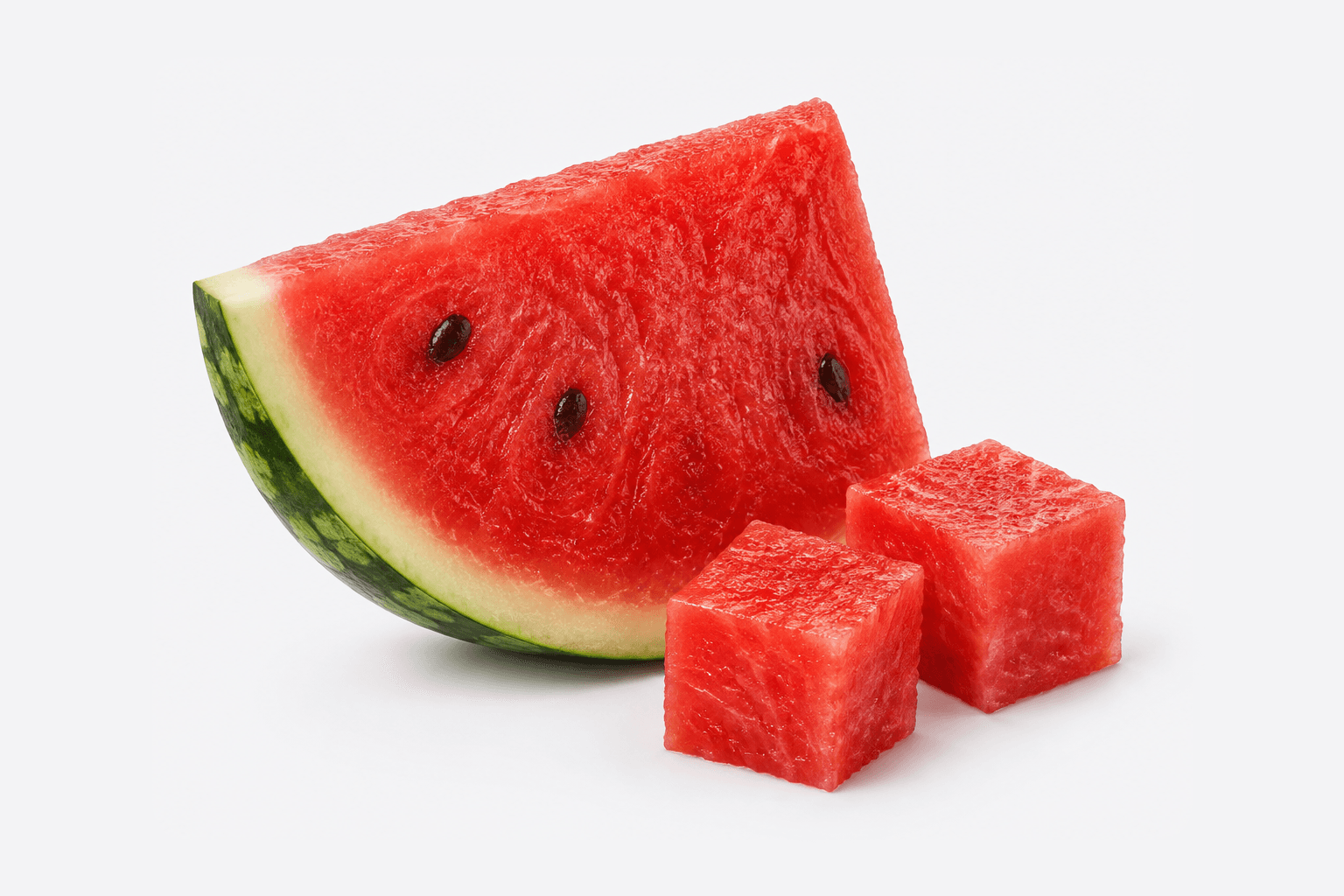
Moderate evidence4,530 µg of lycopene per 100 g — 1.8 times the raw tomato's 2,573 µg. There is a blood pressure analysis too, but it is not an analysis of watermelon.

Nuts & seeds
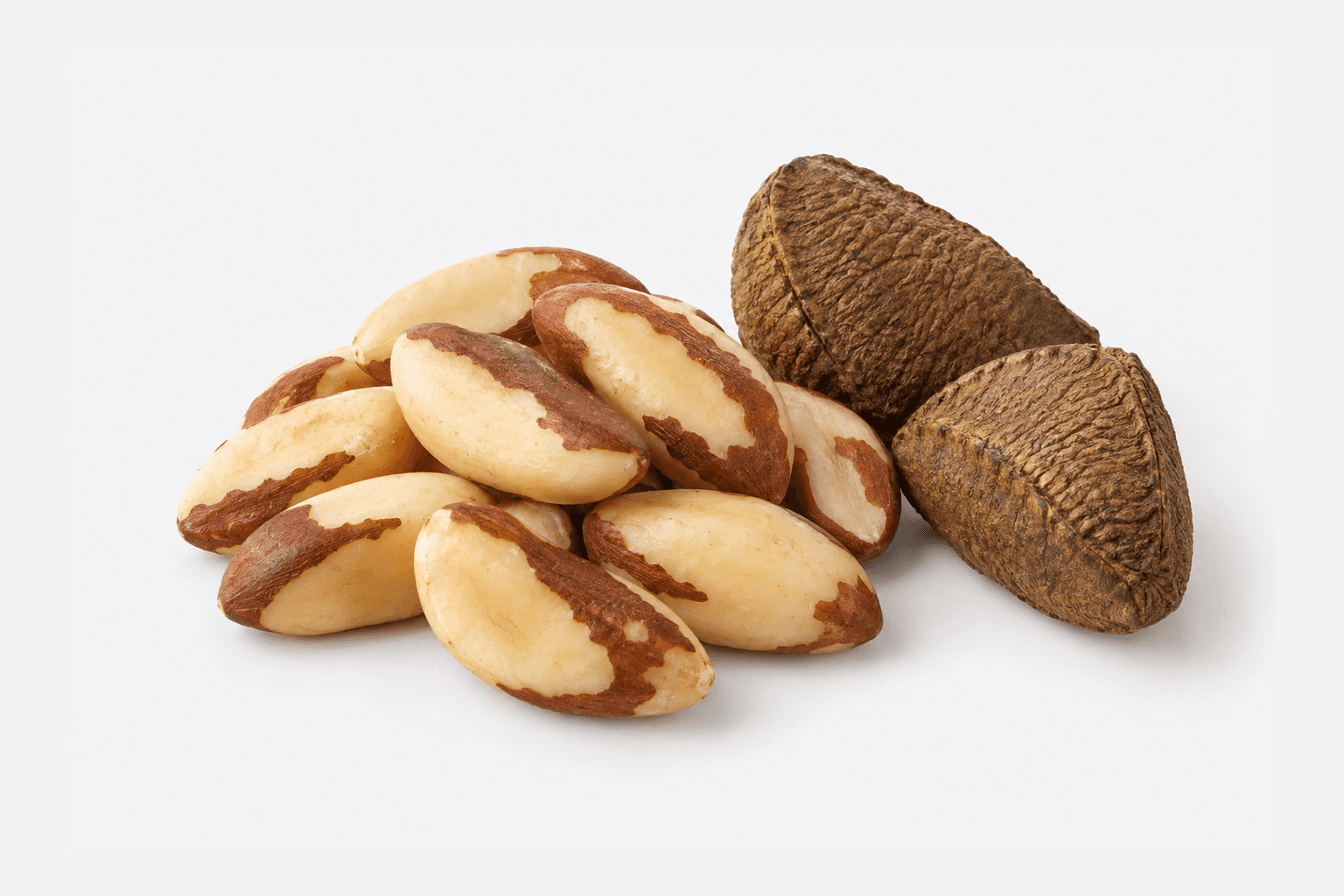
Moderate evidenceWithin USDA's own data the selenium figure ranges from 280 to 1,920 µg per 100 g, a sevenfold spread. It tracks the selenium in the soil the tree grew in.

Tea & drinks
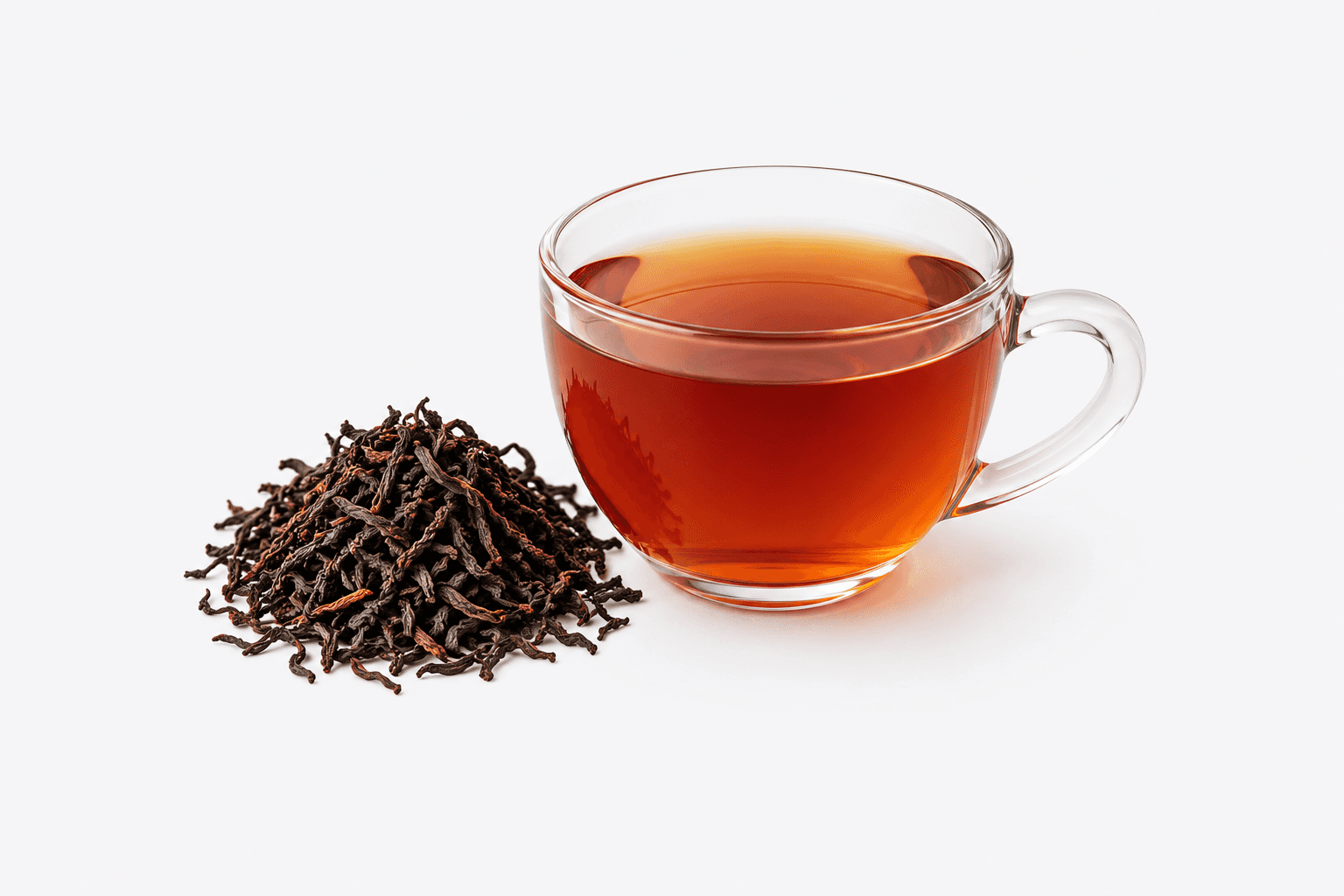
Moderate evidenceAcross 26 randomised trials and 1,797 participants, blood pressure fell dose-dependently. The claim that it matches antihypertensive drugs is not what the data support.

Vegetables
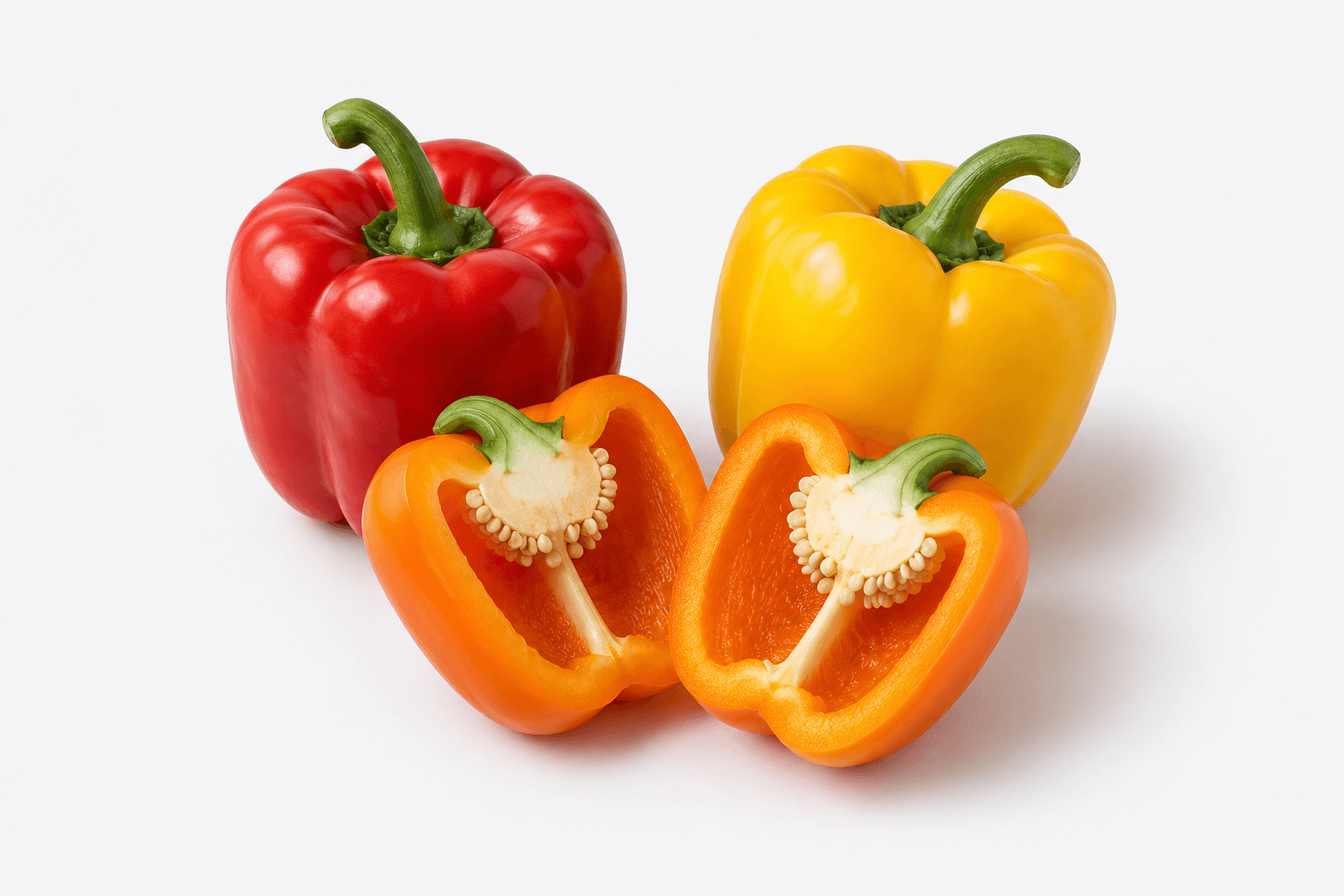
Moderate evidence128 mg of vitamin C per 100 g of red pepper. The Cochrane review, though, found no reduction in colds.

Tea & drinks
Moderate evidenceAcross 13 randomised trials, systolic blood pressure fell 1.04 mmHg. Statistically significant, and too small for one person to feel.

Grains & legumes
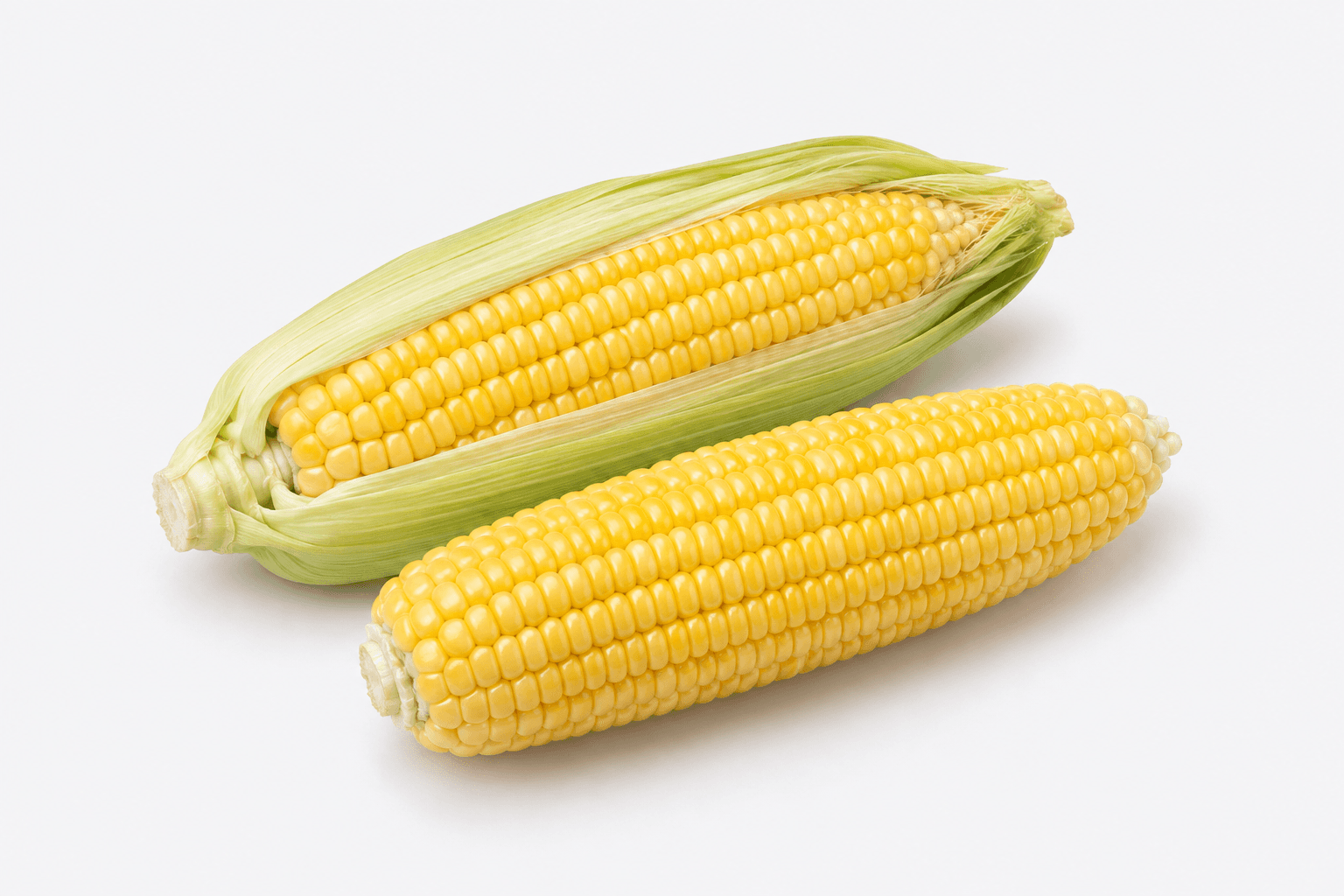
Moderate evidenceIt carries 644 µg of lutein and zeaxanthin per 100 g. Yet in AREDS2's primary analysis, lutein supplementation did not significantly slow macular degeneration.

Vegetables
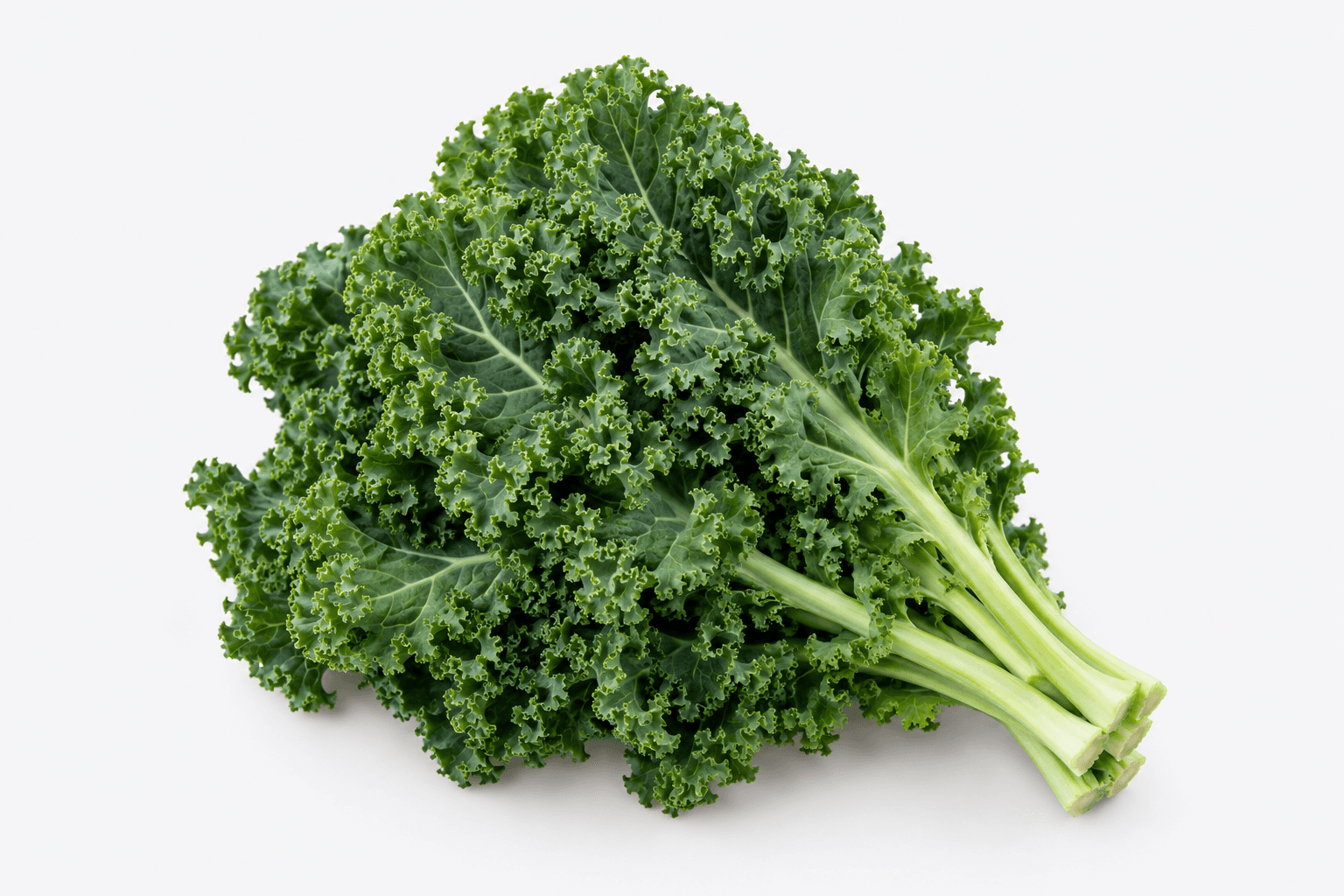
Moderate evidence390 µg of vitamin K, 93.4 mg of vitamin C and 254 mg of calcium per 100 g. Lutein is 6,260 µg — but the AREDS2 primary analysis was not significant.

Fruits
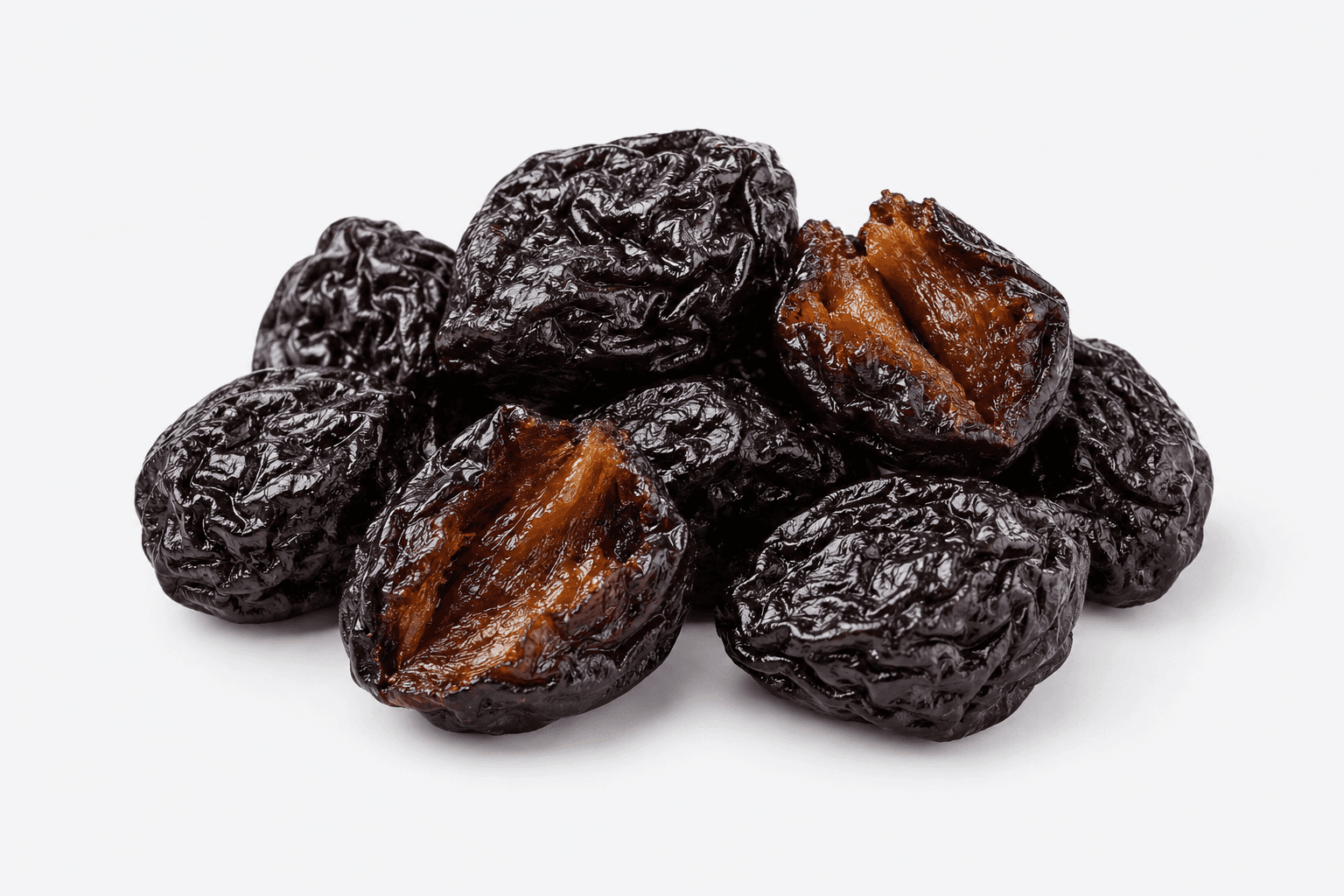
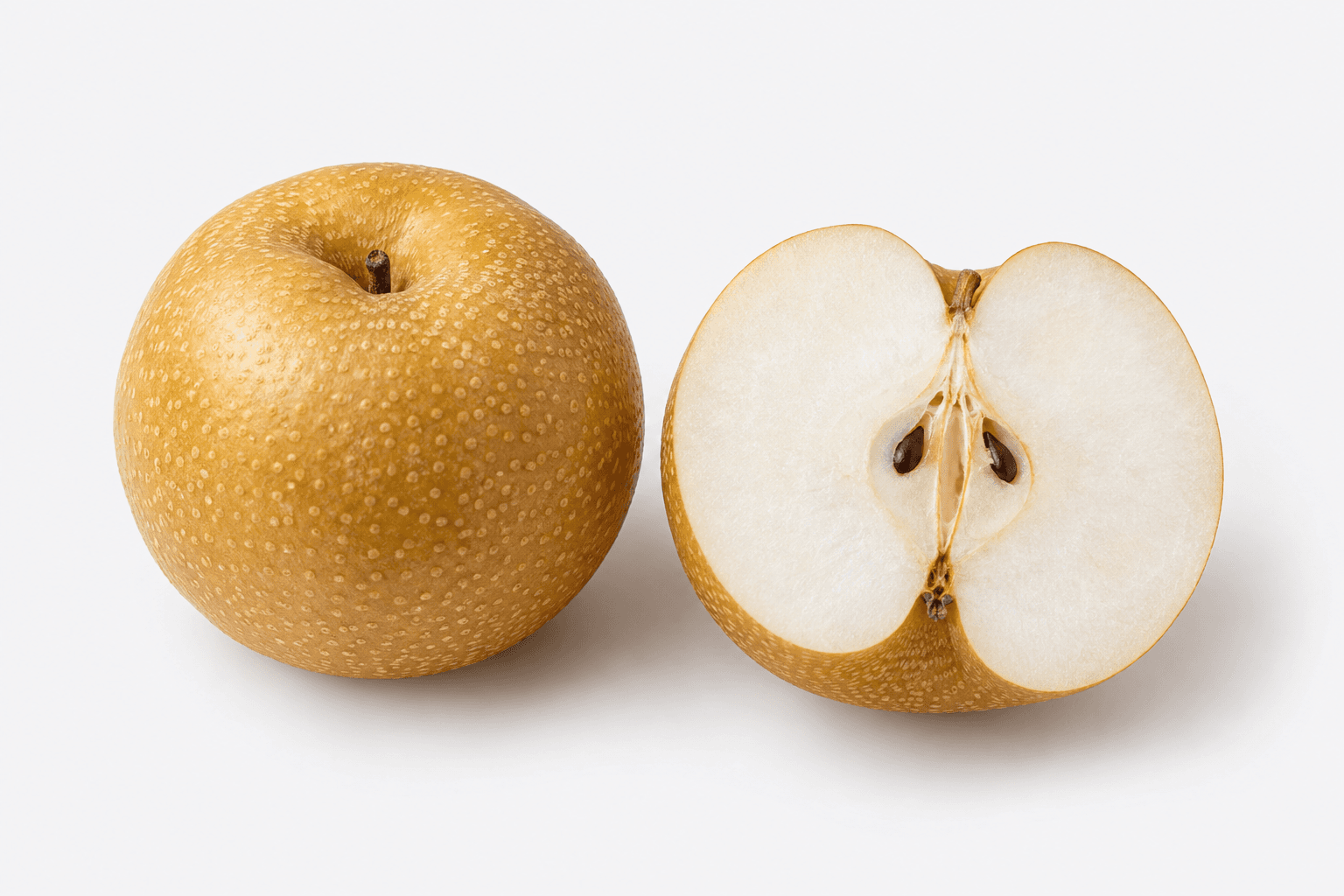
Moderate evidence3.6 g of fibre in 42 kcal per 100 g. A trial of Korean pear juice did find hangover scores 16–21 % lower.

Vegetables
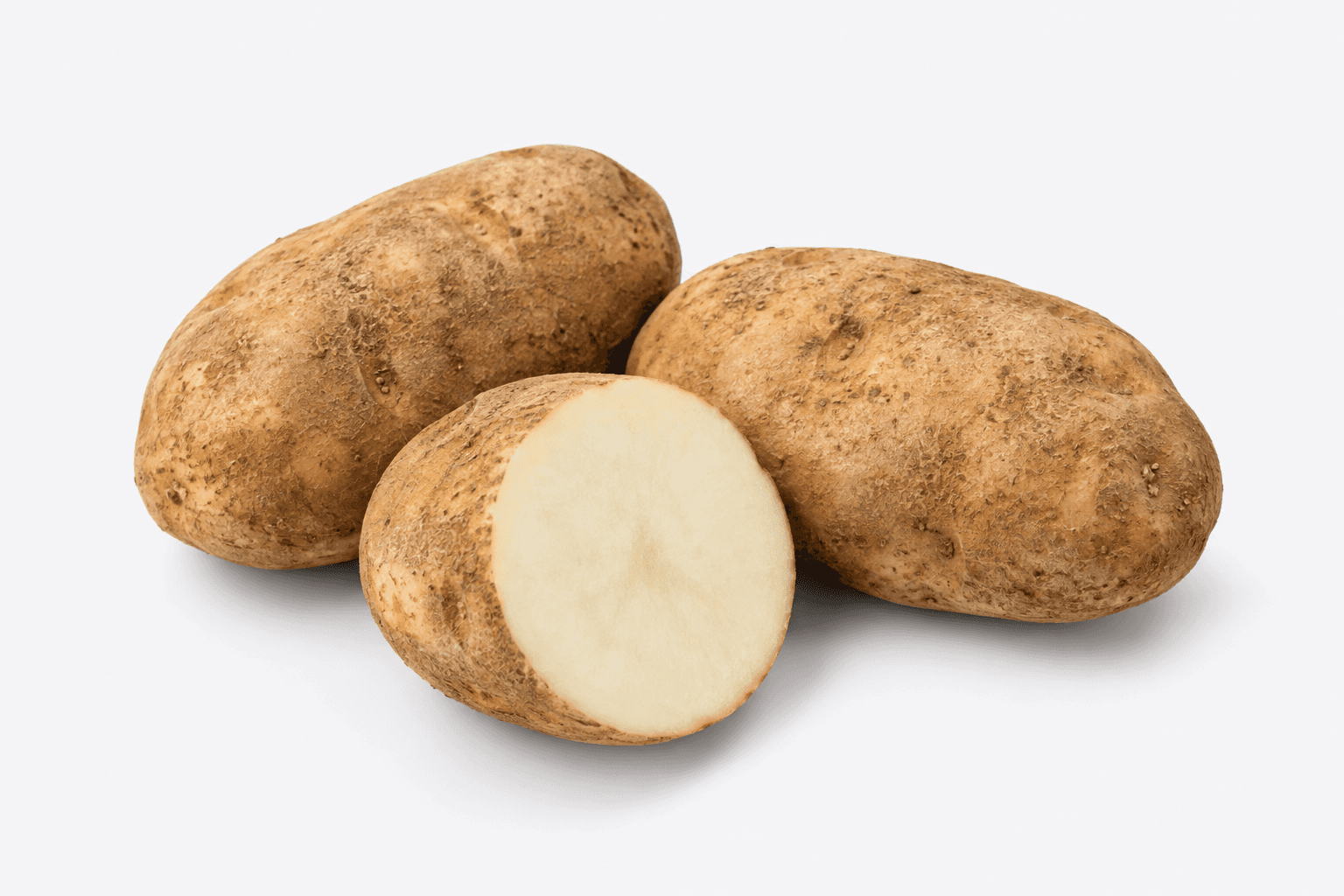
Moderate evidenceTotal potato intake showed no association with type 2 diabetes risk. Only fried potato did, at a hazard ratio of 1.12.

Vegetables
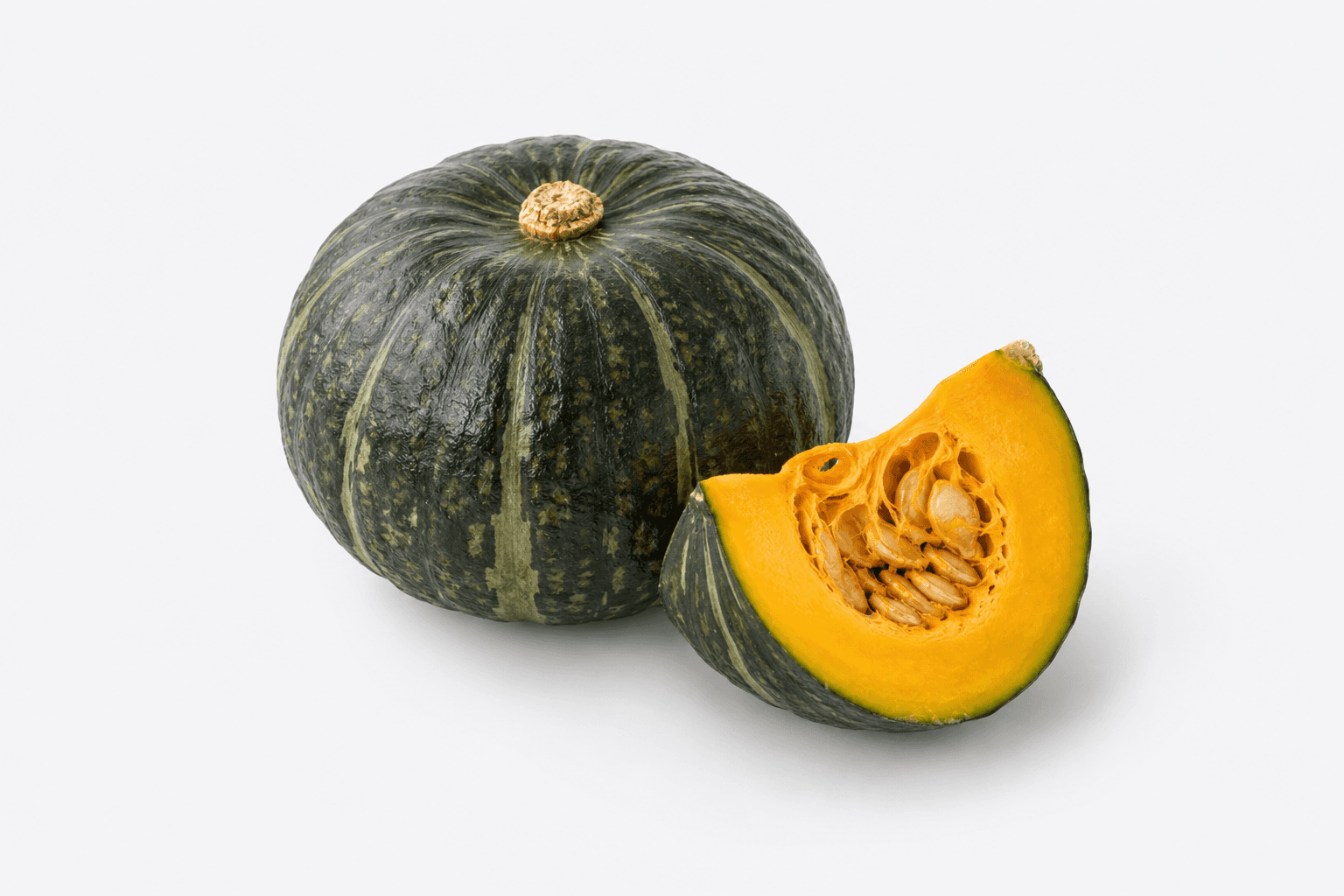
Moderate evidence2,790 µg of beta-carotene in 37 kcal per 100 g baked. Beta-carotene supplements, though, increased lung cancer in smokers.

Nuts & seeds
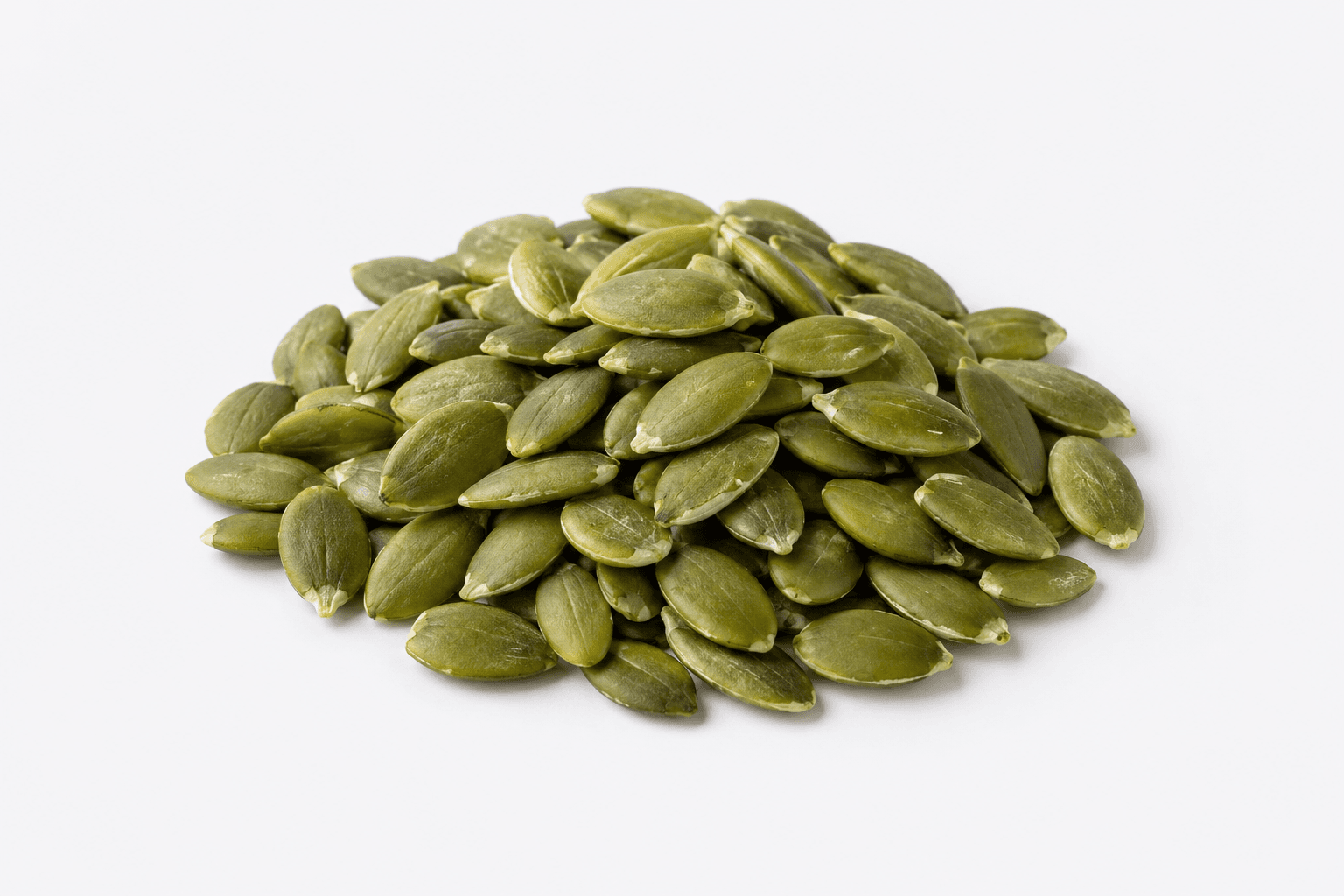
Moderate evidence550 mg of magnesium and 7.6 mg of zinc per 100 g. The blood-pressure effect of magnesium, though, showed up only in people who already had hypertension.

Seafood
Moderate evidence22.8 g of protein, 1.7 g of fat and 49.5 µg of selenium per 100 g. Even at 300 g a day, lipoprotein ratios did not worsen.

Seafood
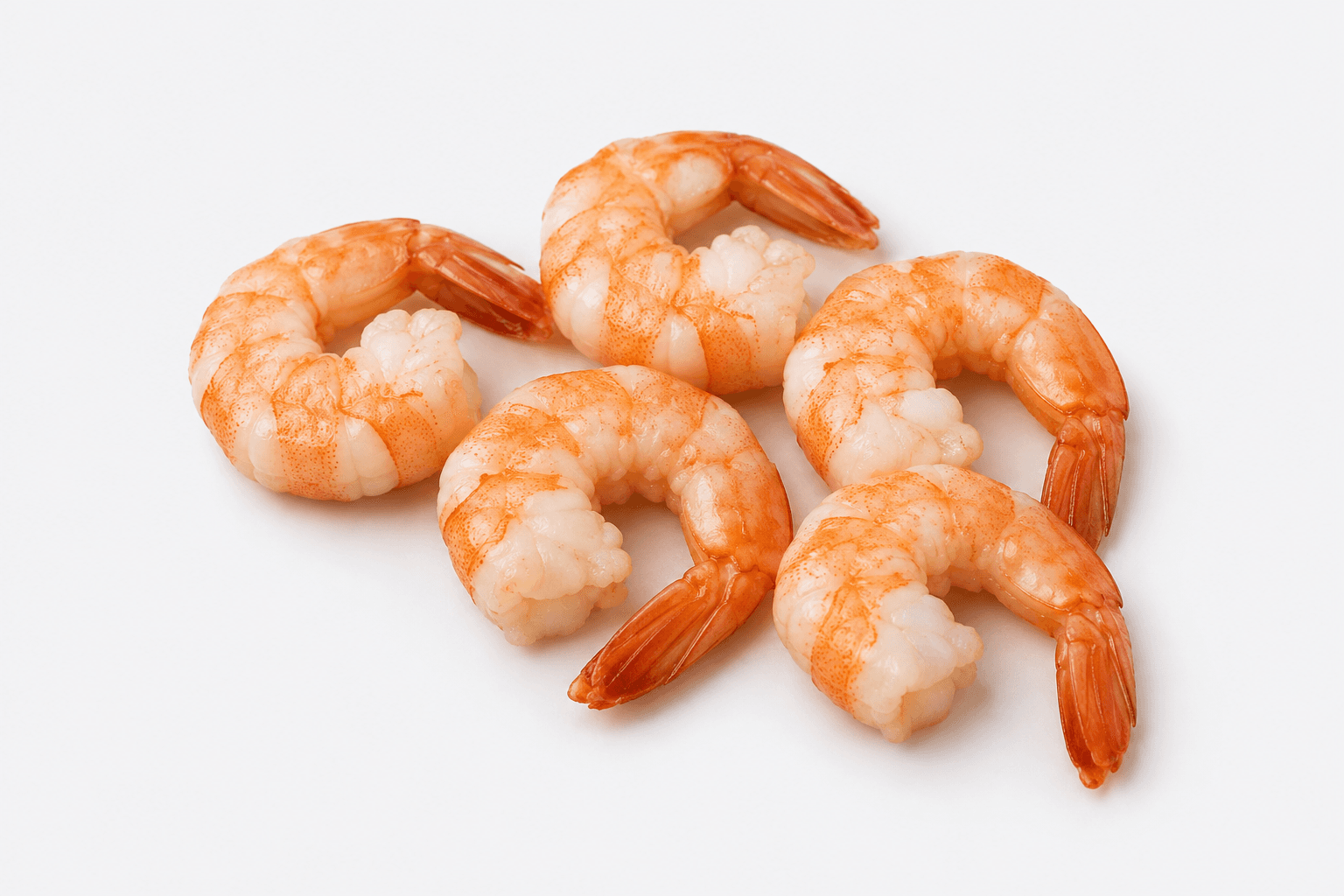
Moderate evidencePer 100 g it carries 15.6 g of protein and only 1.38 g of fat. Cholesterol is high at 233 mg — but in a shrimp trial, what mattered more was the rest of the meal.

Grains & legumes
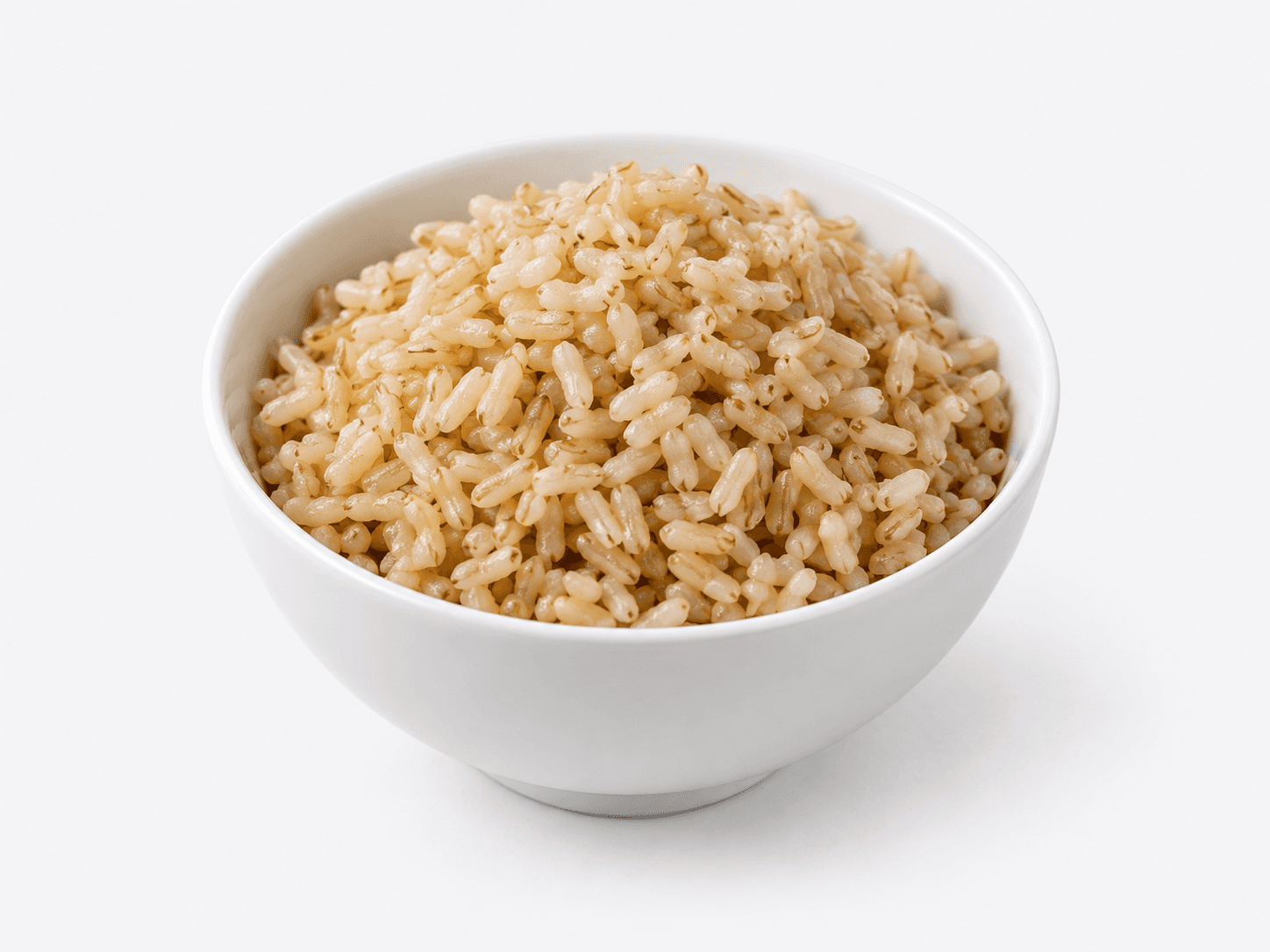
Moderate evidencePeople who eat more whole grains consistently show less type 2 diabetes. In randomised trials, though, the glycaemic markers barely moved.

Herbs & spices
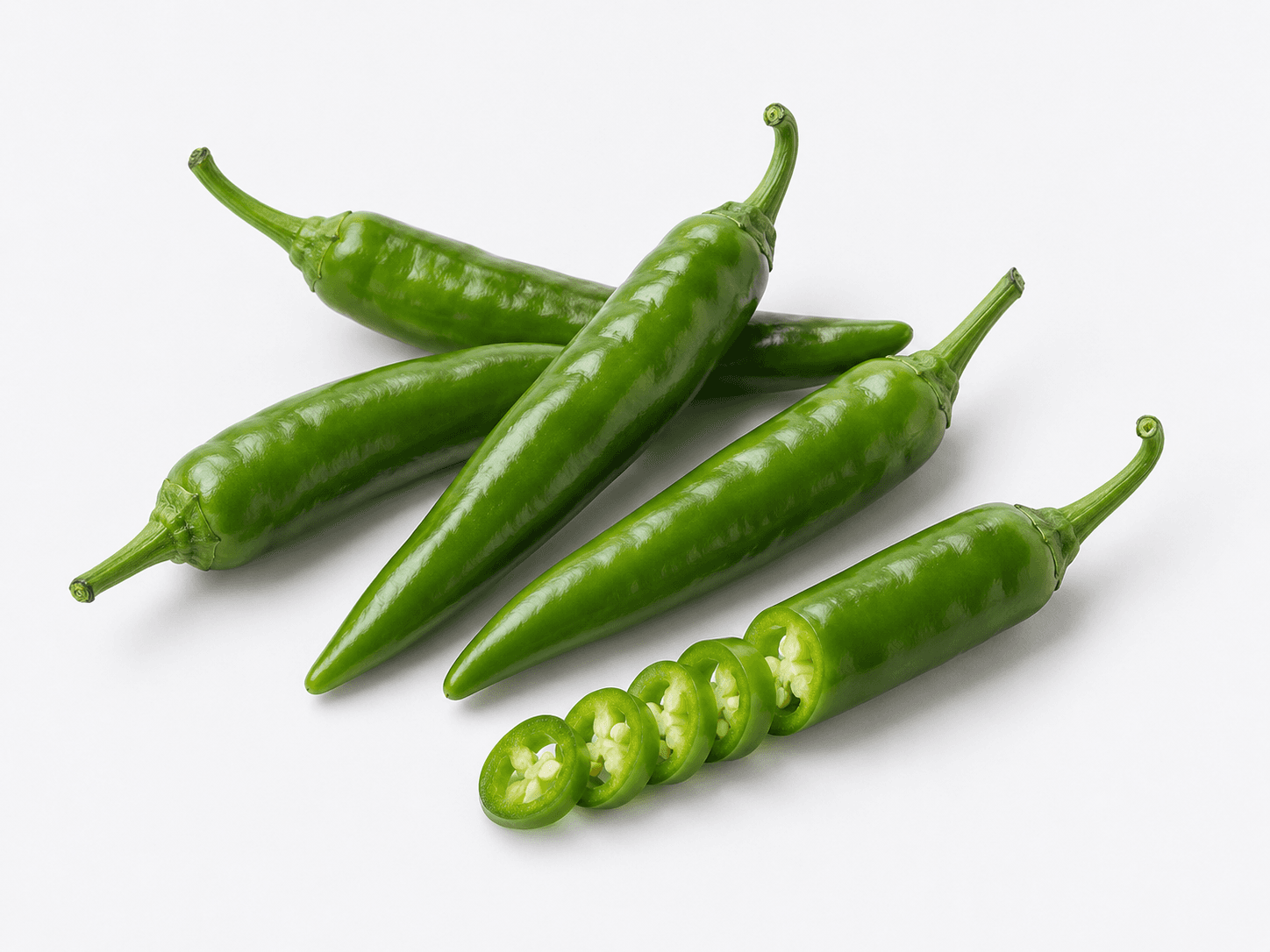
Moderate evidenceAcross 564,748 adults in four countries, regular spicy food eaters had 12 % lower all-cause mortality — with almost no disagreement between studies.

Tea & drinks
Moderate evidenceThe association with lower type 2 diabetes and liver disease risk is consistent. The interesting part is that decaf shows almost the same thing.

Nuts & seeds
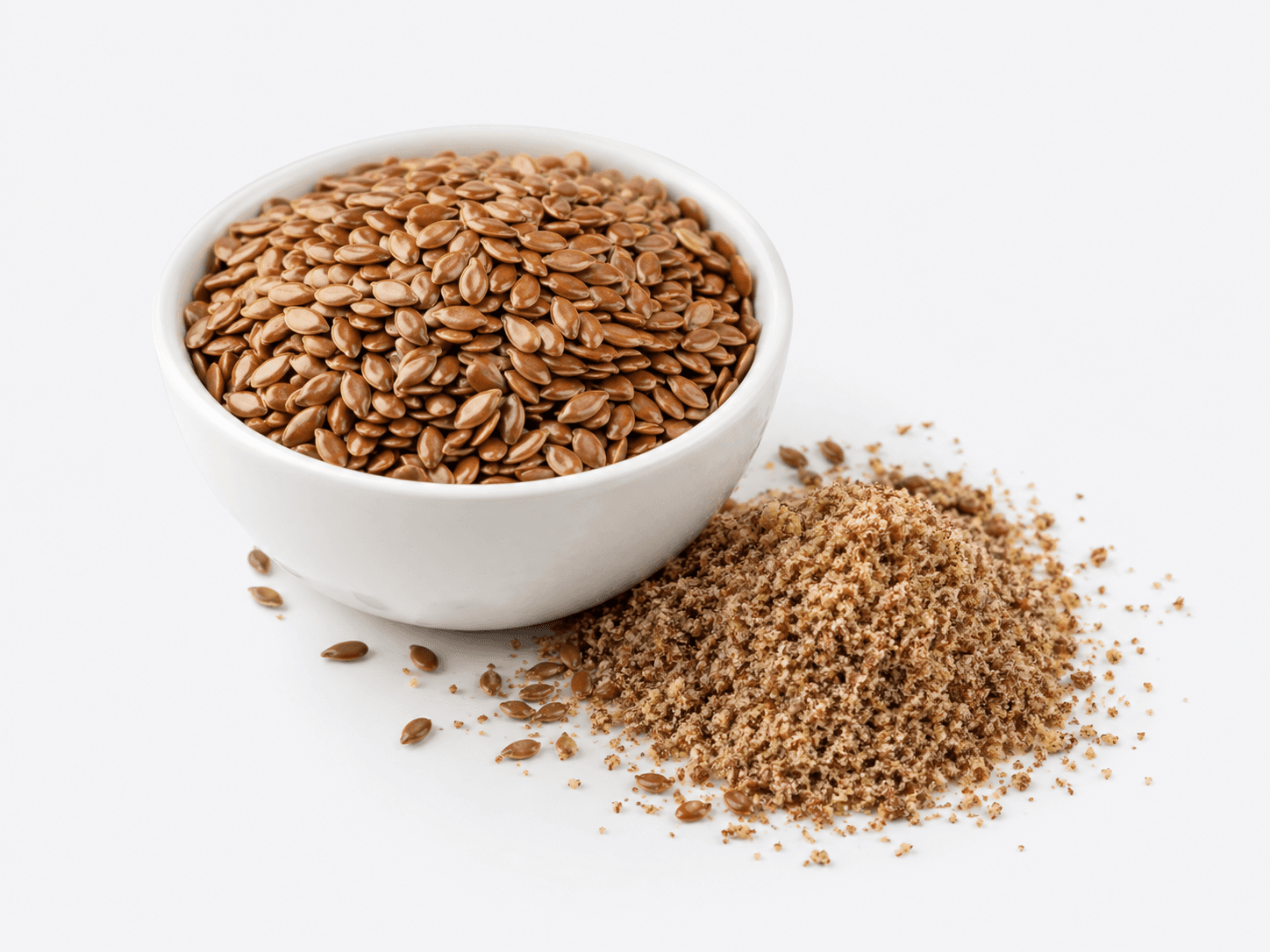
Moderate evidence19.4 g of omega-3 (ALA) and 23.1 g of fibre per 100 g. But swallowed whole, the hard hull means most of it passes through undigested.