Filter by category or search for the ingredient you have in the kitchen.
18 ingredients
Vegetables — See the category page
Vegetables
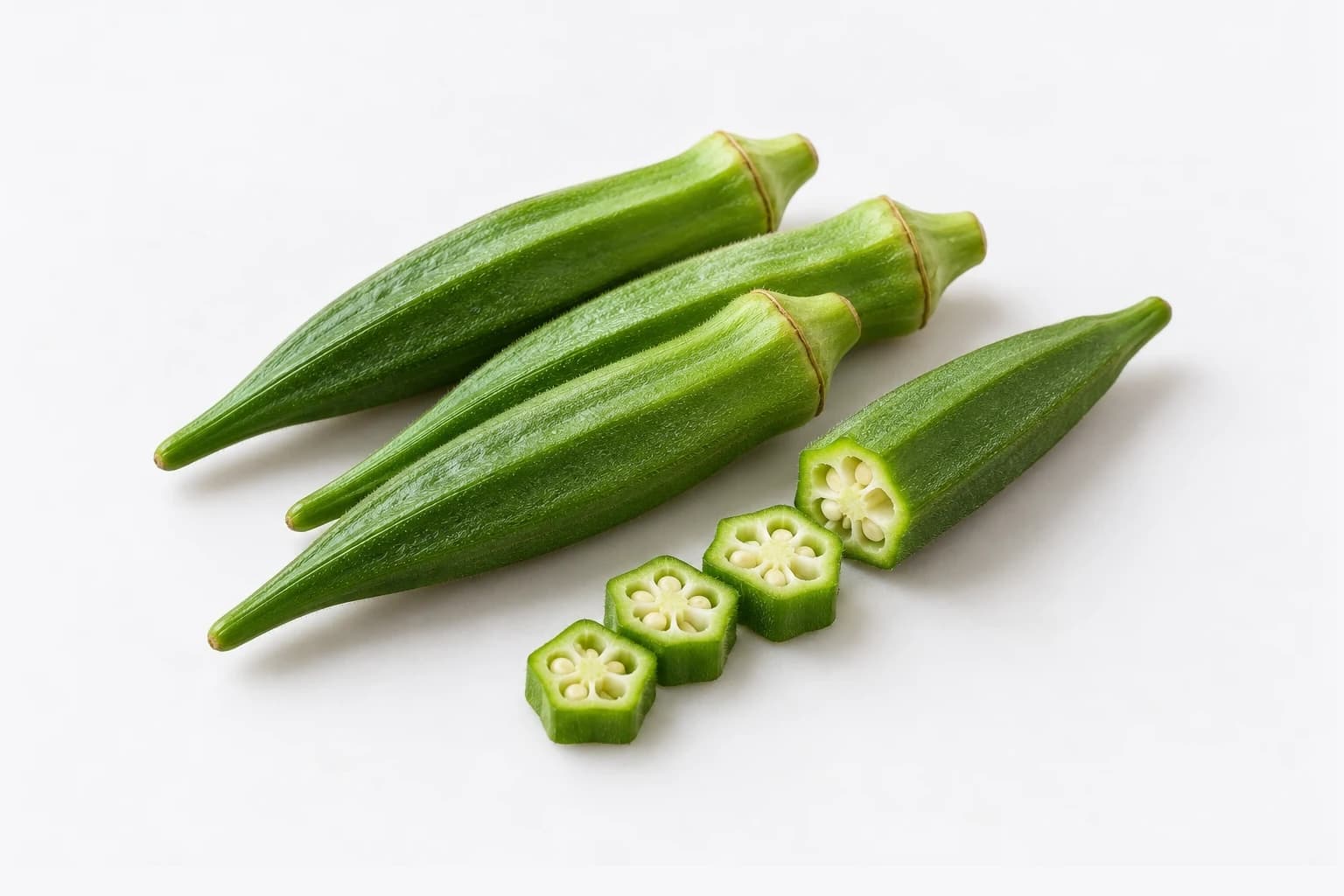
Moderate evidenceA 2025 meta-analysis found significant falls in weight, fasting glucose, HbA1c and LDL. But the 12 trials it pooled used doses from 125 mg to 40,000 mg a day — a 320-fold range.
Vegetables
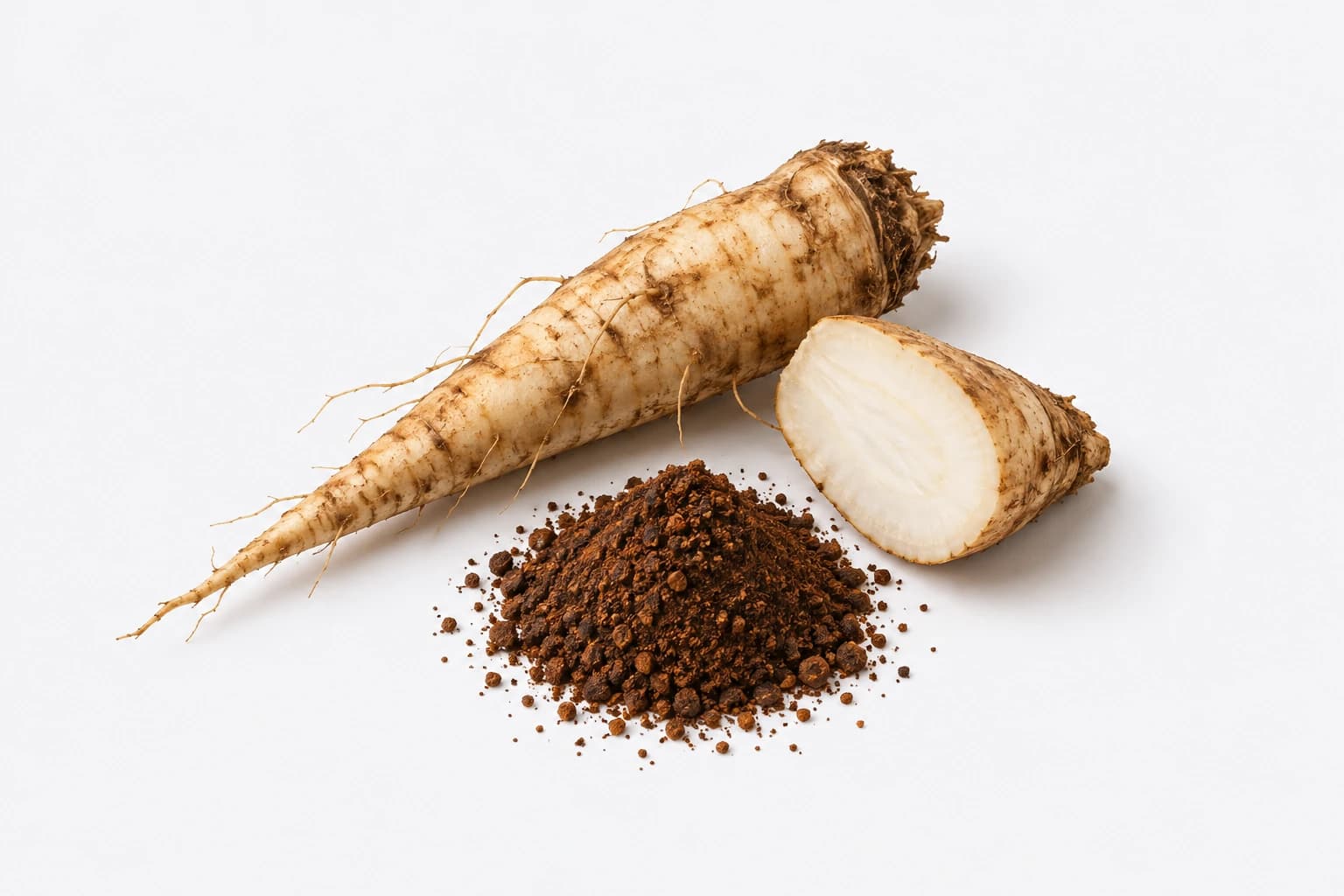
Moderate evidenceIn a double-blind crossover trial of 44 people, 12 g a day of chicory inulin raised stool frequency from 3 to 4 a week. But some of the researchers worked for the institute of the company that makes that inulin, and the change is one stool a week.
Vegetables
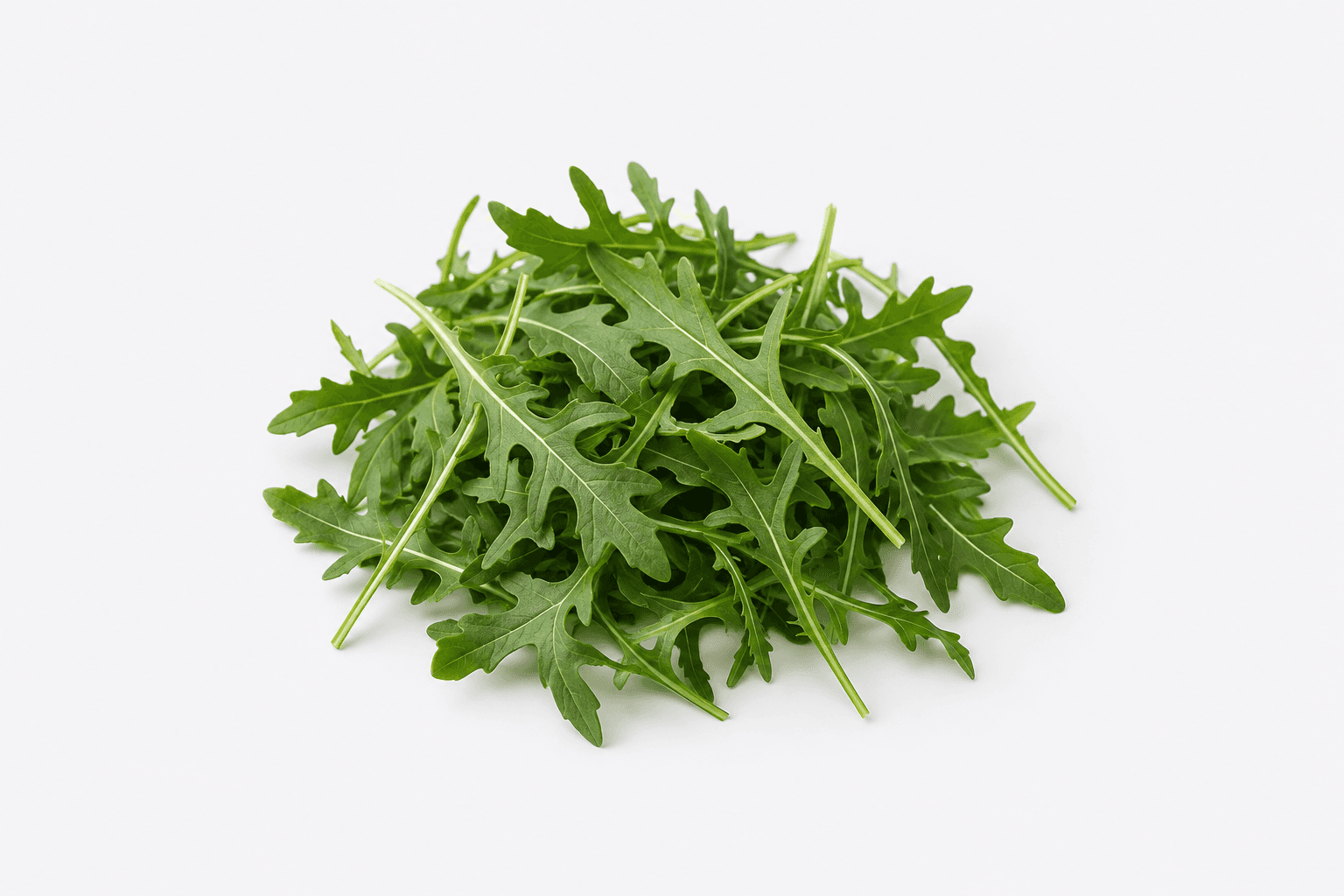
A dose-response meta-analysis of 75 randomised trials in 1,823 people. Medium-term systolic pressure fell 0.48 mmHg per millimole of nitrate. That is a small figure, and since the USDA carries no nitrate value for arugula, there is no way to say how many millimoles a plateful holds.

Vegetables
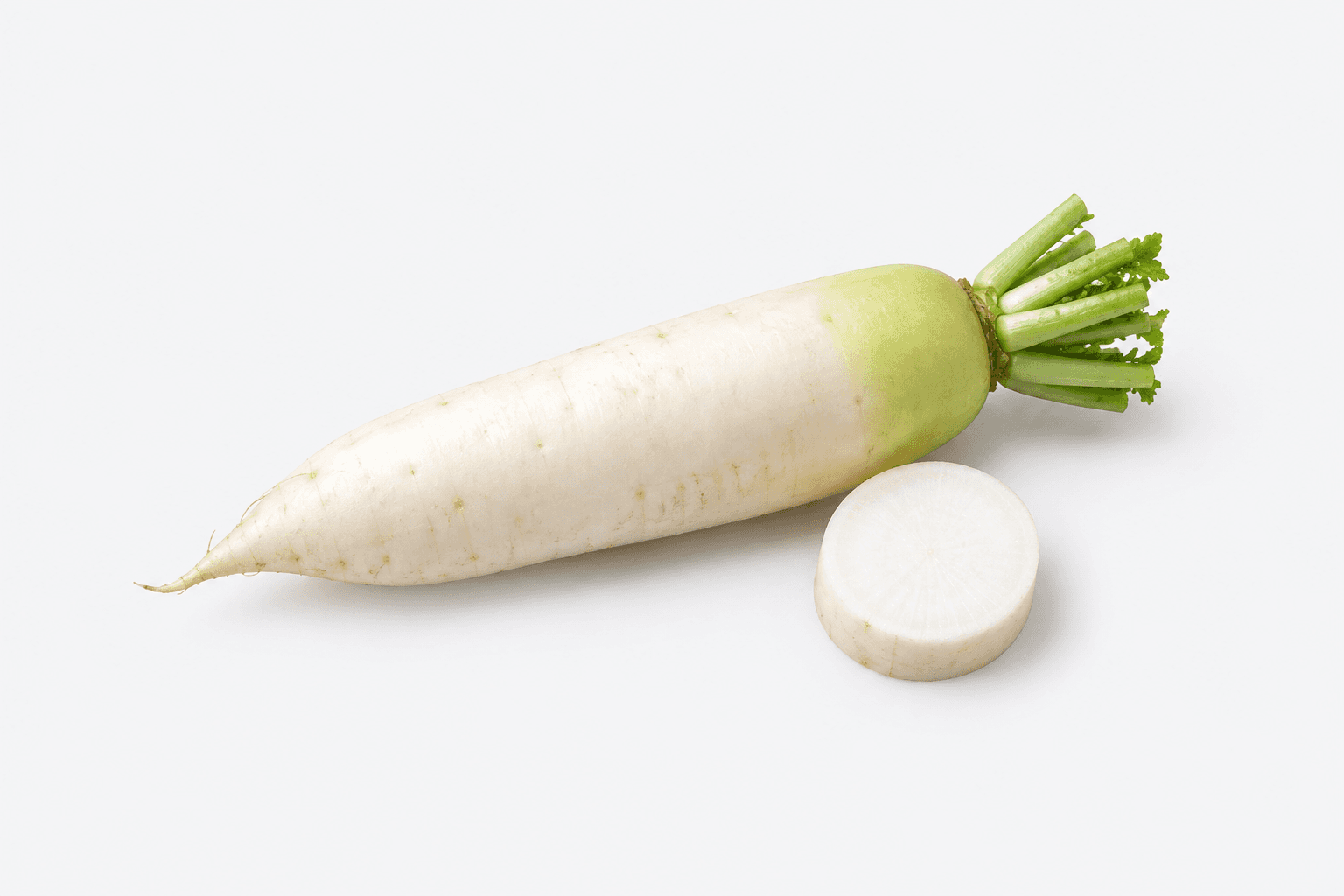
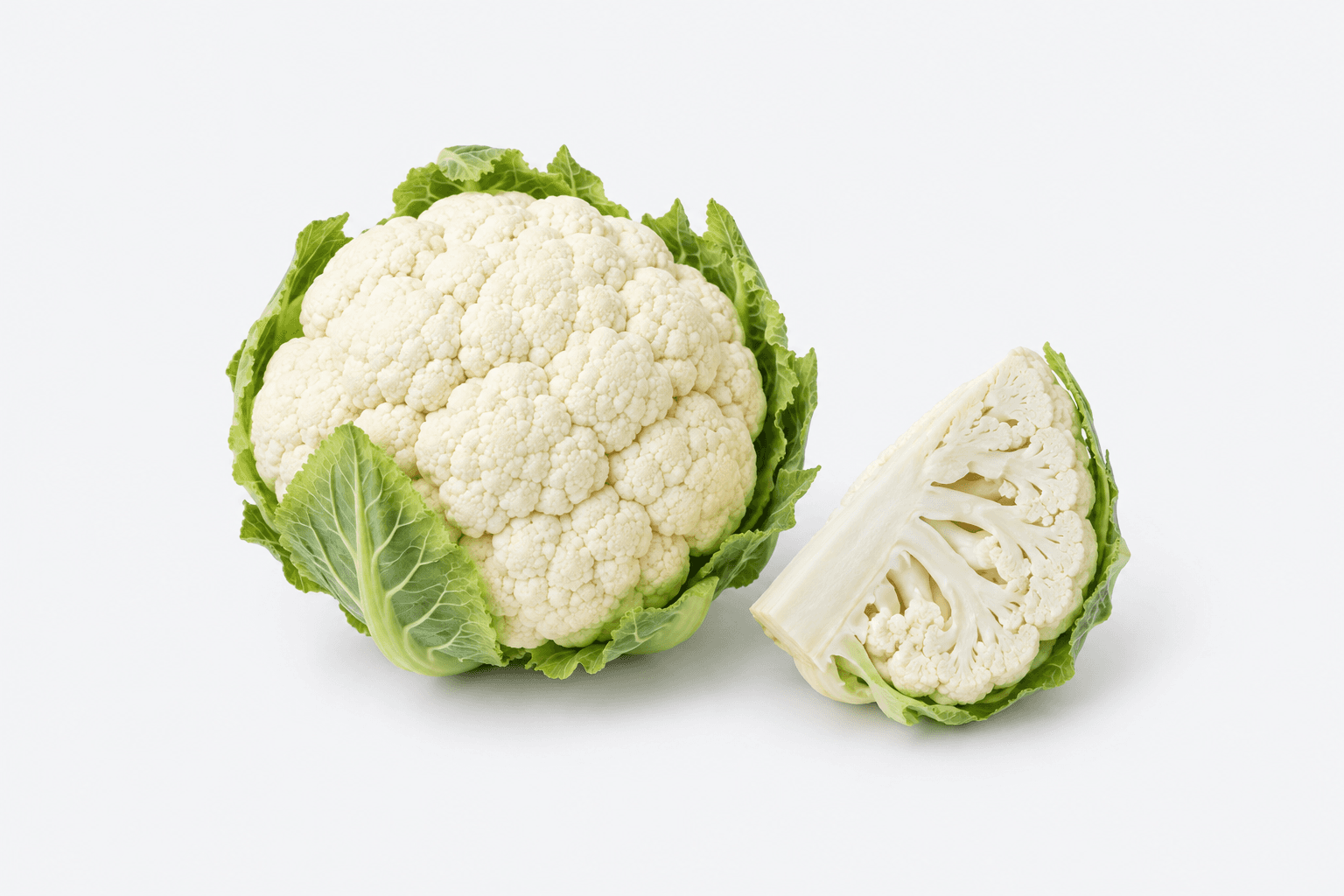
Moderate evidence25 kcal and 4.97 g of carbohydrate per 100 g. Against cooked rice (about 130 kcal and 28 g per 100 g) that is a fifth of the energy and the carbohydrate. As a brassica, it falls within observational data linking cruciferous vegetables to lower cardiovascular disease and mortality.

Vegetables
Moderate evidenceAt 18 kcal per 100 g it sits close to cucumber, with 22 mg of vitamin C. Observational data link cruciferous vegetables to lower cardiovascular disease and mortality. The old claim that it aids digestion has no established evidence behind it.

Vegetables
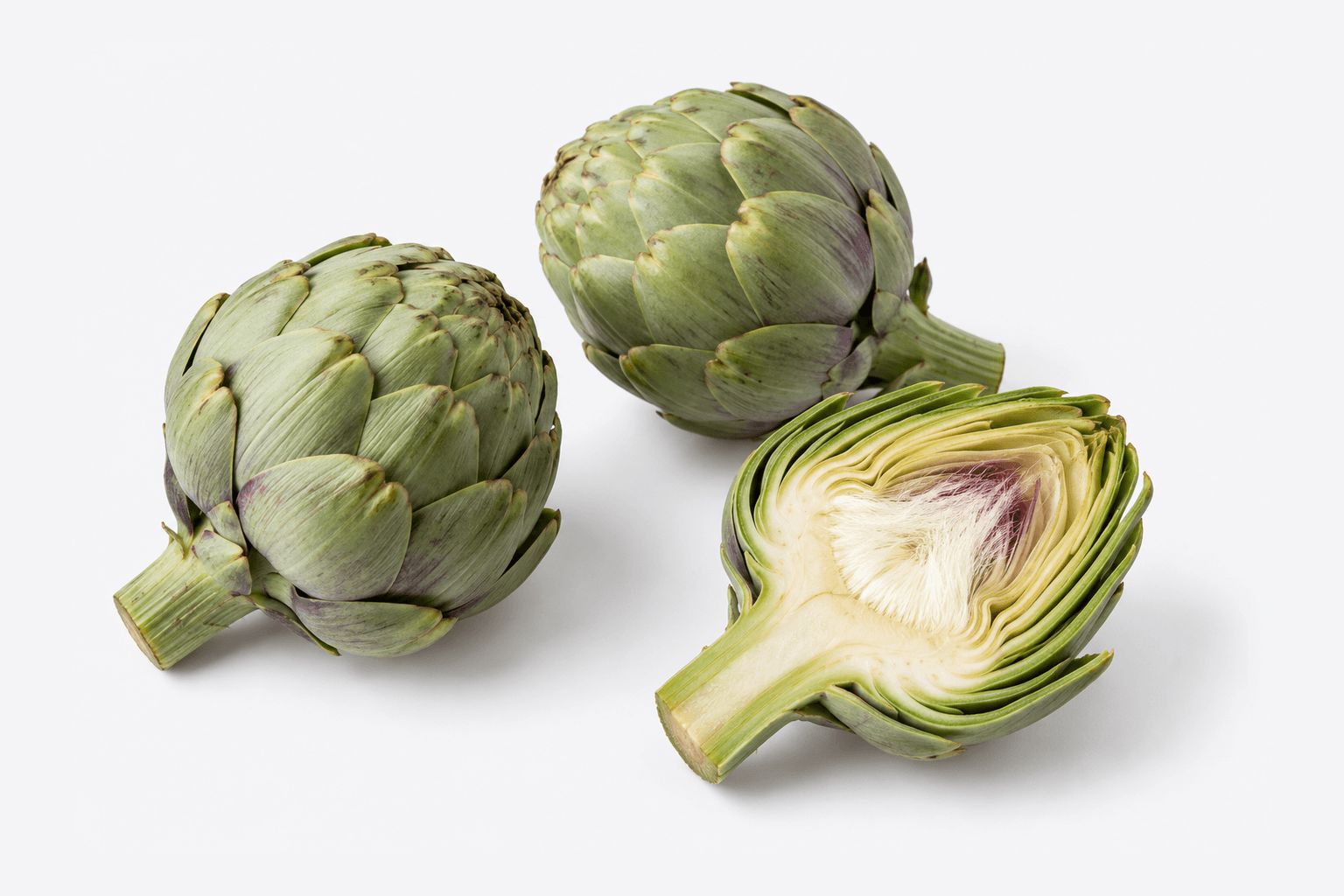
Moderate evidenceA meta-analysis of nine randomised trials in 702 people found artichoke extract lowered total cholesterol by 17.6 mg/dL. HDL did not move, and what was tested was a leaf extract, not a boiled artichoke.

Vegetables
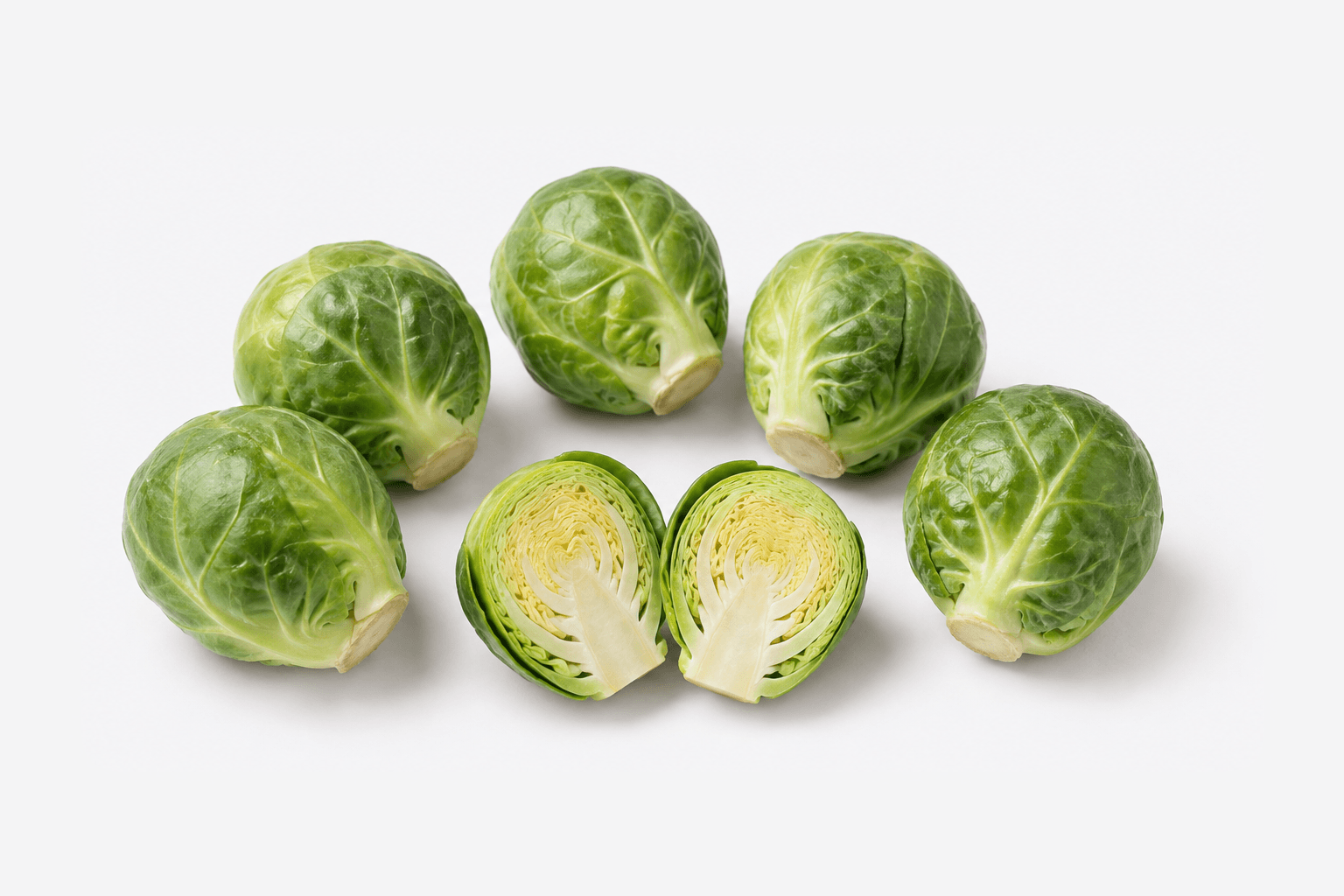
Moderate evidenceMore vitamin C than an orange, at 85 mg, and 177 µg of vitamin K. Cruciferous vegetables tracked with lower cardiovascular disease and mortality, but that is observational and not about Brussels sprouts specifically.

Vegetables
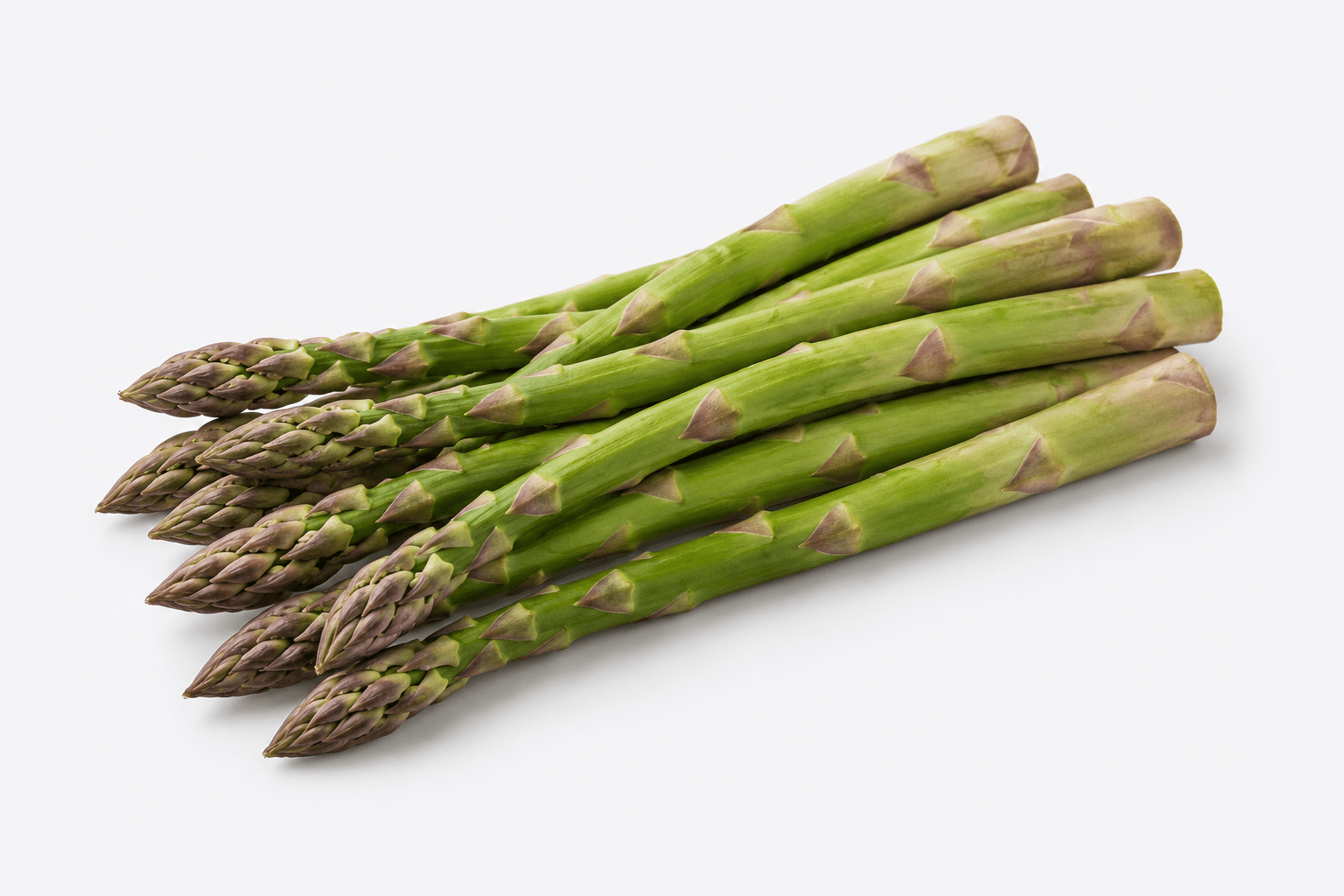
Moderate evidence52 µg of folate and 41.6 µg of vitamin K for 20 kcal. And in a study of 6,909 people, close to 60% could not smell asparagus in their urine — it is genetic.

Vegetables
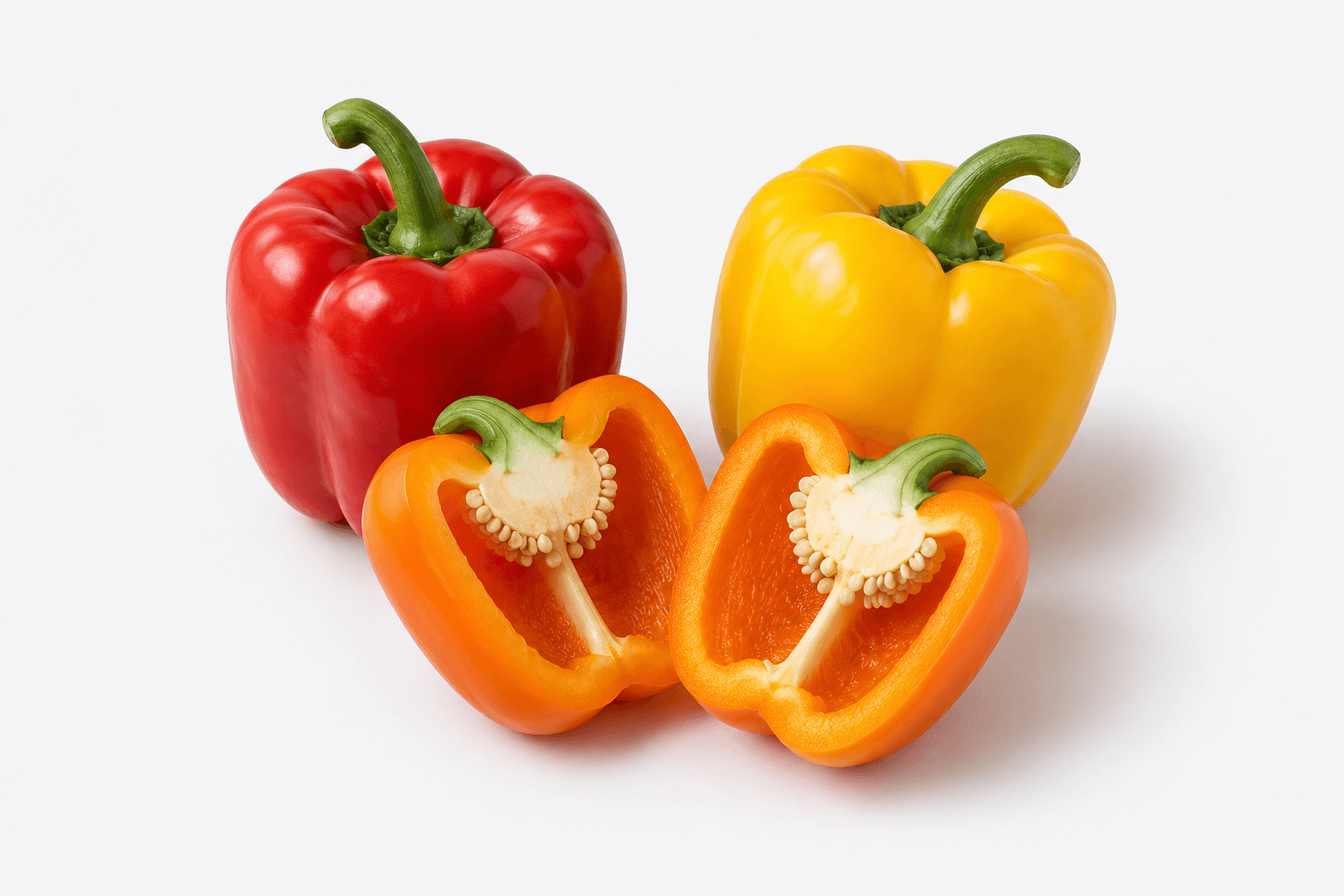
Moderate evidence128 mg of vitamin C per 100 g of red pepper. The Cochrane review, though, found no reduction in colds.

Vegetables
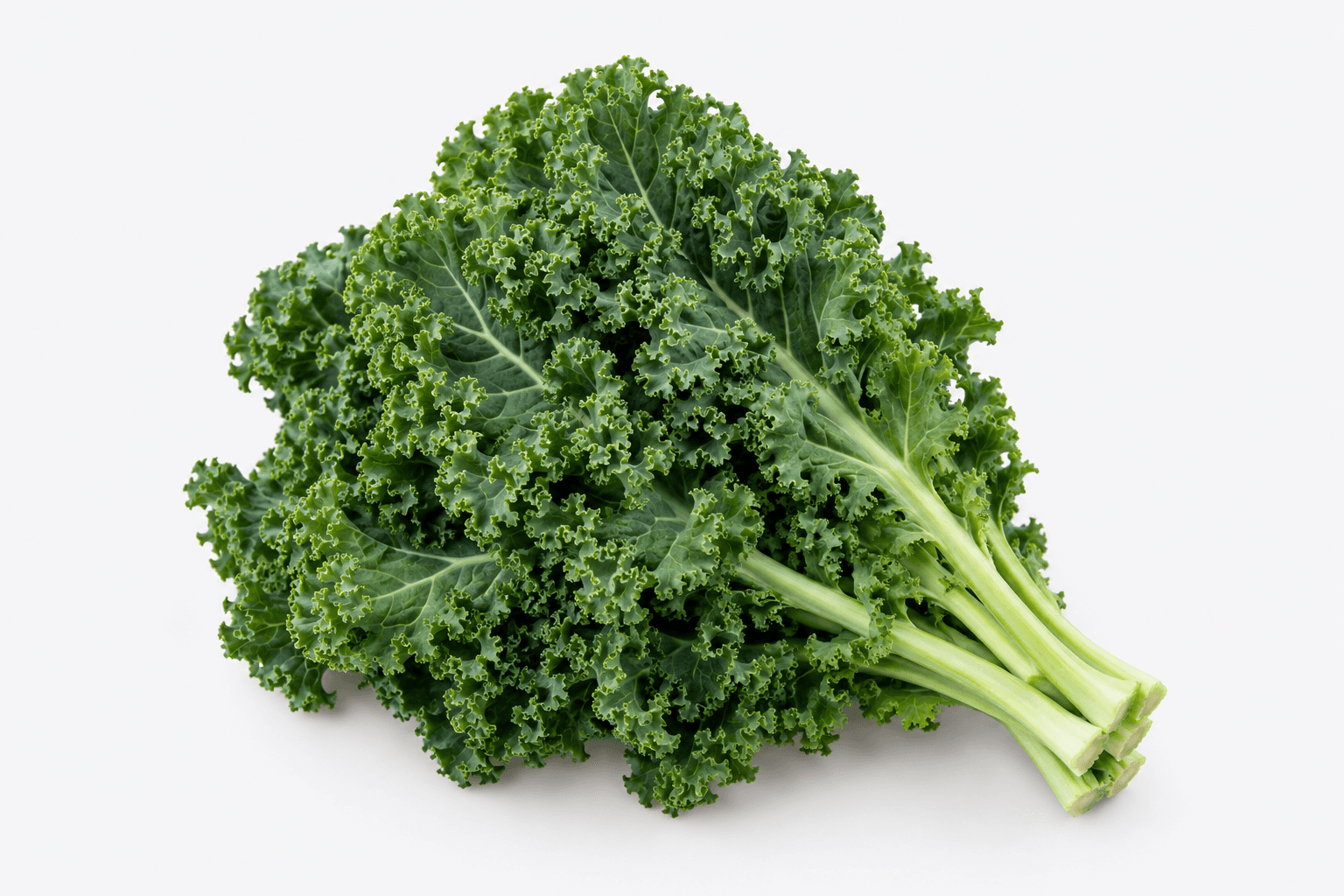
Moderate evidence390 µg of vitamin K, 93.4 mg of vitamin C and 254 mg of calcium per 100 g. Lutein is 6,260 µg — but the AREDS2 primary analysis was not significant.

Vegetables
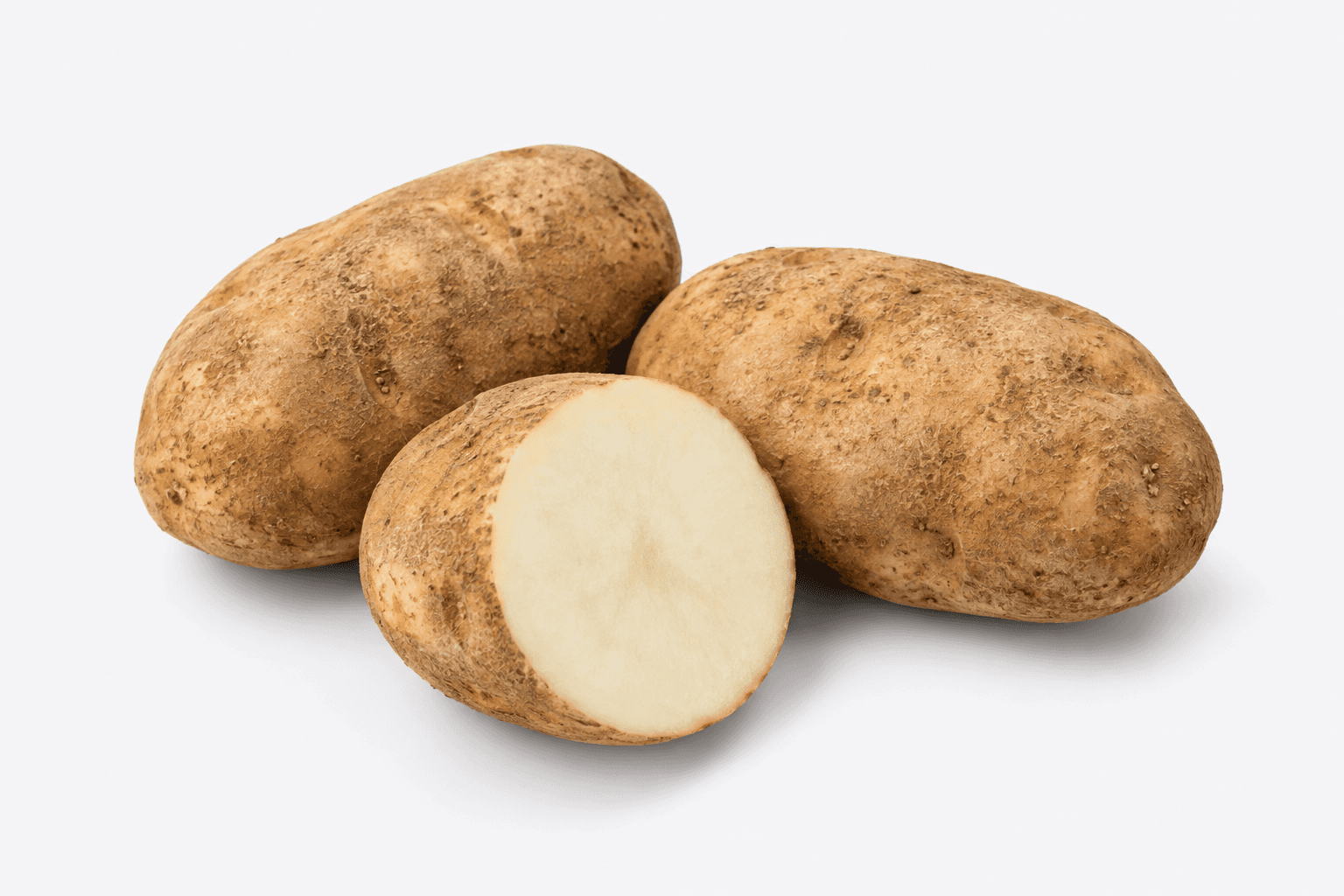
Moderate evidenceTotal potato intake showed no association with type 2 diabetes risk. Only fried potato did, at a hazard ratio of 1.12.

Vegetables
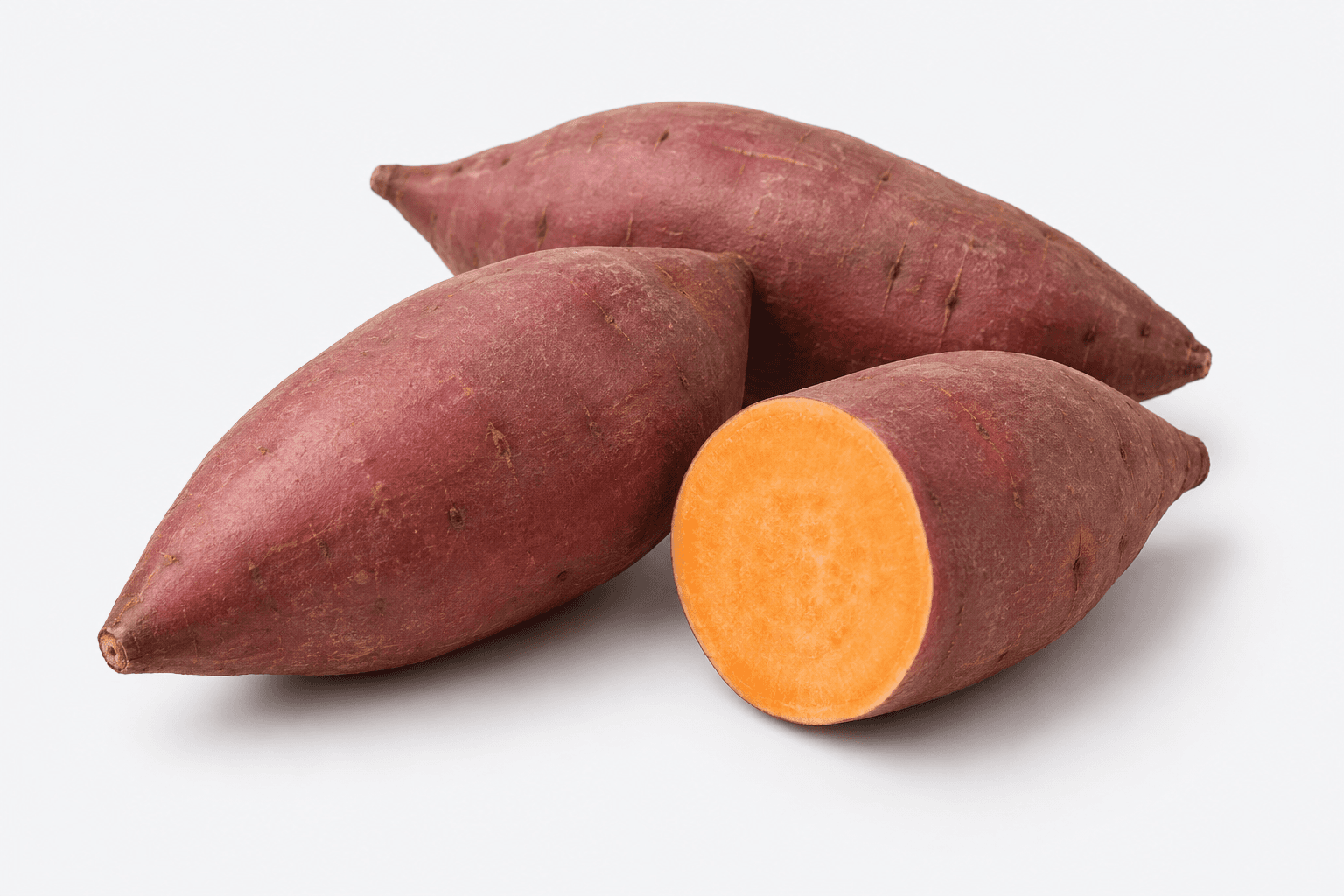
Moderate evidence2,790 µg of beta-carotene in 37 kcal per 100 g baked. Beta-carotene supplements, though, increased lung cancer in smokers.

Vegetables
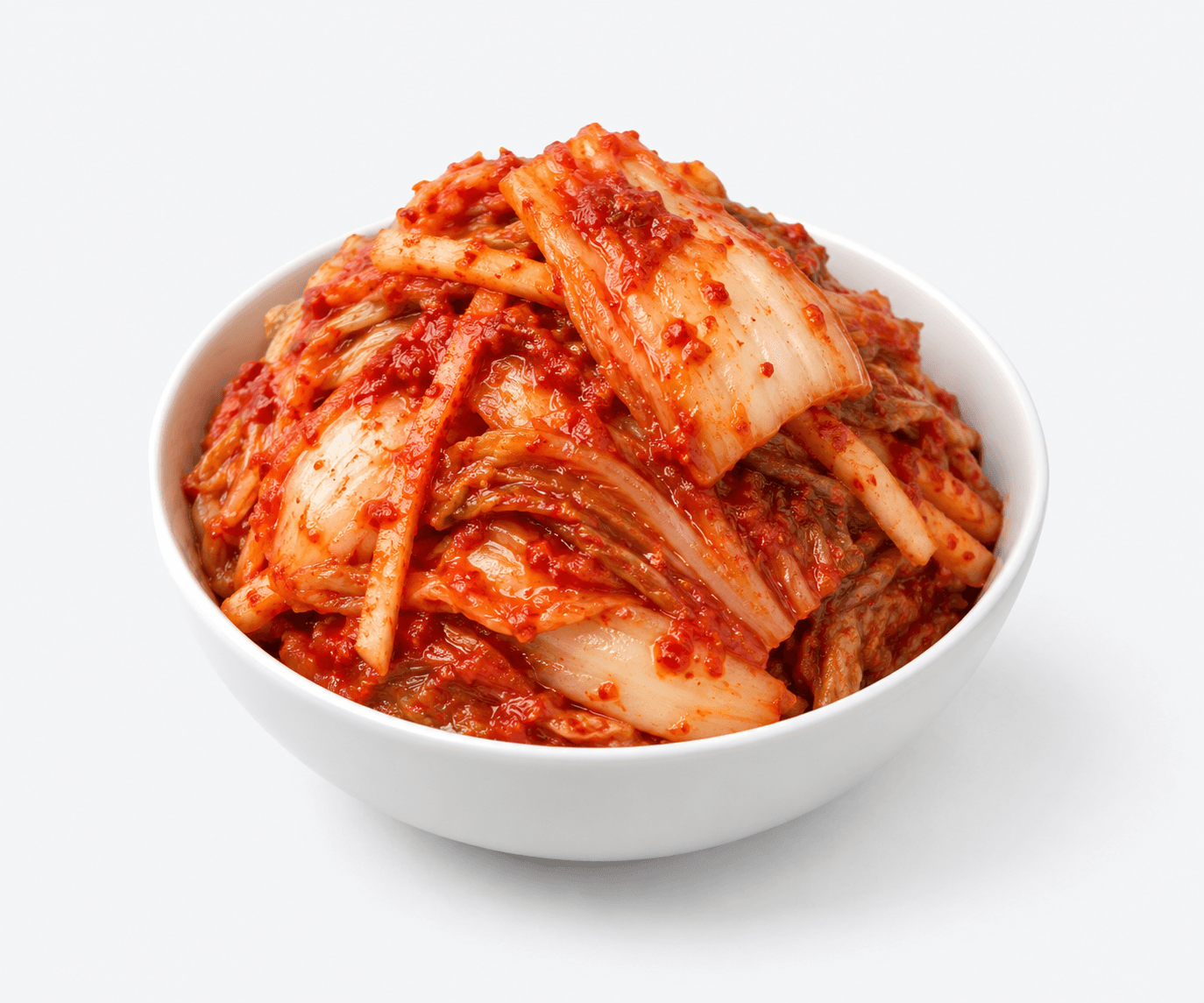
Moderate evidenceThere is evidence that fermented foods help the gut microbiome. But that research did not isolate kimchi, and kimchi arrives with salt attached.

Vegetables
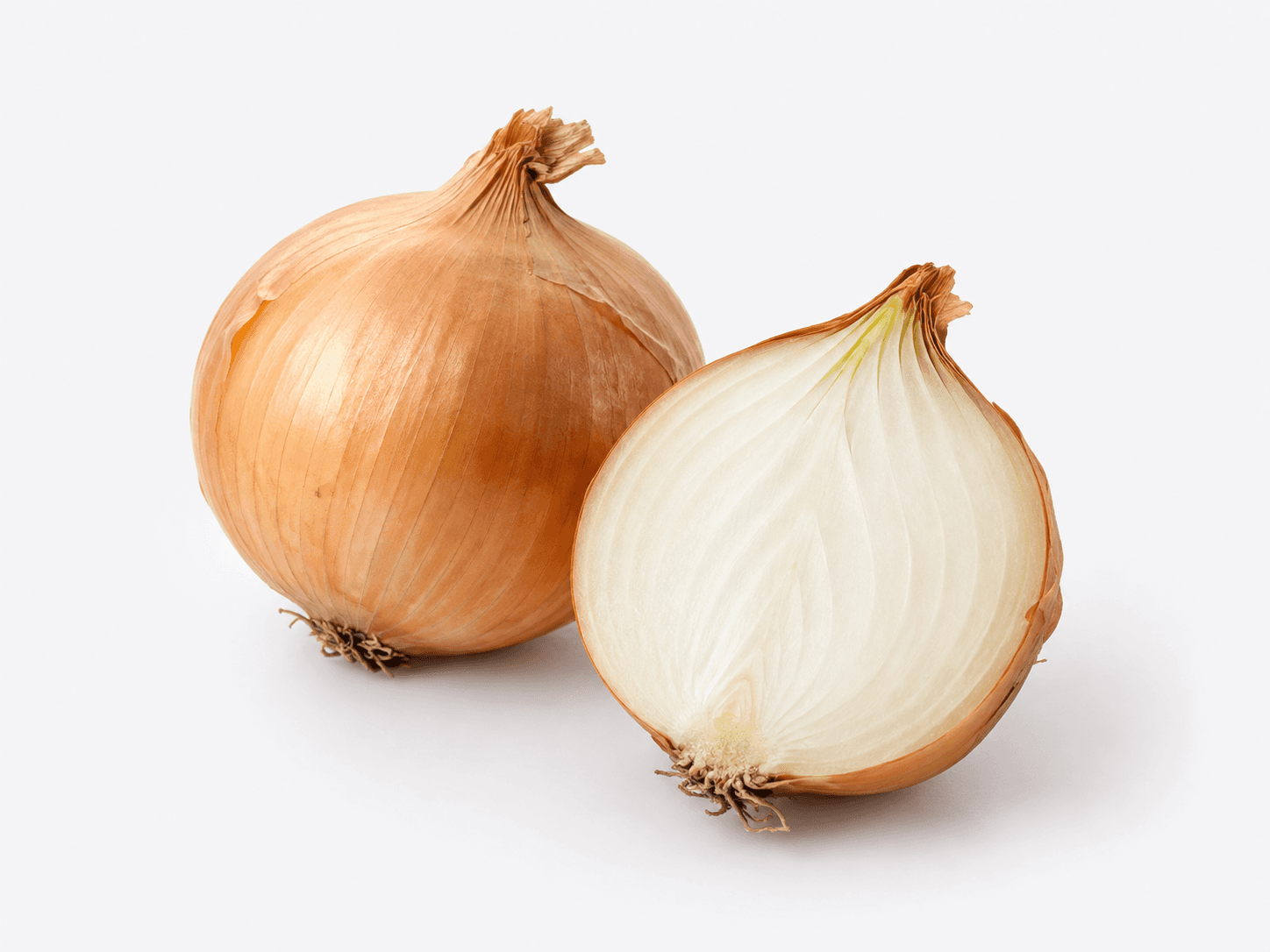
Moderate evidenceOnion's antioxidant quercetin concentrates in the outer layers. Peeling two extra layers out of habit throws much of it away.

Vegetables
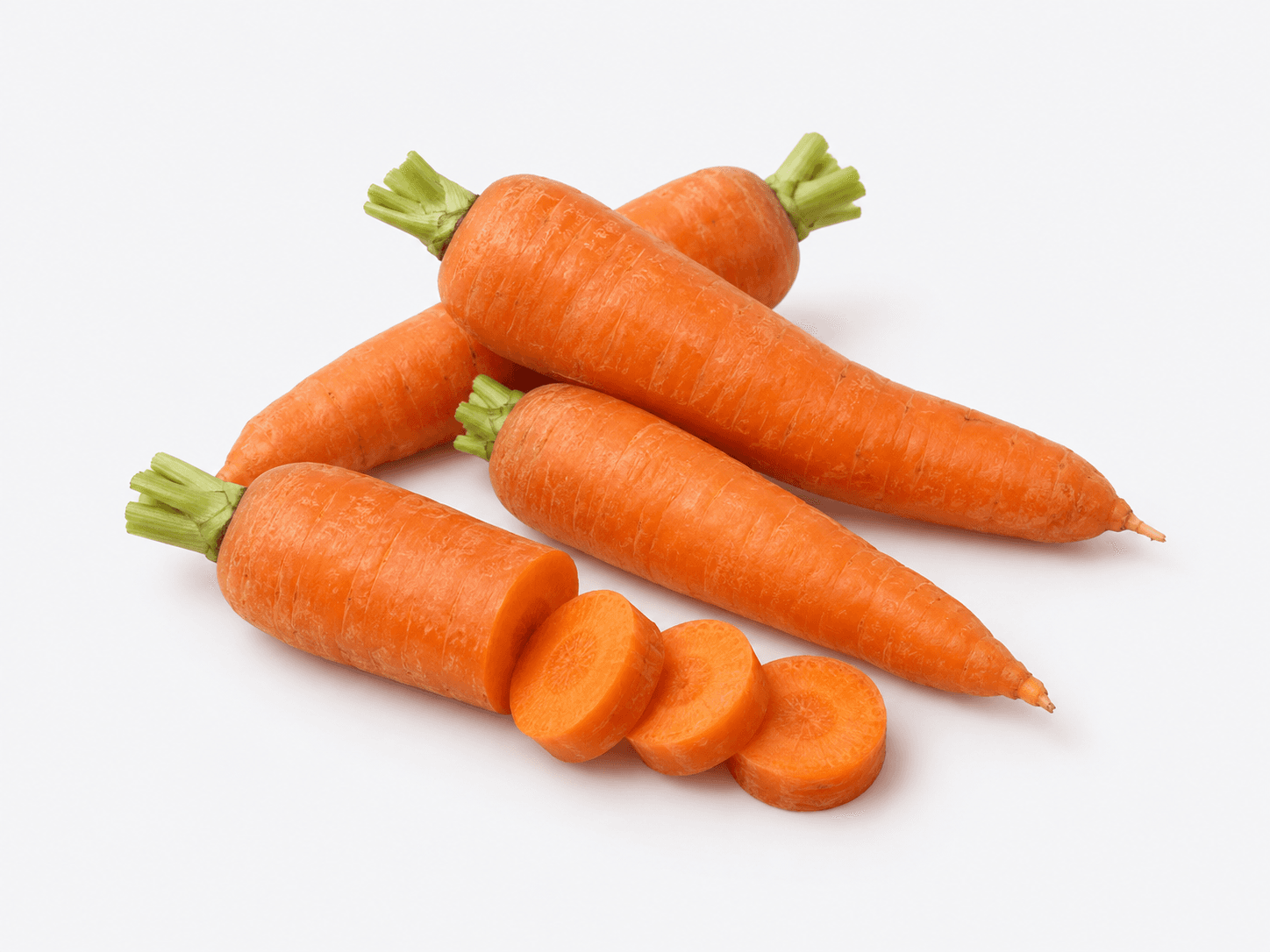
Moderate evidenceCarrot beta-carotene is locked inside tough cell walls. Cooking plus a little fat multiplies how much you absorb.

Vegetables
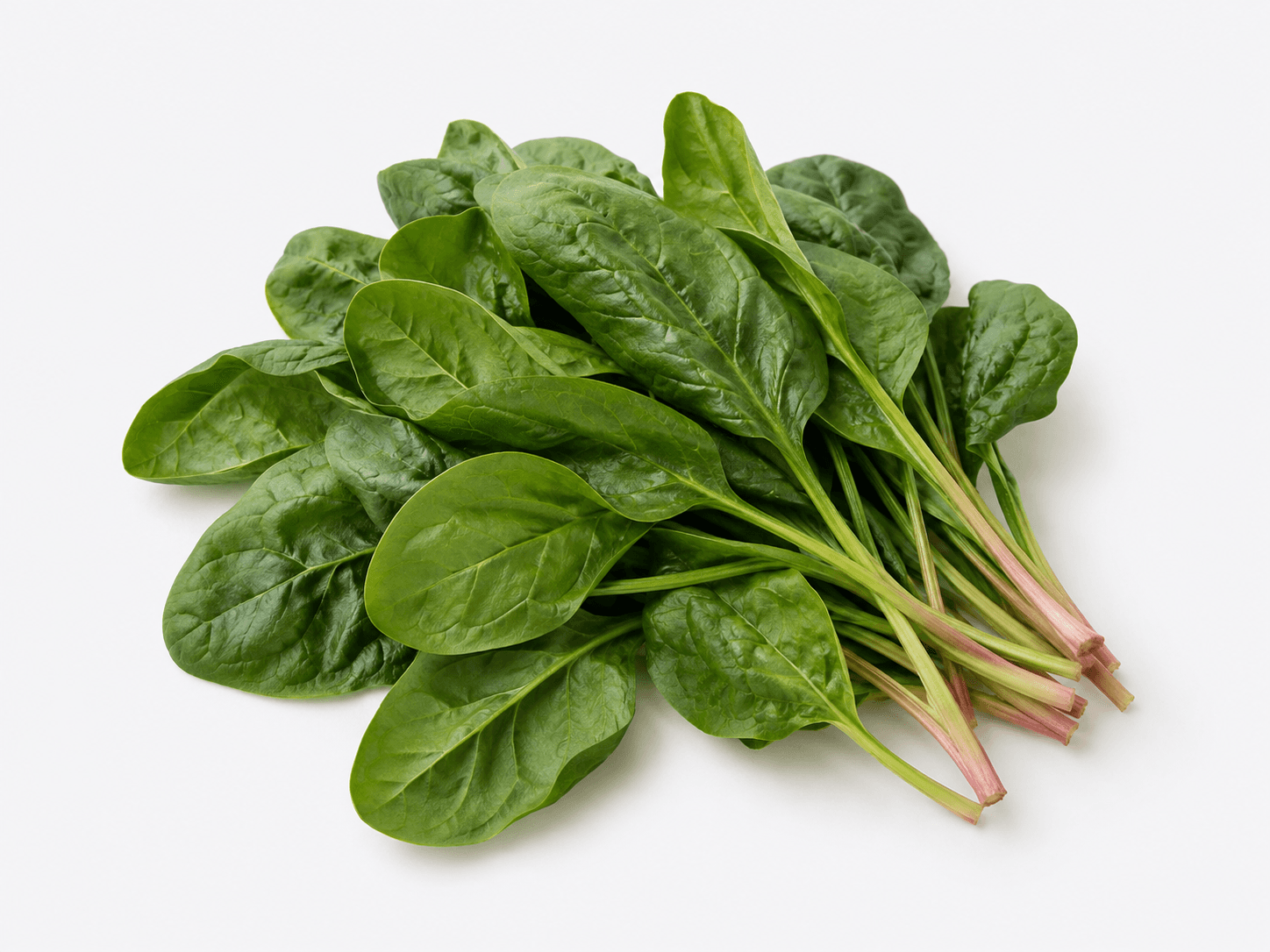
Moderate evidence"Spinach equals iron" is only half true. The real value sits in folate, vitamin K, and the lutein that accumulates in your eyes.

Vegetables
Moderate evidenceThe beta-carotene and fibre are a clear win, but how you cook a sweet potato can nearly double its effect on blood sugar.

Vegetables
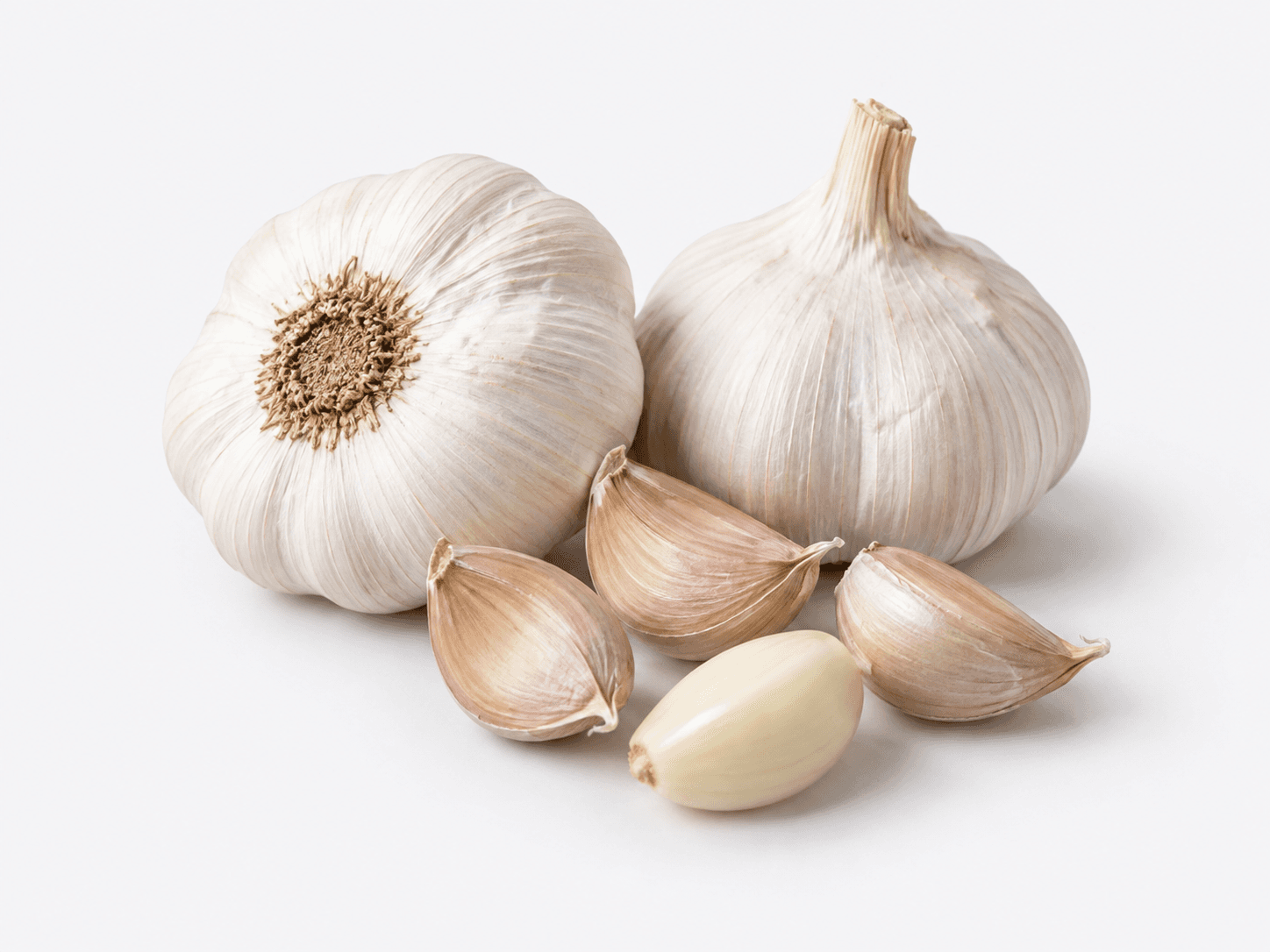
Moderate evidenceThe evidence for garlic points to a modest drop in blood pressure and cholesterol. The trick is to crush it and wait ten minutes before it hits the heat.