Filter by category or search for the ingredient you have in the kitchen.
77 ingredients
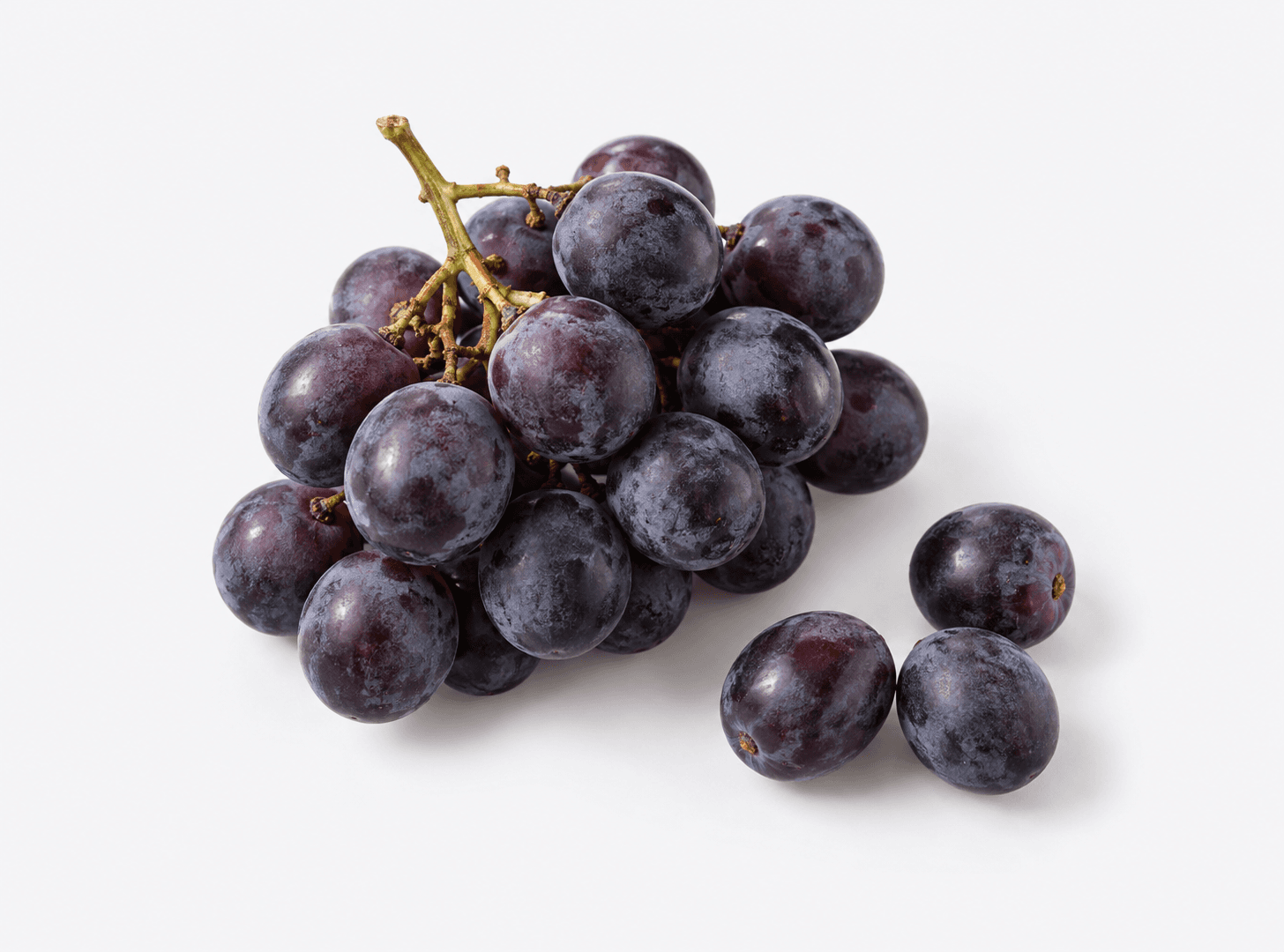
Fruits
Moderate evidenceGrape polyphenols lowered systolic blood pressure by 1.48 mmHg. Every resveratrol trial used a supplement.
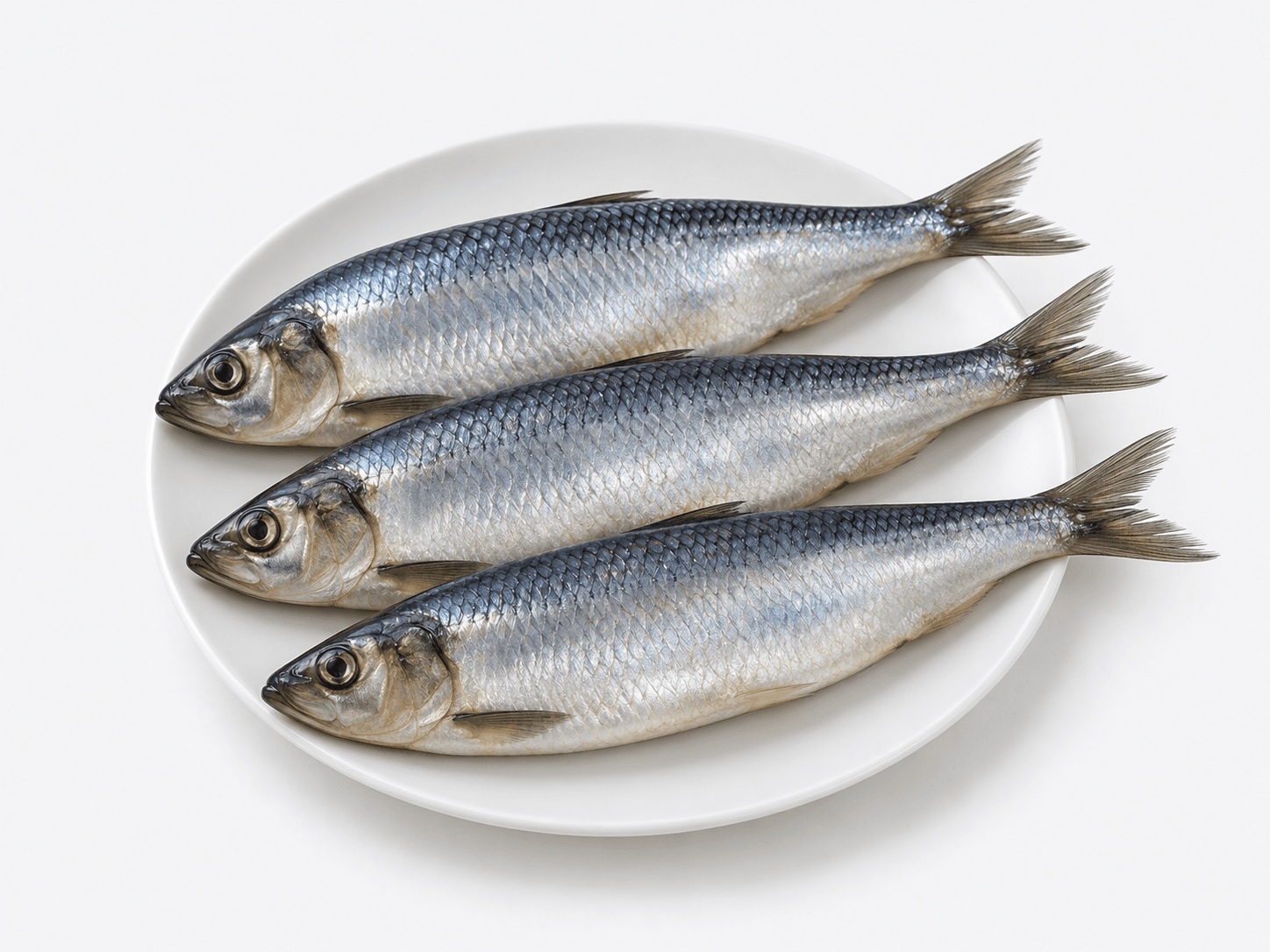
Seafood
Moderate evidence13.7 µg of vitamin B12 per 100 g — more than five times the daily reference. Omega-3 is 1.57 g, behind only salmon and mackerel.
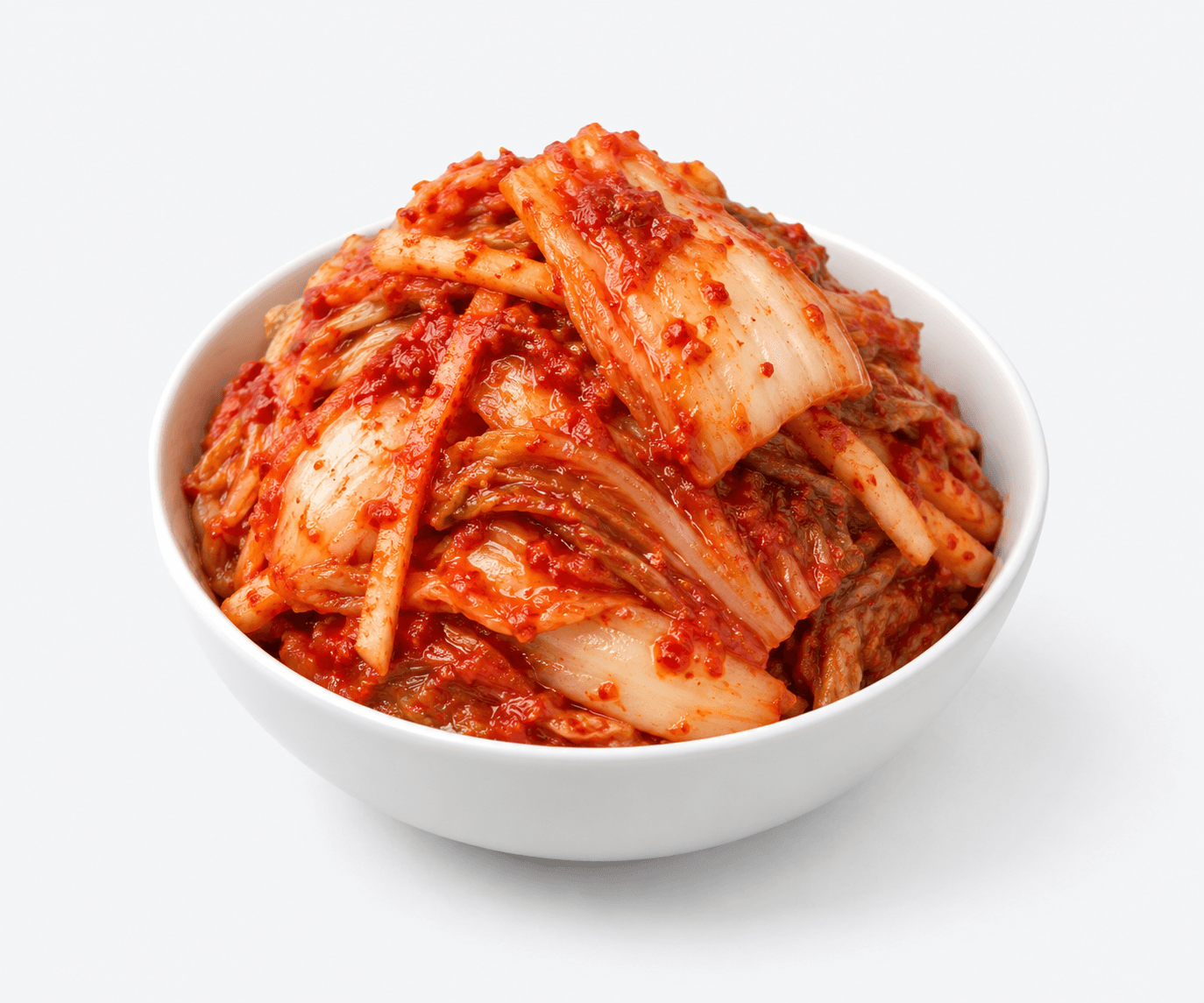
Vegetables
Moderate evidenceThere is evidence that fermented foods help the gut microbiome. But that research did not isolate kimchi, and kimchi arrives with salt attached.
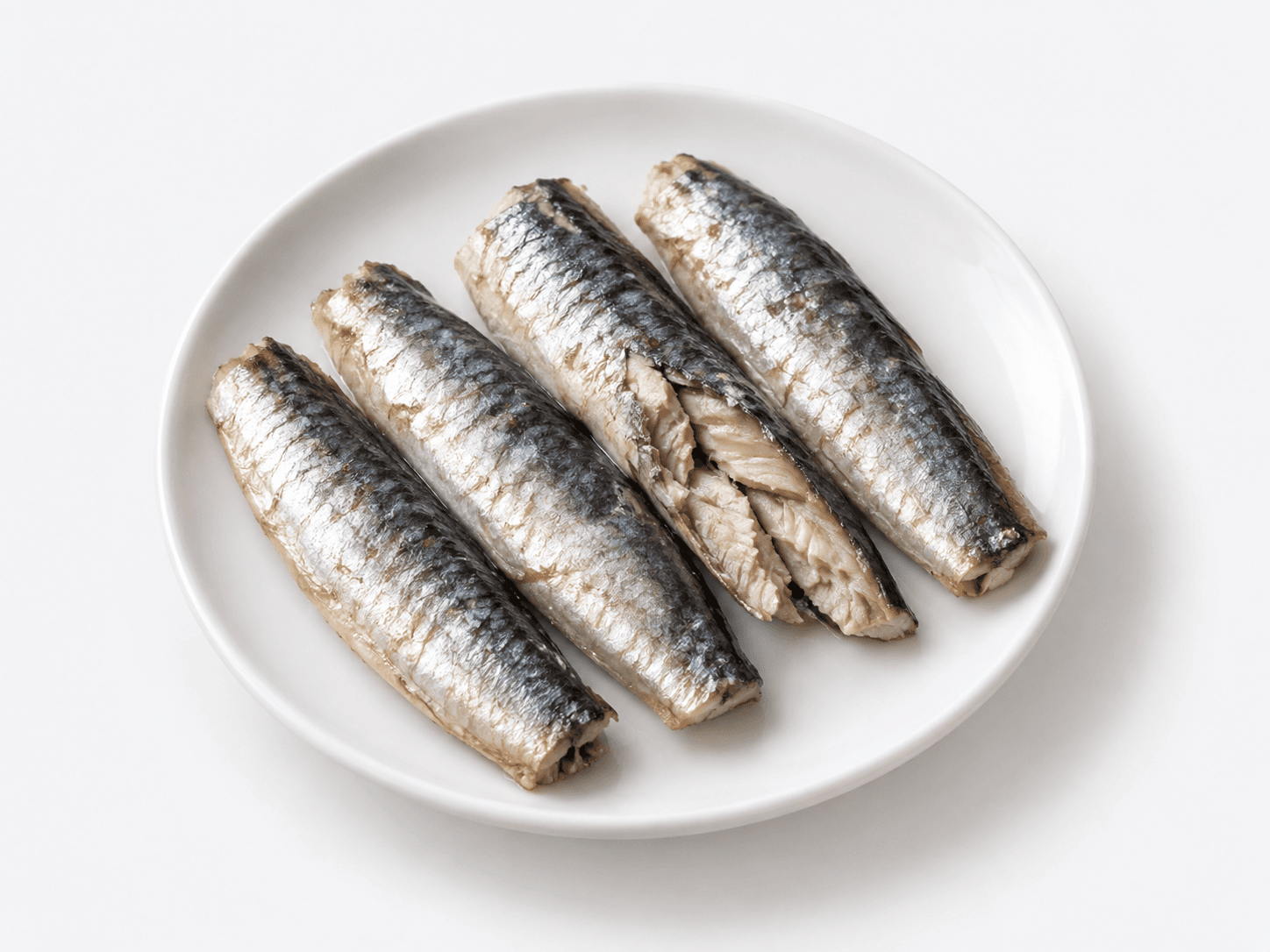
Seafood
Moderate evidence382 mg of calcium, 4.8 µg of vitamin D and 0.98 g of omega-3 per 100 g of tinned sardines. Being a small fish, it also carries little mercury.

Fruits
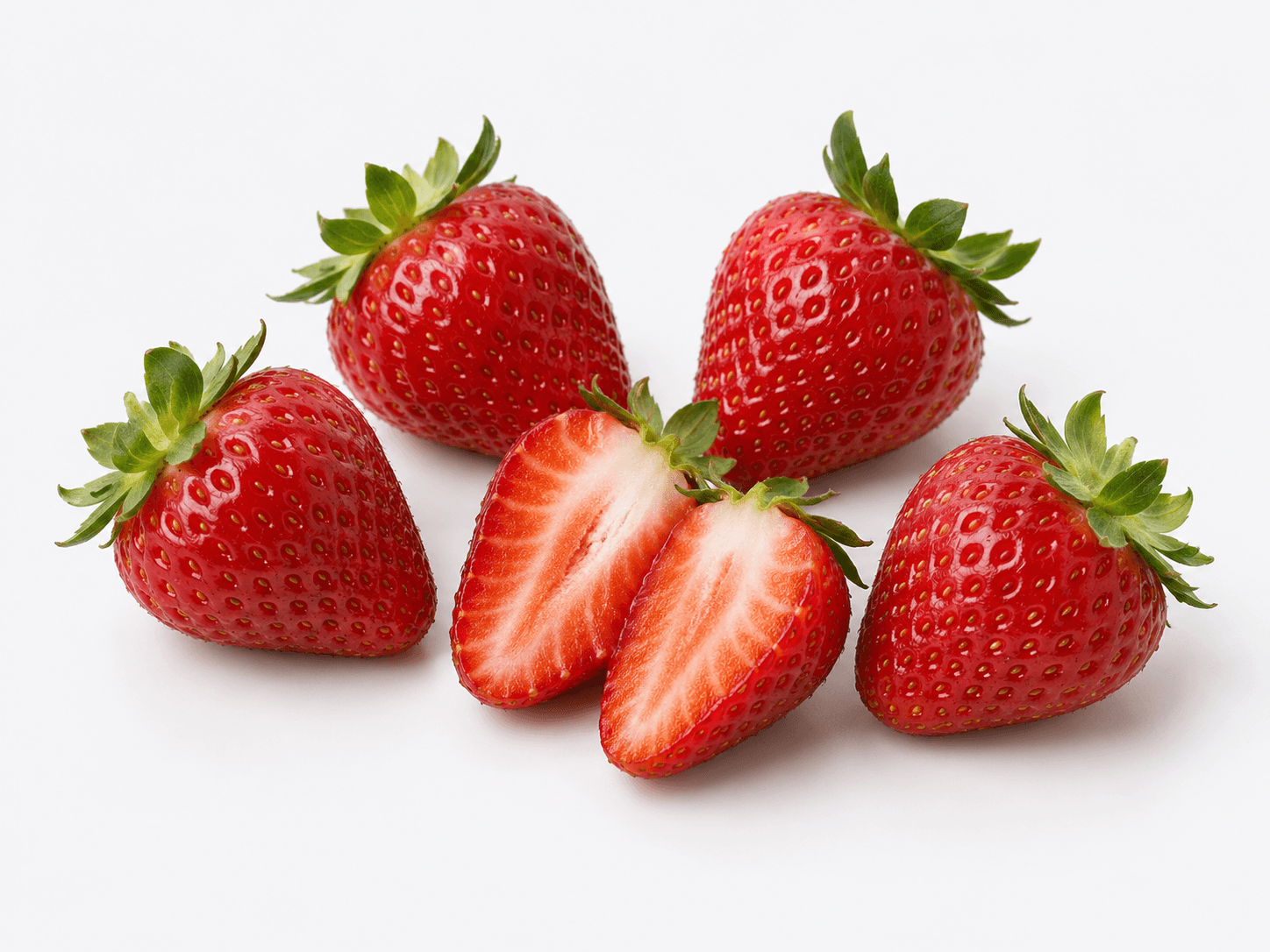
Moderate evidenceEight berries cover your vitamin C for the day. But the randomised trial that tried to lower cholesterol with strawberries failed on its target measure.

Seafood
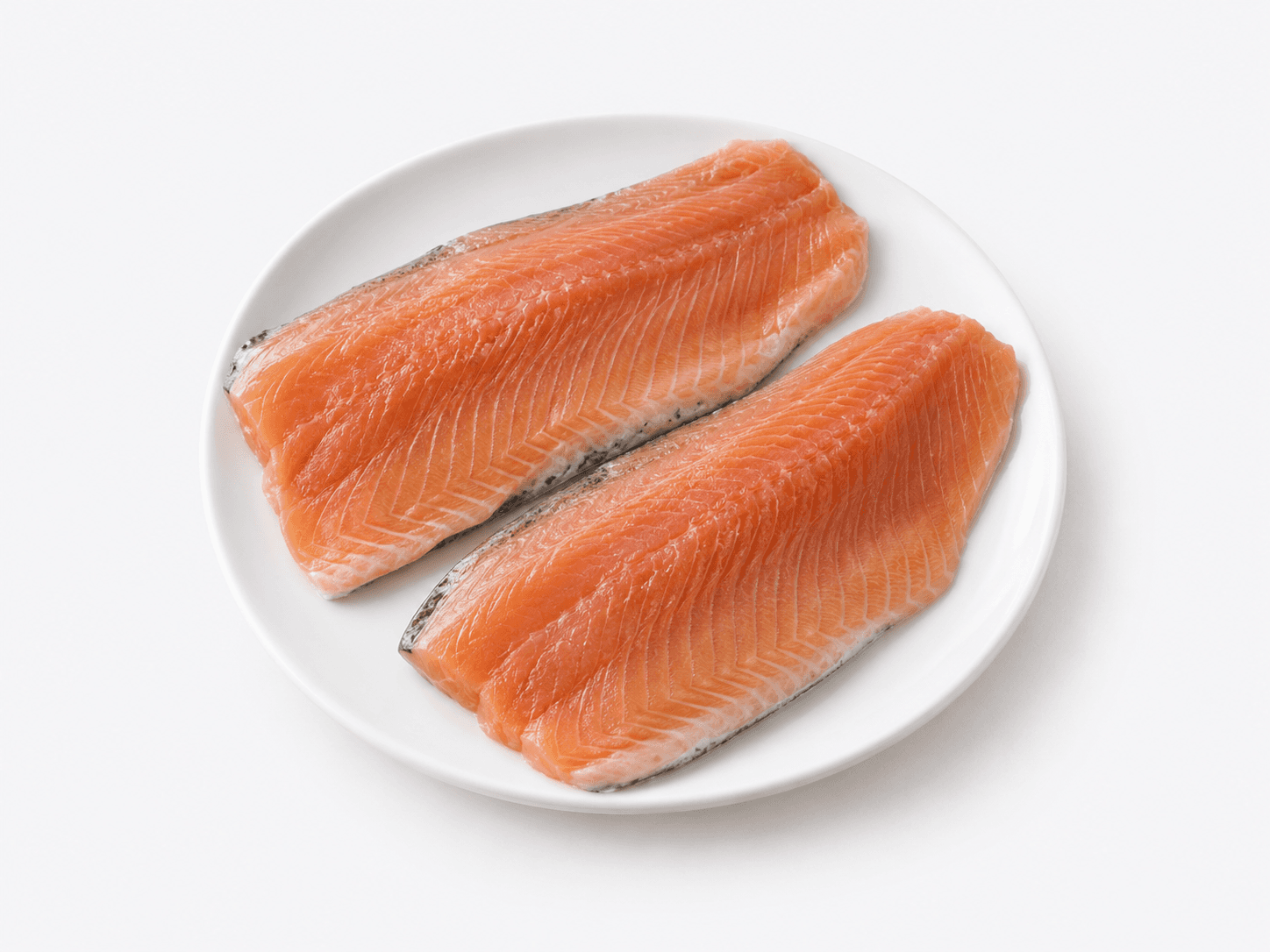
Moderate evidenceMore vitamin D than salmon — 15.9 µg against 11 µg. But under a third of the omega-3.

Nuts & seeds
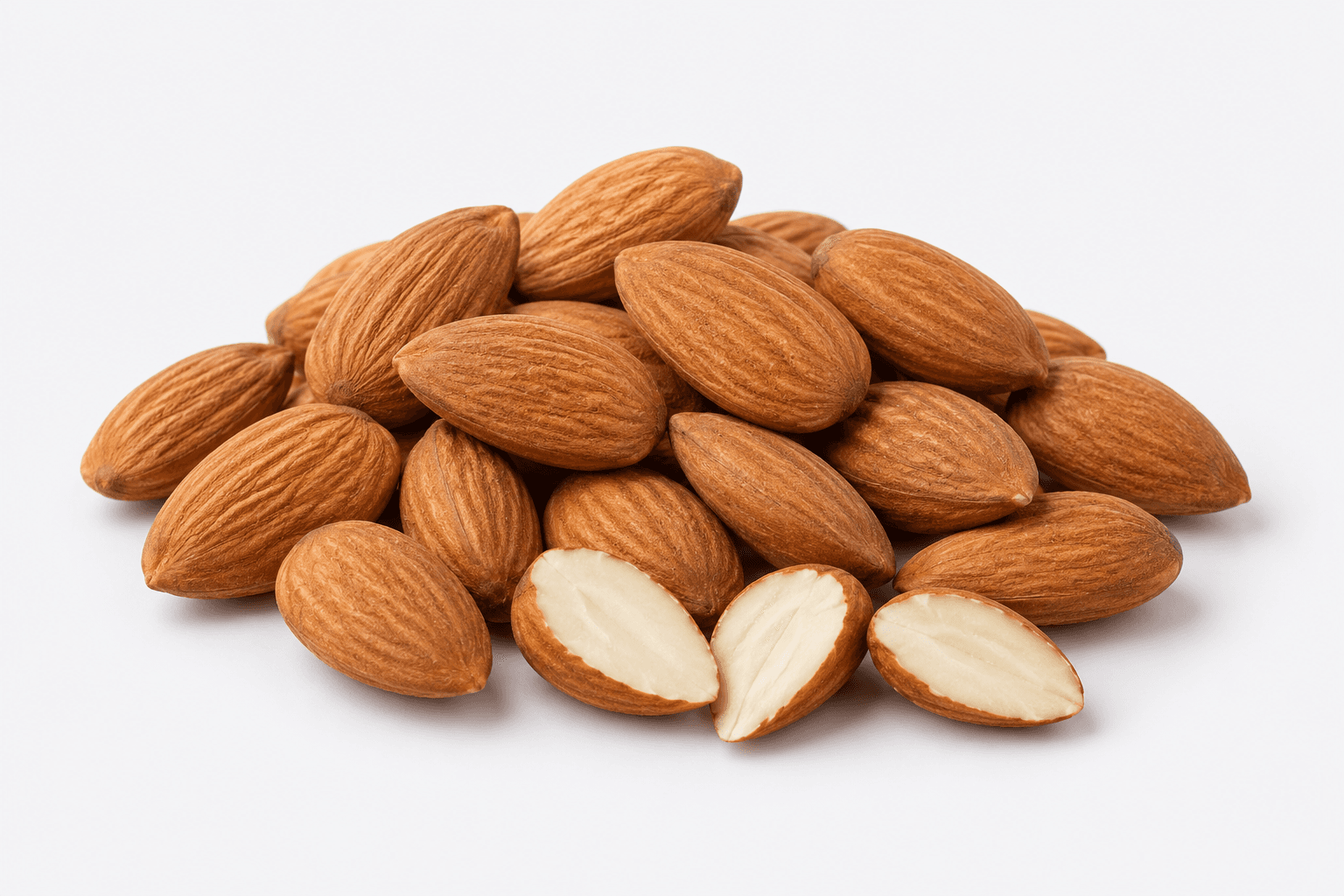
Moderate evidenceThirty grams of almonds carries 7.7 mg of vitamin E — half the 15 mg adult daily requirement. The reason all those calories do not show up on the scale is that the fat is not fully absorbed.

Dairy & eggs
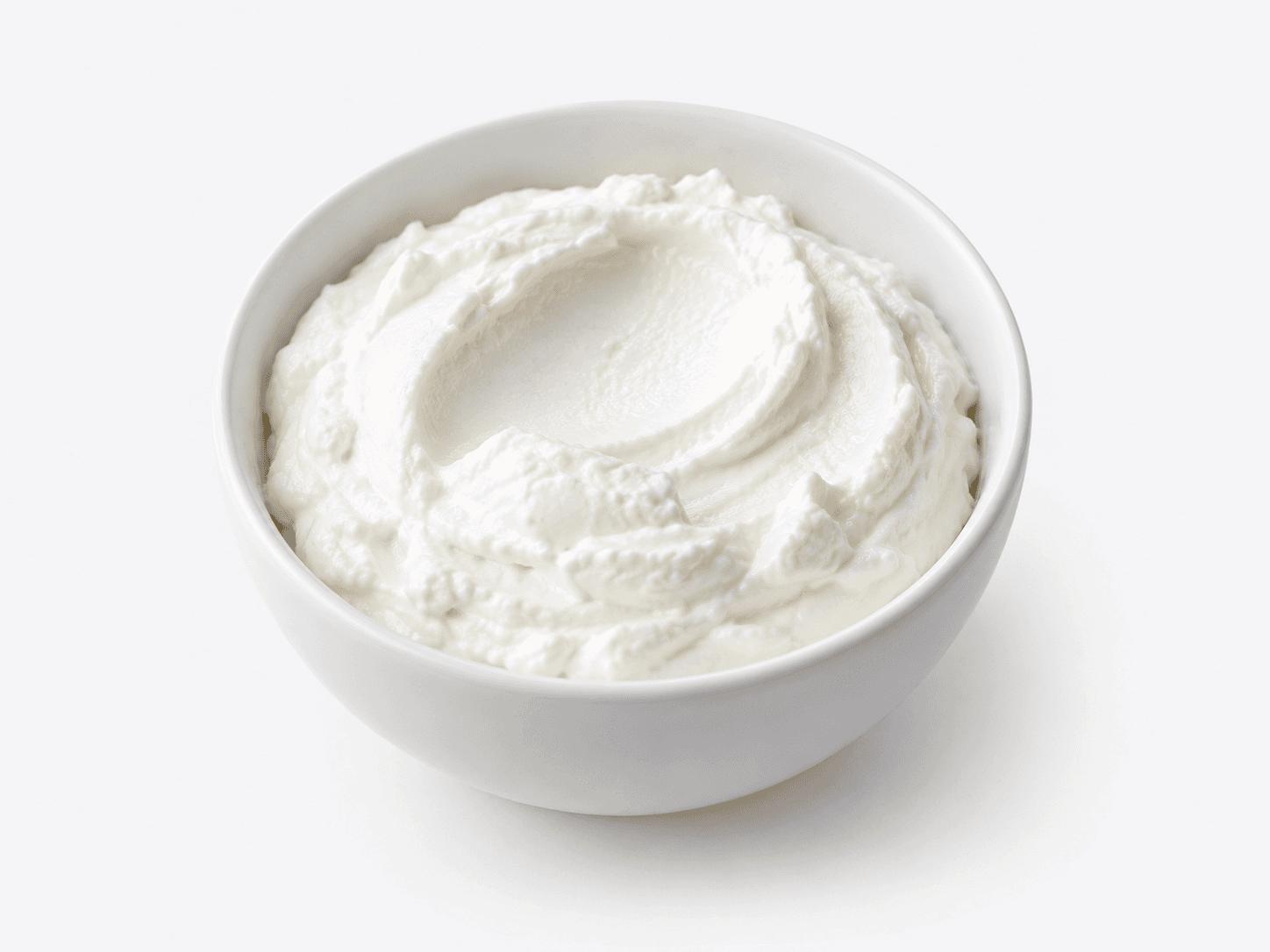
Moderate evidenceIt has nearly three times the protein of regular yogurt not because of any special ingredient, but because the liquid was removed. Calcium goes down in the same step.

Dairy & eggs
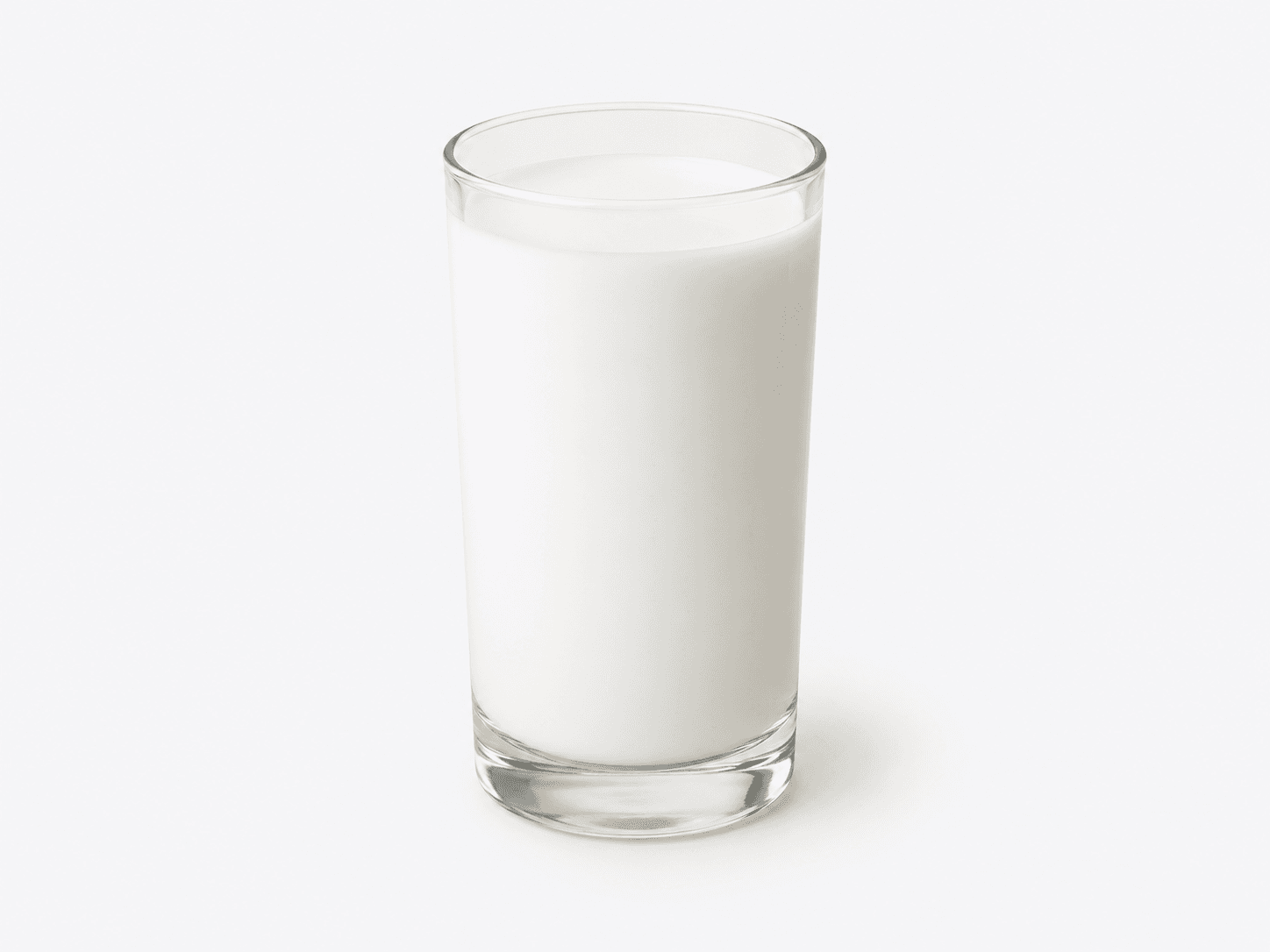
Moderate evidenceFew foods deliver calcium this conveniently. But in much of the world, adults stop producing the enzyme that digests lactose.

Nuts & seeds
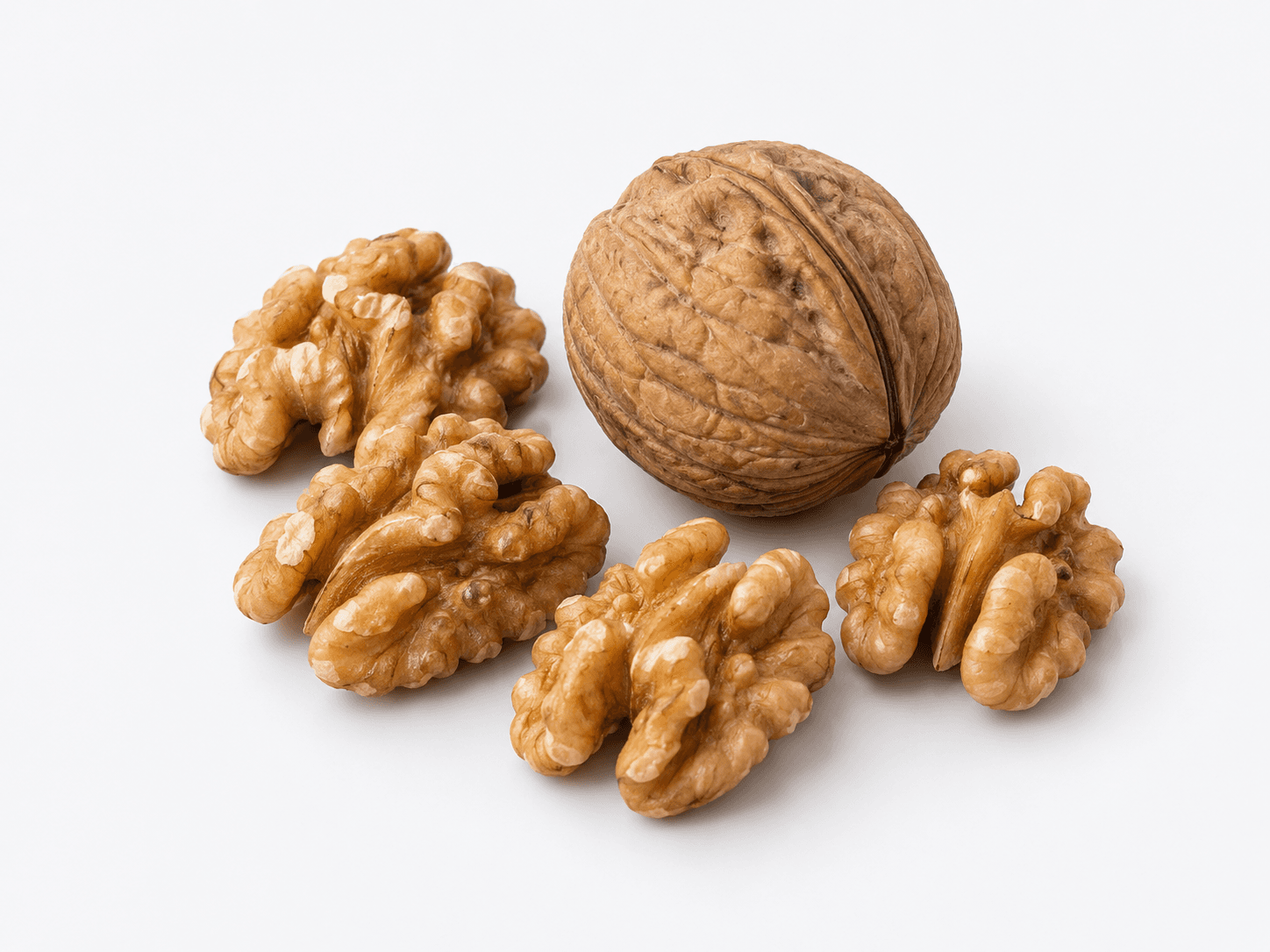
Moderate evidenceWalnuts carry 9.1 g of ALA per 100 g, an order of magnitude beyond other nuts. But the rate at which ALA converts to EPA and DHA is very low.

Herbs & spices
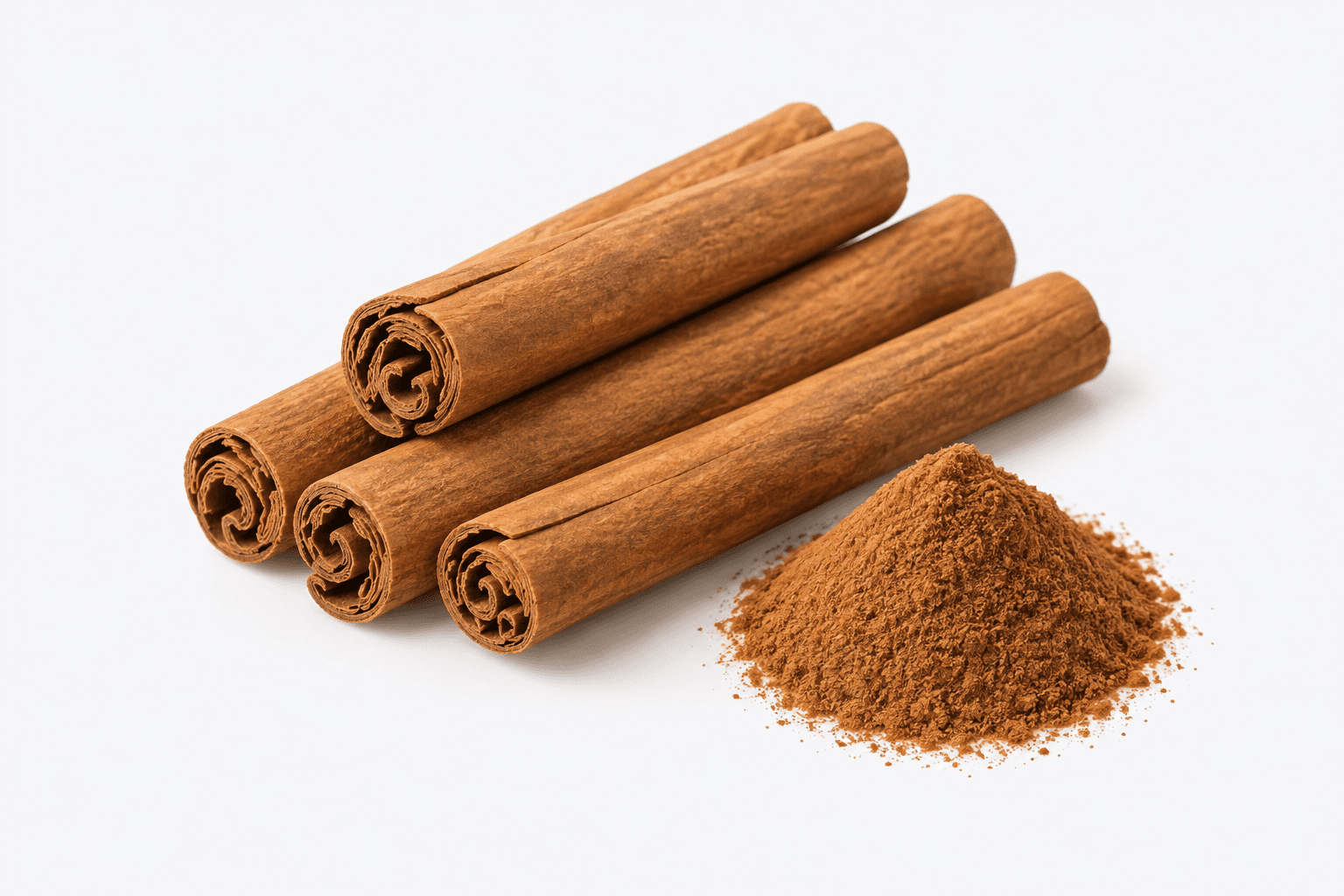
Moderate evidenceMost cinnamon on shelves is cassia, which is high in coumarin and can burden the liver. Knowing which type you have matters more than any benefit.

Seafood
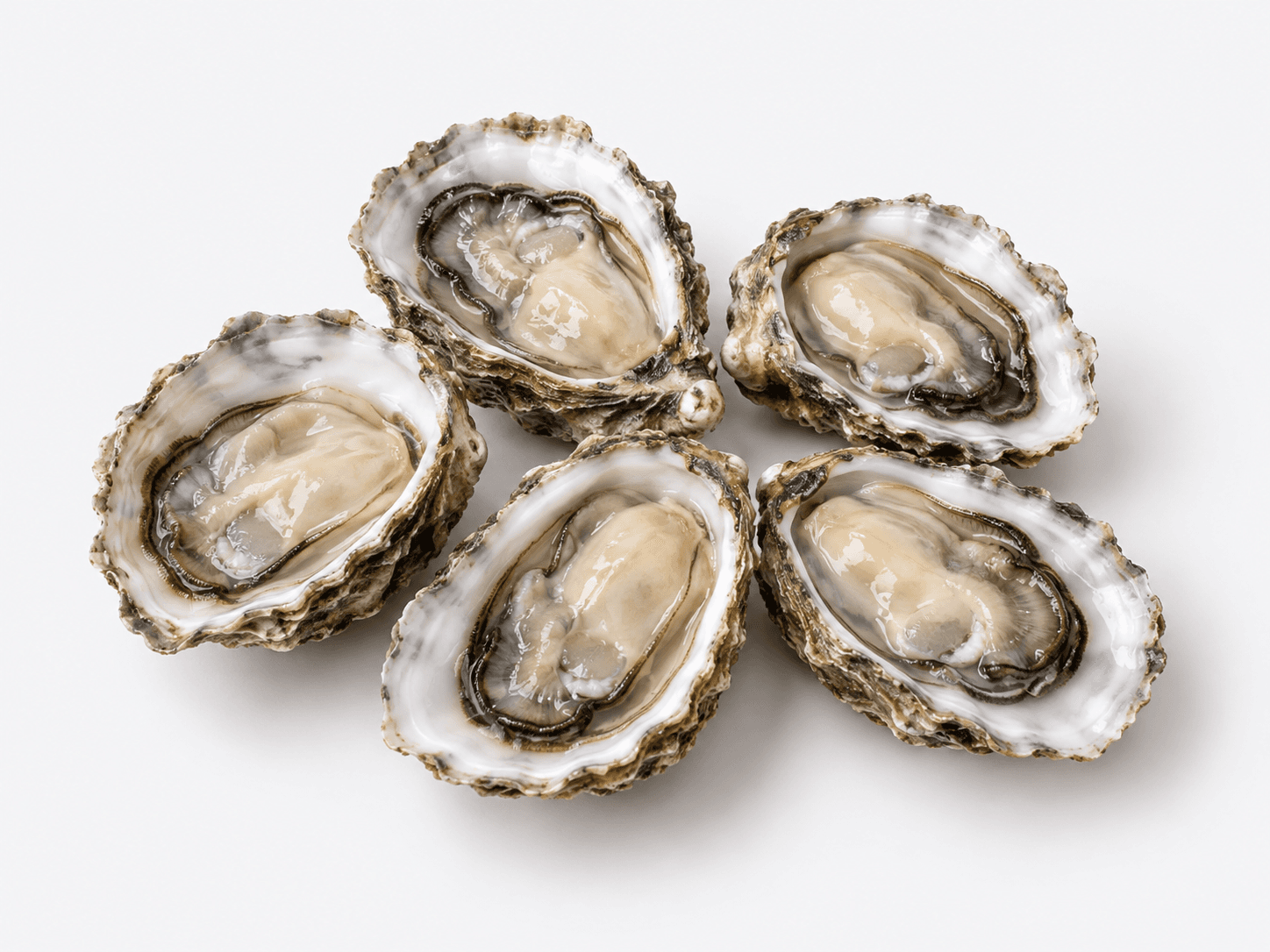
Moderate evidence100 g of oysters carries 16.6 mg of zinc — one and a half times an adult's daily requirement. Almost no other natural food comes close.

Herbs & spices
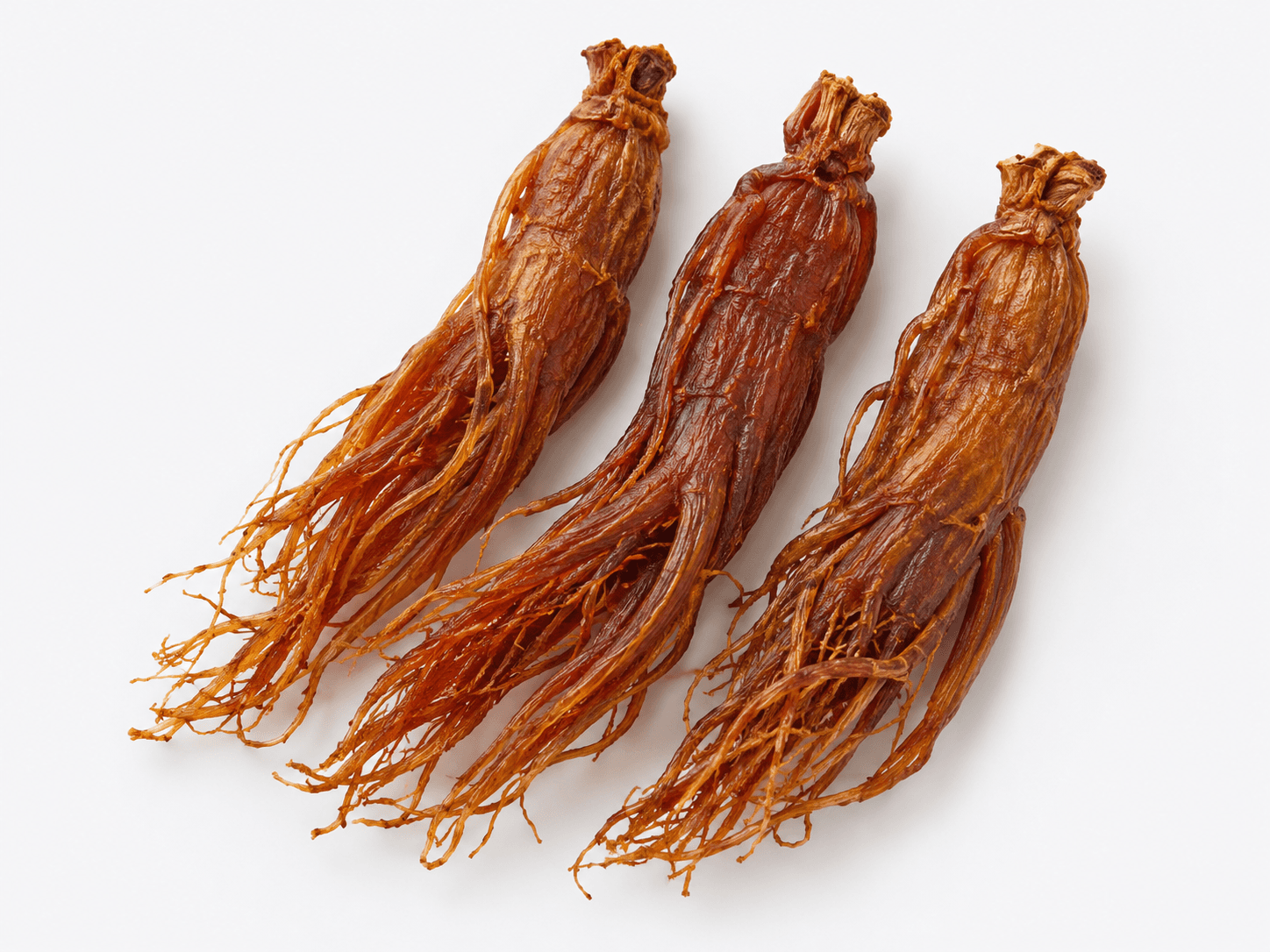
Moderate evidenceThere is evidence for fatigue and immune markers, but the effect sizes are modest. Steaming is what separates red ginseng from fresh.

Meat
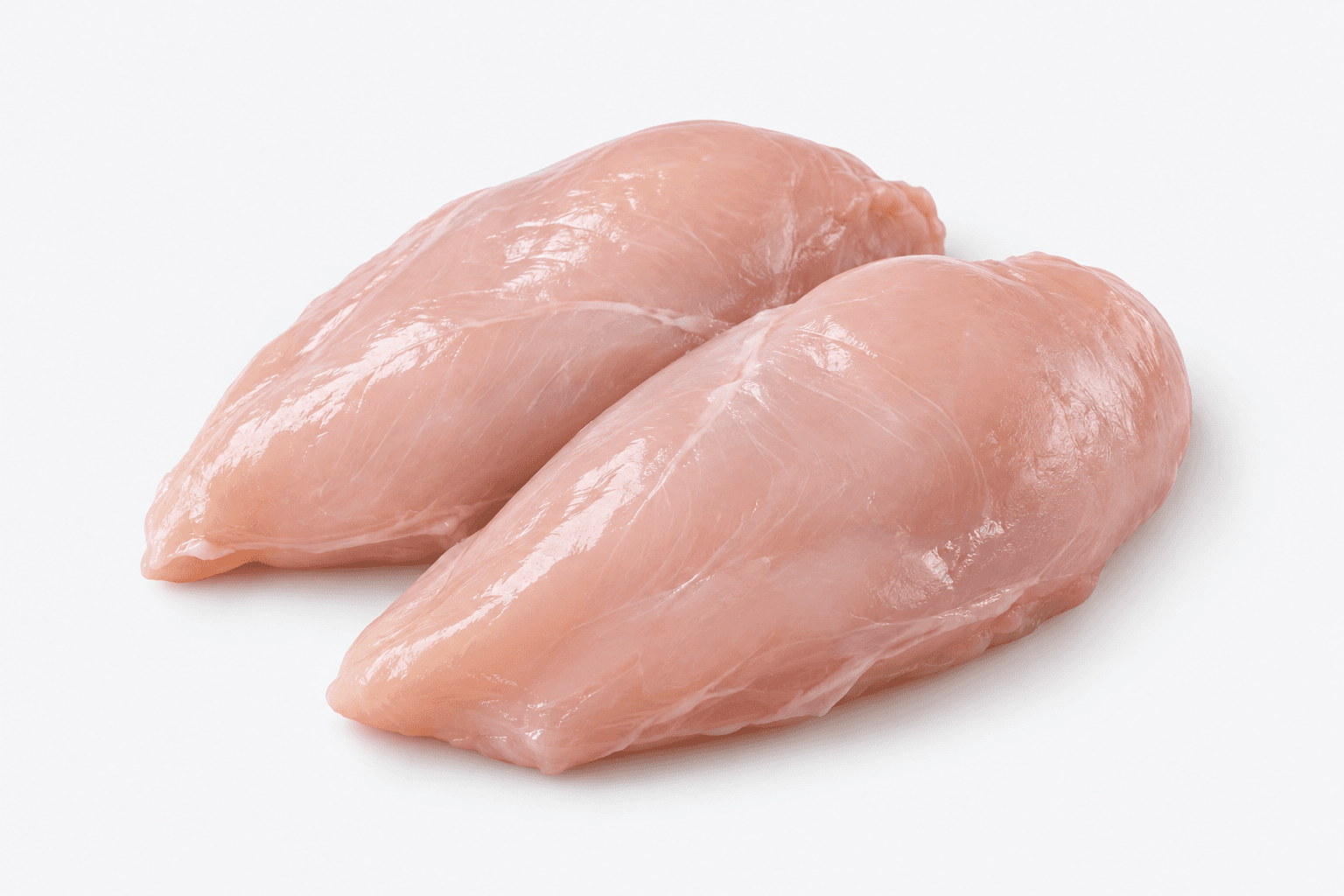
Moderate evidence31 g of protein and 3.6 g of fat per 100 g. Almost no everyday food beats it on protein per calorie.

Fruits
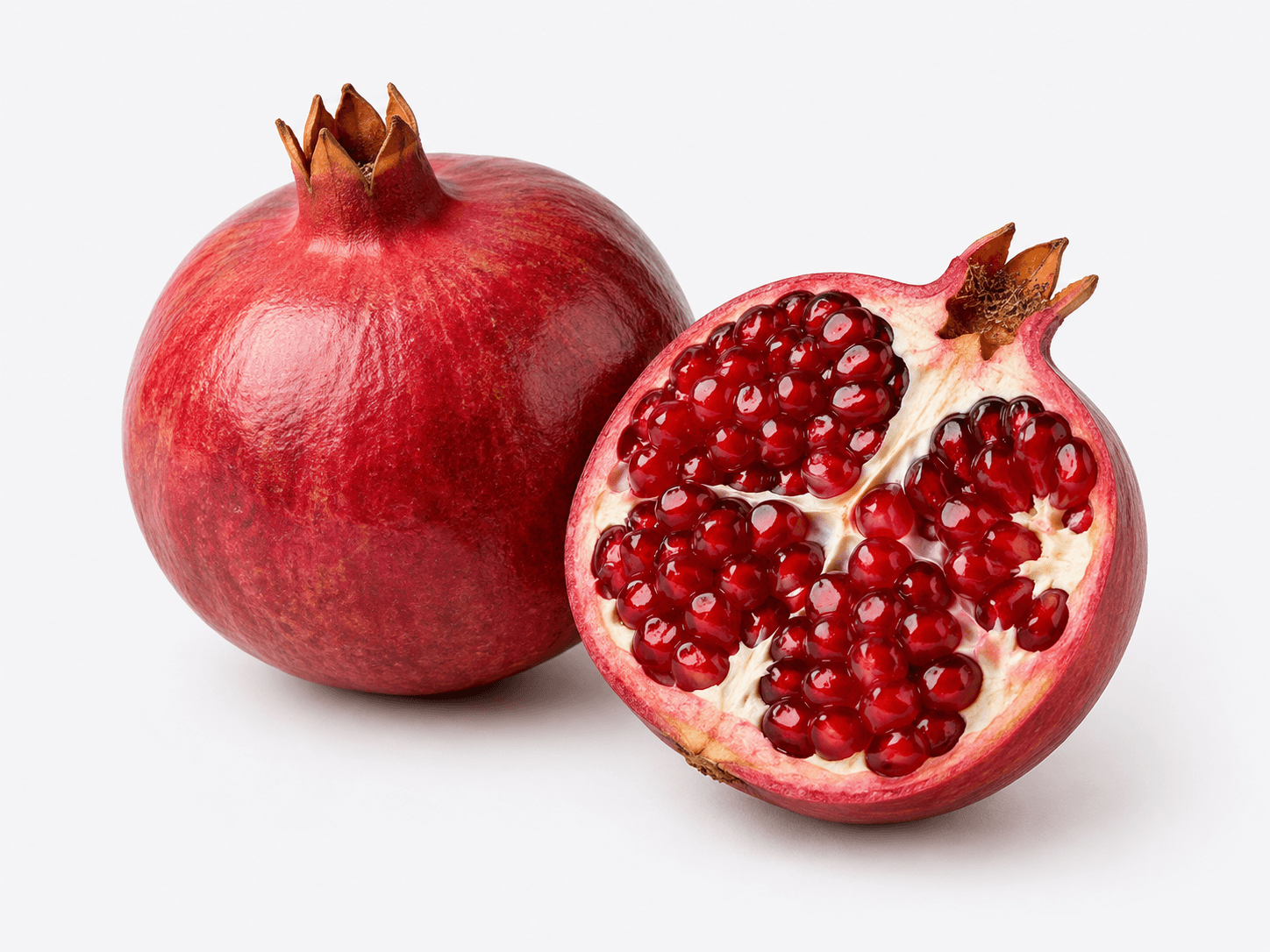
Moderate evidenceIts antioxidant capacity really is high. The hormonal marketing, though, runs well ahead of the evidence.

Fruits
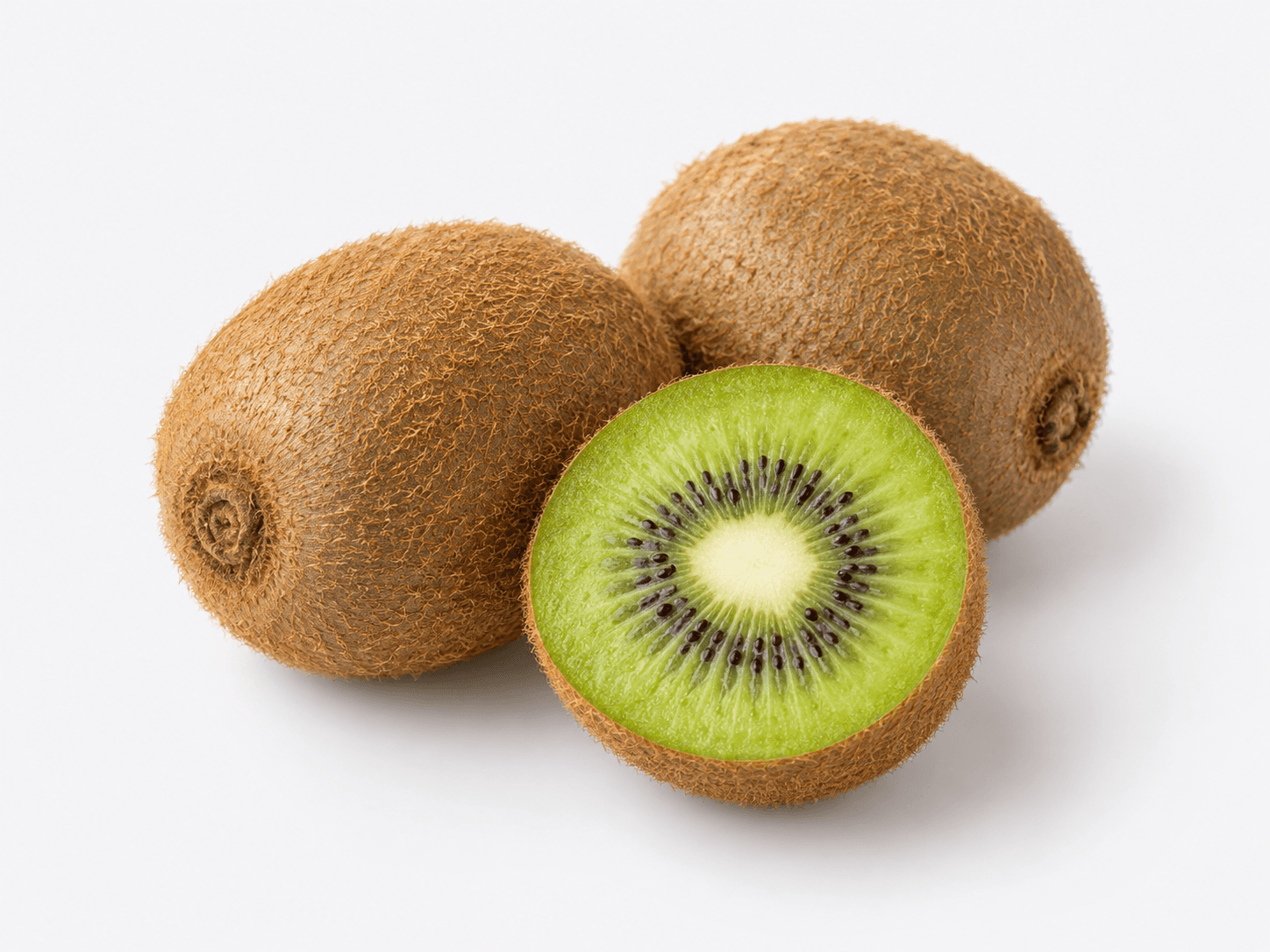
Moderate evidenceKiwi is one of very few fruits with trial evidence for improving bowel movements at two a day. It also carries a protein-digesting enzyme.

Fruits
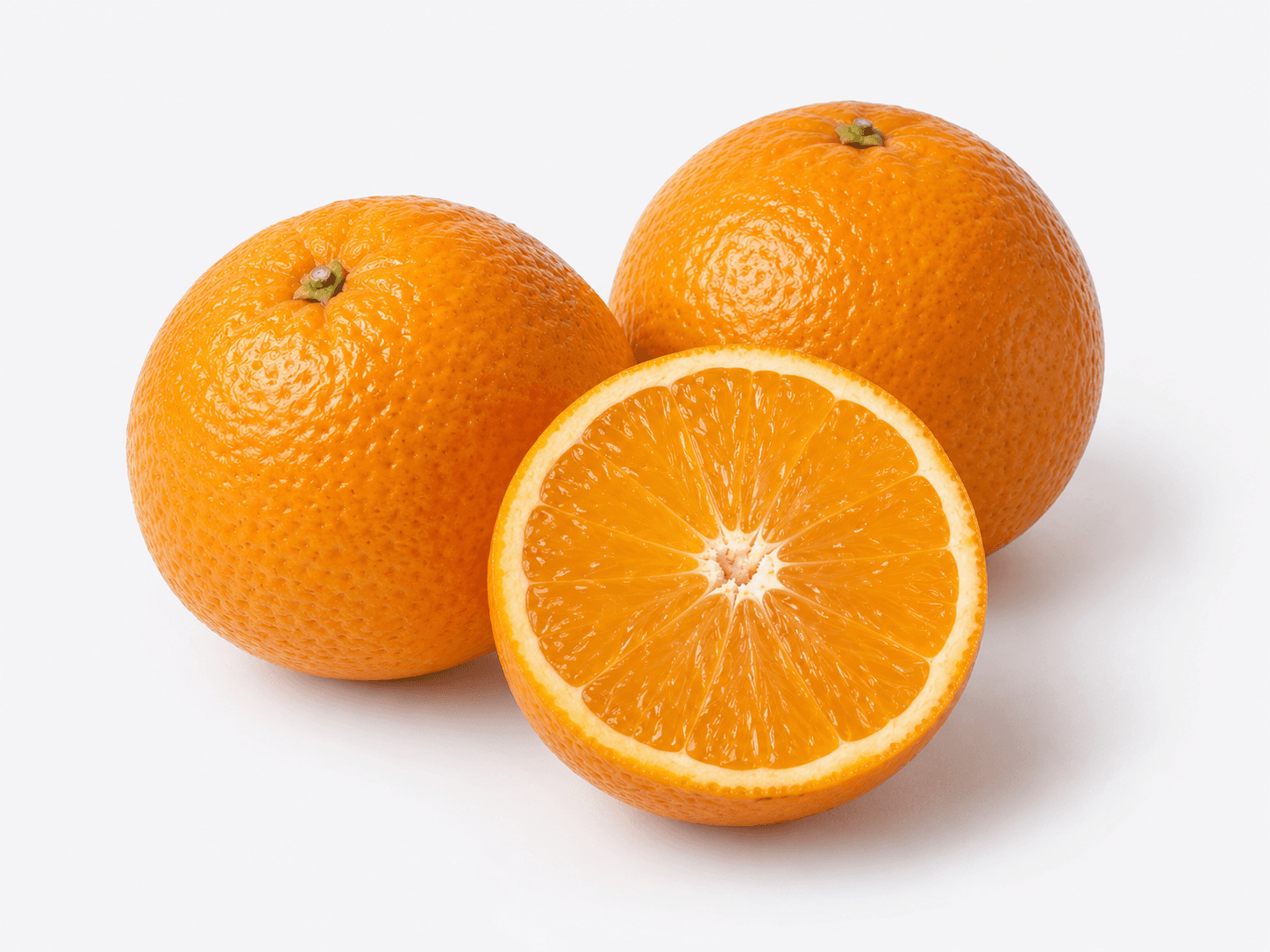
Moderate evidenceEveryone knows about the vitamin C. Less known is that the white pith people pick off carries the fibre and flavonoids.

Fruits
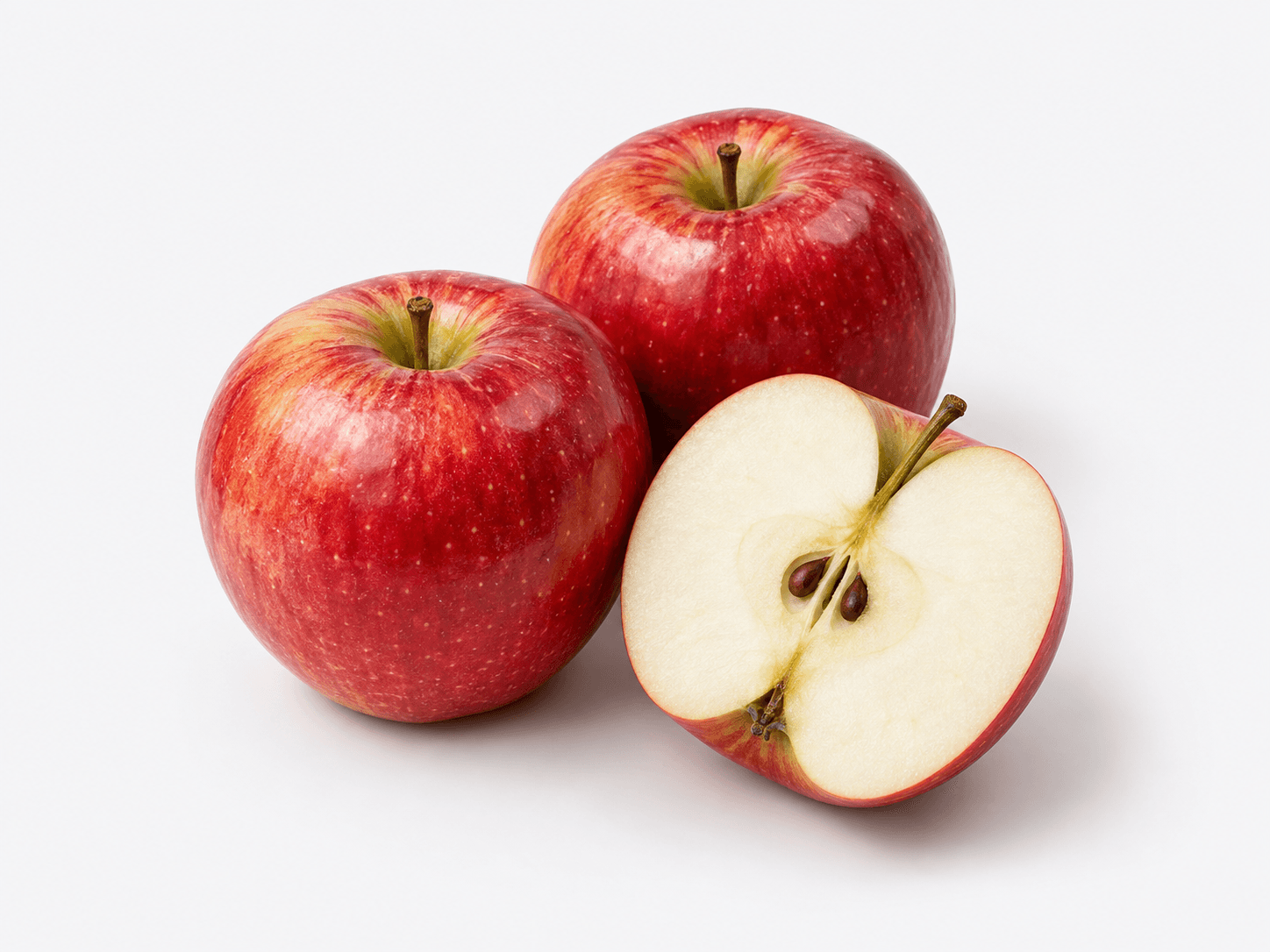
Moderate evidenceMost of an apple's fibre and polyphenols live in the skin. Peel it and what remains is mostly sugar and water.

Fruits
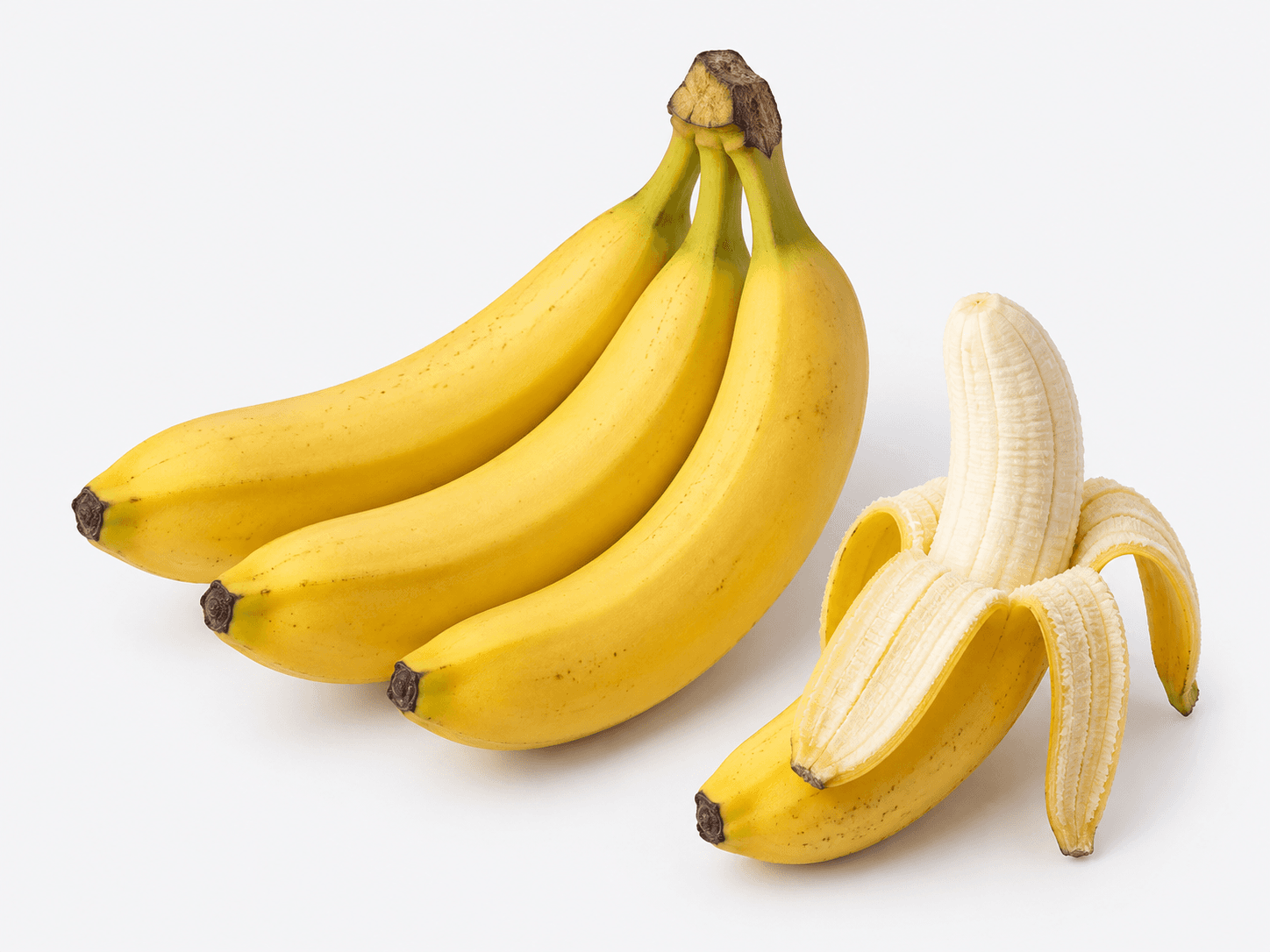
Moderate evidenceA green banana is mostly resistant starch; a ripe one is fast sugar. Choose the stage that matches what you want from it.

Vegetables
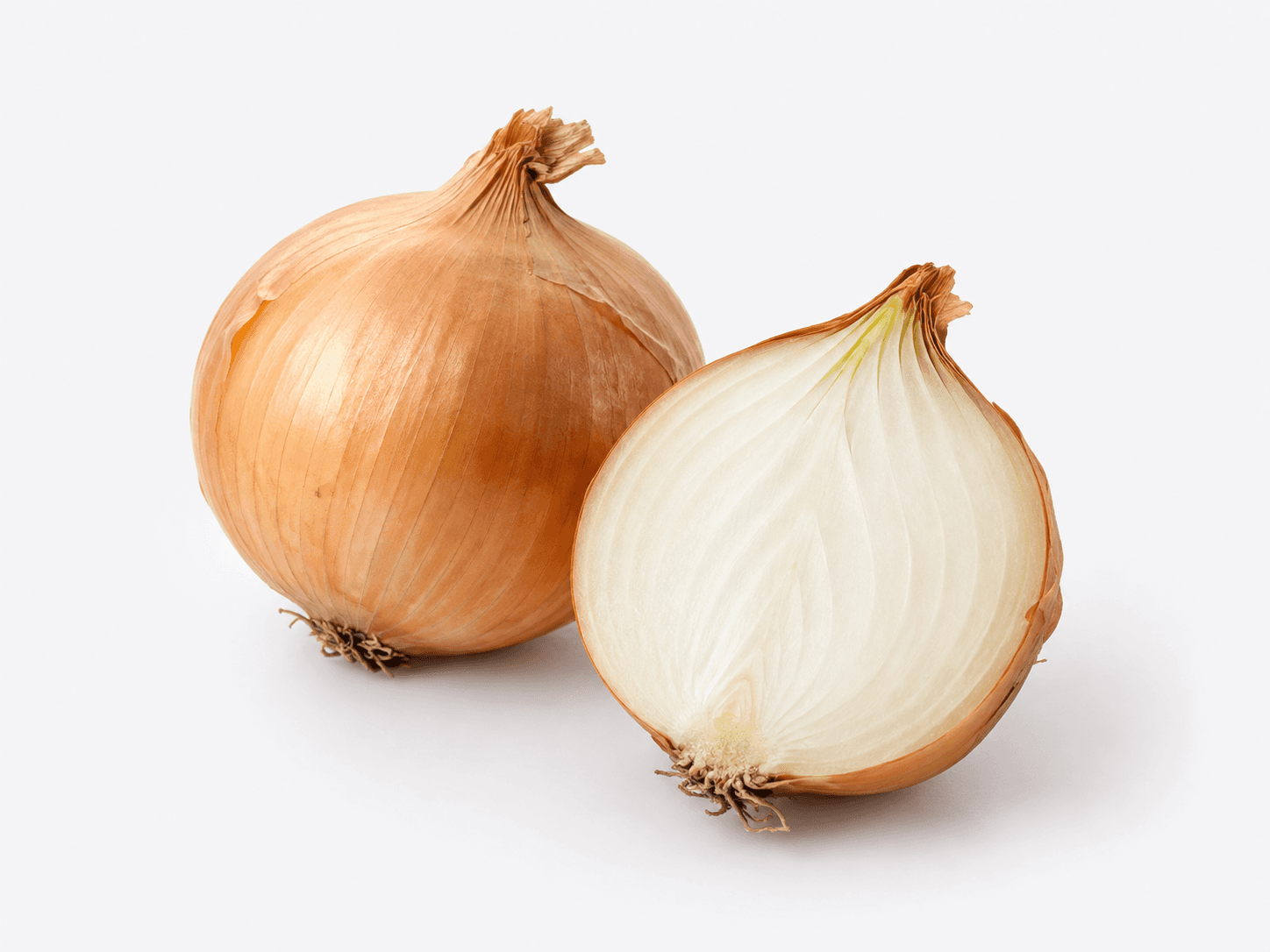
Moderate evidenceOnion's antioxidant quercetin concentrates in the outer layers. Peeling two extra layers out of habit throws much of it away.

Vegetables
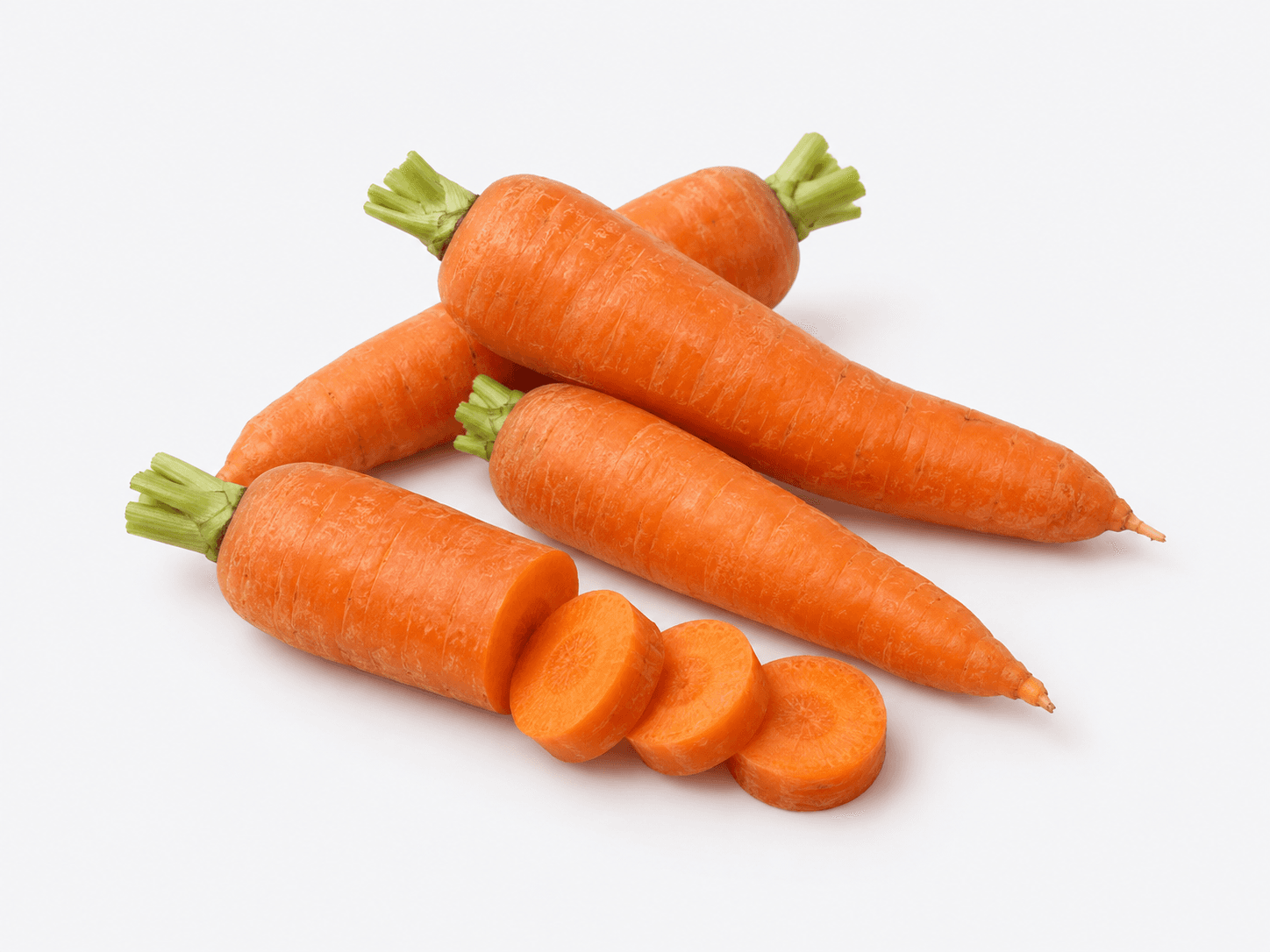
Moderate evidenceCarrot beta-carotene is locked inside tough cell walls. Cooking plus a little fat multiplies how much you absorb.

Vegetables
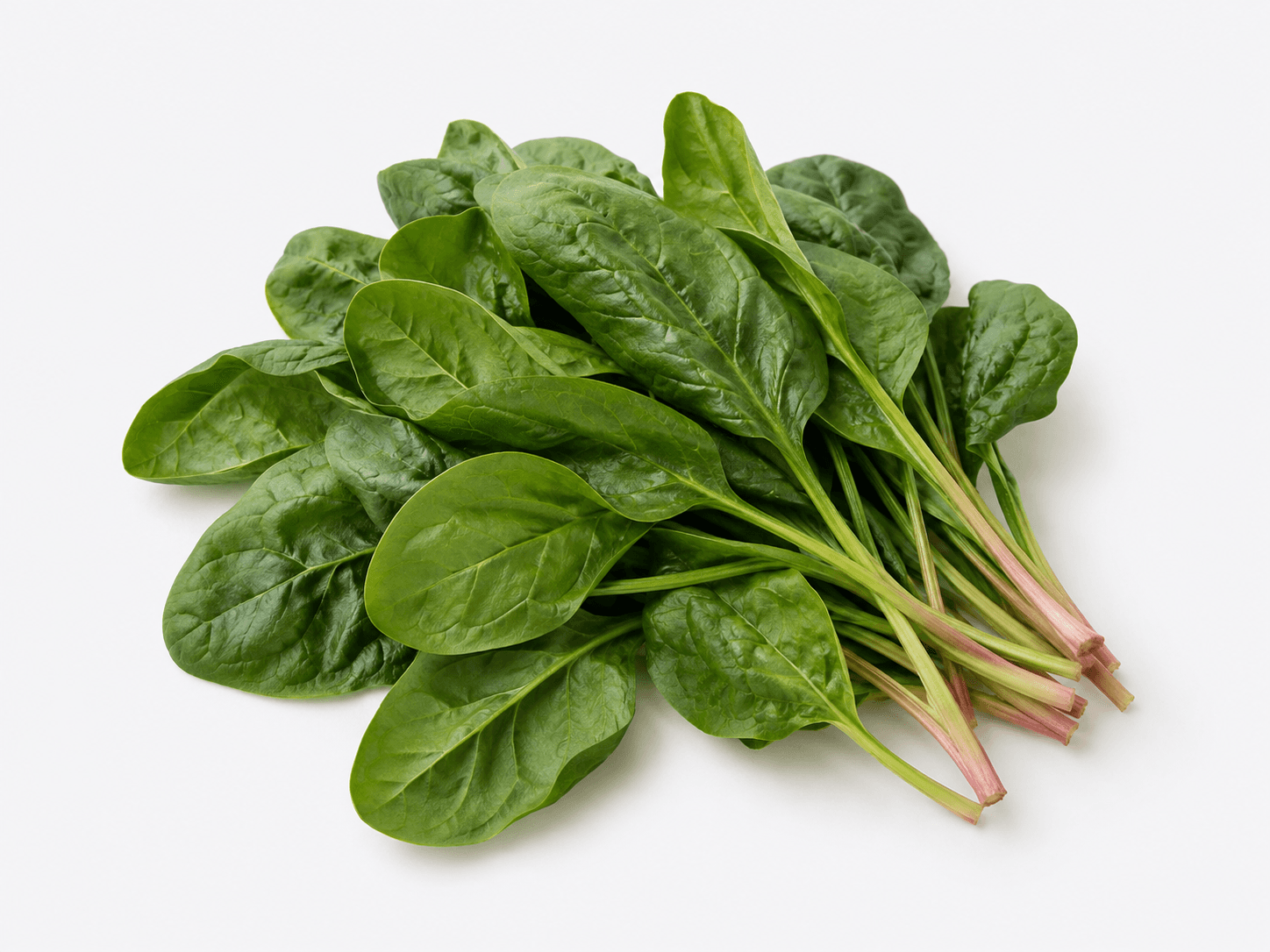
Moderate evidence"Spinach equals iron" is only half true. The real value sits in folate, vitamin K, and the lutein that accumulates in your eyes.

Fruits
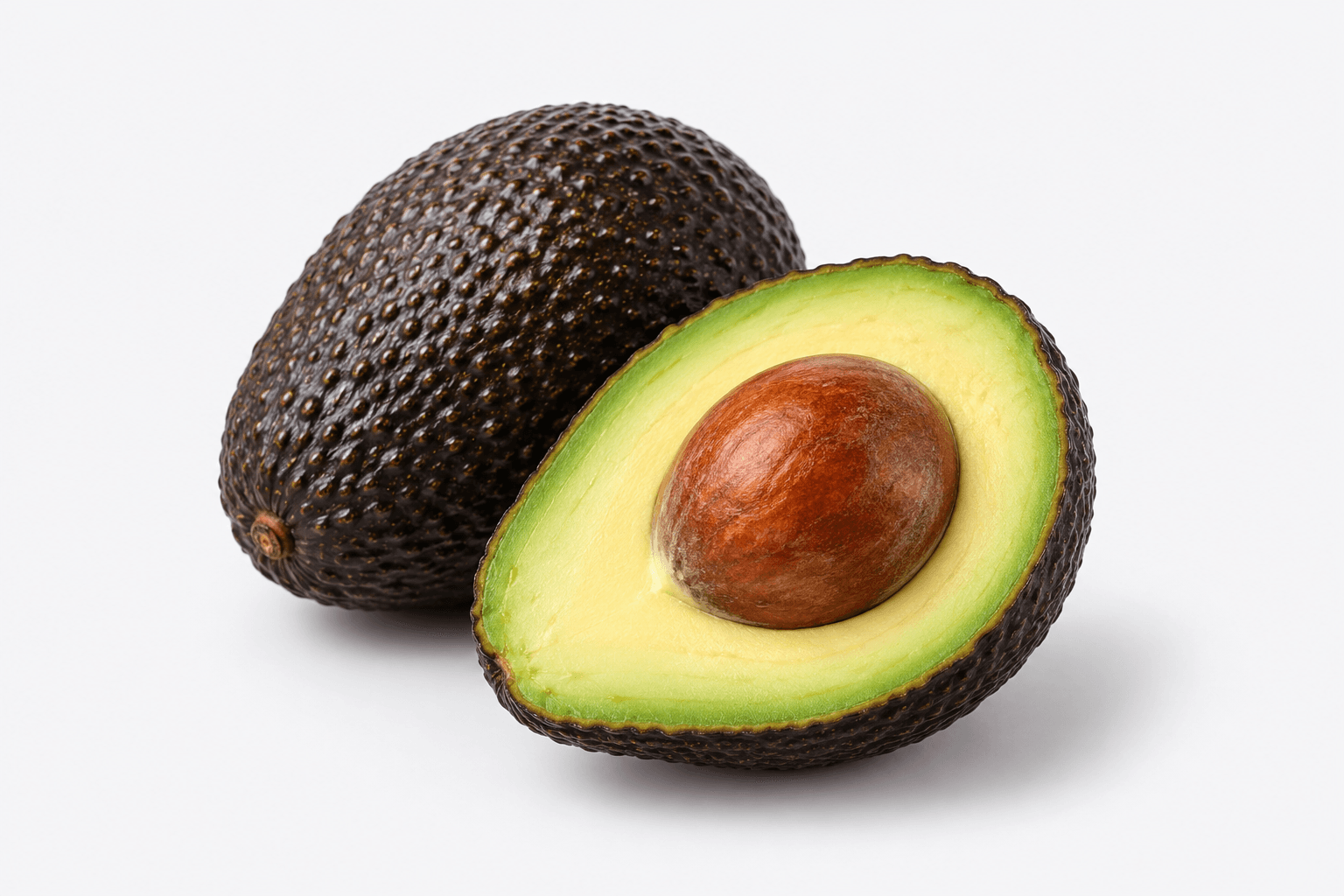
Moderate evidenceMonounsaturated fat and 6.7 g of fibre are the headline, but the most interesting part is what avocado does to the vegetables you eat alongside it.

Vegetables
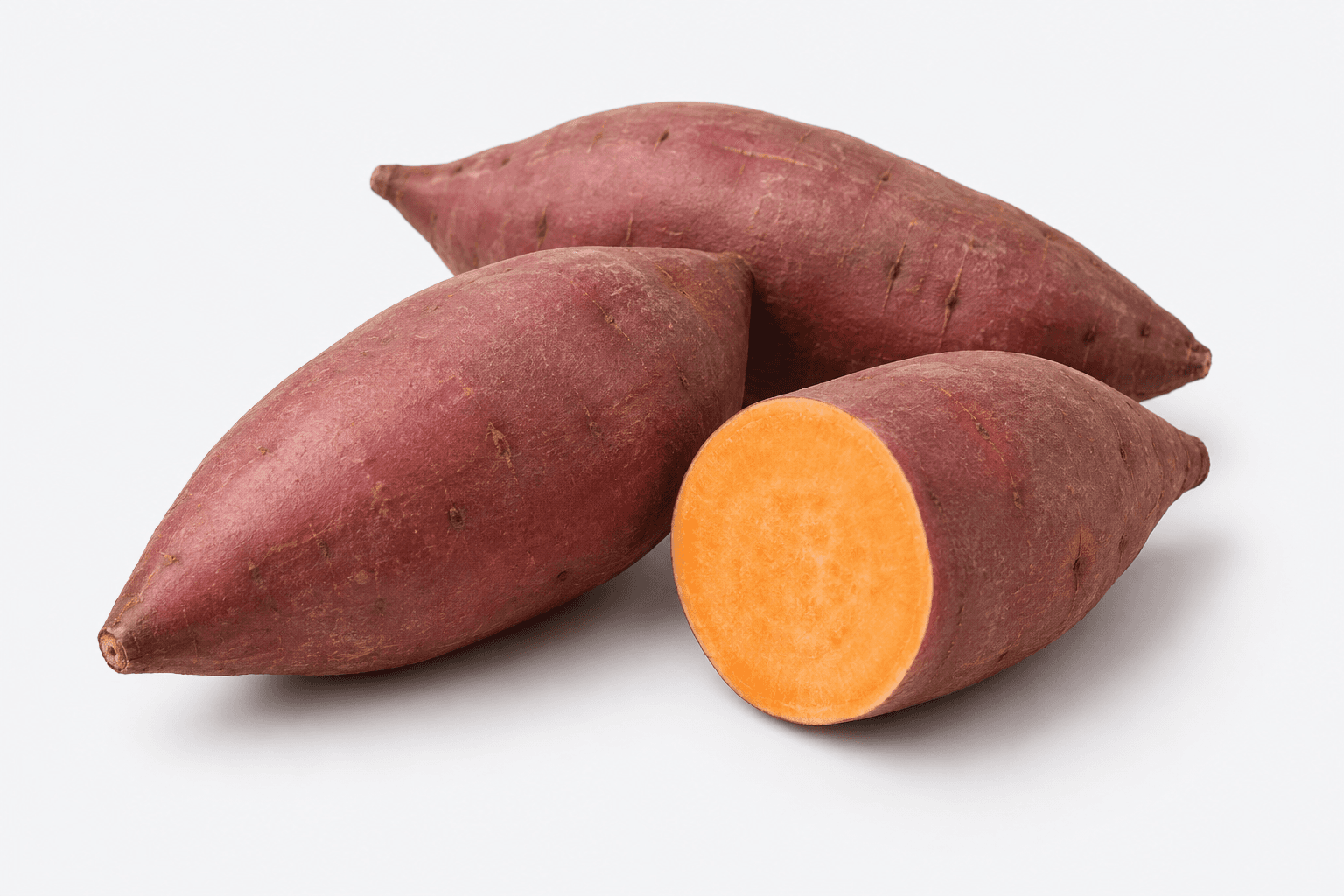
Moderate evidenceThe beta-carotene and fibre are a clear win, but how you cook a sweet potato can nearly double its effect on blood sugar.