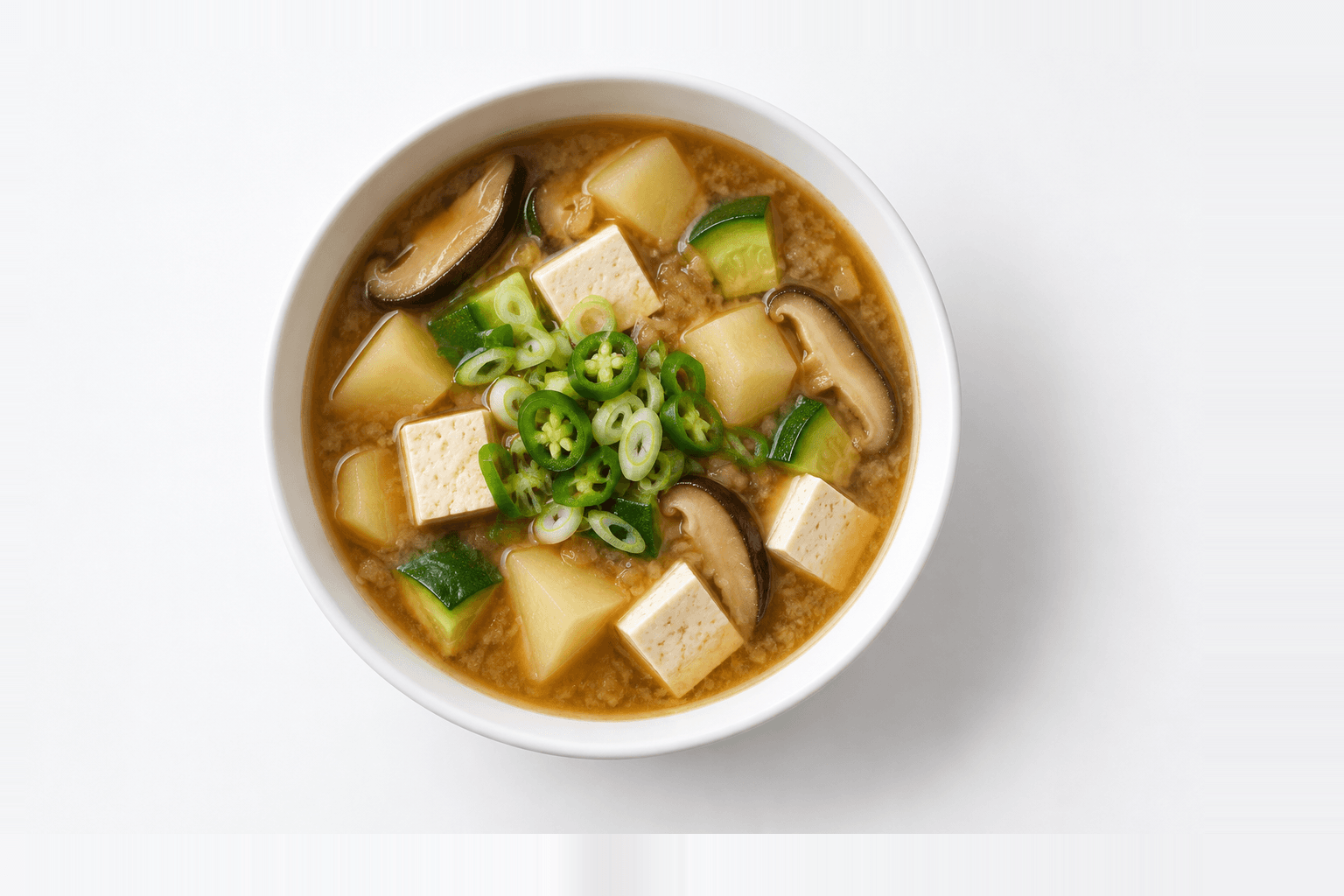
The point of this stew is cutting the sodium without losing the flavour.
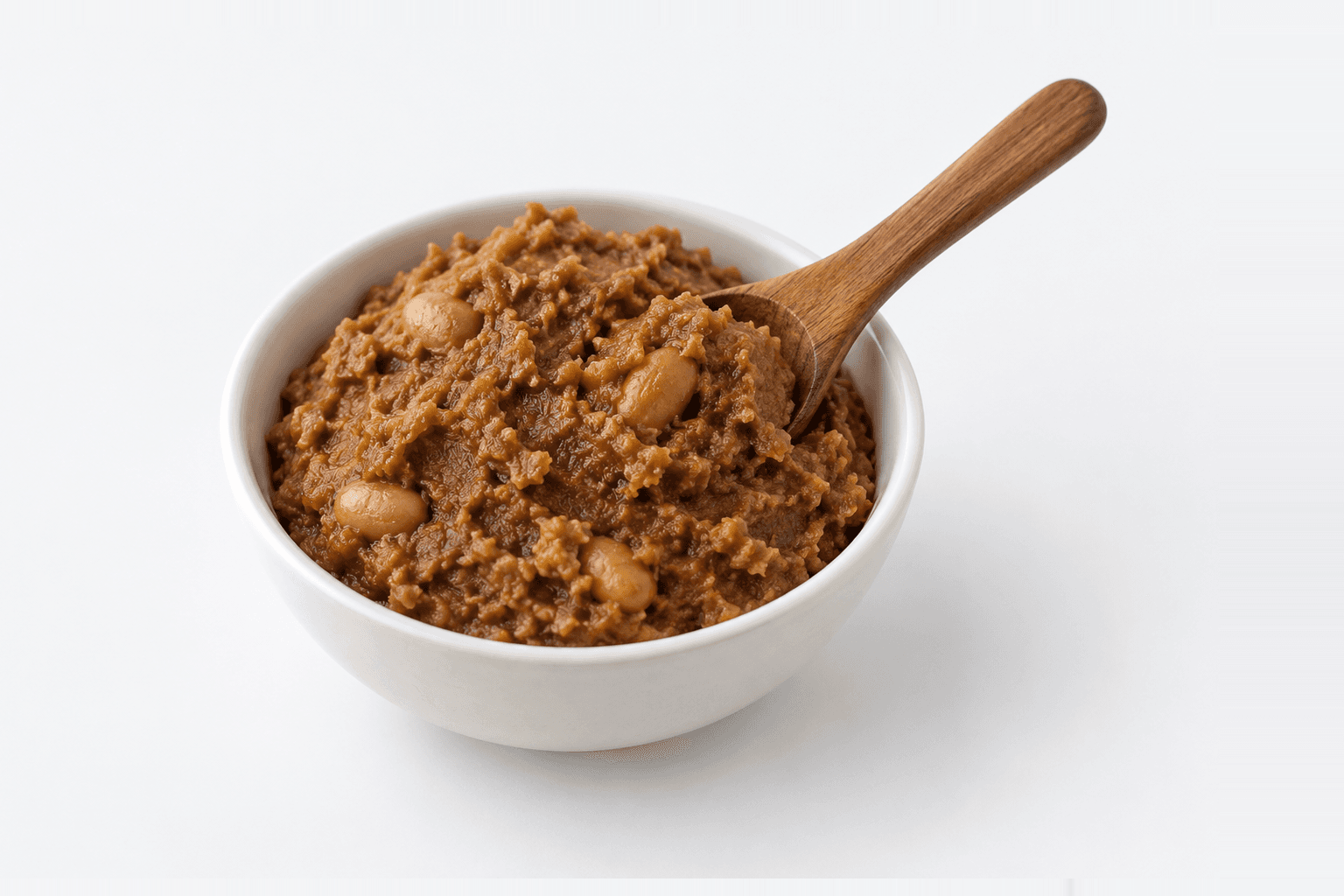
The numbers first. Doenjang's sodium varies by product, but on the composition table a tablespoon (18 g) carries about 671 mg — 34% of the WHO daily figure of 2,000 mg.
| Paste | Sodium | Per serving (of 3) |
|---|
| Usual stew | 3 tbsp | ~2,013 mg | 671 mg |
| This stew | 1.5 tbsp | ~1,007 mg | 336 mg |
Half. And what matters here is how not to halve the flavour with it.
Saltiness and savouriness are different senses. Doenjang does two jobs in a stew: salt (saltiness) and the amino acids produced by fermentation (savouriness). Cutting the paste cuts both. So the savouriness has to be replaced separately.
Shiitake and kelp fill that gap.
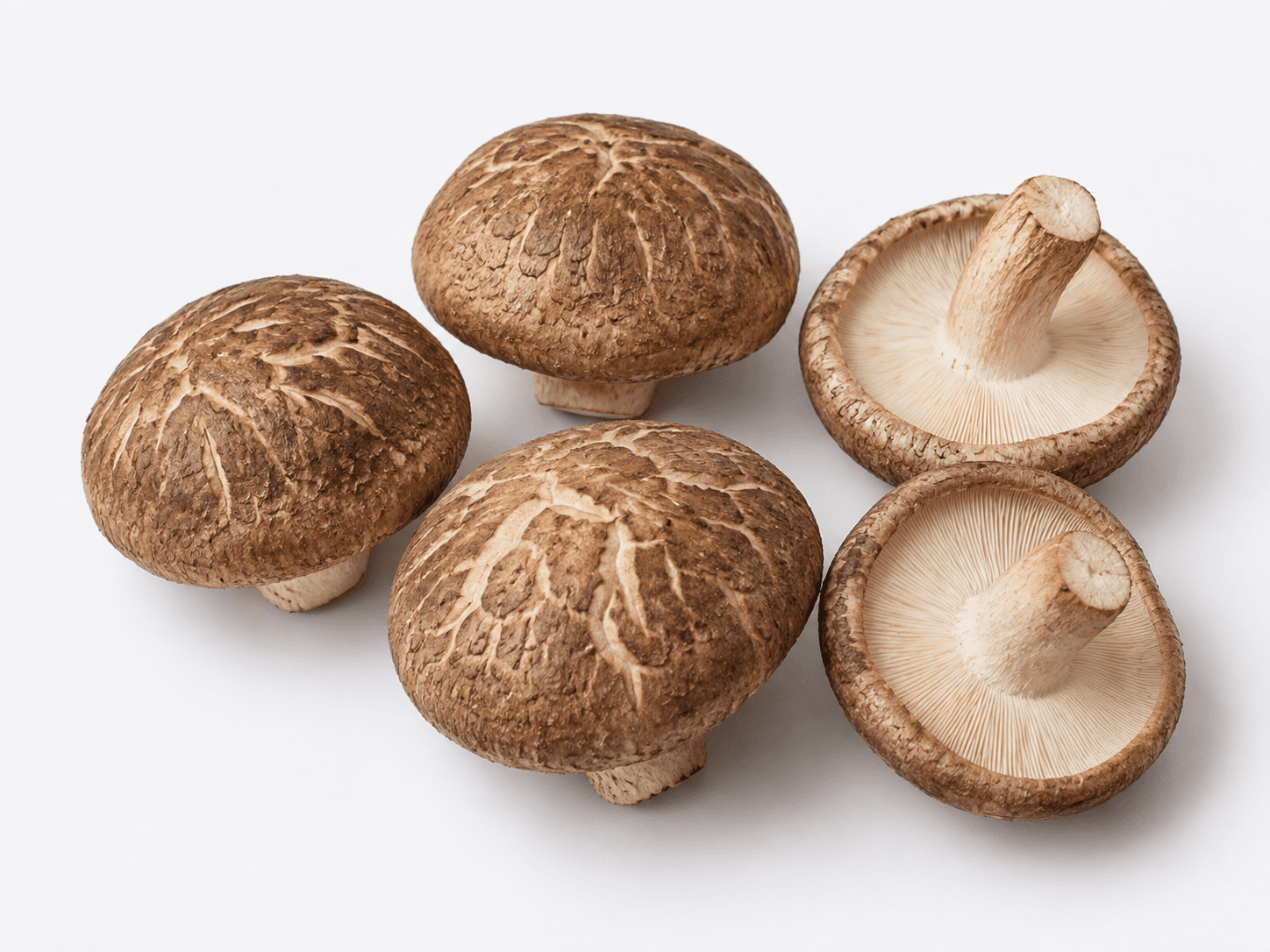
- Dried shiitake — guanylate
- Kelp — glutamate
Together these two are perceived as far more savoury than the sum of the parts — the synergy of umami. That is why halving the paste does not leave the broth tasting thin.
That is also why the shiitake are dried. Dried mushrooms carry far more guanylate than fresh, because it forms during drying and rehydration.
The 30-minute cold soak is because those savoury compounds extract slowly and well in cold water. Dropped straight into boiling water, only the surface cooks and the inside gives up less.
The kelp comes out before boiling to avoid sliminess and bitterness; long boiling releases alginates and clouds the broth.
Pushing the paste through a sieve prevents clumps. Clumped paste seasons unevenly, and you end up adding more.
Adding no salt is the rule. If it needs seasoning, add a little more doenjang. Salt raises only the saltiness and leaves the savouriness where it was.
Do not drink all the broth. Most of the sodium is in it. Sticking mainly to the solids brings the figures below the arithmetic above.
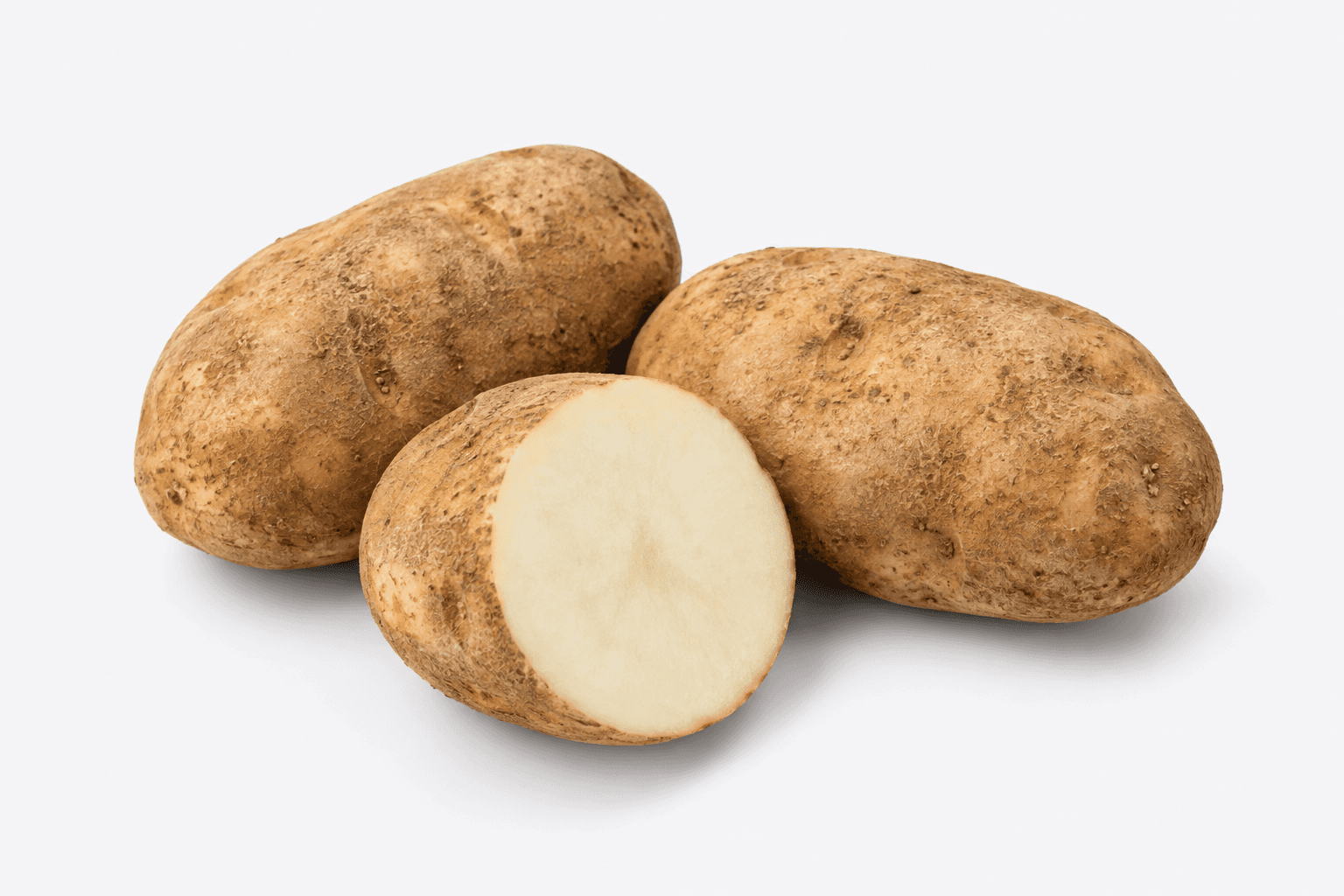
Potato and courgette bring potassium, which helps the sodium-potassium balance. With kidney disease that is reversed — reduce the vegetables and speak to your doctor.
Check the label on your own doenjang. Sodium per 100 g differs by product, and Korean doenjang is often higher than the table above, which is based on Japanese miso.