Herbs & spices
Moderate evidenceSaffron
34 randomised trials, 1,769 participants. Self-report depression and anxiety scales fell significantly; all three clinician-rated scales showed no change.
Never put saffron into boiling water. It needs twenty minutes in warm water to give up its colour and aroma. And the amount you cook with is not the dose the trials used.
2 servings40 min
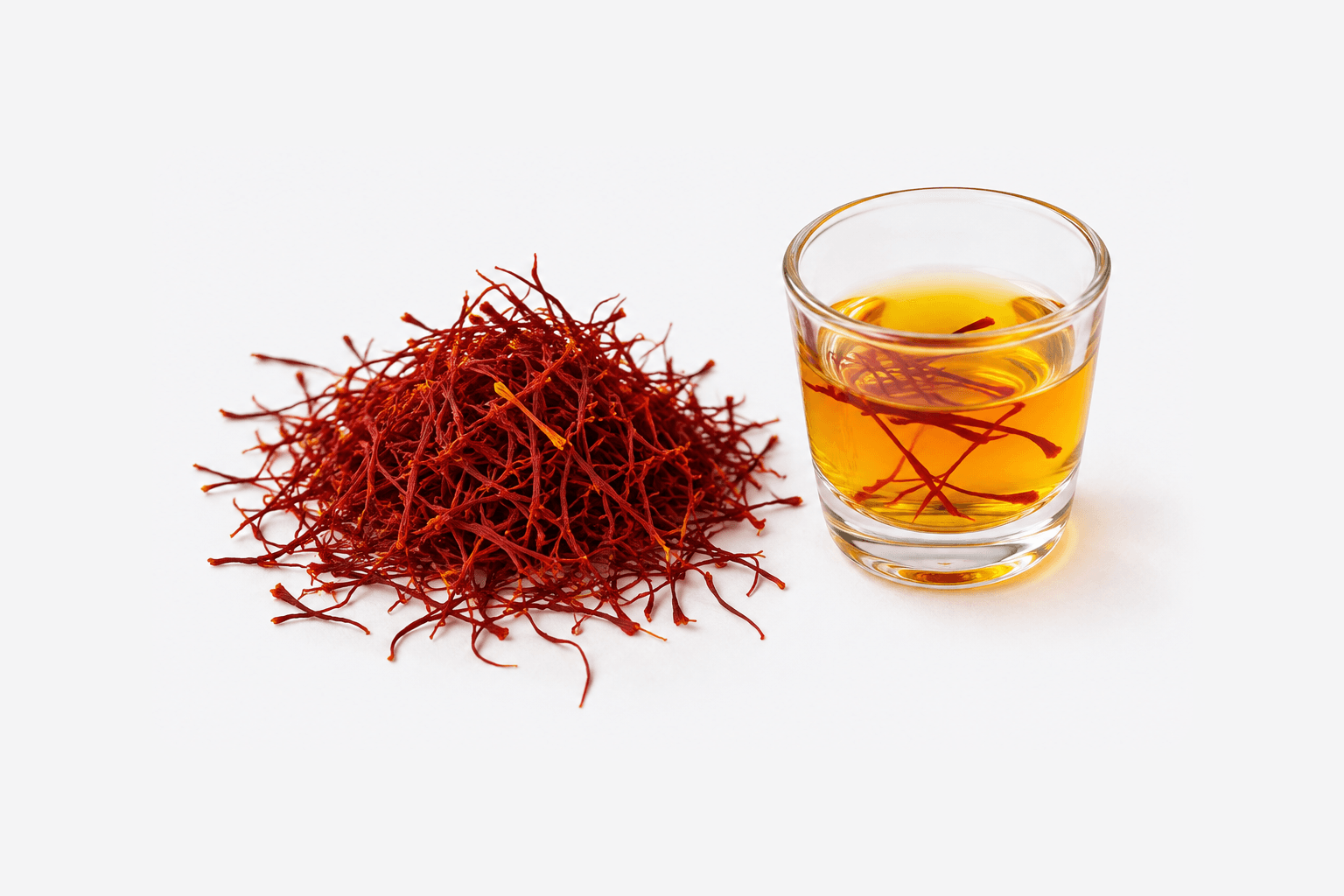
Steep the saffron first. Crush the threads between your fingers, then put them in 3 tbsp of warm water (40–50°C) for 20 minutes. The water turns deep orange.
Cut the chicken into bite-sized pieces and season with salt and pepper.
Rinse the rice and drain. If using brown rice, soak it for 30 minutes at this point.
Heat the olive oil and cook the sliced onion over medium-low for 8 minutes. When it starts to colour, add the minced garlic and cook 30 seconds more.
Add the chicken and cook for 3 minutes, just until the outside turns white. Do not cook it through — it will cook more later.
Add the rice and stir for a minute so the grains are coated in oil.
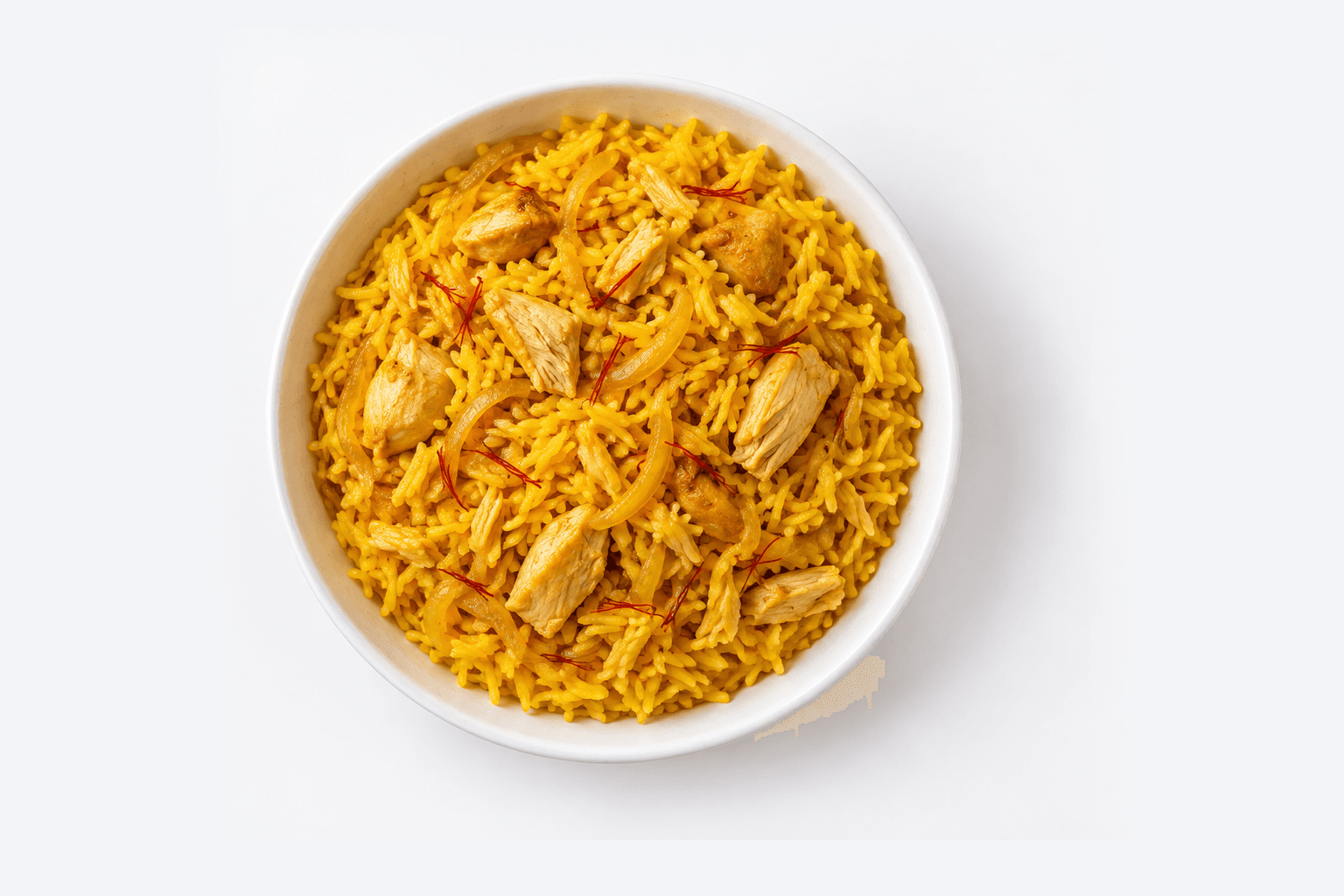
Pour in the stock and the saffron water, threads and all, and add the salt. Stir once, thoroughly, and then not again.
Once it boils, drop the heat to its lowest, cover, and cook 15 minutes (25 for brown rice).
Turn off the heat and leave it covered for 10 minutes. In those ten minutes the moisture evens out top to bottom. Then fluff gently with a fork.
Saffron dropped into boiling water loses its aroma. Safranal, which carries the scent, is volatile; crocin, which carries the colour, takes time to dissolve. Warm water for 20 minutes is the condition that gets both. If you are rushed, steep for even 10 — the colour will still be several times deeper than throwing dry threads in.
Crushing the threads is about surface area. Whole threads release little from the inside.
More is worse, not better. Past a certain concentration, saffron's bitterness — picrocrocin — comes forward. A pinch for two servings is enough.
An important distinction: the mood trials on saffron mostly used 30 mg a day of standardised extract. A plate of this dish holds about 25 mg of saffron, and as whole spice rather than extract. This is a recipe that uses saffron as a flavour, not one that matches a dose.
The reason not to stir is the starch on the rice surface. Stirring releases it and you get porridge. A pilaf needs separate grains.
Not cooking the chicken through at the start matters too. Breast carries only 1.9 g of fat, so cooking it twice makes it dry.
Herbs & spices
Moderate evidence34 randomised trials, 1,769 participants. Self-report depression and anxiety scales fell significantly; all three clinician-rated scales showed no change.
Meat
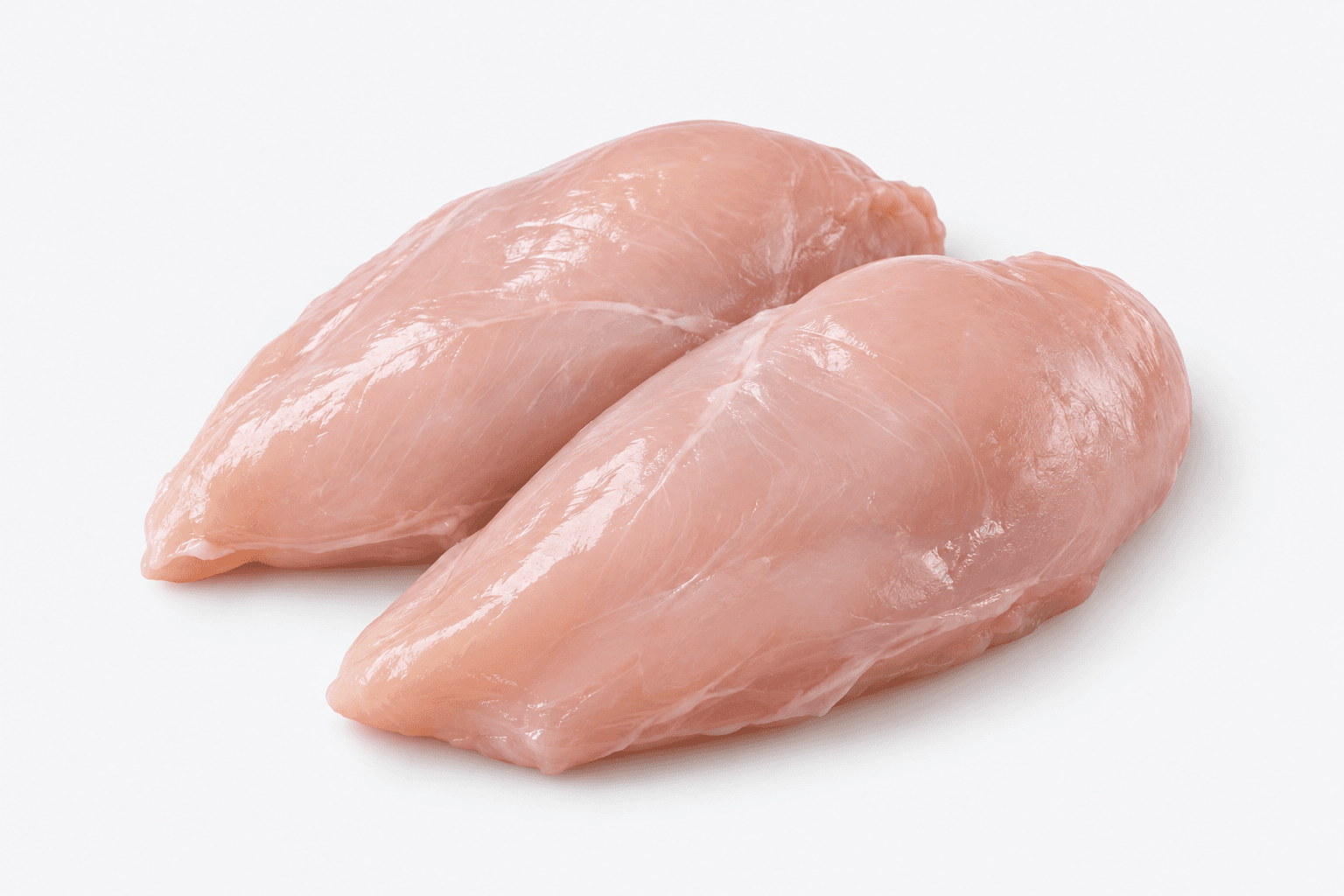
Moderate evidence31 g of protein and 3.6 g of fat per 100 g. Almost no everyday food beats it on protein per calorie.
Vegetables
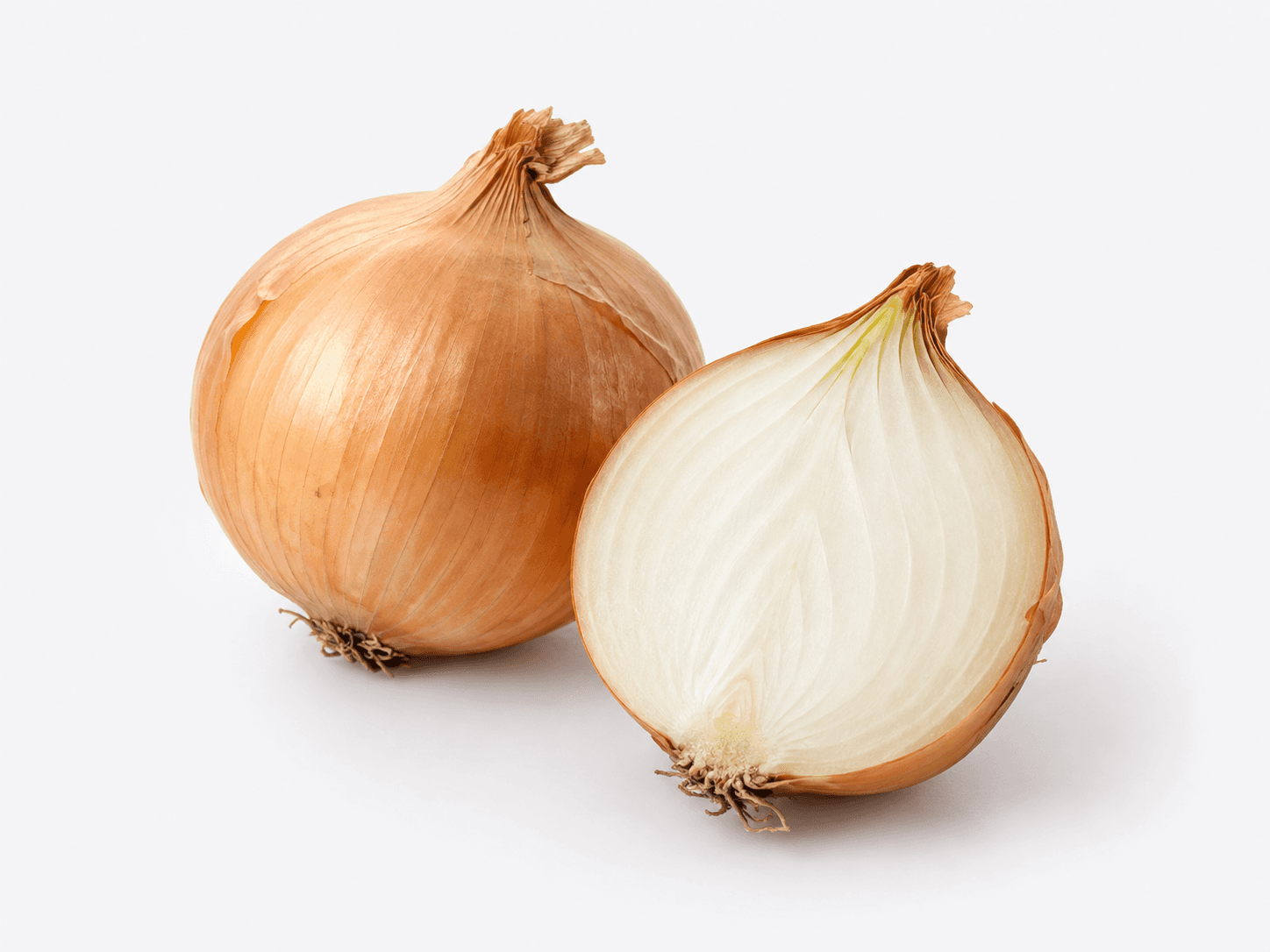
Moderate evidenceOnion's antioxidant quercetin concentrates in the outer layers. Peeling two extra layers out of habit throws much of it away.
Oils & fats
Strong evidenceCardiovascular events were 31 % lower in a randomised trial of 7,447 people. Against other vegetable oils, though, there was no difference.