Home
IngredientHealth Benefits

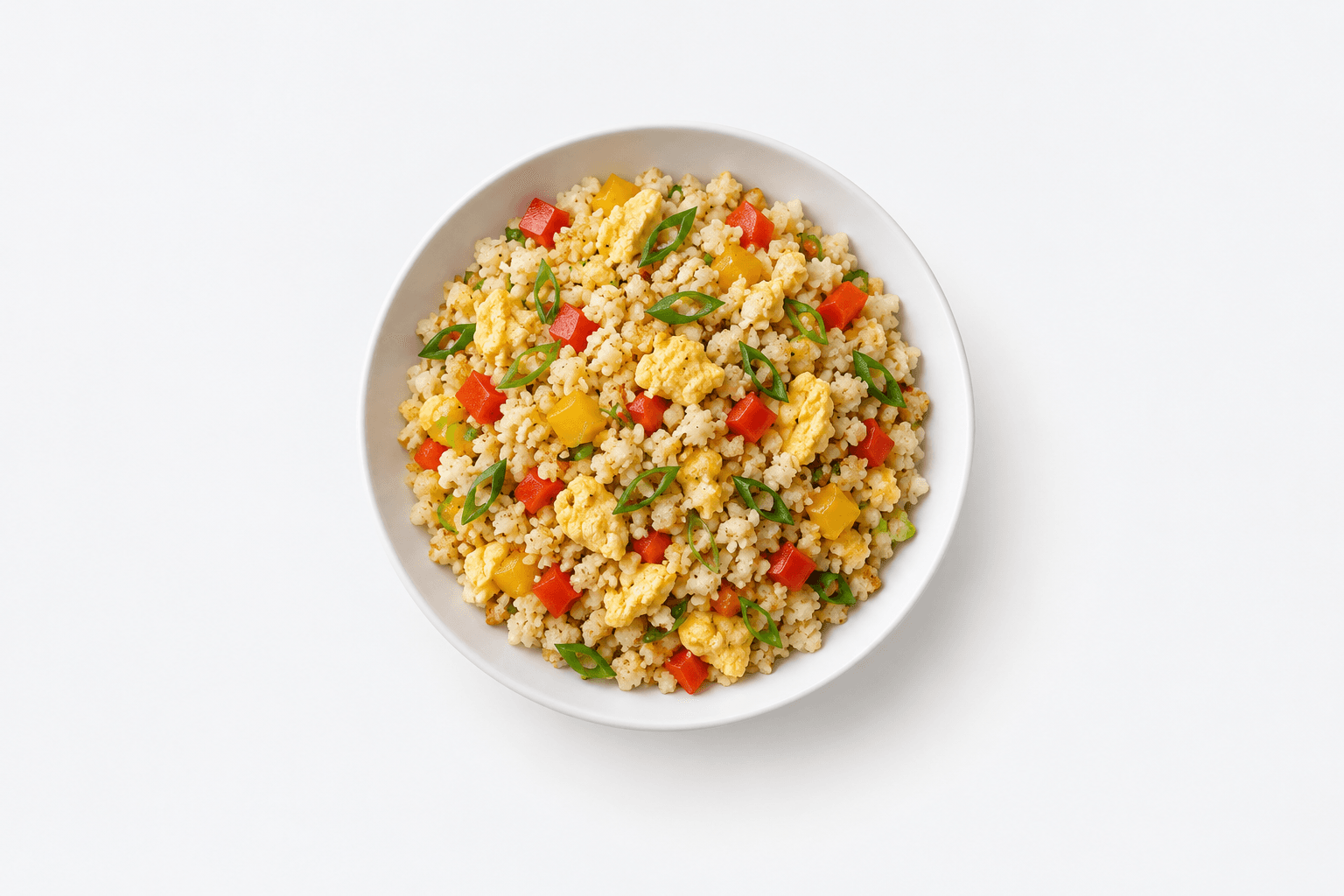
Cauliflower rice stir-fry

Dry-fry it first to drive off the moisture. Skip that step and you get porridge, not rice.

2 servings20 min

Cauliflower rice stir-fry

Ingredients

Method

  1. Break the cauliflower into florets and pulse it briefly in a food processor, or grate it, to rice-sized grains.

  2. Dry-fry it in a pan with no oil over high heat for 5–6 minutes, until the moisture has gone and the pan is dry. This is the crucial step.

  3. Tip the cauliflower onto a plate and set aside.

  4. In the same pan, add half the sesame oil and scramble the eggs, then set them aside too.

  5. Add the rest of the sesame oil and stir-fry the pepper and spring onion over high heat for 2 minutes.

  6. Add the sliced garlic and cook 30 seconds.

  7. Return the cauliflower and eggs, and pour the soy sauce around the rim of the pan. Toss for 30 seconds.

  8. Turn off the heat and grind over the pepper.

Cooking note

That one dry-frying step decides whether this dish works. Cauliflower is 92% water. Put it straight into oil and the water pools in the pan, the grains collapse and you get porridge. Drive the moisture off with no oil first, then add the oil.

Pulse, do not blend. A food processor left running turns it into purée. Two or three seconds at a time, checking as you go.

The soy sauce goes around the rim because hitting hot metal makes it bloom for a moment. Poured into the middle, straight onto the food, it just tastes salty.

Run the numbers and the character of the dish appears. A bowl of rice (210 g) is about 273 kcal and 59 g of carbohydrate. These two servings total roughly 300 kcal, with far less carbohydrate. The two eggs add 12 g of protein.

But it is not a substitute for rice. The point is cutting carbohydrate, and if you are very active the calories fall short.

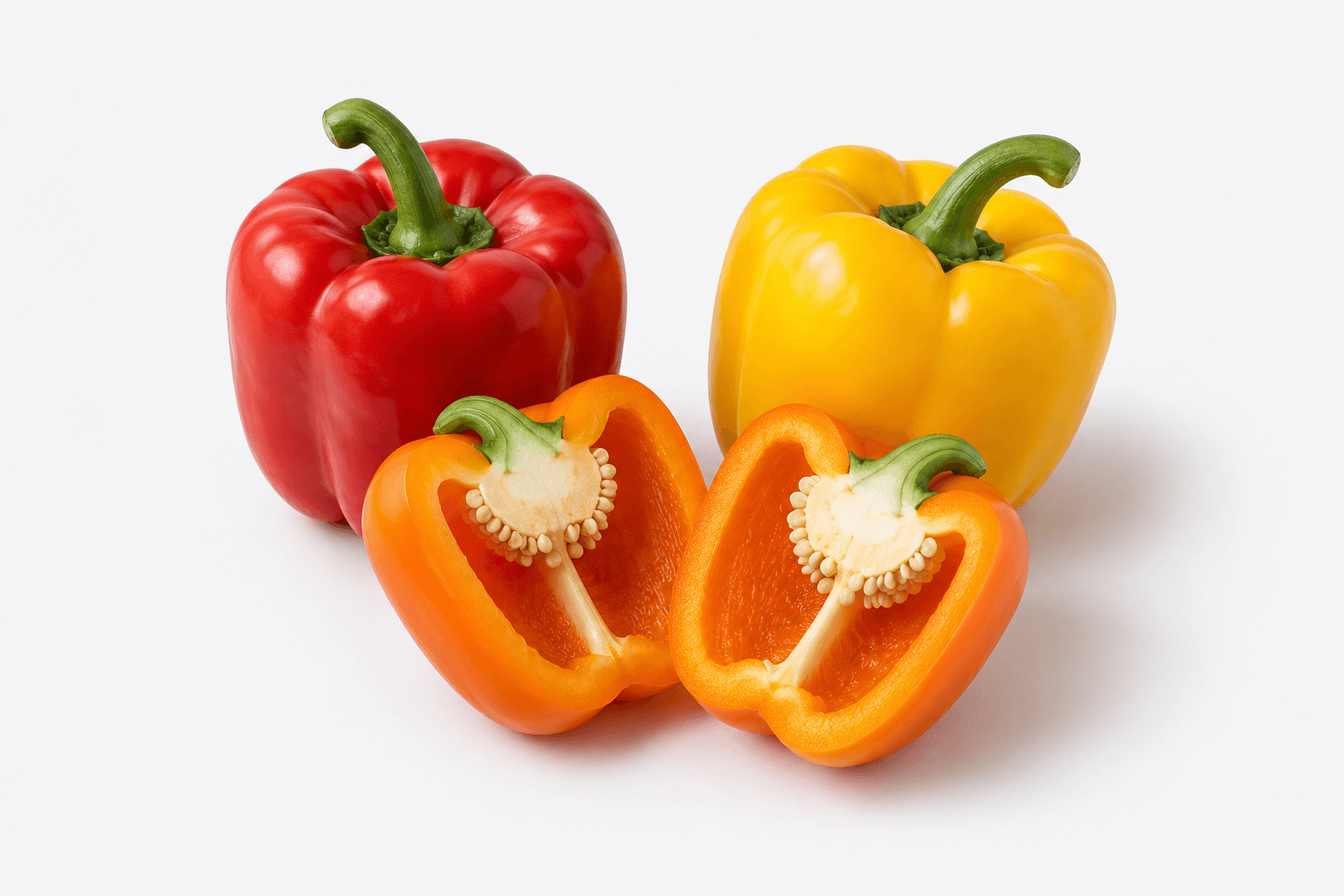
Add the pepper late. Red bell pepper holds 128 mg of vitamin C per 100 g, and it is heat-sensitive. Stopping while it still snaps serves both the flavour and the nutrient.

Avoid this dish if you have IBS. Cauliflower is high-FODMAP, and so are the garlic and spring onion.
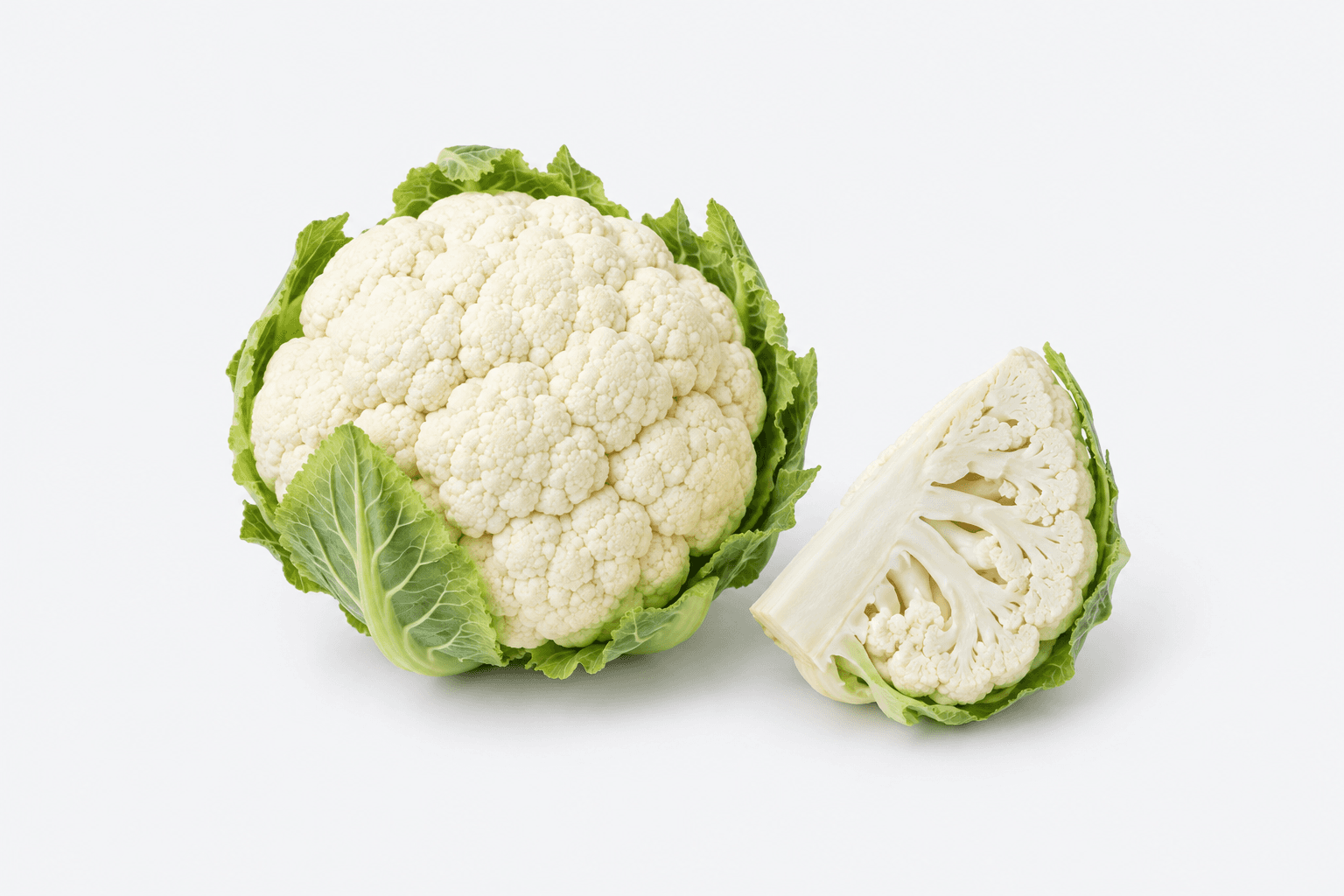
Ingredients used here

Cauliflower

Vegetables

Moderate evidence

Cauliflower

25 kcal and 4.97 g of carbohydrate per 100 g. Against cooked rice (about 130 kcal and 28 g per 100 g) that is a fifth of the energy and the carbohydrate. As a brassica, it falls within observational data linking cruciferous vegetables to lower cardiovascular disease and mortality.

Egg

Dairy & eggs

Nutrition data

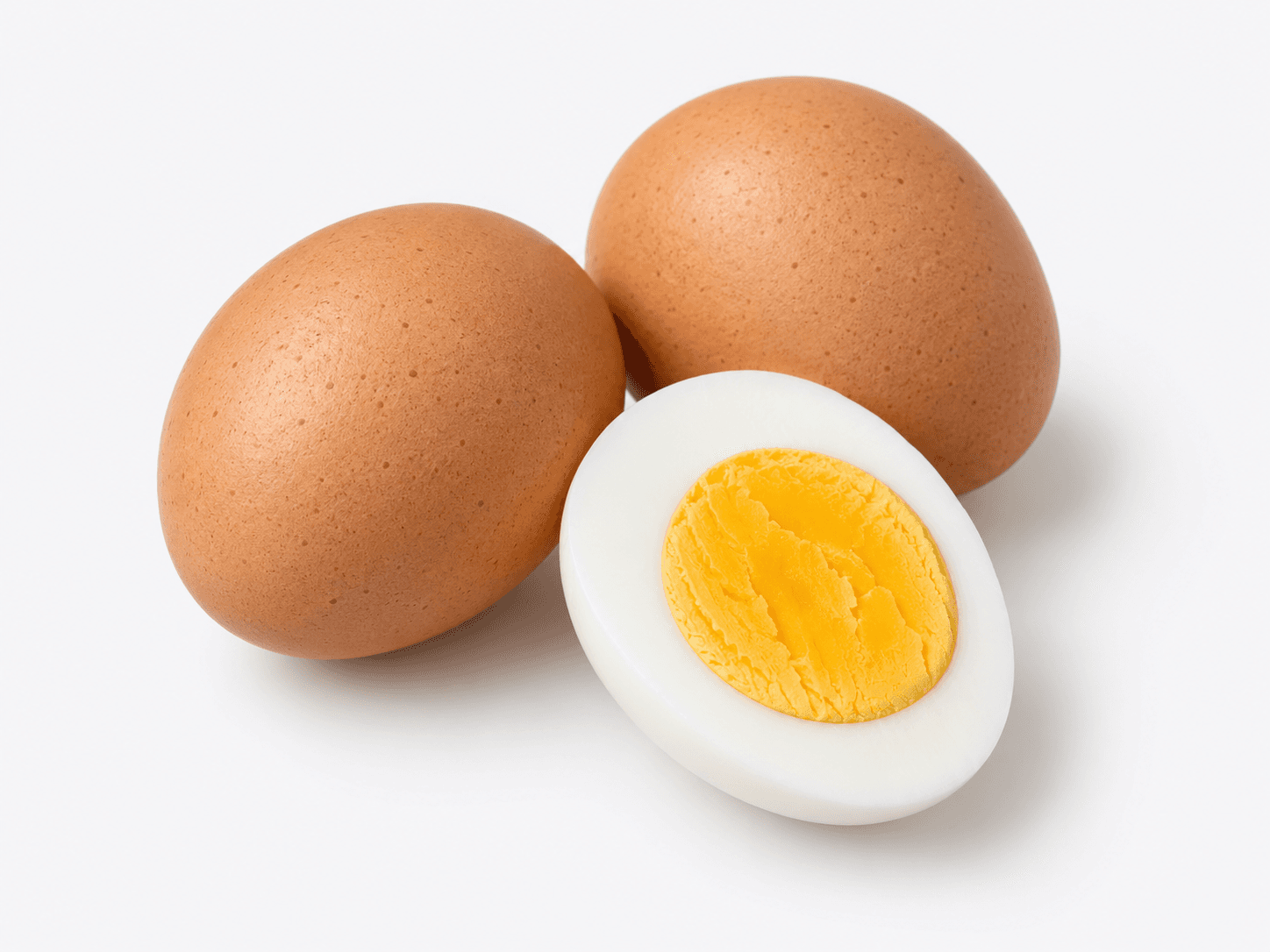
Egg

The advice to limit yolks because of their cholesterol has been overturned. What remains is choline, a nutrient far fewer people talk about.

Bell pepper

Vegetables

Moderate evidence

Bell pepper

128 mg of vitamin C per 100 g of red pepper. The Cochrane review, though, found no reduction in colds.

Sesame oil

Oils & fats

Nutrition data

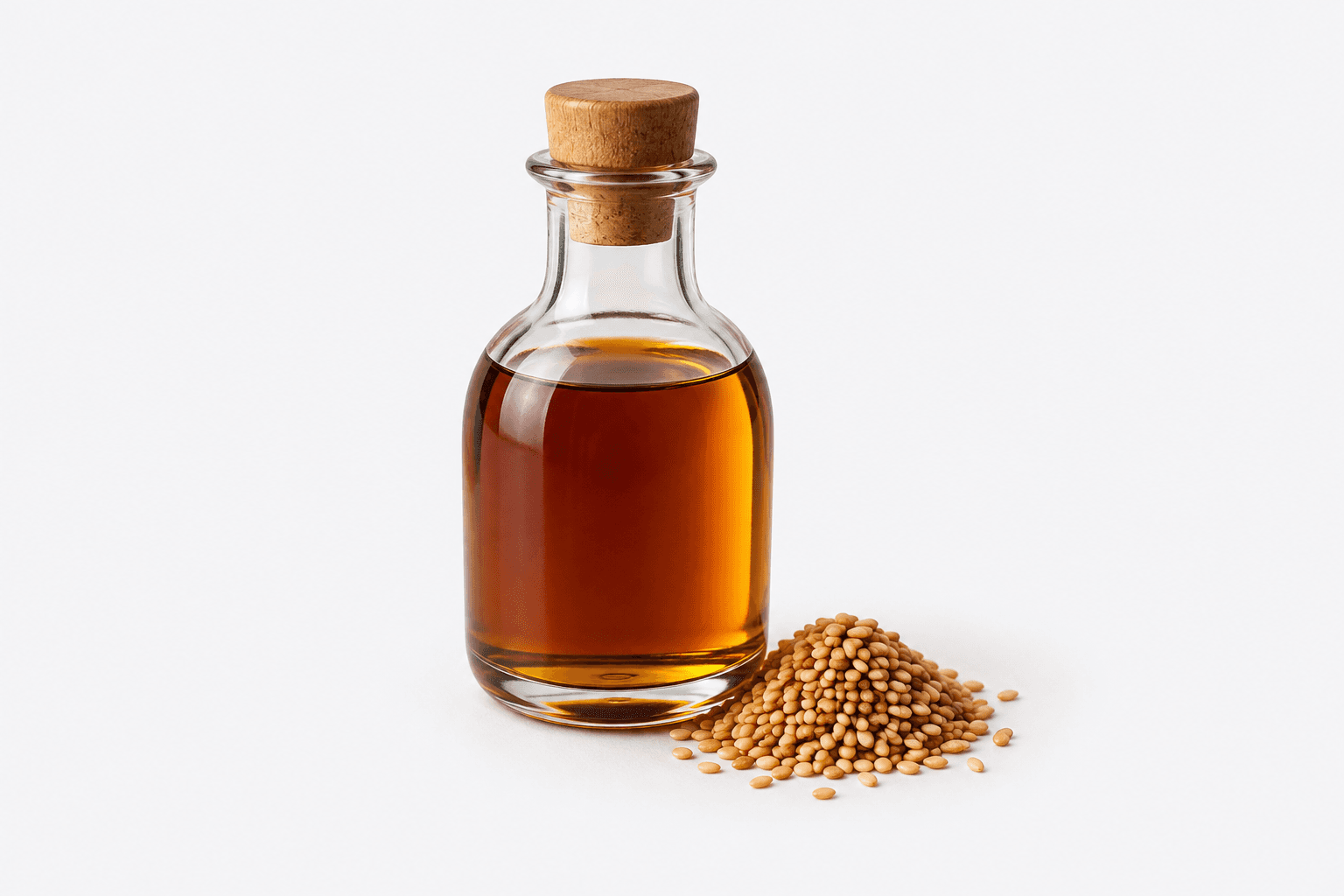
Sesame oil

Saturated fat sits at 14.2 g, mid-range for a vegetable oil, and vitamin E at 1.4 mg is a tenth of olive oil's. Sesame oil earns its place on flavour.

More recipes

Send feedback