Vegetables
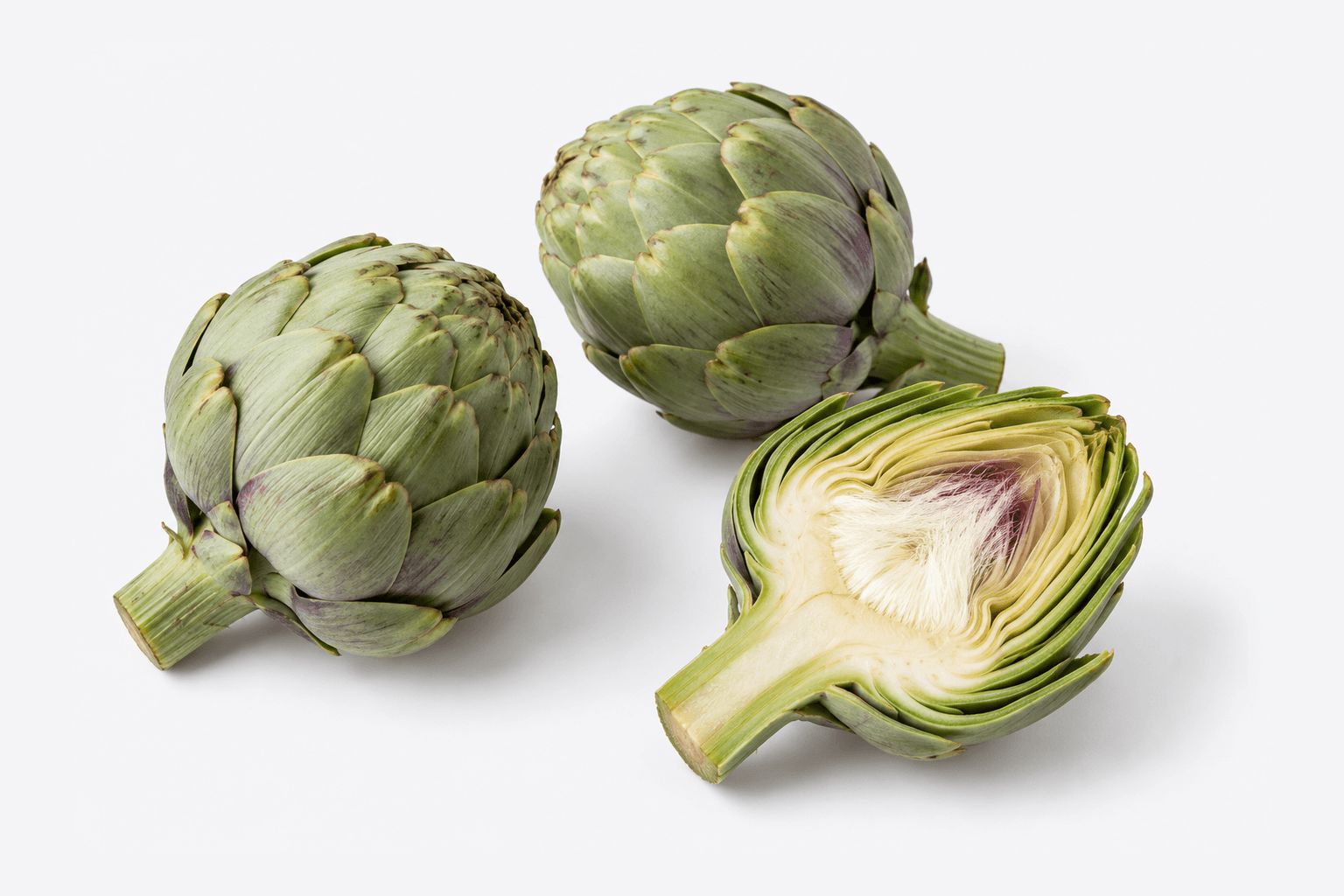
Moderate evidenceArtichoke
A meta-analysis of nine randomised trials in 702 people found artichoke extract lowered total cholesterol by 17.6 mg/dL. HDL did not move, and what was tested was a leaf extract, not a boiled artichoke.
If you use jarred artichokes, rinse them. The brine is the biggest variable in this salad.
2 servings20 min
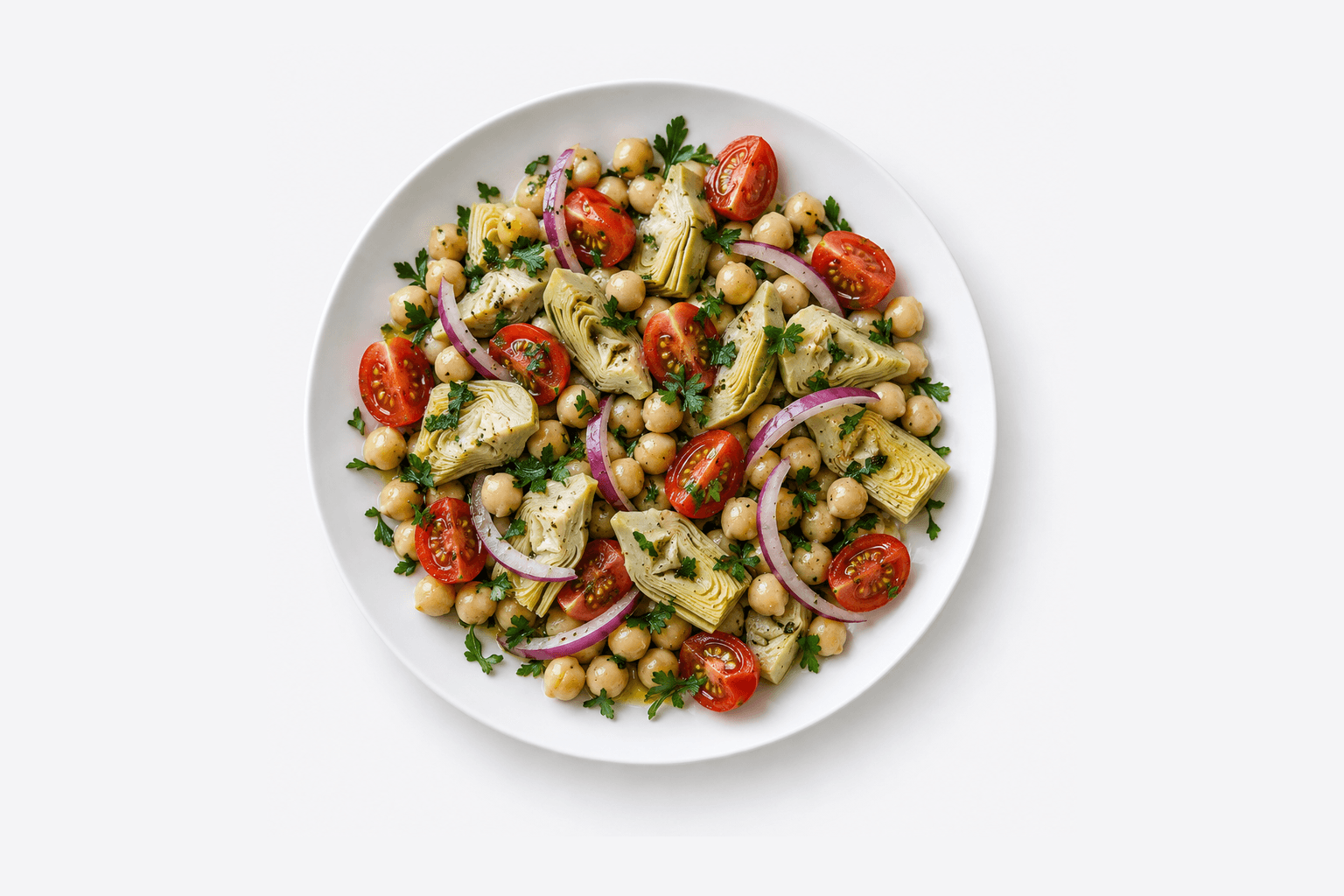
Tip jarred artichokes into a sieve and rinse for 30 seconds. Used straight from the jar, they make the salad salty.
Shake them dry and press with kitchen paper. Wet hearts shed the dressing.
Cut any large pieces into bite-sized ones.
Rinse and drain tinned chickpeas too.
Slice the red onion thin and soak 5 minutes in cold water, then drain. It takes the bite off.
Halve the cherry tomatoes.
Whisk the olive oil, lemon juice and pepper into a dressing. Start with no salt.
Toss everything together and top with roughly chopped parsley.
Add salt only after tasting. Usually none is needed.
Leave it 10 minutes so the chickpeas take up the dressing.
Rinsing is the point of this recipe. Raw artichoke holds 94 mg of sodium per 100 g; jarred hearts run far higher because of the brine — more than three times as much in some products. Even 30 seconds under the tap removes a good share of the surface brine. The same goes for tinned chickpeas.
That is why you start without salt. Both ingredients bring their own. Taste after tossing and you will usually find none is needed.
Add up the fibre and the character of this salad shows. About 10.8 g in 200 g of artichoke, about 12 g in 160 g of cooked chickpeas — over 20 g together, most of a day's 25–30 g. If your usual fibre is low, start with half. Both are fermentable, and gas follows.
Artichoke's inulin and chickpeas' oligosaccharides are both high-FODMAP. With IBS, this combination is one to avoid.
The lemon juice is not only for flavour. Chickpea iron is non-haem and poorly absorbed, and vitamin C in the same place raises the uptake. The cherry tomatoes do the same job.
This dish has nothing to do with artichoke's lipid evidence. Those trials used leaf extract, not the vegetable.
Vegetables
Moderate evidenceA meta-analysis of nine randomised trials in 702 people found artichoke extract lowered total cholesterol by 17.6 mg/dL. HDL did not move, and what was tested was a leaf extract, not a boiled artichoke.
Grains & legumes
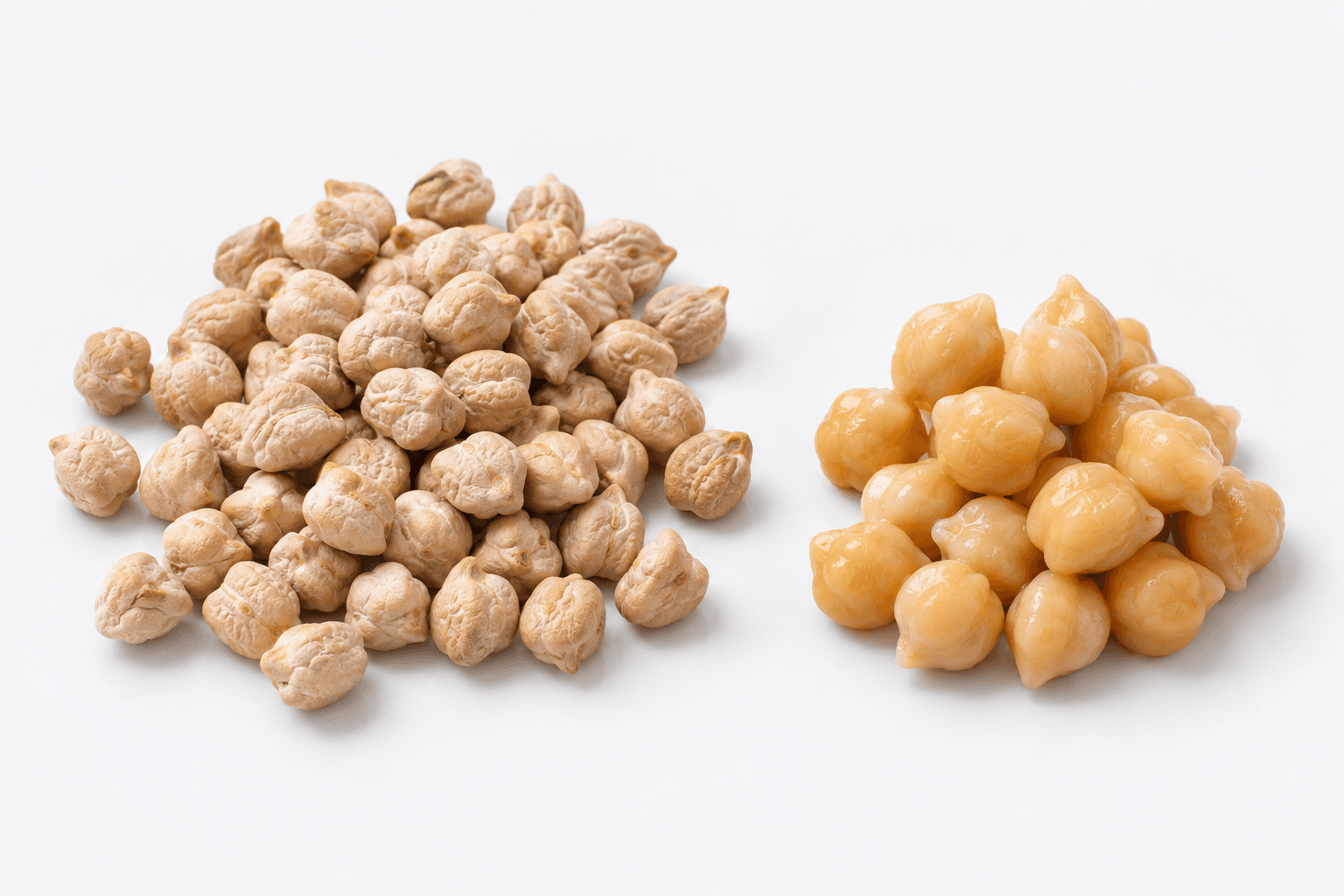
Strong evidence7.6 g of fibre and 172 µg of folate per 100 g cooked. Twenty-eight trials found a glucose effect — graded very low certainty.
Vegetables
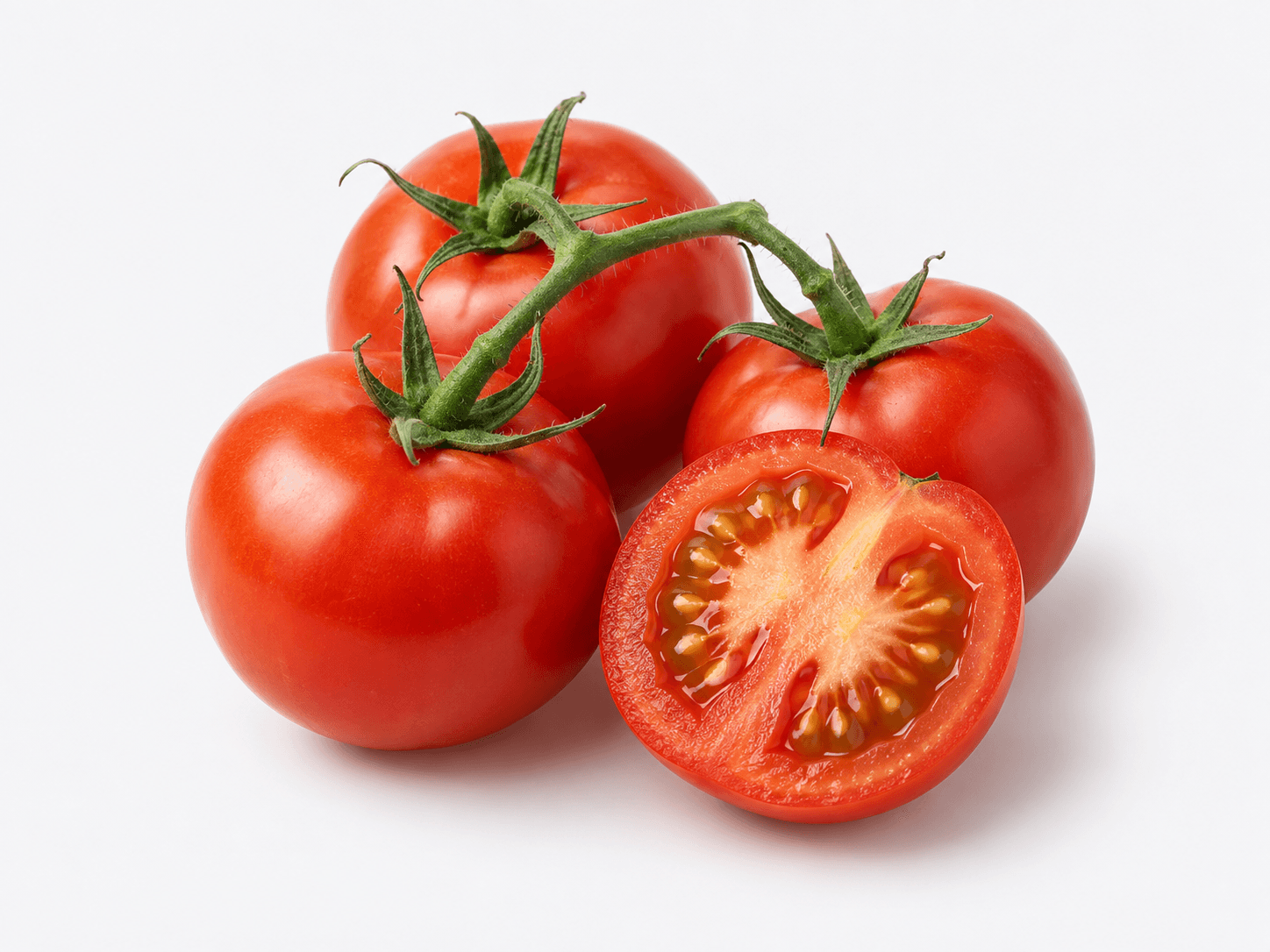
Early researchCooked beats raw here. Heat multiplies how much lycopene your body can actually absorb.
Oils & fats
Strong evidenceCardiovascular events were 31 % lower in a randomised trial of 7,447 people. Against other vegetable oils, though, there was no difference.