Filter by category or search for the ingredient you have in the kitchen.
9 ingredients
Nuts & seeds — See the category page
Nuts & seeds
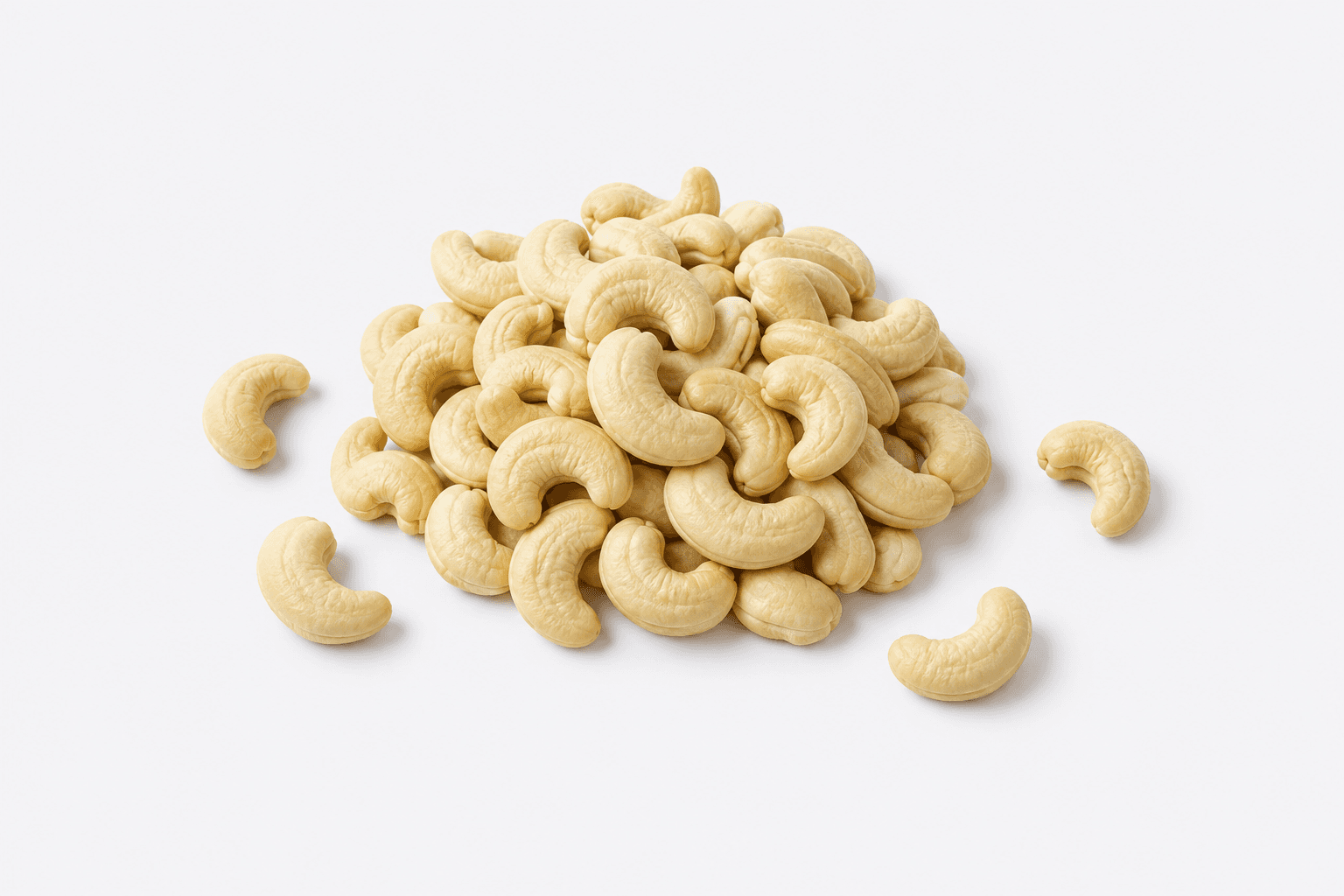
Moderate evidenceThe 2021 trial did something unusual: it ran an add arm and a substitute arm at once. Both lowered total cholesterol, LDL, triglycerides and apolipoprotein B, while the control did not move. But the dose was 68 g a day and each arm held 16–18 people.
Nuts & seeds
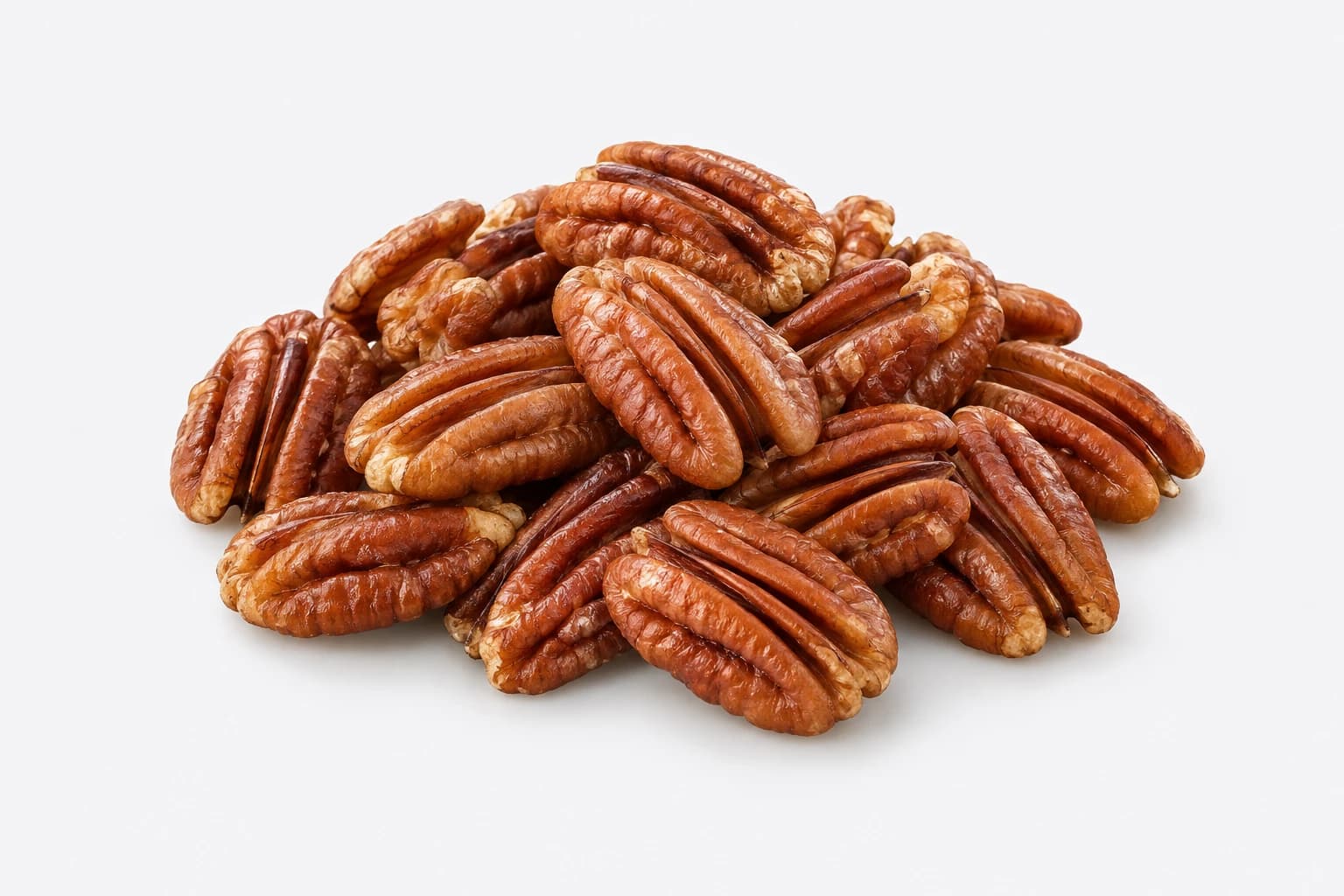
Moderate evidenceA meta-analysis pooling 392 randomised trial participants found no significant change in total cholesterol, LDL, HDL or triglycerides. Only systolic pressure fell, by 3.39 mmHg (95% CI −6.13 to −0.65). Not all nuts are the same food.
Nuts & seeds
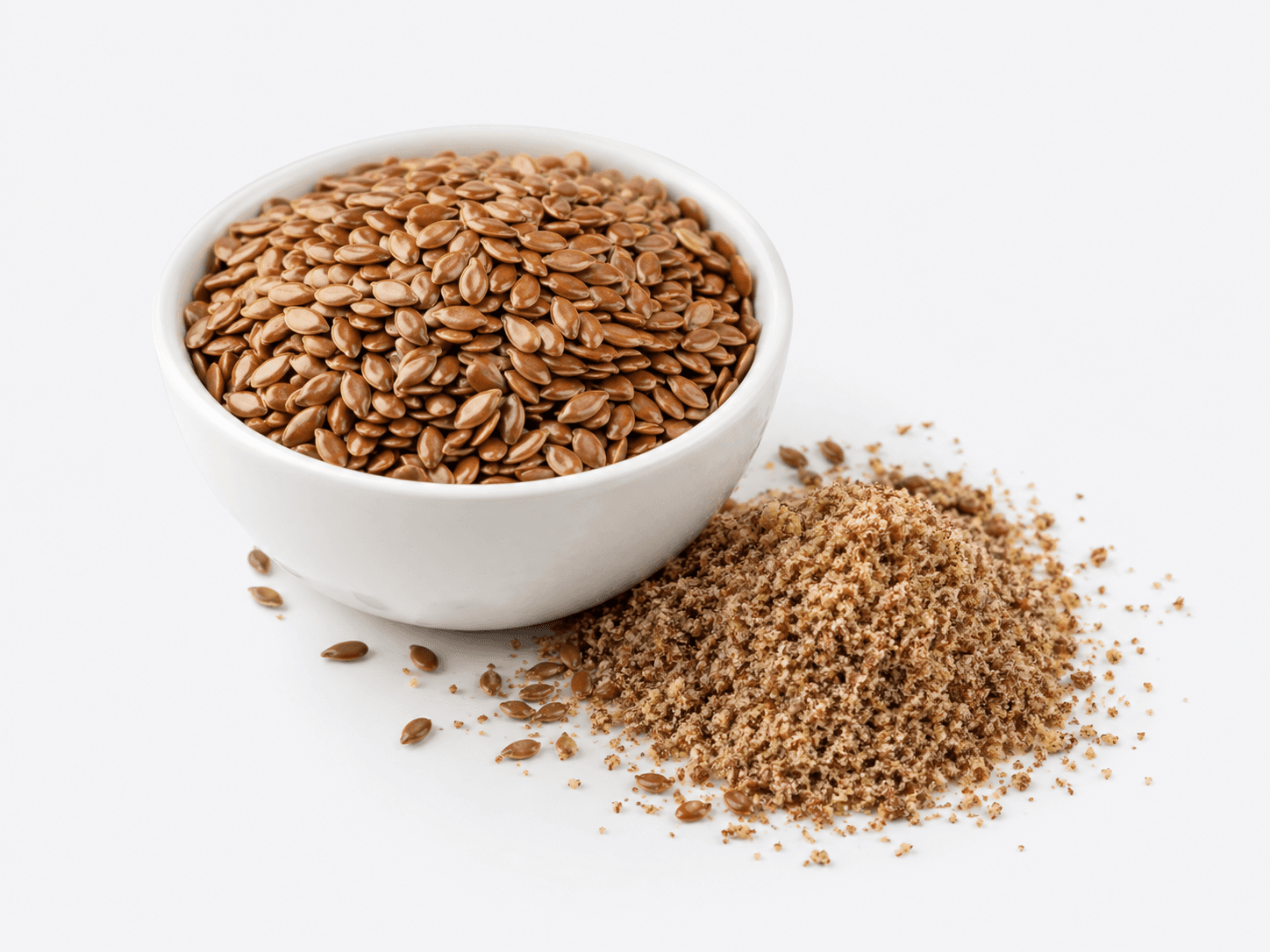
17.8 g of ALA and 34.4 g of fibre per 100 g. But ALA converts to EPA at 5–8% and to DHA at under 1%.

Nuts & seeds
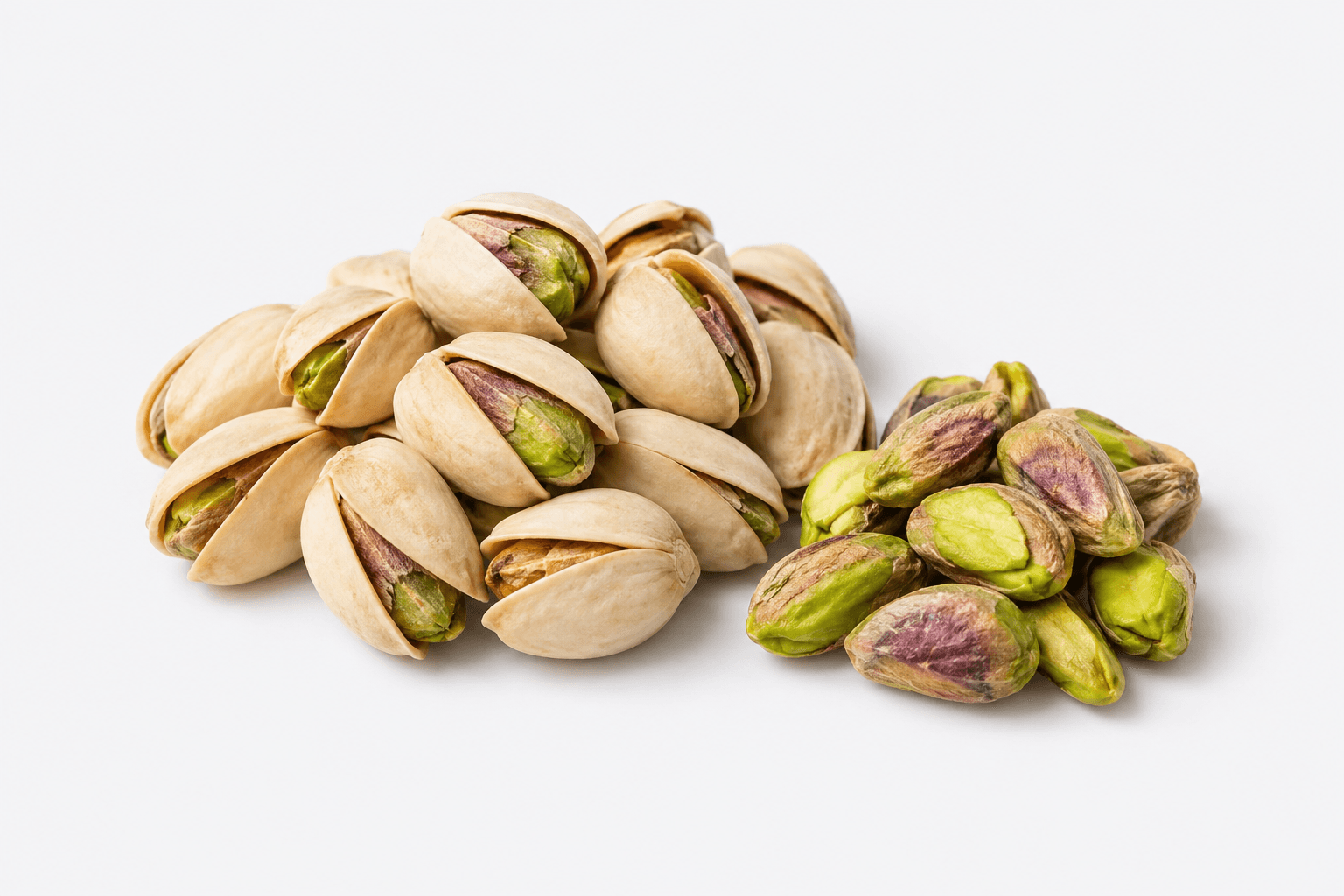
Moderate evidence2,900 µg of lutein and zeaxanthin per 100 g, against 1 µg in almonds and 9 in walnuts. Twelve randomised trials show LDL falling — by 3.82 mg/dL.

Nuts & seeds
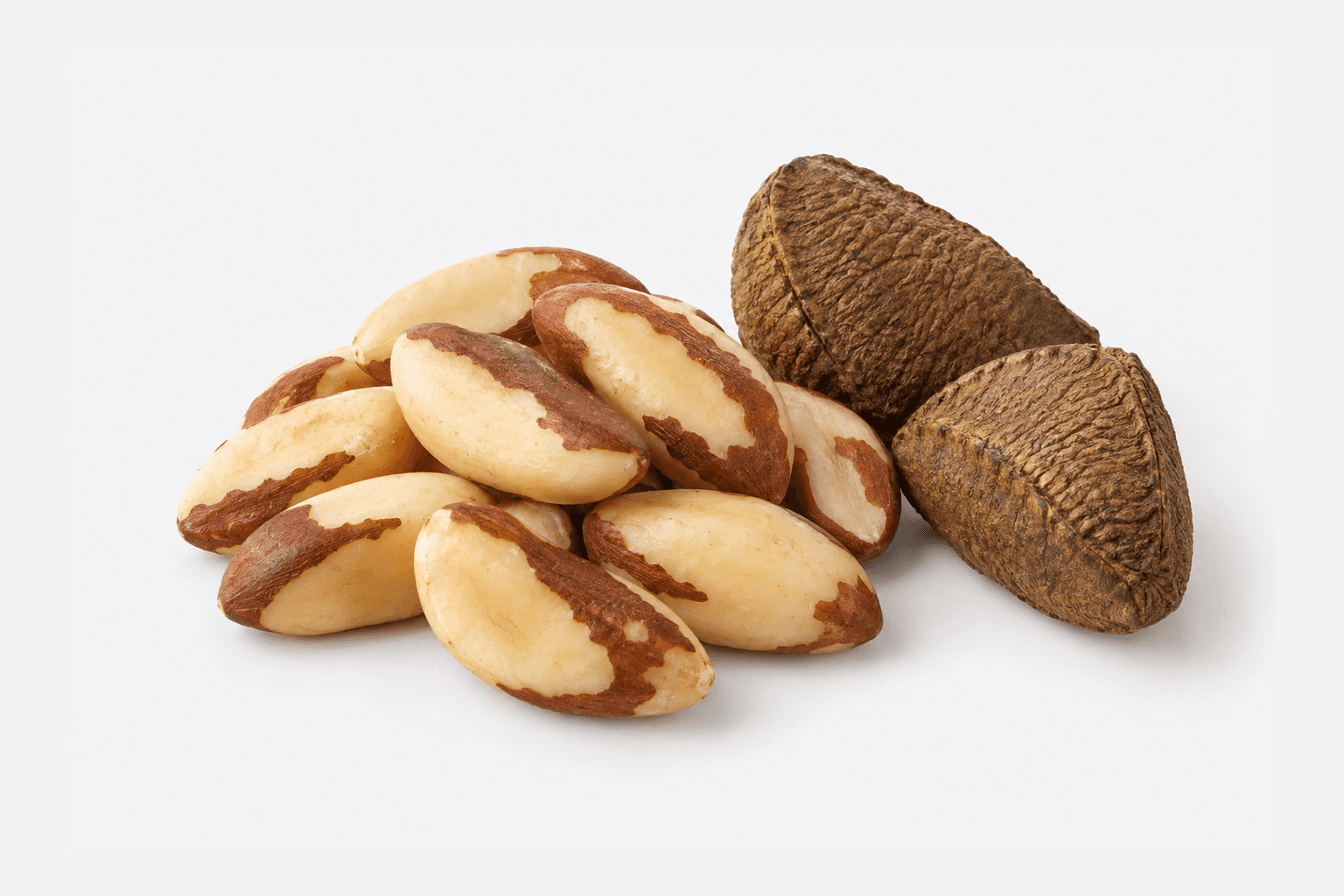
Moderate evidenceWithin USDA's own data the selenium figure ranges from 280 to 1,920 µg per 100 g, a sevenfold spread. It tracks the selenium in the soil the tree grew in.

Nuts & seeds
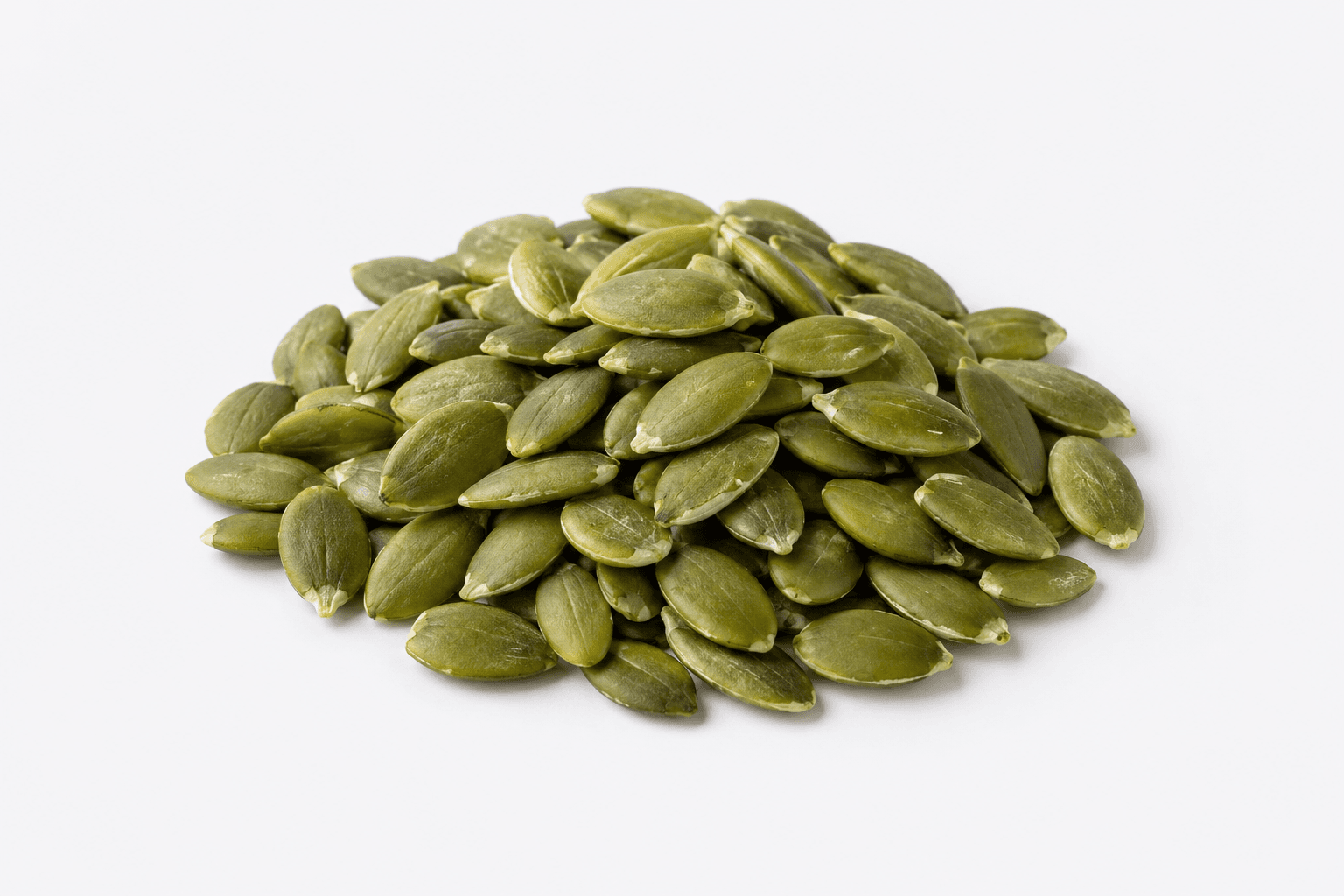
Moderate evidence550 mg of magnesium and 7.6 mg of zinc per 100 g. The blood-pressure effect of magnesium, though, showed up only in people who already had hypertension.

Nuts & seeds
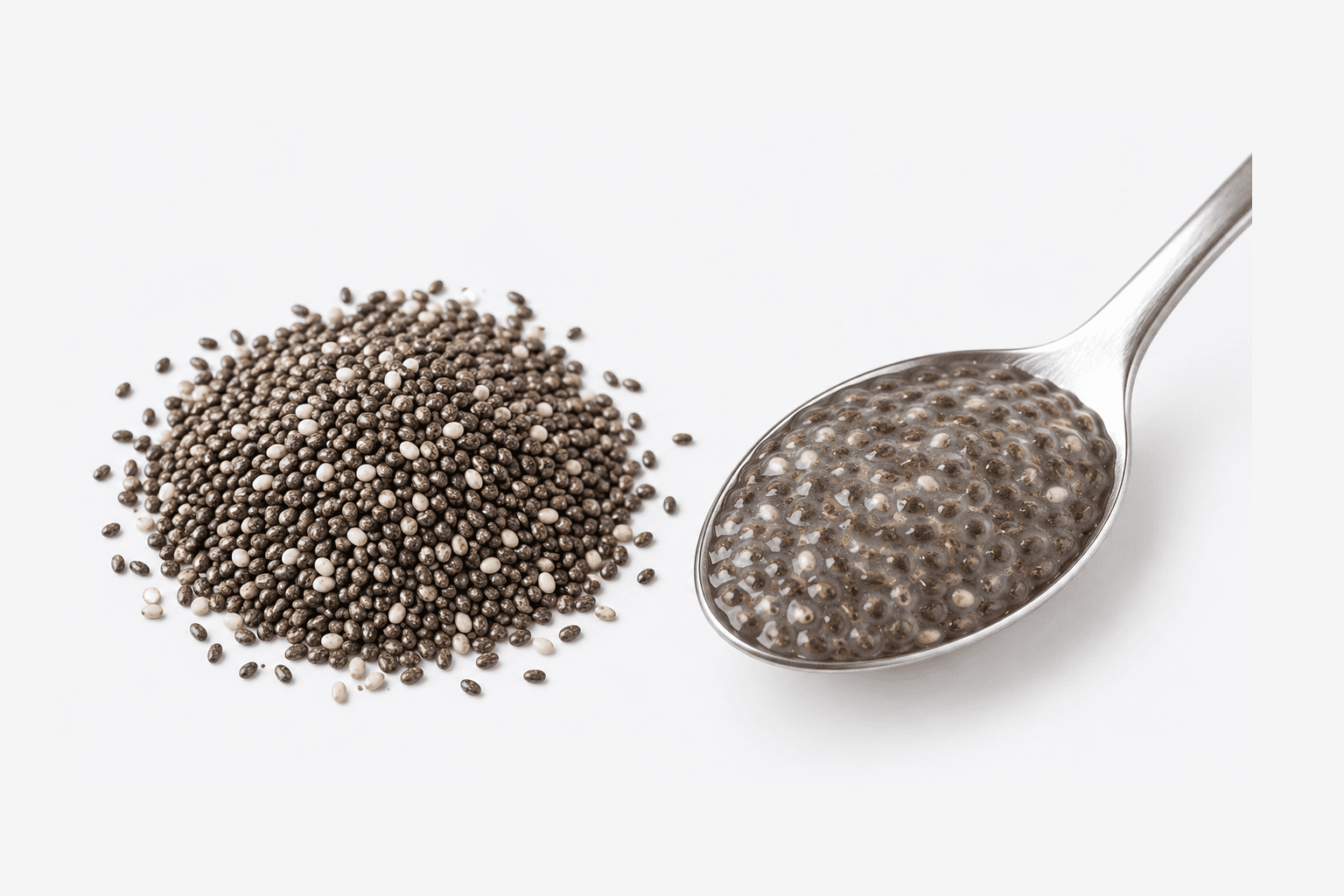
Moderate evidence19.4 g of omega-3 (ALA) and 23.1 g of fibre per 100 g. But swallowed whole, the hard hull means most of it passes through undigested.

Nuts & seeds
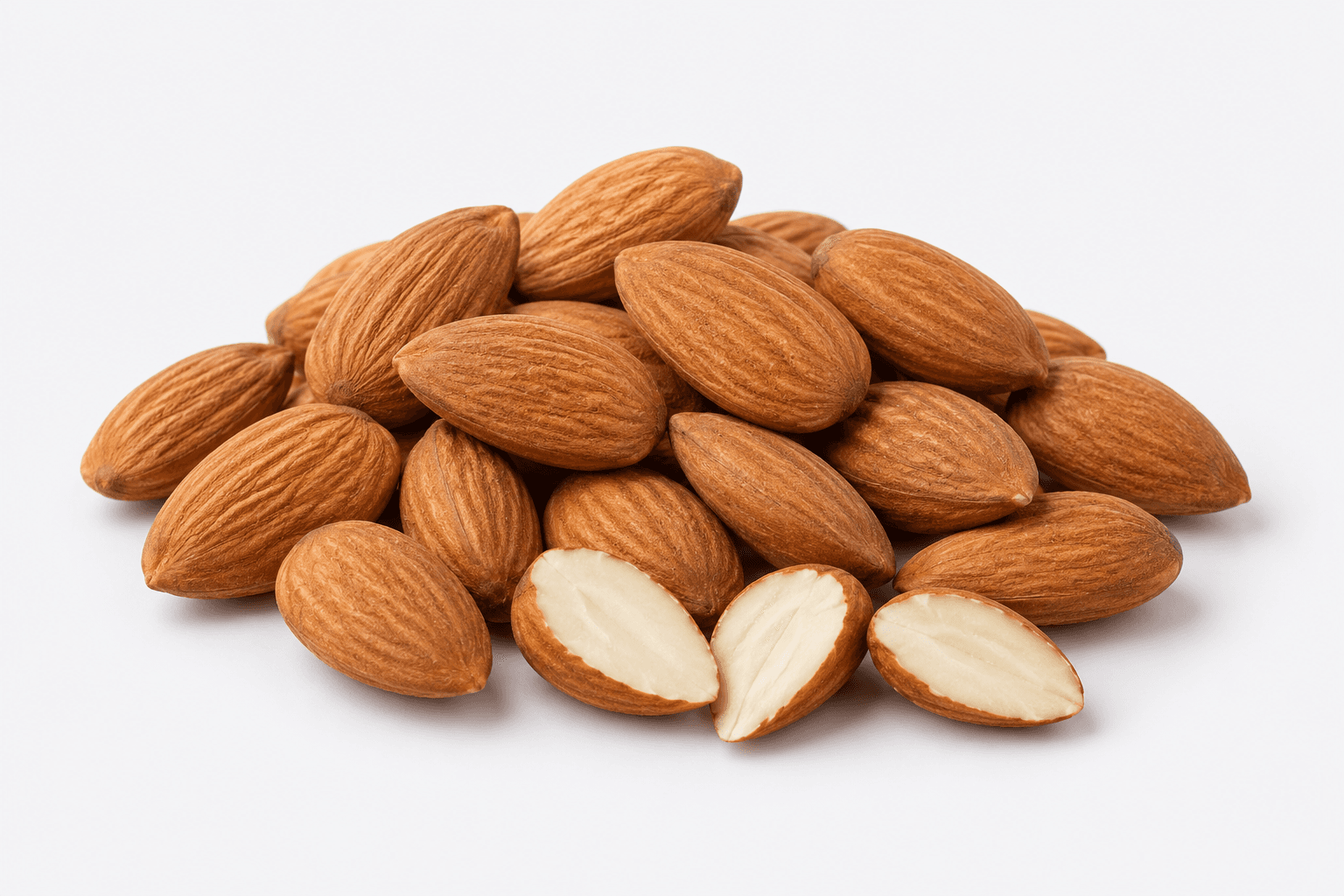
Moderate evidenceThirty grams of almonds carries 7.7 mg of vitamin E — half the 15 mg adult daily requirement. The reason all those calories do not show up on the scale is that the fat is not fully absorbed.

Nuts & seeds
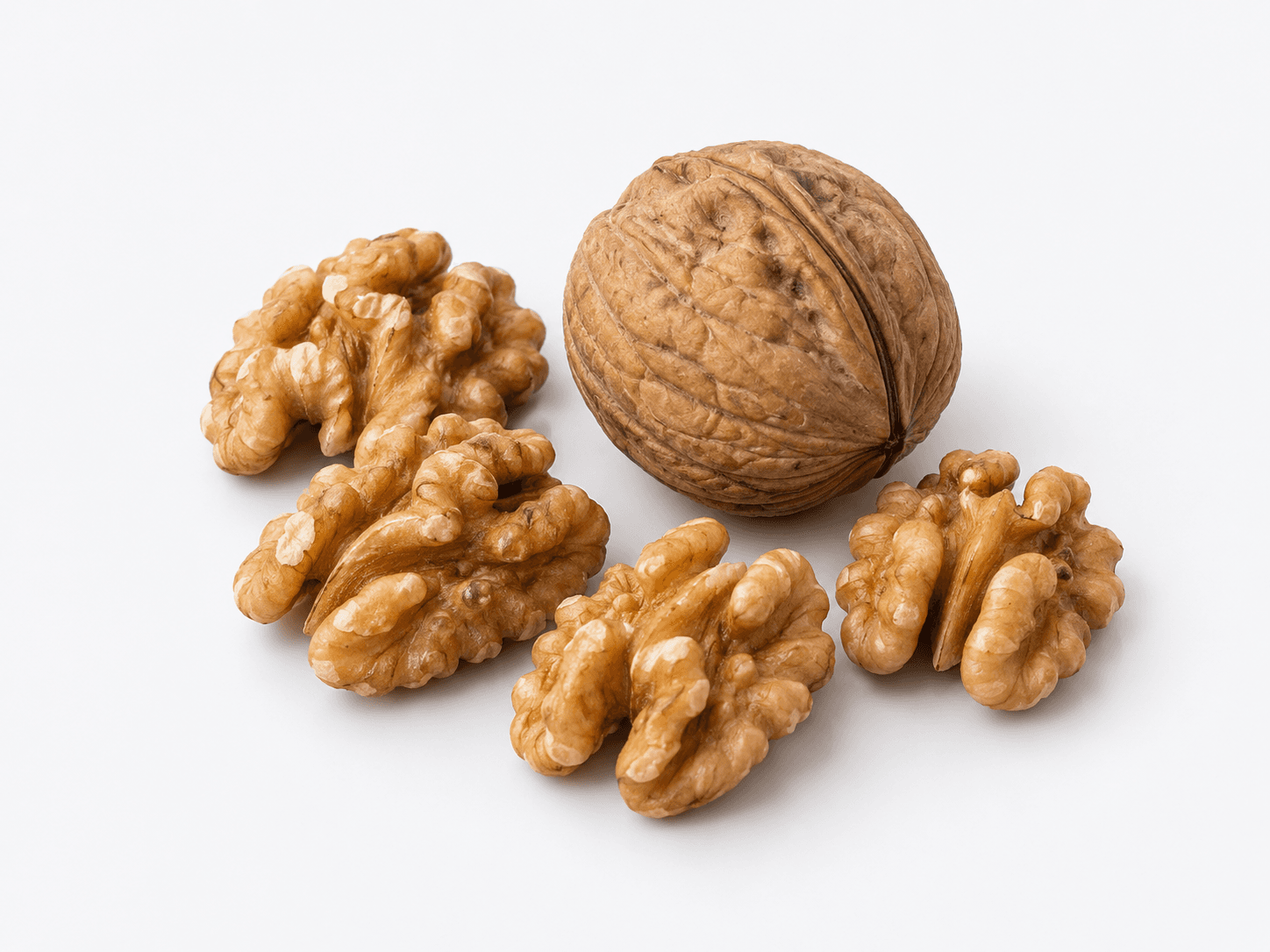
Moderate evidenceWalnuts carry 9.1 g of ALA per 100 g, an order of magnitude beyond other nuts. But the rate at which ALA converts to EPA and DHA is very low.