Vegetables
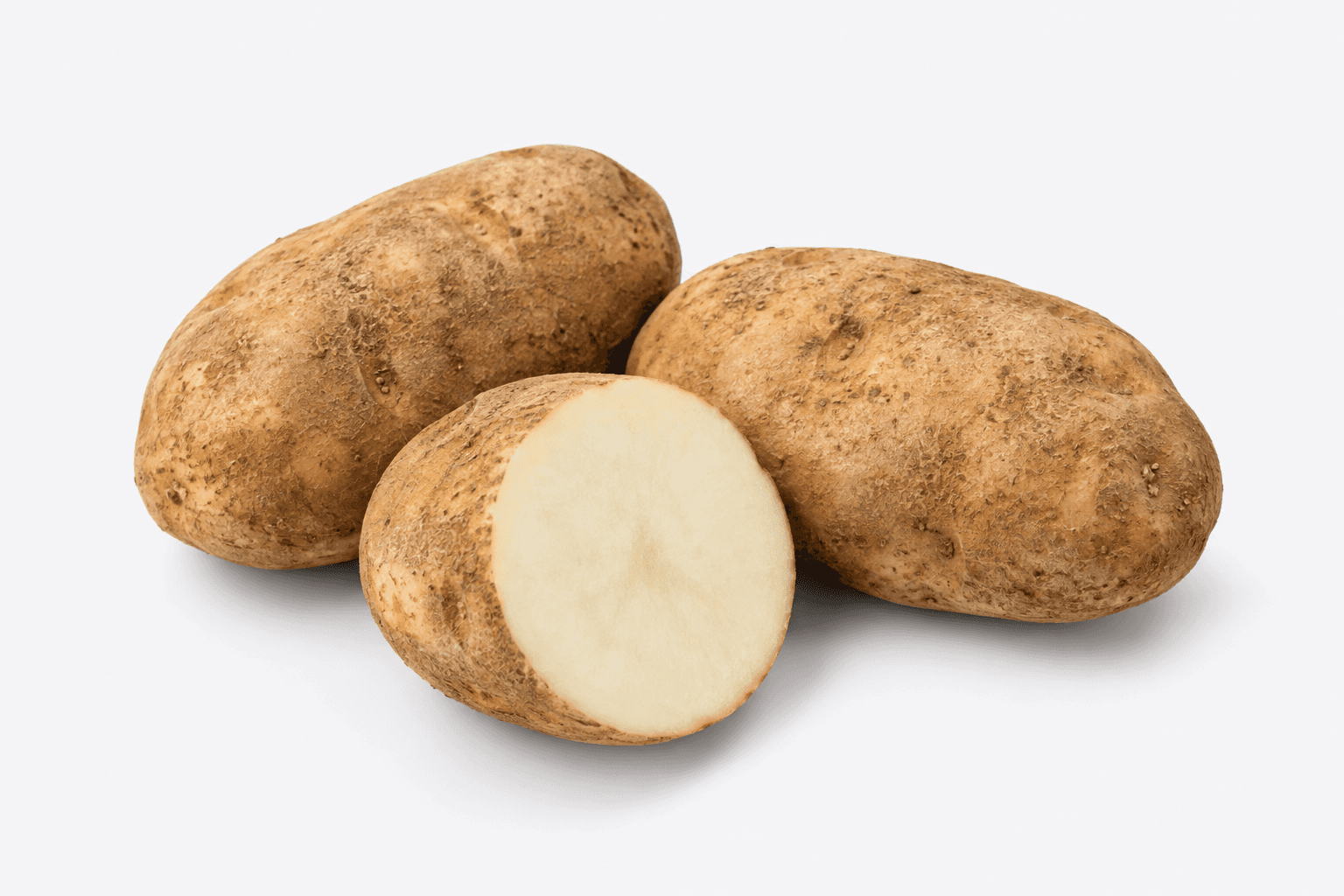
Moderate evidencePotato
Total potato intake showed no association with type 2 diabetes risk. Only fried potato did, at a hazard ratio of 1.12.
Potatoes go in with their skins and the broth gets eaten. Potassium leaches into the water — but if you do not pour the water away, nothing is lost.
3 servings35 min
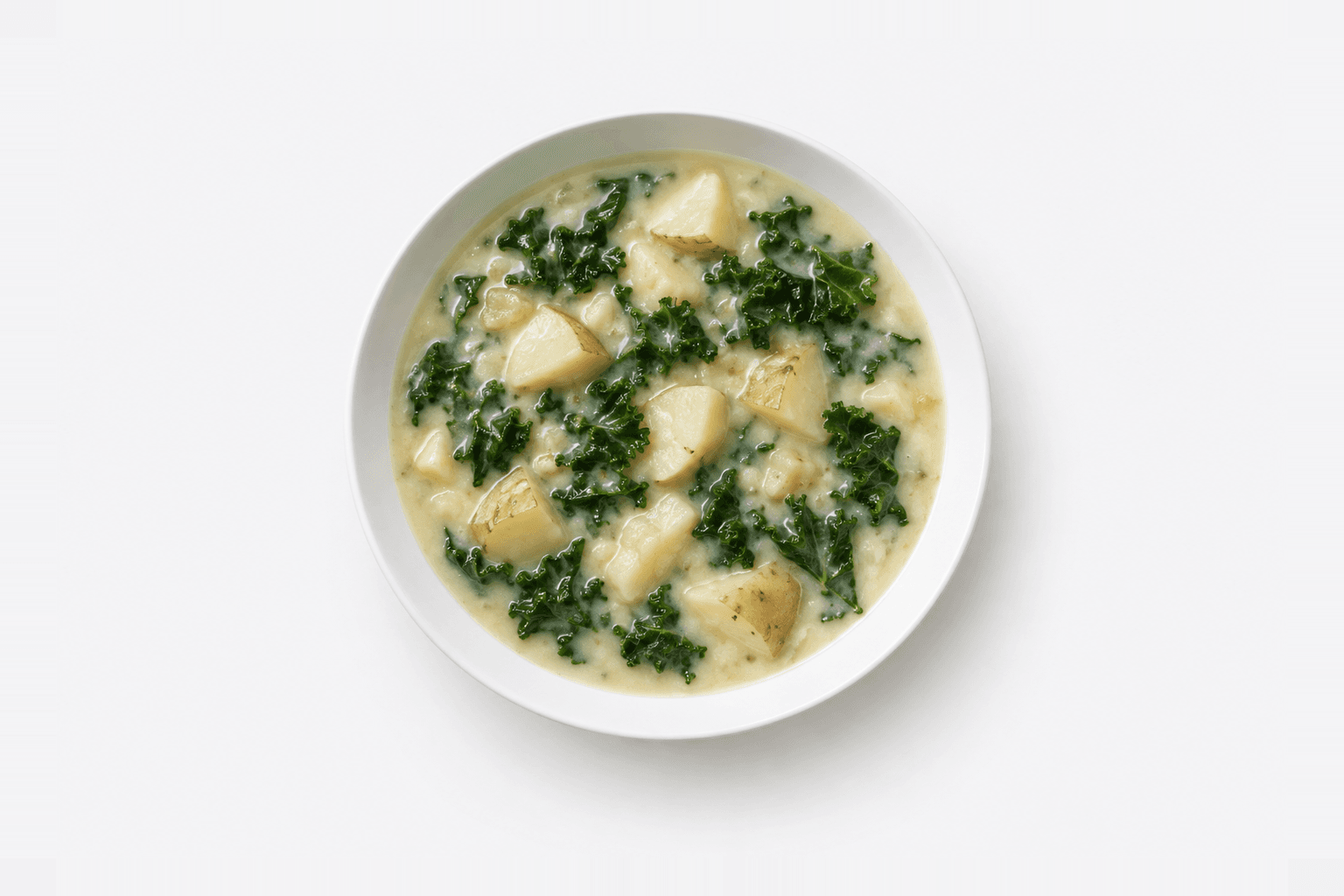
Scrub the potatoes and cut them into 2 cm cubes with the skin on. Cut away any green patches or sprouts.
Chop the onion coarsely and slice the garlic. Strip the kale stems and tear the leaves into bite-size pieces.
Warm the olive oil in a pot and cook the onion over medium-low heat for seven to eight minutes — until translucent, not browned.
Add the garlic for 30 seconds, then the potatoes and the water. Bring to the boil, lower the heat and simmer for 18–20 minutes.
Crush about half the potatoes against the side of the pot with the back of a ladle. Not crushing all of them is the trick.
Add the kale and cook three minutes only. When the colour brightens, season with salt and pepper and take it off the heat.
Potato's potassium (425 mg per 100 g) and vitamin C (19.7 mg) dissolve in water. Peel, boil and drain, and a good share goes down the sink. A soup eats that water, so the loss does not happen. The skins stay on for the same reason — fibre and nutrients concentrate just beneath them.
Crushing only half is about texture. Released starch thickens the broth while leaving something to chew. Blend it all smooth and it is silkier, but less filling.
Three minutes of kale is about vitamin C. Kale carries 93 mg per 100 g, more than an orange, and it is heat-sensitive. The moment the colour deepens to bright green is the moment to stop.
If kidney disease has you limiting potassium, this soup is not for you. You would need to dice the potatoes, soak them, boil them and throw the water away.
If you take warfarin, remember the kale's vitamin K — the point is not to drop it but to keep the amount steady.
Vegetables
Moderate evidenceTotal potato intake showed no association with type 2 diabetes risk. Only fried potato did, at a hazard ratio of 1.12.
Vegetables
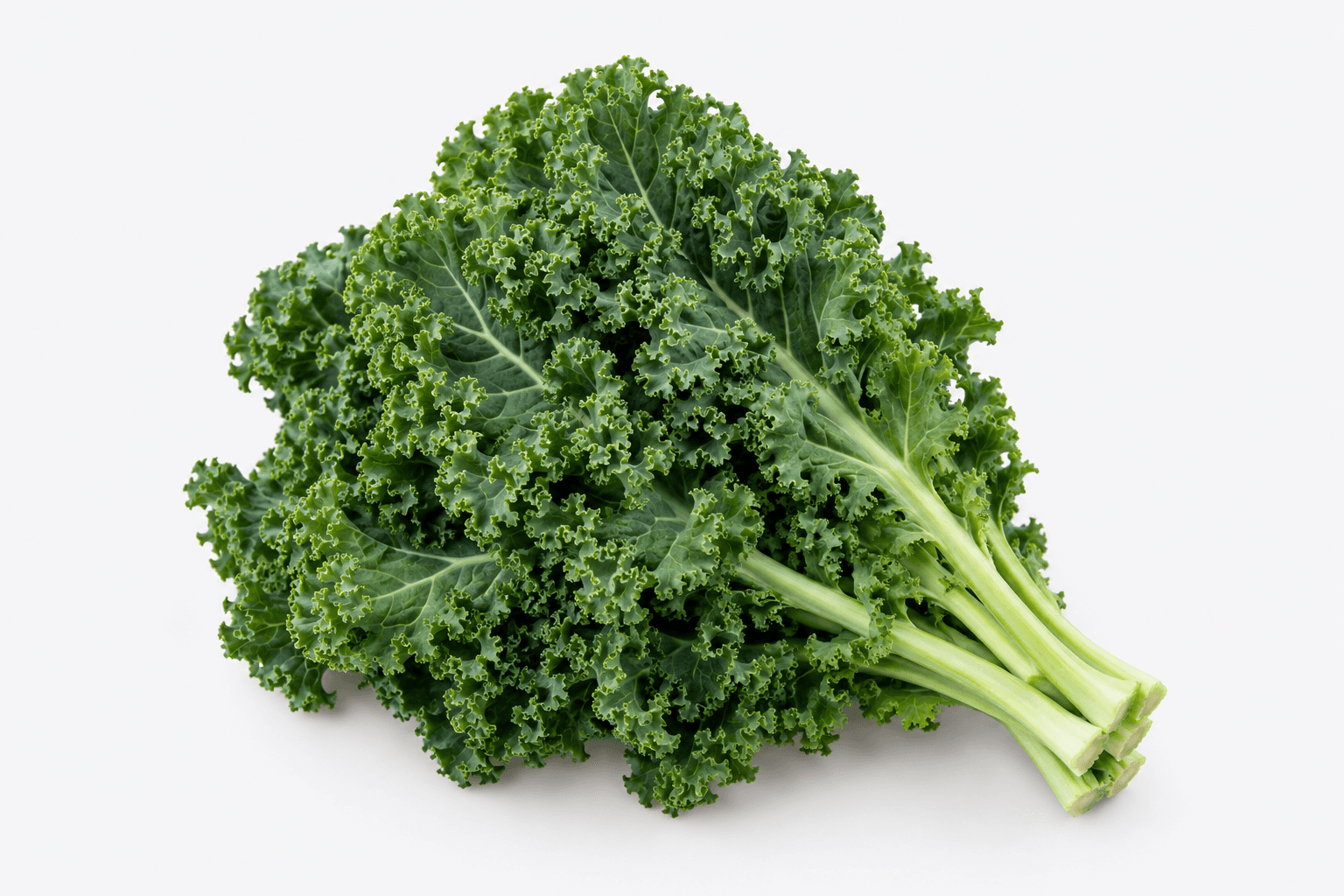
Moderate evidence390 µg of vitamin K, 93.4 mg of vitamin C and 254 mg of calcium per 100 g. Lutein is 6,260 µg — but the AREDS2 primary analysis was not significant.
Vegetables
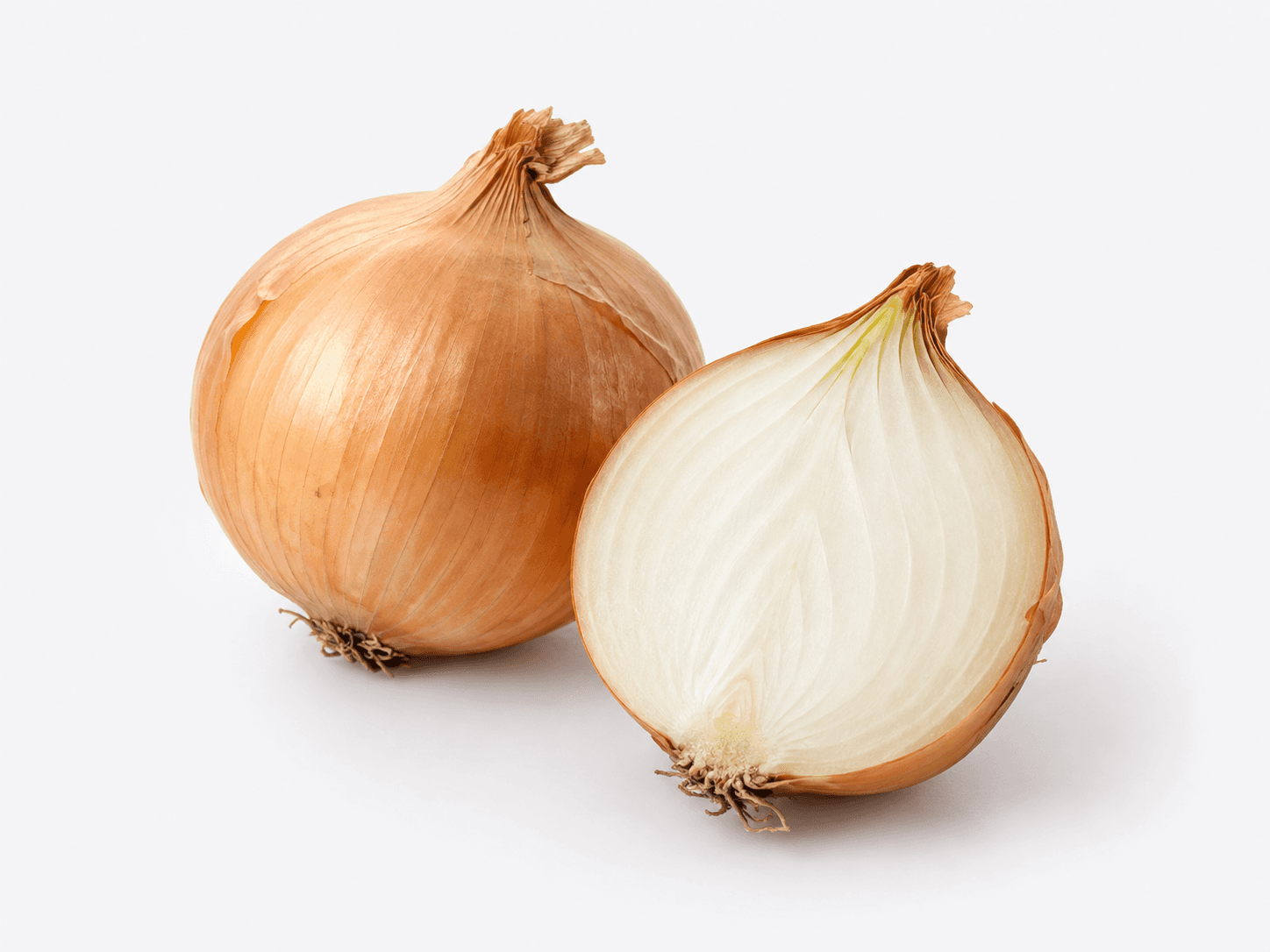
Moderate evidenceOnion's antioxidant quercetin concentrates in the outer layers. Peeling two extra layers out of habit throws much of it away.
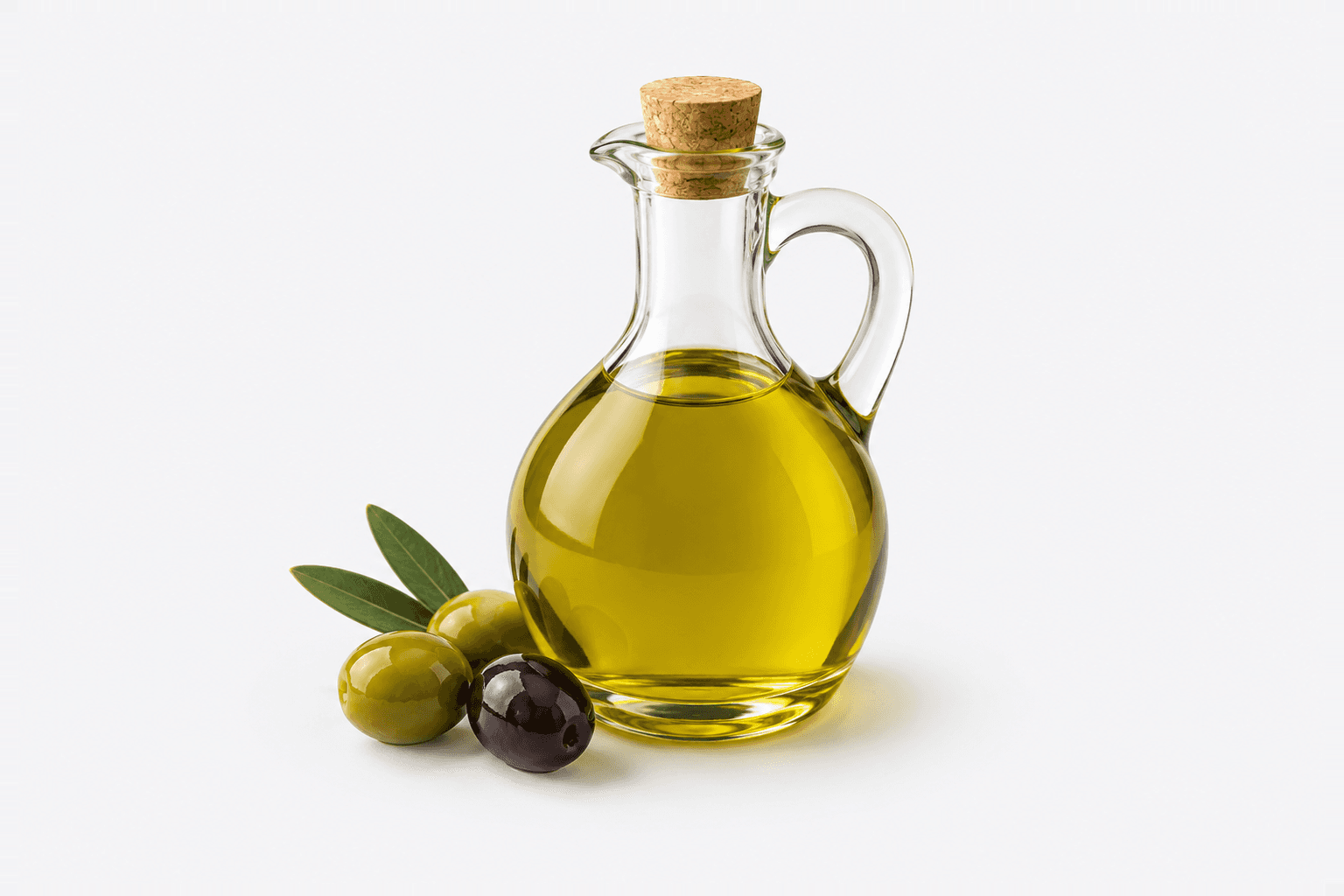
Oils & fats
Strong evidenceCardiovascular events were 31 % lower in a randomised trial of 7,447 people. Against other vegetable oils, though, there was no difference.