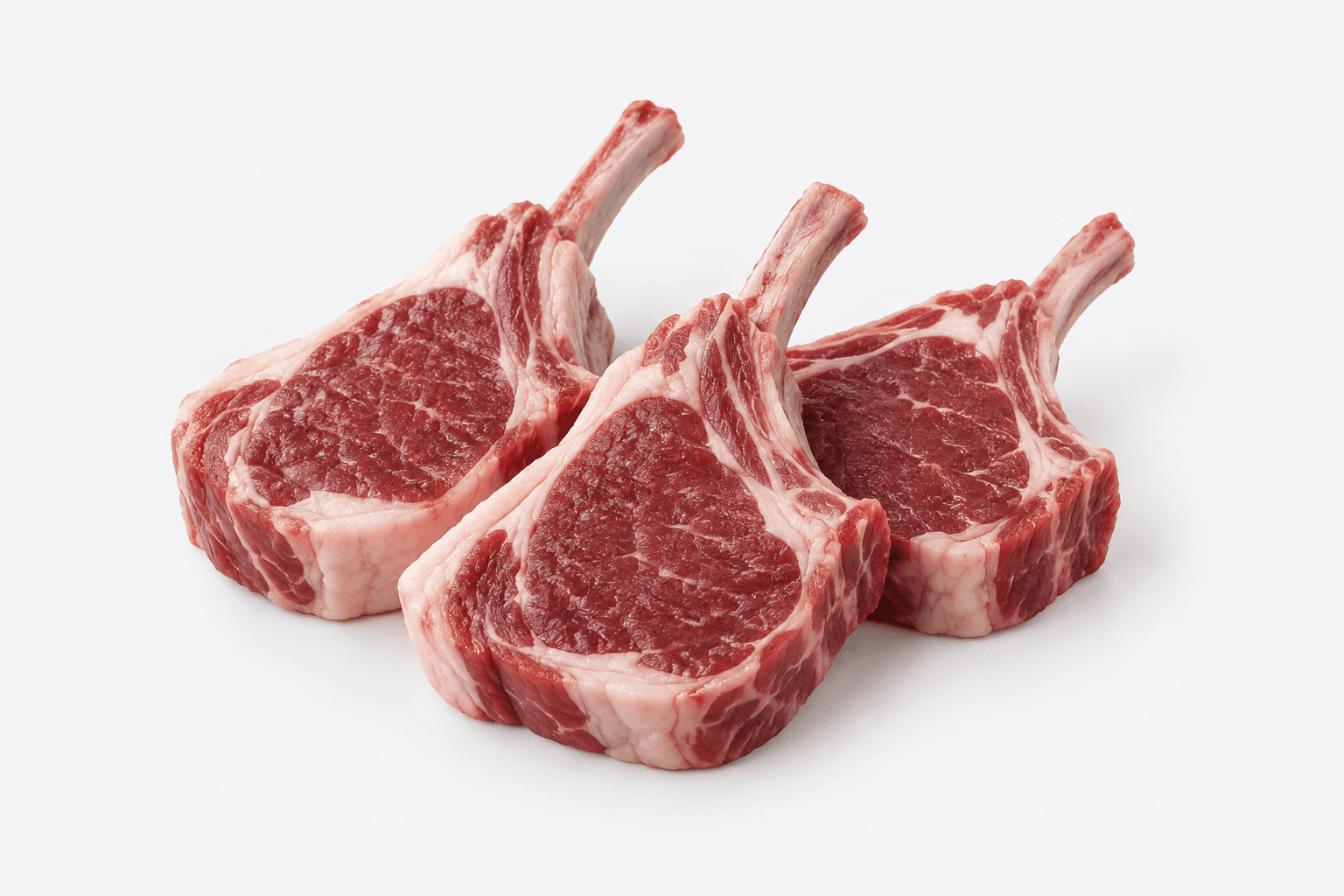
Meat
Moderate evidenceLamb
2.31 µg of B12, 3.41 mg of zinc, 18.8 µg of selenium. And it is red meat — one analysis puts colorectal cancer risk 14% higher per 100 g a day.
Cook them through in the oven first and finish over high heat. The longer they sit over flame, the more of them chars.
2 servings30 min
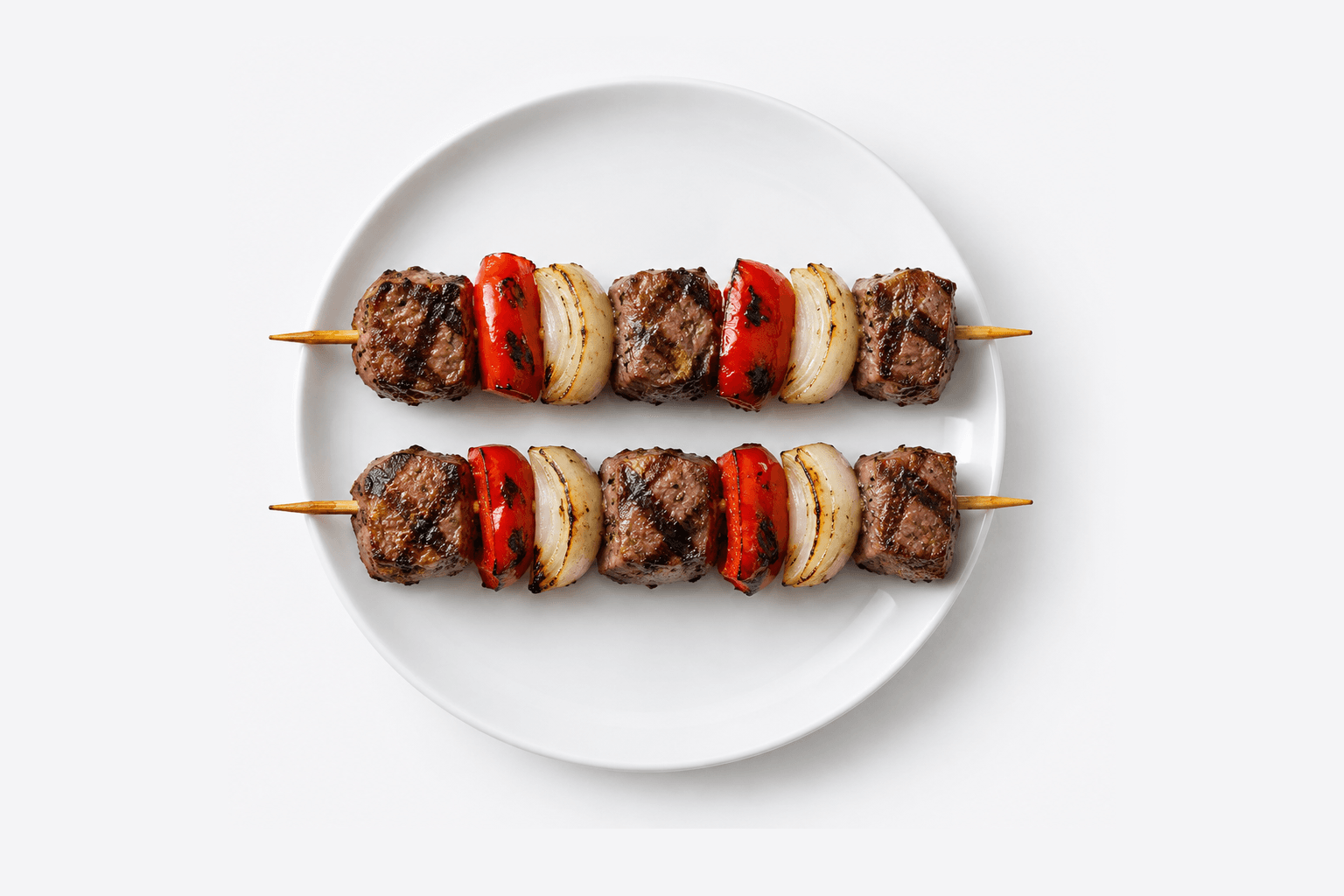
Cut the lamb into 3 cm cubes and trim the visible fat. Fat dripping onto coals makes smoke, and that smoke comes back onto the meat.
Mix the chopped garlic, olive oil, lemon juice, cumin, salt and pepper, and marinate the lamb for 30 minutes in the fridge.
Cut the pepper and onion to the same 3 cm as the meat. Different sizes mean one burns while the other stays raw.
Thread meat and vegetable alternately. Packed meat against meat leaves the join uncooked.
Cook them at 200°C in the oven for 10 minutes first. This step halves the time over the flame.
Finish on a hot grill or pan, one minute a side, three to four minutes total. Colour on the outside is all you need.
Cut away anything blackened before eating.
The oven step is the whole recipe.
That heterocyclic amines (HCAs) and polycyclic aromatic hydrocarbons (PAHs) form when meat chars over high direct heat is settled chemistry. HCAs form when the meat itself is exposed to high temperature; PAHs form when dripping fat makes smoke that then settles back onto the meat.
Both scale with time over the flame. Cook the inside in the oven and the flame's job is three to four minutes of colour. Starting from raw over charcoal takes fifteen minutes, and the outside chars for all of them.
Trimming the fat serves the same end. Ground lamb carries 23.4 g of fat per 100 g, 10.2 g of it saturated. Using a lean cut and removing what you can see lowers the calories and the saturated fat — and lowers how much drips into the fire as smoke. One piece of knife work doing two jobs.
The lemon marinade is not only about taste. Reduced HCA formation has been reported in meat marinated in acidic mixtures. That is cooking chemistry, not a study of cancer incidence in people.
Lamb is red meat. In a meta-analysis of prospective studies, every extra 100 g a day carried a colorectal cancer relative risk of 1.14. The World Cancer Research Fund recommends staying within 350–500 g of cooked red meat a week. This recipe serves two on 300 g, so once a week fits inside that.
The peppers are not only there for colour. Lamb's iron is haem and absorbs well anyway, but the vitamin C in peppers lifts the non-haem iron from the vegetables alongside. And eating vegetables with the meat pulls the other way in the colorectal evidence.
Meat
Moderate evidence2.31 µg of B12, 3.41 mg of zinc, 18.8 µg of selenium. And it is red meat — one analysis puts colorectal cancer risk 14% higher per 100 g a day.
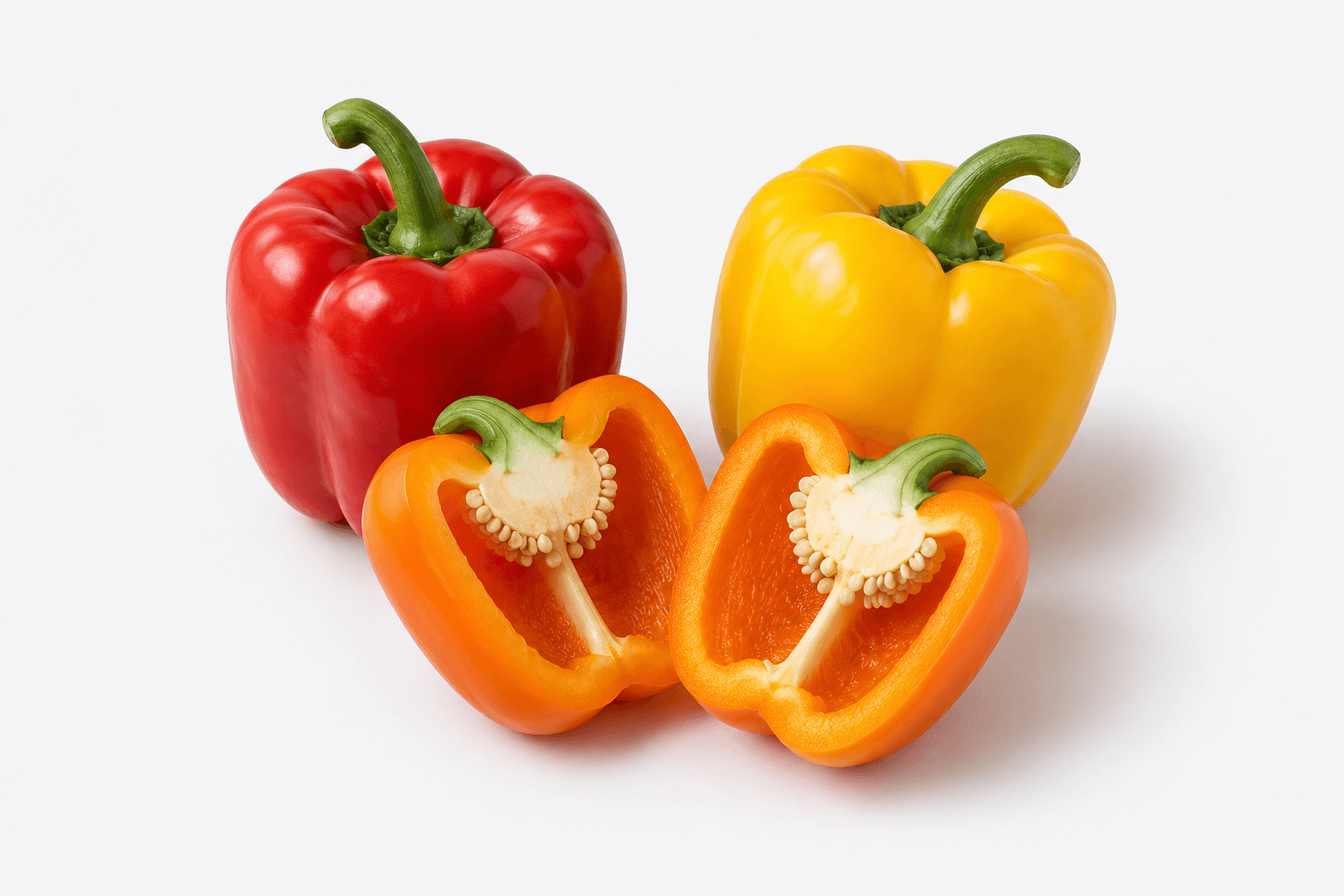
Vegetables
Moderate evidence128 mg of vitamin C per 100 g of red pepper. The Cochrane review, though, found no reduction in colds.
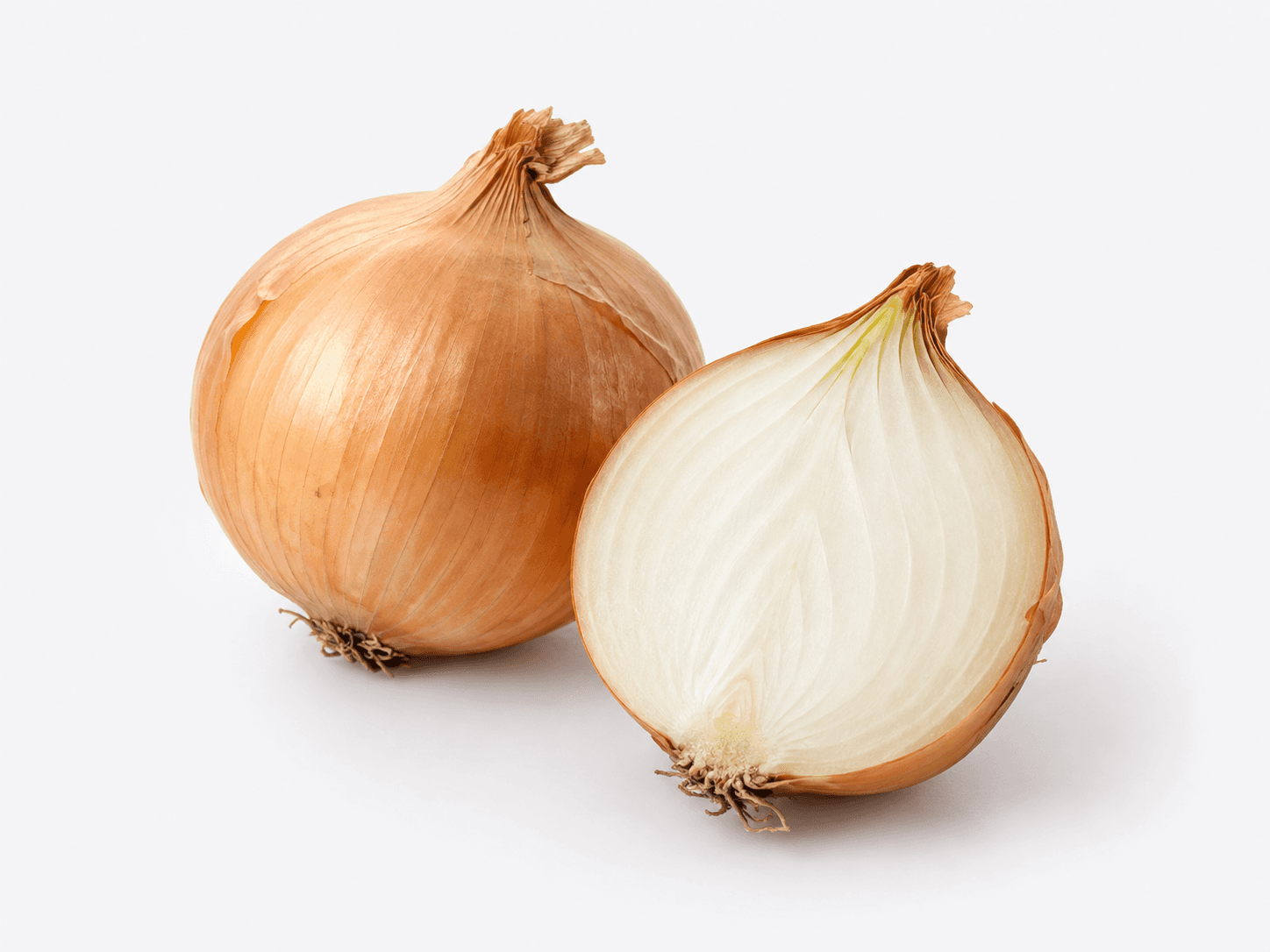
Vegetables
Moderate evidenceOnion's antioxidant quercetin concentrates in the outer layers. Peeling two extra layers out of habit throws much of it away.
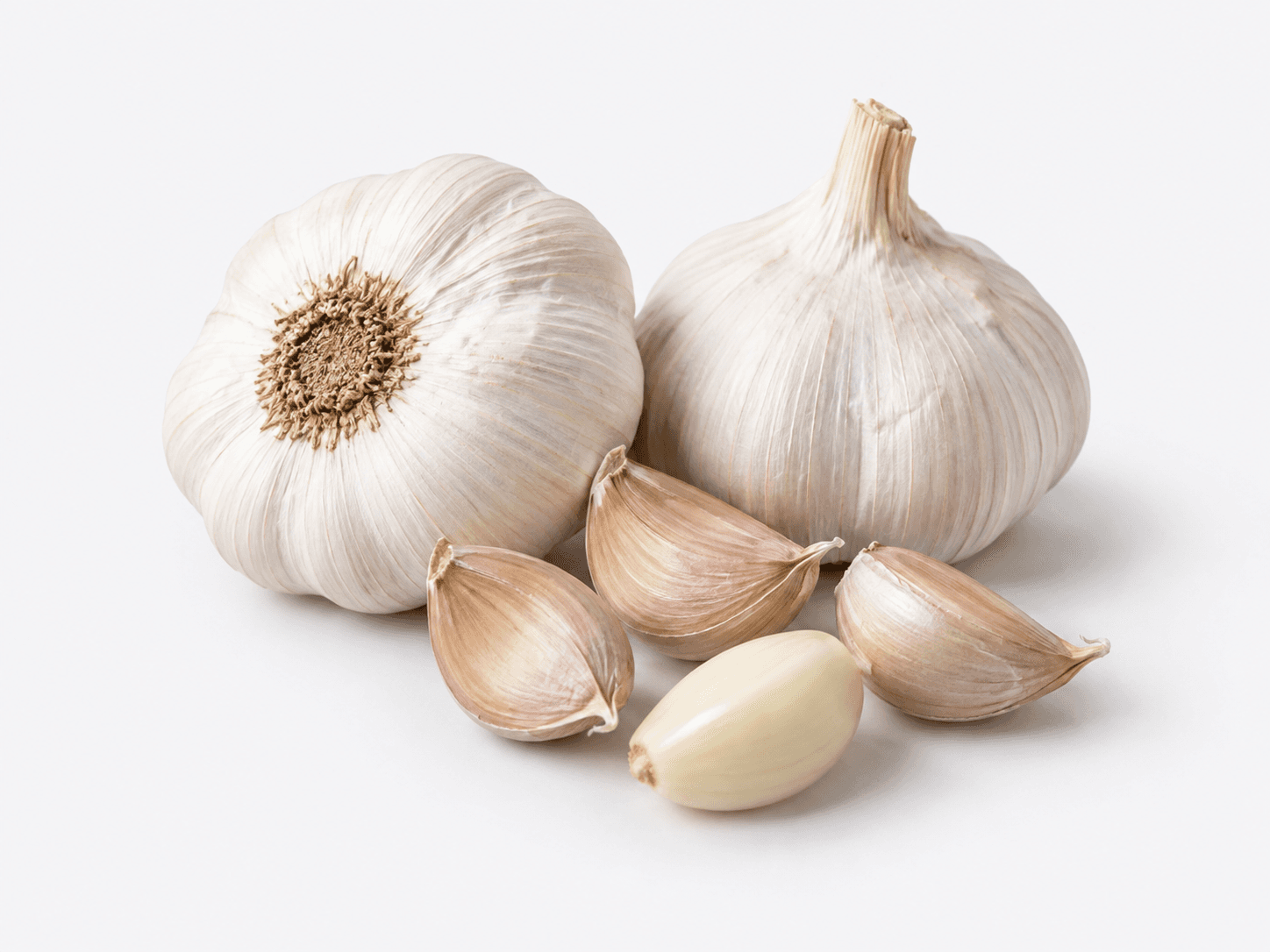
Vegetables
Moderate evidenceThe evidence for garlic points to a modest drop in blood pressure and cholesterol. The trick is to crush it and wait ten minutes before it hits the heat.