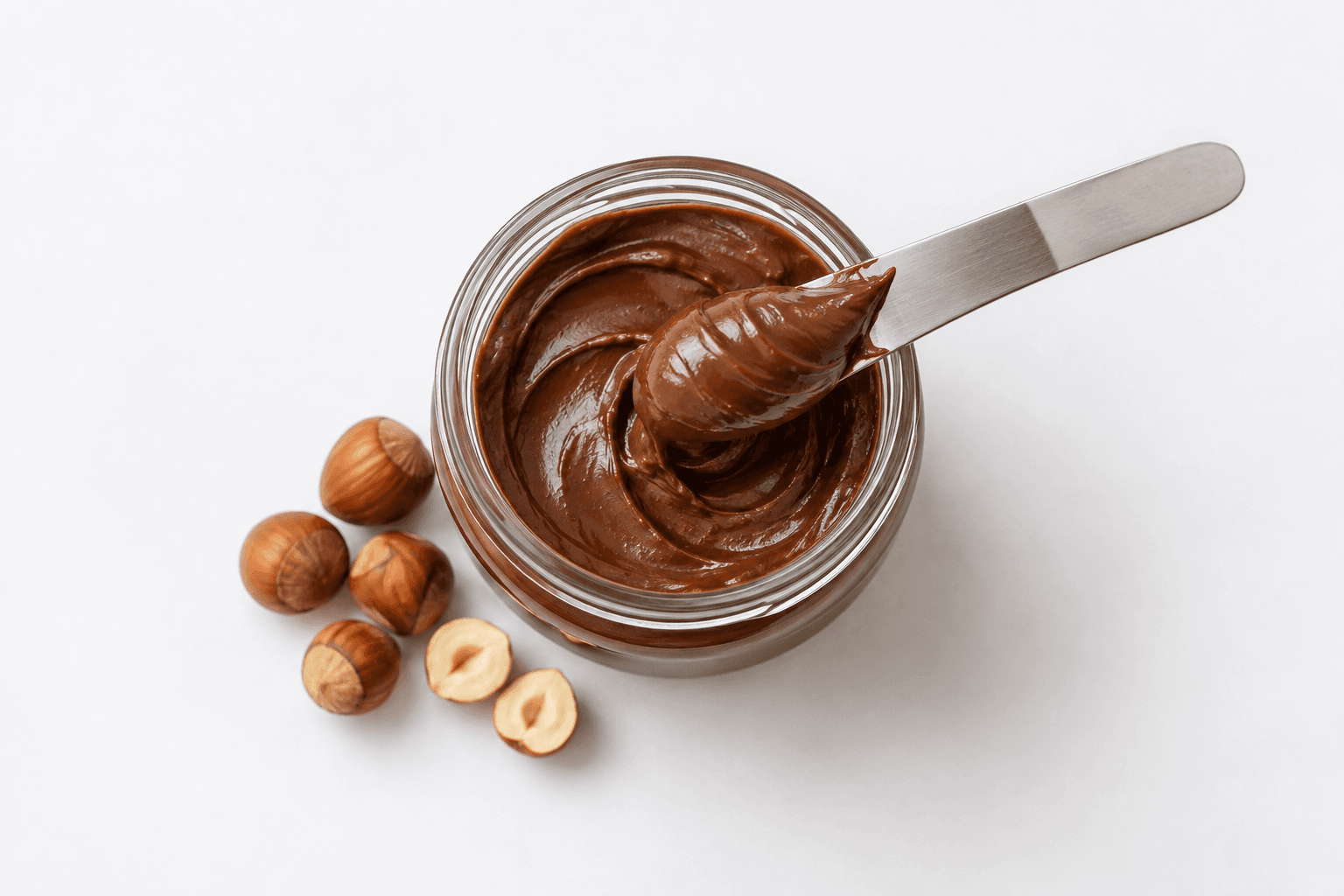
The point of this recipe is inverting the ratio.
In a commercial hazelnut chocolate spread, sugar is generally the first ingredient and palm oil the second, with hazelnut at around 13%. A tablespoon (20 g) contains 2.6 g of hazelnut — about four nuts.
| Shop spread, 1 tbsp (20 g) | This spread, 1 tbsp (20 g) |
|---|
| Hazelnut share | ~13% | ~70% |
| Sugar | ~11 g | ~2.4 g (from honey) |
| Added sugar | Yes | None |
| Palm oil | Yes | None |
| Vitamin E | negligible | ~2.1 mg |
| Manganese | negligible | ~0.86 mg |
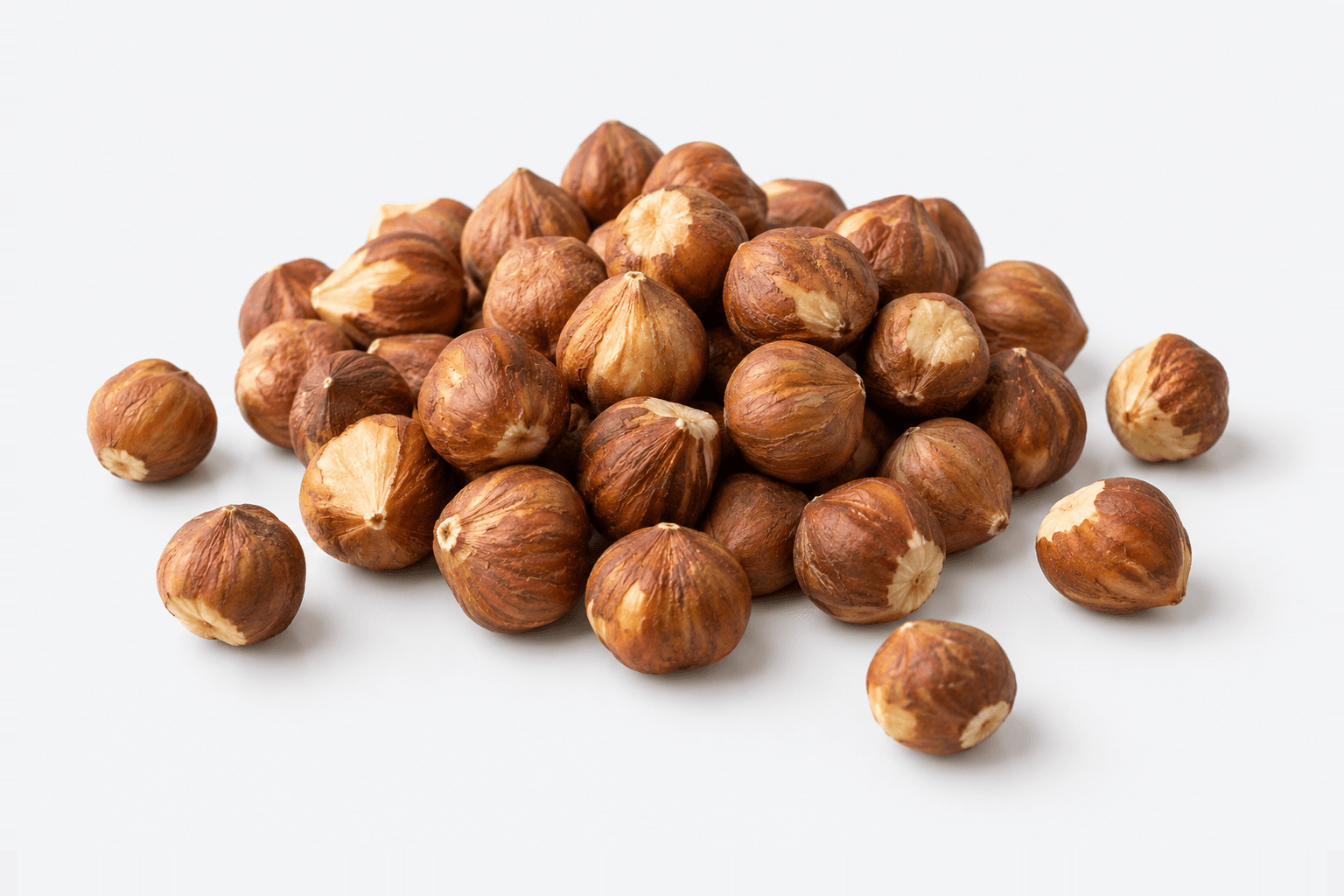
Adding no oil is the core of the method. Hazelnuts are 60.8% fat. Blended long enough, that fat leaves the cells and the nuts turn into a spread by themselves. There is no reason to add palm oil.
It needs five to ten minutes of blending. This is where most people give up. Nuts go powder → clumps → stiff paste, and it is easy to stop there thinking it will not work. Push a little past that and the oil releases and it goes smooth all at once.
Roasting at 150°C for 10–12 minutes does two things: it loosens the skins and it wakes the aroma. But at 60% fat, a hotter oven burns them fast — and burnt nuts taste of nothing but bitterness.
The skins concentrate the polyphenols. Removing them all takes those compounds with them. If the astringency does not bother you, a rough job is fine. Though no evidence was identified that those polyphenols change a health outcome in people.
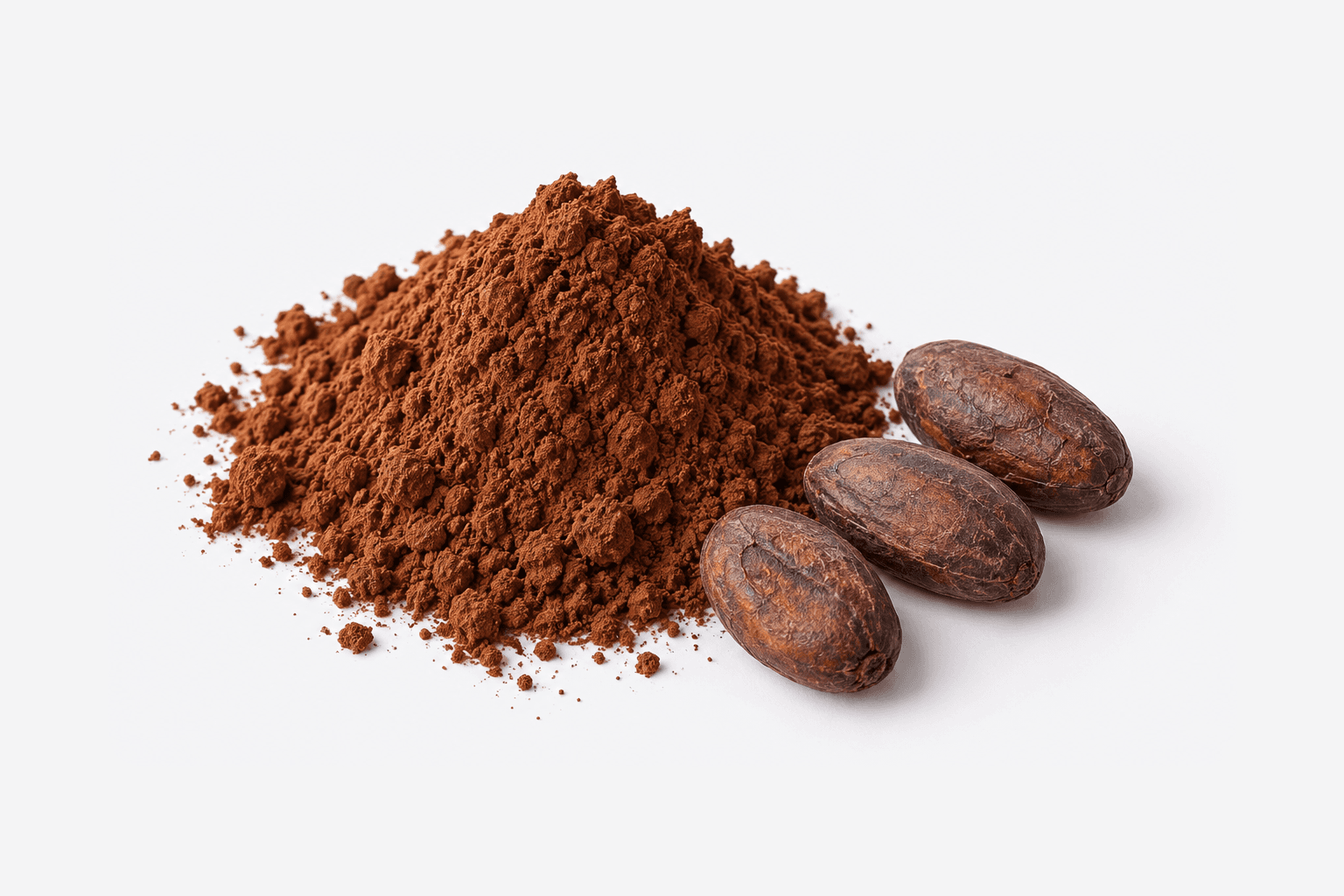
Use unsweetened cocoa. Drinking-chocolate mixes already contain sugar.
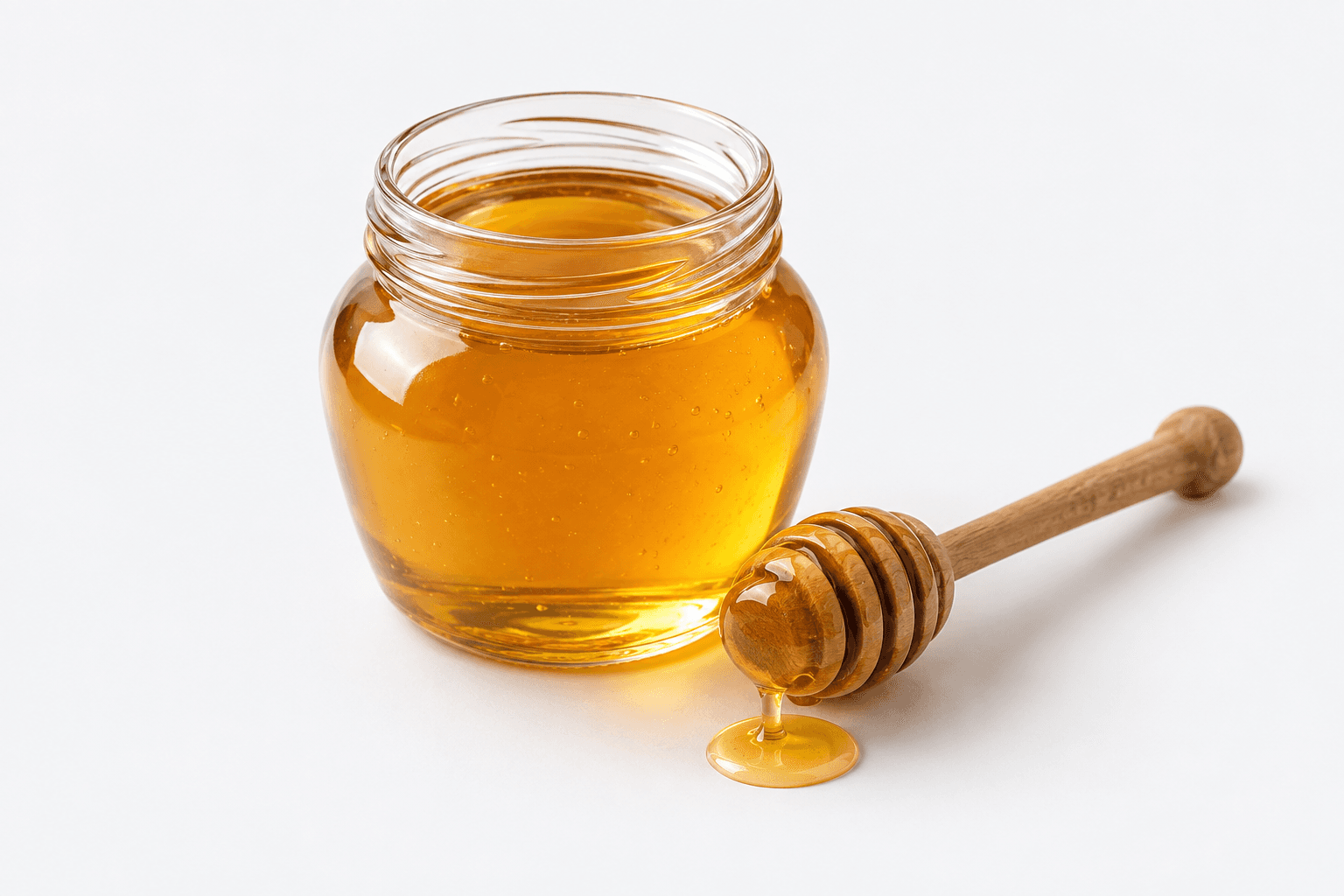
The honey goes in last, after the blending is done. Long blending raises the friction heat and drives off the aroma. And do not give this spread to an infant under one year — it contains honey.
Counting the sugar honestly. 40 g of honey carries about 33 g of sugar; divided into ten servings that is 3.3 g per serving. The 2.4 g in the table is the figure converted to a 20 g tablespoon. Far below the 11 g of the shop version, but not zero. For less, drop the honey to one tablespoon.
The calories do not fall. 200 g of hazelnuts is 1,256 kcal. A tablespoon is about 120 kcal — similar to the shop version or slightly higher. What this recipe changes is not the calories but what they are made of.
It firms up in the fridge. Ten minutes at room temperature and it spreads again. If oil rises to the top, stir it back in — there is no emulsifier here, and that is normal.
Avoid it with a nut allergy.