Dairy & eggs
Strong evidenceCheese
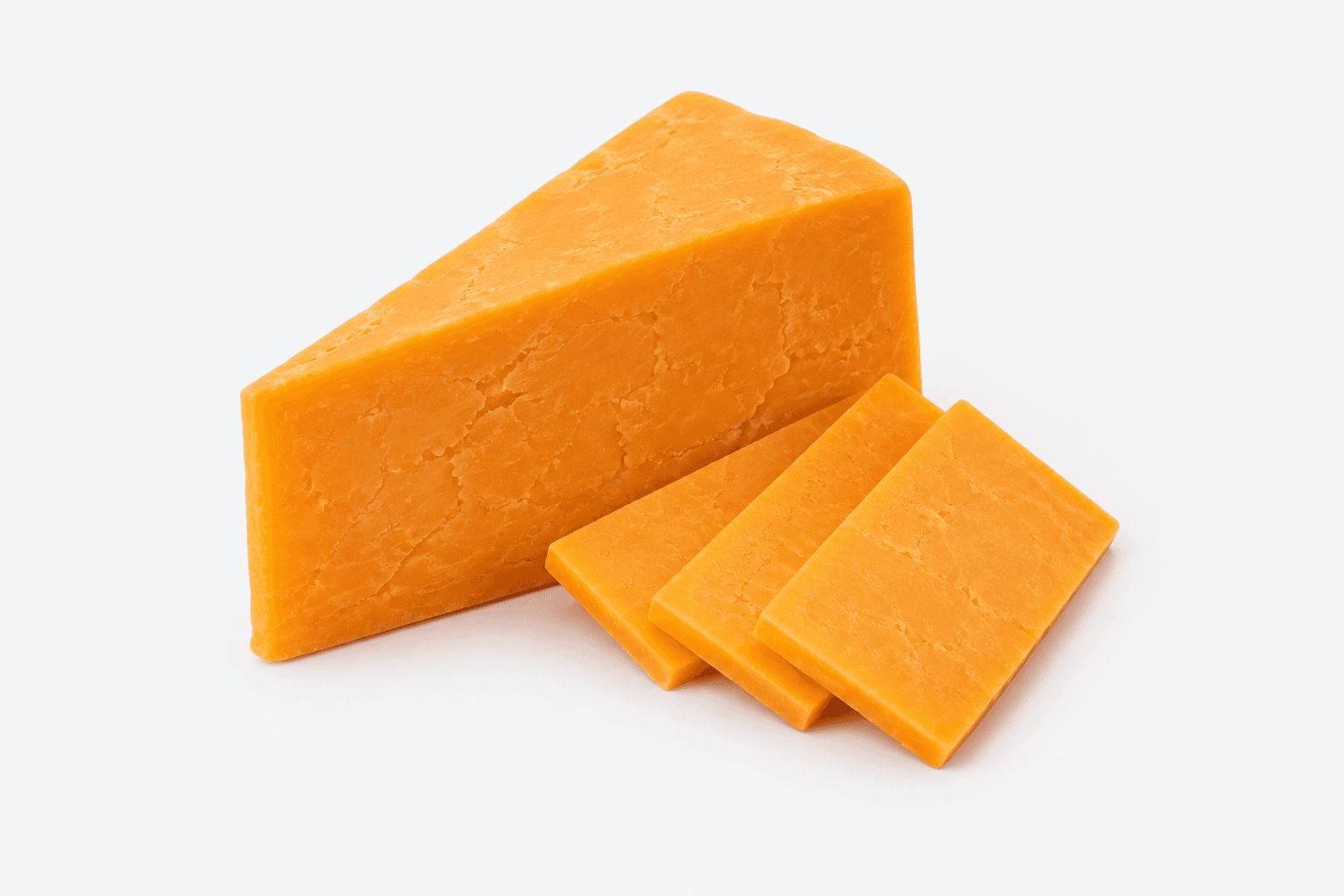
In trials matched gram for gram on fat, the cheese group's LDL sat about 7 mg/dL below the butter group's. The 19.2 g of saturated fat does not explain that.
Cheese in the pan instead of butter. Do not salt it — one slice already brings 183 mg of sodium.
1 servings10 min
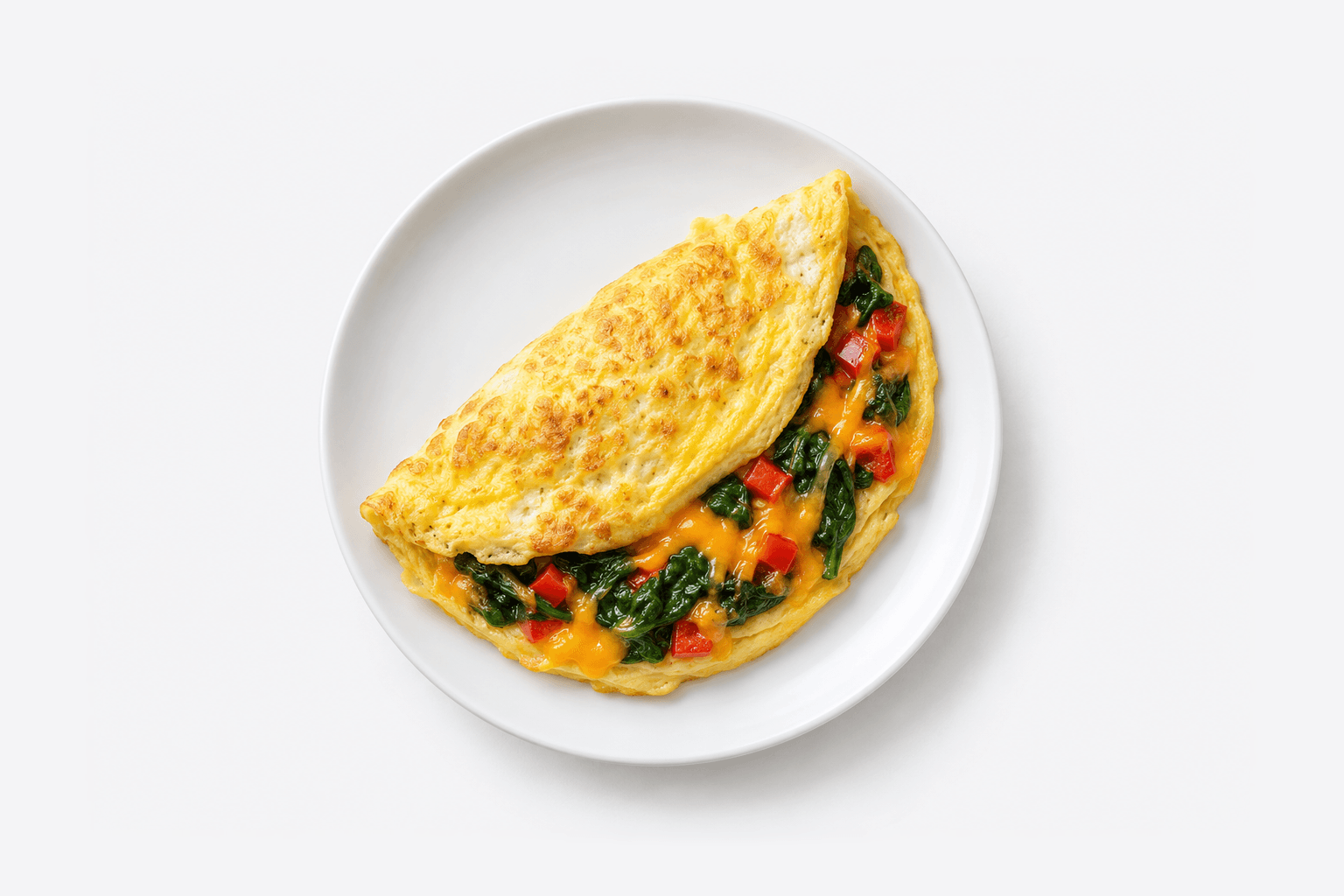
Cut the spinach into bite-size pieces and dice the pepper small. Left in large pieces they release water inside the egg.
Warm the olive oil and fry the pepper for one minute. The firm thing goes first or it stays raw.
Add the spinach for 30 seconds, and when it wilts move it to a plate. Pour off the liquid — leave it in and the omelette goes soggy.
Beat the two eggs without salt, with only a grind of pepper.
Turn the heat down low and pour in the eggs. As the edges set, push the outside towards the middle with chopsticks.
While the top is still moist, lay the vegetables and cheese on one half and fold it over. Thirty seconds more and the residual heat melts the cheese.
Cheese instead of butter is the point of this plate. A 2023 analysis pooling seven randomised controlled trials matched the fat exactly — one arm as cheese, one as butter, for two weeks or more — and LDL came out 0.19 mmol/L lower on cheese, about 7 mg/dL. HDL also fell, by 0.04 mmol/L.
What the evidence does not say is just as clear: adding cheese on top of what you already eat is not the experiment that was run.
The reason not to salt it is that the sum is already done. One slice of cheddar (28 g) carries about 183 mg of sodium, 9% of a 2,000 mg daily ceiling. Add salt and one breakfast passes 15%.
Eggs go on low heat. On high heat egg protein contracts and squeezes water out — that is the puddle on the plate. Cooked slowly, it happens far less.
Pouring off the spinach water matters. Spinach is over 90% water by weight, and heat releases a good share of it. Some water-soluble vitamins leave with it, but left in the pan it collapses the omelette.
The pepper is here for vitamin C. Egg iron is non-haem and absorbs poorly, and vitamin C lifts it. Forty grams of bell pepper is over 50 mg.
Dairy & eggs
Strong evidenceIn trials matched gram for gram on fat, the cheese group's LDL sat about 7 mg/dL below the butter group's. The 19.2 g of saturated fat does not explain that.
Dairy & eggs
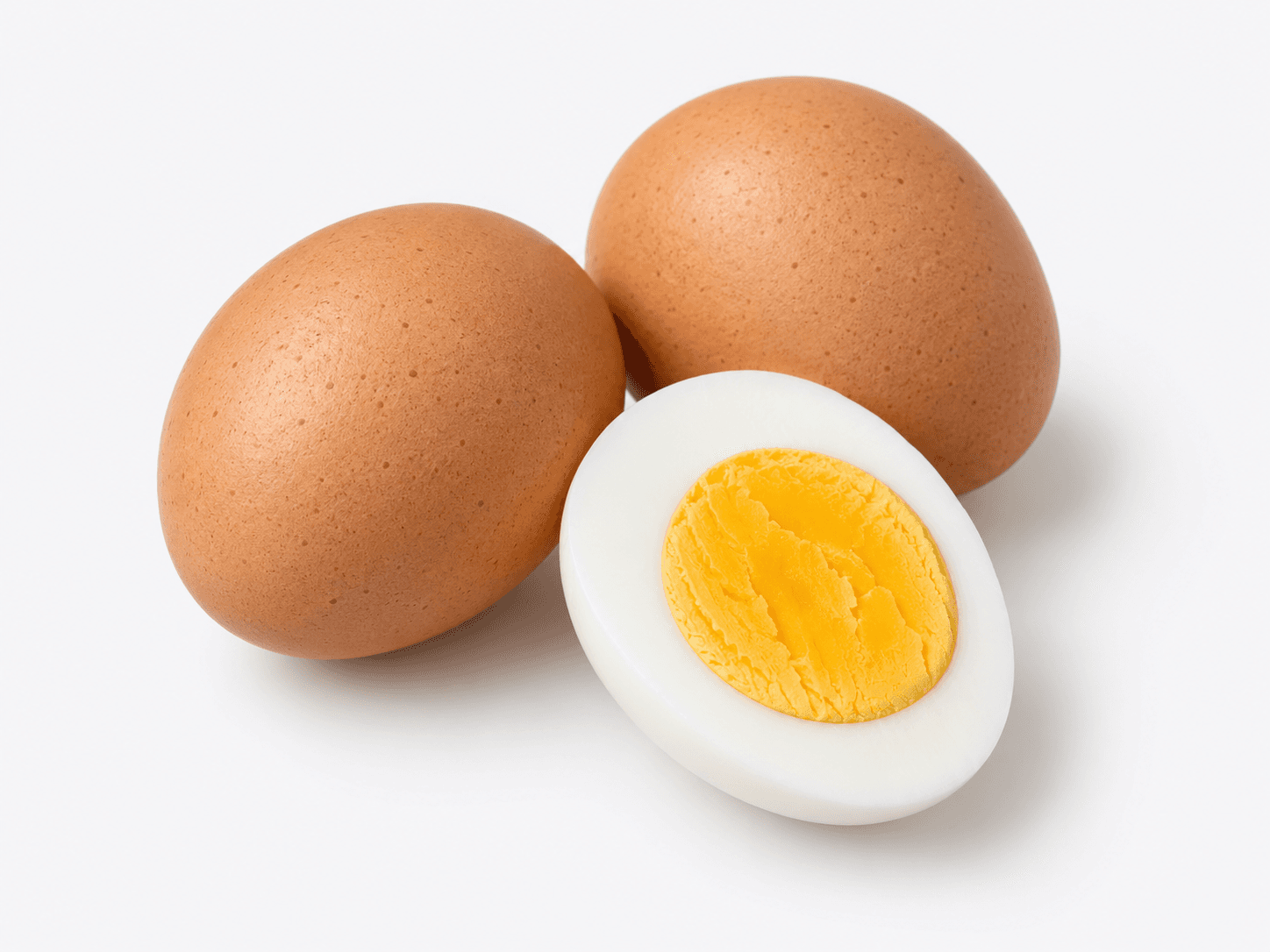
Nutrition dataThe advice to limit yolks because of their cholesterol has been overturned. What remains is choline, a nutrient far fewer people talk about.
Vegetables
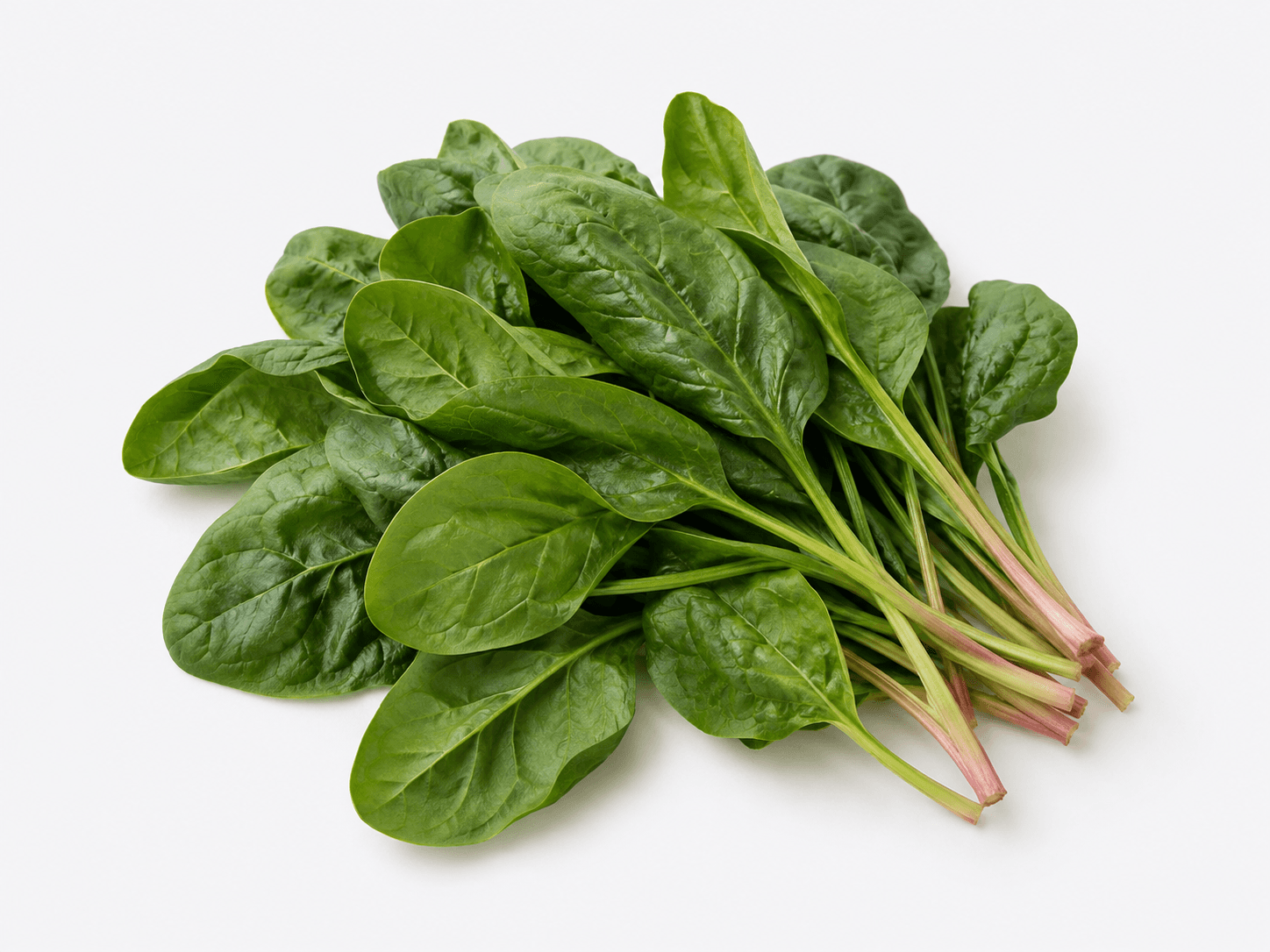
Moderate evidence"Spinach equals iron" is only half true. The real value sits in folate, vitamin K, and the lutein that accumulates in your eyes.
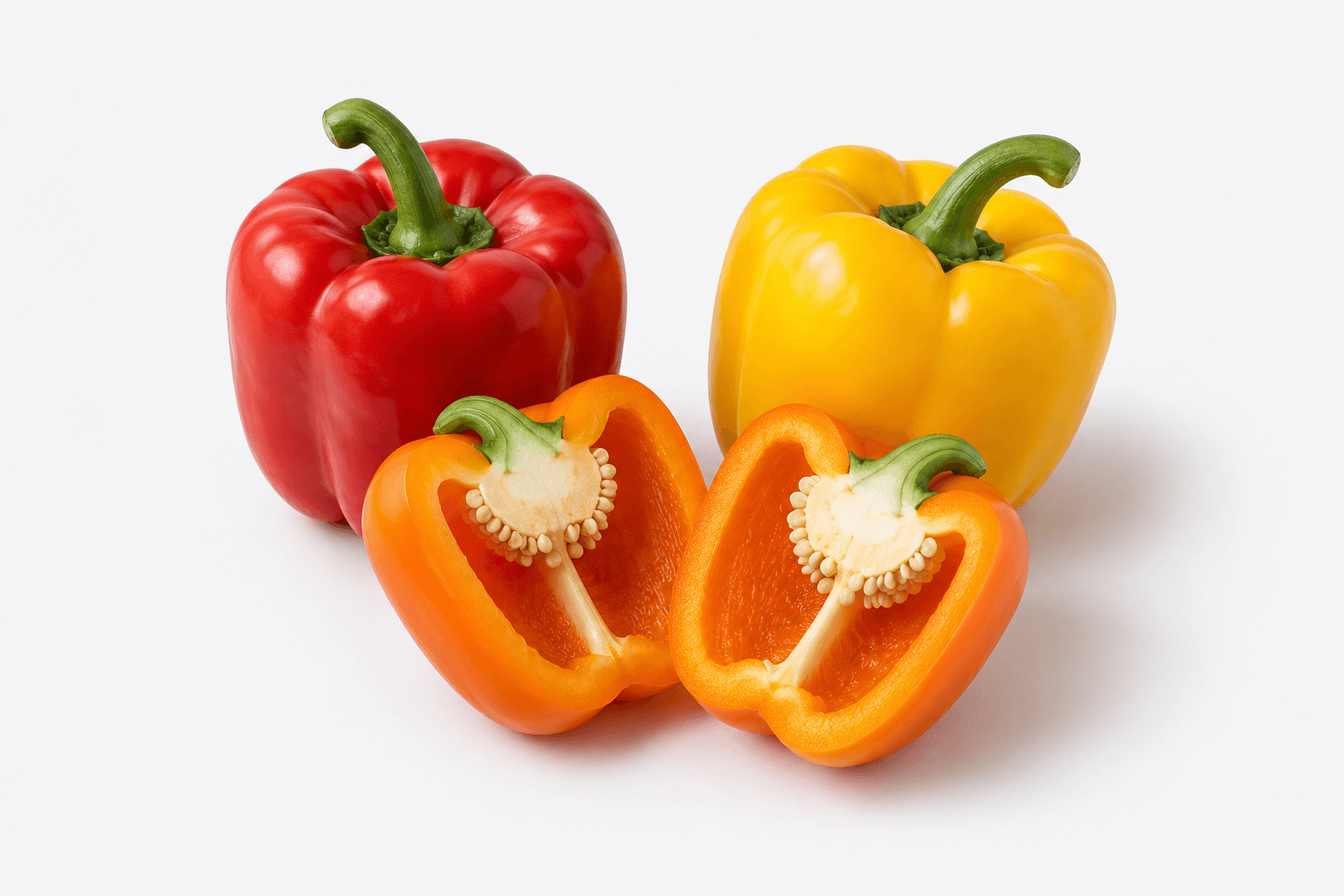
Vegetables
Moderate evidence128 mg of vitamin C per 100 g of red pepper. The Cochrane review, though, found no reduction in colds.