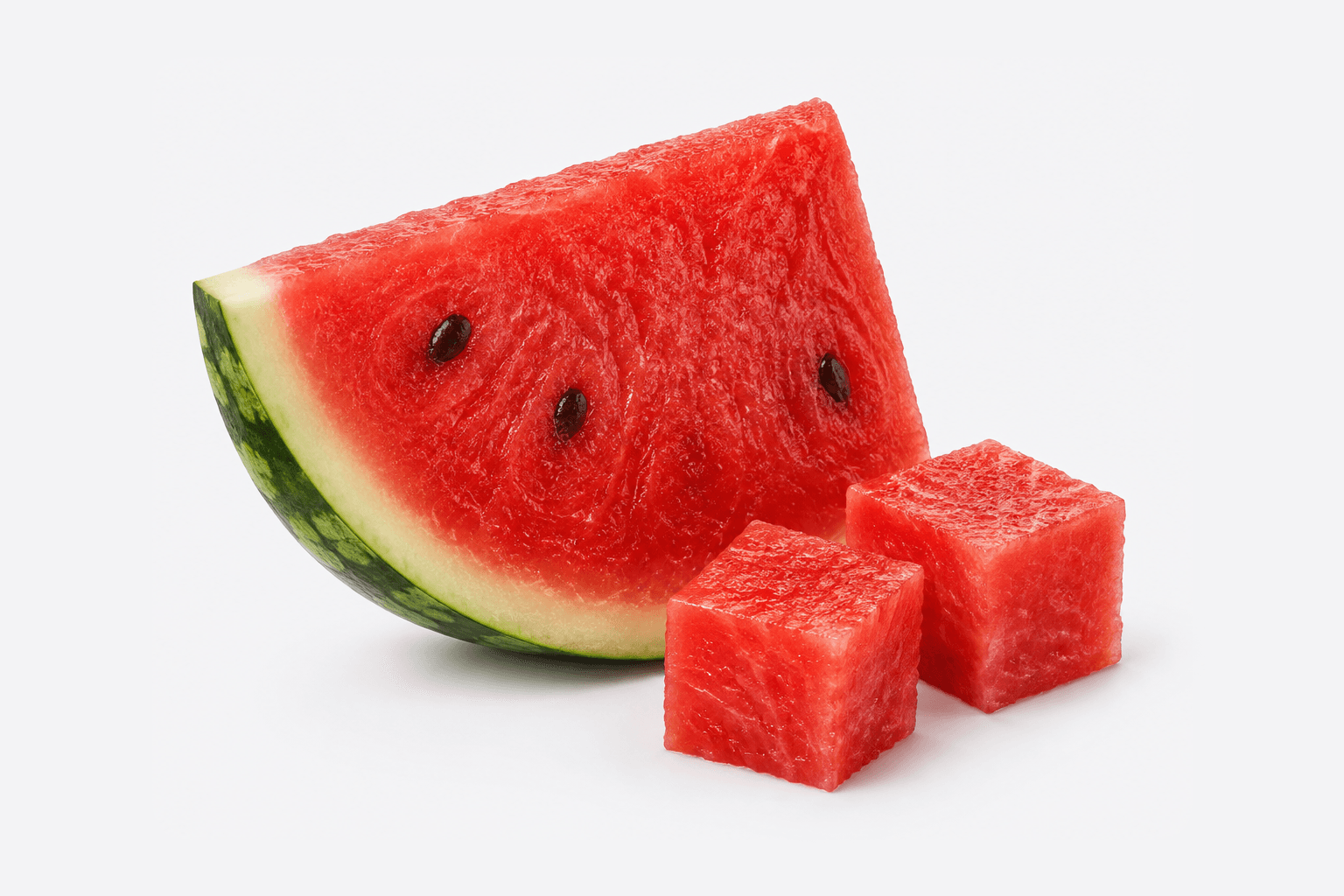
Fruits
Moderate evidenceWatermelon
4,530 µg of lycopene per 100 g — 1.8 times the raw tomato's 2,573 µg. There is a blood pressure analysis too, but it is not an analysis of watermelon.
The olive oil is there for absorption, not flavour. Watermelon's lycopene is fat-soluble.
2 servings10 min
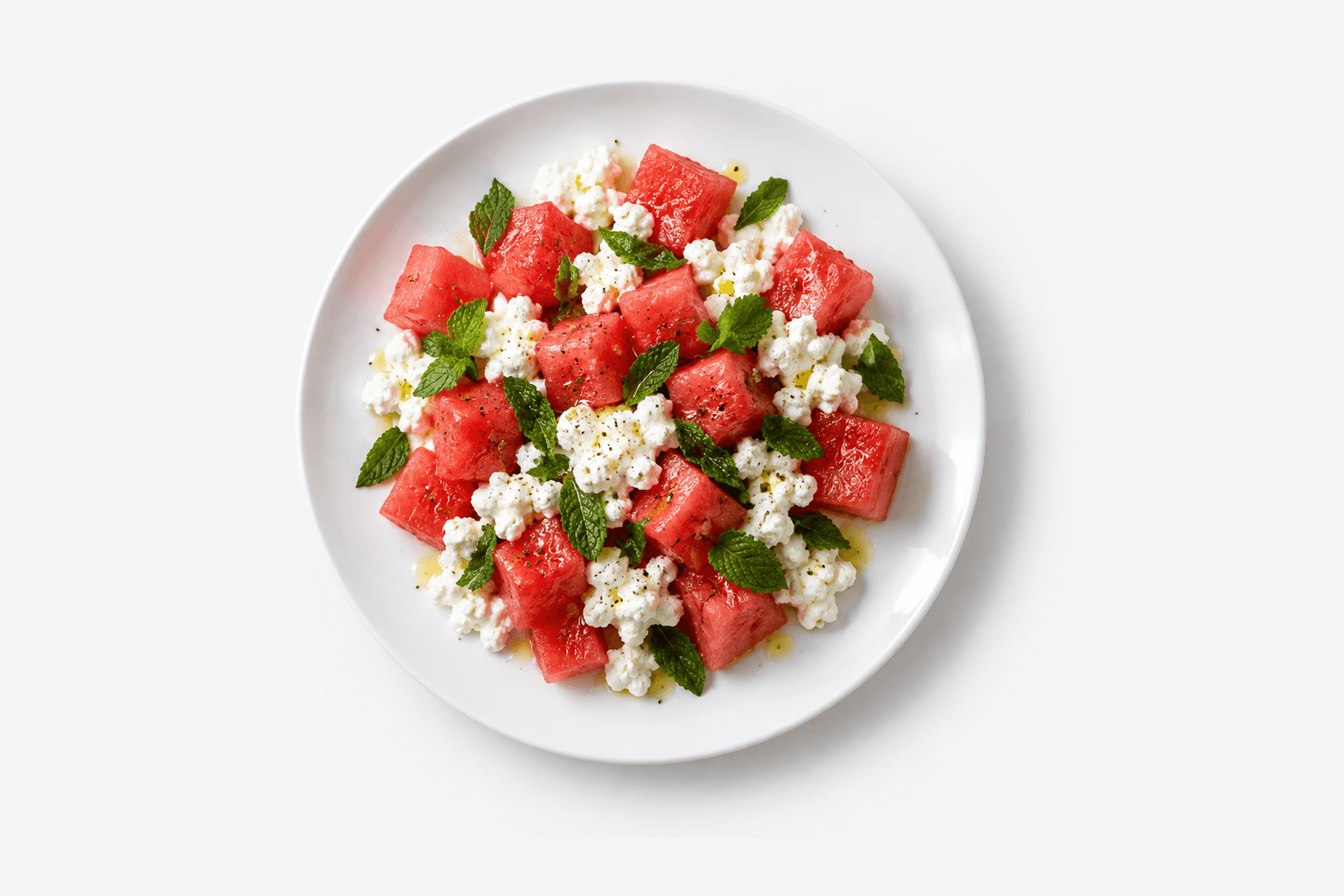
Cube the watermelon at 2 cm and drain it in a sieve for five minutes. Throwing off the released water is what keeps the plate from going watery.
Spread the watermelon on a plate and spoon the cottage cheese over it in clumps. Do not mix — stirred, the cheese dissolves into the melon juice.
Drizzle the olive oil evenly. What this tablespoon does is below.
Add the lemon juice and tear the mint over by hand. Cut with a knife, the edges blacken.
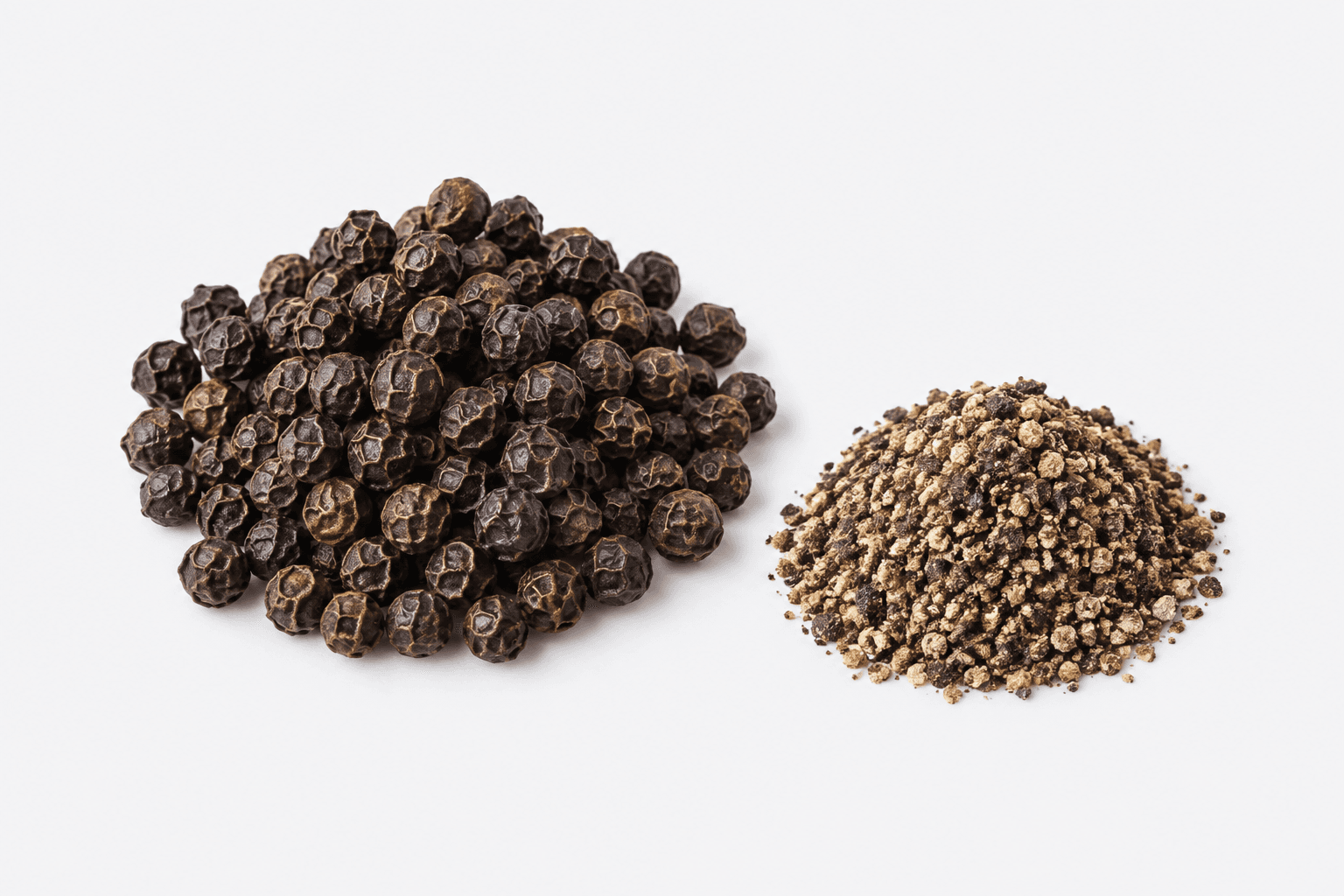
Finish with coarsely ground pepper. Do not salt it — cottage cheese already carries 406 mg of sodium per 100 g.
The olive oil is not there for flavour.
Watermelon carries 4,530 µg of lycopene per 100 g, 1.8 times a raw tomato's 2,573 µg. But lycopene is fat-soluble: eaten without fat, a good share passes through unabsorbed.
That is the job of one tablespoon (14 g) of olive oil on this plate. You barely taste it; in terms of what you absorb, its presence or absence is the difference.
Why there is no salt. 150 g of cottage cheese carries 609 mg of sodium — 30% of a 2,000 mg daily ceiling. Sweet melon with salt is a combination that invites more salt, and there is already enough. If you want it saltier, add another spoonful of the cheese.
Why not to mix it. Cottage cheese is an acid-set curd and breaks up easily. Stirred into melon juice, the whole plate goes cloudy. Left in clumps, each bite gives you melon and cheese separately.
The five minutes of draining is the least visible step in this salad and the most important one. Watermelon is 91.4% water.
Counting the protein: 150 g of cottage cheese gives 18.6 g. The 400 g of watermelon adds 2.4 g. As a meal salad, the protein holds up.
Fruits
Moderate evidence4,530 µg of lycopene per 100 g — 1.8 times the raw tomato's 2,573 µg. There is a blood pressure analysis too, but it is not an analysis of watermelon.
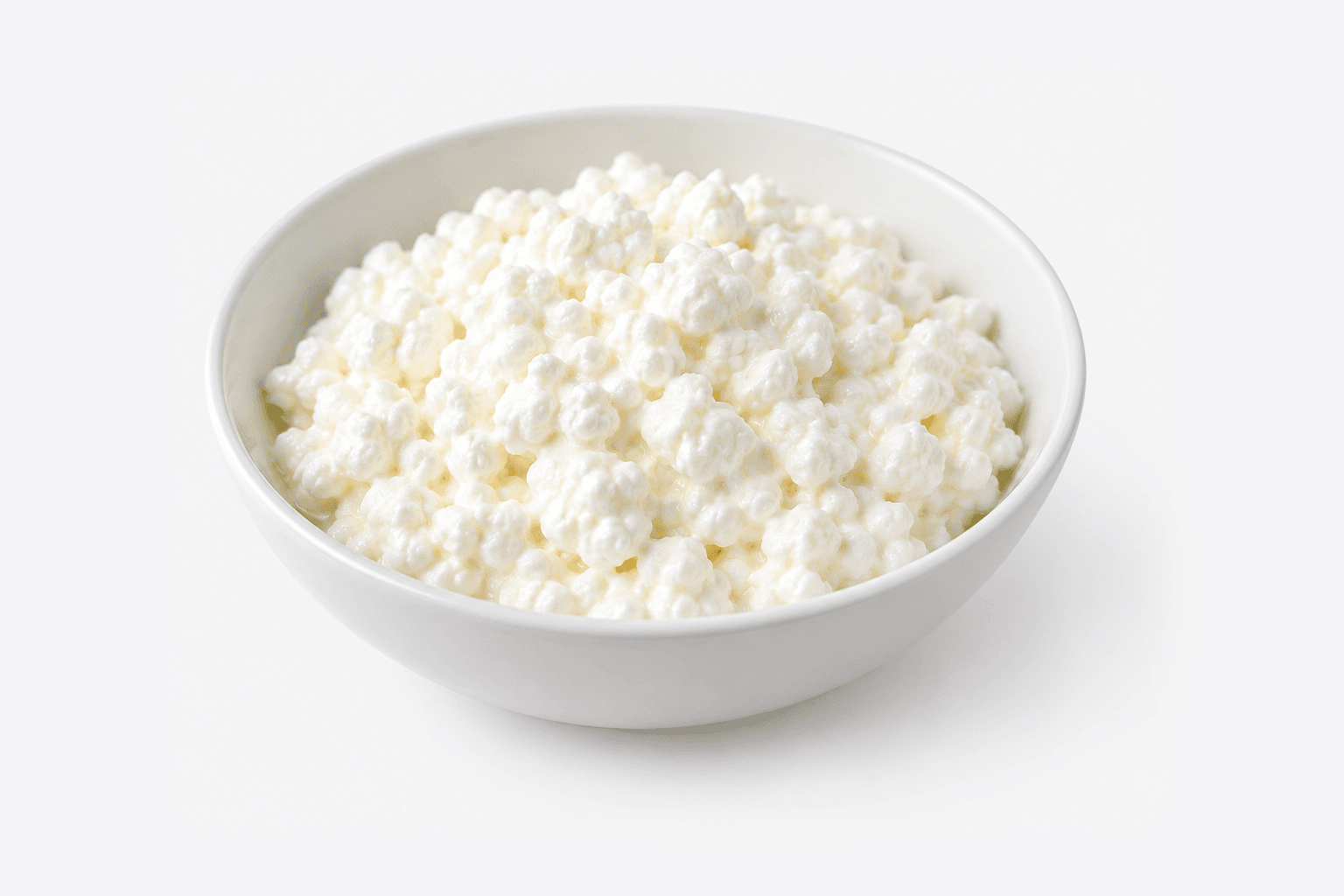
Dairy & eggs
Moderate evidence12.4 g of protein per 100 g, for 72 kcal. But calcium is 61 mg — 9% of cheddar's 707 mg. The way it is made is why.
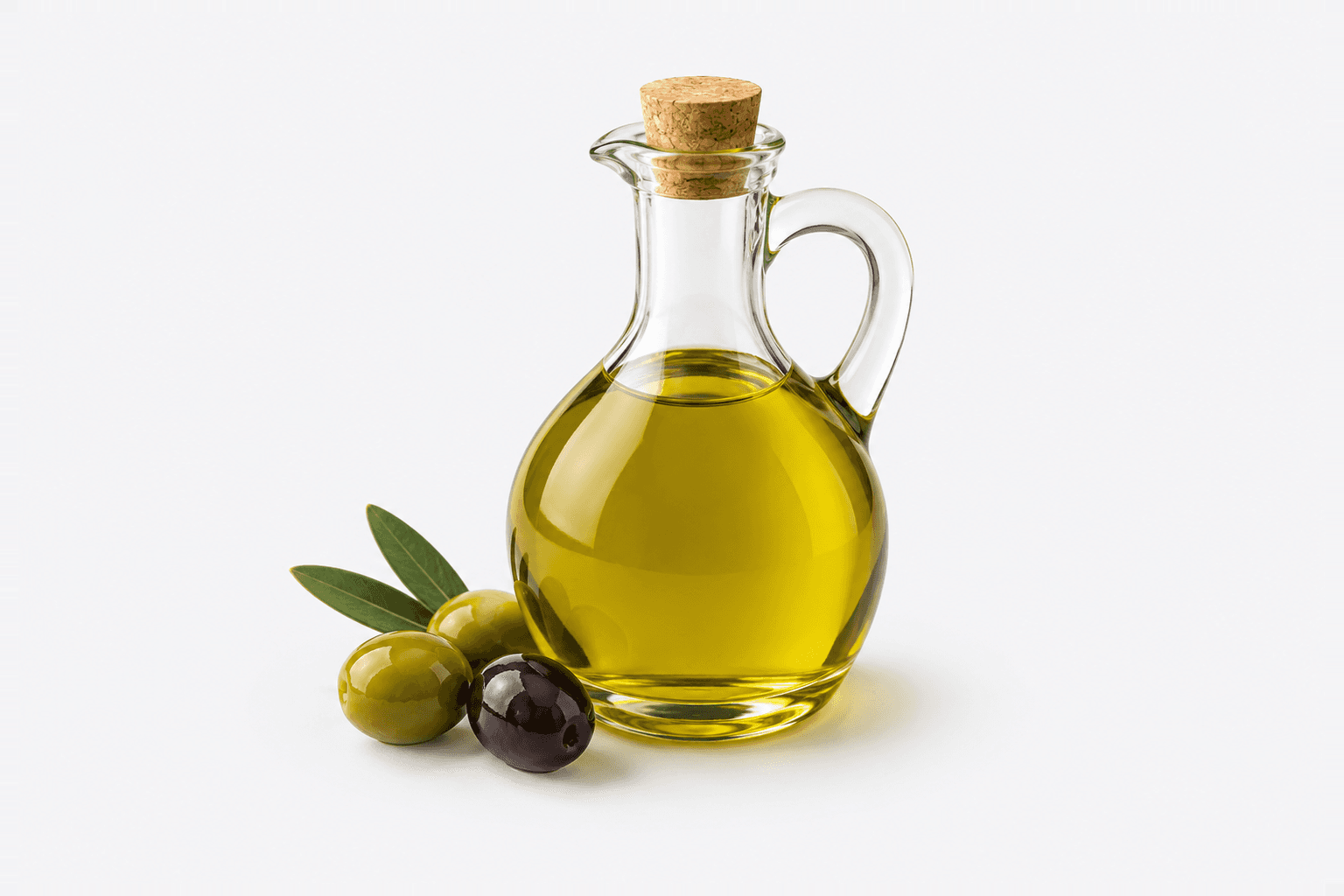
Oils & fats
Strong evidenceCardiovascular events were 31 % lower in a randomised trial of 7,447 people. Against other vegetable oils, though, there was no difference.
Herbs & spices
Early researchA 1998 trial showing piperine raised curcumin absorption by 2,000 % is cited everywhere. It had ten healthy adult volunteers.