Home
IngredientHealth Benefits

Quick pickled radish

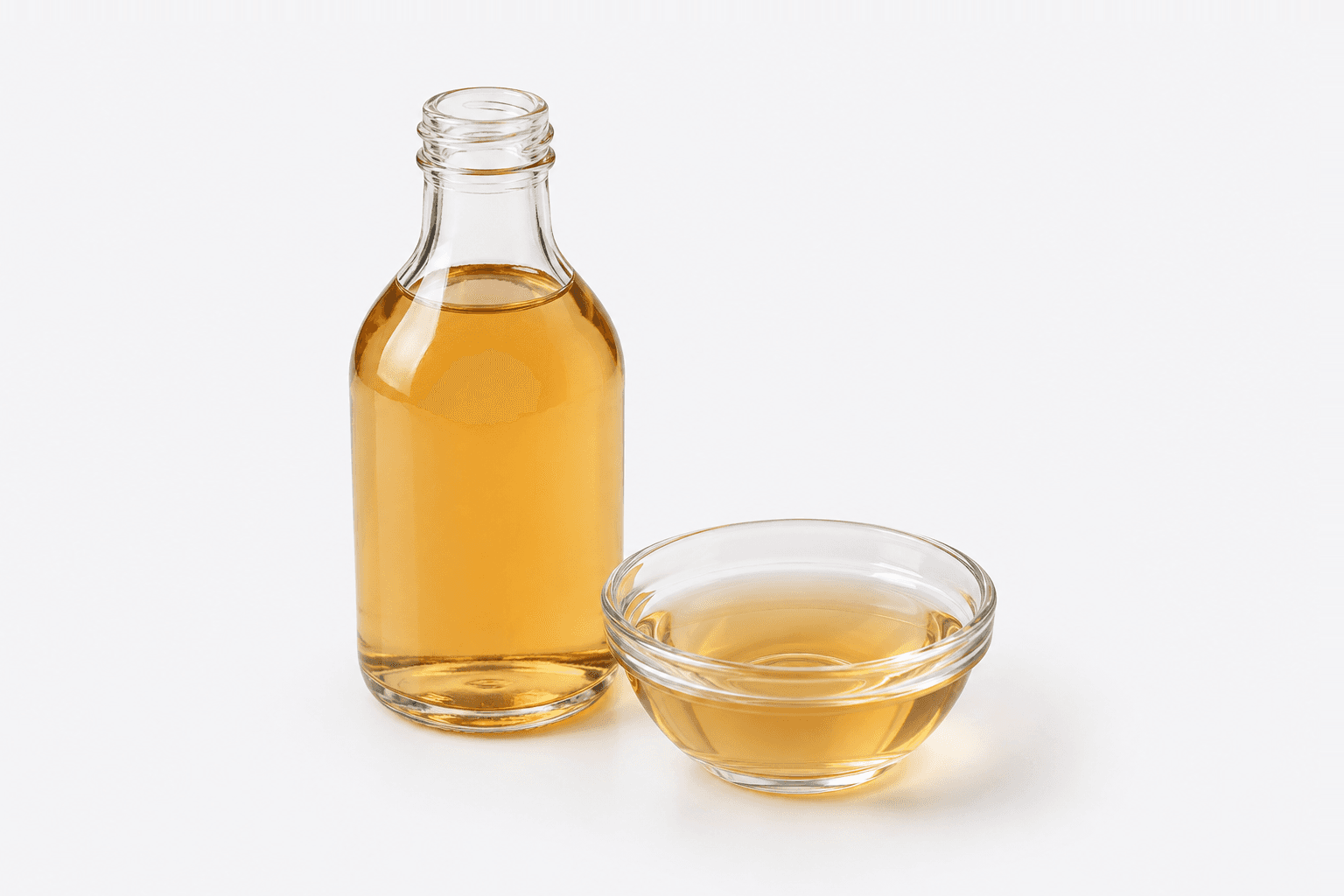
Put the vinegar on the radish instead of drinking it. Less acid reaches your teeth, and because nothing is boiled the radish keeps its vitamin C.

8 servings20 min

Quick pickled radish

Ingredients

Method

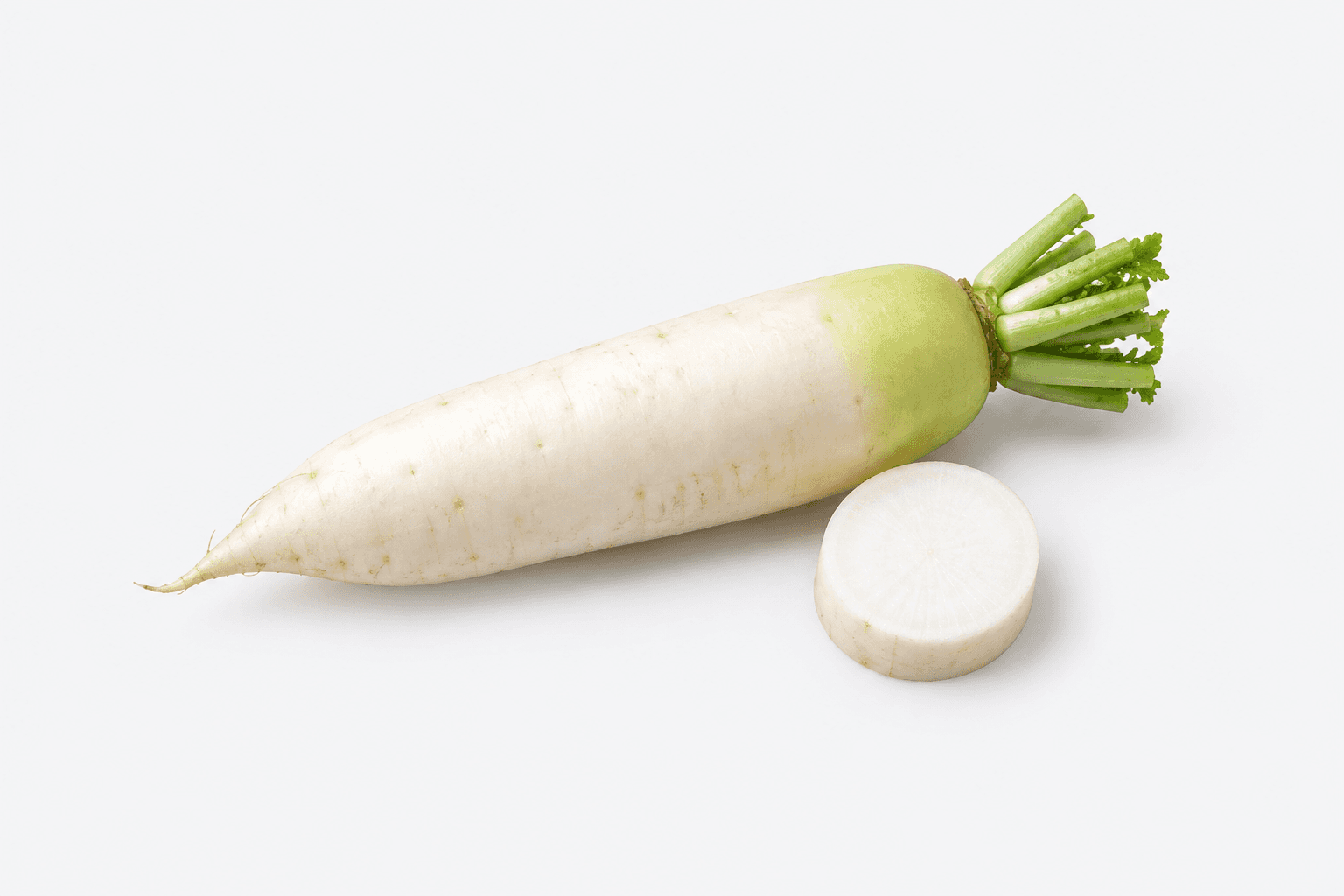
  1. Take the middle section of the radish and cut it into 2 cm cubes. The tail is too pungent for pickling.

  2. Sprinkle the radish with 1 tsp of salt, leave 15 minutes, then pour off the water it releases. This stops the brine turning weak.

  3. In a pan, warm 100 ml of water with the sugar, peppercorns and bay leaf — only until the sugar dissolves.

  4. Take it off the heat and add the 100 ml of vinegar. Do not boil it — the acid flashes off and the aroma goes.

  5. Cool the brine completely. Poured hot, it cooks the radish and the crispness is gone.

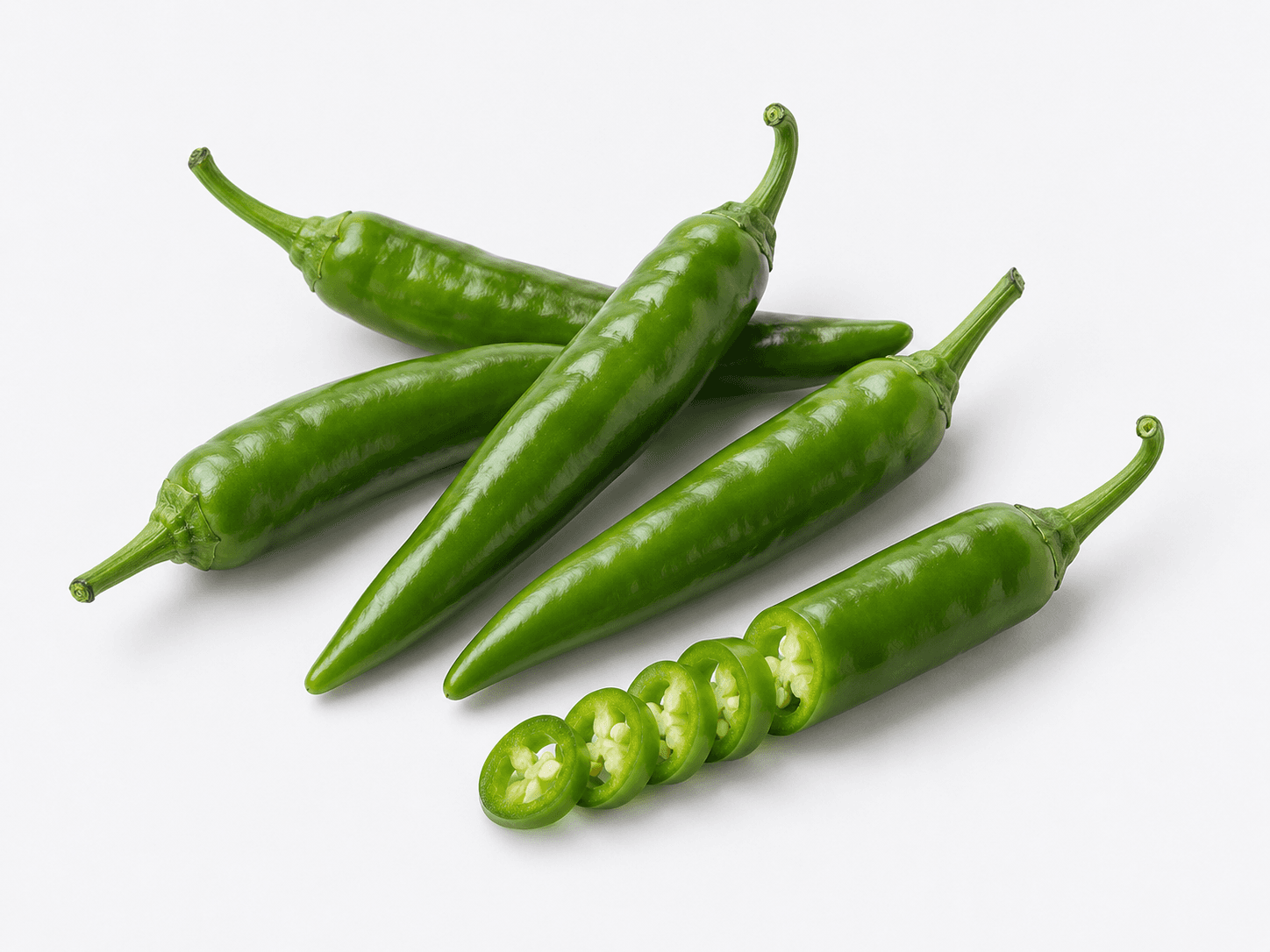
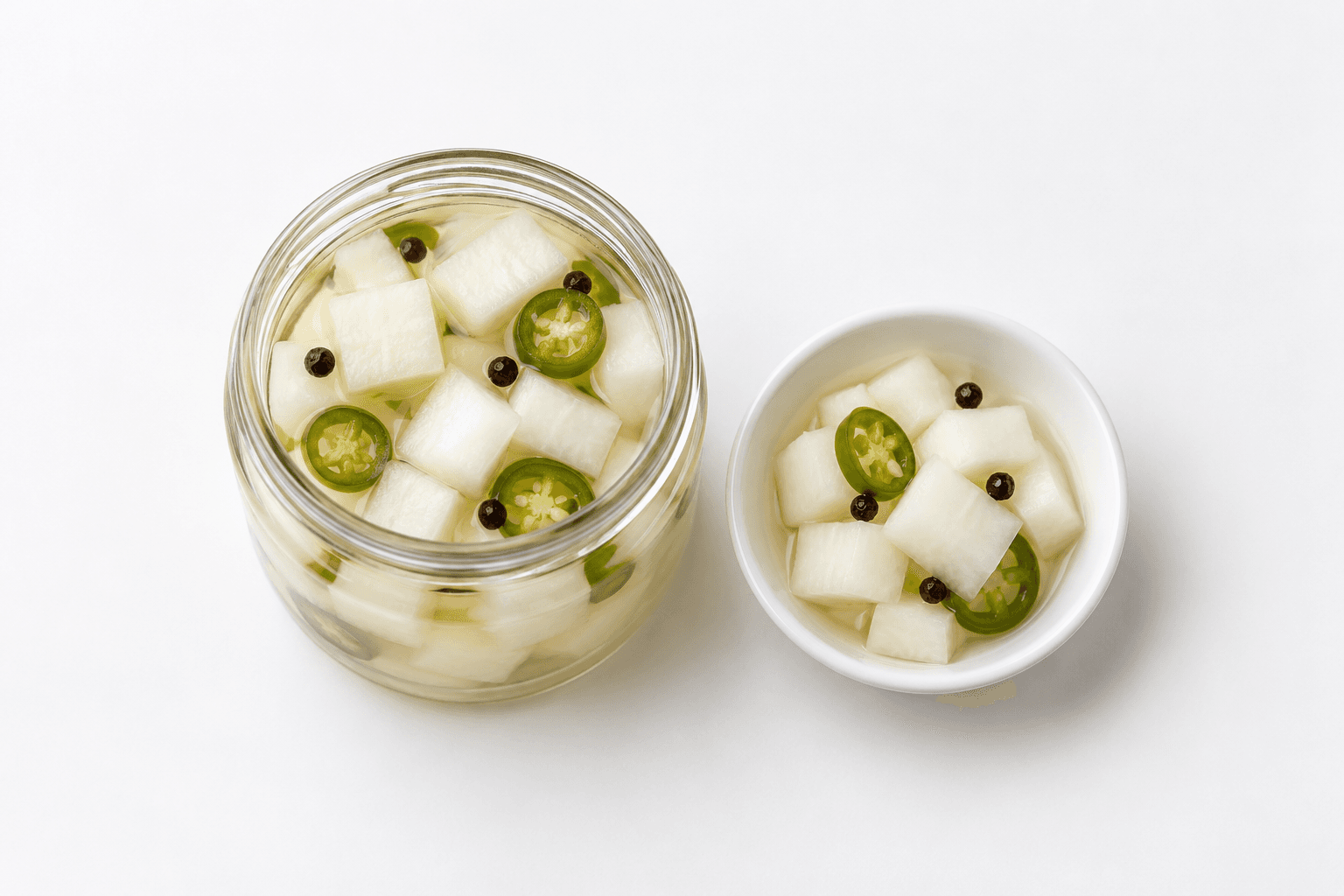
  6. Pack the radish and the sliced chilli into a sterilised jar and pour the cooled brine over until the radish is submerged.

  7. Leave half a day at room temperature, then refrigerate. It comes into its own the next day.

Cooking note

The point of this pickle is using vinegar rather than drinking it.

Vinegar's pH is typically 2 to 3, around or below cola. Drinking it neat every day for blood sugar means passing that acidity over your tooth enamel every day, and acid erosion of teeth is irreversible.

As a pickle the situation is different.

  • The 100 ml of vinegar is diluted by 100 ml of water and the vegetable
  • It is absorbed into the radish, so contact time in the mouth is short
  • It arrives with food

That is why the vinegar page says using it in cooking is the safest form.

Two reasons not to boil it. First, acetic acid is volatile — boiling drives it off and weakens the sourness. Second, the aroma goes with it. Warm only enough to dissolve the sugar, take the pan off the heat, then add the vinegar.

Cooling the brine before pouring is about crispness. Hot brine collapses the radish's cell walls and leaves it soft.

Salting first is osmosis. Radish is over 94% water. Without drawing that water out beforehand, it comes out into the brine and dilutes it.

Choose the section. The radish is sweetest at the top and most pungent at the tail, because the pungent compounds (isothiocyanates) concentrate at the root tip. Pickling wants the middle.

The vitamin C survives. Raw radish holds 22 mg per 100 g, and it is heat-sensitive. Twenty-five minutes in a soup loses much of it, but this pickle is never boiled, so a good share remains. 400 g of radish starts from 88 mg.

Count the sugar. Three tablespoons is about 36 g; divided into eight servings that is 4.5 g each, and less again if you do not drink the brine. For less sweetness, drop to 2 tbsp and give it an extra day — time softens the sourness.

Serve it with meat or fried food. The acid cuts through richness. But this site did not identify evidence that vinegar aids digestion — feeling refreshed and digesting better are different claims.

With reflux, the acid can worsen symptoms. Do not eat a lot of it on an empty stomach.
Ingredients used here

Daikon radish

Vegetables

Moderate evidence

Daikon radish

At 18 kcal per 100 g it sits close to cucumber, with 22 mg of vitamin C. Observational data link cruciferous vegetables to lower cardiovascular disease and mortality. The old claim that it aids digestion has no established evidence behind it.

Vinegar

Herbs & spices

Early research

Vinegar

A 2025 meta-analysis of seven trials reported fasting glucose down 21.9 mg/dL and HbA1c down 1.53%. That is what metformin achieves. Coming from seven small trials, it is implausibly large. The direction is consistent; the size is not something to accept as printed.

Chilli pepper

Herbs & spices

Moderate evidence

Chilli pepper

Across 564,748 adults in four countries, regular spicy food eaters had 12 % lower all-cause mortality — with almost no disagreement between studies.

More recipes

Send feedback