This recipe is about a nutrient that has to be eaten with fat.
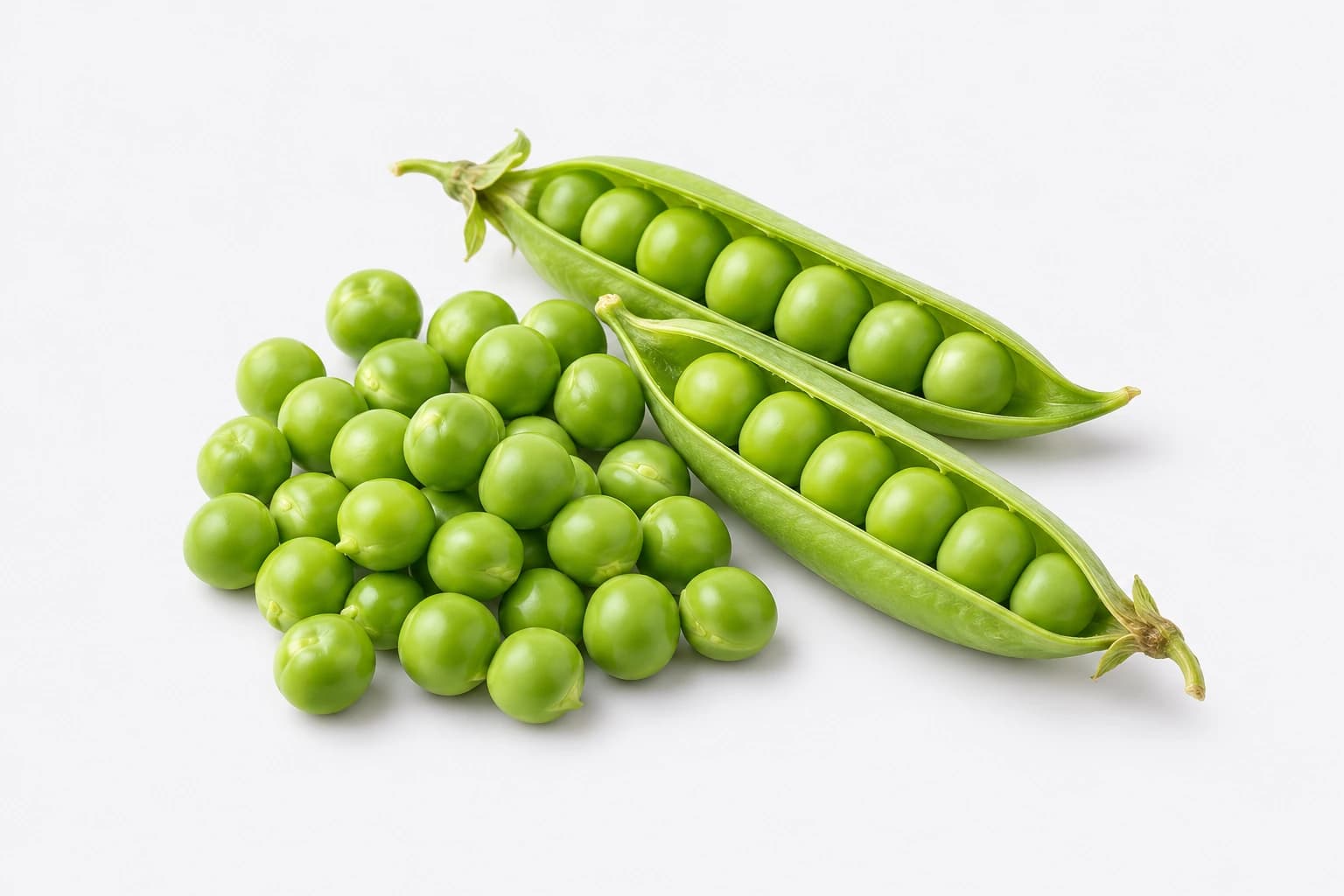
Green peas carry 2,480 µg of lutein and zeaxanthin per 100 g. These pigments accumulate in the macula of the eye, and they are fat-soluble. Blanched in water and eaten plain, less of them is absorbed.
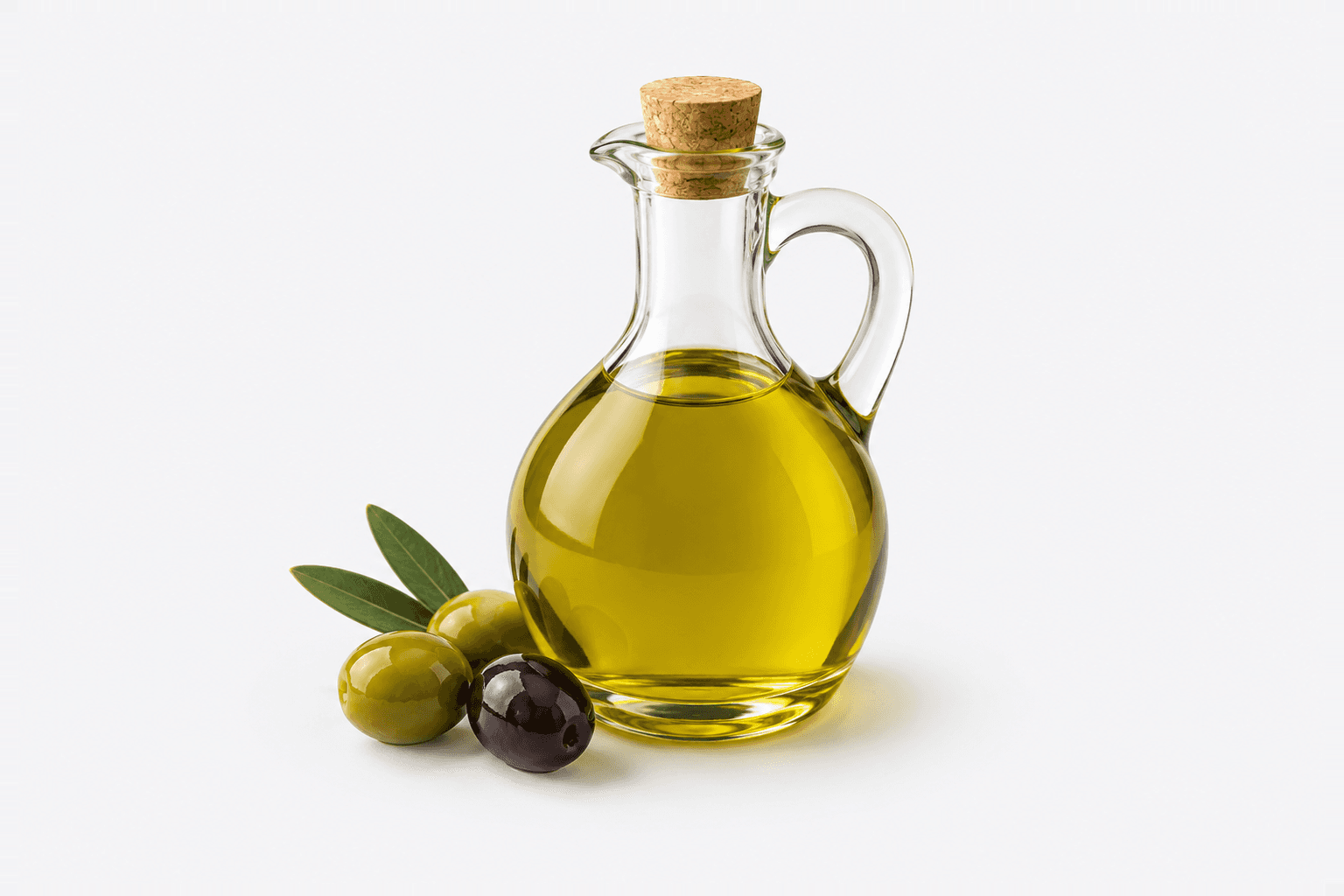
Hence the olive oil, the butter and the egg.
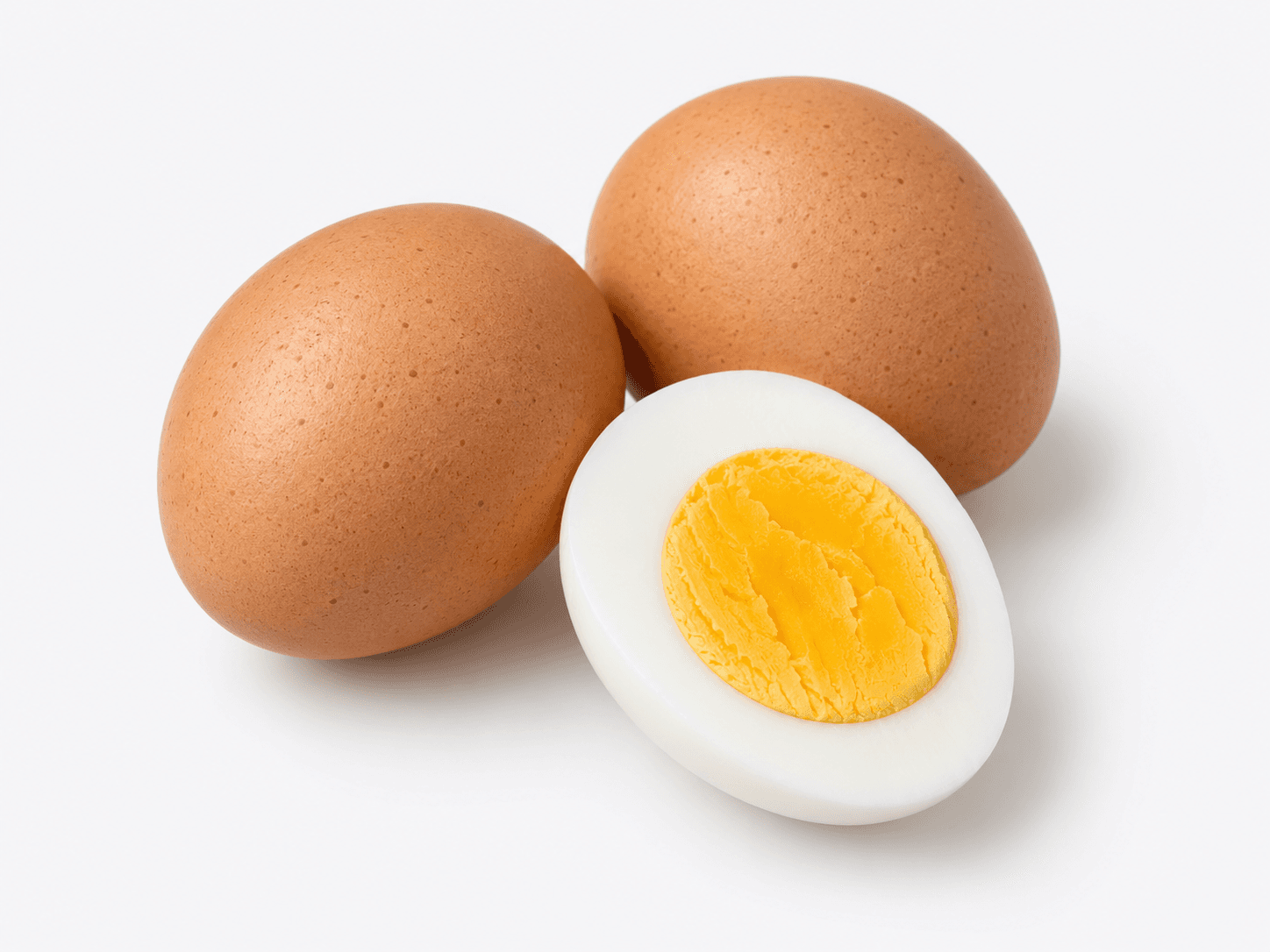
There are two reasons for the egg.
First, it brings fat. The lipids in the yolk help lutein absorption.
Second, the yolk itself contains lutein. Less than a vegetable does, but the lutein in yolk comes packaged with lipid, and several studies report it is highly bioavailable. A smaller amount arranged so that more of it is absorbed.
But here is where the line gets drawn.
That lutein supplementation prevents the progression of macular degeneration is not established. The AREDS2 trial in JAMA in 2013 followed 4,203 people for five years on lutein 10 mg plus zeaxanthin 2 mg and found no significant reduction in its primary analysis (hazard ratio 0.90, 95% CI 0.76 to 1.07, p=.12).
A serving of this dish carries a little over 2 mg of lutein — a fifth of that trial's dose, and that trial still failed its primary analysis.
So this is not presented as a dish for your eyes. It is a good breakfast designed with absorption in mind, and nothing more.
Per serving:
| Per serving |
|---|
| Peas 80 g | 65 kcal, protein 4.3 g, fibre 4.6 g, vitamin C 32 mg |
| Eggs, 2 | about 143 kcal, protein 12.6 g |
| Olive oil ½ tbsp | 60 kcal |
| Butter 5 g | 36 kcal |
| Total | about 300 kcal, protein around 17 g |
Seventeen grams of protein inside 300 kcal. That is a dense breakfast.
Why 90 seconds.
Green peas carry 40 mg of vitamin C per 100 g — 40% of the adult recommendation — and vitamin C is heat-sensitive and water-soluble. Boil them long and much of it stays in the water.
Frozen peas were already blanched and flash-frozen right after harvest. They arrive half-cooked, so 90 seconds is enough. Fresh peas want about two minutes.
Why not to refresh them in cold water. Refreshing is the usual move for keeping the colour, but here the peas go in last and warm through on the eggs' residual heat alone. Cold peas cool the eggs and the texture collapses.
Why low heat. Over high heat the egg proteins contract fast and squeeze out the water they held. That is what makes a dry scramble. Stirred slowly over low heat they set into soft curds.
Why the peas go in last. Cooked with the eggs from the start they go mushy, burst and cloud the eggs. Half-runny eggs, then 10 seconds is the window.
Why no milk or water. It is common advice, but added liquid separates as the eggs cook and pools on the plate. Softness comes from heat control.
If you use canned peas. Fresh peas carry 5 mg of sodium per 100 g; canned is far higher. Tip them into a sieve and rinse before use. No blanching needed — add them at the end as they are.
With irritable bowel syndrome, cut the quantity. Peas contain oligosaccharides and low-FODMAP diets restrict them. Drop to 40 g a serving and add more egg instead.
The spring onion goes on at the end. Heat drives off its aroma.