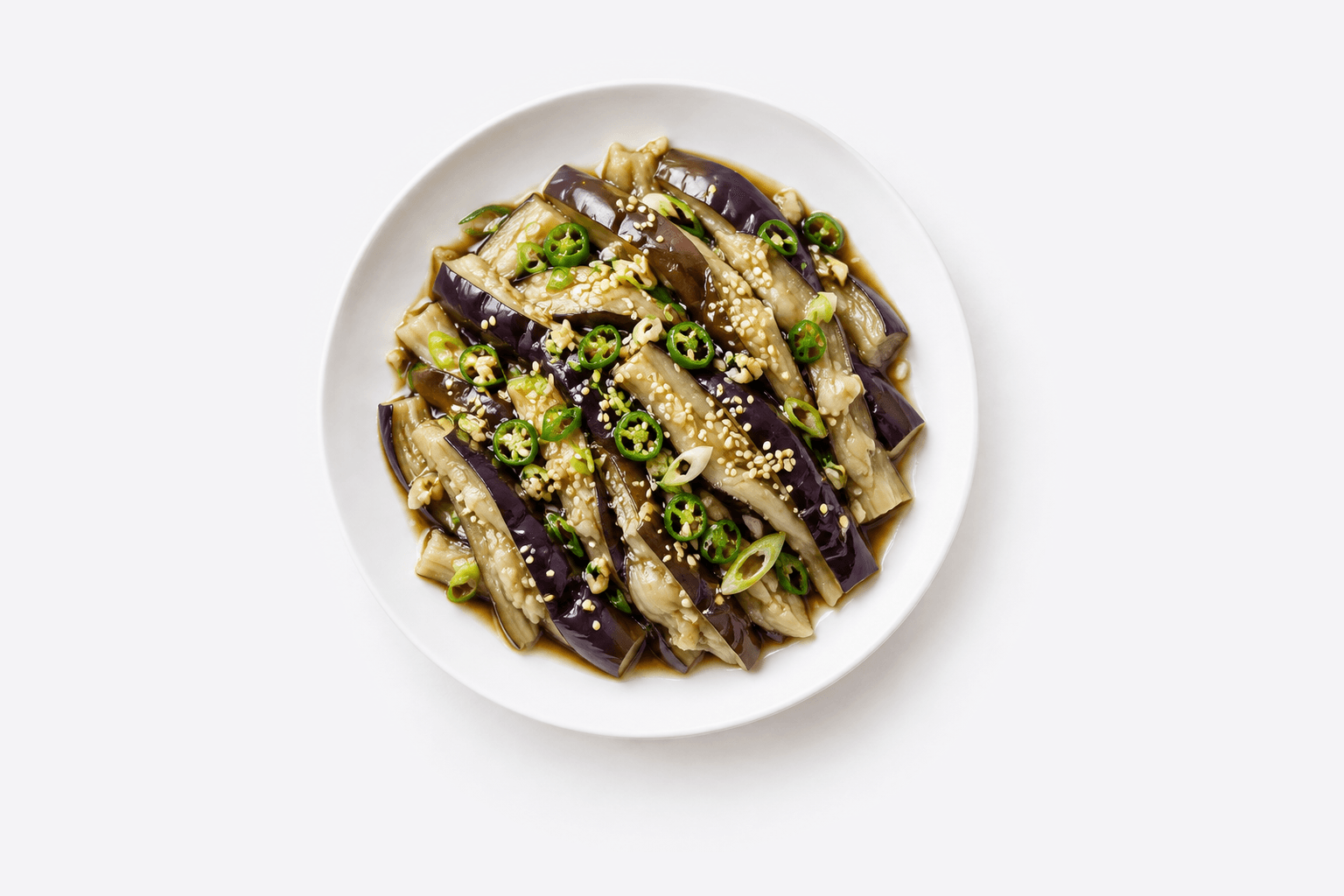
The point of this dish is keeping the eggplant out of oil.
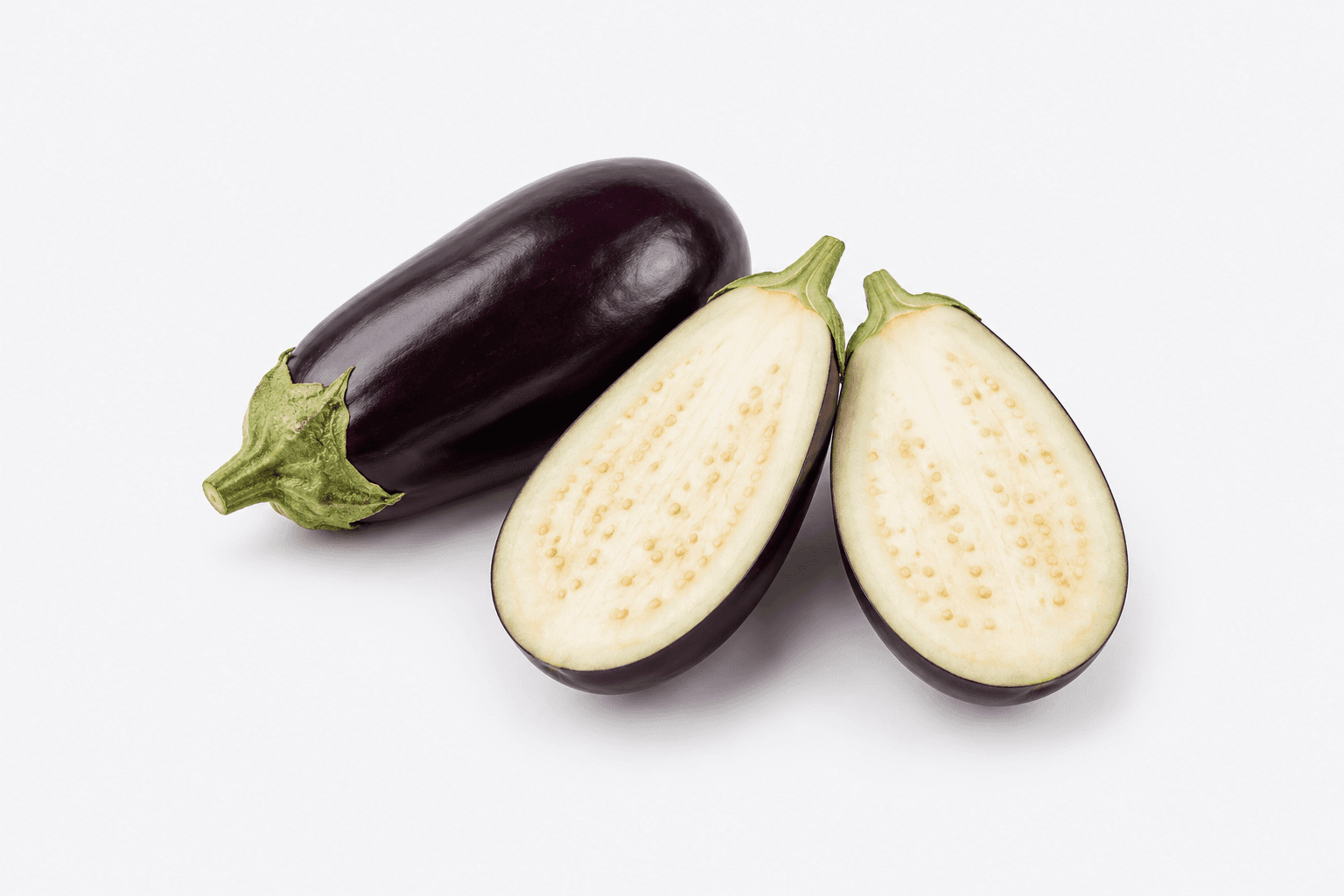
The inside of an eggplant is a sponge full of air pockets. Meeting hot oil, the air leaves and oil takes its place. Eggplant is among the most oil-absorbent vegetables there is.
In numbers:
| 500 g of eggplant (2) |
|---|
| Steamed | 125 kcal |
| Fried in 2 tbsp oil | 125 + 240 = 365 kcal |
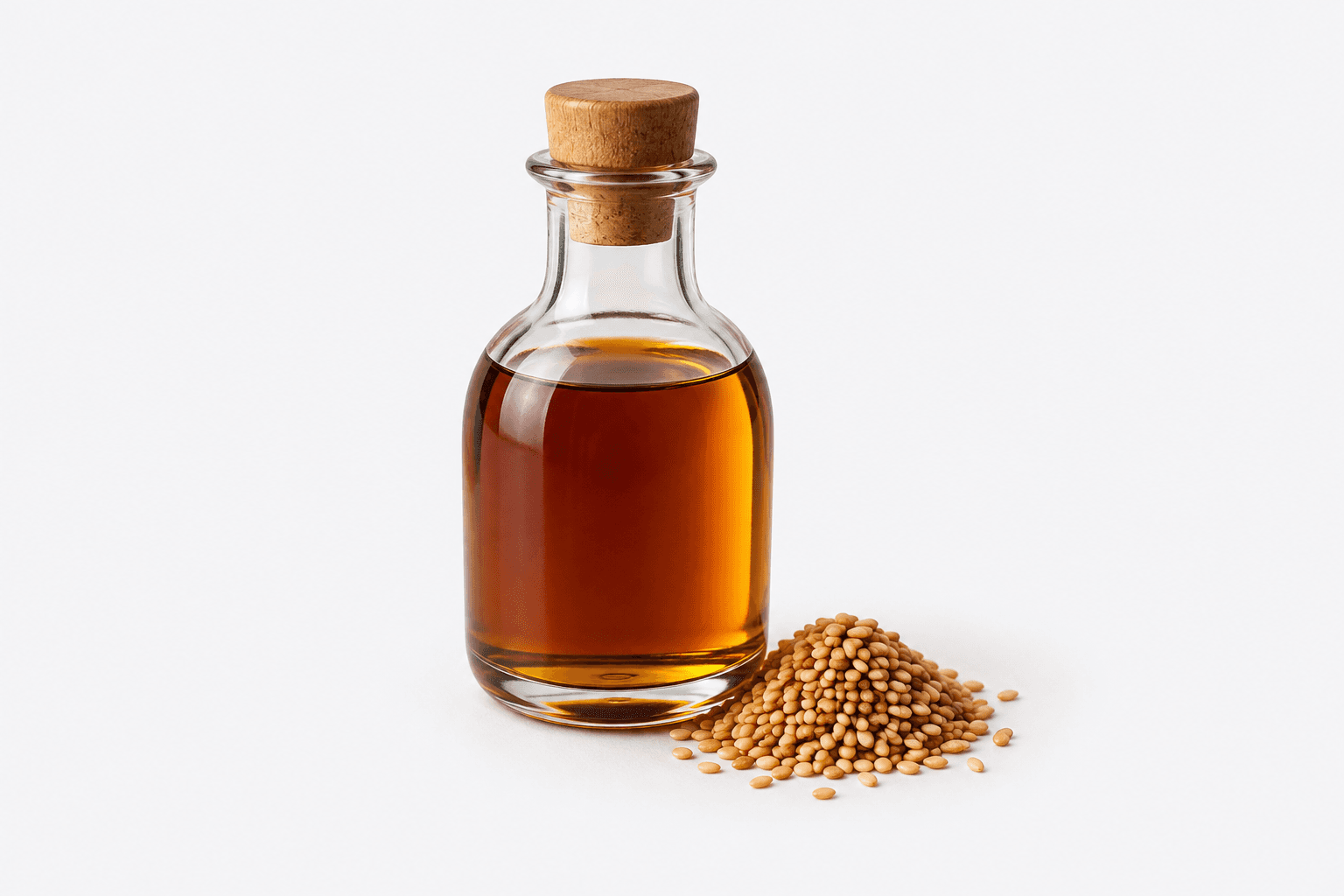
Two tablespoons of oil is 240 kcal, twice the eggplant itself. This dish uses one teaspoon of sesame oil — 40 kcal.
Steaming skin side up is about colour. Eggplant's purple (nasunin) is an anthocyanin, sensitive to heat and acid. Skin in direct contact with water, or heated too long, goes dull. But there is no evidence that nasunin does anything in people — keeping the colour is for the eye.
Tearing by hand is about the dressing. A torn face splits along the fibres, giving far more surface for the dressing to grip. A smooth knife cut lets it slide off.
Spreading them out to cool immediately matters too. Stacked, residual heat and steam are trapped and cooking continues. This is the stage where eggplant turns to mush.
The vinegar is not only for balance. Cut eggplant browns through polyphenol oxidase, and acid slows that reaction.
The numbers, precisely. 500 g of eggplant gives 15 g of fibre and 125 kcal, with 10 mg of sodium from the vegetable itself. Almost all the sodium comes from the tablespoon of soy sauce.
And one thing stated plainly — there is no evidence that eggplant lowers cholesterol. Two randomised placebo-controlled trials both matched placebo. The reason to make this dish is the taste and the calories, not cholesterol.