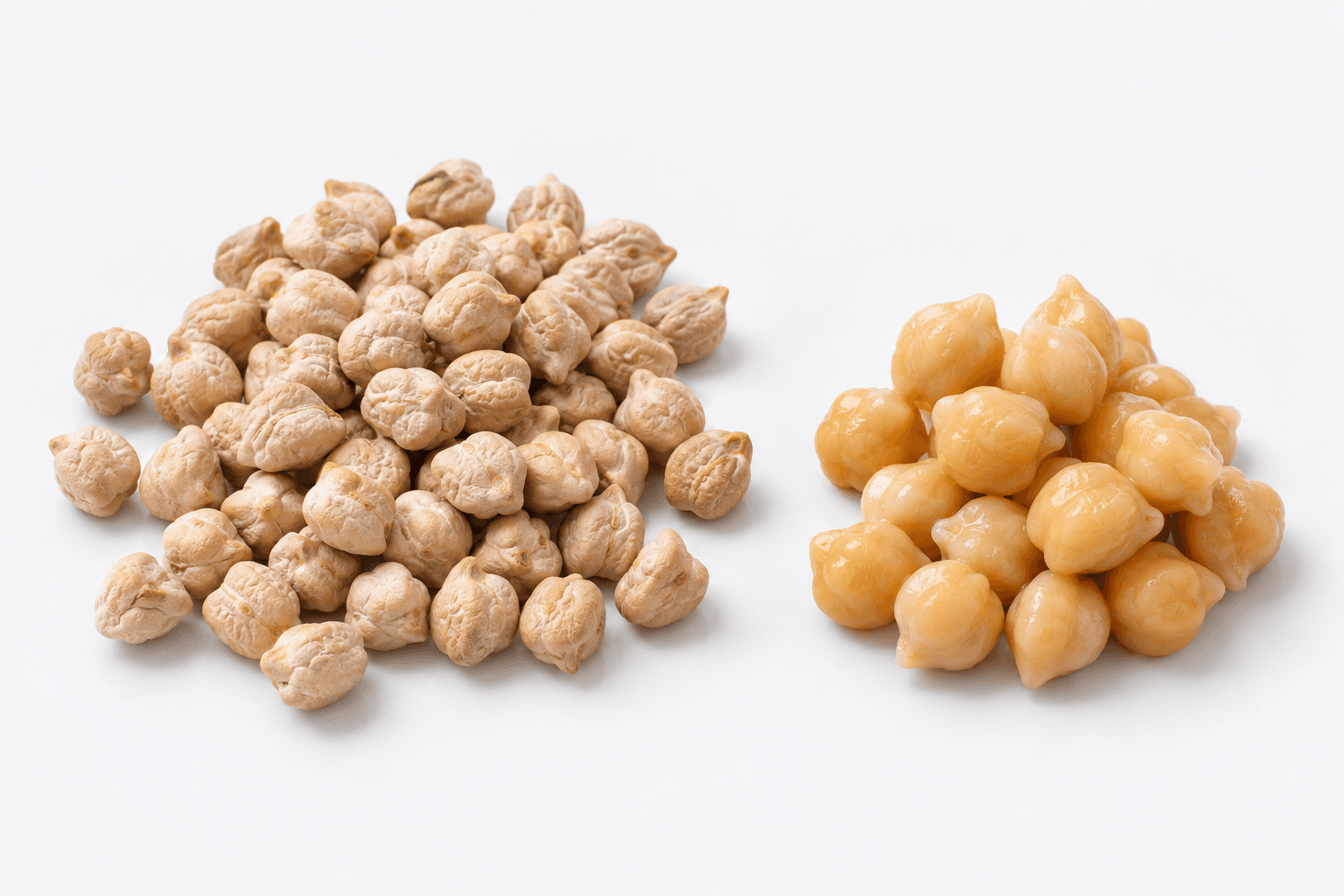
Grains & legumes
Strong evidenceChickpeas
7.6 g of fibre and 172 µg of folate per 100 g cooked. Twenty-eight trials found a glucose effect — graded very low certainty.
There are places where coconut oil cannot be replaced. This is one of them — and one tablespoon is enough.
3 servings30 min
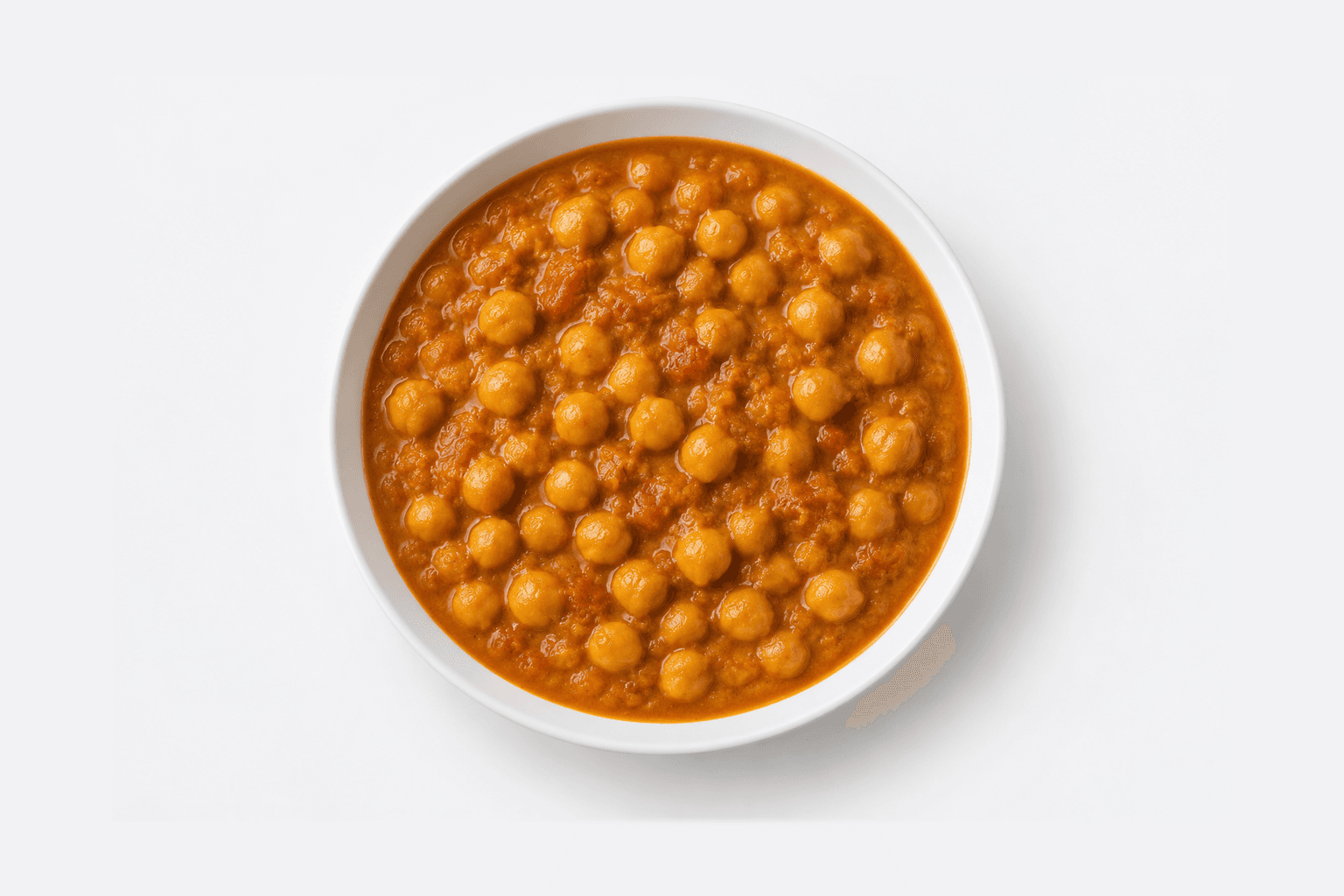
Chop the onion finely; grate or mince the garlic and ginger. Dice the tomatoes.
Melt the coconut oil in a pot and cook the onion over medium heat for eight minutes, until the edges brown.
Add the garlic and ginger for a minute, then the turmeric, cumin and coriander for 30 seconds. The aroma lifts sharply.
Add the tomatoes and cook for five minutes, breaking them down as they go.
Add the chickpeas and water, cover and simmer for 12–15 minutes, until the sauce thickens.
Season with salt, and crush a few chickpeas to thicken it further.
The 30 seconds of spices in hot fat is the heart of this dish. Many spice compounds, curcumin among them, are fat-soluble; dropped straight into water, both aroma and absorption suffer. In Indian cooking this step is the tarka.
Coconut oil is here for aroma and flavour, to say it plainly. Not for health. Its 82.5 g of saturated fat per 100 g is more than butter's, and an analysis pooling 16 clinical trials found it raised LDL by 10.47 mg/dL against other vegetable oils.
Which is why it is one tablespoon. In this dish coconut oil decides the flavour, and nothing substitutes for it there. But there is no case for making it your everyday frying oil.
Chickpeas are high in resistant starch and fibre, so the blood sugar response is gentle. That said, the meta-analysis on this rated its own certainty of evidence as very low, and was written by researchers employed by a food company. The firmer reasons to eat chickpeas are the protein (9 g per 100 g cooked) and the fibre.
If you use canned chickpeas, rinse them. A good share of the sodium goes with the water.
Grains & legumes
Strong evidence7.6 g of fibre and 172 µg of folate per 100 g cooked. Twenty-eight trials found a glucose effect — graded very low certainty.
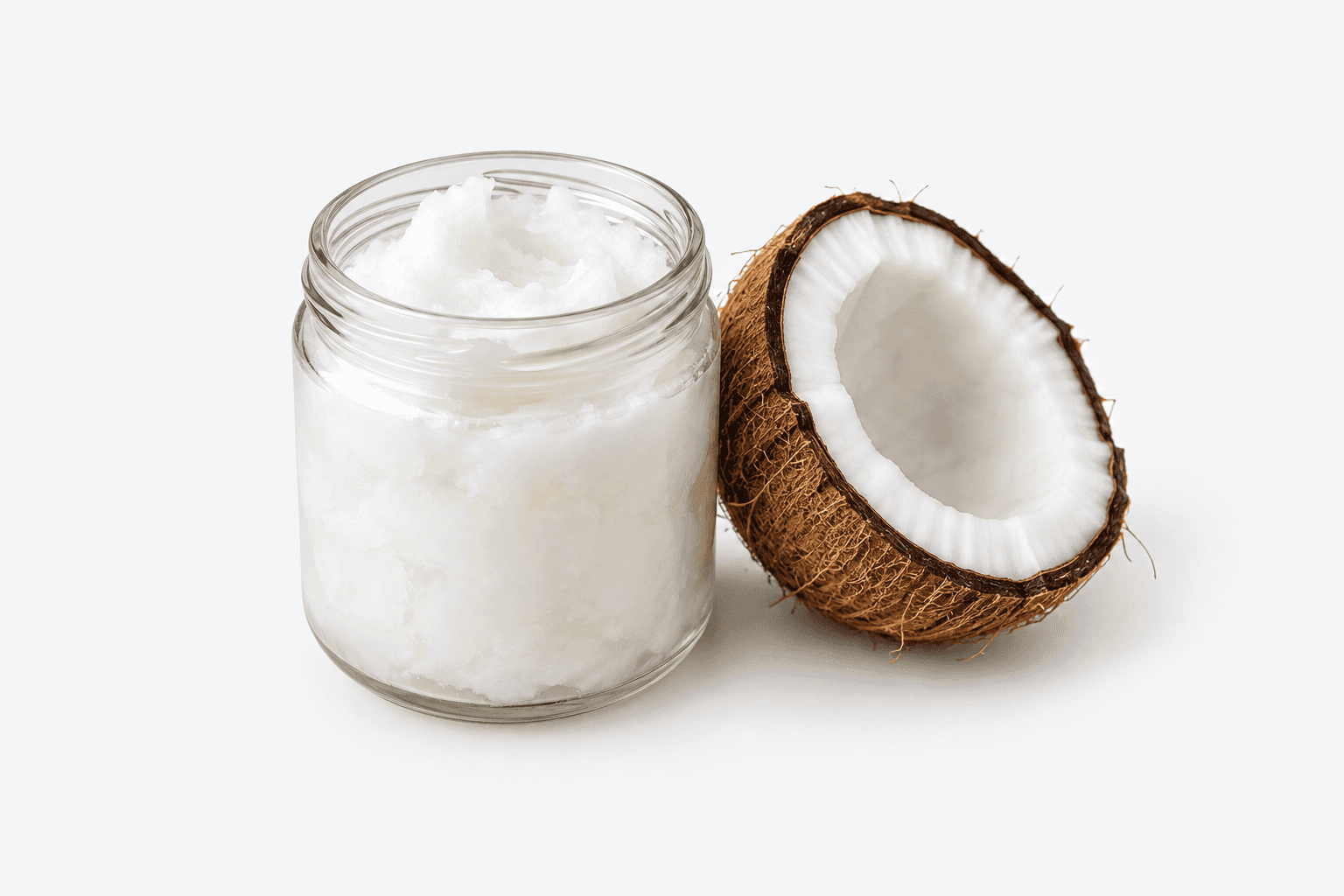
Oils & fats
Strong evidencePooling 16 clinical trials, LDL rose 10.5 mg/dL against other vegetable oils. The 'healthy saturated fat' story did not survive testing.
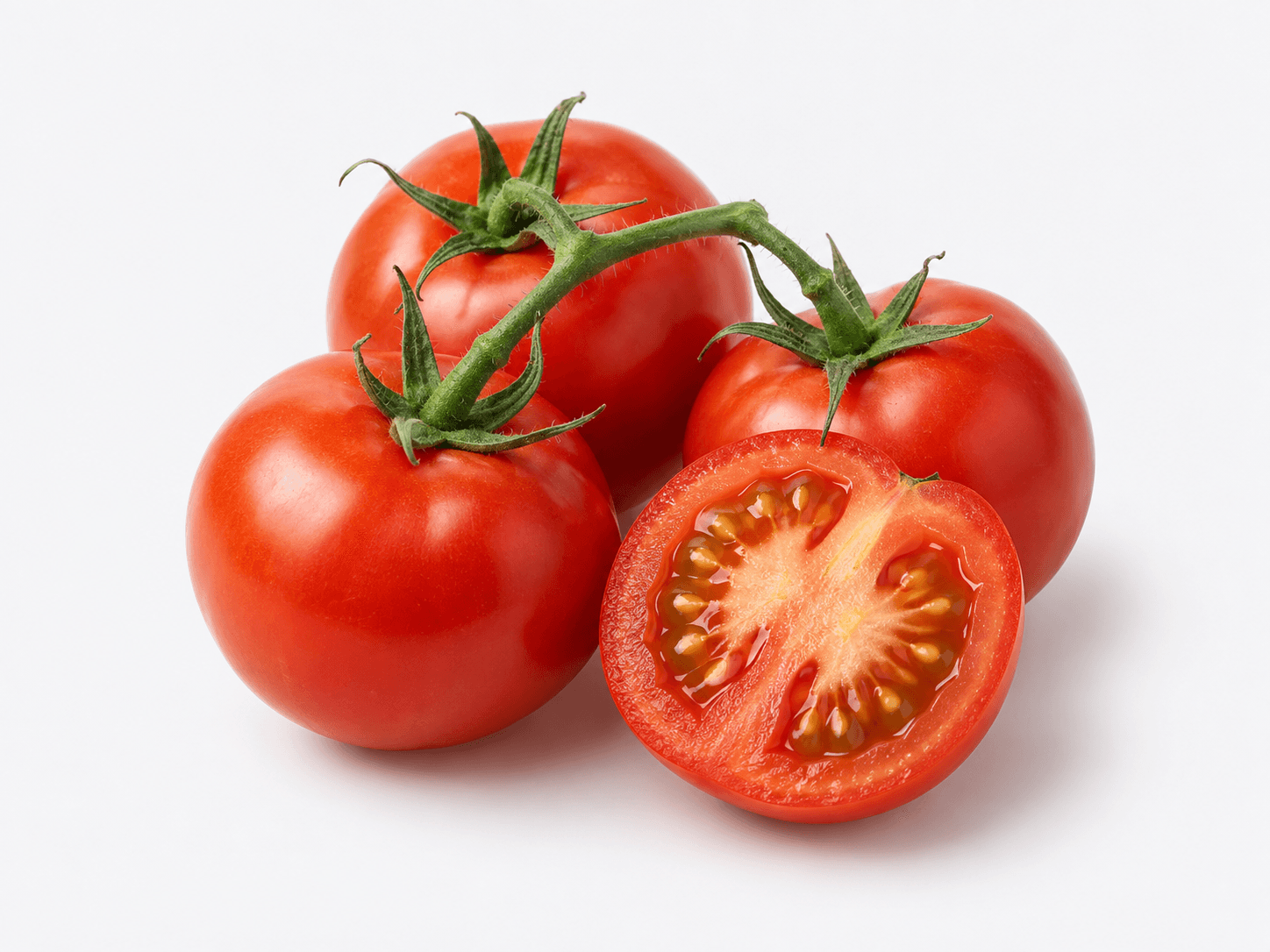
Vegetables
Early researchCooked beats raw here. Heat multiplies how much lycopene your body can actually absorb.
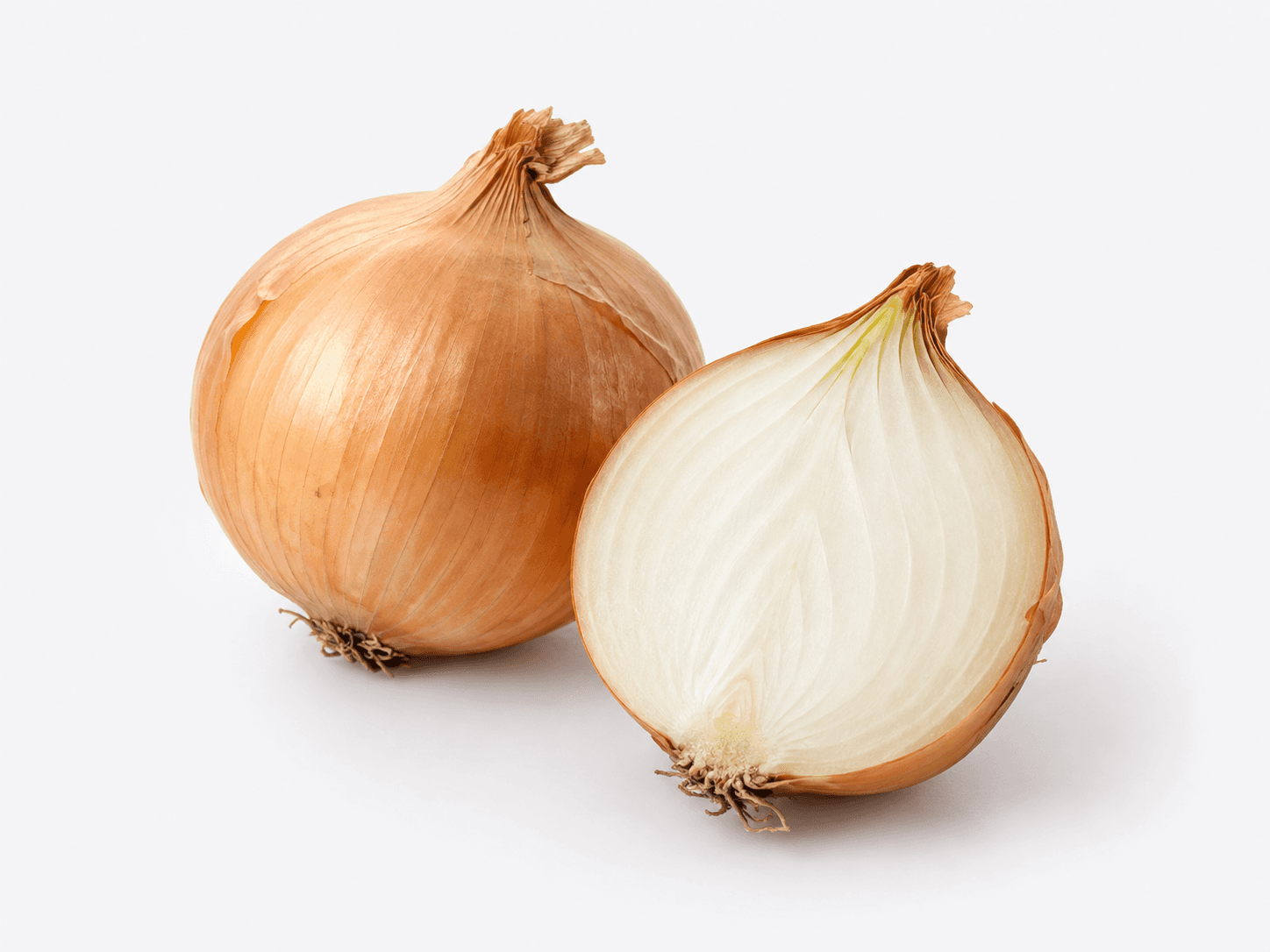
Vegetables
Moderate evidenceOnion's antioxidant quercetin concentrates in the outer layers. Peeling two extra layers out of habit throws much of it away.