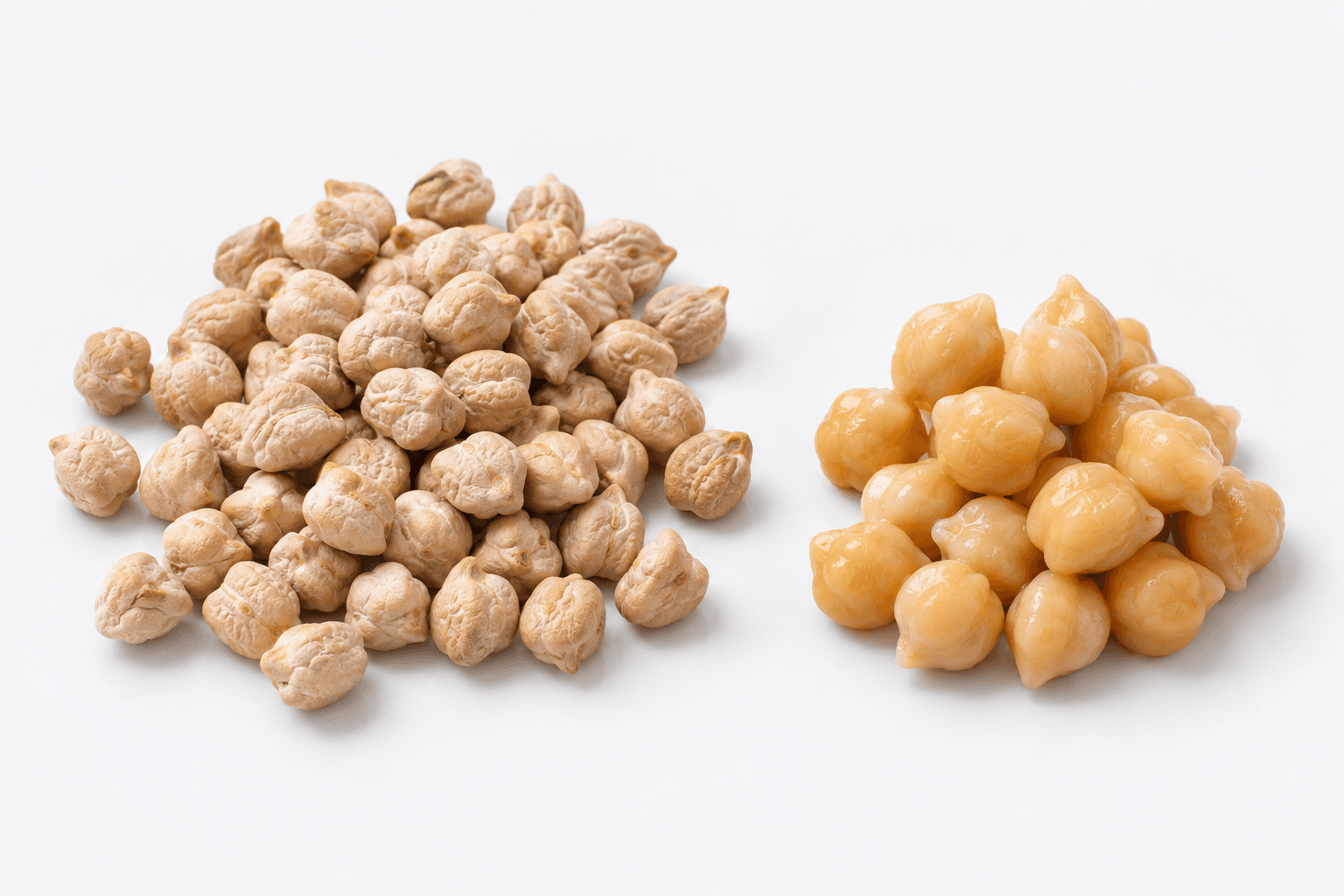
Grains & legumes
Strong evidenceChickpeas
7.6 g of fibre and 172 µg of folate per 100 g cooked. Twenty-eight trials found a glucose effect — graded very low certainty.
Tomato's vitamin C lifts the non-haem iron out of the chickpeas. The kale goes in for the last three minutes so its own vitamin C survives.
3 servings30 min
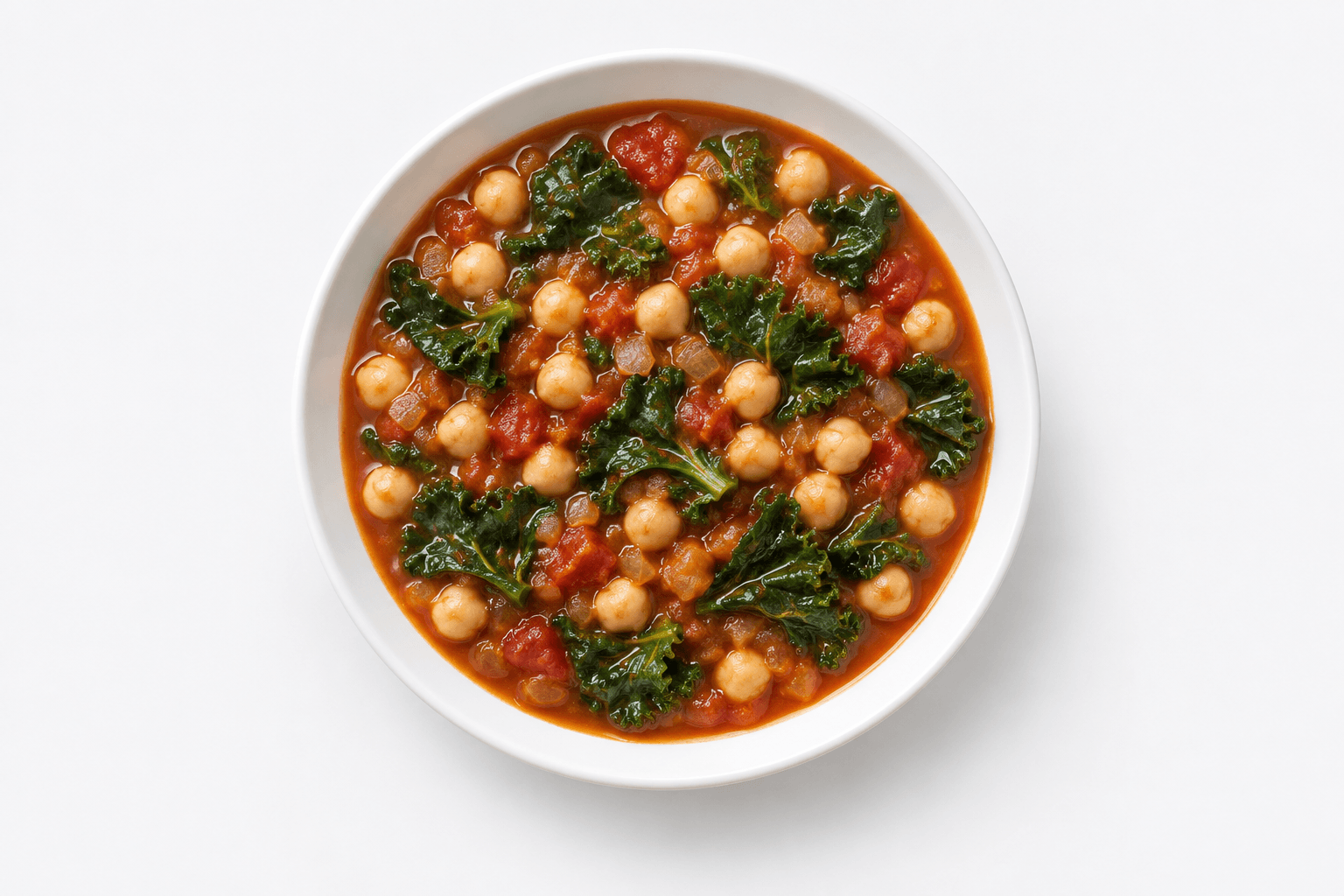
Chop the garlic and leave it 10 minutes. Cut the onion into rough dice.
Score the tomatoes, dip them in boiling water for 30 seconds, peel and chop roughly.
Strip the thick stems from the kale and tear the leaves into large pieces by hand.
Heat the olive oil and cook the onion over medium heat for 7 minutes until the edges brown.
Add the garlic and paprika for 30 seconds. Paprika scorches easily, so move straight on.
Add the tomatoes and simmer 5 minutes, crushing them as they soften.
Add the chickpeas and water and simmer 15 minutes. Mash a few chickpeas against the pan to thicken it.
Add the kale three minutes before the end. Once it wilts, season and serve.
This dish is built around iron absorption. The 2.9 mg of iron in chickpeas is non-haem and absorbs poorly on its own, but vitamin C in the same meal — from the tomato and the kale — multiplies it.
That is also why the kale goes in last. Vitamin C is sensitive to heat and water; simmered from the start for twenty minutes, very little would be left.
Do not follow this with coffee or tea straight away. Tannins block non-haem iron. An hour later is better.
If you take warfarin, remember the vitamin K in kale — not a reason to drop it, but a reason to keep the amount steady.
Grains & legumes
Strong evidence7.6 g of fibre and 172 µg of folate per 100 g cooked. Twenty-eight trials found a glucose effect — graded very low certainty.
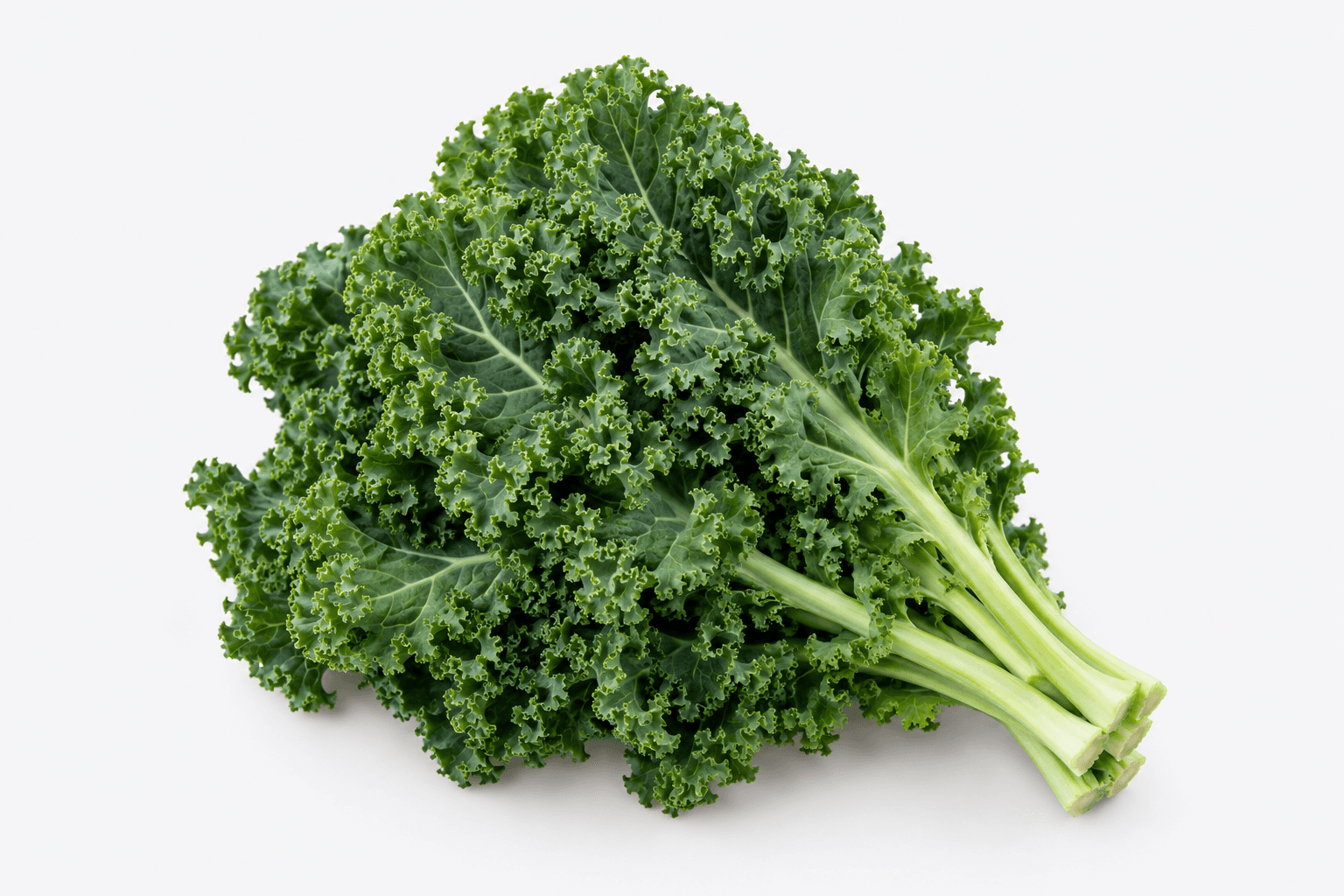
Vegetables
Moderate evidence390 µg of vitamin K, 93.4 mg of vitamin C and 254 mg of calcium per 100 g. Lutein is 6,260 µg — but the AREDS2 primary analysis was not significant.
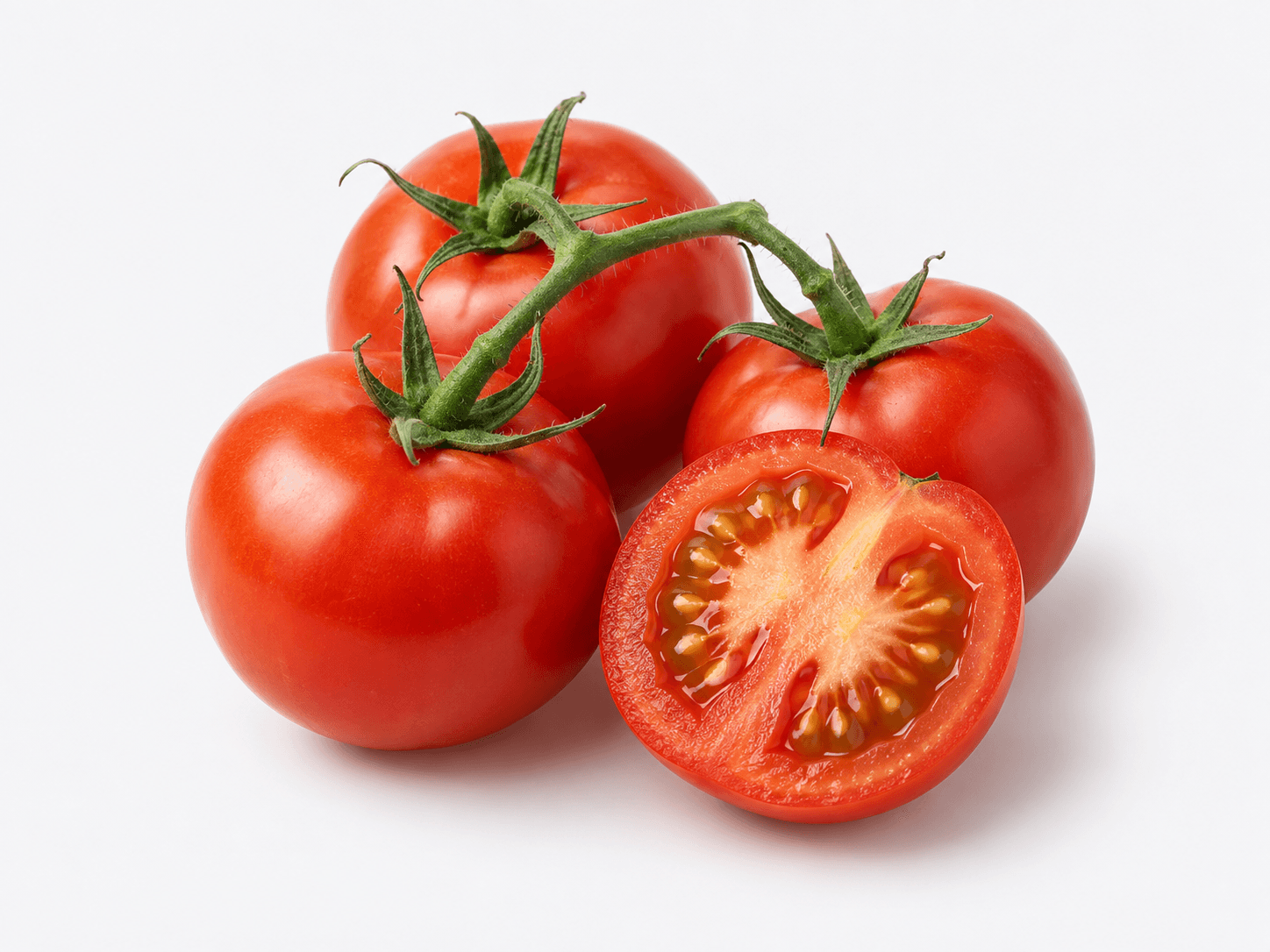
Vegetables
Early researchCooked beats raw here. Heat multiplies how much lycopene your body can actually absorb.
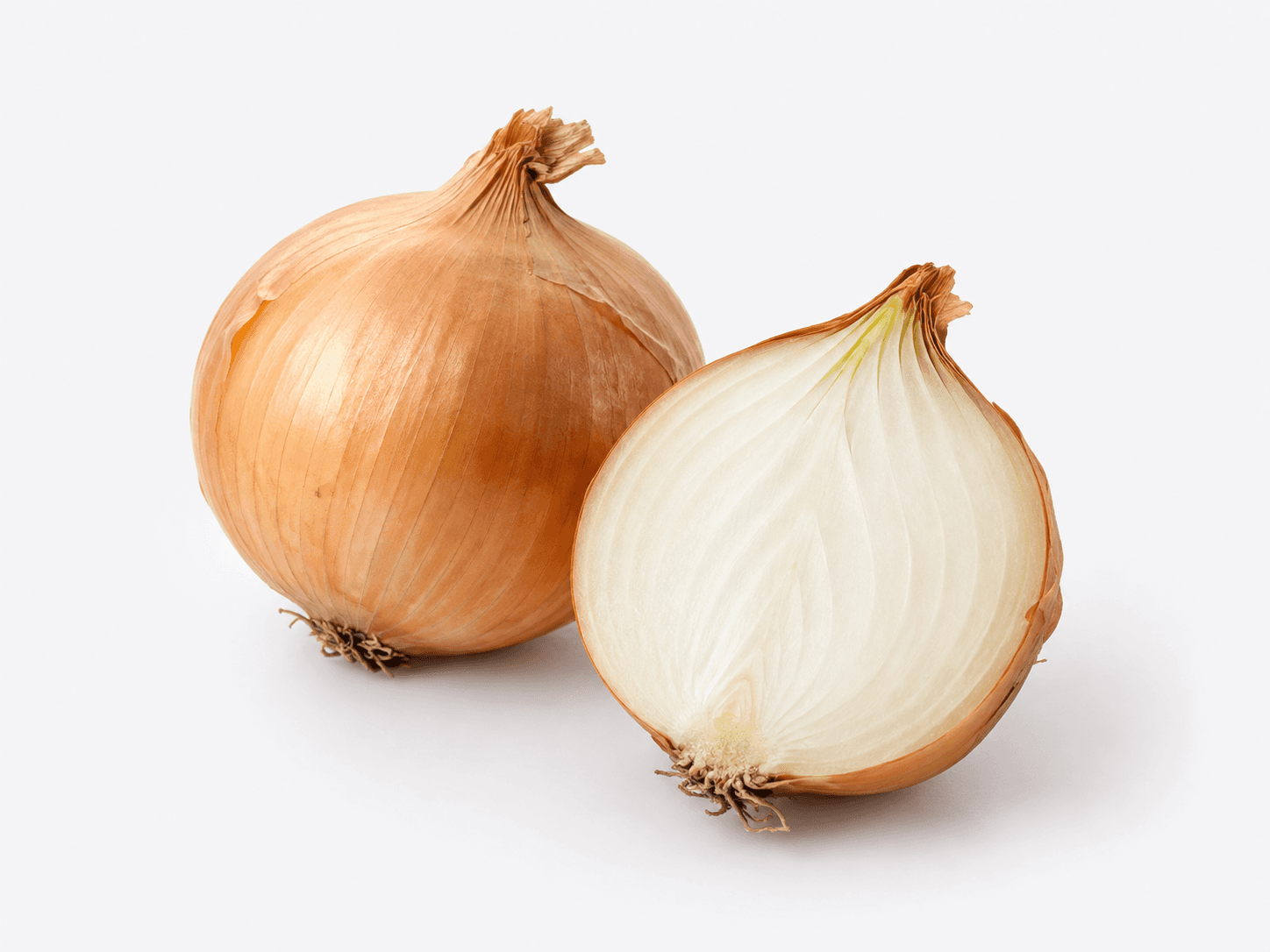
Vegetables
Moderate evidenceOnion's antioxidant quercetin concentrates in the outer layers. Peeling two extra layers out of habit throws much of it away.
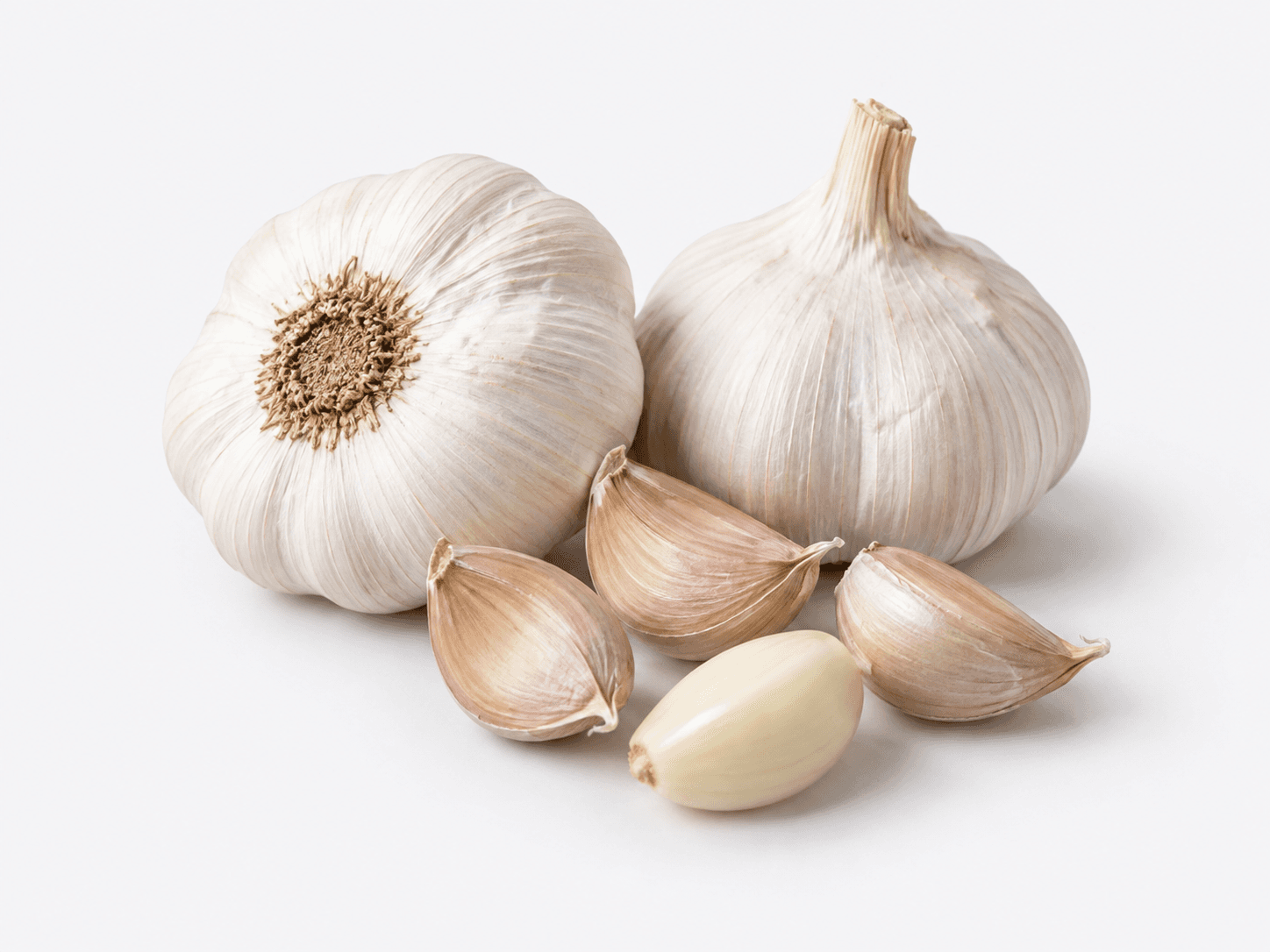
Vegetables
Moderate evidenceThe evidence for garlic points to a modest drop in blood pressure and cholesterol. The trick is to crush it and wait ten minutes before it hits the heat.