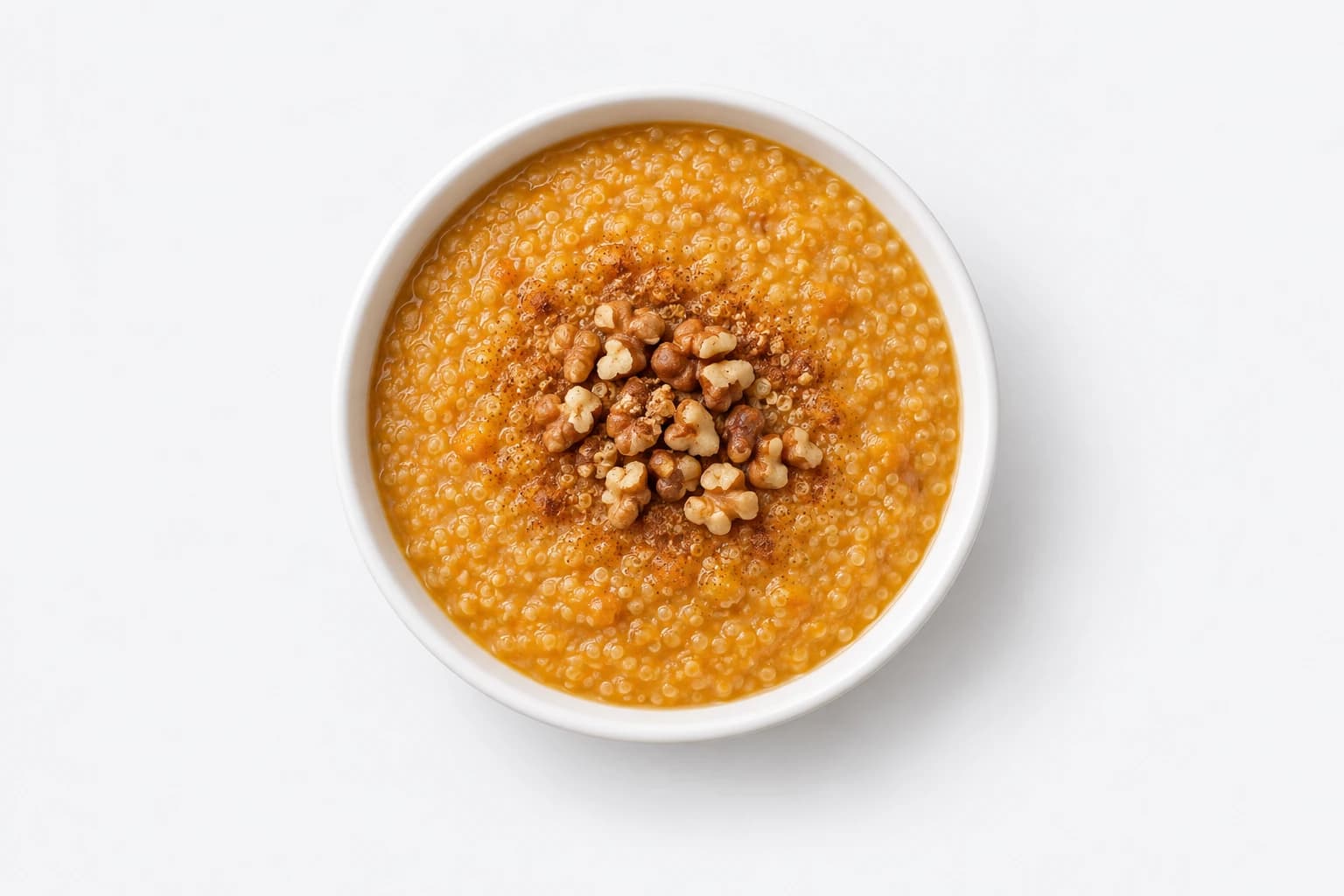
The first step of this porridge is the evidence.
2012, The Journal of Nutrition. 279 Kenyan children aged 12 to 59 months were split three ways for 16 weeks.
| Arm | Iron per meal | Phytate to iron | Result |
|---|
| Control (maize porridge) | 4.1 mg | 5:1 | — |
| 70% amaranth porridge | 23 mg | 3:1 | no change in hemoglobin or iron status |
| Maize porridge + micronutrient powder | 6.6 mg | 2.6:1 | anemia −46%, iron deficiency −70% |
The amaranth arm ate 5.6 times the iron of the control and nothing happened. The powder arm, on far less iron, delivered the benefit.
The paper gives the reason — the meal's phytate-to-iron ratio was high.
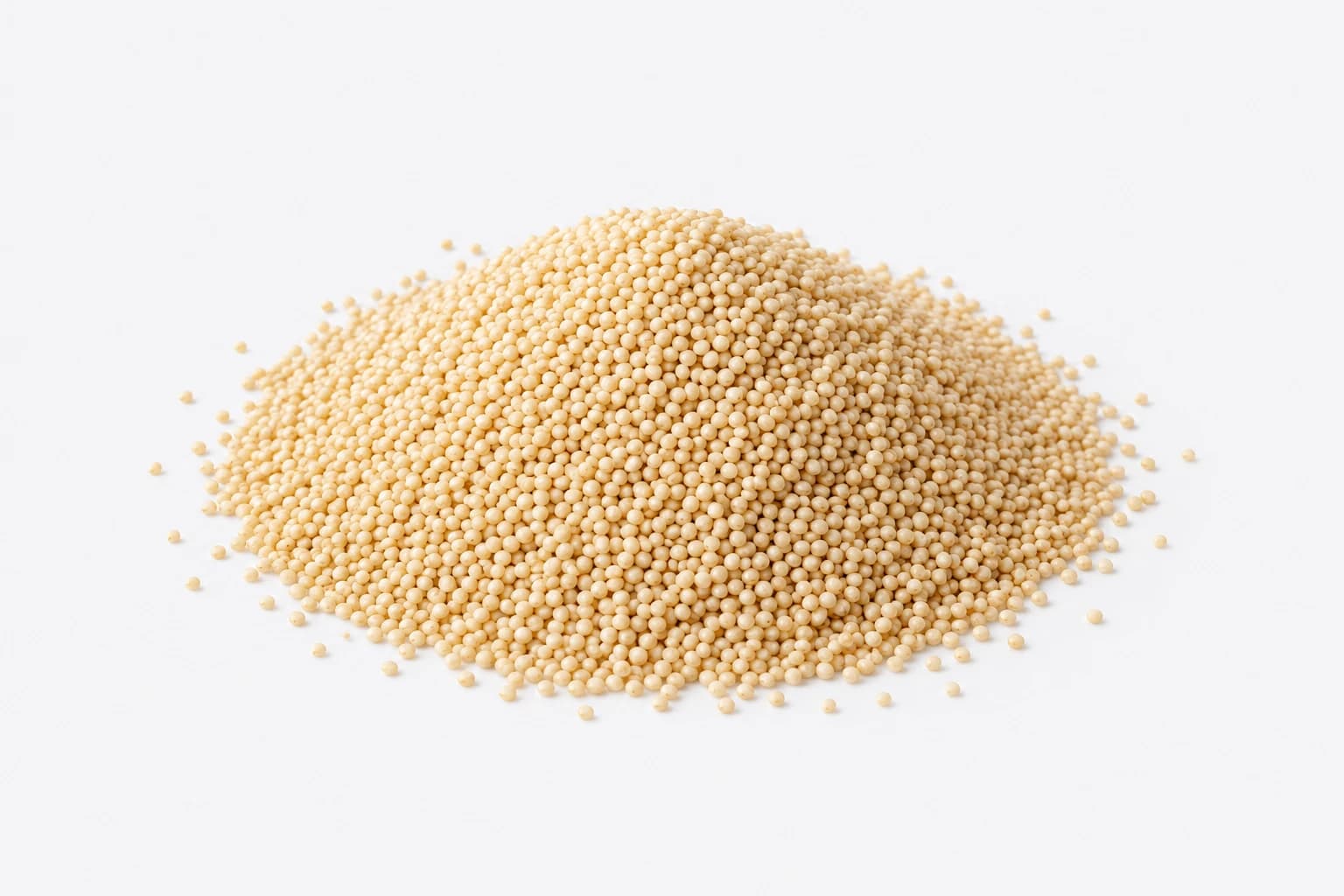
What is phytate? It is how grain and legume seeds store phosphorus. In the gut it binds iron, zinc, calcium and magnesium and blocks absorption. Amaranth has a showy table — 7.61 mg of iron, 248 mg of magnesium — and plenty of phytate with it.
But a 2020 Ethiopian trial did find a benefit. The difference is processing — that one baked processed amaranth into bread.
Phytate falls with soaking, germination and fermentation. Bread-making includes those steps.
So this porridge starts with a soak. Four hours or more, and throw that water away. The phytate that leached out is in it. Boil it in the same water and the soak has done nothing.
The lemon juice at the end addresses the same problem.
Vitamin C raises the absorption of plant iron. The Indian trial set out in this site's guava entry works on exactly that principle. The teaspoon of lemon juice goes in for this, not for taste. And it goes in off the heat — vitamin C does not survive it.
Per serving:
| Per serving |
|---|
| Amaranth 50 g (before soaking) | 186 kcal, iron 3.8 mg, magnesium 124 mg, protein 6.8 g |
| Squash 150 g | 39 kcal, beta-carotene, potassium |
| Walnuts 10 g | 65 kcal, omega-3 |
| Total | about 290 kcal, iron 3.8 mg, magnesium 124 mg |
The 3.8 mg of iron is 21% of the daily value. But that figure is what you ate, not what you absorbed. That gap is the whole subject of this entry.
Magnesium at 124 mg is 30% of the daily value, and it is affected by phytate too.
Why amaranth does not behave like rice. The seeds are tiny, so they drink water and cling together. Making porridge from the start is the natural move. If you mix it into rice, keep it to 10-20%.
It catches on the bottom easily. The grains are small and settle. Keep the heat low and stir now and then.
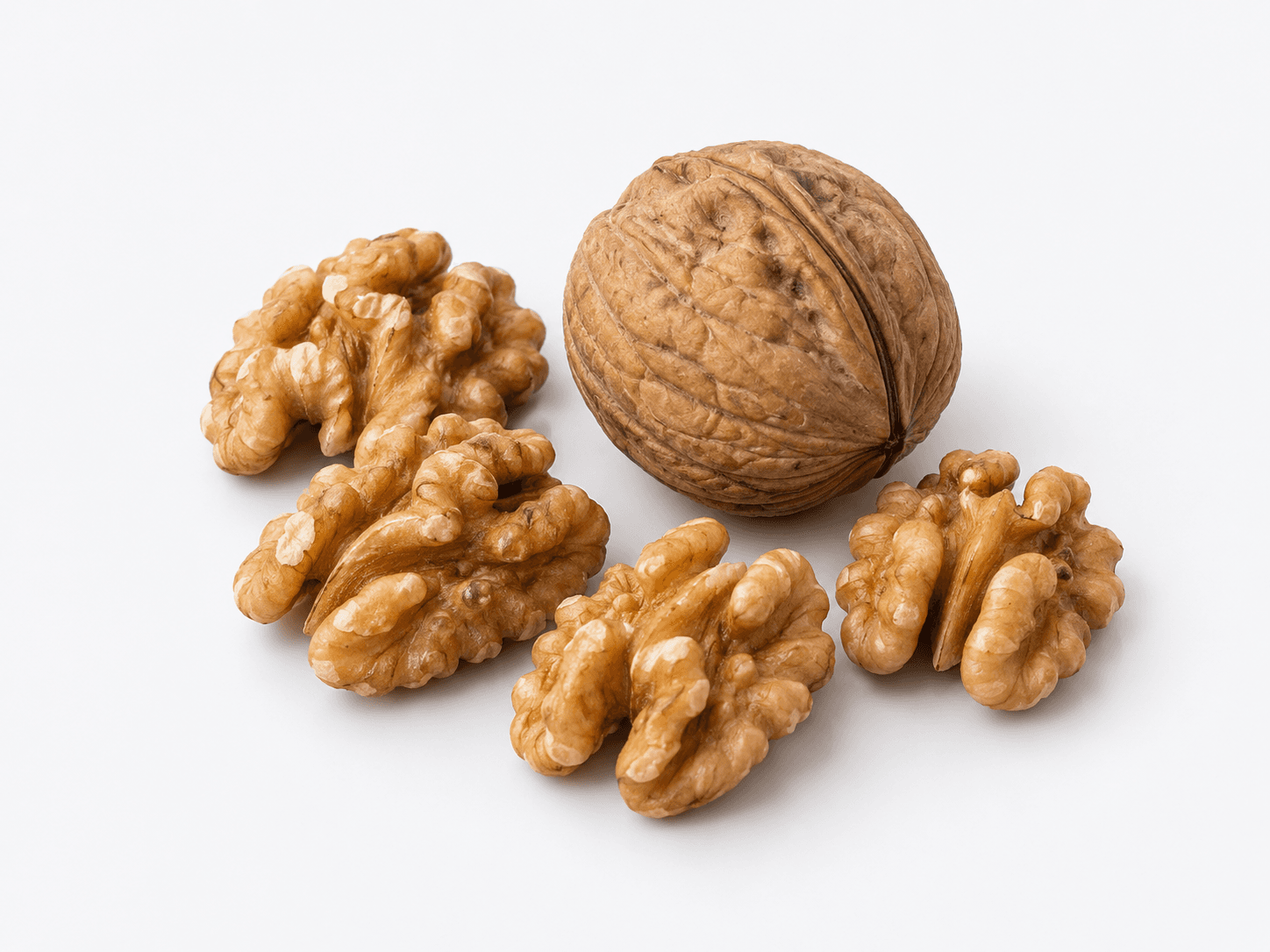
Why the walnuts are not boiled. Their omega-3 is heat-sensitive, and stirred into porridge they go soggy and lose their texture. Break them roughly over the top at the end.
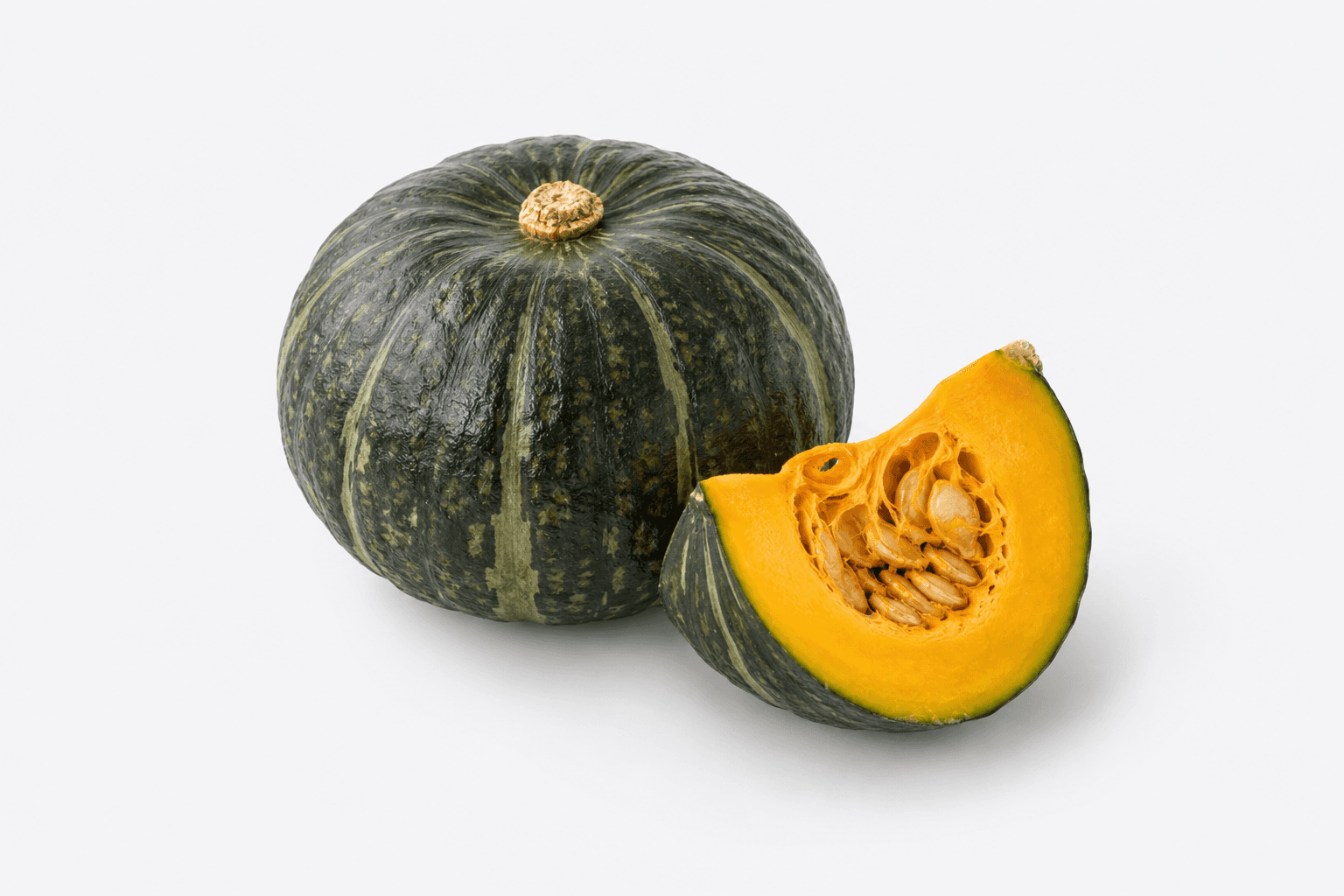
Why the squash cooks first. It sweetens as it cooks, which removes any reason to add sugar. Put in with the amaranth, the amaranth breaks down first.
Keep tea and coffee away from this meal. Tannins interfere with iron absorption. Eat this for breakfast and reach straight for coffee, and half the point of the soak is gone.
There is no gluten. Amaranth is not a grass but an amaranth. Commercial products are sometimes processed on wheat equipment, so check the label.
If iron deficiency has been diagnosed, do not plan to fix it with this porridge. The Kenyan trial showed precisely the opposite: feed five times the iron, and if it is not absorbed, nothing happens.