Herbs & spices
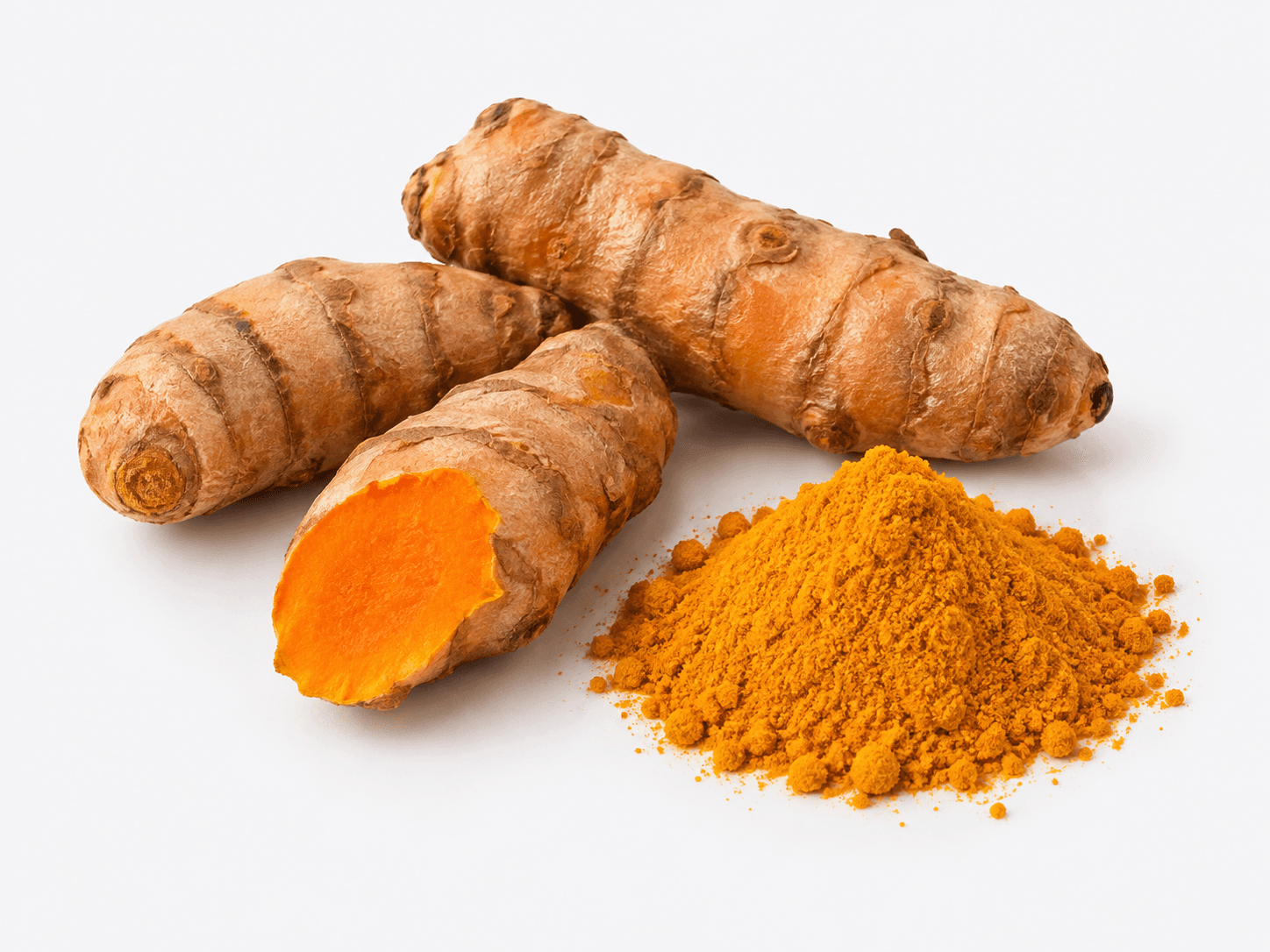
Moderate evidenceTurmeric
Turmeric's anti-inflammatory reputation rests on curcumin — which is barely absorbed on its own. That is why pepper and fat matter.
Cooking turmeric with pepper is an old practice. But that famous '2,000 % absorption' came from a trial of ten people.
3 servings40 min
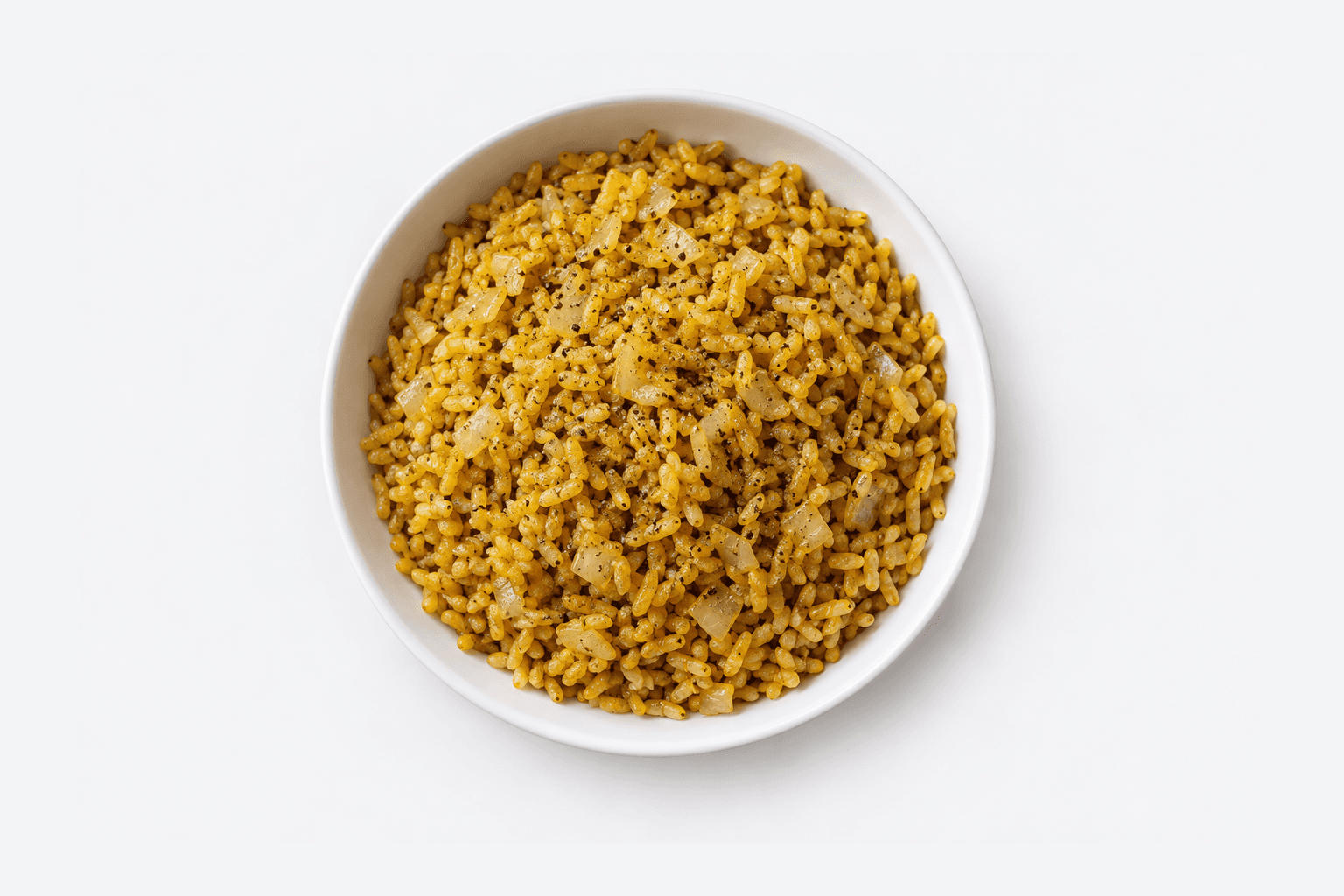
Chop the onion finely and slice the garlic. Buy peppercorns and grind them now.
Warm the oil and cook the onion over medium heat for seven to eight minutes, until the edges brown.
Add the garlic for 30 seconds.
Lower the heat, add the turmeric and fry it for exactly 30 seconds. This step is the point of the dish — burnt turmeric turns bitter.
Add the cooled rice and fry for three to four minutes, pressing with the spatula until the grains separate.
Season with salt, then take it off the heat and grind the pepper in. Heat drives the aroma off.
The 30 seconds of turmeric in hot oil is the point of this dish. Curcumin is fat-soluble; dropped straight into water, both aroma and absorption suffer. In Indian cooking this step is the tarka, and it is why curry spices go into oil first.
The pepper goes in last for the opposite reason. Piperine and the aroma compounds are volatile and cook away.
Here is the honest part. The claim that pepper raises curcumin absorption by 2,000 % rests on a single 1998 trial with ten healthy adult volunteers. And the curcumin dose in it was 2 g — a supplement dose, orders of magnitude above the turmeric in a bowl of this rice.
So do not treat this dish as medicine. Turmeric with pepper is an old practice that also tastes good, and that is enough.
Cooled rice matters for texture. Freshly cooked rice is too wet and clumps in the pan. Cooling also converts some starch to resistant starch, which flattens the blood sugar response a little.
Herbs & spices
Moderate evidenceTurmeric's anti-inflammatory reputation rests on curcumin — which is barely absorbed on its own. That is why pepper and fat matter.
Herbs & spices
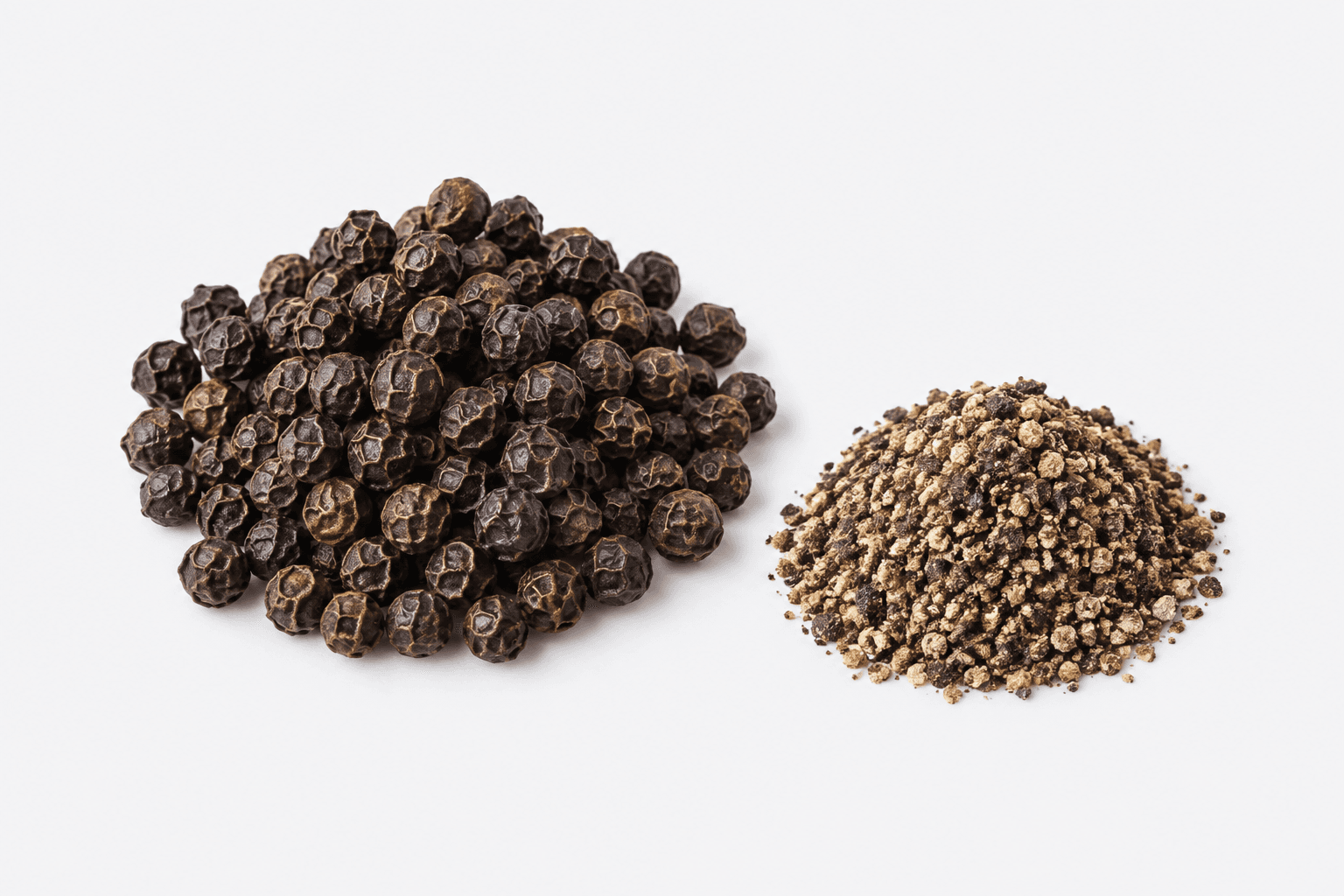
Early researchA 1998 trial showing piperine raised curcumin absorption by 2,000 % is cited everywhere. It had ten healthy adult volunteers.
Grains & legumes
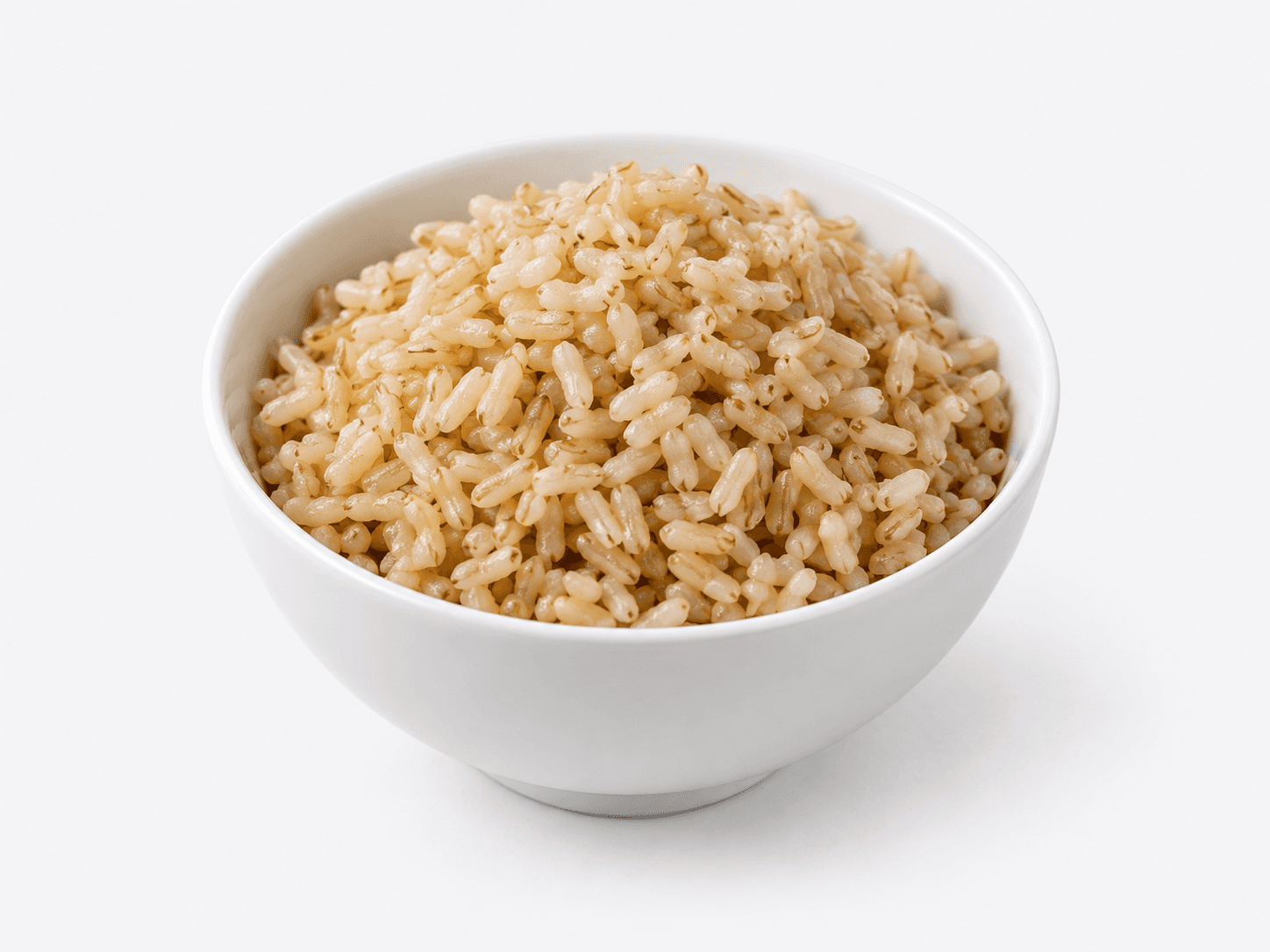
Moderate evidencePeople who eat more whole grains consistently show less type 2 diabetes. In randomised trials, though, the glycaemic markers barely moved.
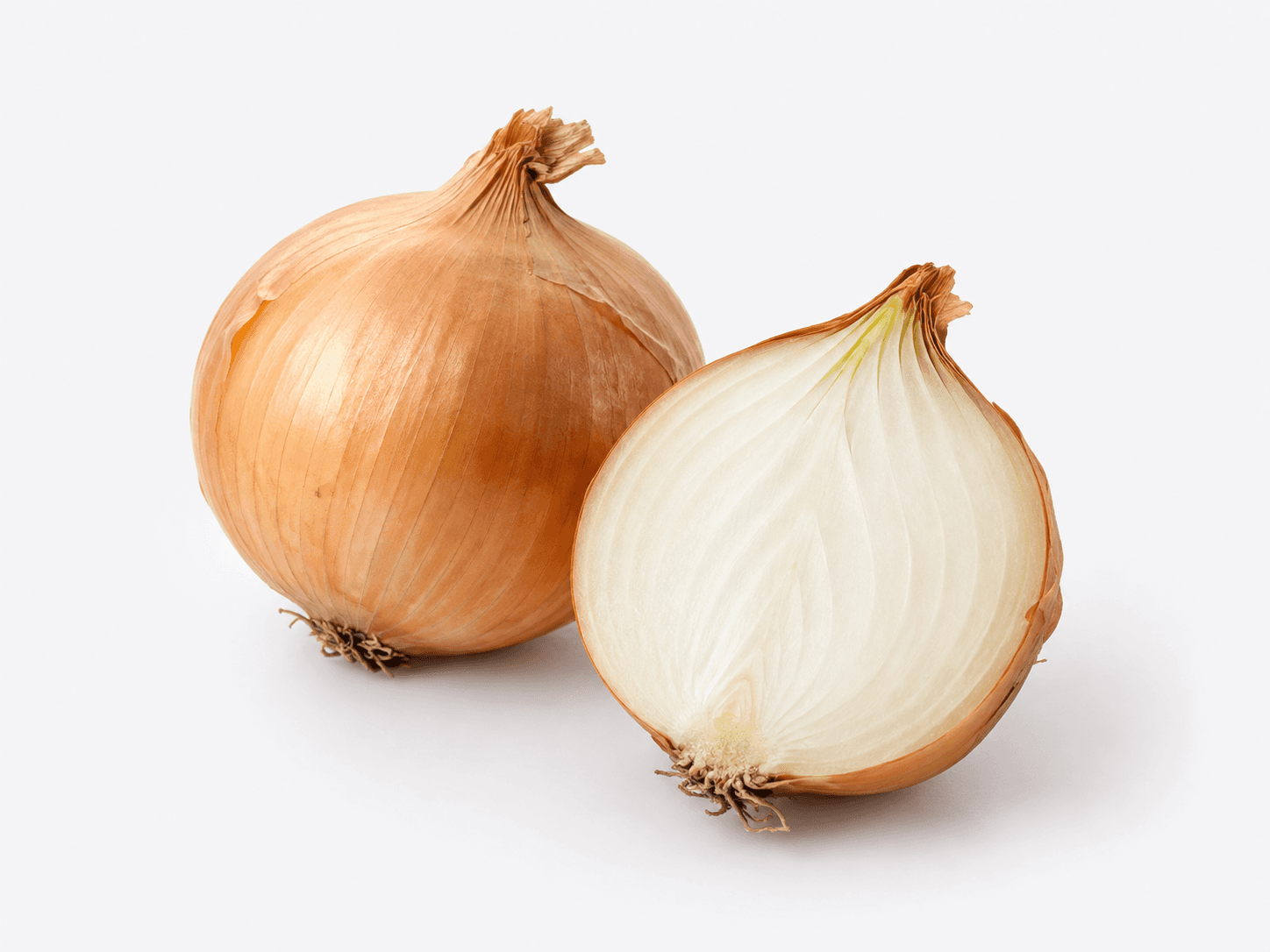
Vegetables
Moderate evidenceOnion's antioxidant quercetin concentrates in the outer layers. Peeling two extra layers out of habit throws much of it away.