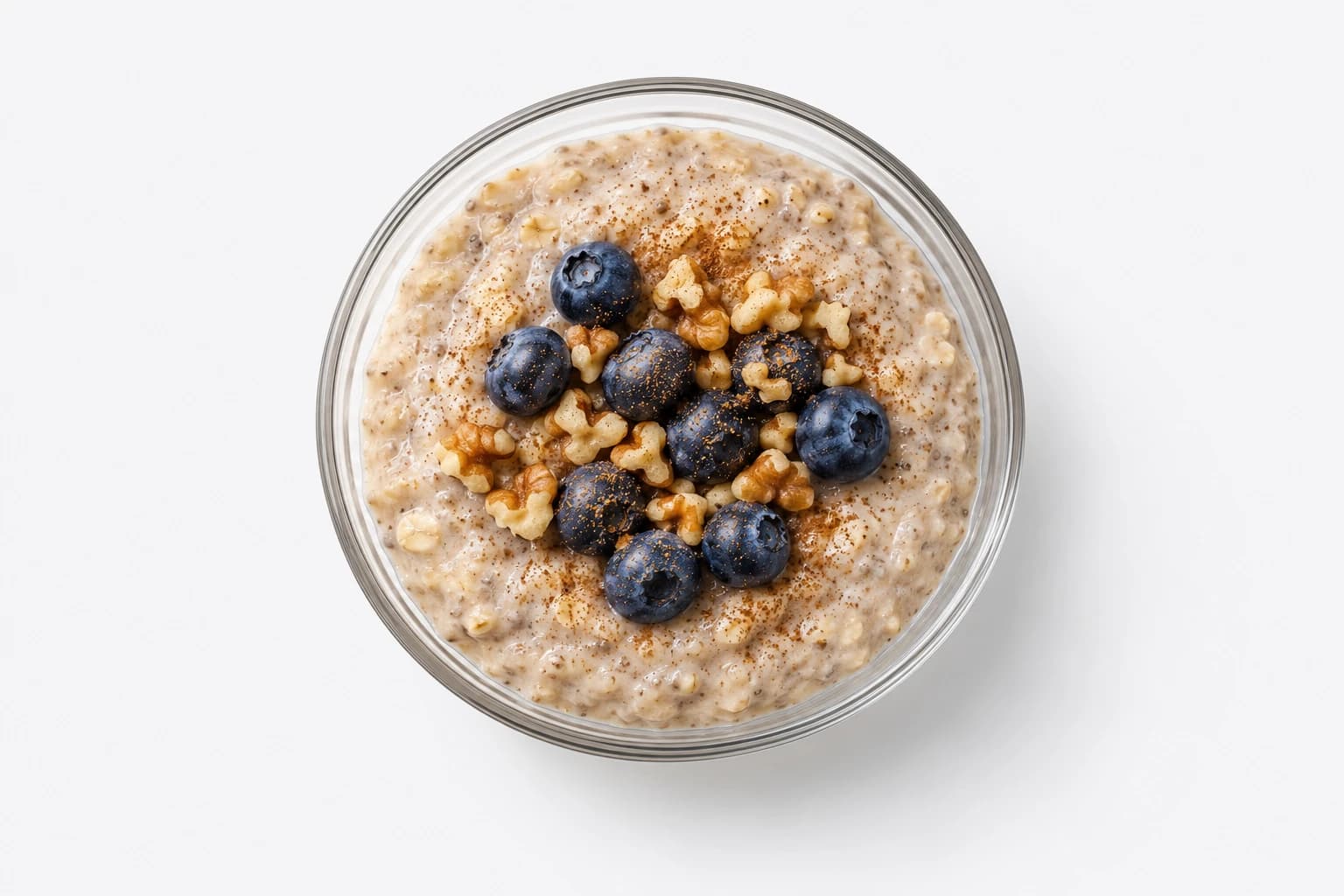
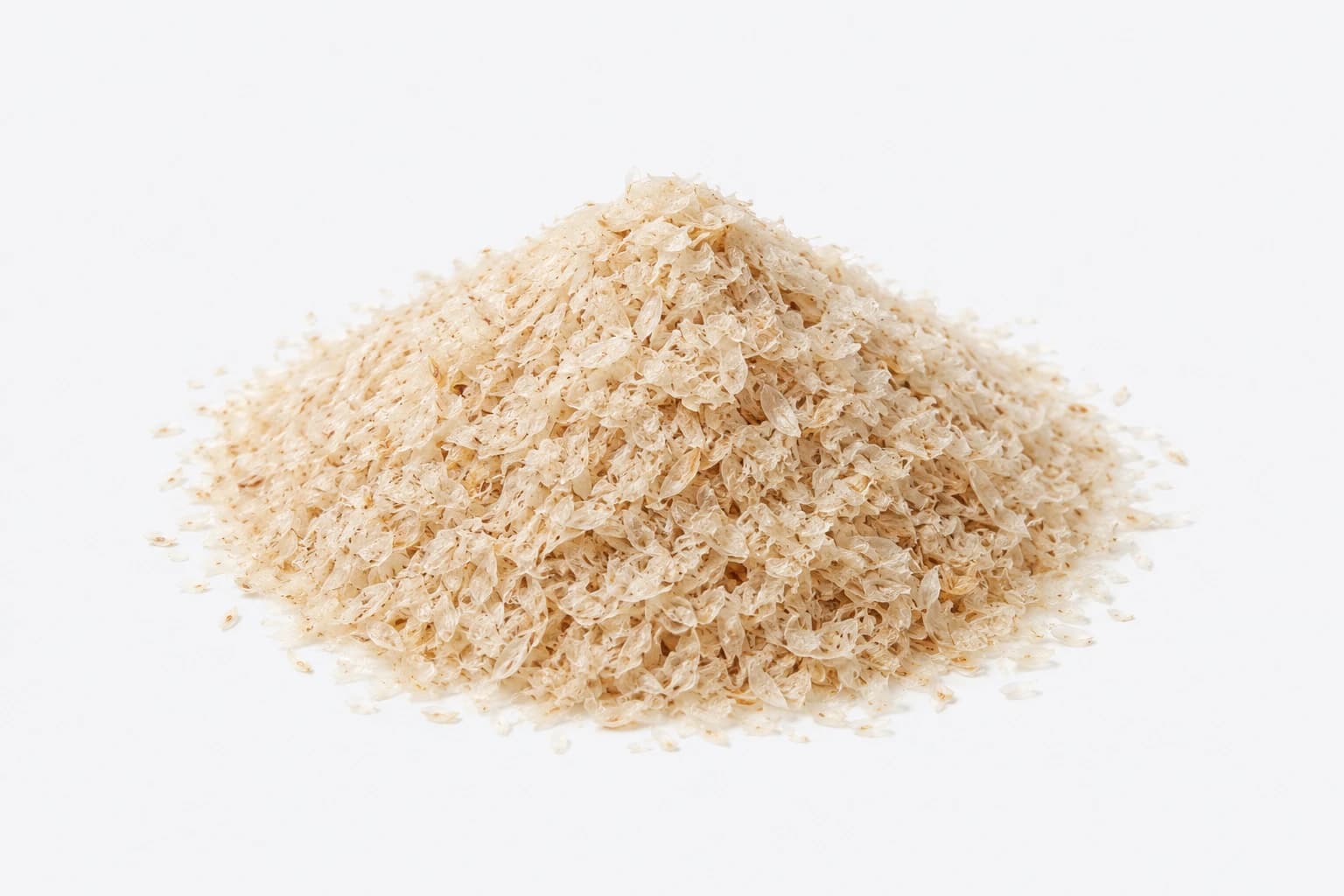
This recipe is about how to take psyllium safely.
First the evidence. Psyllium is among the best-evidenced ingredients on this site.
2018 meta-analysis, The American Journal of Clinical Nutrition — 28 randomised controlled trials, 1,924 people, median 10.2 g a day. LDL cholesterol fell by an average 0.33 mmol/L (about 12.8 mg/dL; 95% CI −0.38 to −0.27, p<0.00001), and non-HDL cholesterol and apolipoprotein B fell with it.
This recipe is built to deliver 5 g per serving, 10 g across two — almost exactly the meta-analysis median.
But something has to be said before the benefits.
Psyllium absorbs water and swells many times over. Swallowed without enough liquid, it can swell and obstruct the oesophagus or the gut. Cases of choking and bowel obstruction are documented, and the US Food and Drug Administration requires a warning label about it.
That is why this pudding is a safe way to take it. Soaked in 400 ml of liquid for four hours or more, it has already finished swelling before it reaches your mouth. That is nothing like swallowing dry powder.
Even so, drink water alongside. The water in the pudding is already bound into the gel.
Per serving:
| Per serving |
|---|
| Psyllium 5 g | fibre 3.9 g (soluble 3.4 g) |
| Oats 30 g | 113 kcal, fibre 3.2 g, beta-glucan |
| Milk 200 ml | 103 kcal, calcium 230 mg |
| Blueberries 40 g | 23 kcal |
| Walnuts 8 g | 52 kcal, omega-3 |
| Total | about 300 kcal, fibre around 8 g |
Eight grams of fibre is 29% of the daily value.
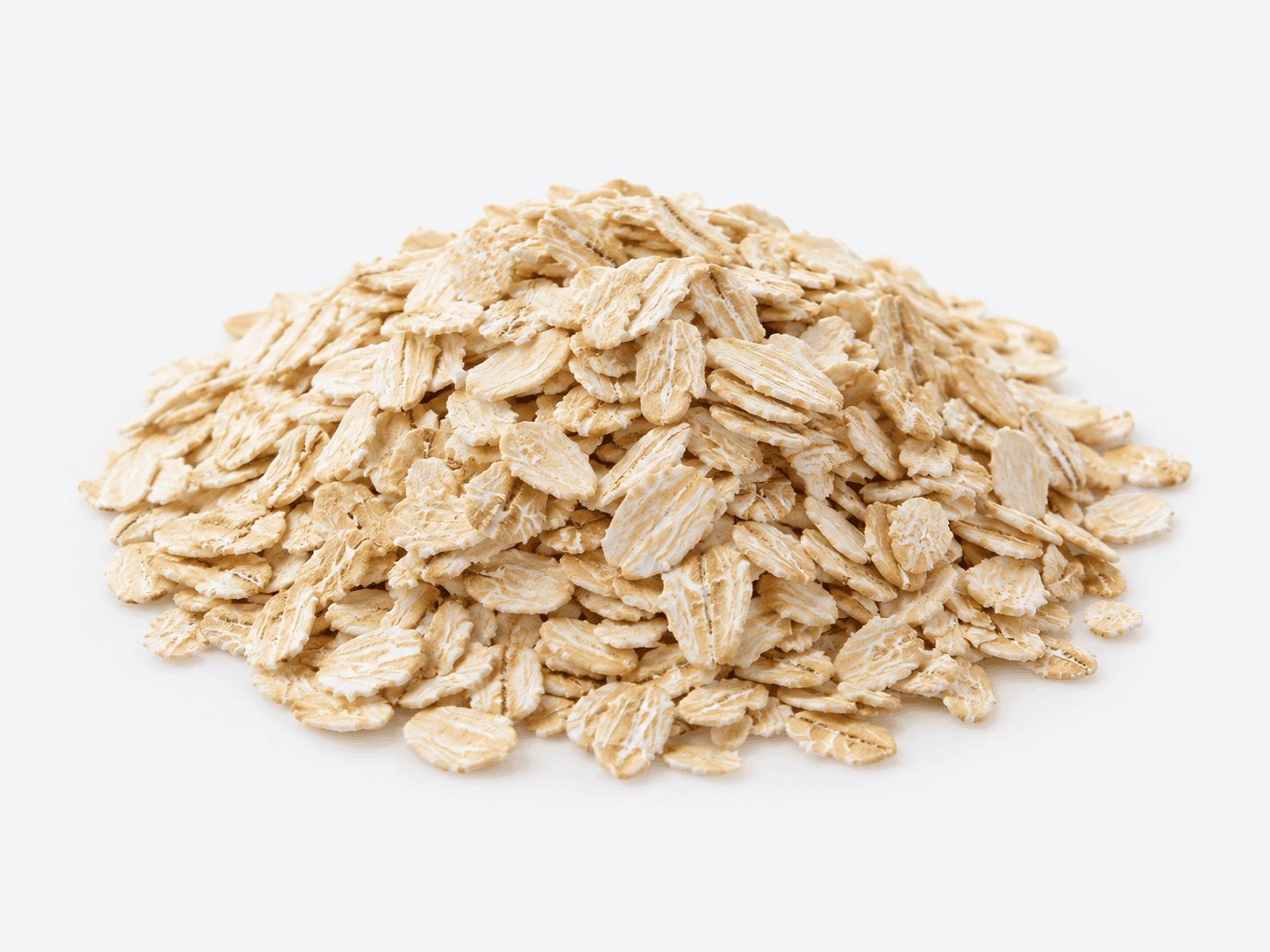
Why pair it with oats. Oat beta-glucan and psyllium work by the same mechanism — both form a viscous gel that traps bile acids in the gut. The body rebuilds those bile acids from cholesterol, so blood cholesterol gets used.
Why the psyllium goes in last and gets stirred at once. It begins setting the instant it meets liquid. Put it in first and add the rest on top and it sets in lumps that will not break up. Stir for 30 seconds without stopping.
Why soak for four hours or more. Full swelling takes time. Under-soaked, it finishes swelling inside you — and that is what causes the discomfort.
Start small. If your usual fibre intake is low, 8 g at once brings gas and bloating. Begin with 5 g of psyllium across the batch (2.5 g a serving) and increase weekly.
If you take medication, leave a gap.
Psyllium's gel can slow or reduce the absorption of drugs taken at the same time.
- Take other medicines two hours before or two hours after this pudding
- Particular care: diabetes medication, thyroid hormone, lithium, carbamazepine, digoxin, warfarin
- If you habitually take medicine on an empty stomach in the morning, rearrange the order when this is breakfast
Do not take psyllium at all if you have difficulty swallowing, a narrowed oesophagus, or a history of bowel obstruction.
Do not eat it lying down or immediately before bed.
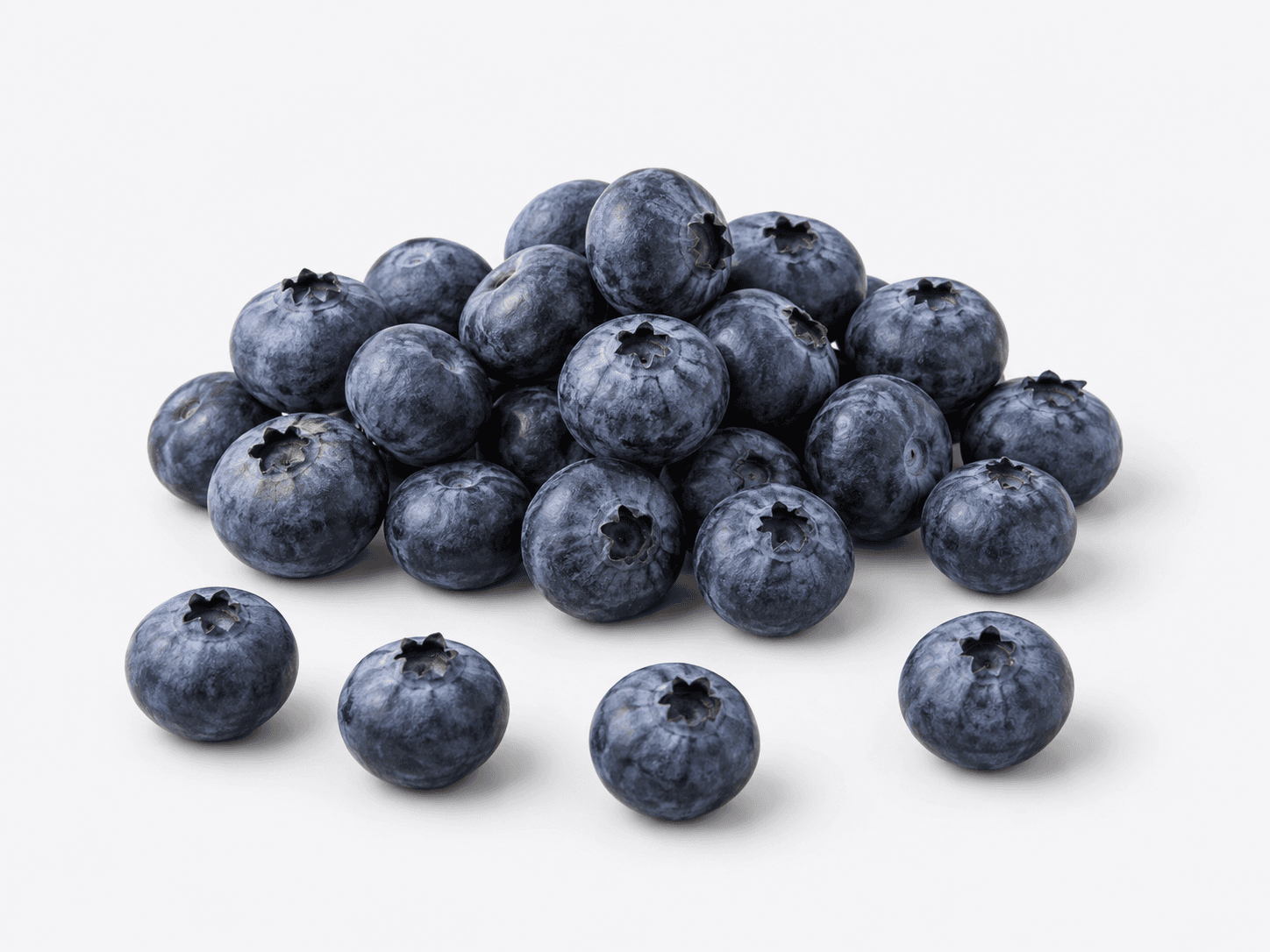
The blueberries and walnuts are for flavour and texture. Psyllium alone is monotonous. Swap in whatever fruit is in season.
Why the walnuts go on last. Their omega-3 is heat-sensitive, and stirred in ahead they go soggy.
If it sets too firm, loosen it with milk a little at a time. If it is too loose, do not add another gram of psyllium — soak it longer.