Vegetables
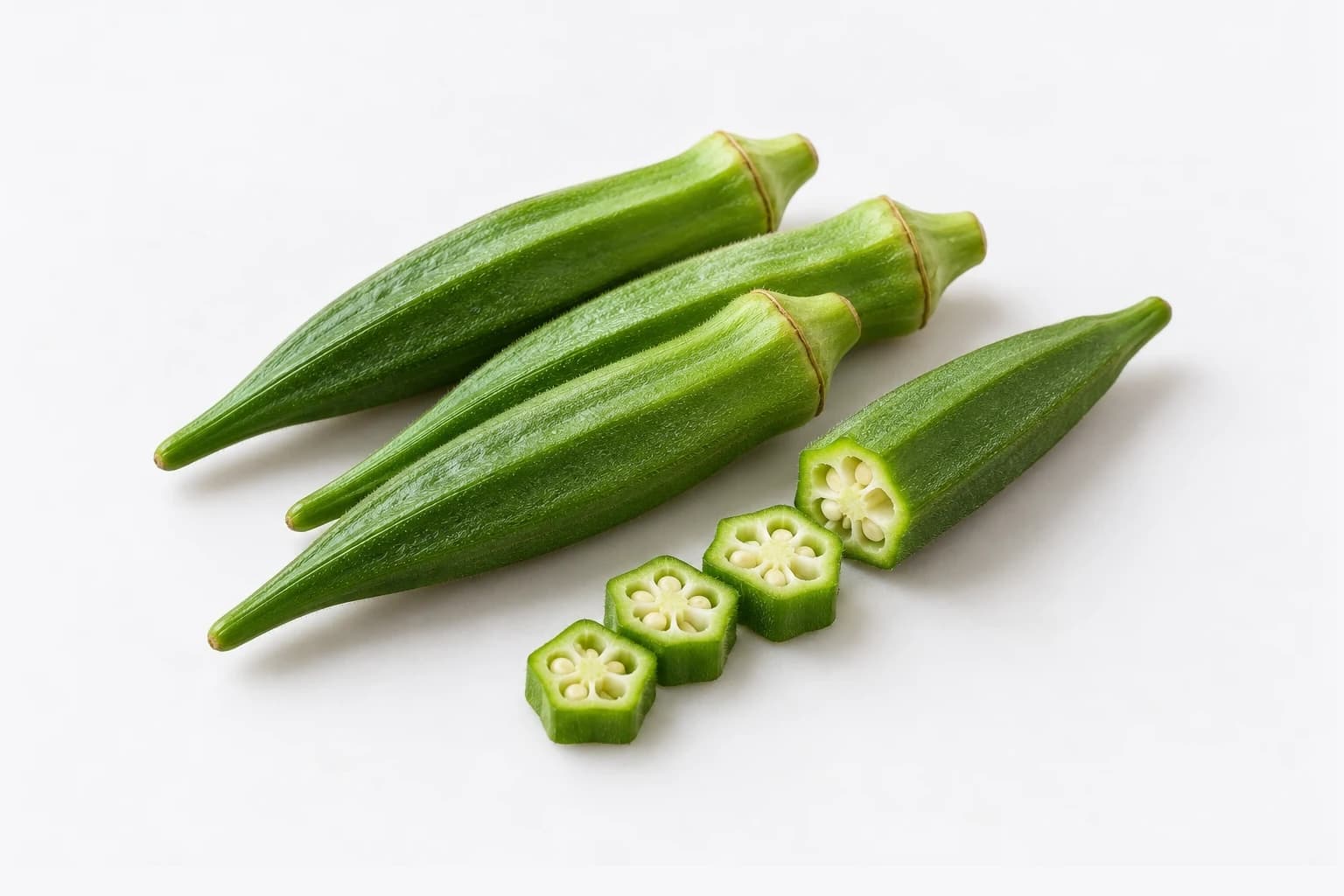
Moderate evidenceOkra
A 2025 meta-analysis found significant falls in weight, fasting glucose, HbA1c and LDL. But the 12 trials it pooled used doses from 125 mg to 40,000 mg a day — a 320-fold range.
Many people avoid okra because of the slime. This recipe is built to reduce it — cook the pods whole and add acid.
2 servings12 min
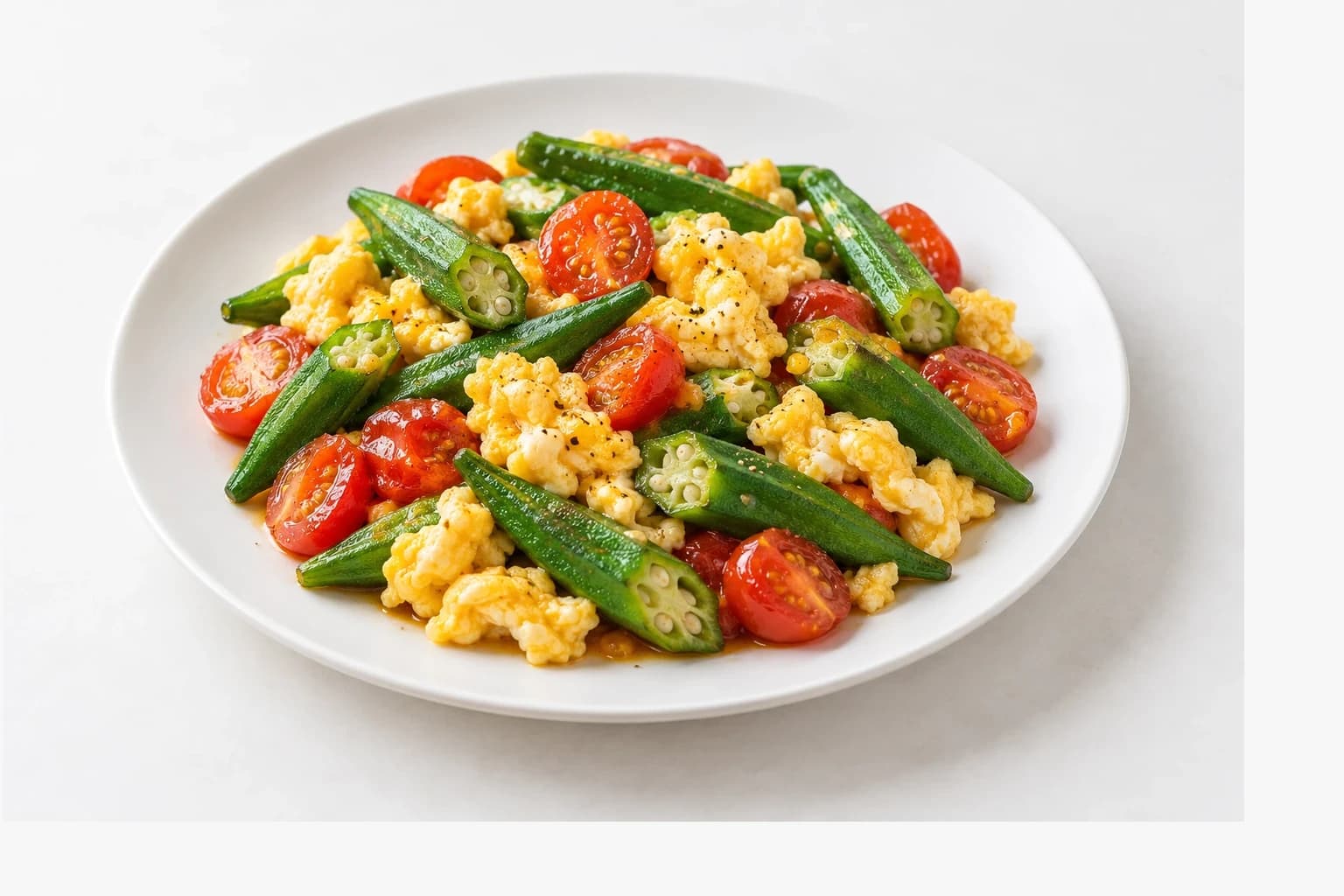
Trim only the stem end and leave the pods whole. Do not cut them — the slime comes from the cut surface.
Beat 3 eggs with a pinch of salt.
Heat a pan over high heat, add 1 tbsp of olive oil and cook the eggs to soft curds, then lift them out.
In the same pan, add ½ tbsp of olive oil and the chopped garlic and fry for 30 seconds.
Add the whole okra and stir-fry over high heat for 2 minutes — until the outsides turn vivid green.
Add the halved cherry tomatoes and 1 tsp of lemon juice and stir-fry one minute more. The acid holds the slime down.
Return the eggs, toss for 10 seconds and take the pan off the heat. Season with salt and pepper.
This recipe is about reducing the thing that makes people dislike okra.
Cut okra and a slippery mucilage comes out. That mucilage is the point of the vegetable in composition terms — soluble fibre, pectin and mucilage — but plenty of people avoid it for the texture.
Three devices are built in.
First, cook the pods whole. The slime comes from the cut surface. Trim only the stem end and leave them intact and almost none appears. Cut them into bite-size pieces as you eat.
Second, add acid. A teaspoon of lemon juice and the acid in the tomatoes hold down the viscosity. Vinegar works too.
Third, a short sear over high heat. Two minutes. The longer the heat, the more cell walls break down and the more mucilage escapes.
Reducing the slime does not remove the fibre. It is less visible; the composition does not change.
Per serving:
| Per serving | |
|---|---|
| Okra 80 g | 26 kcal, fibre 2.6 g, vitamin C 18 mg, folate 48 µg, magnesium 46 mg |
| Cherry tomatoes 75 g | about 14 kcal |
| 1.5 eggs | about 107 kcal, protein 9.5 g |
| Olive oil ¾ tbsp | 90 kcal |
| Total | about 240 kcal, fibre around 3 g, protein around 12 g |
Being clear about the evidence.
Okra has a GRADE-assessed meta-analysis in the British Journal of Nutrition from 2025. Across 12 randomised controlled trials and 770 people, fasting glucose, HbA1c and LDL all fell significantly.
But the doses in those trials ran from 125 mg to 40,000 mg a day — a 320-fold range — and most were extracts and powders. There is no guarantee that 80 g of okra in a stir-fry reproduces that result. Treat it as a good side dish with fibre in it; that is the accurate expectation.
If you take diabetes medication, talk to your clinician before eating okra often. The directions of effect overlap.
Why the eggs are cooked first and set aside. Cooked together with the vegetables they overcook, and the tomatoes release water that makes everything soggy. Cooked separately and combined at the end, the eggs stay soft and the vegetables stay crisp.
The 23 mg of vitamin C per 100 g is heat-sensitive, which is another reason the stir-fry ends at two minutes. You can add the lemon juice right before the heat goes off.
The tomato and olive oil pairing has a reason too. Lycopene in tomatoes is fat-soluble and absorbs better alongside oil.
If you have had kidney stones, okra is a high-oxalate food. Watch the quantity.
Vegetables
Moderate evidenceA 2025 meta-analysis found significant falls in weight, fasting glucose, HbA1c and LDL. But the 12 trials it pooled used doses from 125 mg to 40,000 mg a day — a 320-fold range.
Vegetables
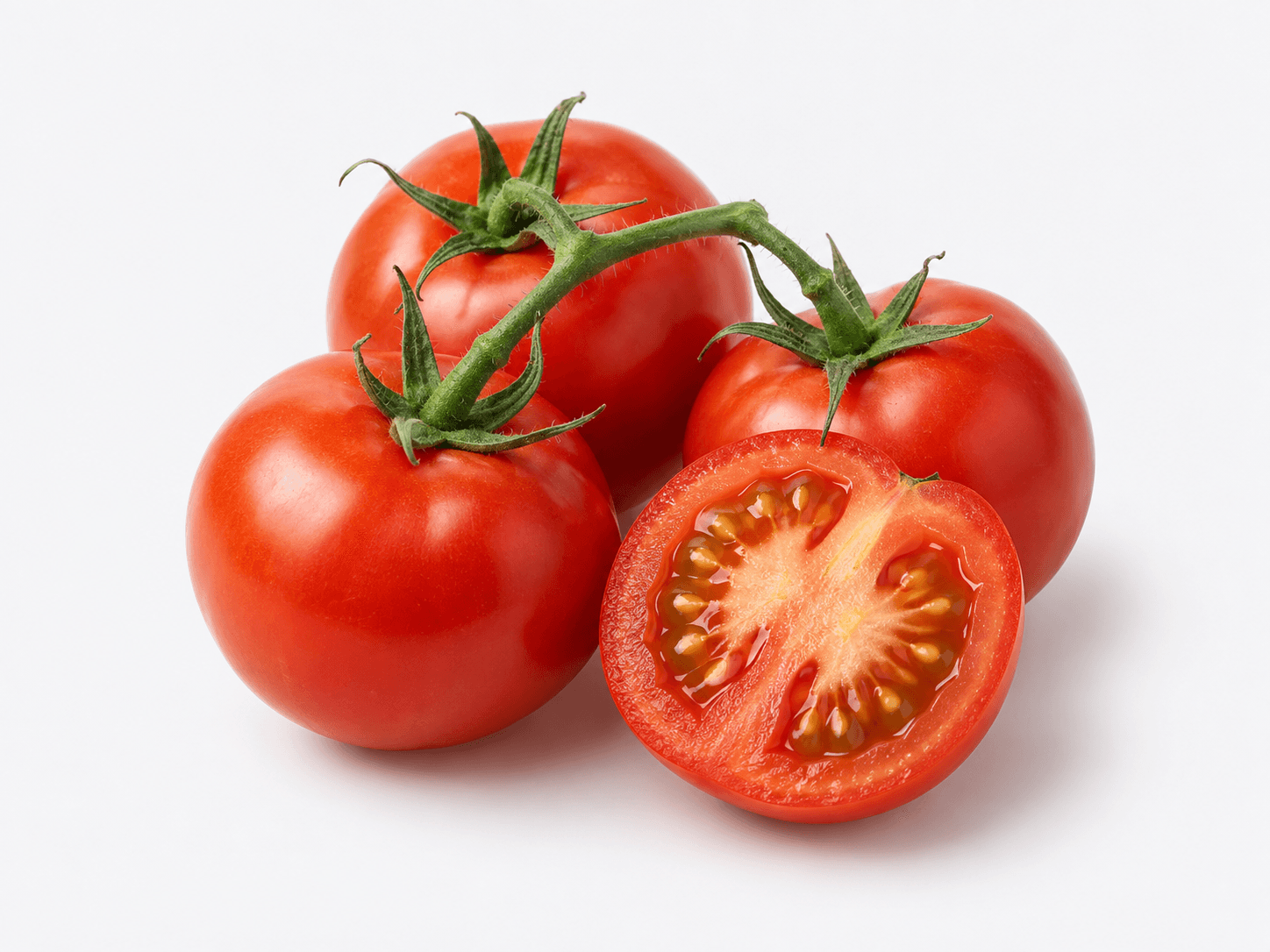
Early researchCooked beats raw here. Heat multiplies how much lycopene your body can actually absorb.
Dairy & eggs
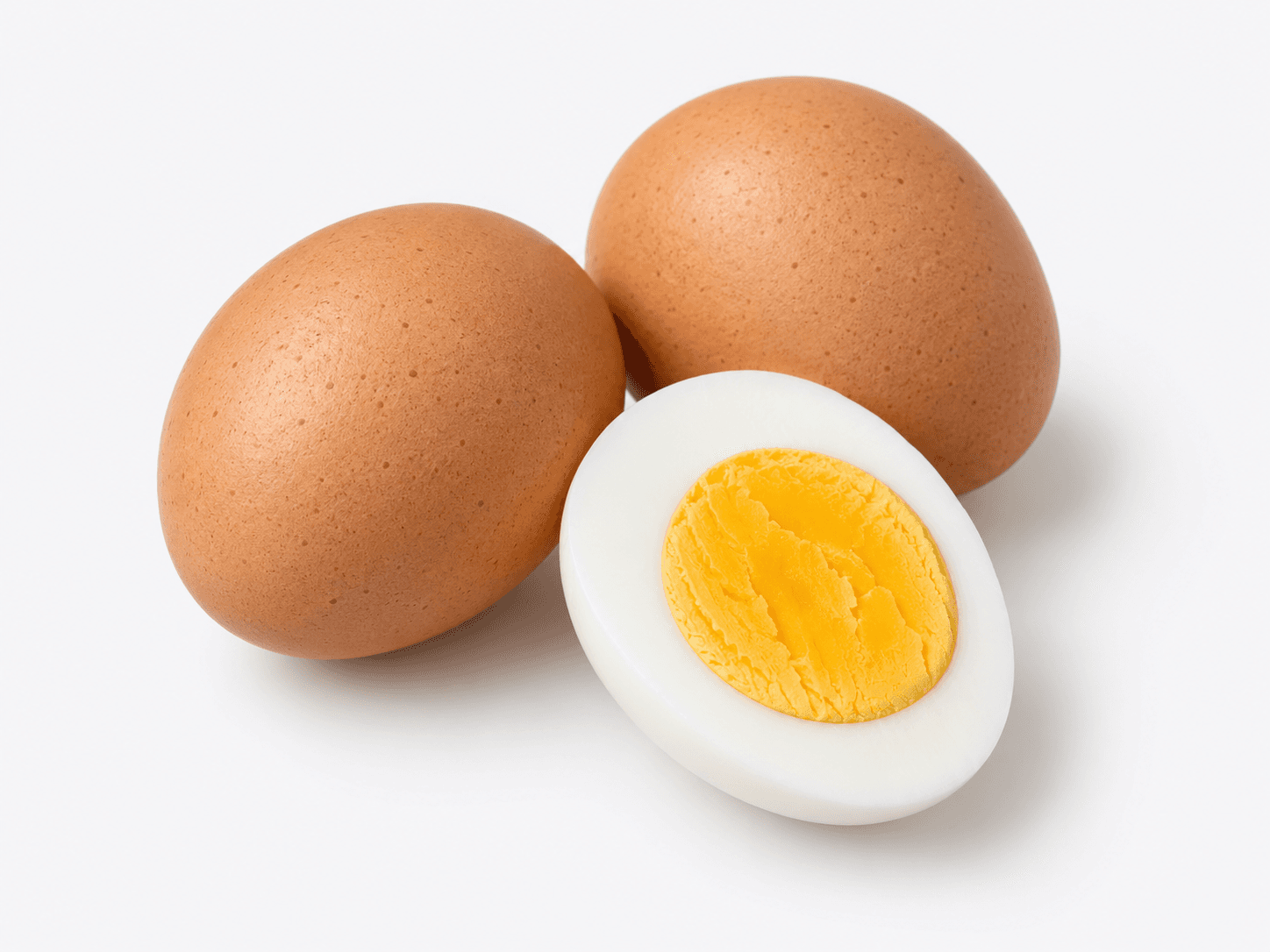
Nutrition dataThe advice to limit yolks because of their cholesterol has been overturned. What remains is choline, a nutrient far fewer people talk about.
Oils & fats
Strong evidenceCardiovascular events were 31 % lower in a randomised trial of 7,447 people. Against other vegetable oils, though, there was no difference.