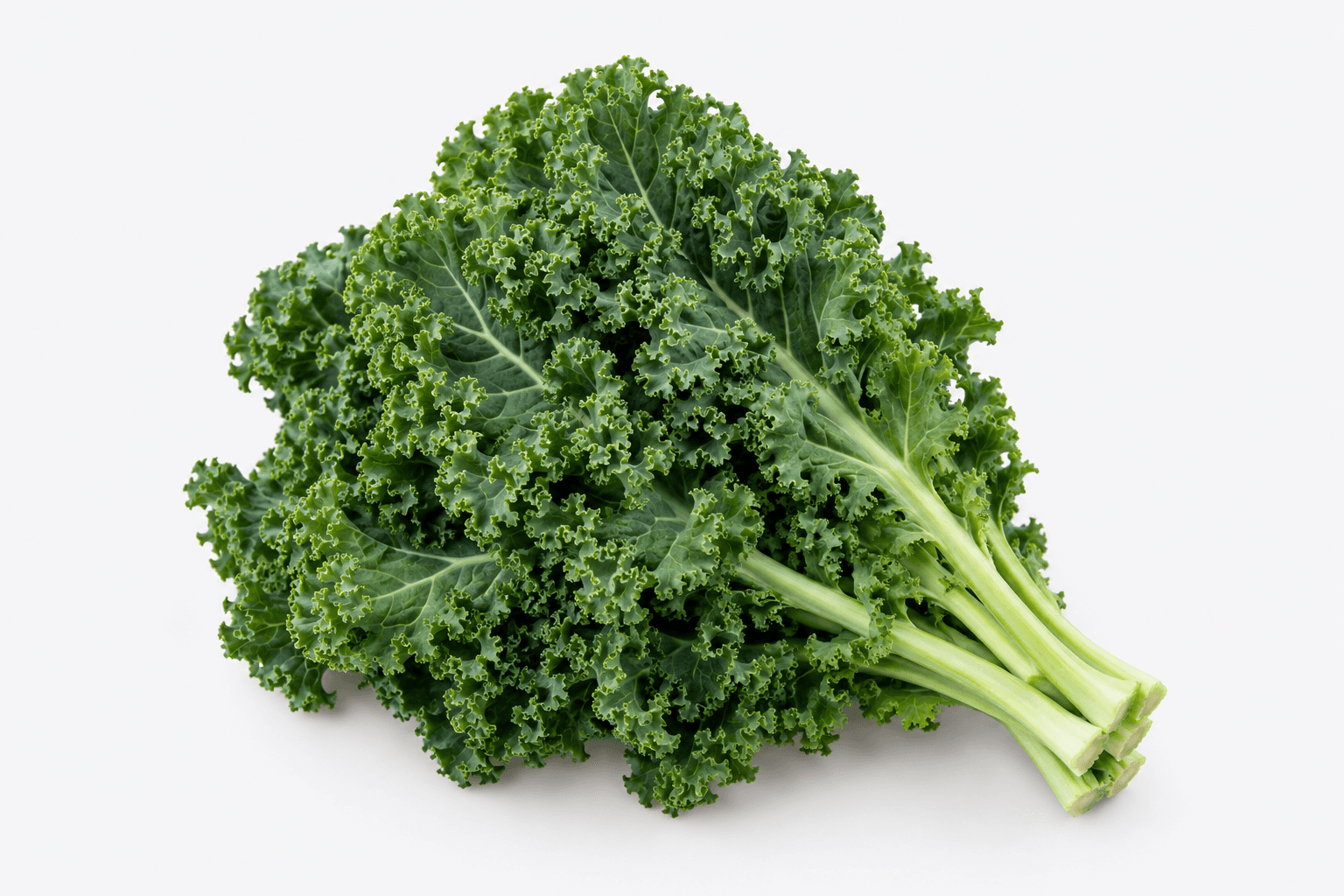
Vegetables
Moderate evidenceKale
390 µg of vitamin K, 93.4 mg of vitamin C and 254 mg of calcium per 100 g. Lutein is 6,260 µg — but the AREDS2 primary analysis was not significant.
Raw kale needs massaging by hand to soften. Oiling the leaves first is not about flavour — it is about carotenoid absorption.
2 servings15 min
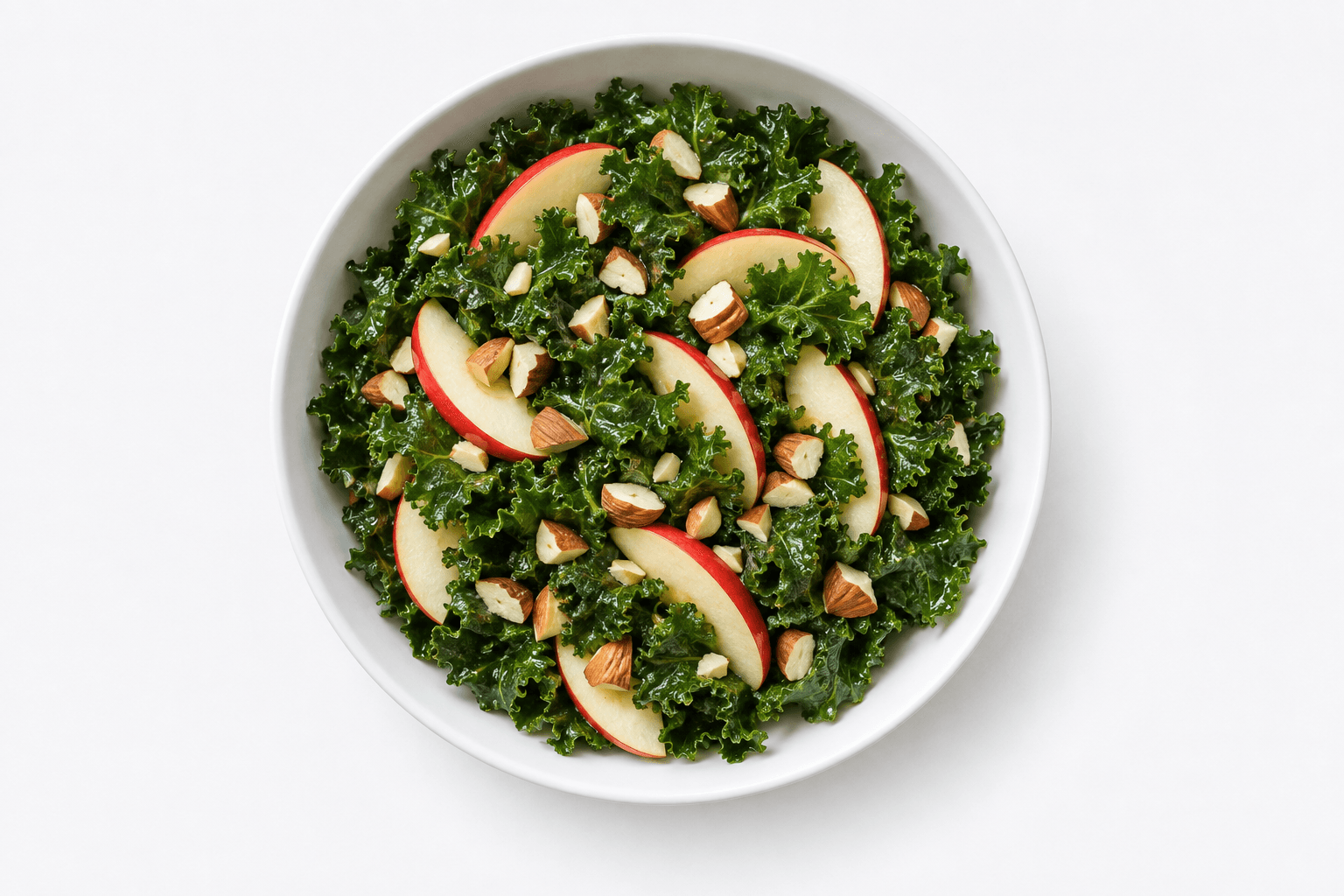
Strip the thick stems from the kale and tear the leaves into bite-size pieces. Chop the stems finely for a stir-fry another day.
Add the olive oil and salt and massage the leaves by hand for 1–2 minutes. The volume drops noticeably and the colour deepens.
Add the lemon juice and honey, toss again and leave for 5 minutes.
Toast the almonds in a dry pan over low heat for 3 minutes, then chop coarsely.
Slice the apple thinly with the skin on. Put it straight into the salad so the lemon juice slows the browning.
Toss everything together and scatter the almonds over.
Raw kale is tough because of its cell walls. Massaging breaks them down, which shrinks the volume and makes it easy to chew — a mechanical version of cooking, except the vitamin C survives.
The oil goes in first for a reason. Kale's lutein (6,260 µg per 100 g) and beta-carotene (2,870 µg) are fat-soluble and absorb poorly without fat. Coating the leaves beats drizzling a dressing at the end.
In fairness, though: the evidence that lutein helps the eyes is not established. The primary analysis of AREDS2 was not significant. The firmer reasons to eat kale are its vitamin K, vitamin C and calcium.
If you take warfarin, remember the vitamin K. The trick is not to drop kale but to keep the amount steady.
Vegetables
Moderate evidence390 µg of vitamin K, 93.4 mg of vitamin C and 254 mg of calcium per 100 g. Lutein is 6,260 µg — but the AREDS2 primary analysis was not significant.
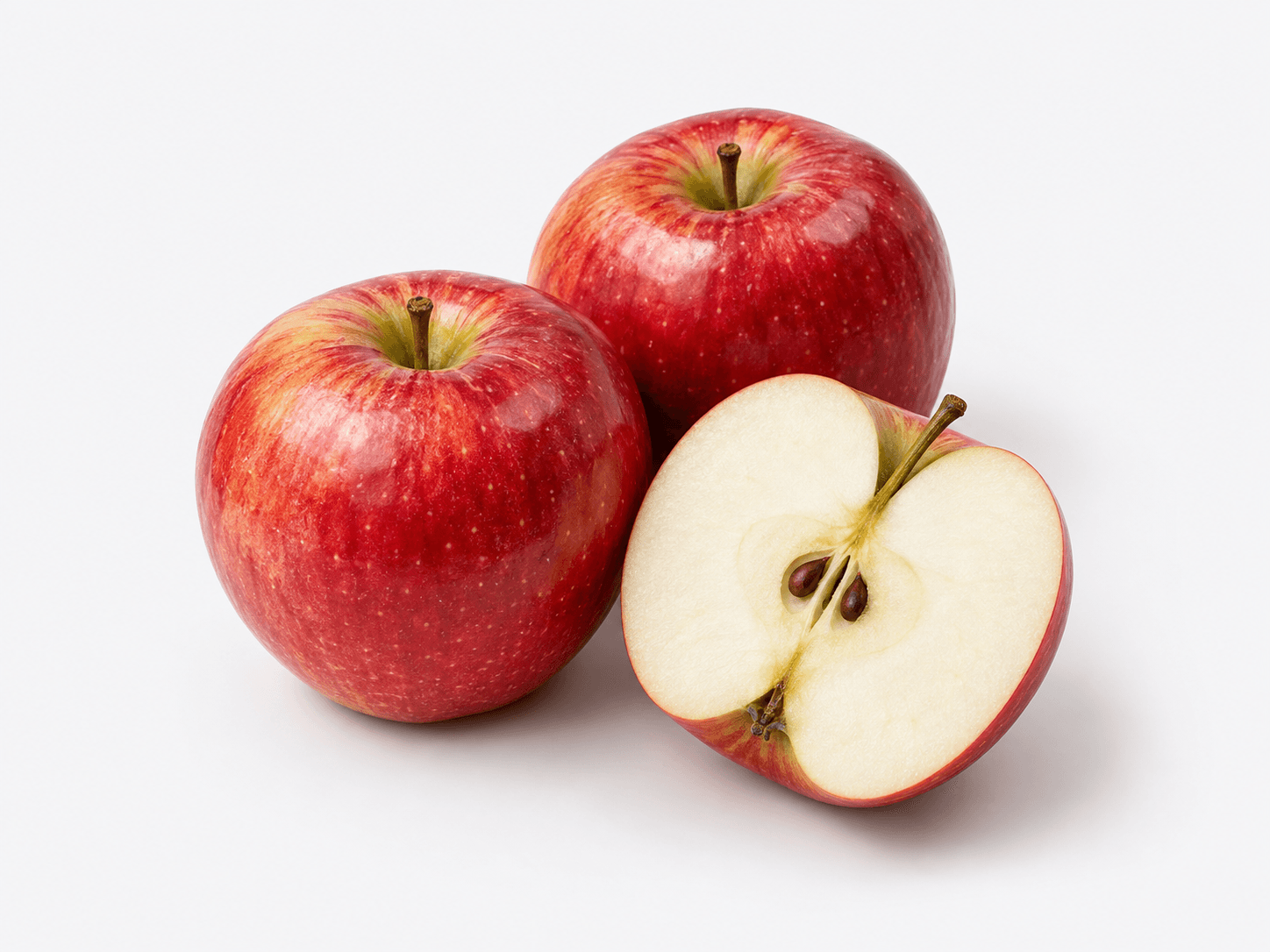
Fruits
Moderate evidenceMost of an apple's fibre and polyphenols live in the skin. Peel it and what remains is mostly sugar and water.
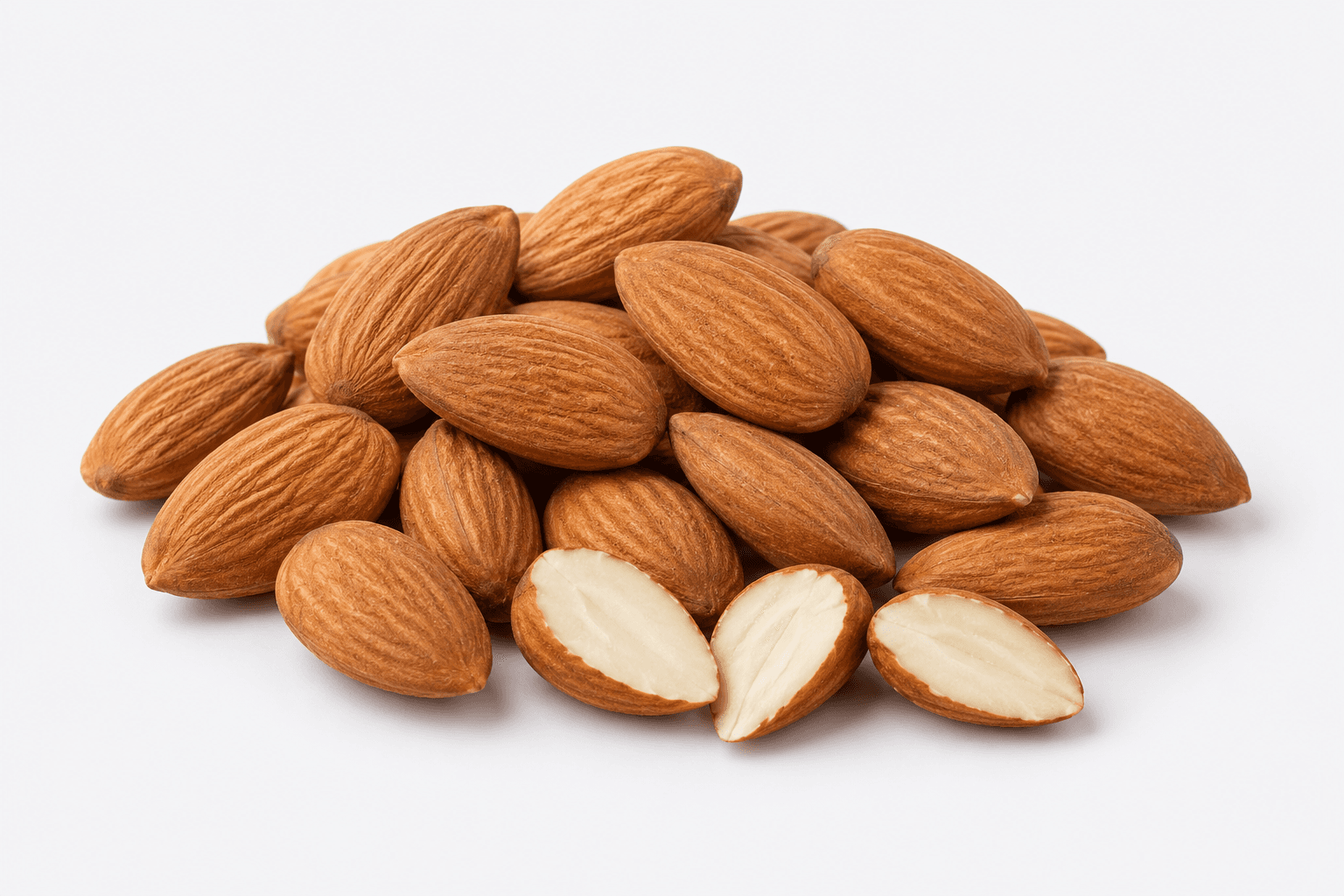
Nuts & seeds
Moderate evidenceThirty grams of almonds carries 7.7 mg of vitamin E — half the 15 mg adult daily requirement. The reason all those calories do not show up on the scale is that the fat is not fully absorbed.