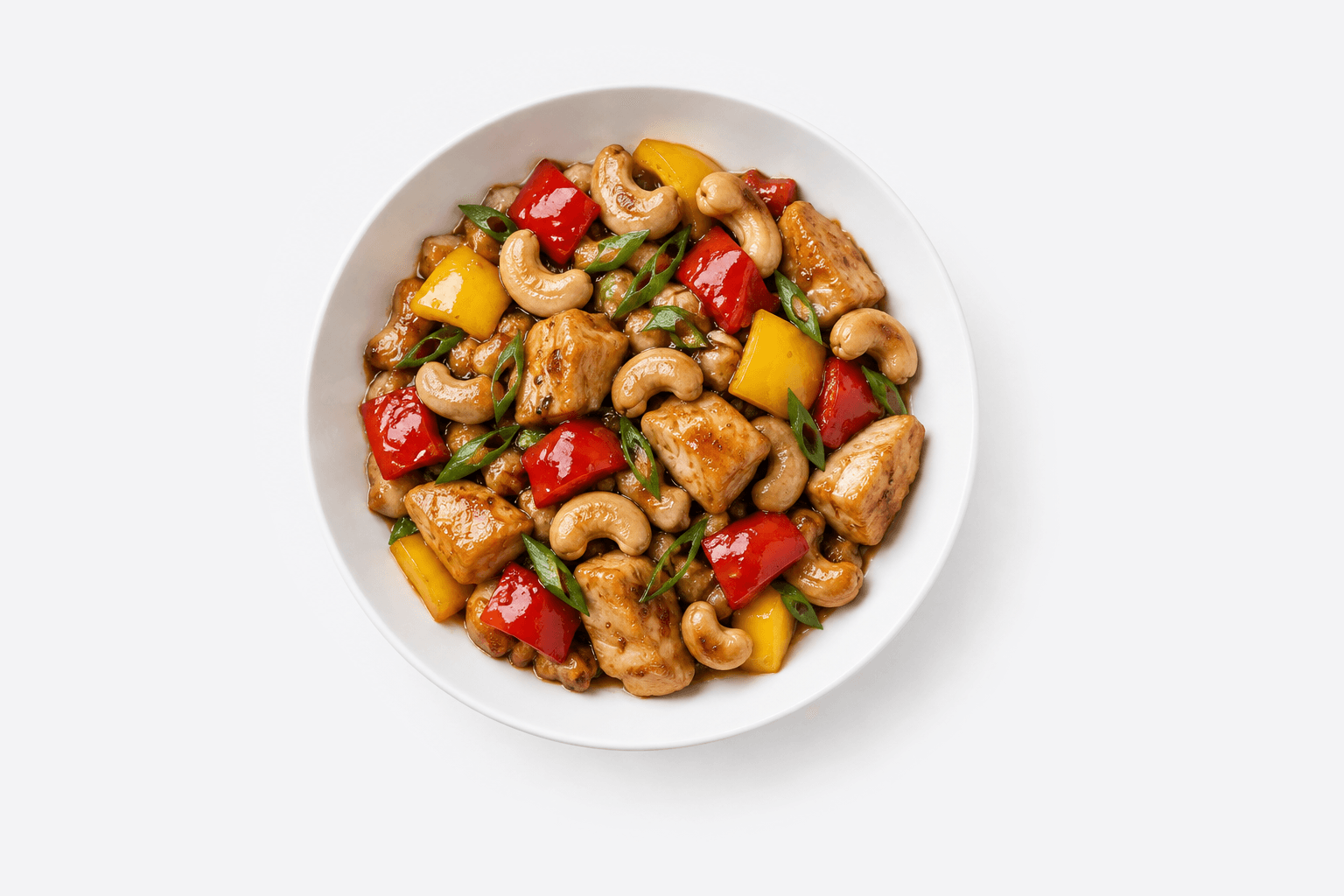
Adding the cashews last, off the heat, is the whole dish. Two reasons.
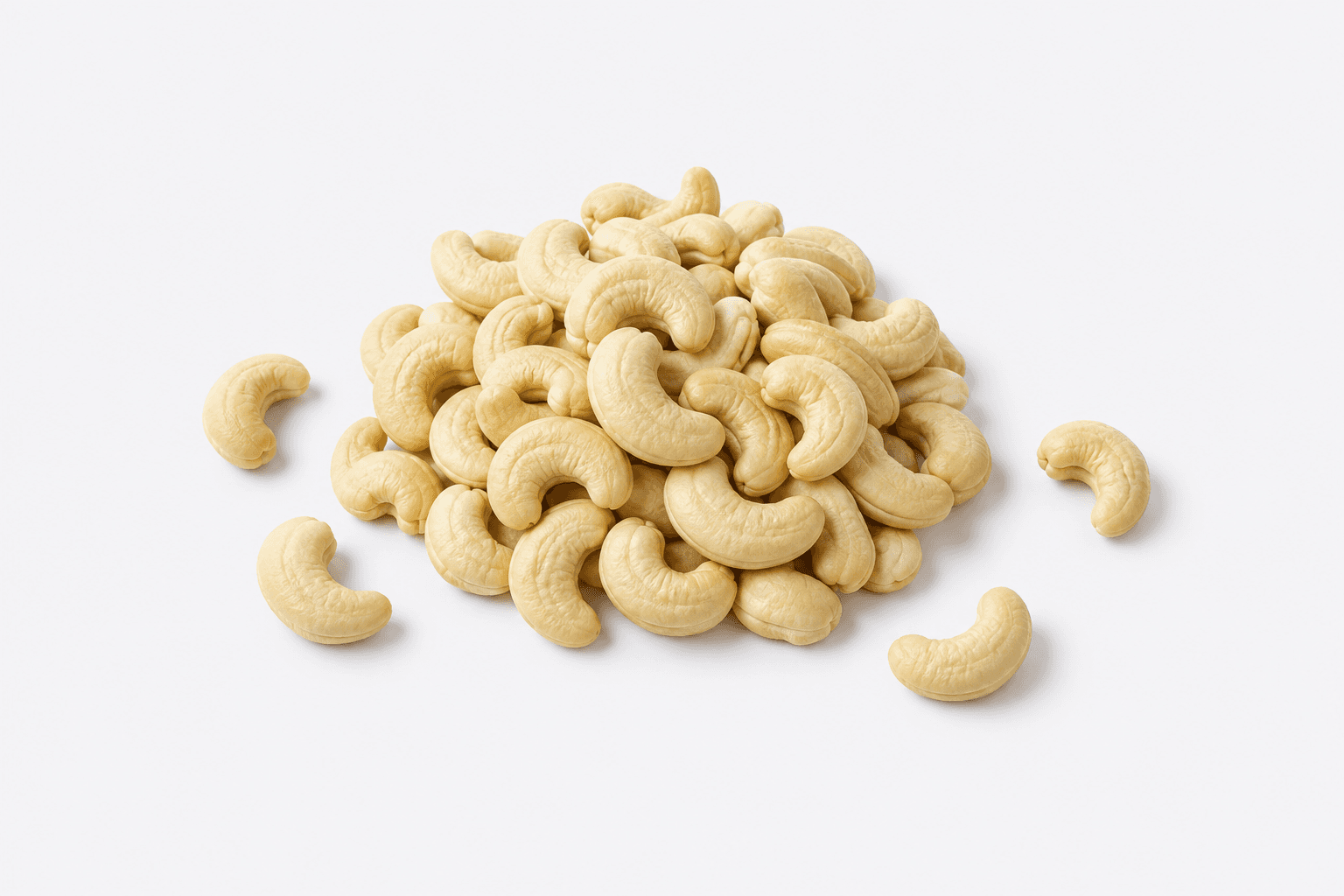
First, they go soft. Stir-fried in a pan with sauce, cashews take up moisture and lose their crunch. Their job here is textural contrast; soft, there is no reason for them to be in the pan.
Second, they burn. Cashews are 43.8% fat. In a hot pan, thirty seconds takes them past colour, and after that only bitterness remains.
That is also why the pre-toast takes no colour. Three or four minutes in a dry pan over low heat is enough to wake the aroma, no more.
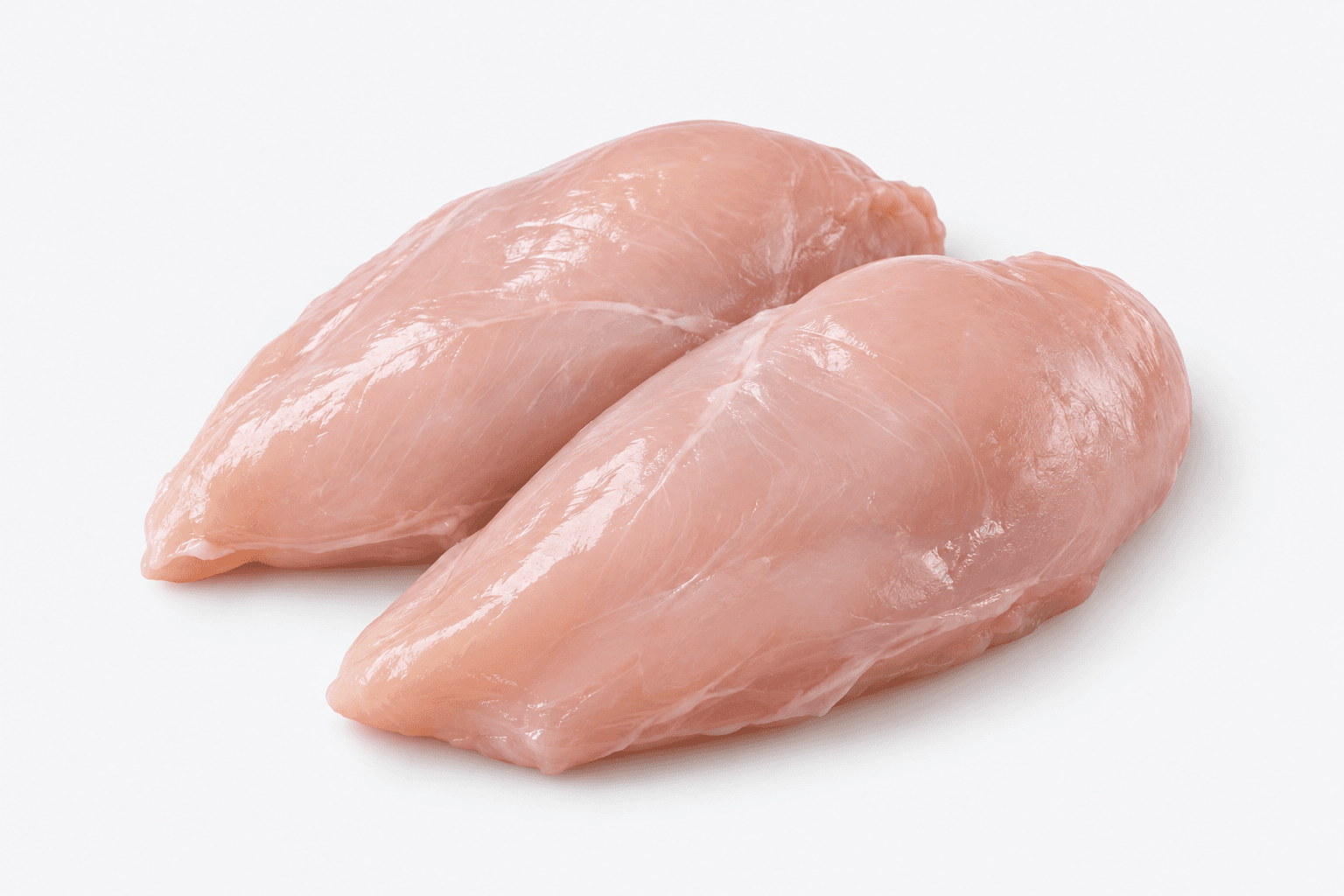
Dusting the chicken with cornflour is the Chinese technique of velveting. The starch forms a thin film that holds moisture in. For chicken breast, which is lean and dries out easily, it is close to essential.
Laying it in a single layer and leaving it 2 minutes follows the same logic. Turned often, the steam is trapped, the temperature stays down, and the meat boils instead of browning.
Pouring the soy sauce around the rim is about evaporation: hitting hot metal, it flashes and the aroma lifts. Poured into the middle it only drops the temperature and leaves saltiness.
On the numbers, 60 g of cashews across two servings is 30 g each — exactly one handful. That brings 0.66 mg of copper (73% of the requirement) and 88 mg of magnesium. The cashews alone are 166 kcal per person, so go easy on the rice.
Use unsalted cashews. Salted ones stack on top of the soy sauce and double the sodium — which rather defeats the point, given that blood pressure is where cashews have their evidence.