Home
IngredientHealth Benefits

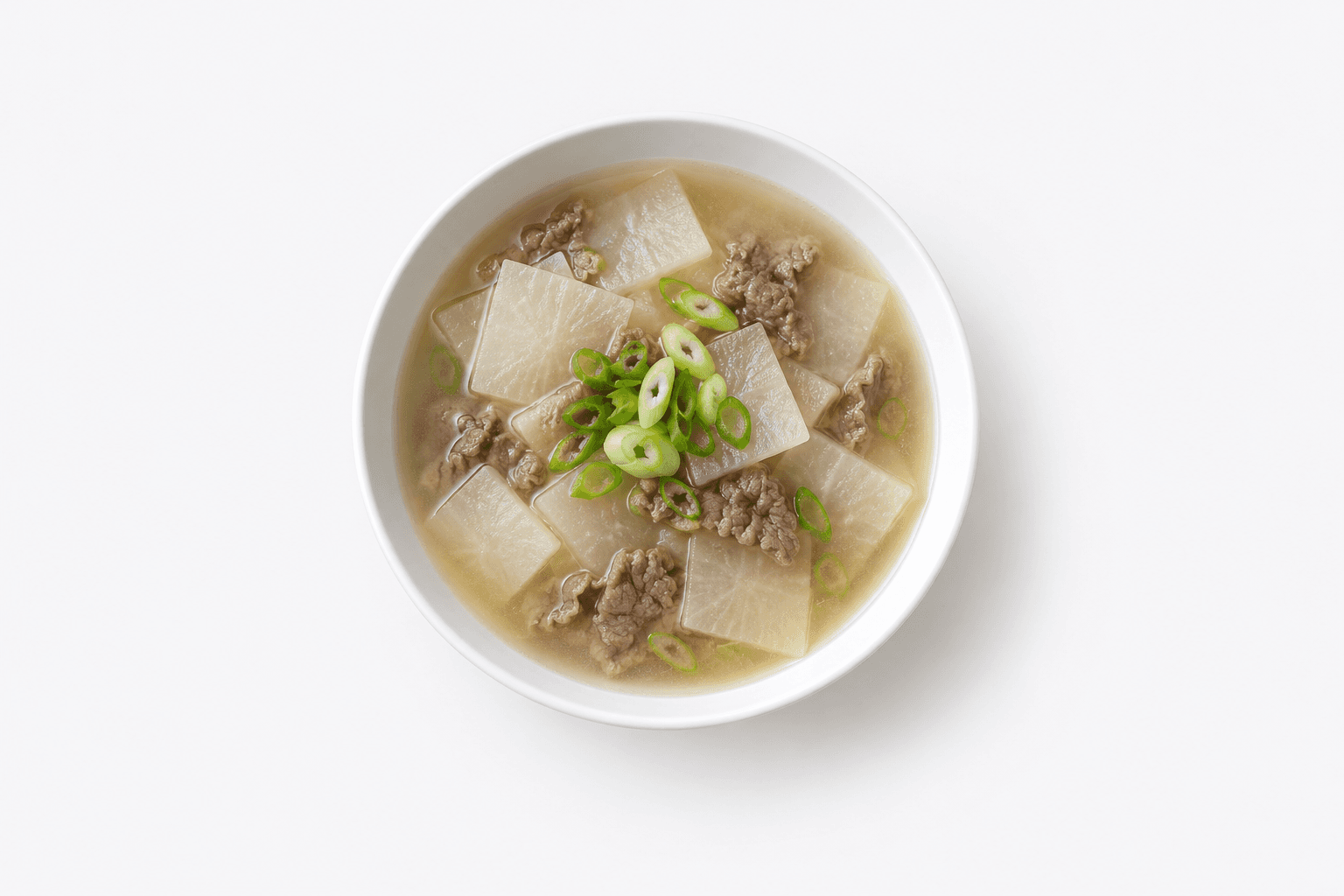
Beef and radish soup

Sauté the radish and beef in sesame oil first, and add the water only afterwards — the broth comes out a different colour.

4 servings40 min

Beef and radish soup

Ingredients

Method

  1. Take the middle section of the radish and cut it into thin 2–3 mm squares. The tail end is too pungent for soup.

  2. Cut the beef into bite-sized pieces and blot it dry with kitchen paper.

  3. Heat the sesame oil in a pot and cook the beef alone for 2 minutes, until the outside turns pale.

  4. Add the radish and cook 3–4 minutes more, until the edges go translucent. This step is where the sweetness comes from.

  5. Pour in 1.5 L of water and bring it to a hard boil. Skim the foam as it rises.

  6. Lower the heat and simmer 20 minutes, until the radish is fully translucent.

  7. Add the minced garlic and the soy sauce and simmer 5 minutes more. Adjust the seasoning here.

  8. Just before turning off the heat, add the sliced spring onion and the pepper.

Cooking note

The order of the sautéing is the whole dish. Add water first and you get a clear soup; sauté in sesame oil and then add water and the broth turns cloudy and nutty, because the fat carries what comes out of the beef and radish and disperses it through the water.

Three or four minutes of sautéing makes the radish sweet. Heat collapses the cell walls and the sugars inside move into the broth. That is why it tastes sweet without any sugar.

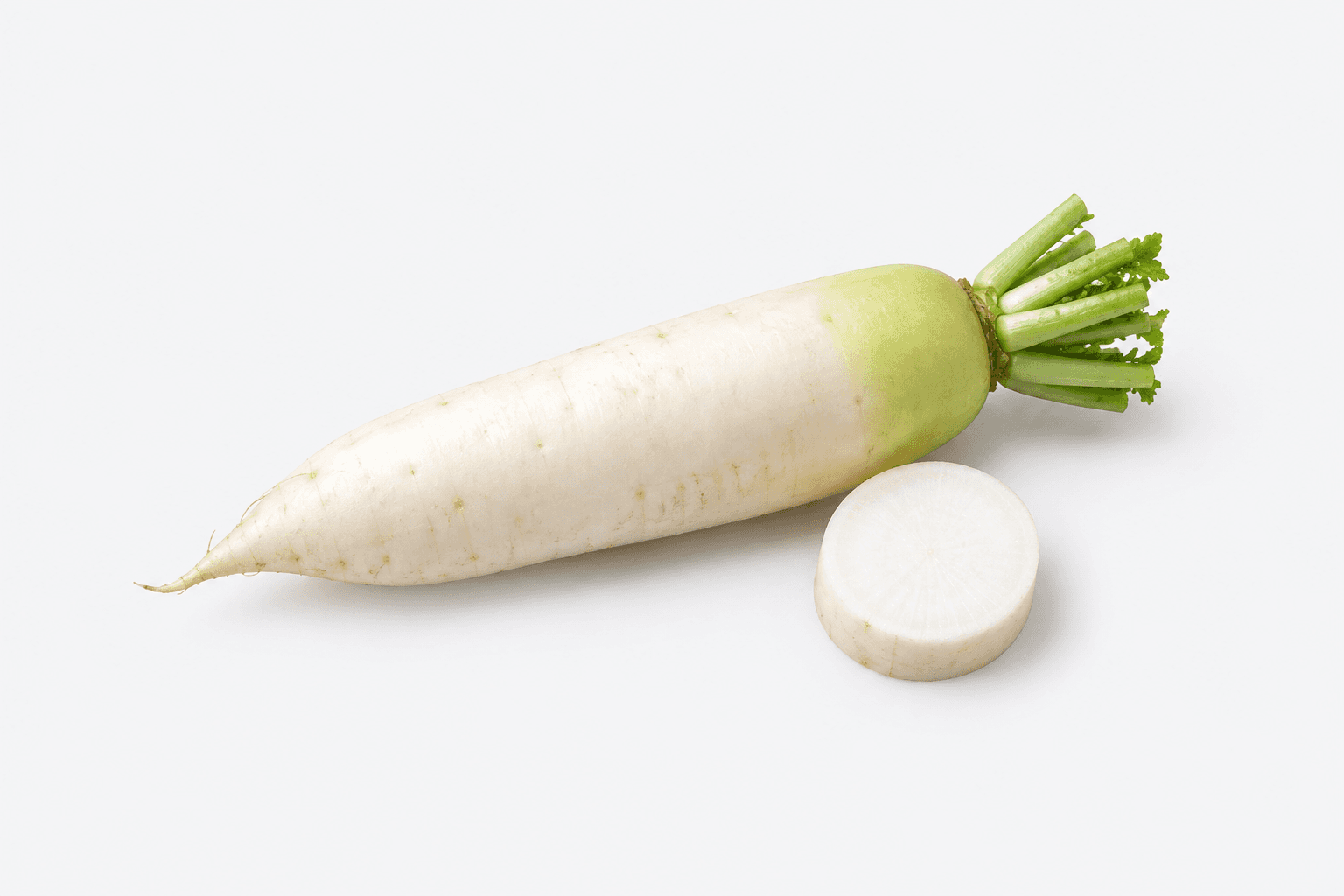
Choose the section. The radish is sweetest at the top and most pungent at the tail — the pungent compounds (isothiocyanates) concentrate at the root tip. Use the middle for soup and the top for fresh salads.

Almost no vitamin C survives this soup. Raw radish holds 22 mg per 100 g, but it is heat-sensitive and 25 minutes of simmering takes much of it. If you want the vitamin C, eat radish raw or as kimchi. This soup's value is elsewhere: 400 g of radish adds only 72 kcal.

The 1.5 tbsp of soy sauce is nearly all the sodium here. Raw radish holds just 21 mg per 100 g. Drinking all the broth raises it, so sticking mostly to the solids is one option.

Skimming is about clarity rather than taste. The foam is coagulated protein from the beef — harmless, but it muddies the broth.

Use winter radish. Frost turns its starch to sugar and makes it far sweeter.
Ingredients used here

Daikon radish

Vegetables

Moderate evidence

Daikon radish

At 18 kcal per 100 g it sits close to cucumber, with 22 mg of vitamin C. Observational data link cruciferous vegetables to lower cardiovascular disease and mortality. The old claim that it aids digestion has no established evidence behind it.

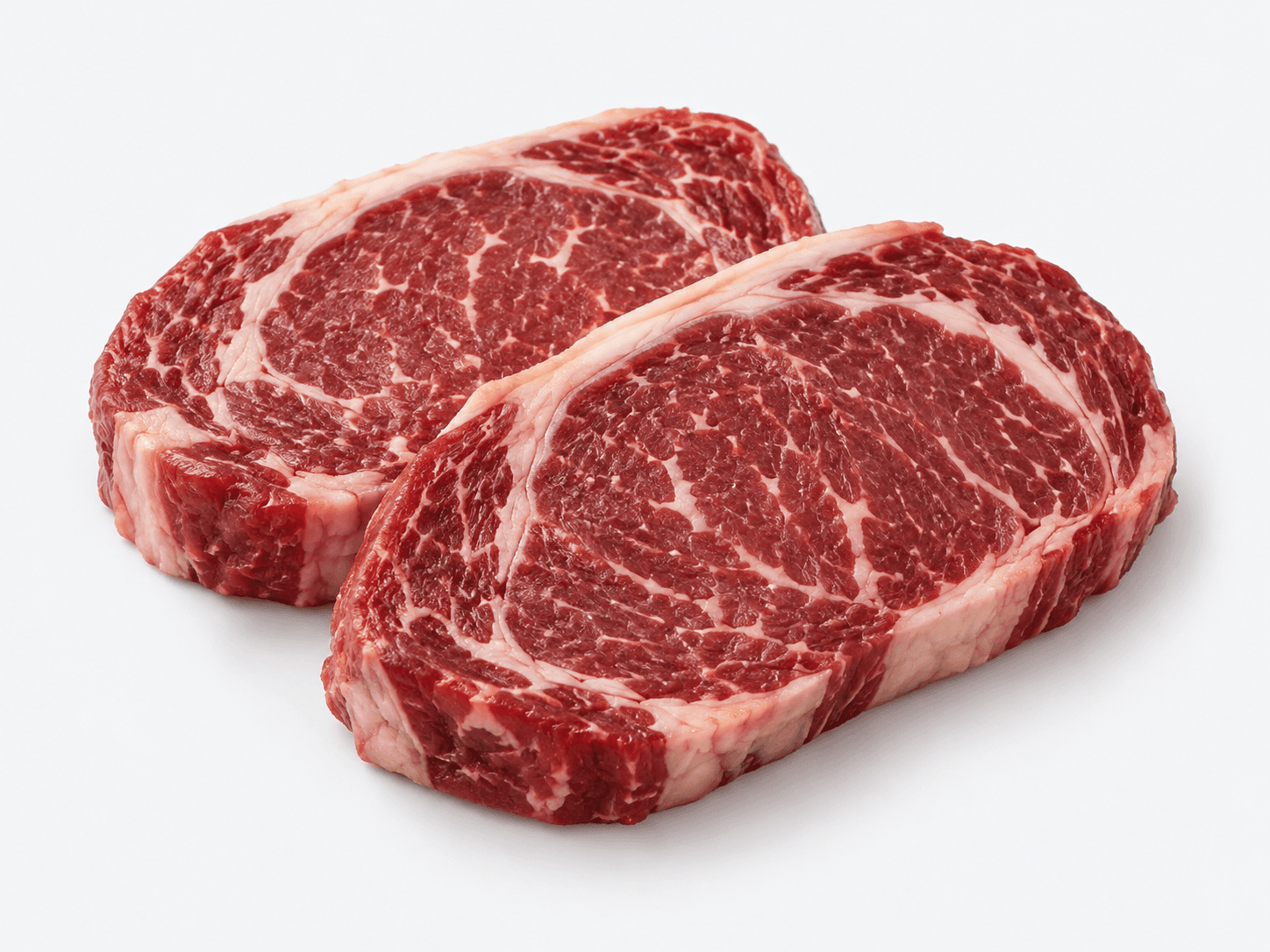
Beef

Meat

Nutrition data

Beef

Beef's heme iron absorbs at 15–35%, against 2–20% for non-heme iron from foods like spinach. The real questions are the cut and whether it is processed.

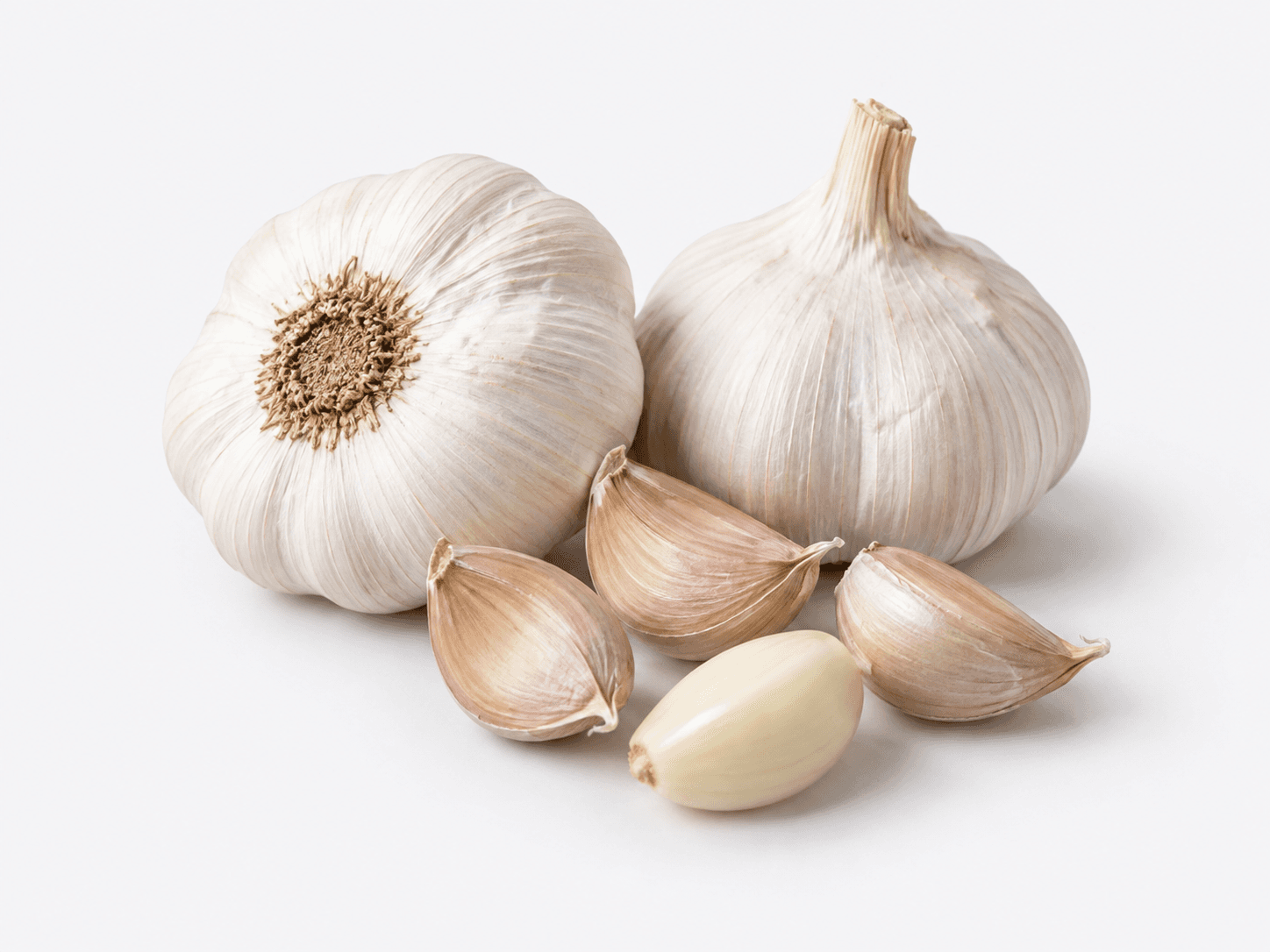
Garlic

Vegetables

Moderate evidence

Garlic

The evidence for garlic points to a modest drop in blood pressure and cholesterol. The trick is to crush it and wait ten minutes before it hits the heat.

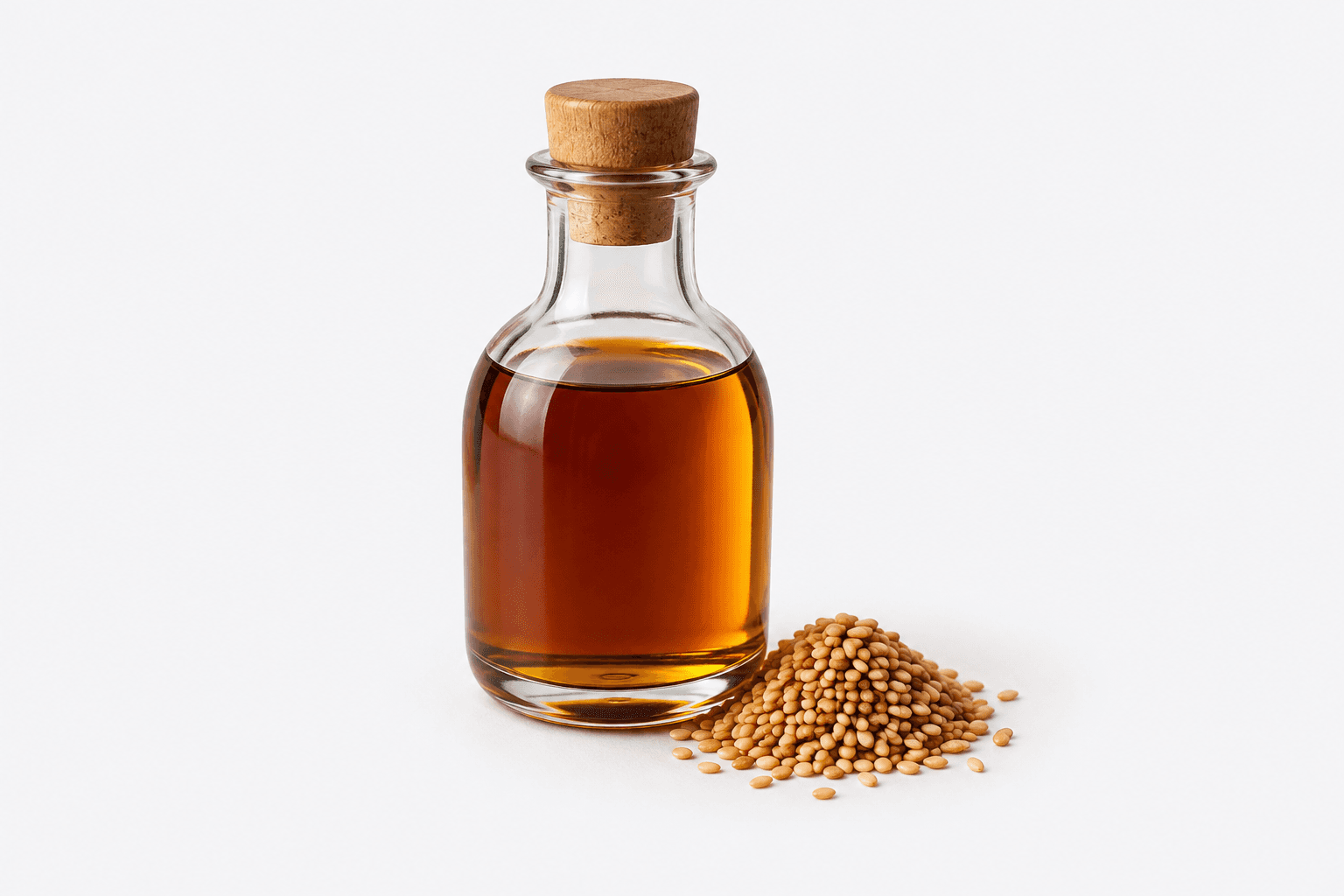
Sesame oil

Oils & fats

Nutrition data

Sesame oil

Saturated fat sits at 14.2 g, mid-range for a vegetable oil, and vitamin E at 1.4 mg is a tenth of olive oil's. Sesame oil earns its place on flavour.

More recipes

Send feedback