Recipes
Dishes built from the ingredients covered here, written around cooking that preserves nutrients.
104 recipes
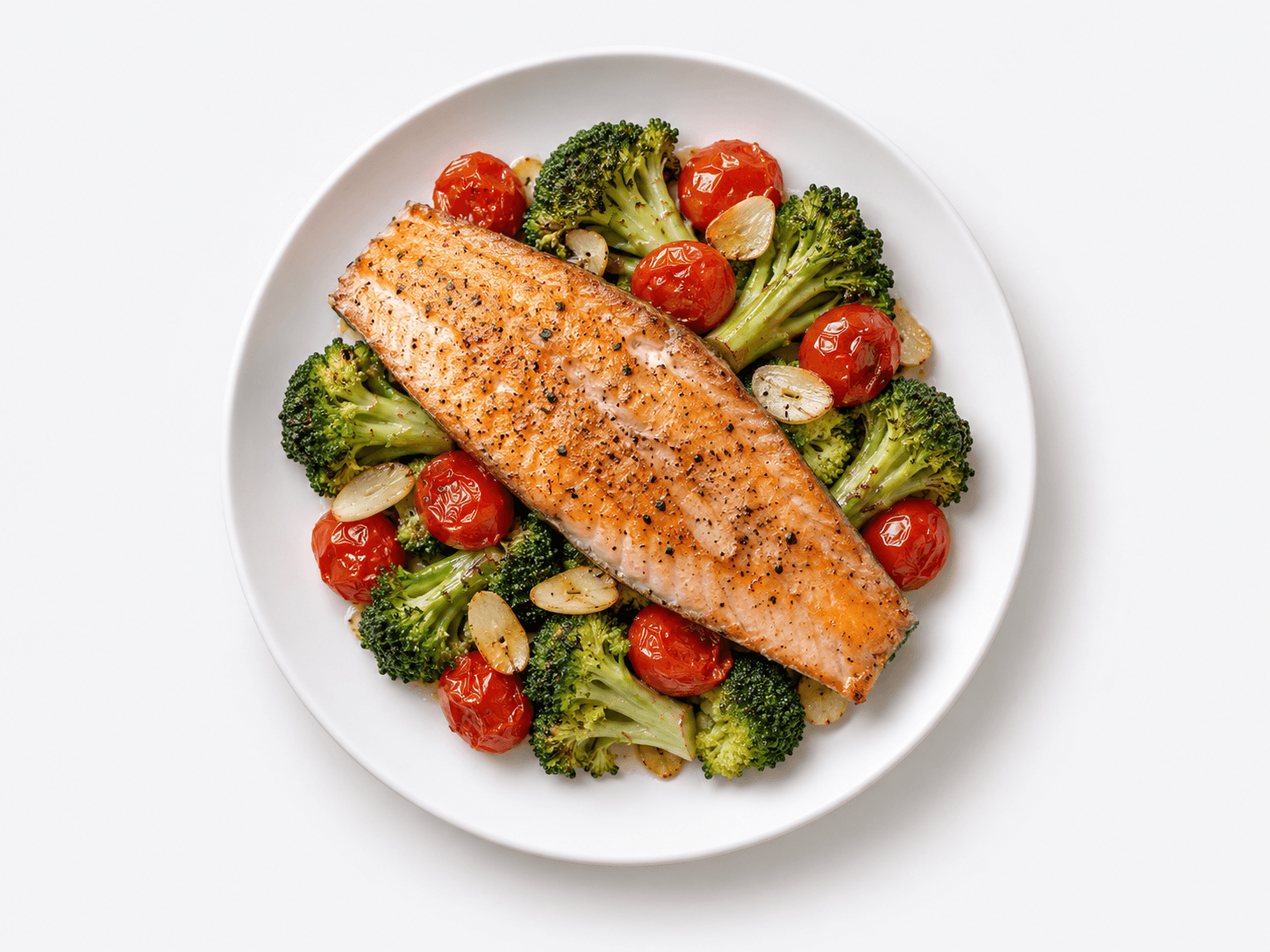
25 min · 2 servings
Baked trout with broccoli
There is a reason for 180 °C. Both the omega-3 and the sulforaphane break down first under high heat.
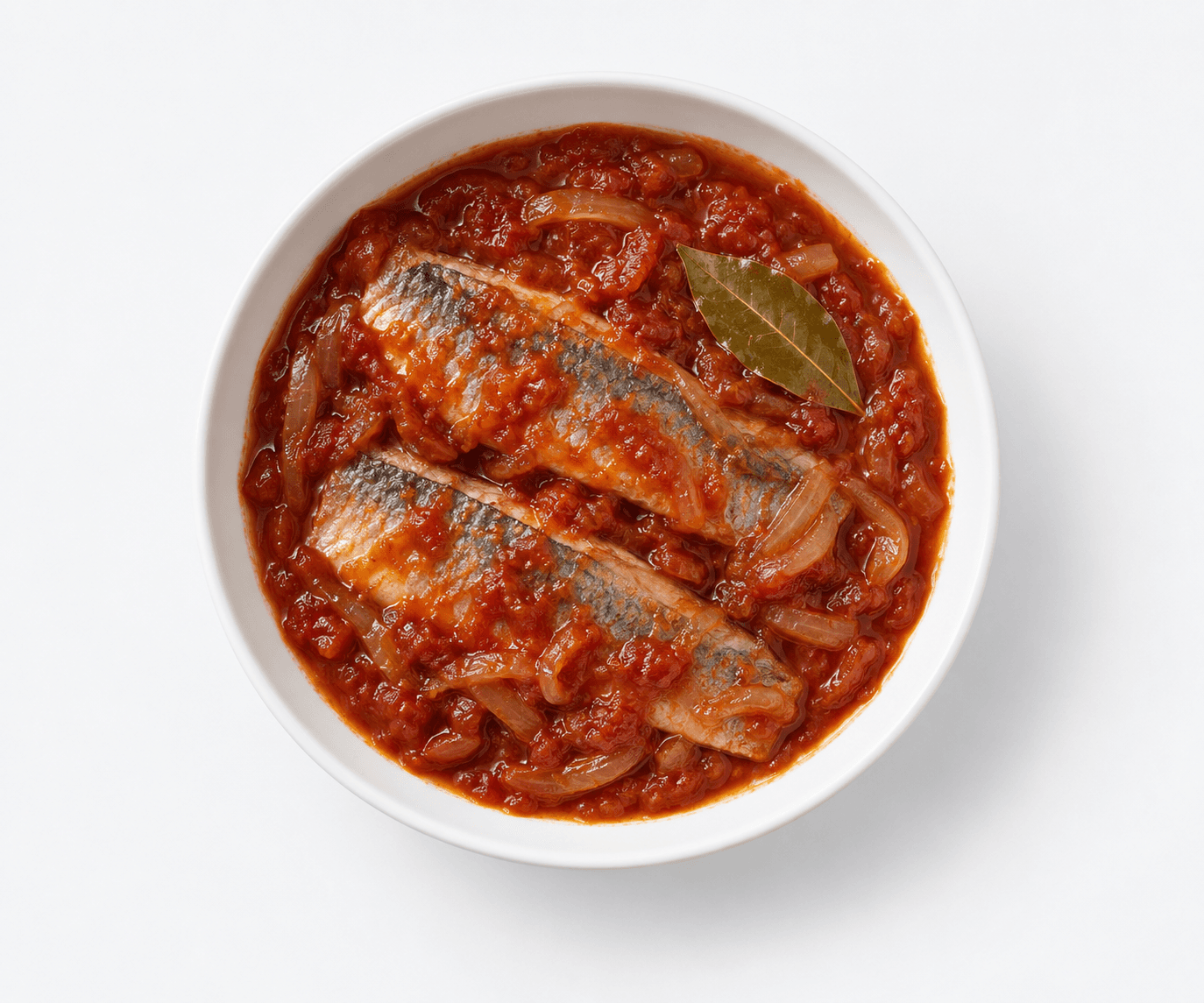
30 min · 2 servings
Herring braised in tomato
The fish goes in last and cooks briefly over low heat. Long simmering costs you some of that 1.57 g of omega-3.
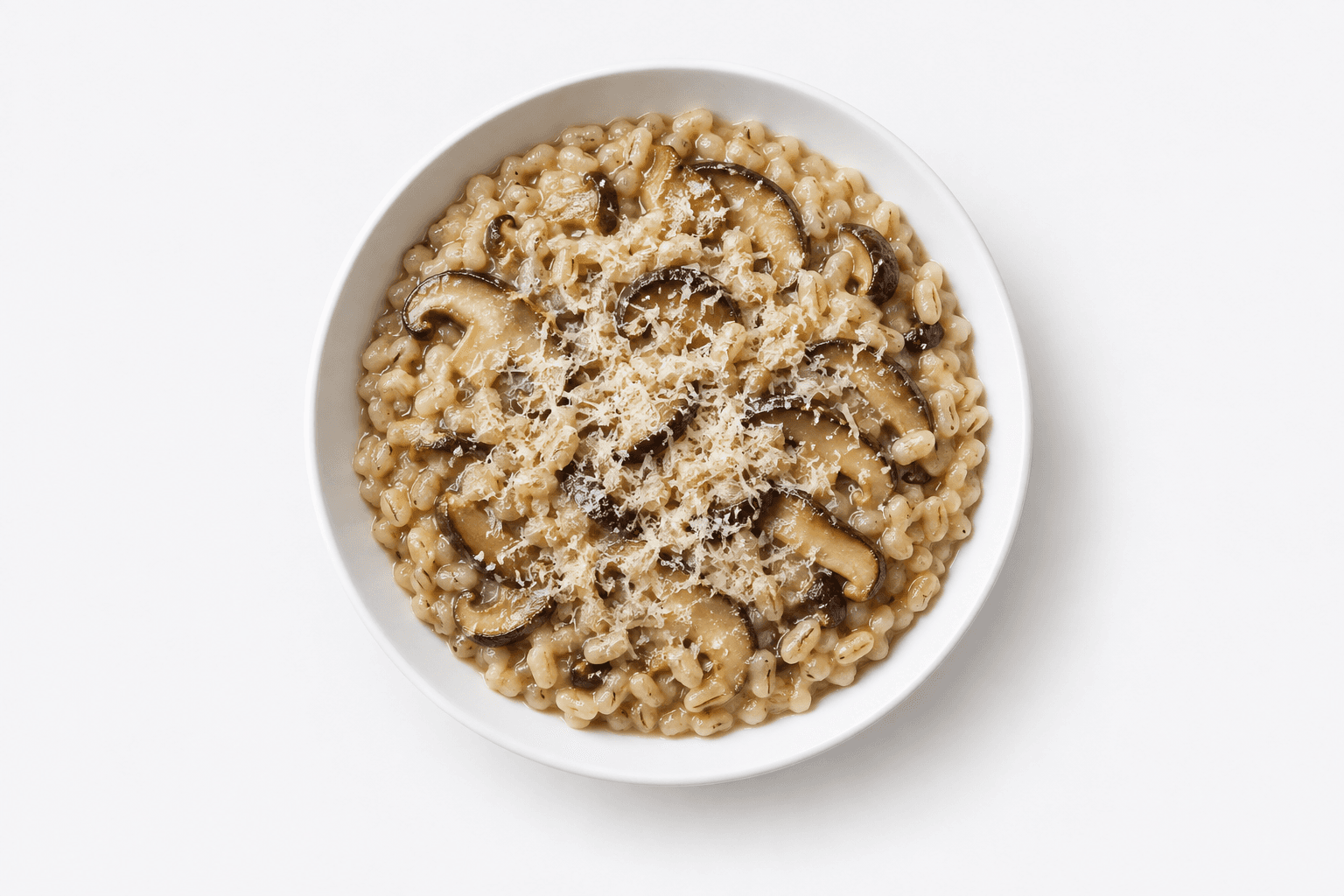
45 min · 2 servings
Barley and mushroom risotto
Risotto made with barley instead of rice. The beta-glucan dissolves as you stir, thickening the pan without any cream.
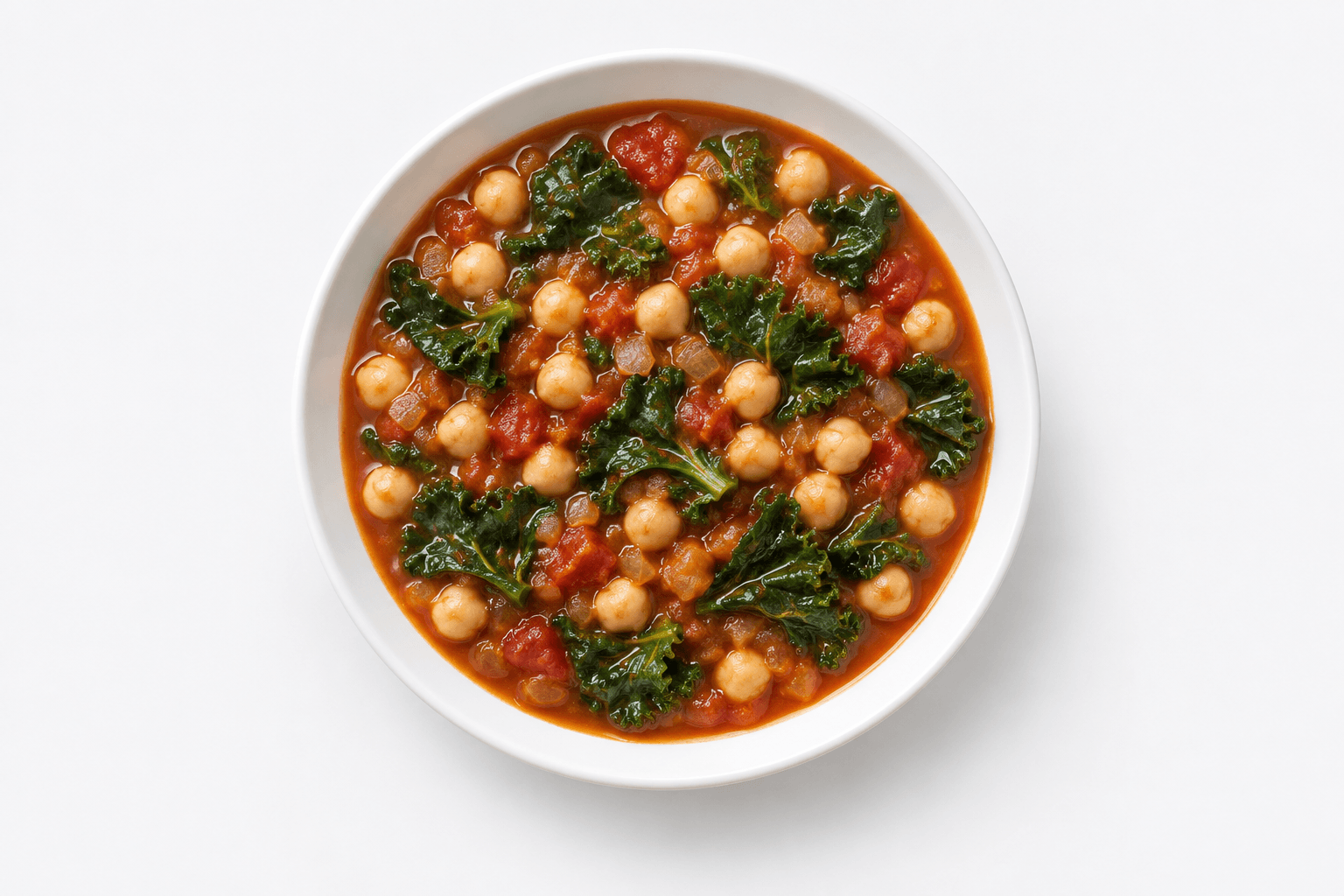
30 min · 3 servings
Chickpea and kale stew
Tomato's vitamin C lifts the non-haem iron out of the chickpeas. The kale goes in for the last three minutes so its own vitamin C survives.
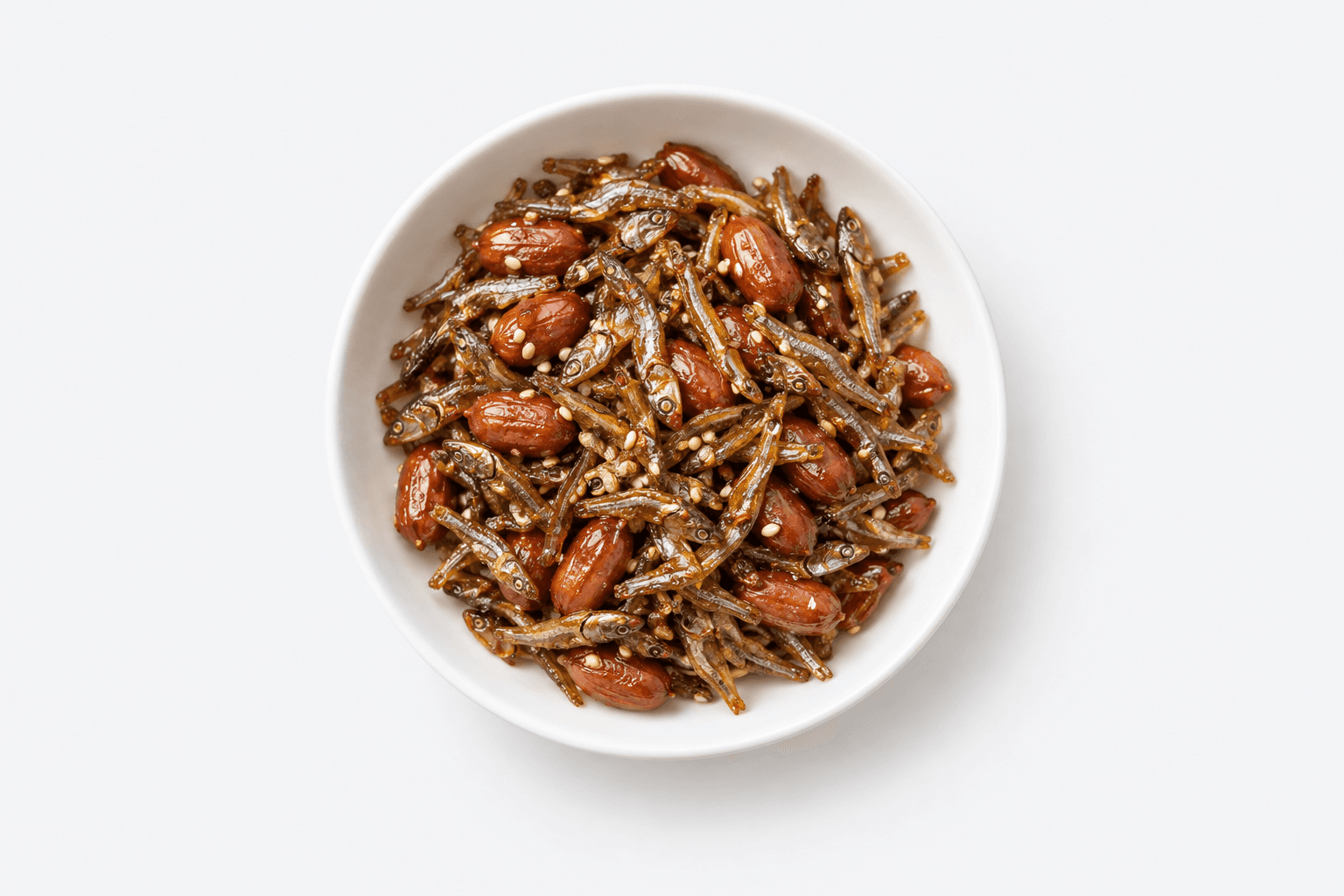
15 min · 4 servings
Anchovy and peanut stir-fry
Less sugar and syrup, with peanuts carrying the flavour instead. Eating the fish whole is what keeps the calcium.
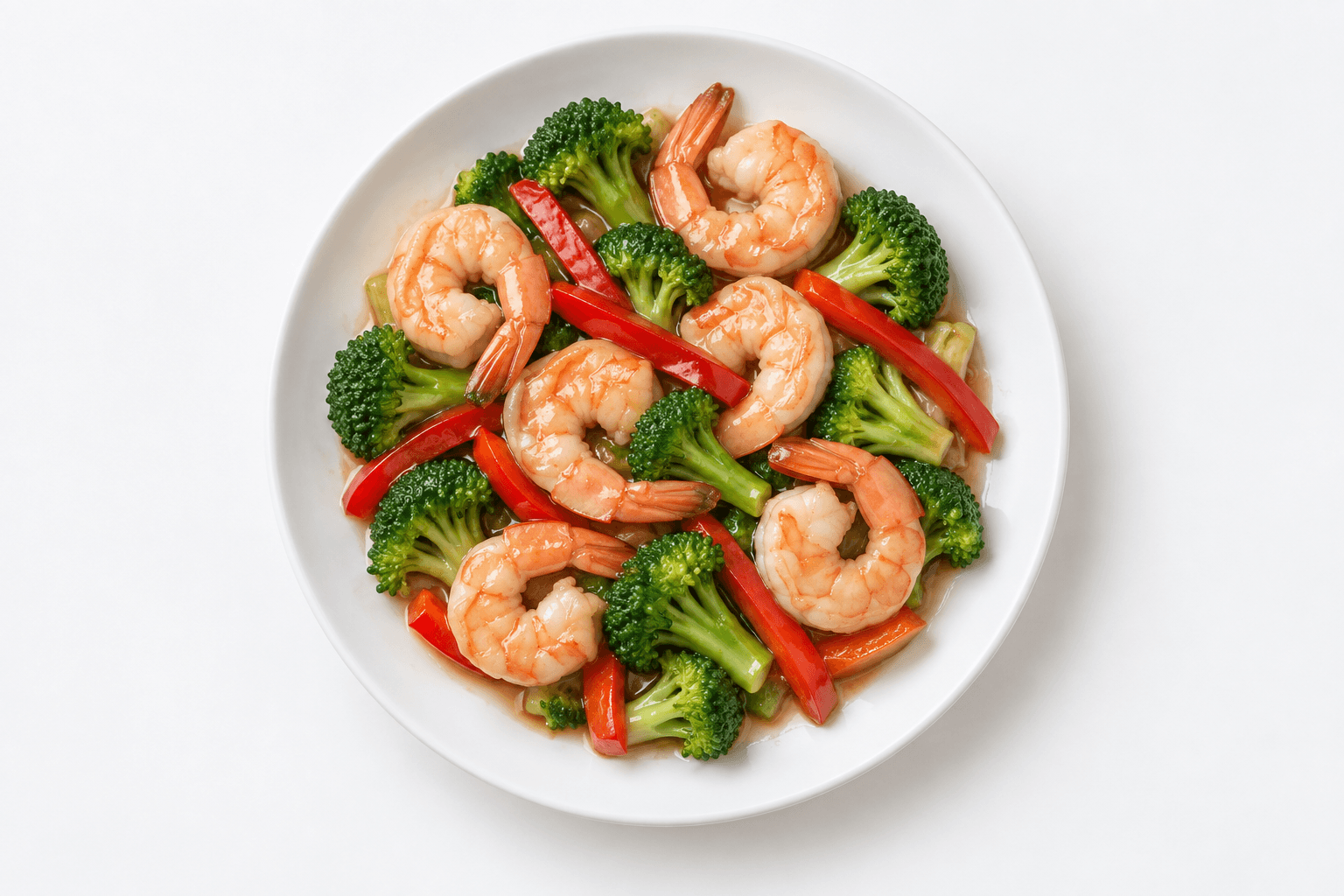
20 min · 2 servings
Shrimp and broccoli stir-fry
Pull the shrimp when they curl into a 'C'. By the time they make an 'O' they have already gone rubbery. Blanch the broccoli 30 seconds.
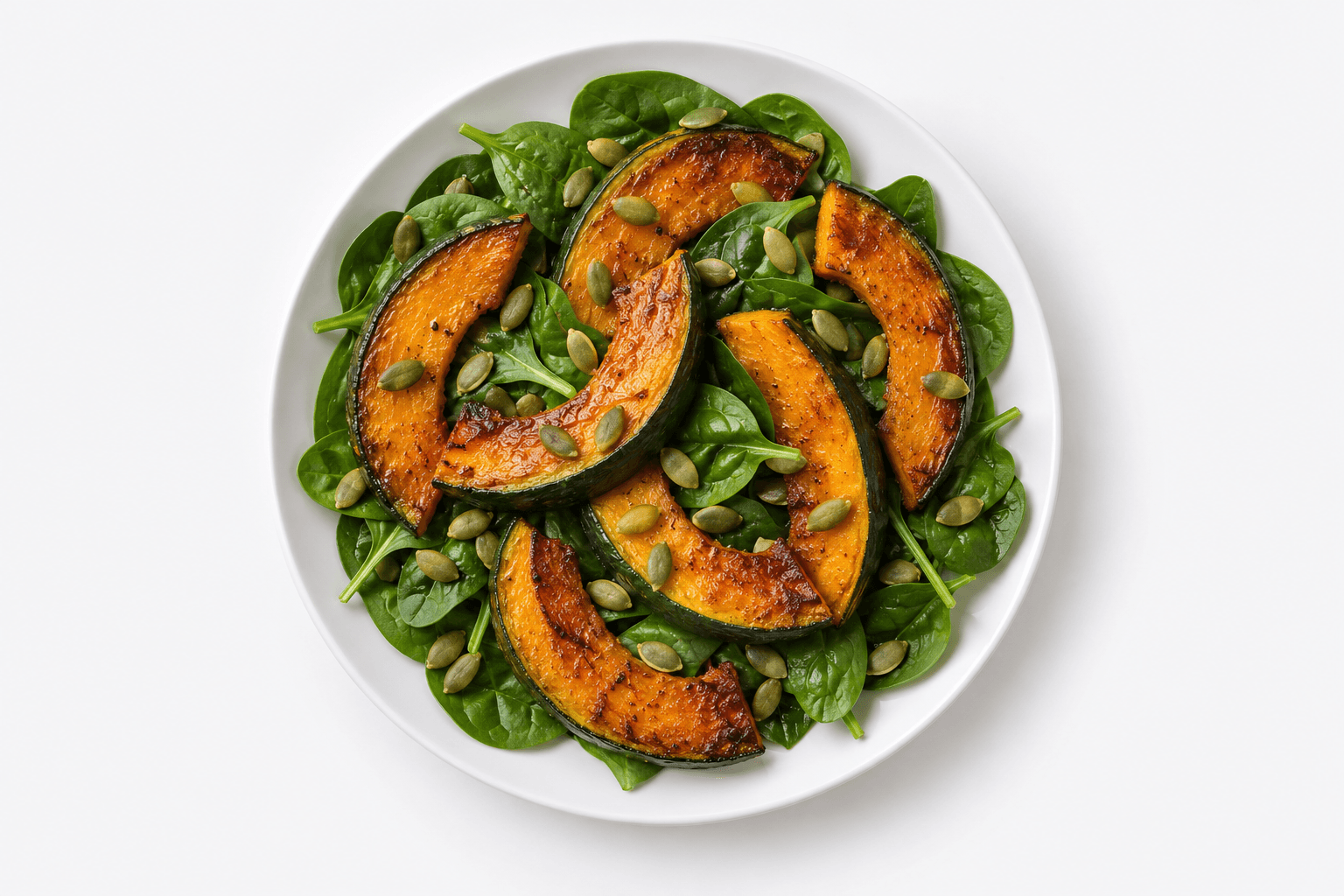
40 min · 2 servings
Roasted pumpkin salad
Beta-carotene is fat-soluble and will not absorb without oil. Roasting in olive oil is not about flavour here — it is about absorption.
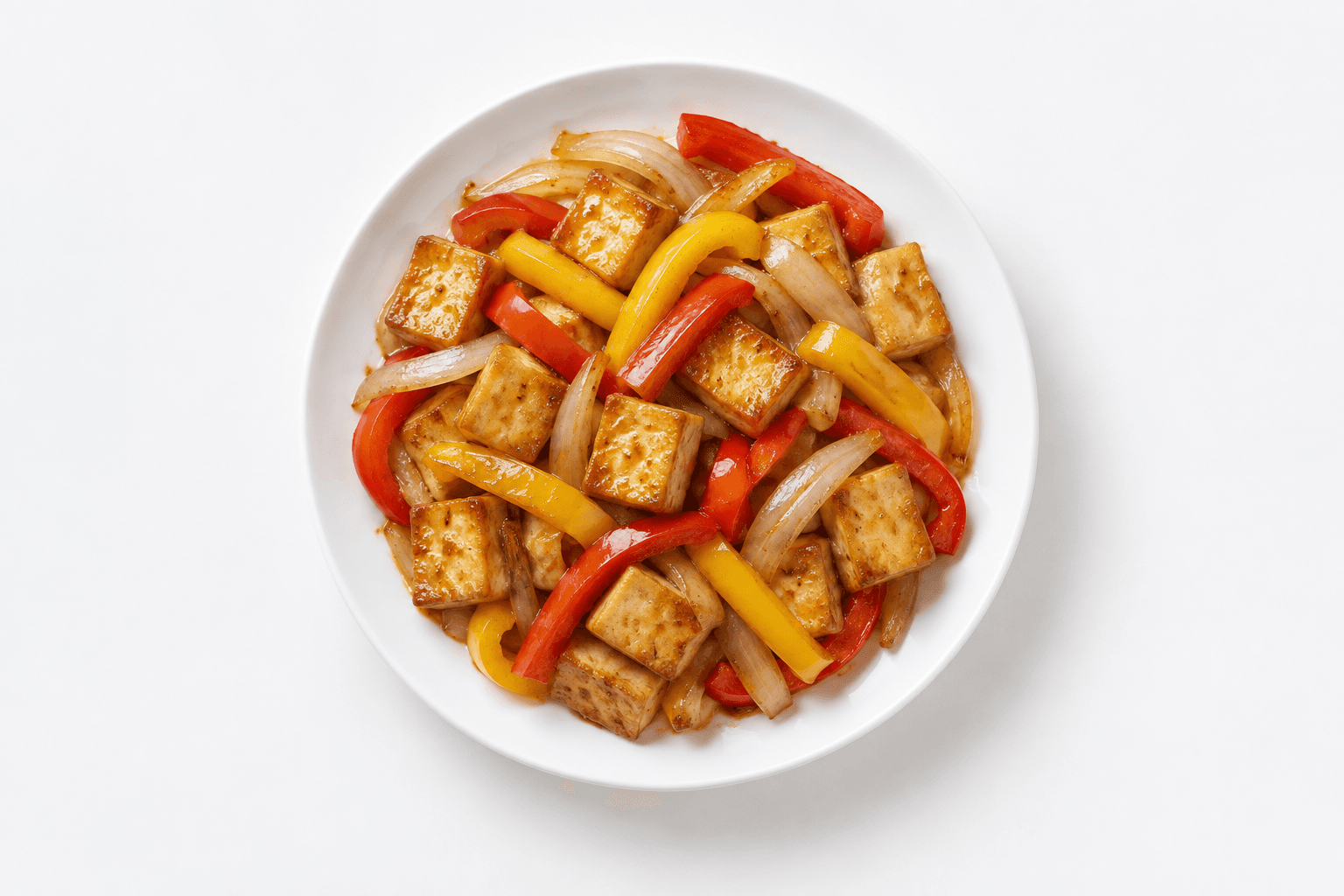
20 min · 2 servings
Bell pepper and tofu stir-fry
The peppers go in for the last minute. Vitamin C is heat-sensitive — and it is that vitamin C which lifts the iron out of the tofu.
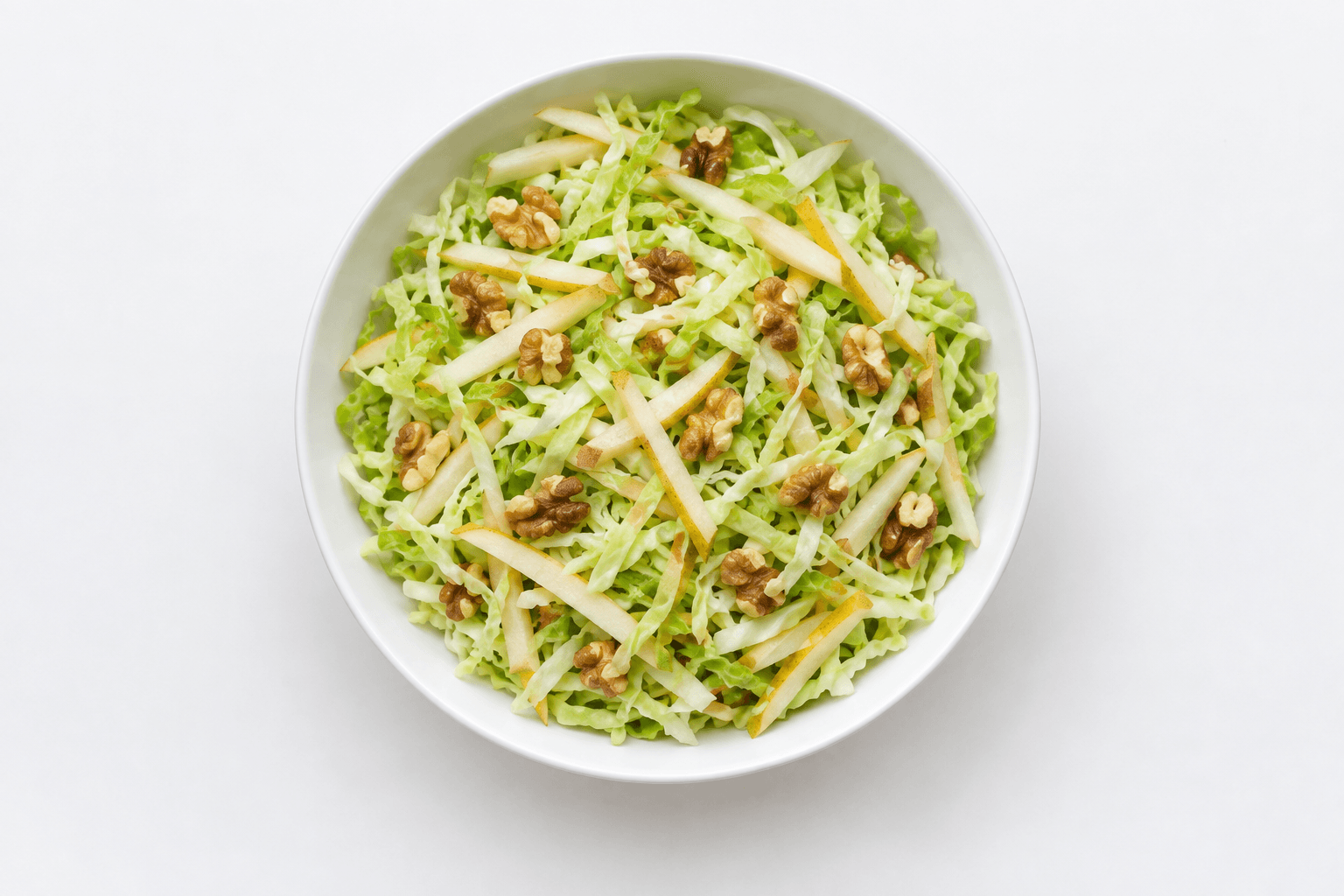
15 min · 2 servings
Pear and cabbage salad
A salad that gets its sweetness without sugar. Slice the pear with the skin on and the fibre stays.
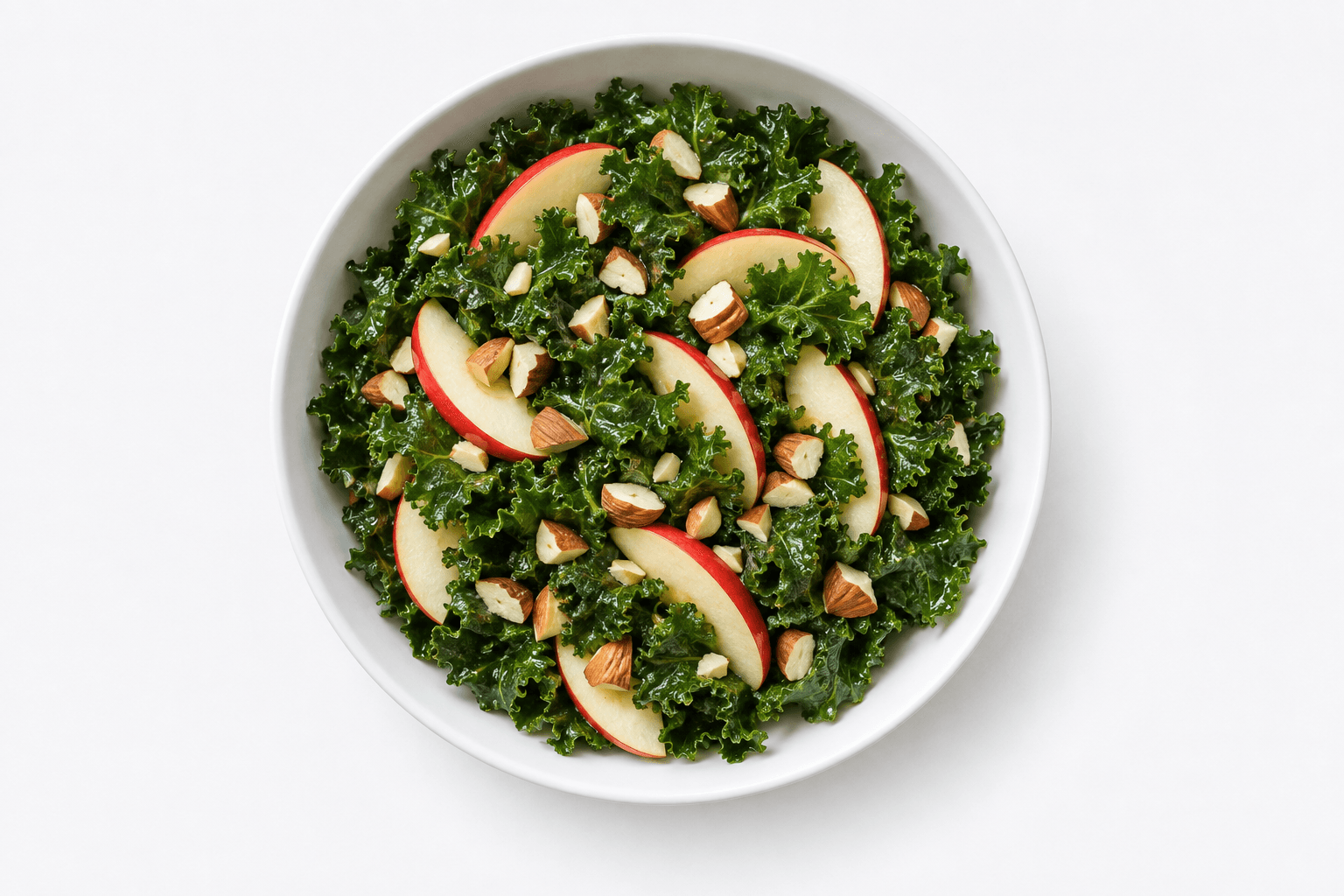
15 min · 2 servings
Kale and apple salad
Raw kale needs massaging by hand to soften. Oiling the leaves first is not about flavour — it is about carotenoid absorption.
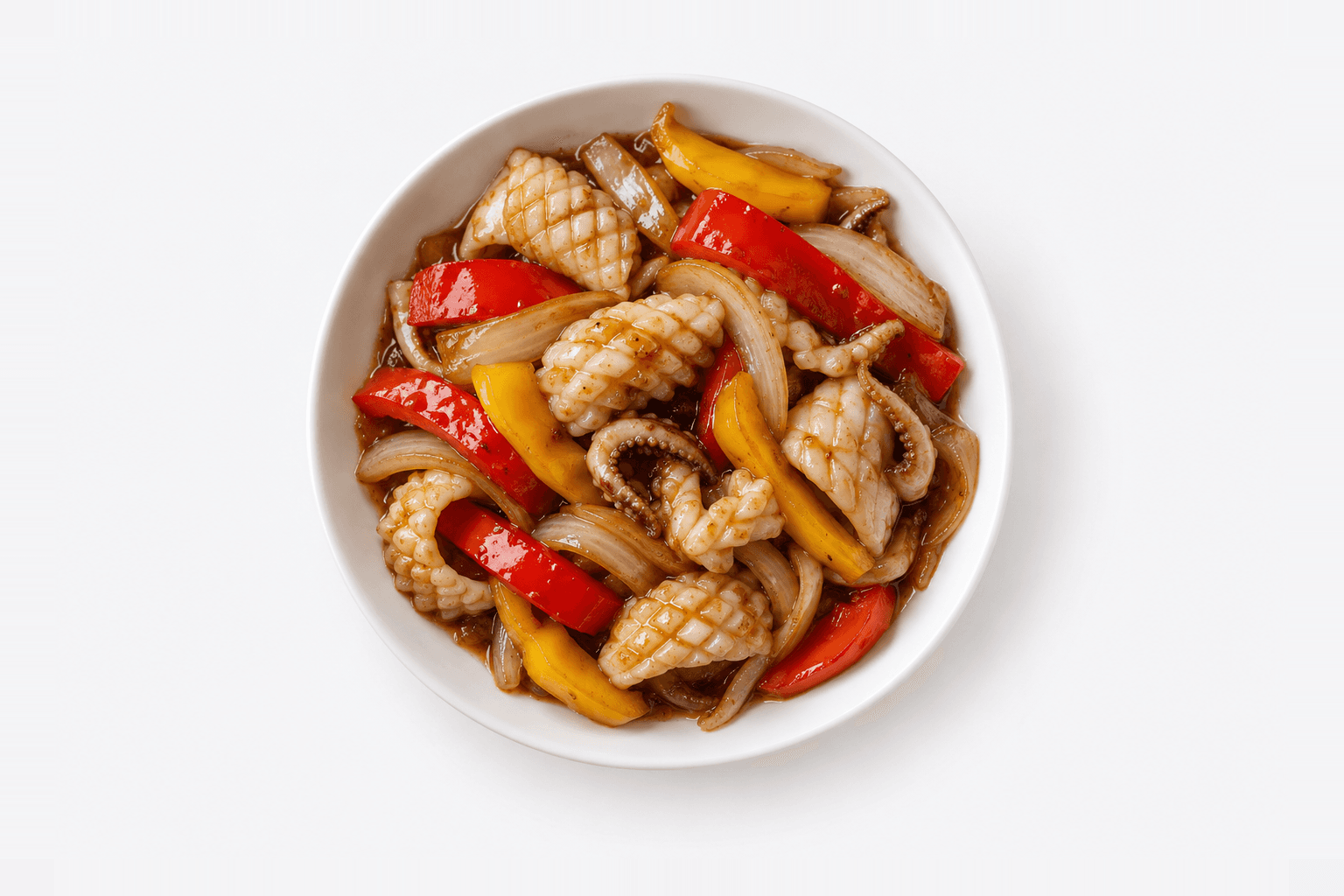
20 min · 2 servings
Squid and bell pepper stir-fry
Squid has to come out within two minutes. Past that it turns rubbery, and getting it tender again takes another half hour.
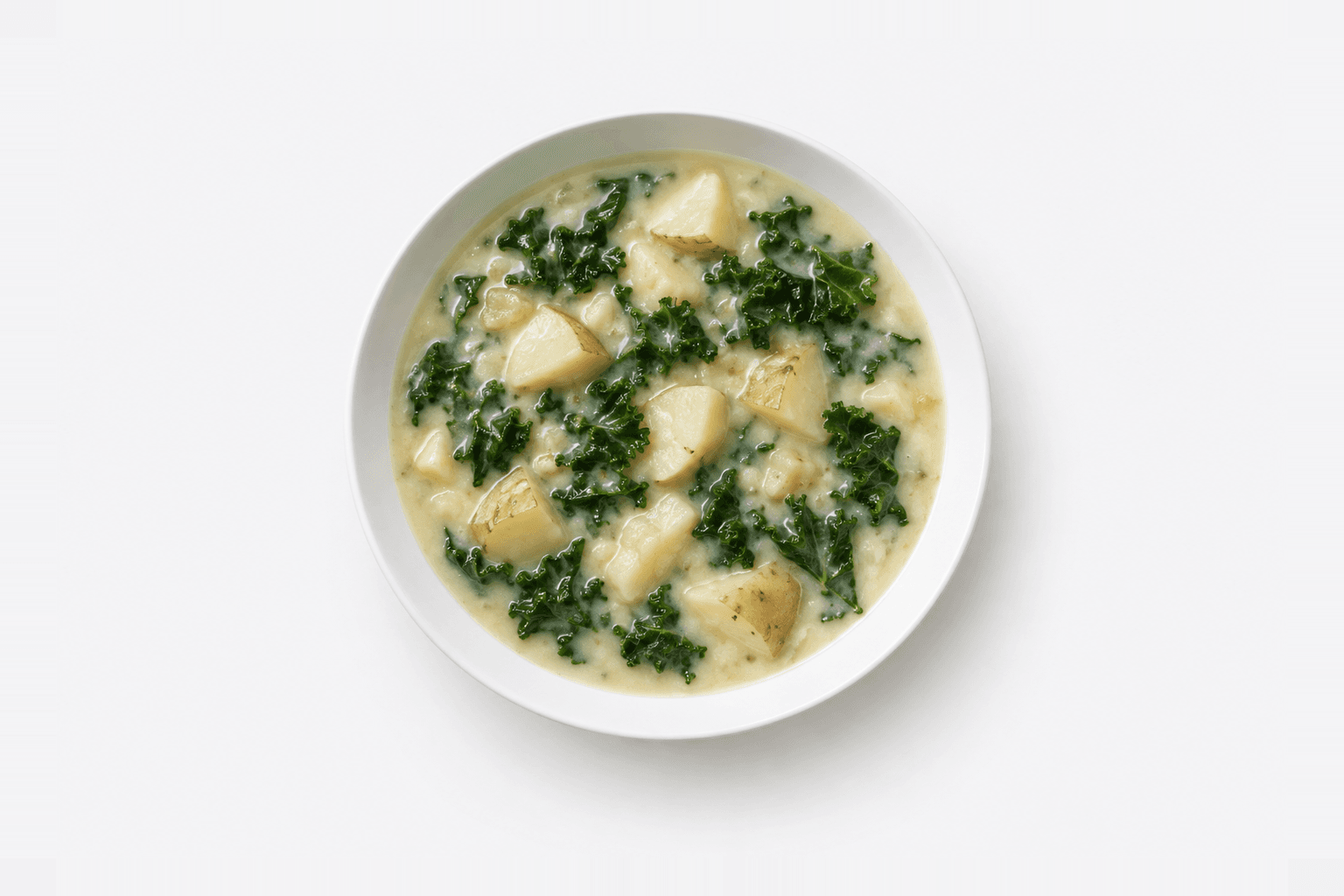
35 min · 3 servings
Potato and kale soup
Potatoes go in with their skins and the broth gets eaten. Potassium leaches into the water — but if you do not pour the water away, nothing is lost.