Recipes
Dishes built from the ingredients covered here, written around cooking that preserves nutrients.
47 recipes
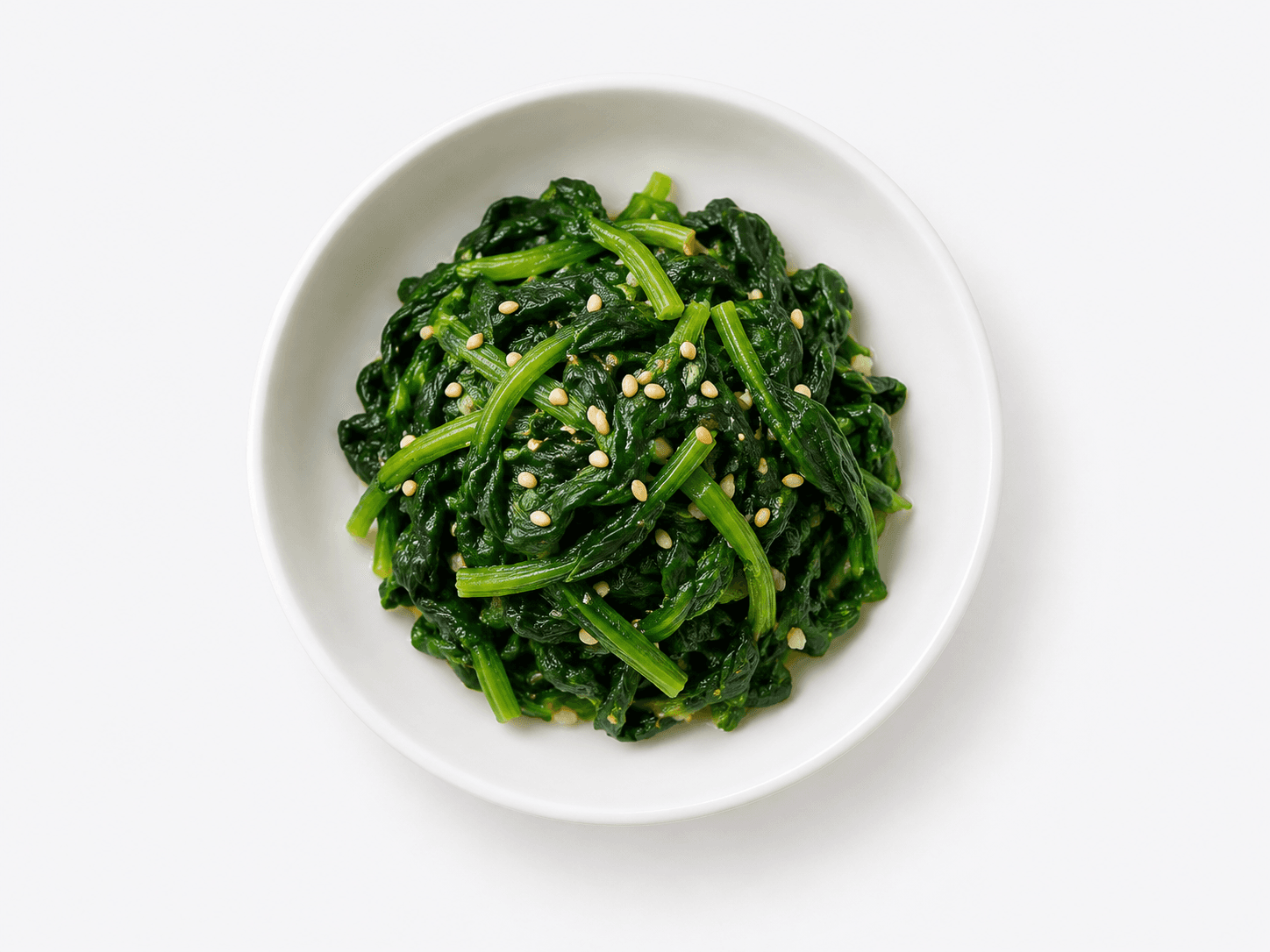
10 min · 2 servings
Korean spinach namul
Discarding the blanching water is the point. It carries off oxalate, which otherwise binds iron and calcium.
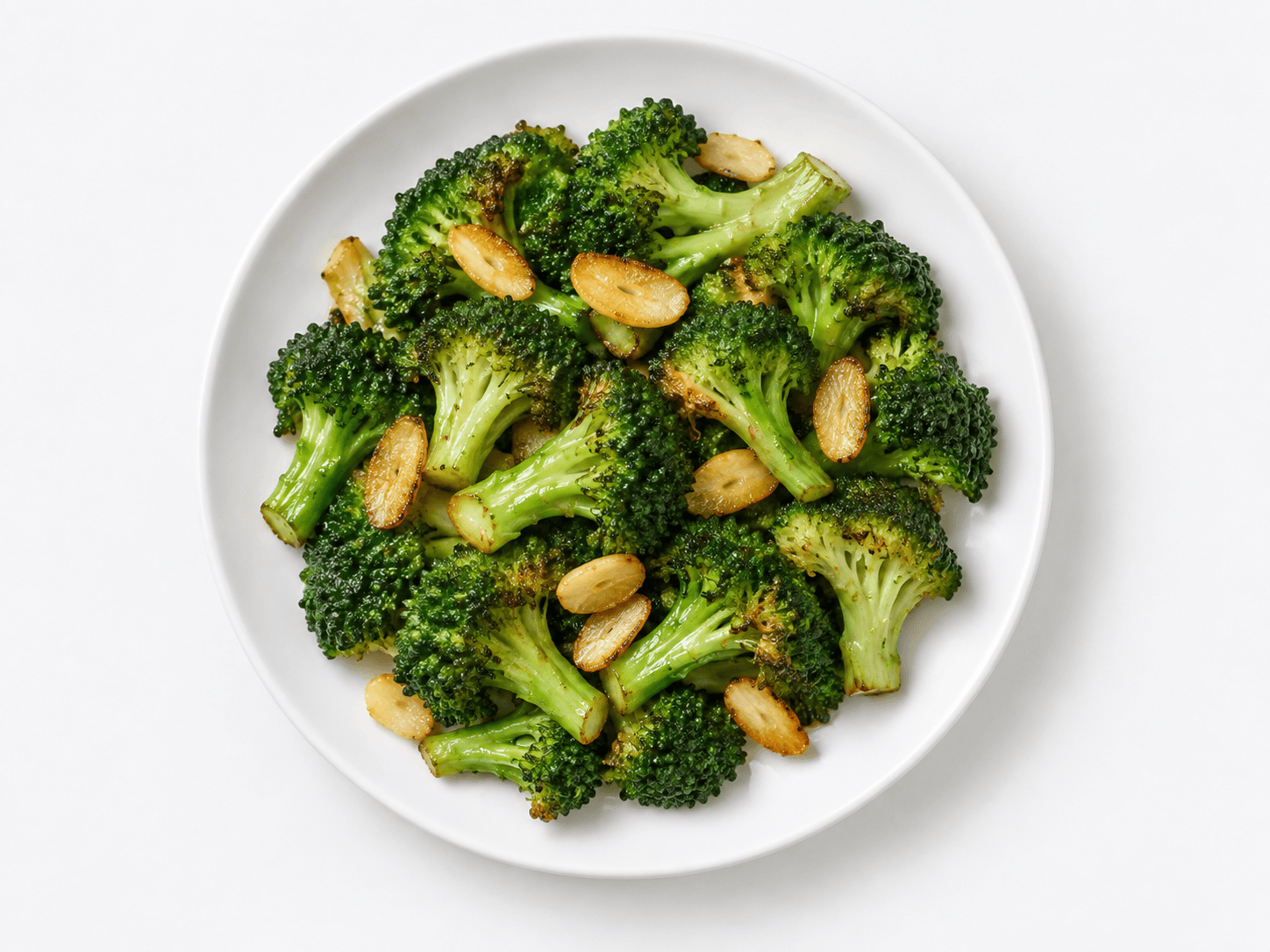
15 min · 2 servings
Broccoli stir-fried with garlic
The enzyme that makes sulforaphane is destroyed by heat. Cooking it only lightly is what preserves the compound.
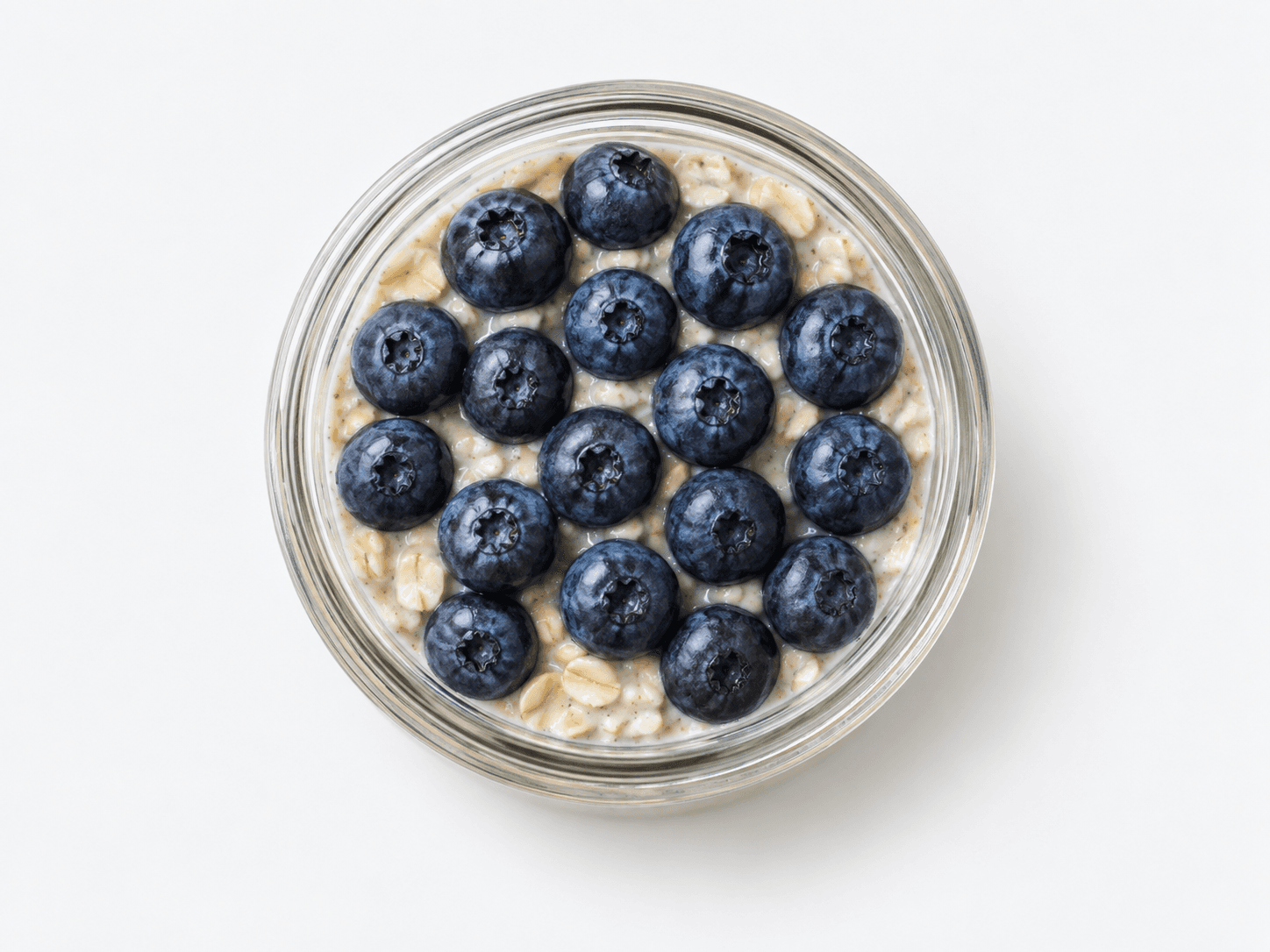
10 min · 1 servings
Blueberry overnight oats
Nothing is heated, so the anthocyanins survive intact. The overnight soak releases the beta-glucan.
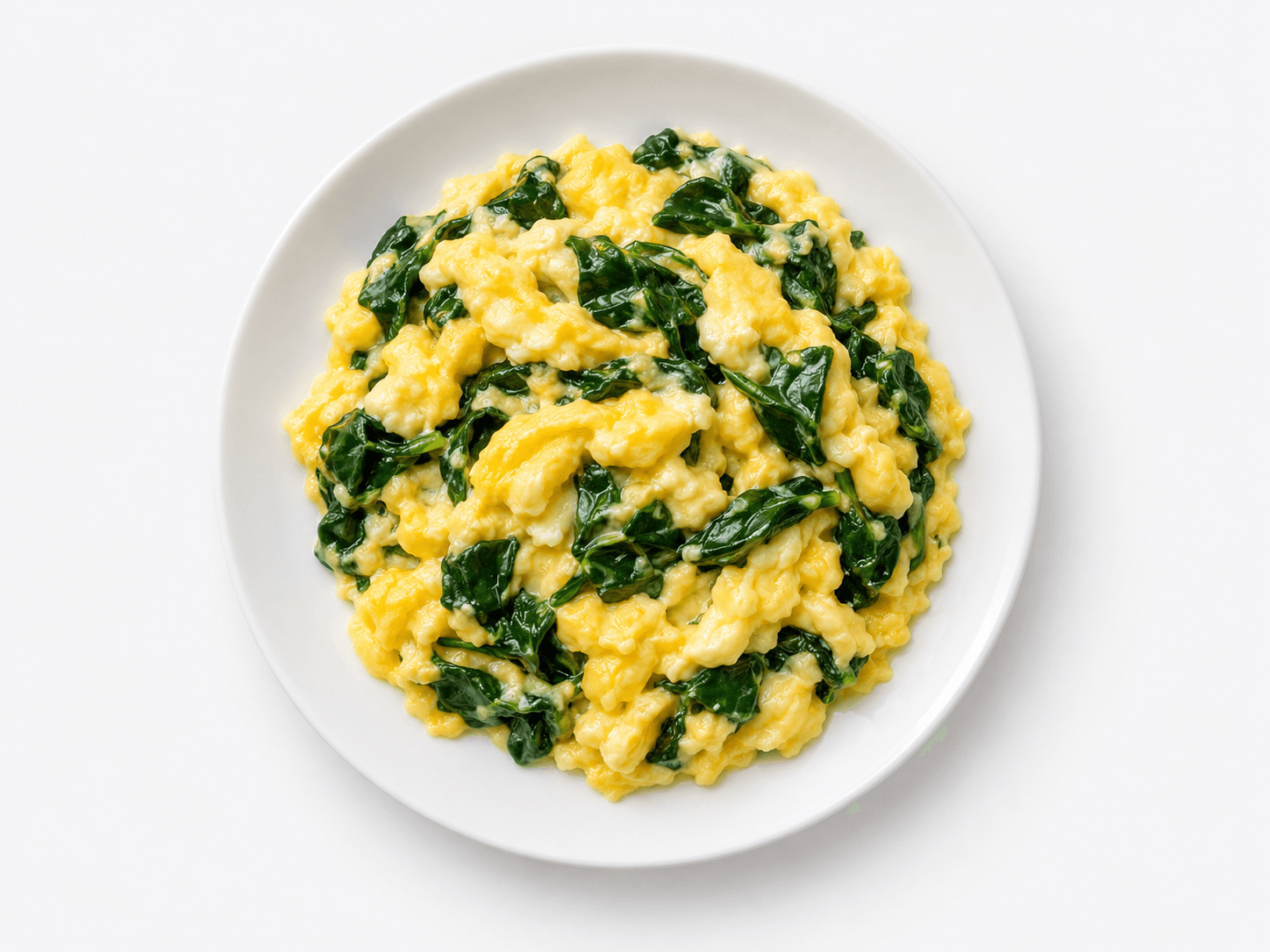
10 min · 1 servings
Spinach scrambled eggs
Fat from the yolk lifts the absorption of spinach lutein. Low heat is the whole technique.
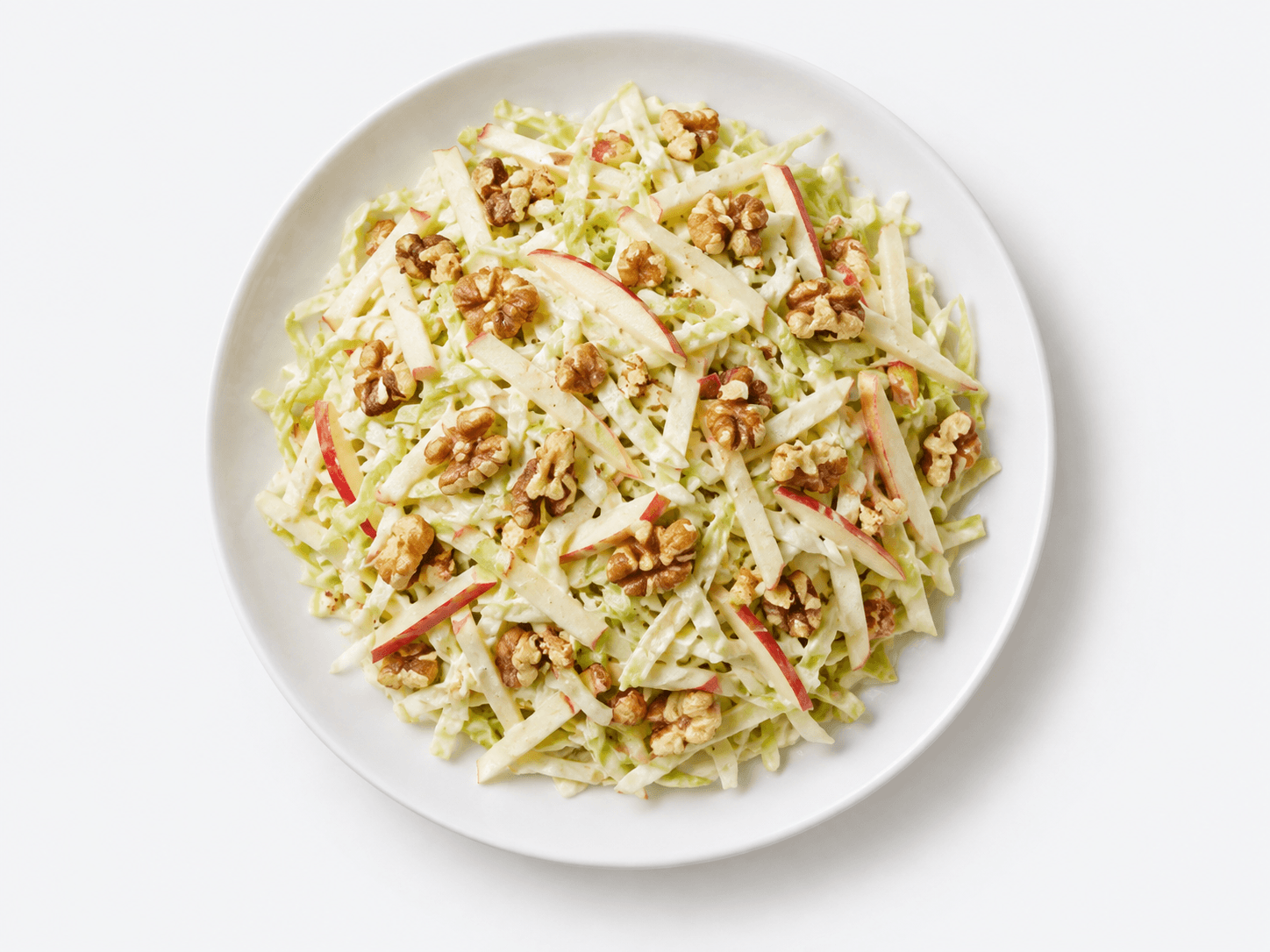
15 min · 2 servings
Walnut, apple and cabbage salad
Leaving the walnuts untoasted is the trick. ALA is highly unsaturated and oxidises with prolonged heat.
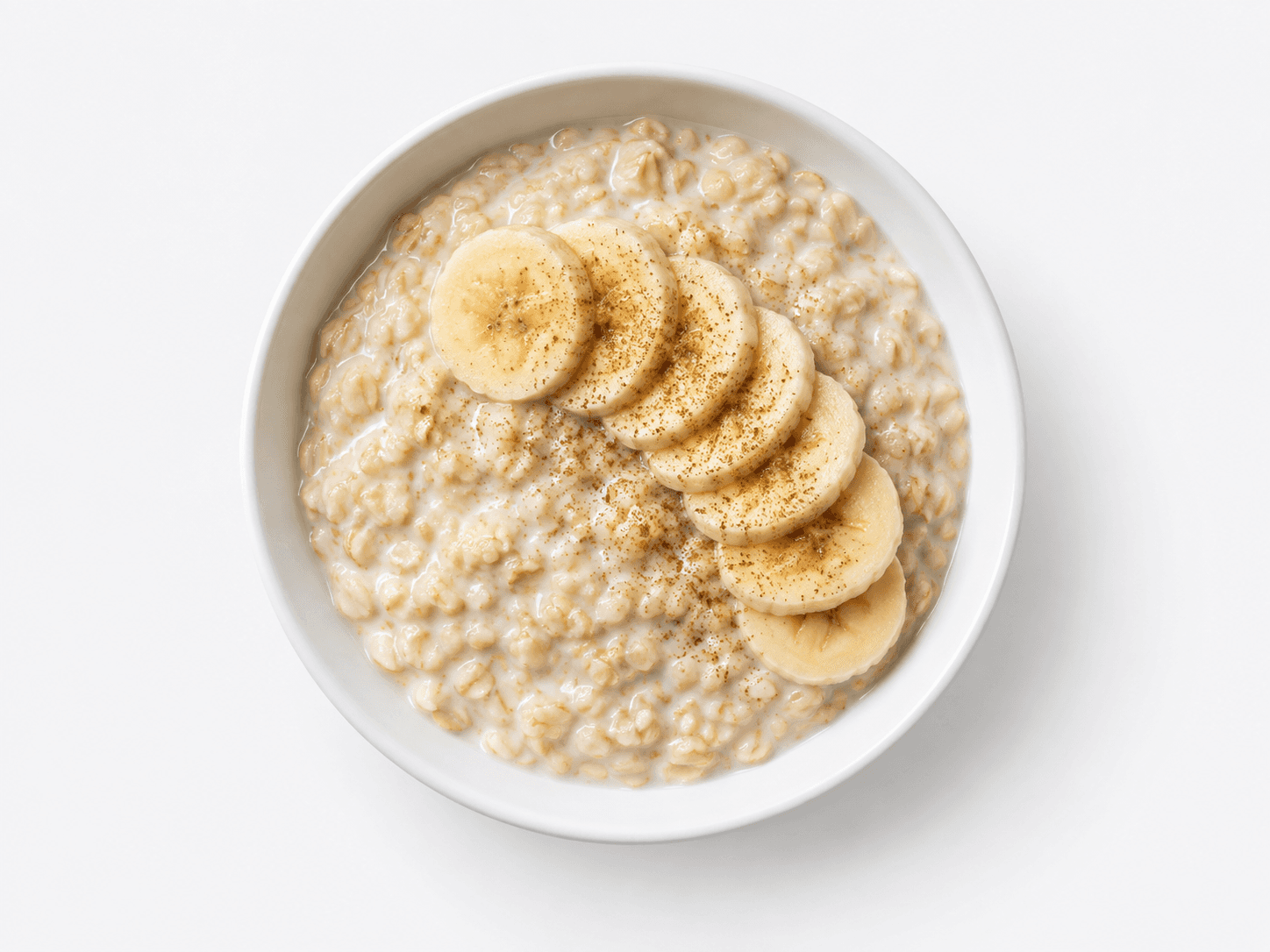
12 min · 1 servings
Oat porridge with milk
Milk supplies the lysine oats lack. One bowl brings in two thirds of the daily beta-glucan threshold.
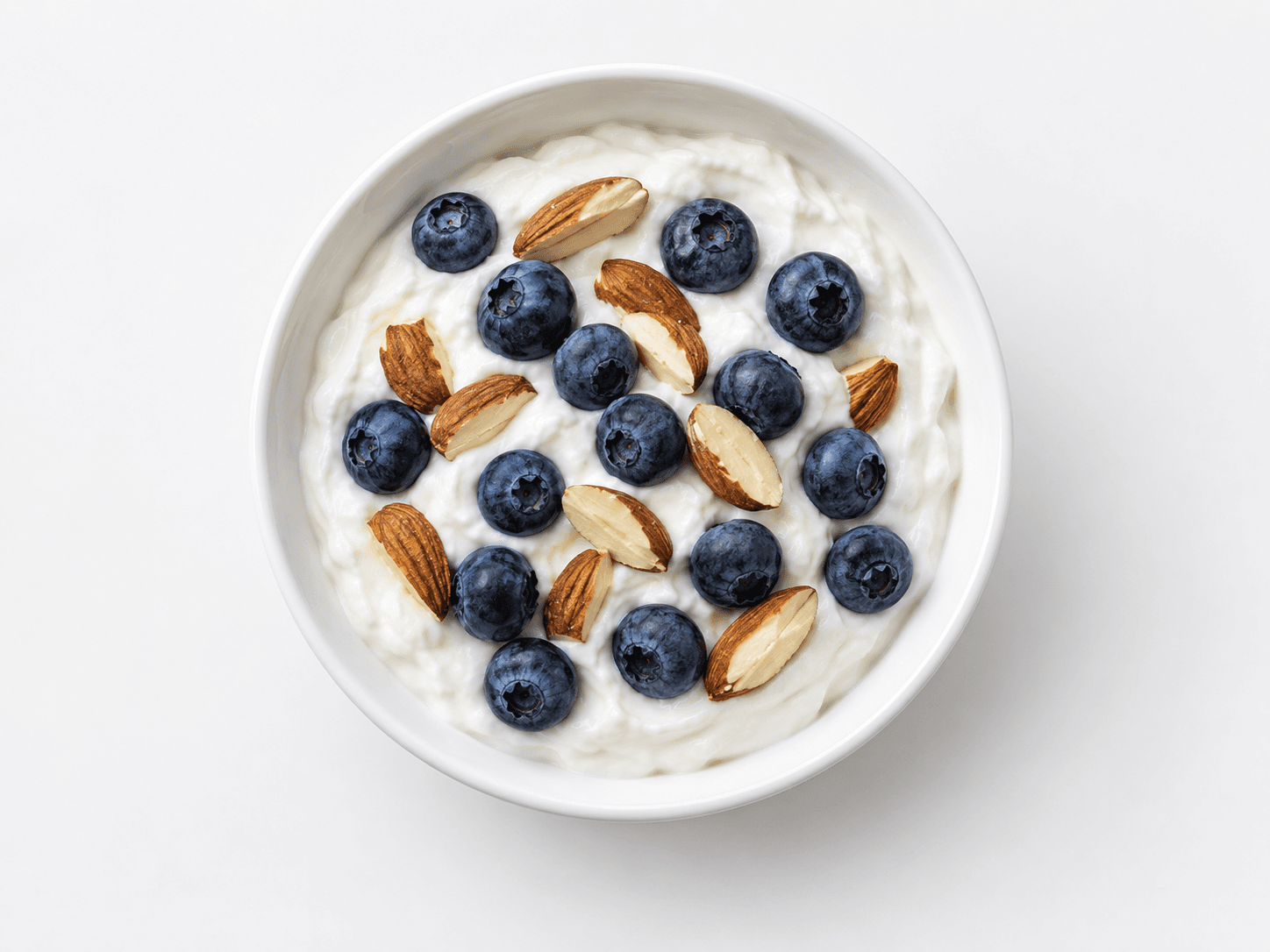
5 min · 1 servings
Greek yogurt and almond bowl
Nothing is heated, so the live cultures and the anthocyanins survive. Protein and fat together keep you full for hours.
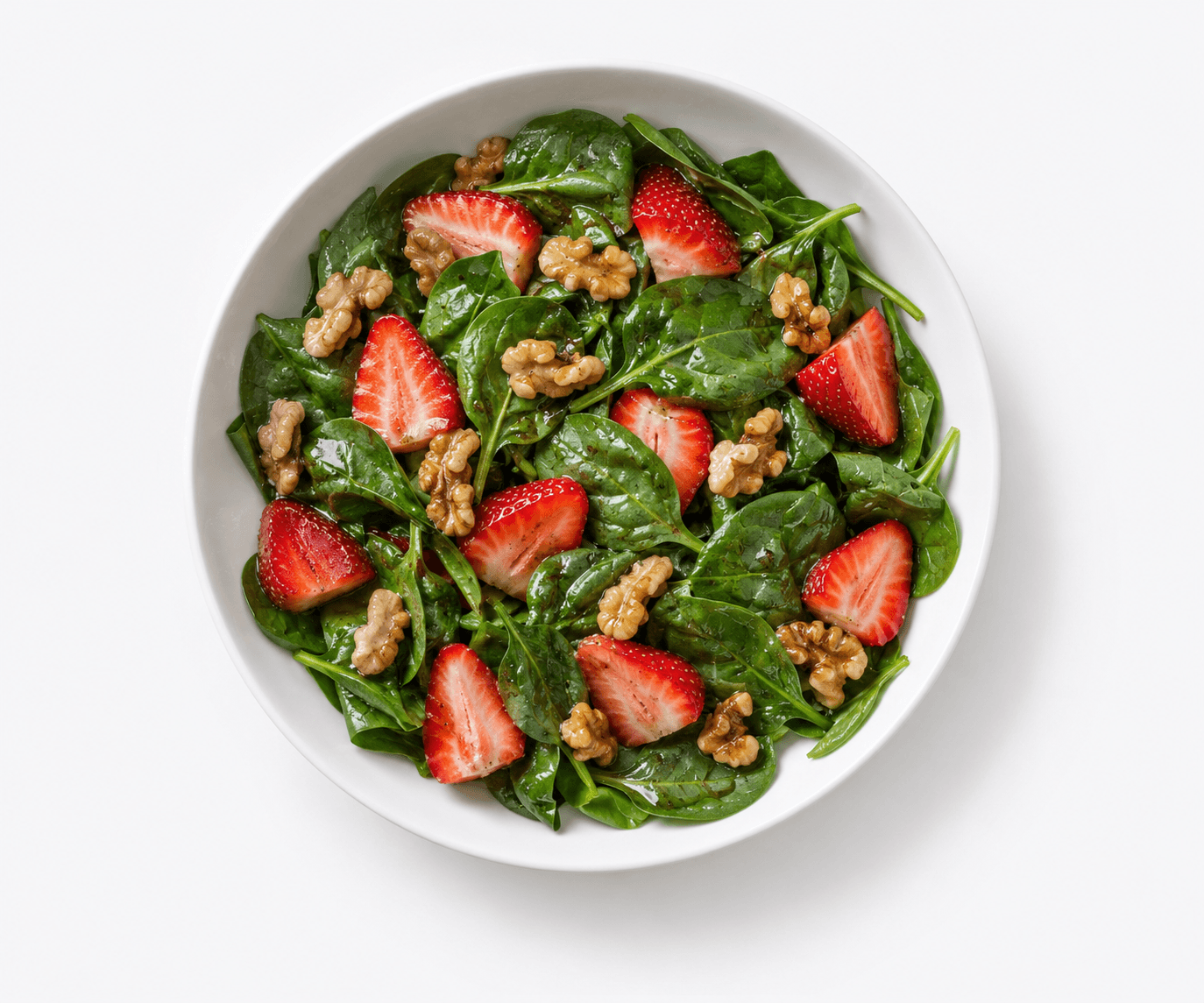
10 min · 2 servings
Strawberry and spinach salad
The vitamin C in strawberries raises absorption of spinach's non-haem iron. The pairing only works if both stay raw.
15 min · 2 servings
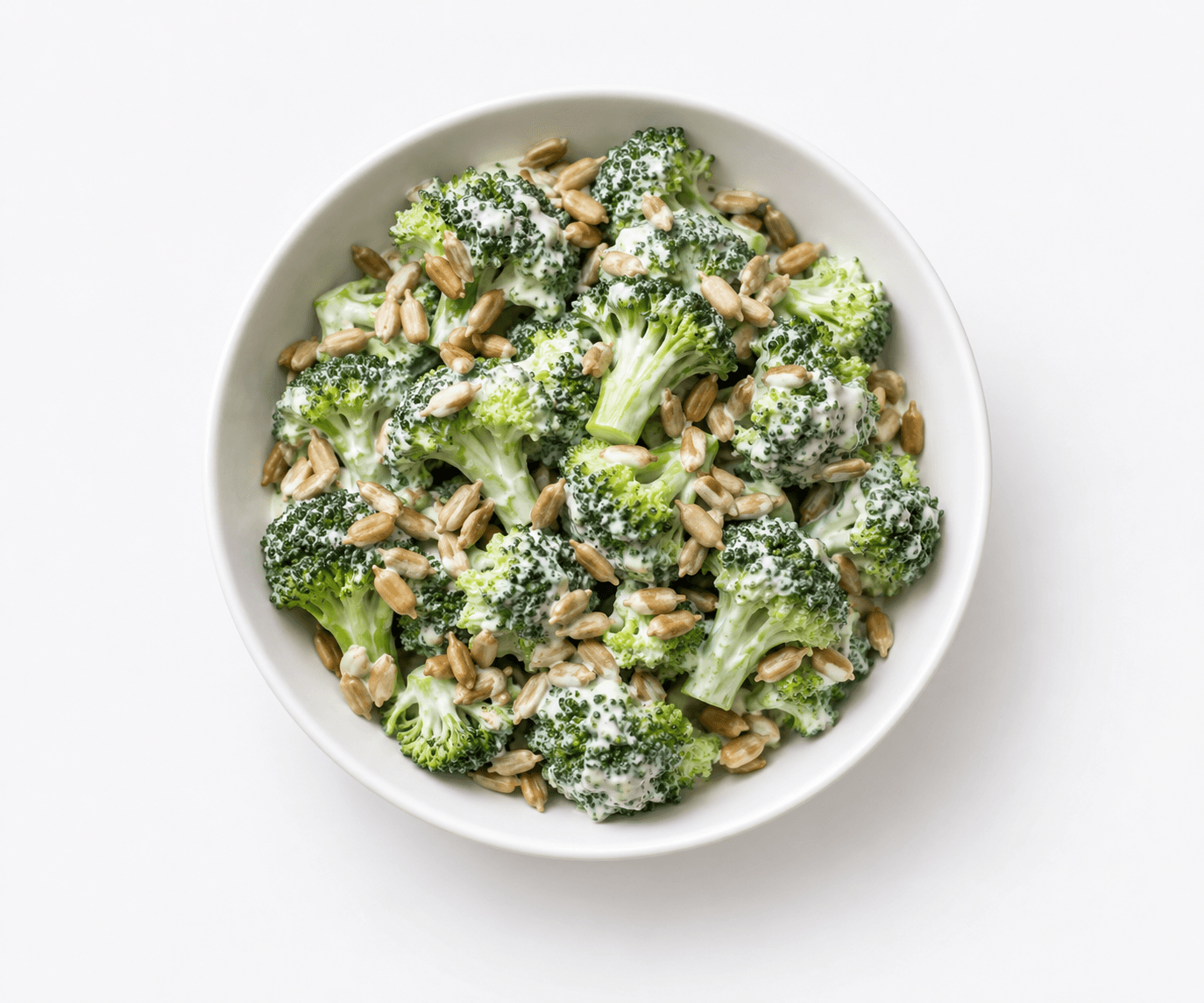
Broccoli and sunflower seed salad
Boil broccoli too long and you destroy the enzyme that makes sulforaphane. A 30-second blanch and a yoghurt dressing is the whole recipe.
10 min · 2 servings
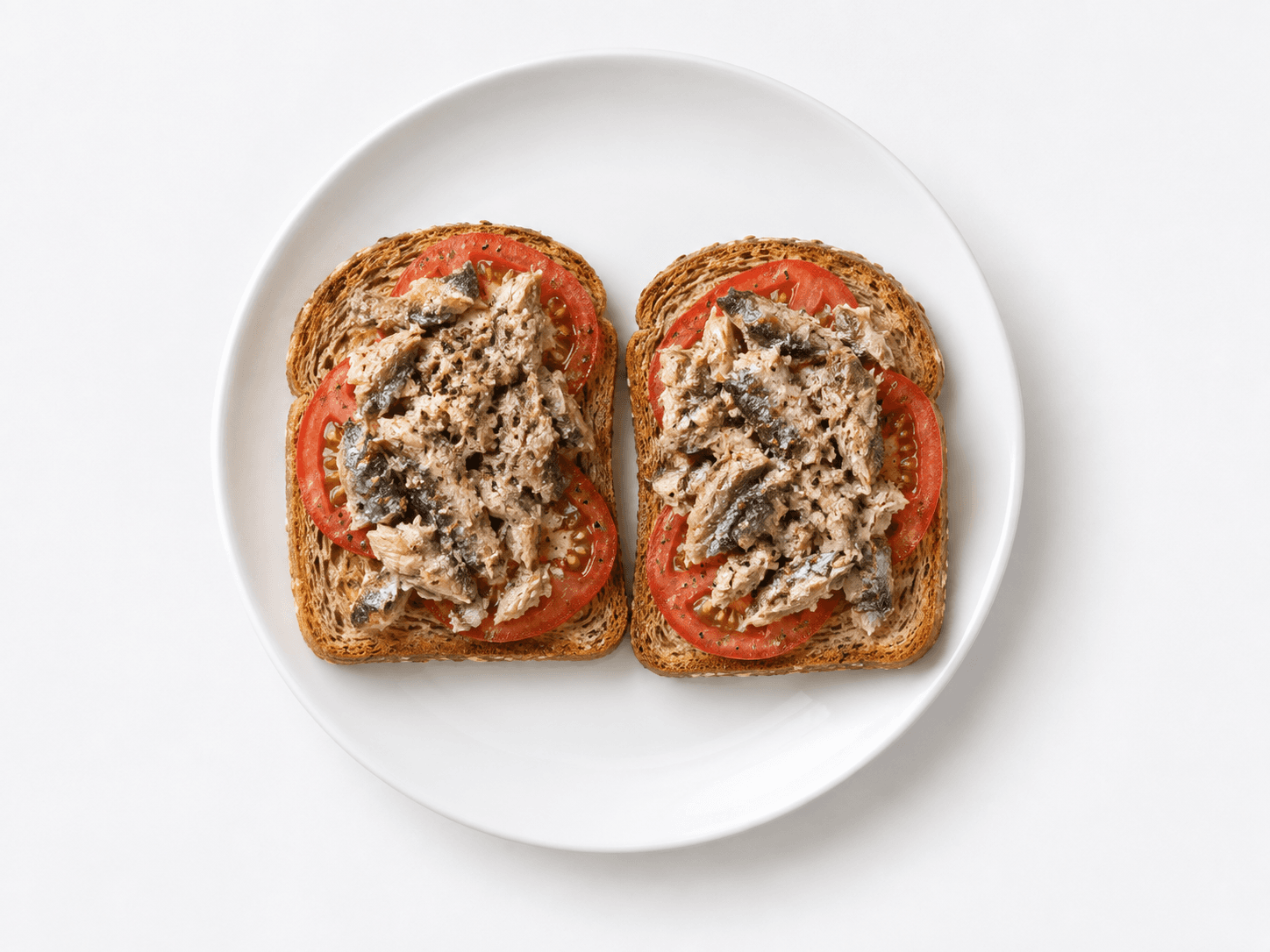
Sardine and tomato toast
Mashing is the point. The bones have to be distributed for the 382 mg of calcium to actually reach your mouth.
5 min · 1 servings
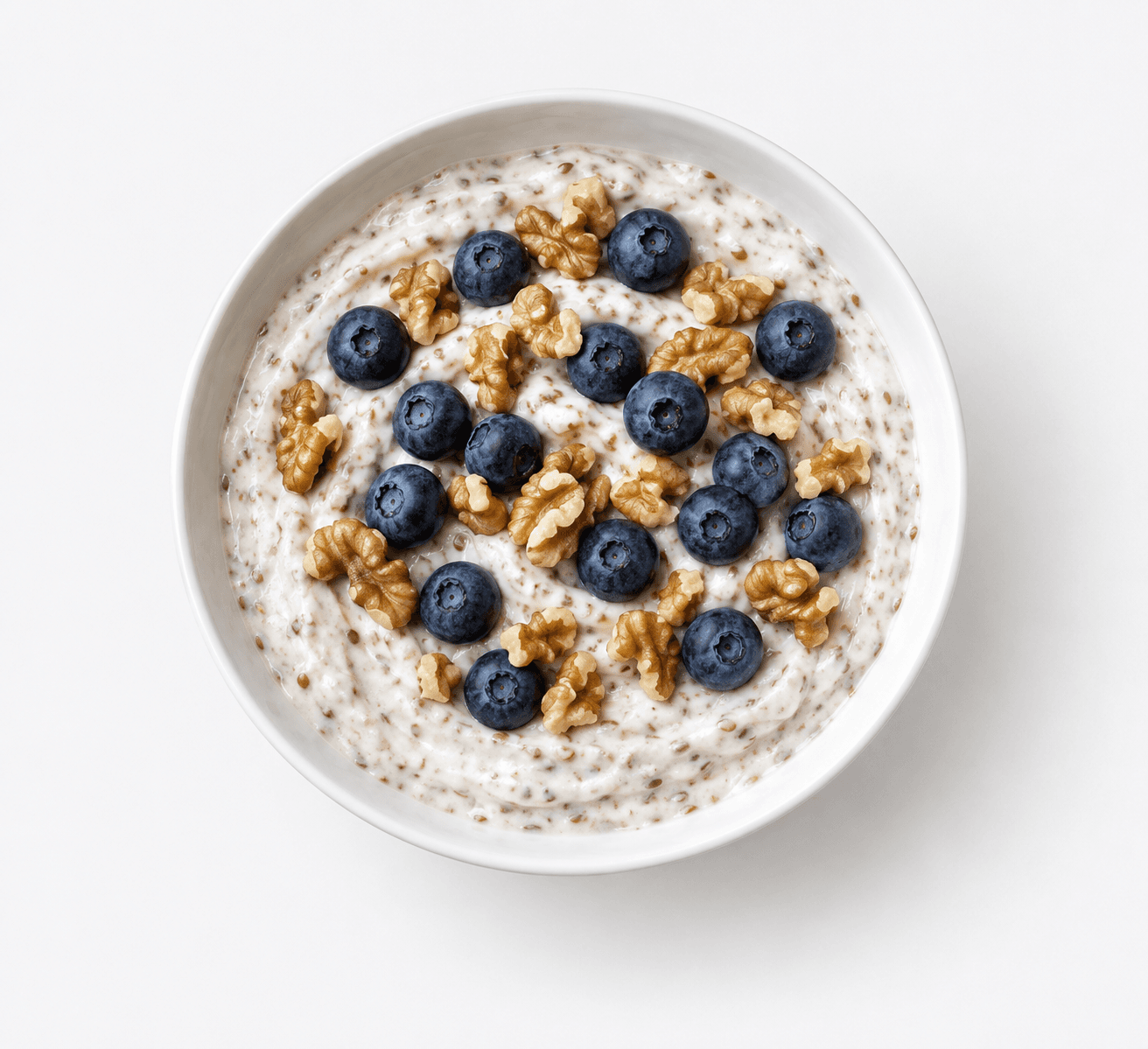
Flaxseed yoghurt bowl
Grind the flaxseed right before eating. Whole seeds pass through undigested, and pre-ground flax goes rancid.
10 min · 2 servings
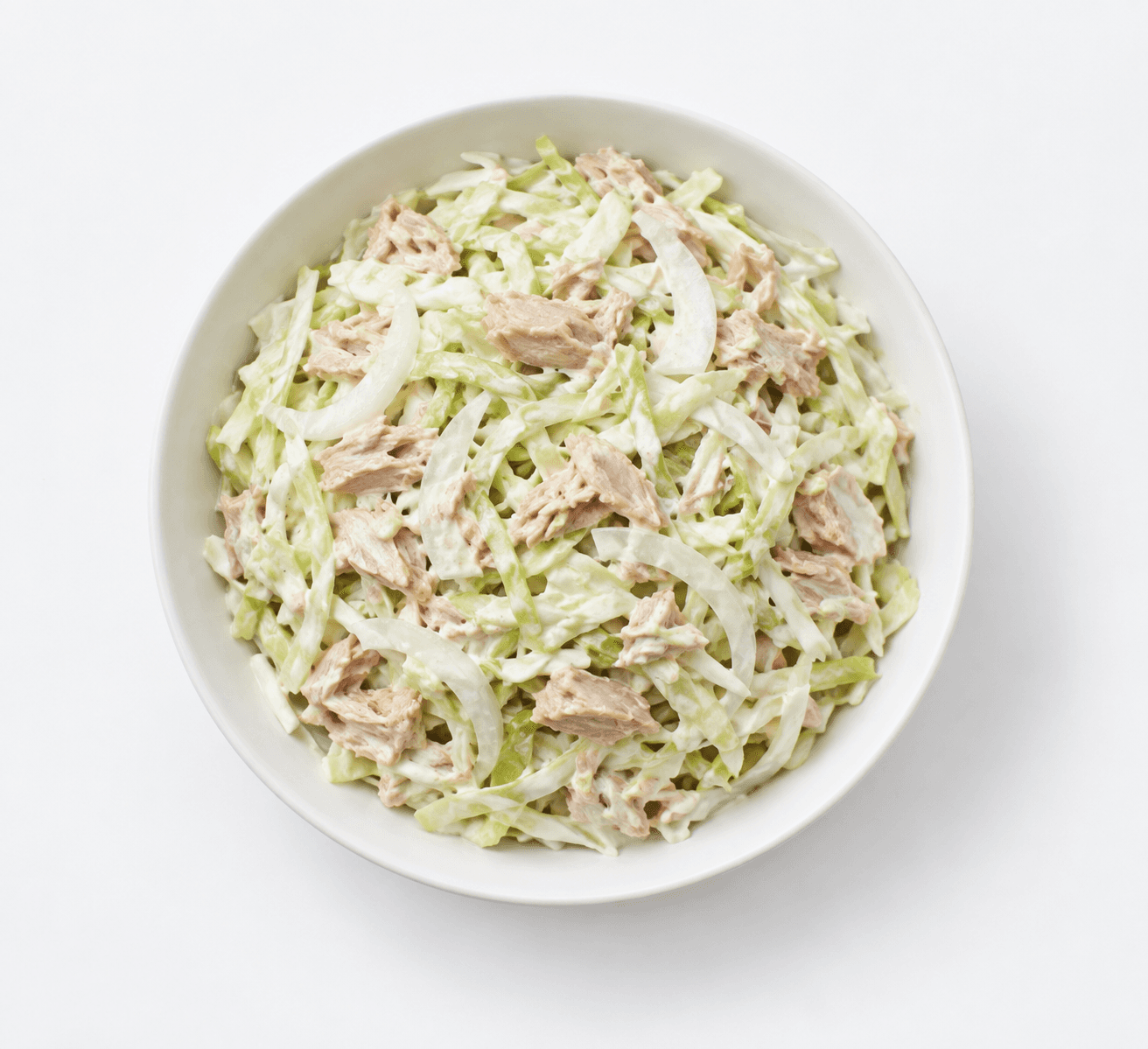
Tuna and cabbage salad
Greek yoghurt instead of mayonnaise. That one swap is the whole reason the tin's 85 kcal survives.