Recipes
Dishes built from the ingredients covered here, written around cooking that preserves nutrients.
85 recipes
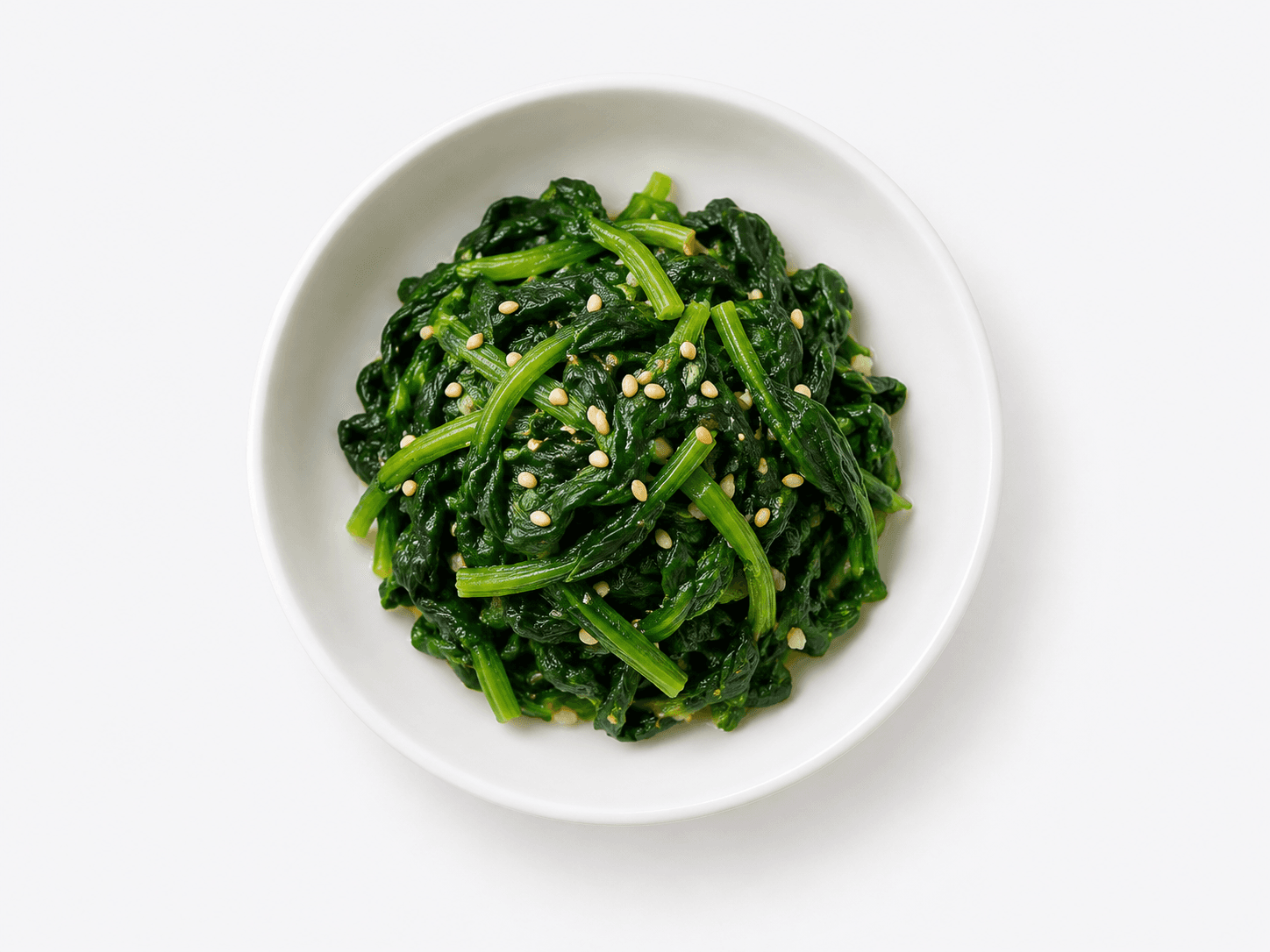
10 min · 2 servings
Korean spinach namul
Discarding the blanching water is the point. It carries off oxalate, which otherwise binds iron and calcium.
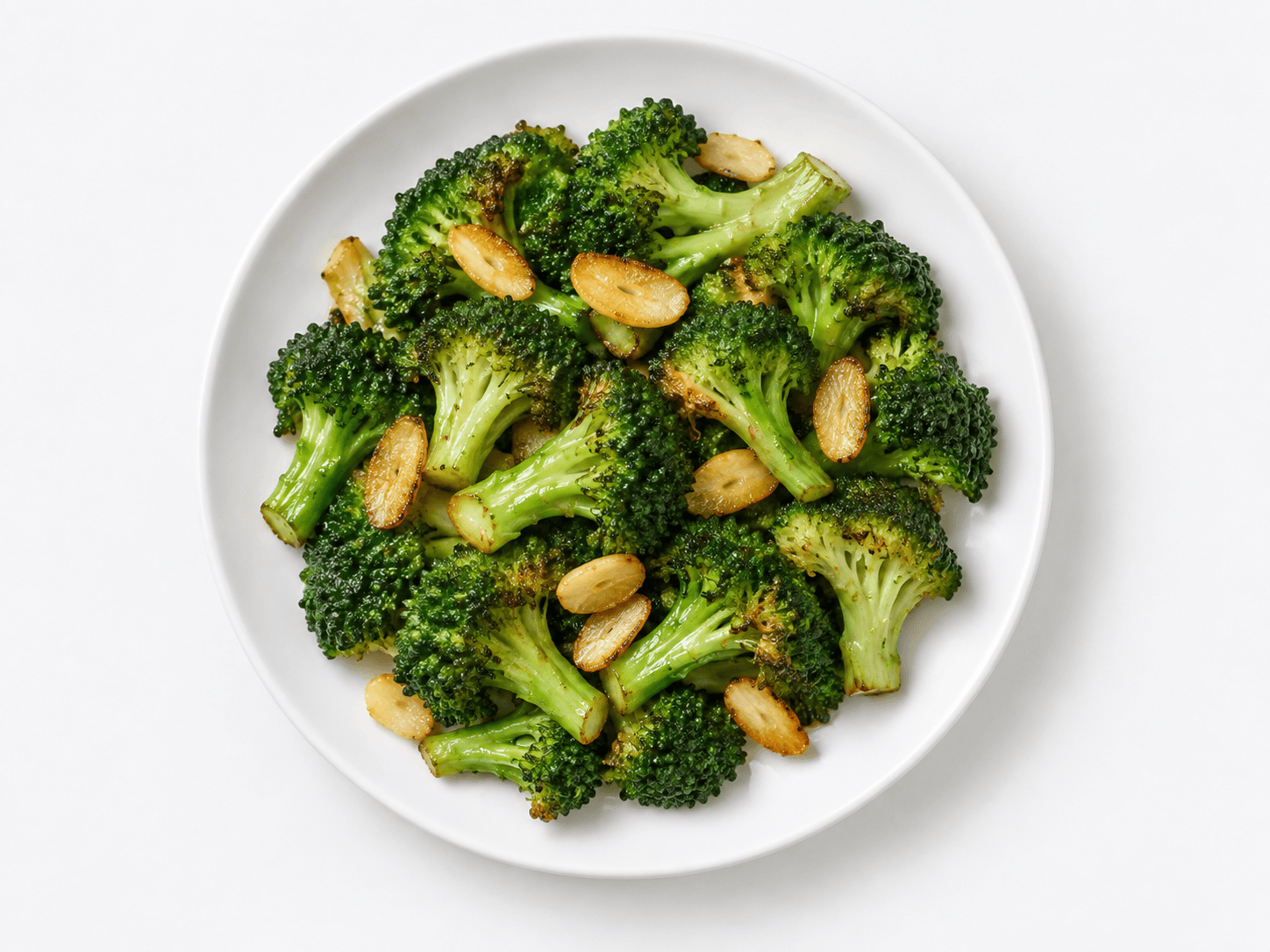
15 min · 2 servings
Broccoli stir-fried with garlic
The enzyme that makes sulforaphane is destroyed by heat. Cooking it only lightly is what preserves the compound.
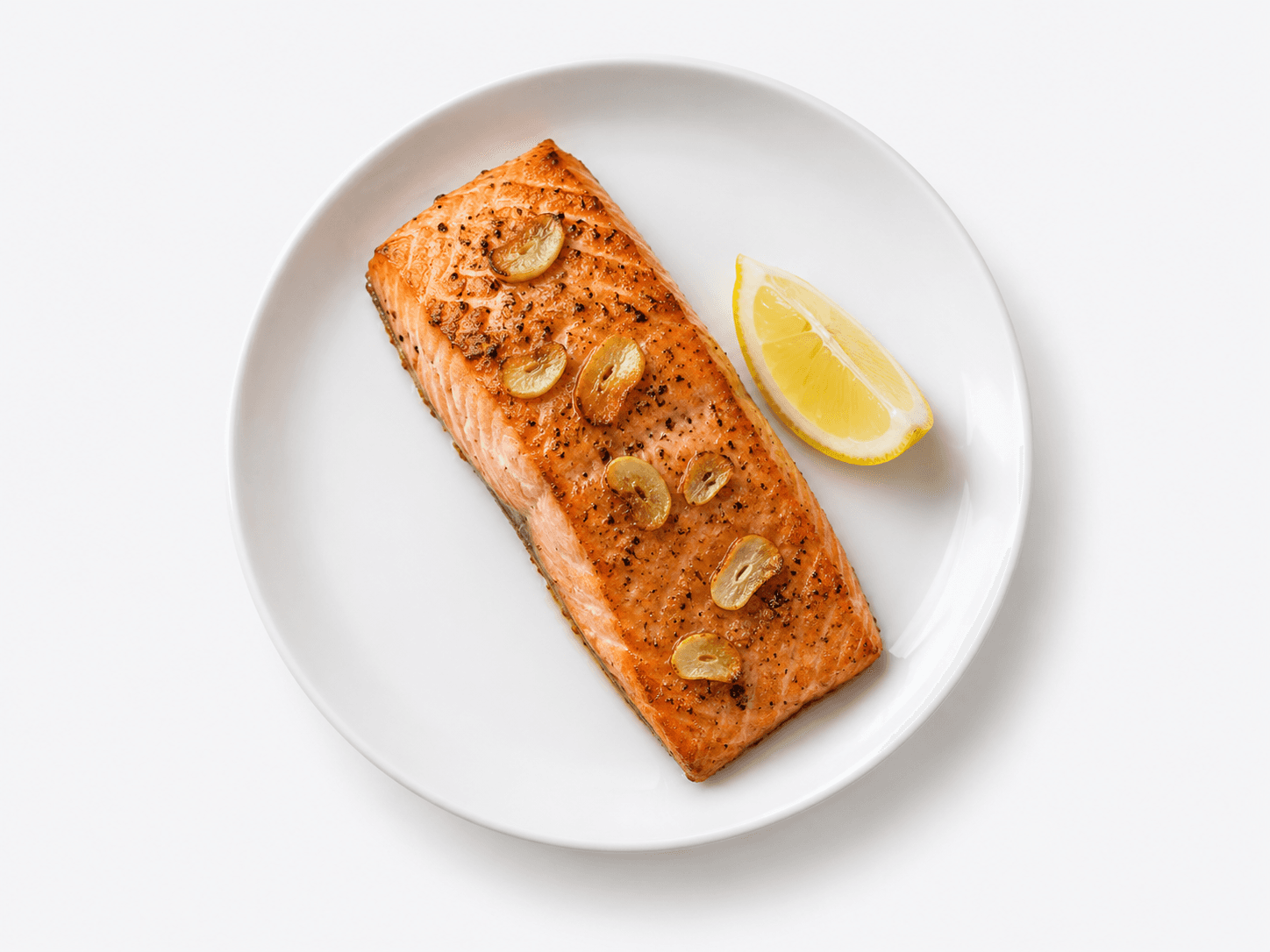
25 min · 2 servings
Oven-baked salmon with garlic
Baked at 180°C. That loses less omega-3 than a long, hard sear over high heat.
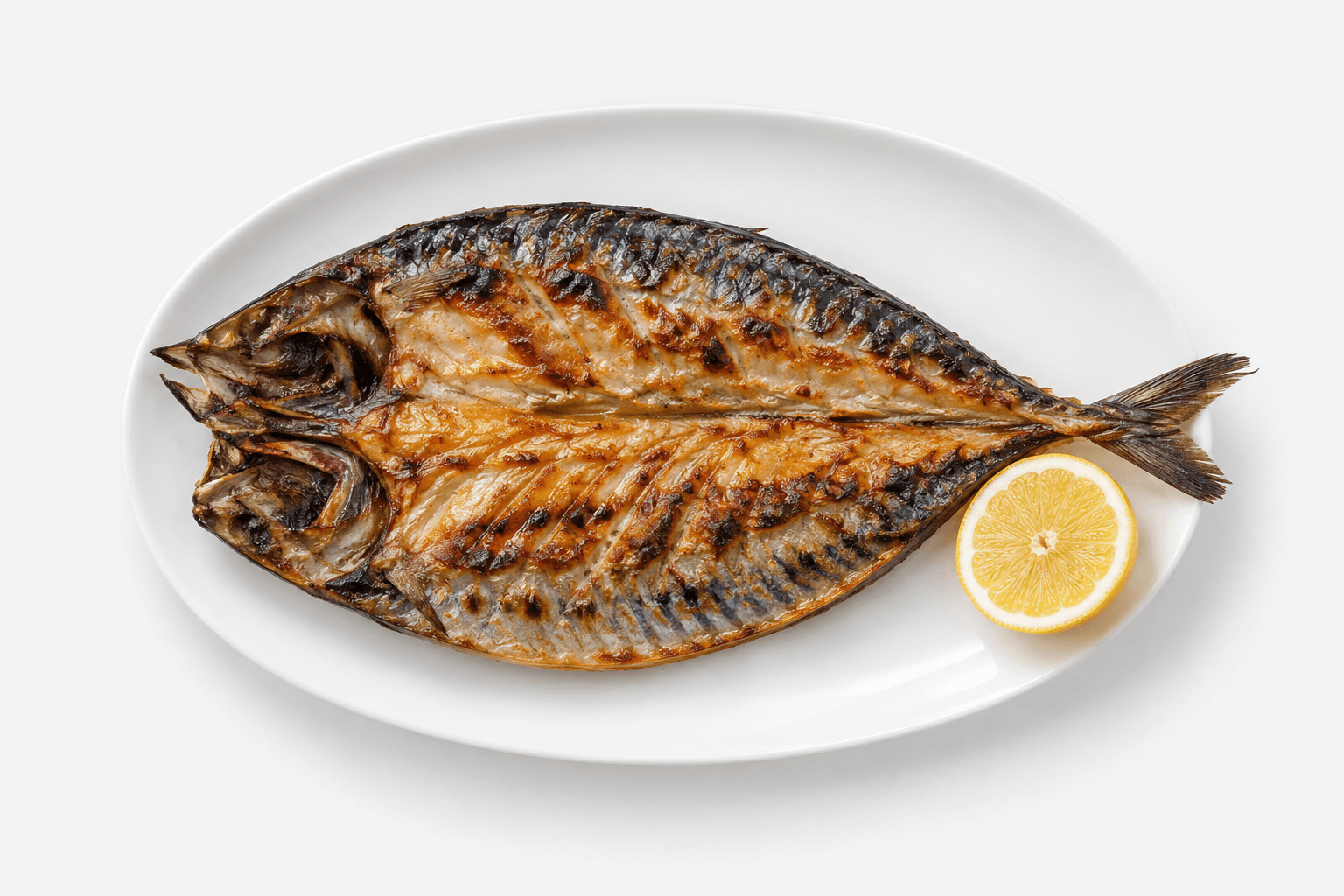
20 min · 2 servings
Salt-grilled mackerel
Omega-3 does not take heat well. Grill rather than deep-fry, and keep the fat that runs out.
25 min · 2 servings
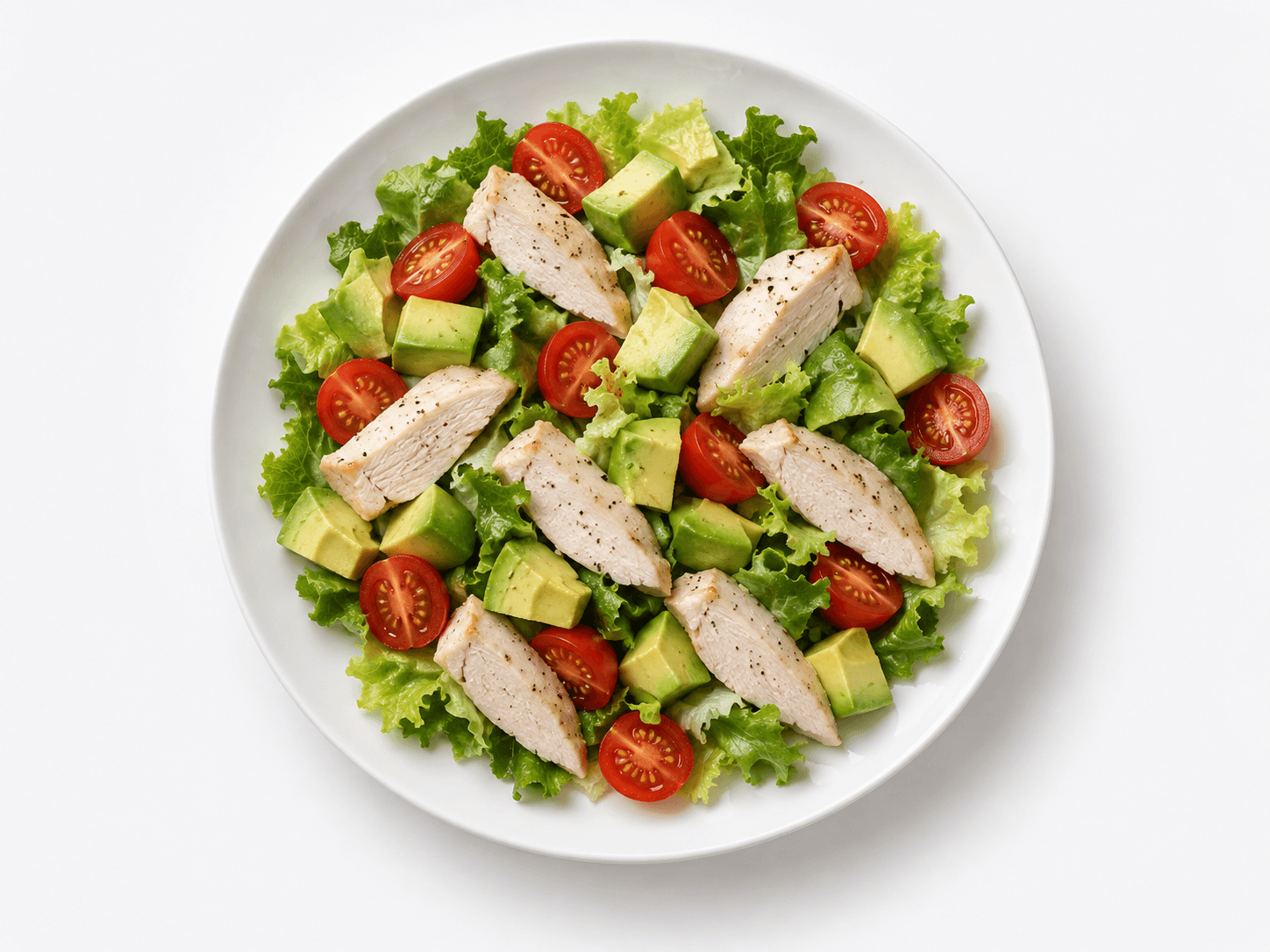
Chicken breast and avocado salad
Fat from the avocado lifts lycopene absorption from the tomato. Protein and fat-soluble compounds meet on one plate.
10 min · 1 servings
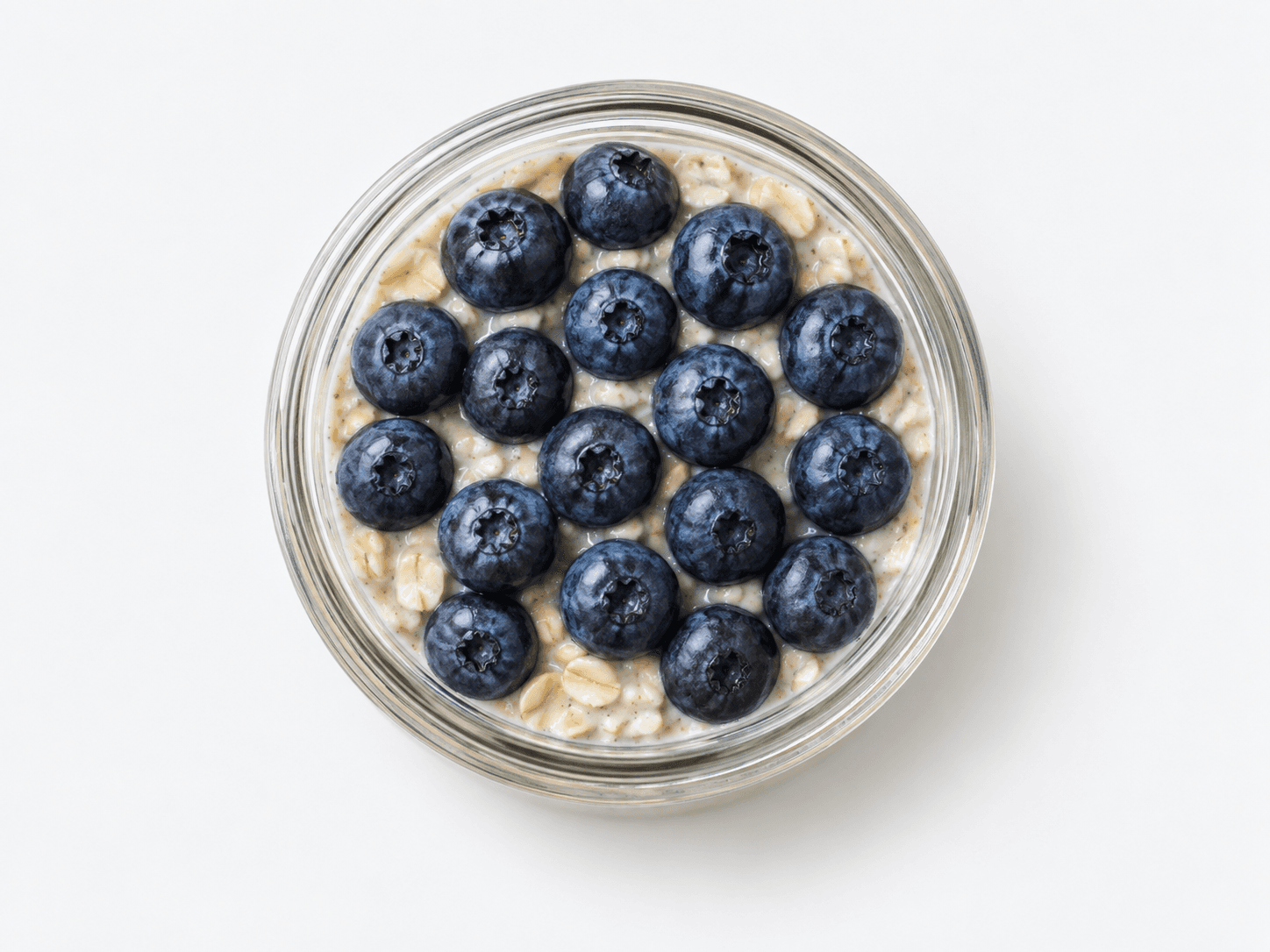
Blueberry overnight oats
Nothing is heated, so the anthocyanins survive intact. The overnight soak releases the beta-glucan.
30 min · 2 servings
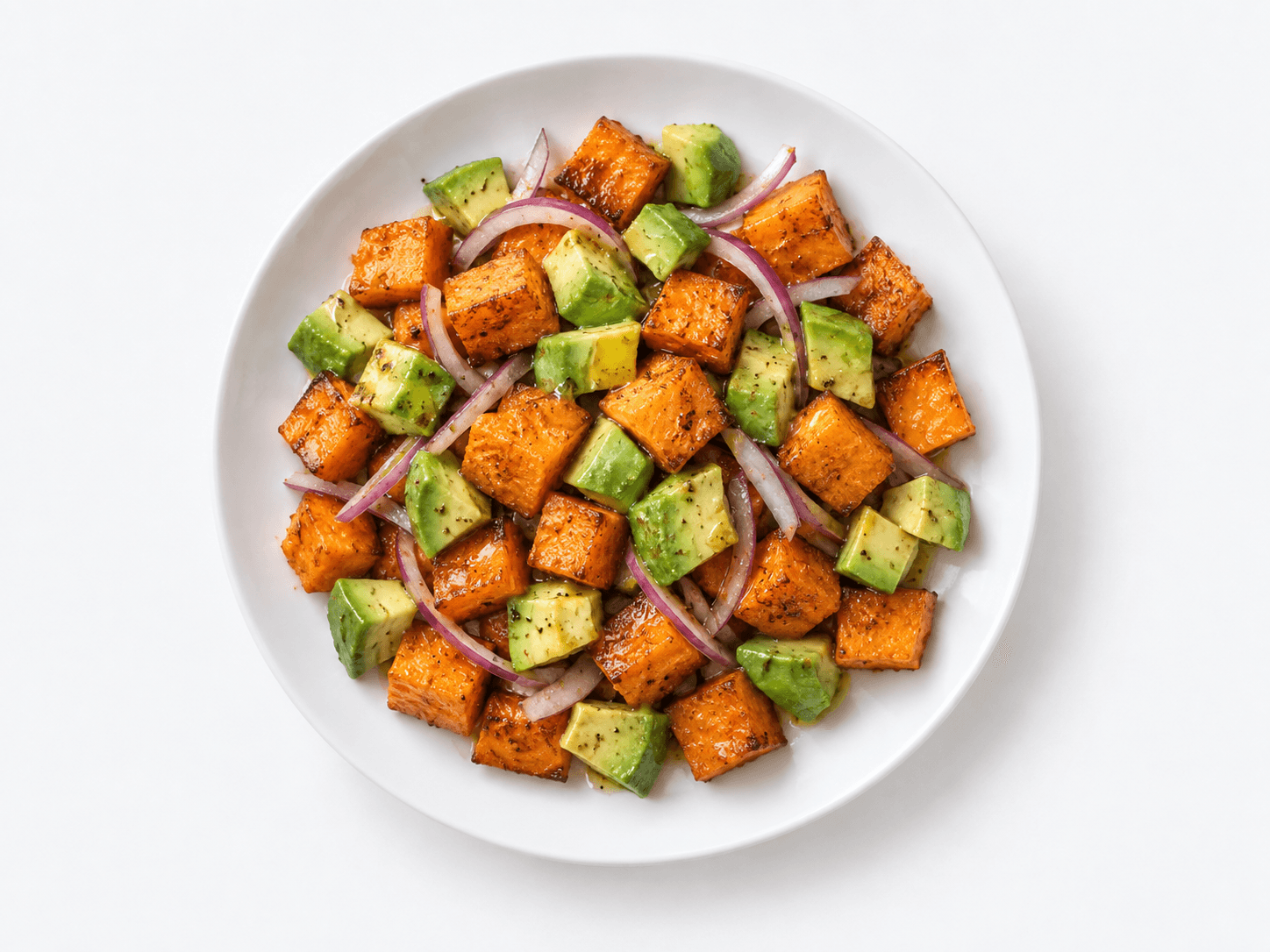
Sweet potato and avocado salad
Cooling the sweet potato is the trick: resistant starch increases, and the avocado's fat carries the beta-carotene.
10 min · 1 servings
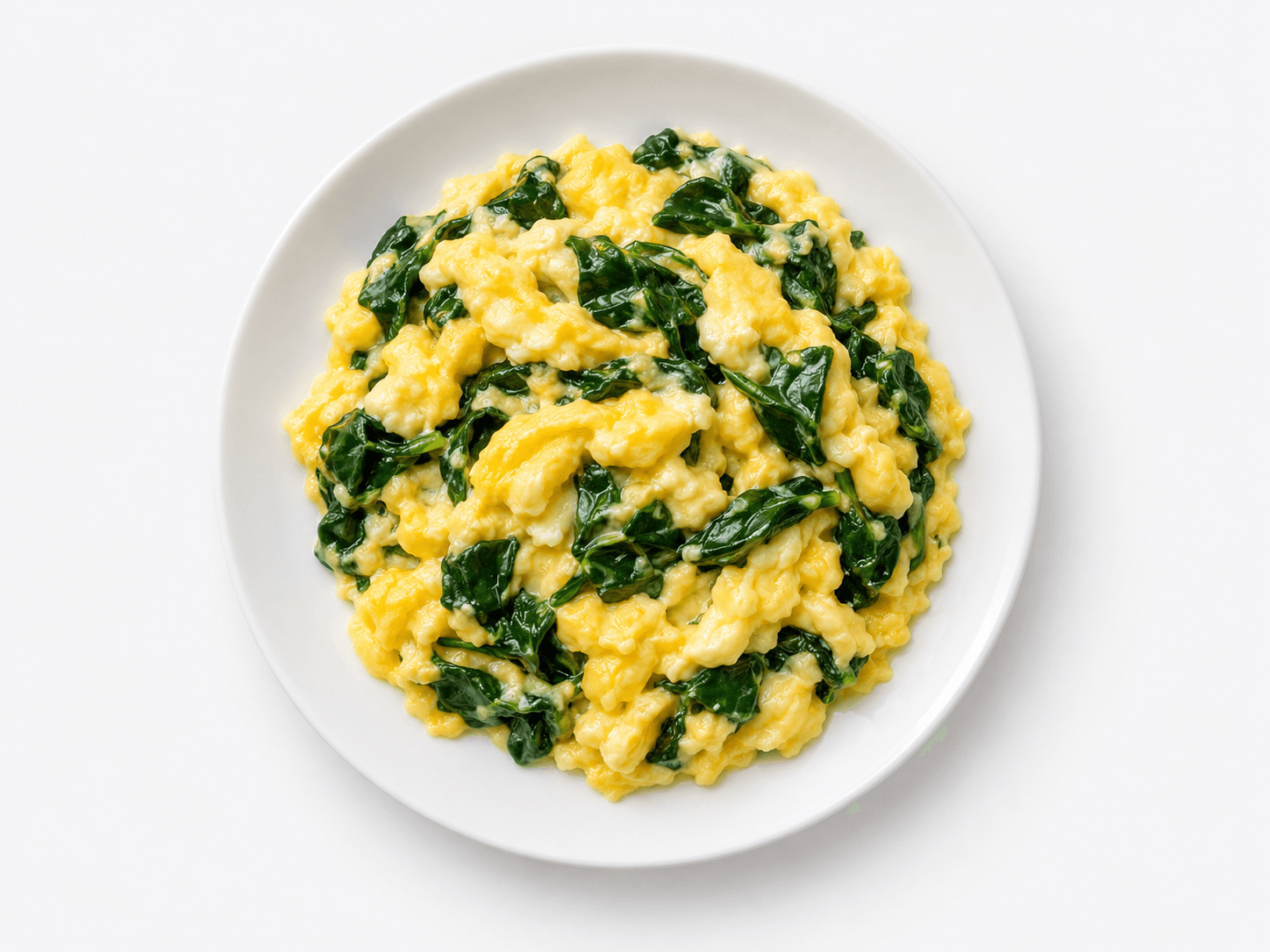
Spinach scrambled eggs
Fat from the yolk lifts the absorption of spinach lutein. Low heat is the whole technique.
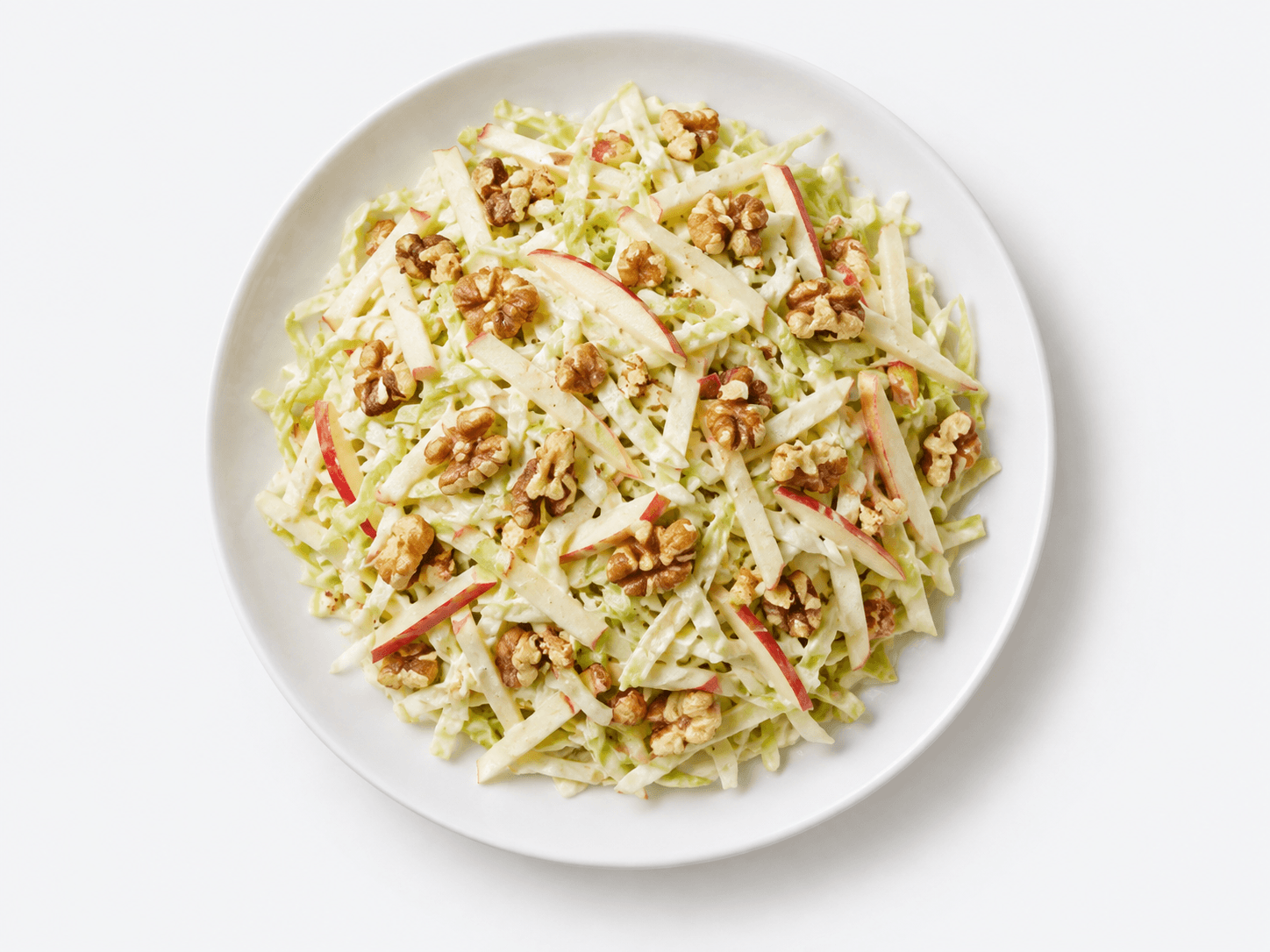
15 min · 2 servings
Walnut, apple and cabbage salad
Leaving the walnuts untoasted is the trick. ALA is highly unsaturated and oxidises with prolonged heat.
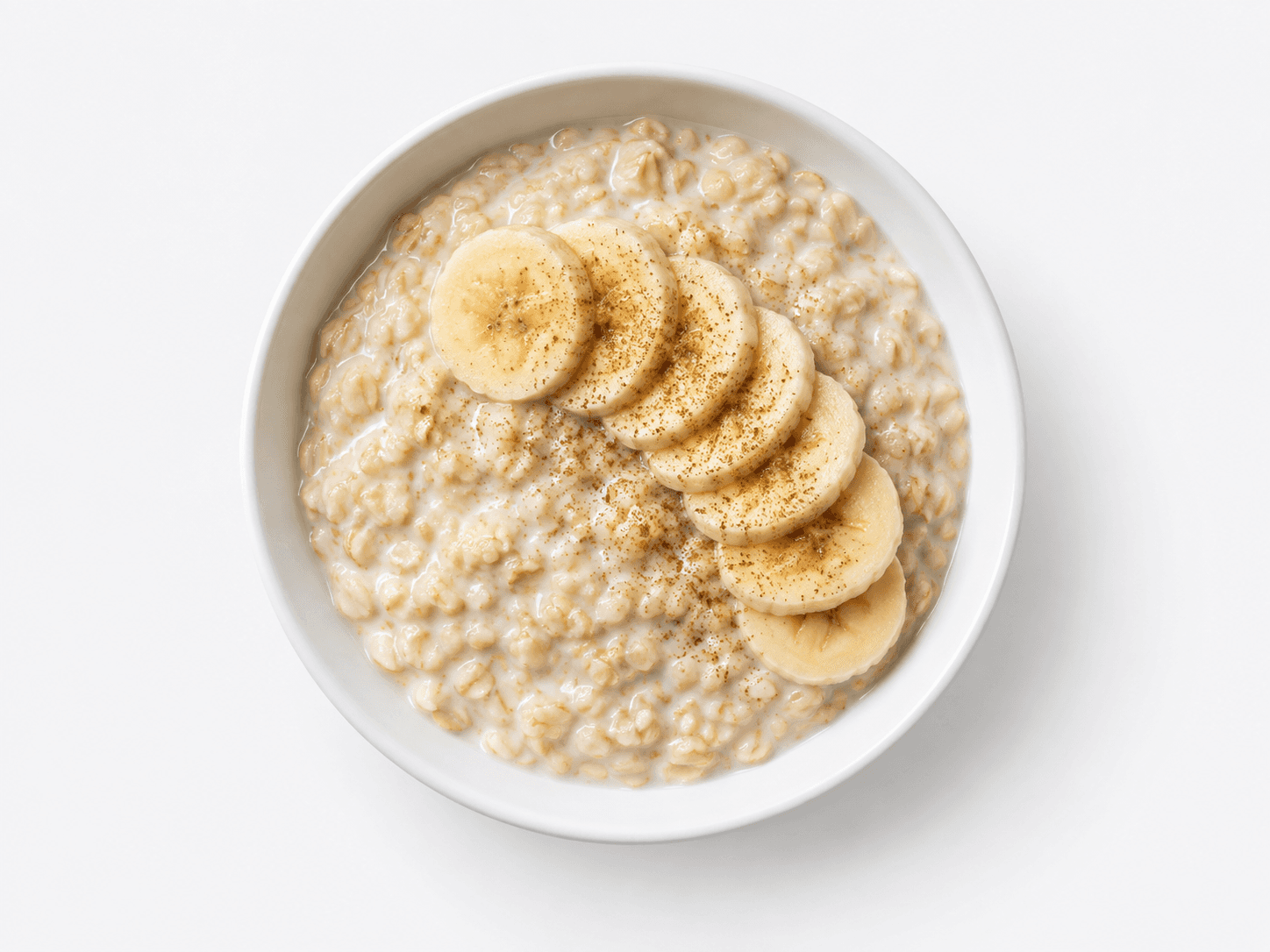
12 min · 1 servings
Oat porridge with milk
Milk supplies the lysine oats lack. One bowl brings in two thirds of the daily beta-glucan threshold.
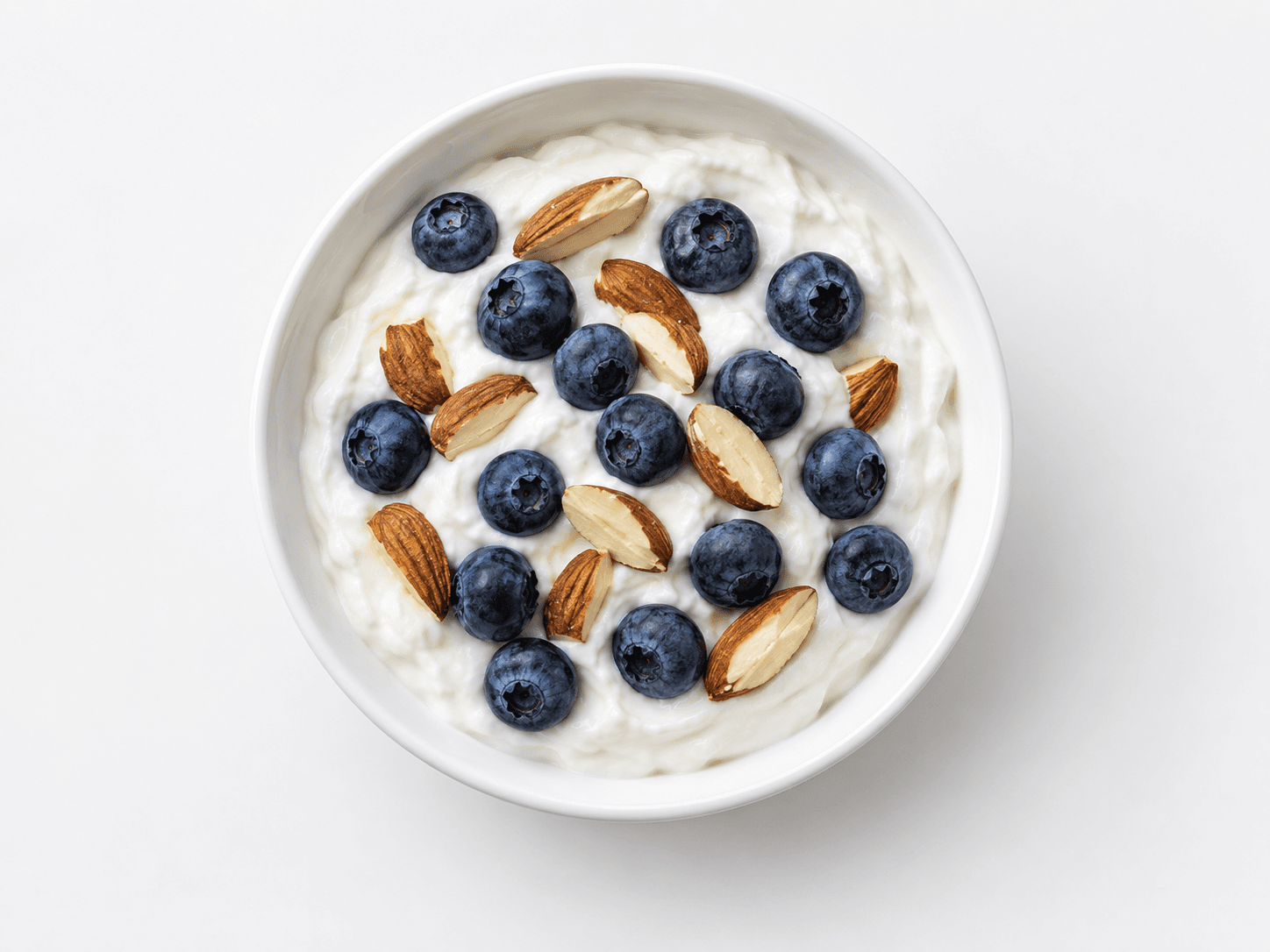
5 min · 1 servings
Greek yogurt and almond bowl
Nothing is heated, so the live cultures and the anthocyanins survive. Protein and fat together keep you full for hours.
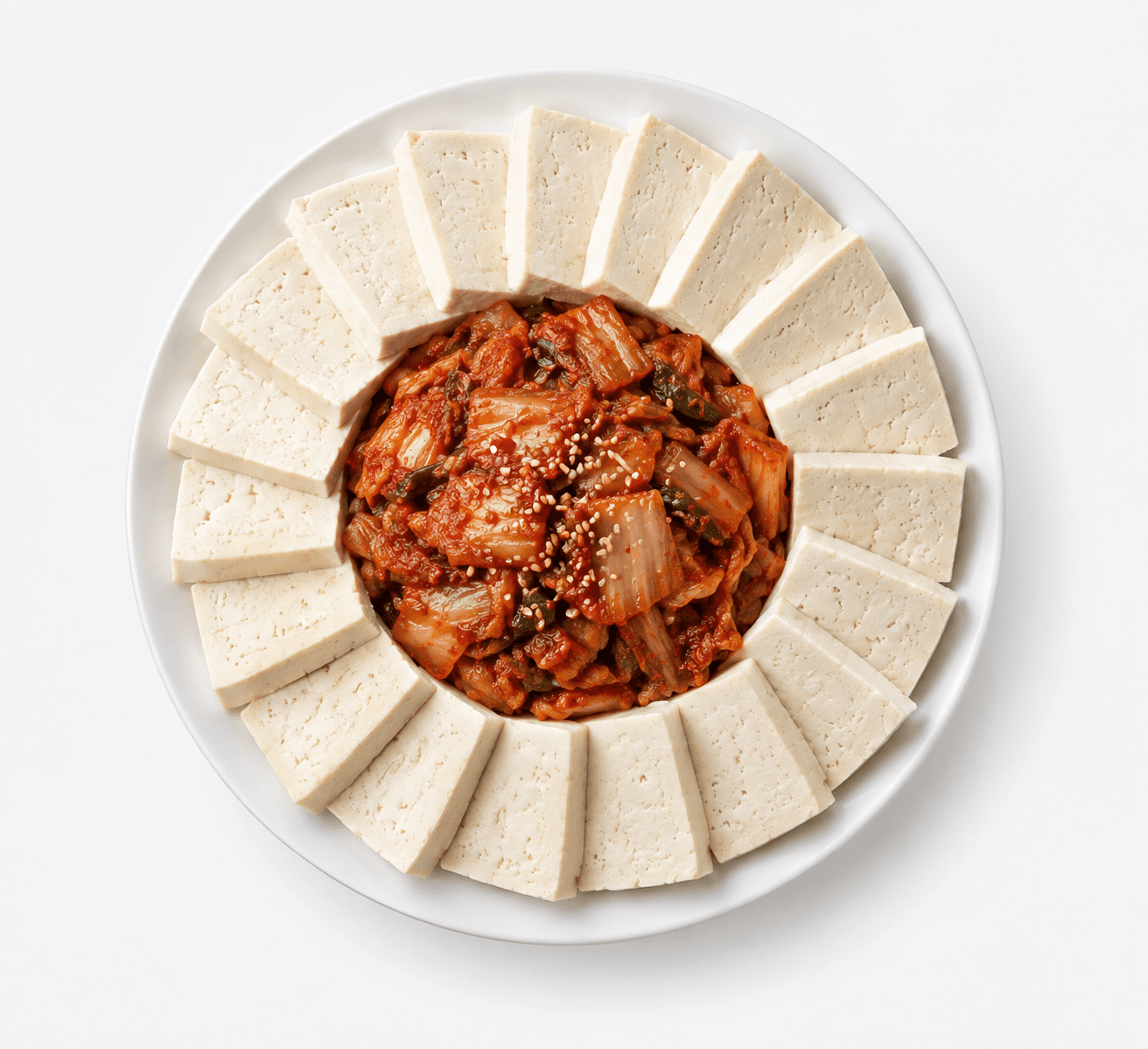
20 min · 2 servings
Tofu with stir-fried kimchi
The live cultures in kimchi die the moment it hits the pan. What this dish gives you is tofu's protein and kimchi's fibre — not probiotics.