Recipes
Dishes built from the ingredients covered here, written around cooking that preserves nutrients.
85 recipes
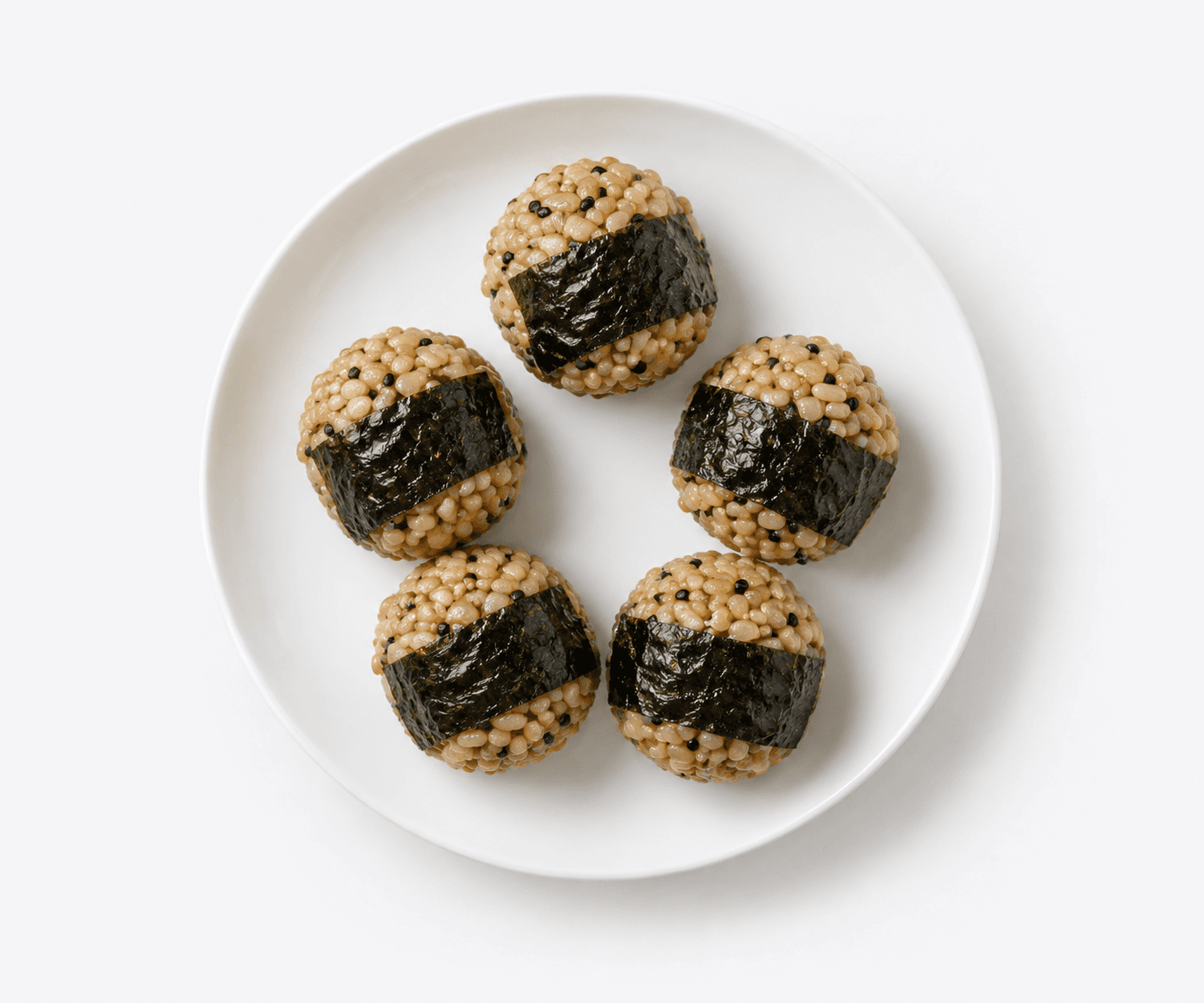
25 min · 2 servings
Gim and brown rice balls
Cooking brown rice in excess water and draining it removes inorganic arsenic. Wrap the gim at the last moment or it goes soggy.
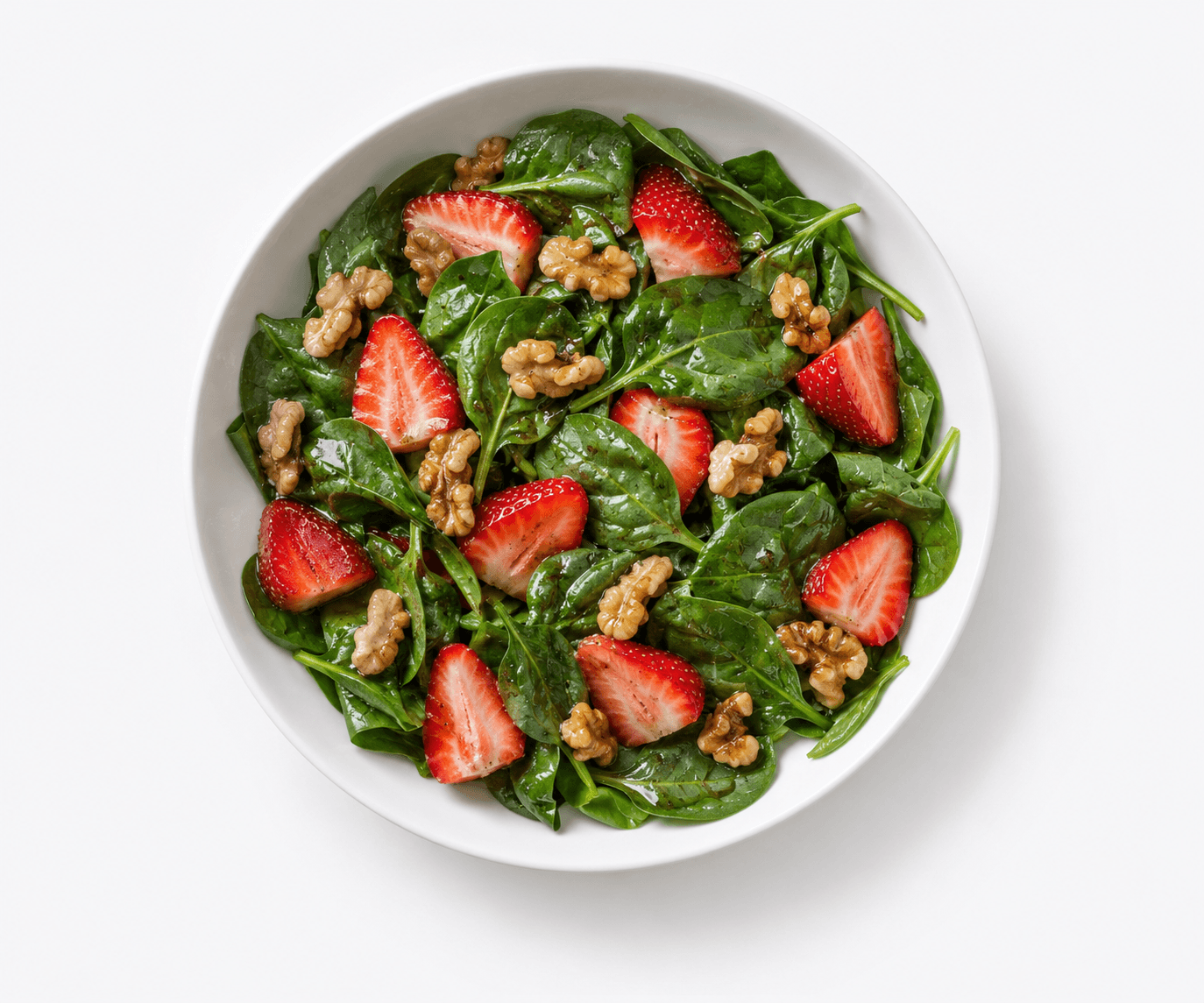
10 min · 2 servings
Strawberry and spinach salad
The vitamin C in strawberries raises absorption of spinach's non-haem iron. The pairing only works if both stay raw.
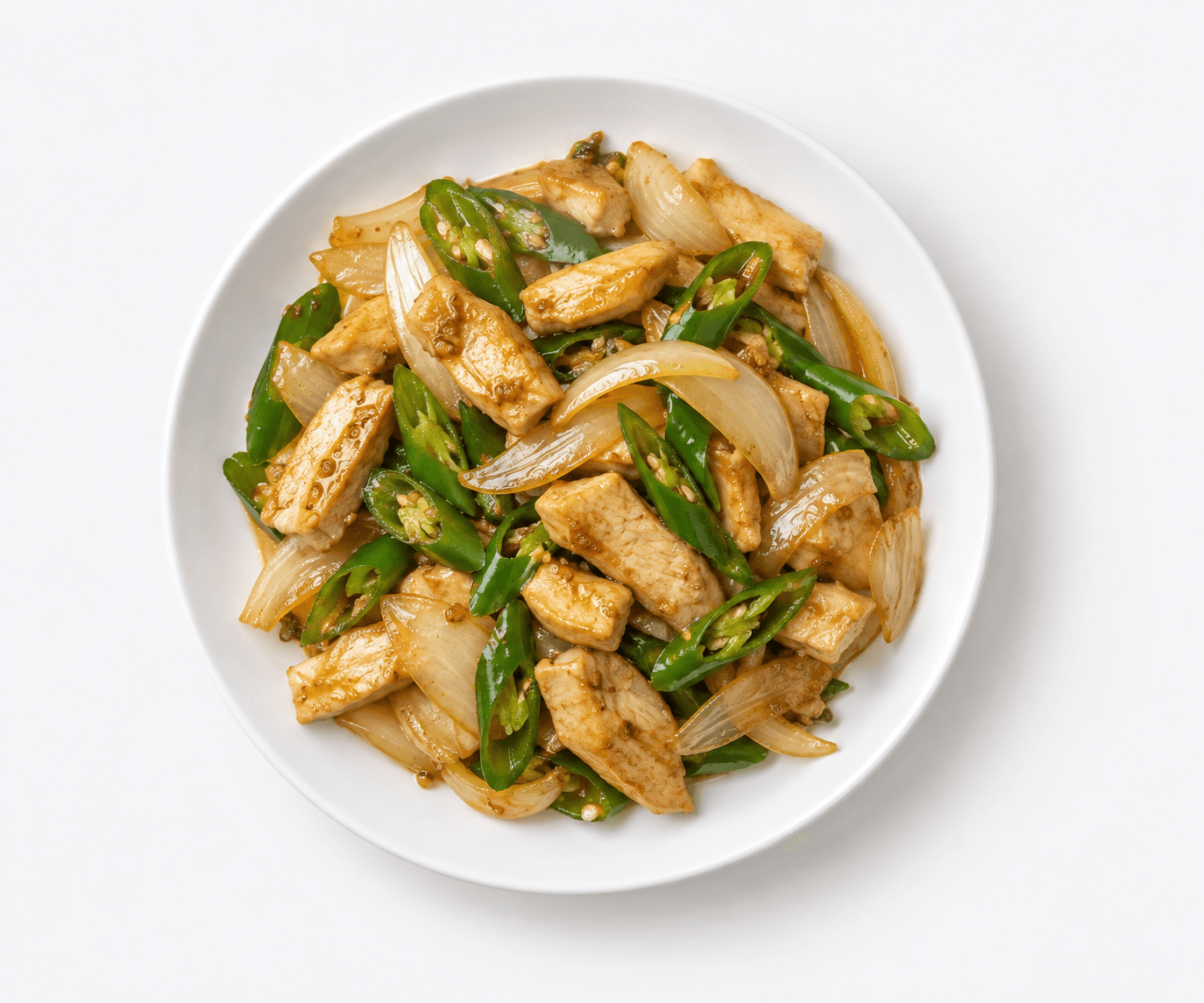
20 min · 2 servings
Chicken and chilli stir-fry
Seasoning with chilli lets you use less salt. In a Korean diet where sodium is the problem, that is chilli's most practical contribution.
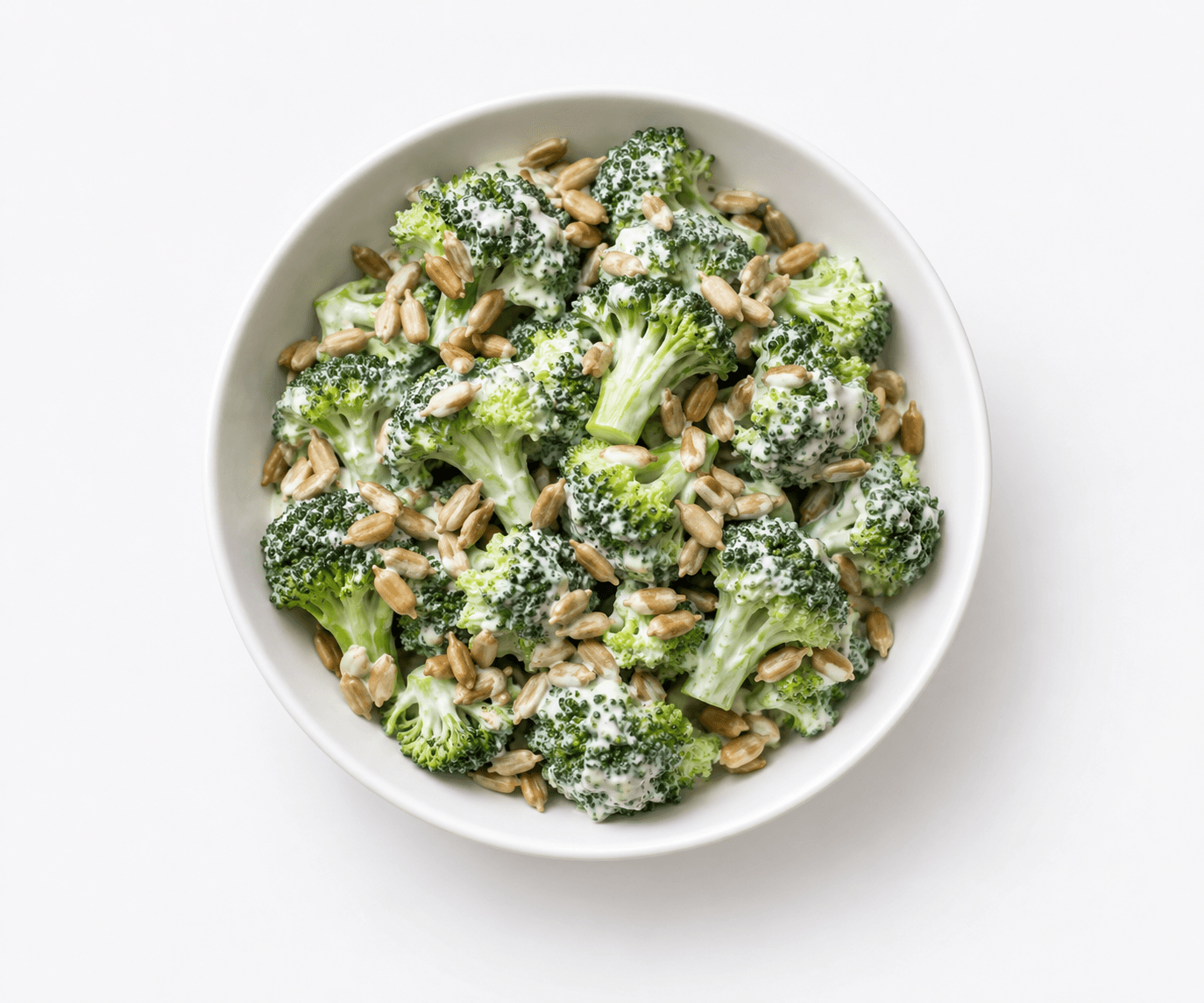
15 min · 2 servings
Broccoli and sunflower seed salad
Boil broccoli too long and you destroy the enzyme that makes sulforaphane. A 30-second blanch and a yoghurt dressing is the whole recipe.
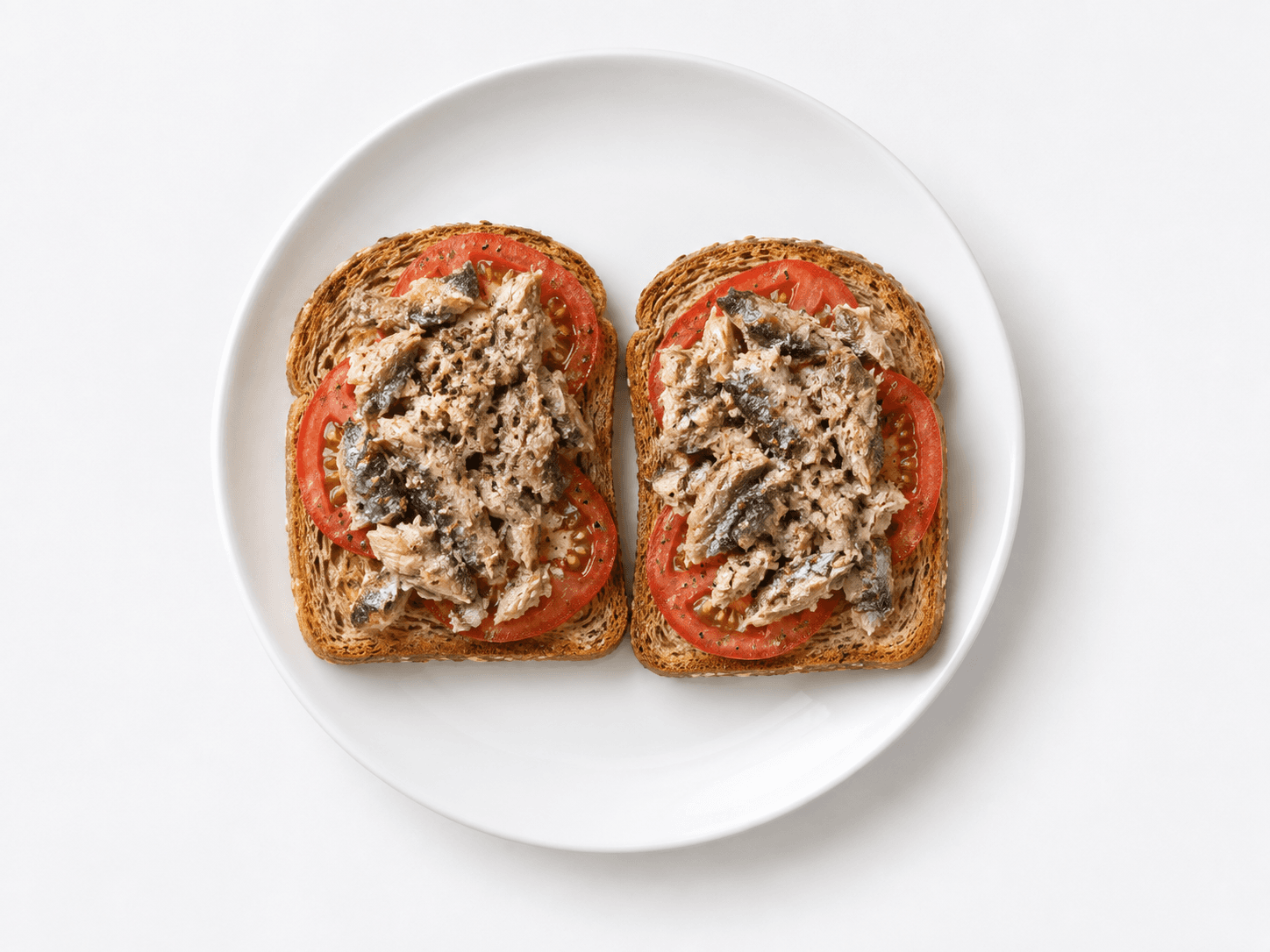
10 min · 2 servings
Sardine and tomato toast
Mashing is the point. The bones have to be distributed for the 382 mg of calcium to actually reach your mouth.
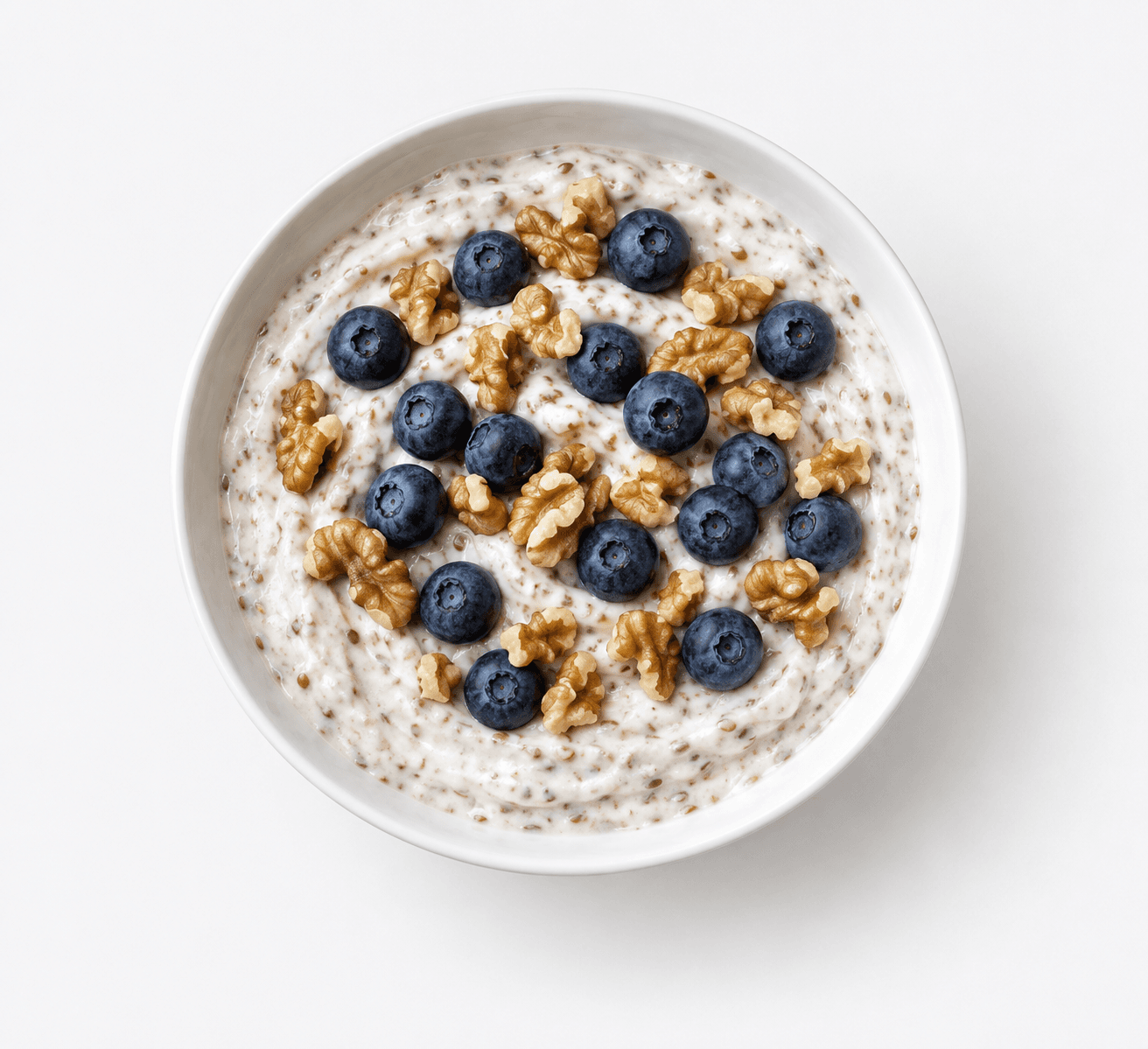
5 min · 1 servings
Flaxseed yoghurt bowl
Grind the flaxseed right before eating. Whole seeds pass through undigested, and pre-ground flax goes rancid.
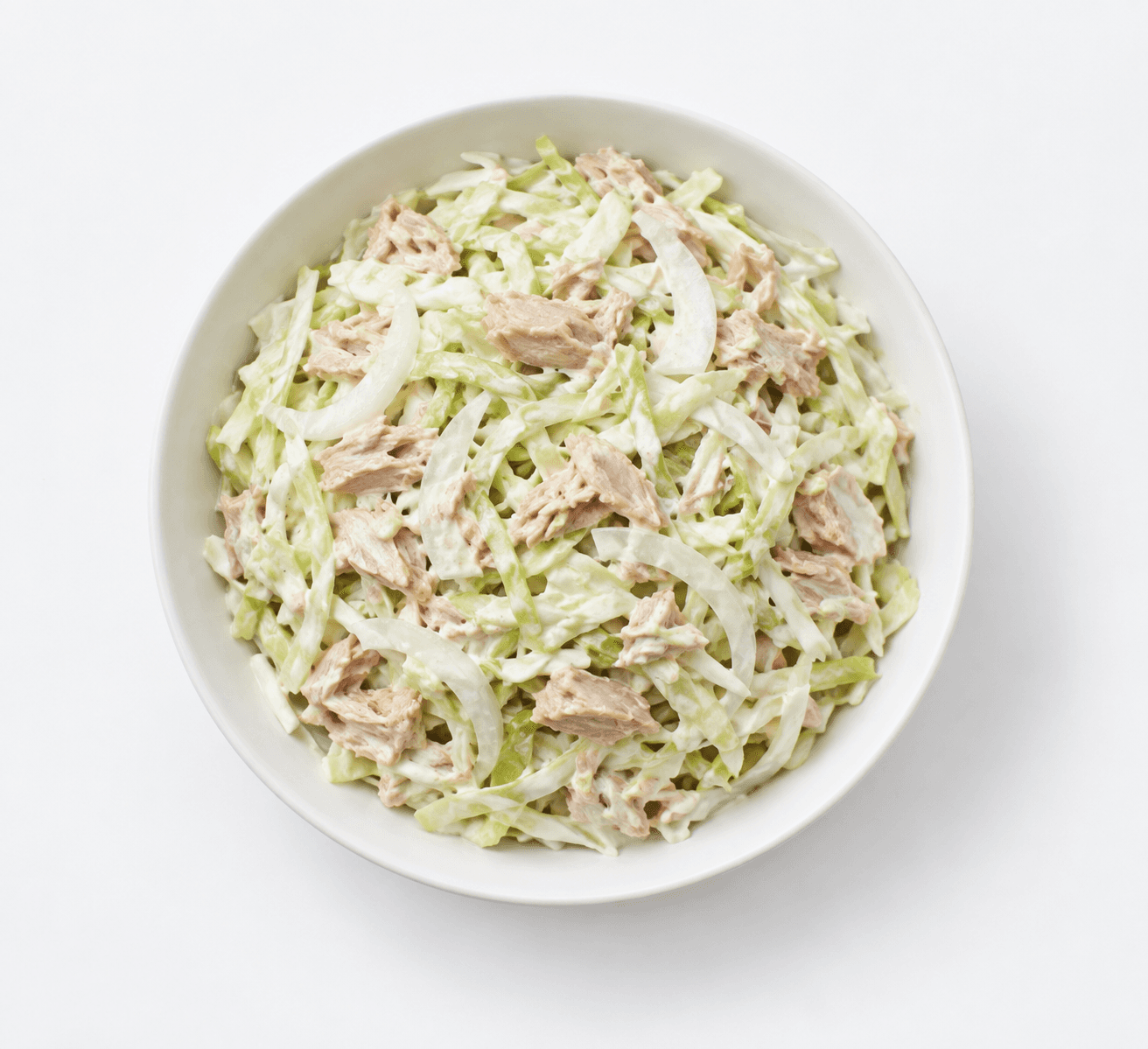
10 min · 2 servings
Tuna and cabbage salad
Greek yoghurt instead of mayonnaise. That one swap is the whole reason the tin's 85 kcal survives.
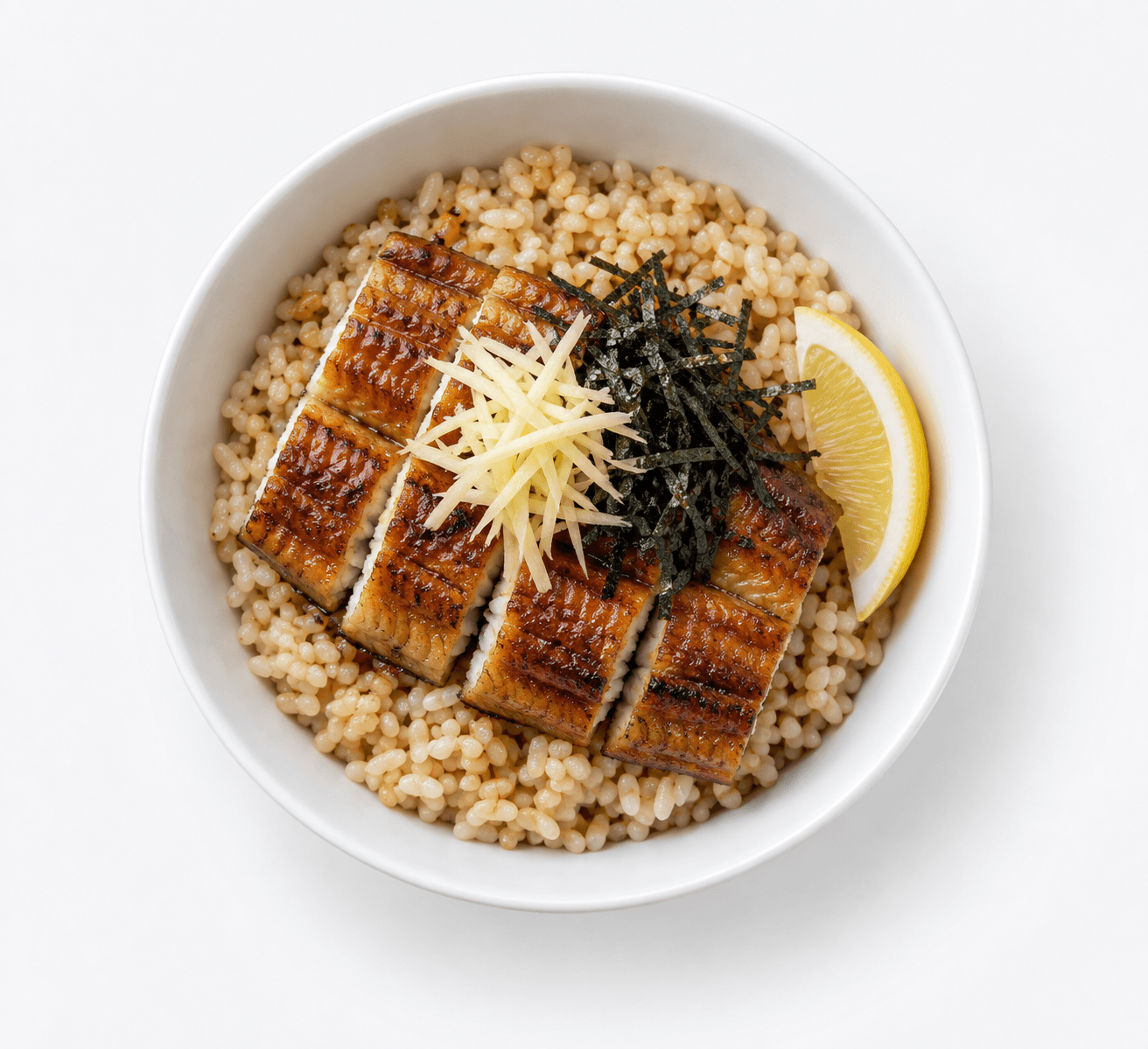
25 min · 2 servings
Eel and ginger rice bowl
Salt-grilled rather than glazed. Most of the gap between eel's 184 kcal and what reaches the table comes from that glaze.
25 min · 2 servings
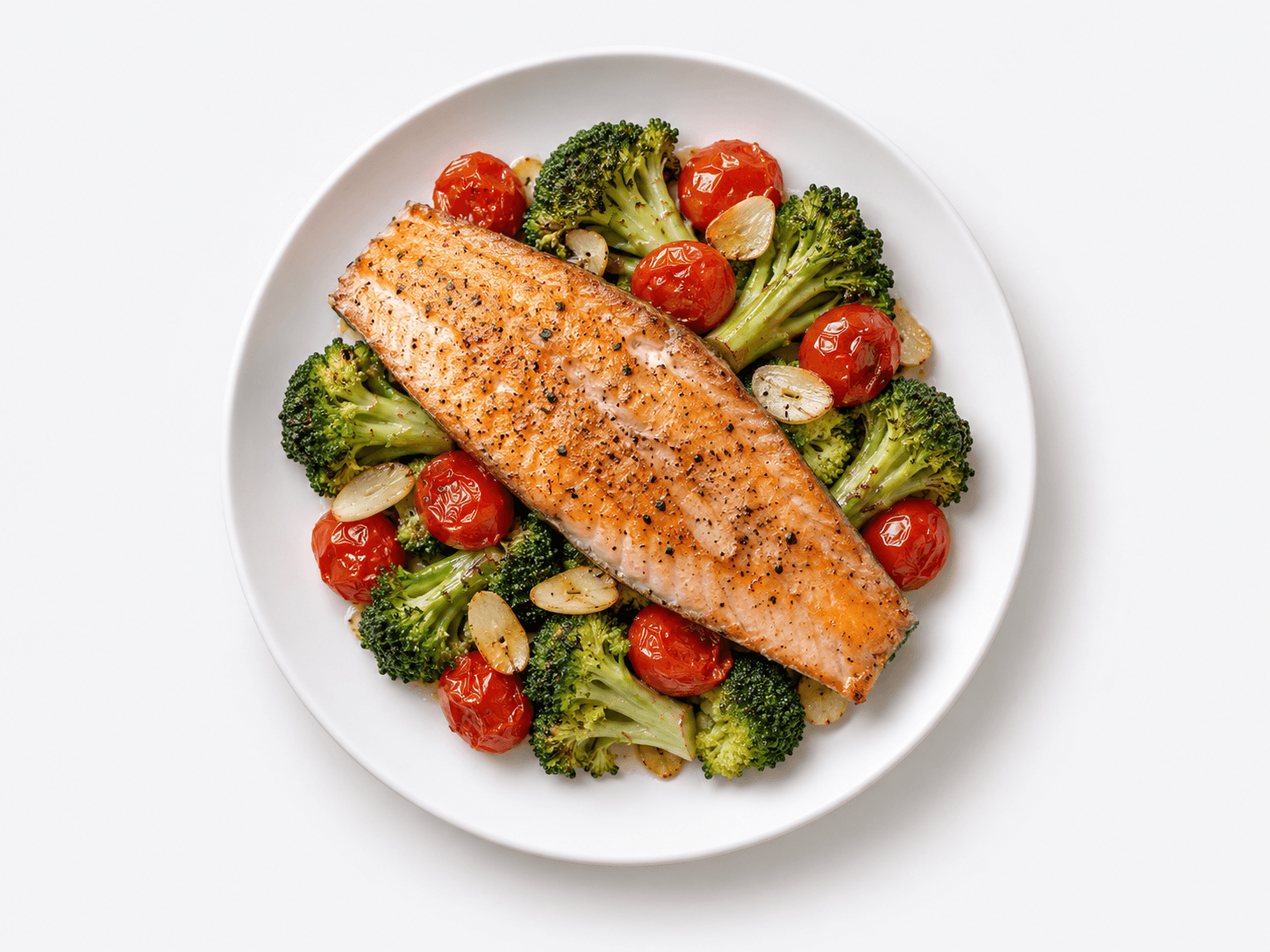
Baked trout with broccoli
There is a reason for 180 °C. Both the omega-3 and the sulforaphane break down first under high heat.
30 min · 2 servings
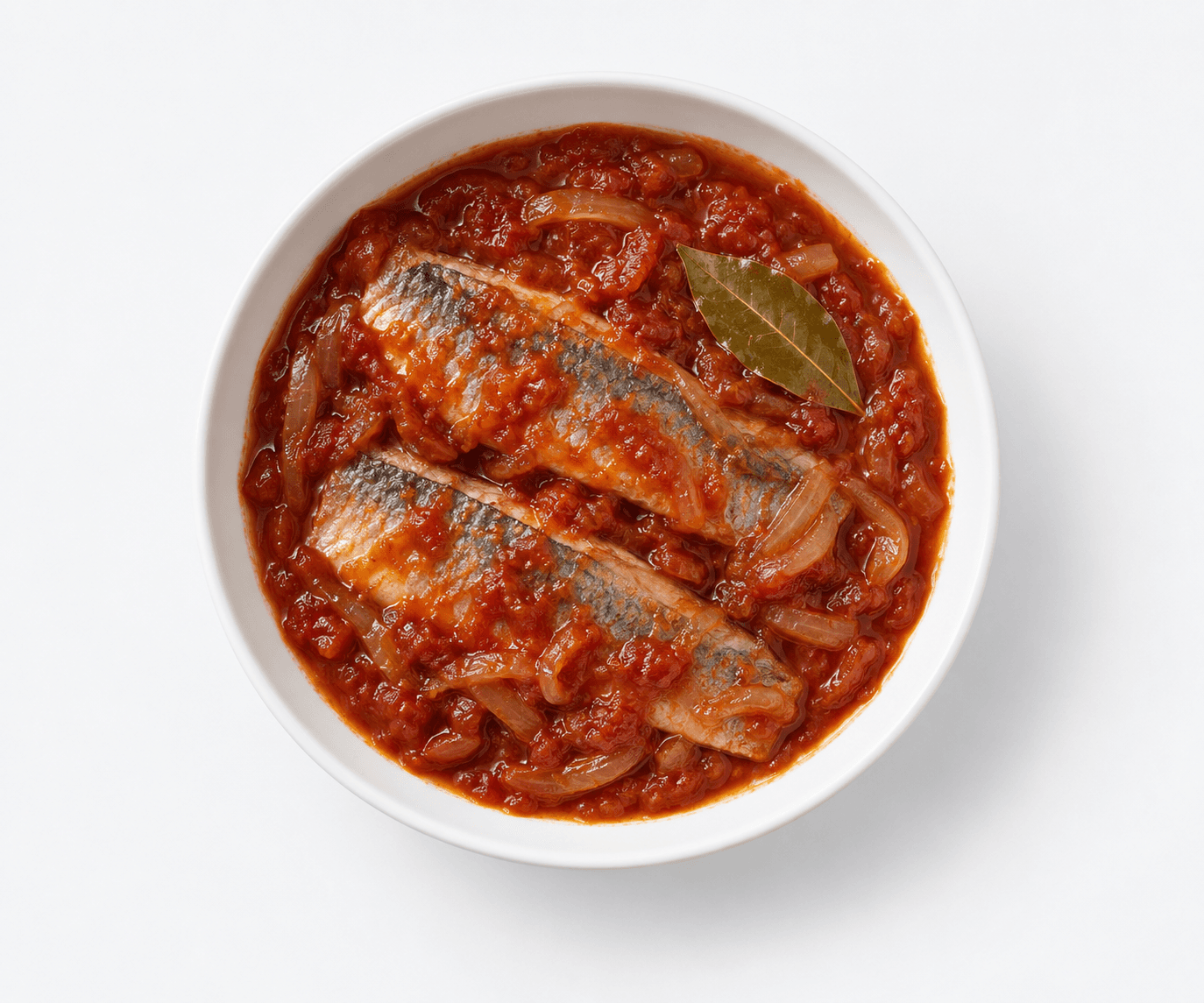
Herring braised in tomato
The fish goes in last and cooks briefly over low heat. Long simmering costs you some of that 1.57 g of omega-3.
30 min · 3 servings
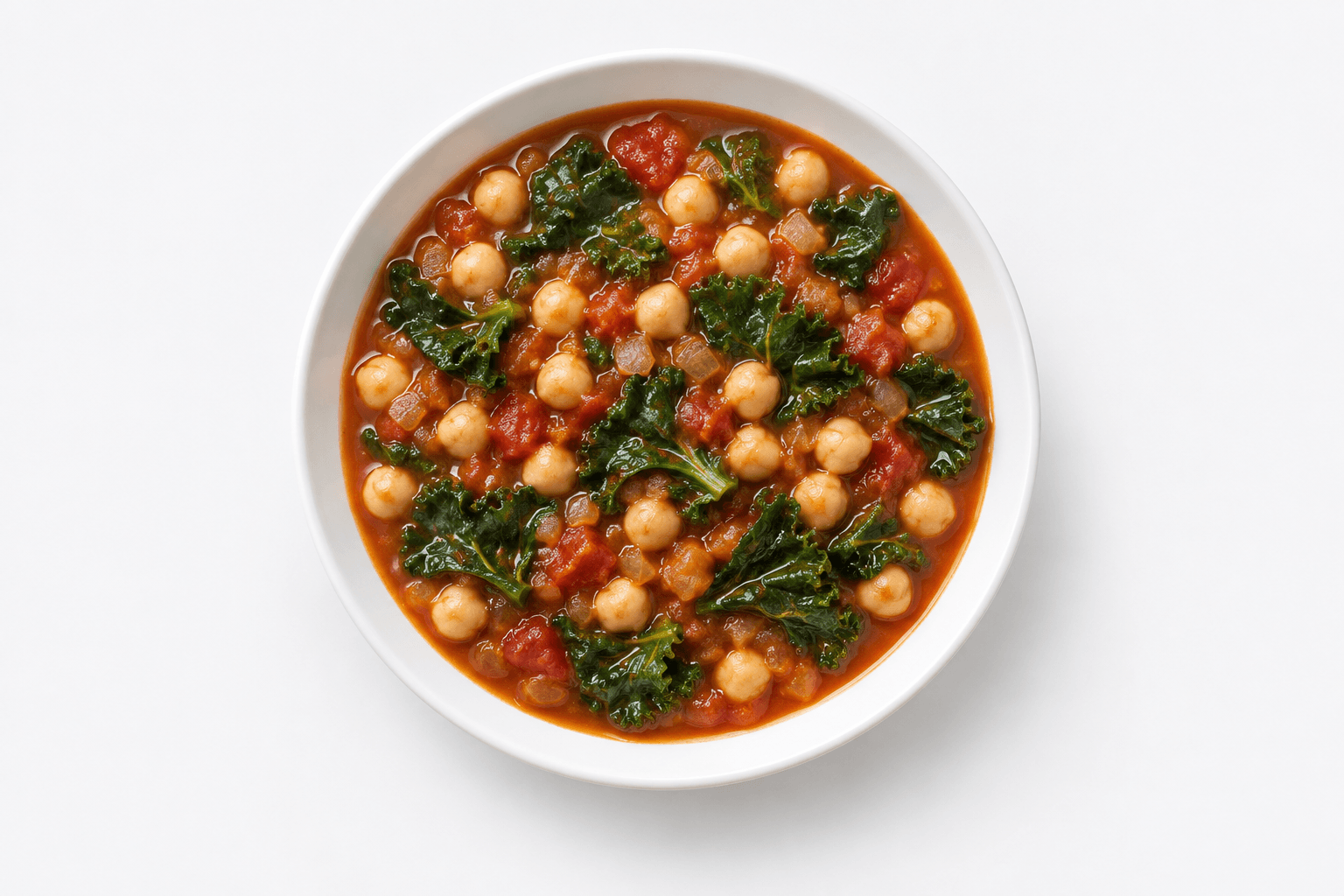
Chickpea and kale stew
Tomato's vitamin C lifts the non-haem iron out of the chickpeas. The kale goes in for the last three minutes so its own vitamin C survives.
15 min · 4 servings
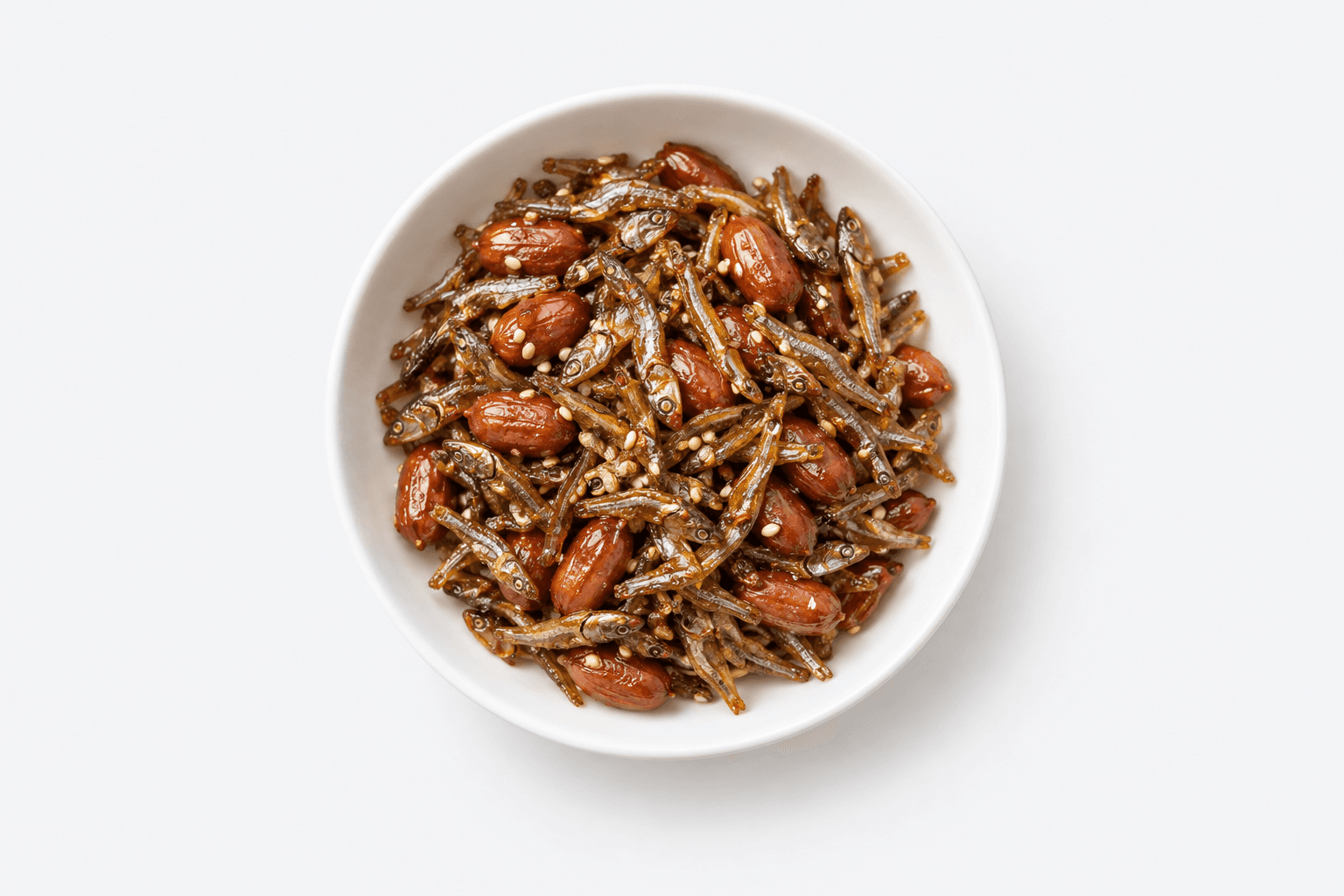
Anchovy and peanut stir-fry
Less sugar and syrup, with peanuts carrying the flavour instead. Eating the fish whole is what keeps the calcium.