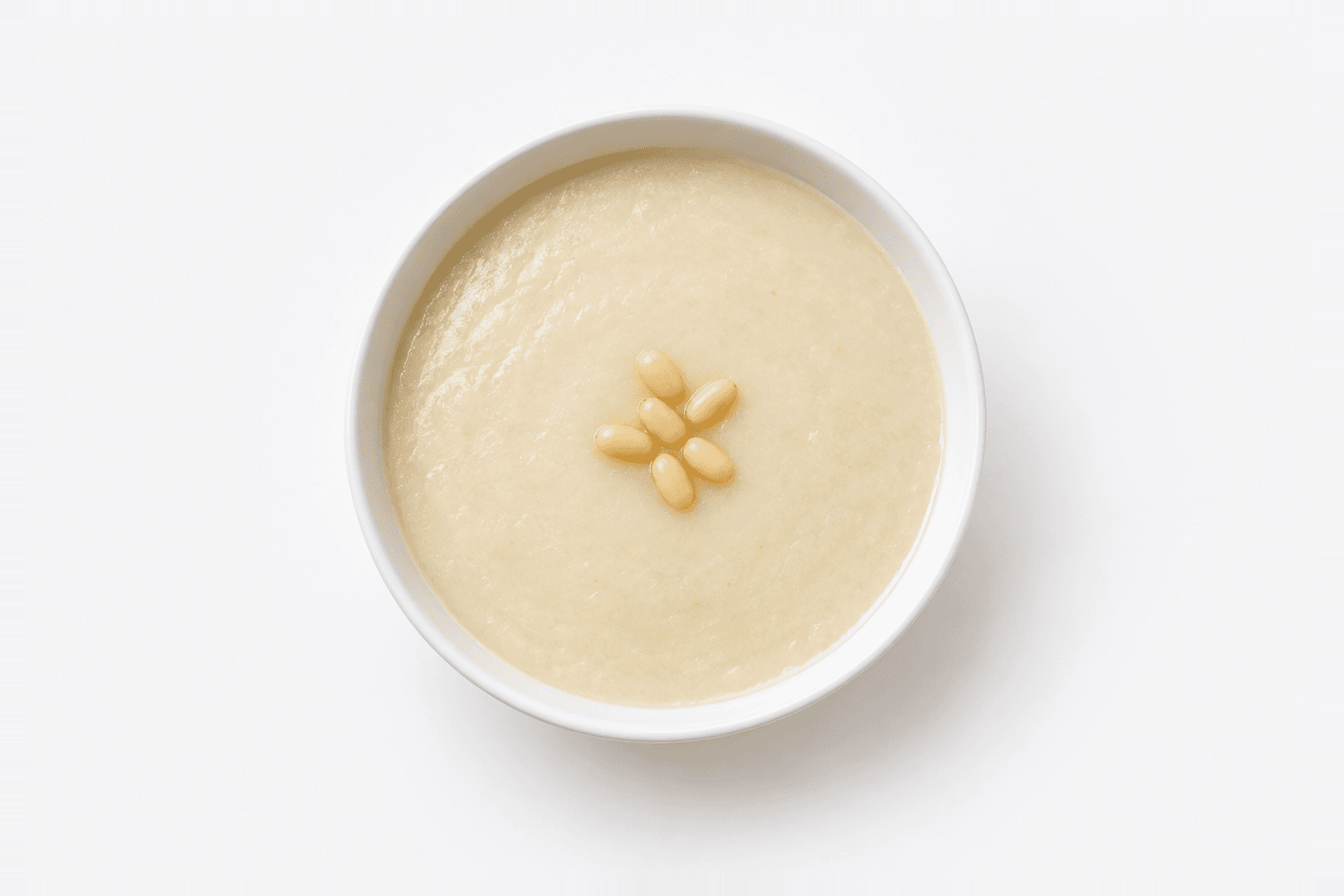
Most writing about pine nut porridge starts from "it is easy to digest". This recipe starts somewhere else — the calories.
This dish was traditionally served to people recovering from illness, women after childbirth and older people with no appetite. That is what it was designed to do: deliver energy and fat in a small volume to someone who cannot eat much.
Look at the numbers per serving.
| Per serving |
|---|
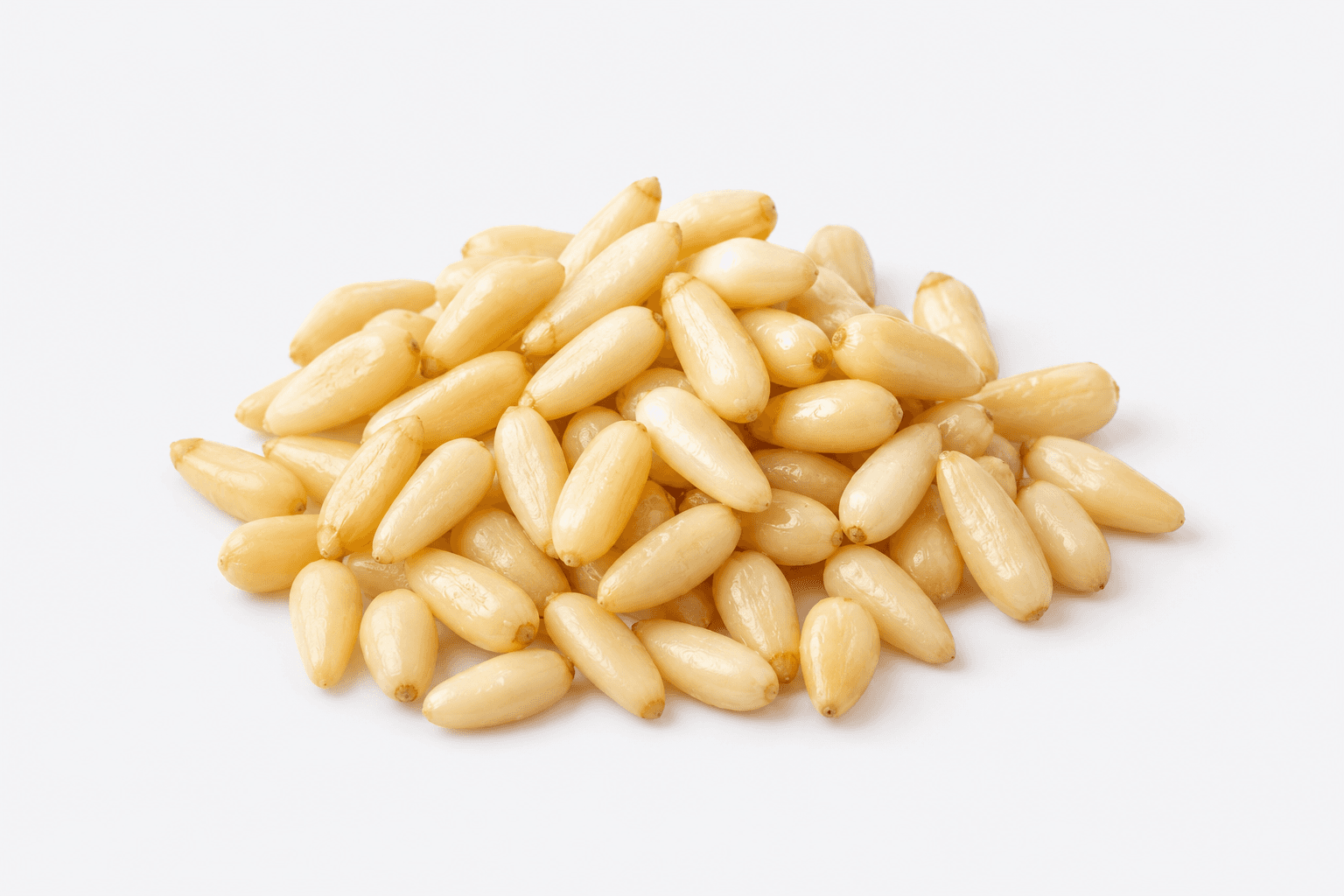
| Pine nuts 25 g | 168 kcal, fat 17.1 g |
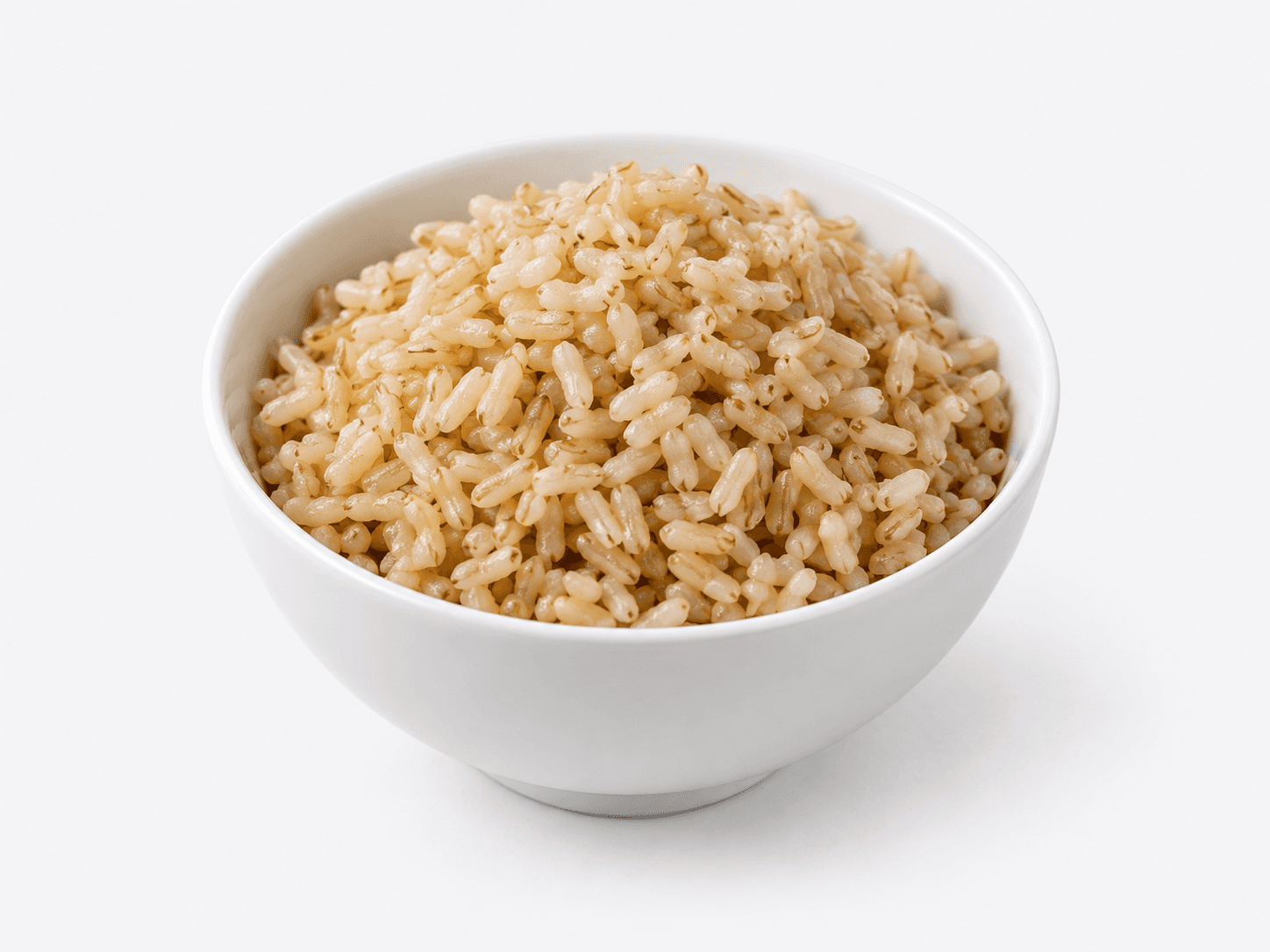
| Brown rice 40 g | about 148 kcal |
| Total | about 316 kcal |
That is 316 kcal a bowl. Porridge looks light because it is mostly water, but the moment 25 g of pine nuts go in, it is not a light dish.
This is not written as a fault. When appetite is poor or chewing is hard, getting energy in at low volume is exactly the function required. But it is not the right breakfast for someone trying to lose weight.
If you have seen the claim that pine nuts suppress appetite, read the pine nut entry. The 2008 trial behind it used 3 g of fatty acids extracted from pine nuts in a capsule, not the nuts, and never measured how much anyone actually ate. Eating pine nut porridge to suppress appetite has no evidence behind it.
Why blend the pine nuts separately. They are 68% fat. Blended at length with the rice, the oil works free and the porridge separates. Blended apart and added at the end, the aroma and the smooth texture both survive.
The same reason they go in last. Their aroma compounds are volatile and their polyunsaturated fat is heat-sensitive. Five minutes after they go in is enough.
Why brown rice. Traditional pine nut porridge uses white rice. Brown rice adds fibre and a rougher texture. For someone recovering from illness, white rice is the right call; for an ordinary meal, brown is better. Soak brown rice for a long time — the bran layer takes up water slowly.
Why sieve it. Blended rice keeps some under-ground grains. Sieving changes the texture completely. It is worth the extra step.
"Stir constantly" is not an exaggeration. Rice starch settles and catches, and once any of it scorches the whole pot tastes burnt. Keep it at medium-low and scrape the base with a wooden spoon.
Salt at the end. Added early, it interferes with the grains breaking down. A quarter teaspoon (about 290 mg of sodium, or 145 mg each across two servings) is enough. Let people adjust at the table if they want more.
If a bitter or metallic taste appears one to three days after eating pine nuts, it may be pine mouth, which the pine nut entry covers. There is no proven treatment; stopping usually resolves it.
Leftovers thicken. Add a splash of water when reheating and stir.