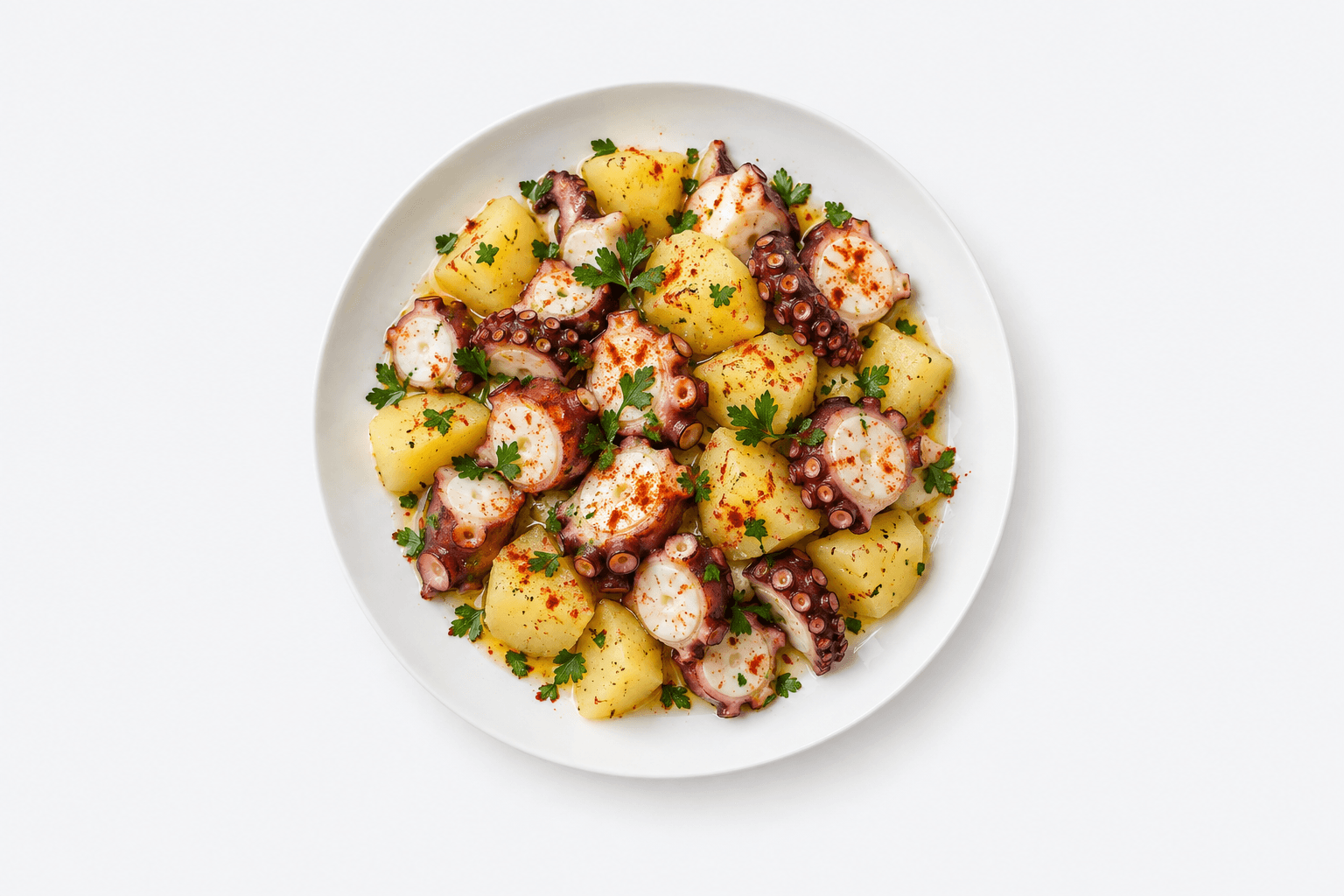
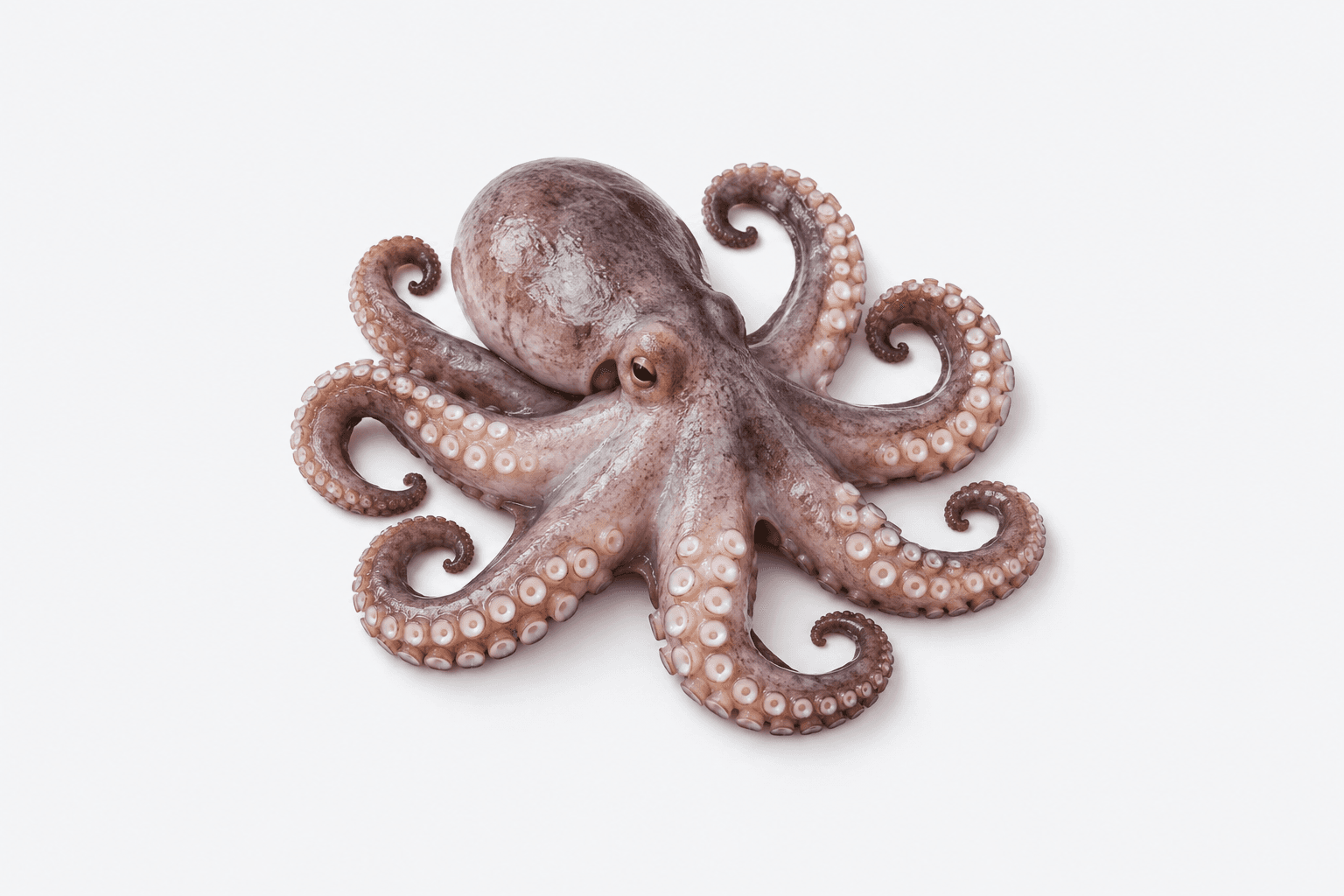
The cooking time is where this dish is decided. Octopus muscle is bound by collagen-rich connective tissue. At 30–60 seconds the proteins have not yet contracted, so it is tender; past 40 minutes the collagen has melted into gelatin and it turns tender again. In between is the toughest window — the proteins have contracted but the collagen has not yet dissolved.
Dipping the legs three times is for the shape: the sudden heat shrinks the skin and curls them.
Cooling it in its own water is about shrinkage too. Lift hot octopus into cool air and the muscle fibres tighten fast.
Frozen octopus is actually more tender. Growing ice crystals physically break the muscle tissue. There is no reason to insist on fresh.
On the numbers: 500 g of octopus is about 410 kcal raw, with 75 g of protein and 5 g of fat, before the potato and oil. Vitamin B12 comes to around 100 µg, though absorption from a single meal saturates near 2 µg.
You can set the cholesterol worry aside. Octopus holds 48 mg per 100 g — a quarter of one egg (186 mg), and nothing like squid (233 mg).
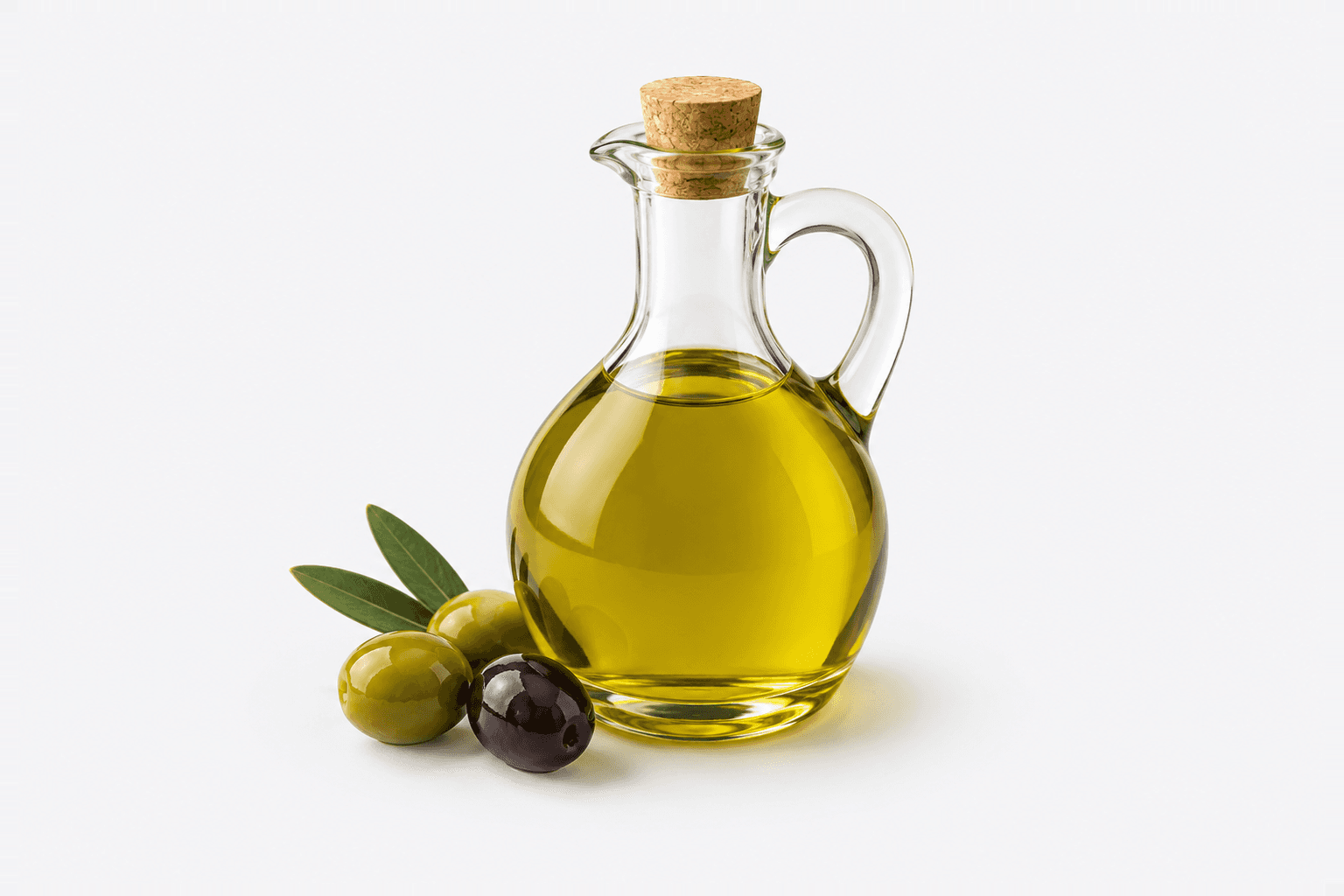
Dress it warm. Warm potatoes drink up the olive oil and lemon juice.
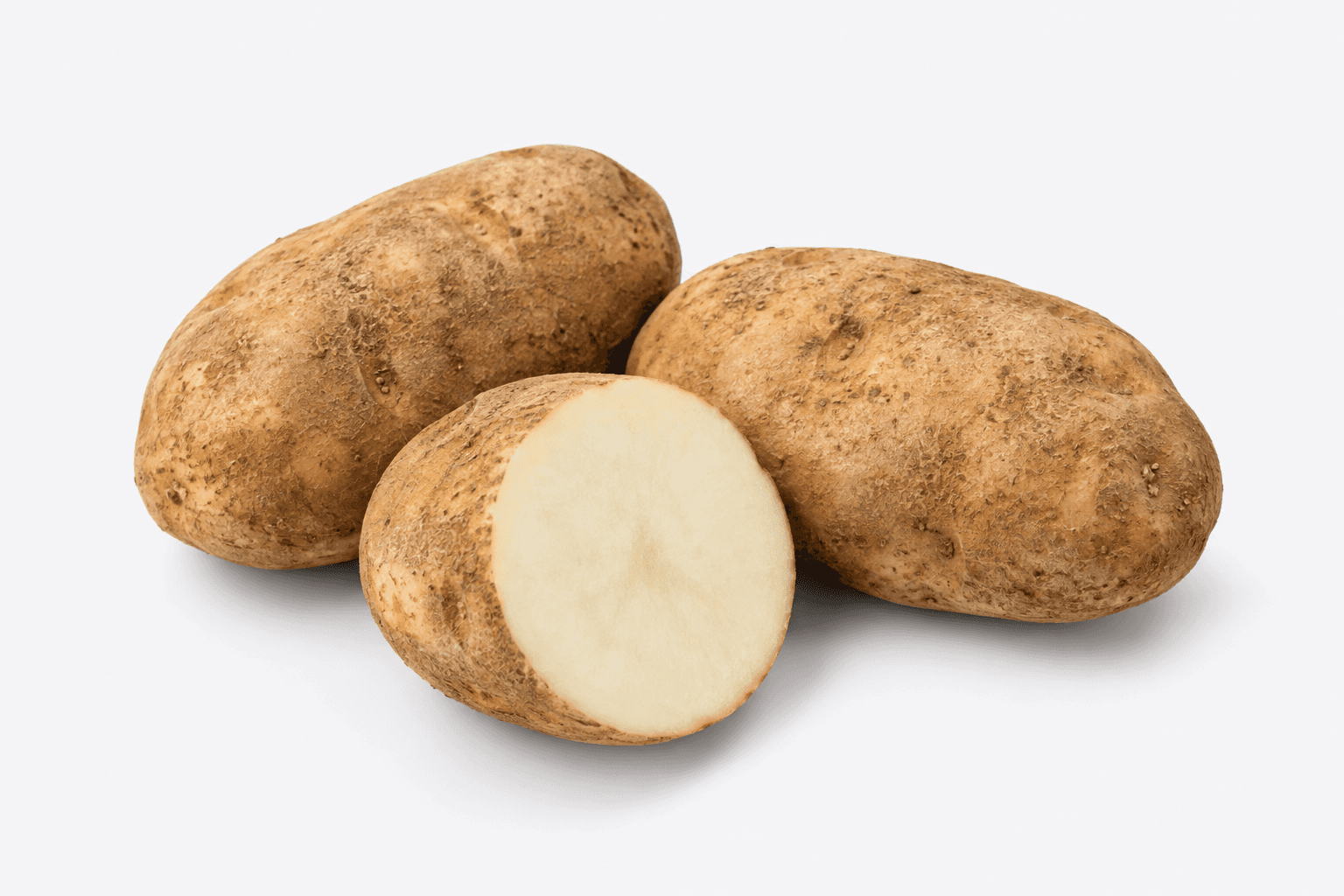
Boil the potatoes in their skins. The less cut surface under water, the less they fall apart.