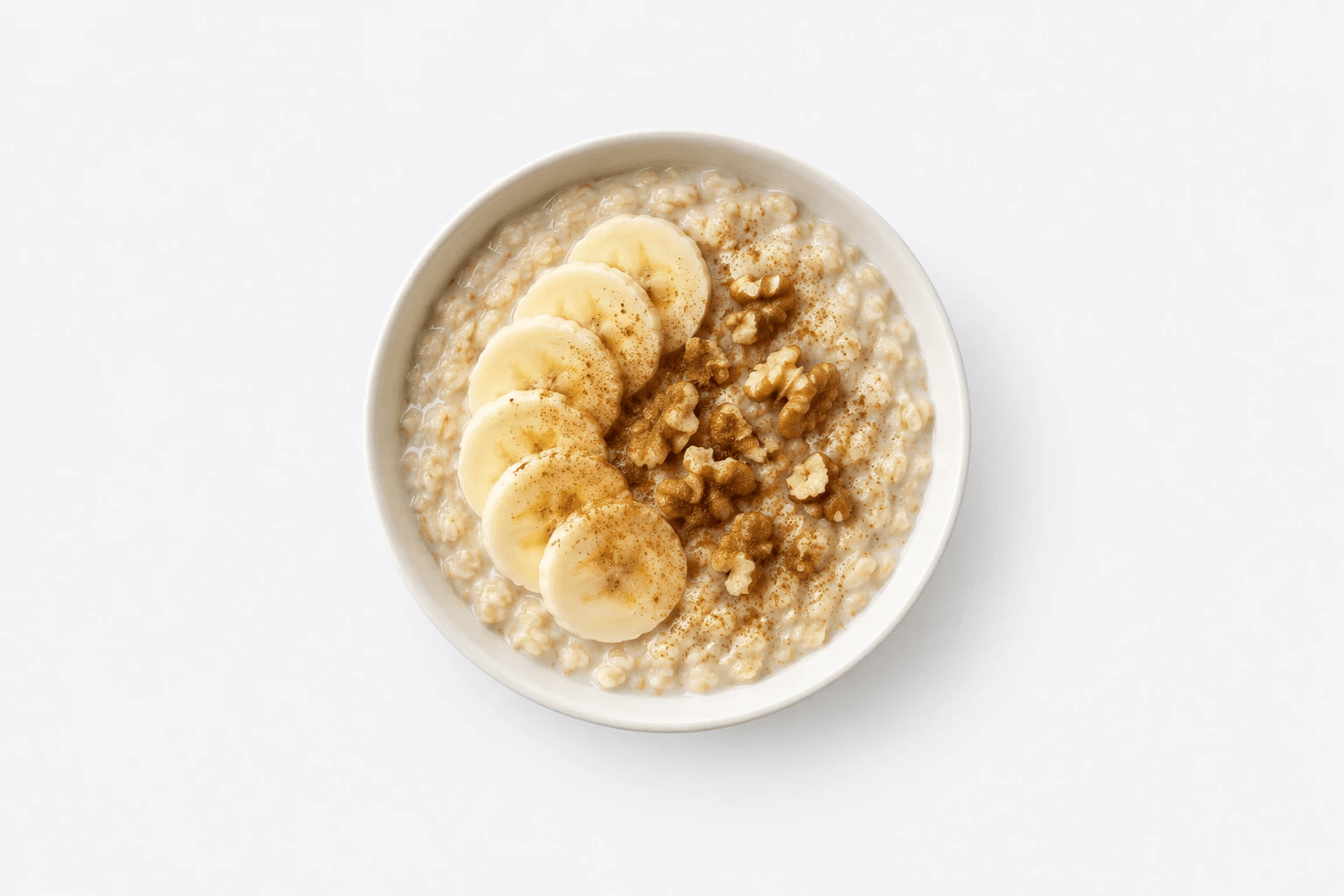
Sweetness without sugar is the design of this porridge.
Three mechanisms are doing it.
First, the mashed banana. In a ripe banana much of the starch has already turned to sugar. Sliced on top, the sweetness stays local; mashed in, the whole bowl turns sweet. That is why it is split in half.
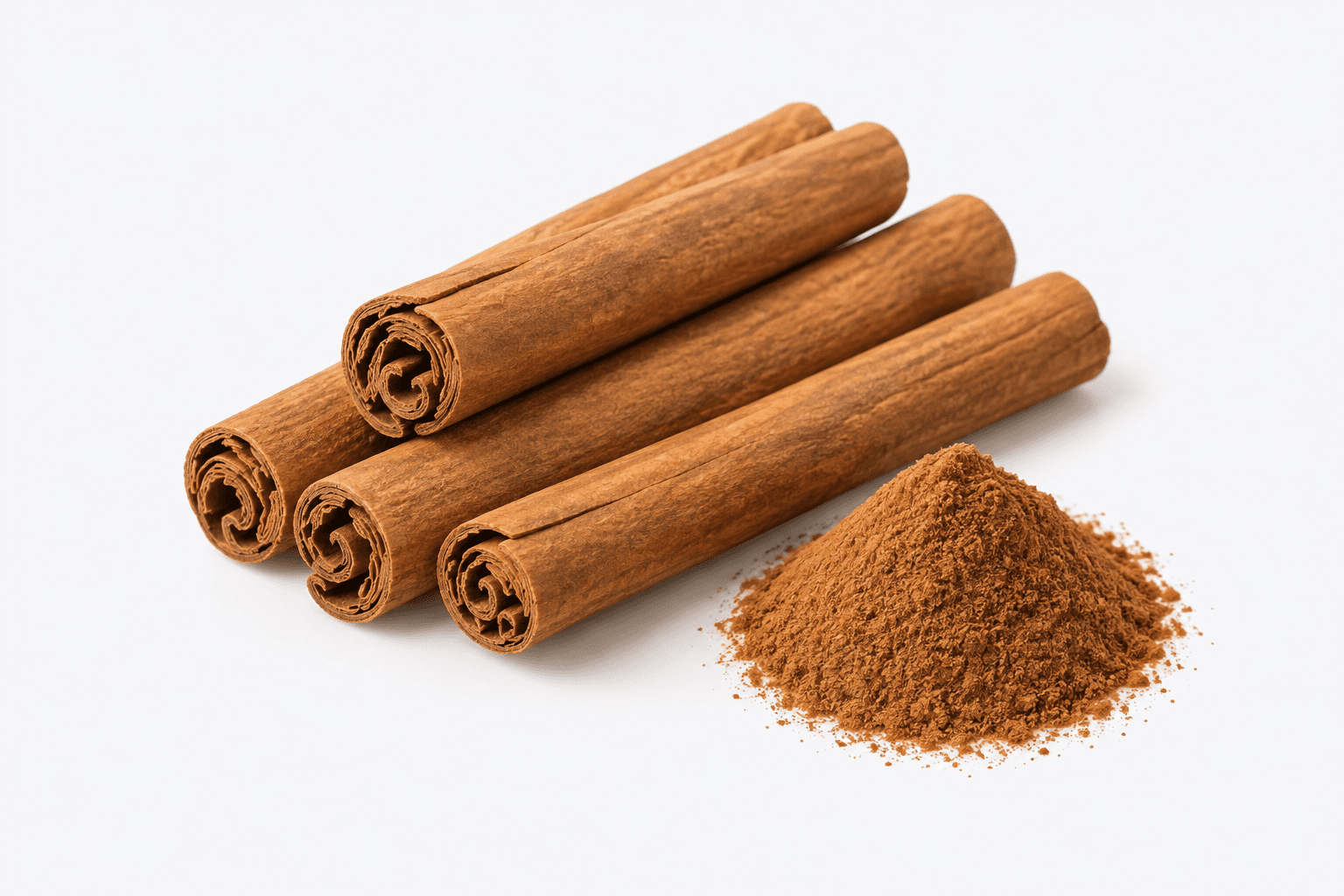
Second, cinnamon. It carries no sugar itself but creates the impression of sweetness. Timing matters — the aroma compounds are driven off by long cooking, so add it at the end.
Third, the pinch of salt. It sharpens the sweetness. If you can taste salt, it is too much.
One bowl (half of this recipe):
| Per serving |
|---|
| Soy drink 200 ml | protein about 5.7 g, calcium about 248 mg, vitamin B12 about 2.2 µg |
| Oats 40 g | carbohydrate and beta-glucan |
| Walnuts 8 g | mostly unsaturated fat |
| Half a banana | potassium and sugar |
Protein from the soy drink, oats and walnuts together comes to around 8 g a bowl.
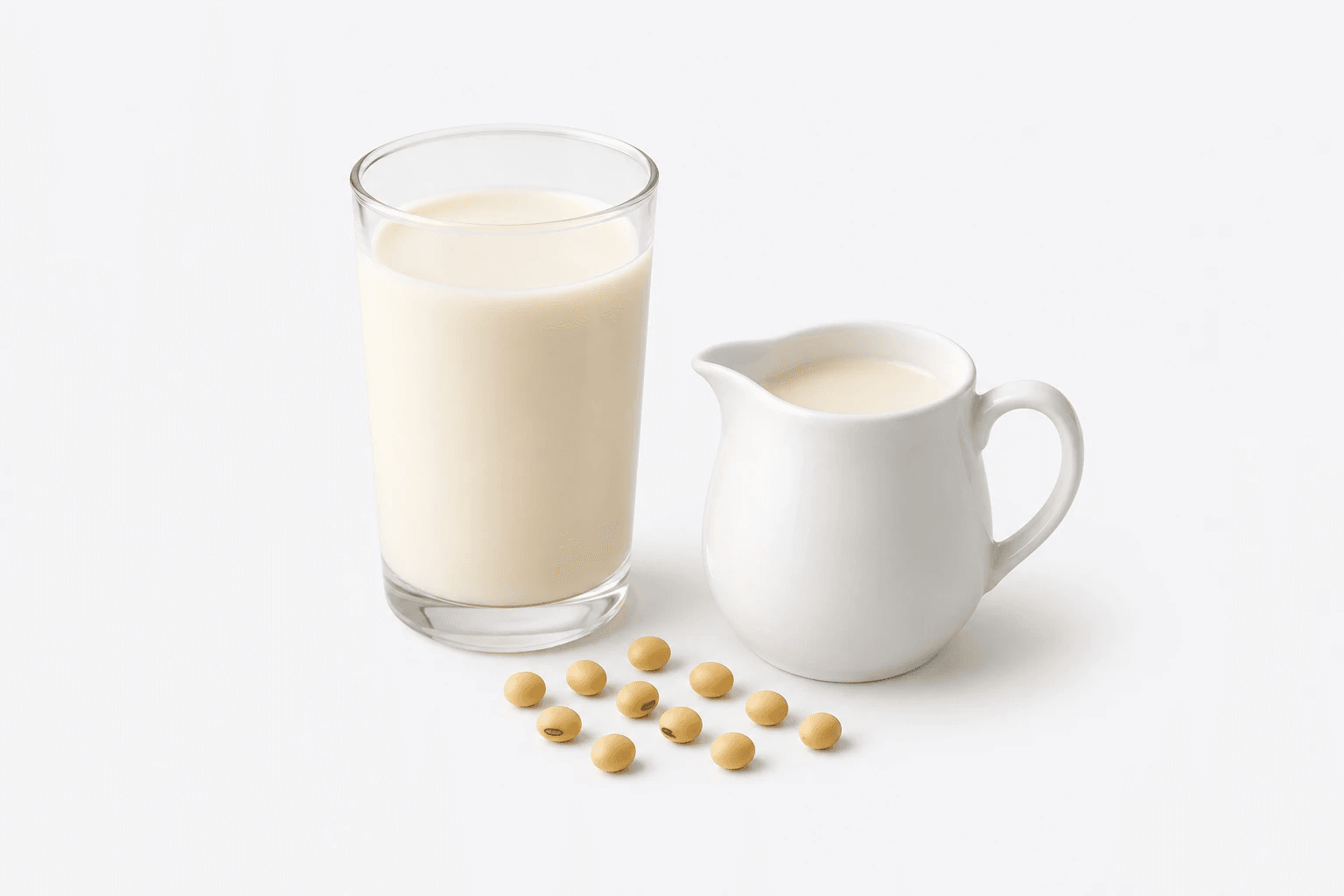
Using unsweetened soy drink matters. Sweetened cartons commonly pass 10 g of sugar per 200 ml. With one of those, saying no sugar was added means nothing. Check the sugar line on the label.
Using fortified soy drink matters too. The 248 mg of calcium and 2.2 µg of B12 above are for a fortified product. Unfortified soy drink has almost none of either, and B12 is not present in soybeans at all.
Shaking the carton is not a joke. Calcium carbonate does not dissolve and settles at the bottom. Poured unshaken, only part of the label's calcium reaches the pan.
Why not boil it. Soy protein coagulates with heat, so the drink splits and catches on the base. Add the oats when steam is just rising at the edges, and keep stirring after that.
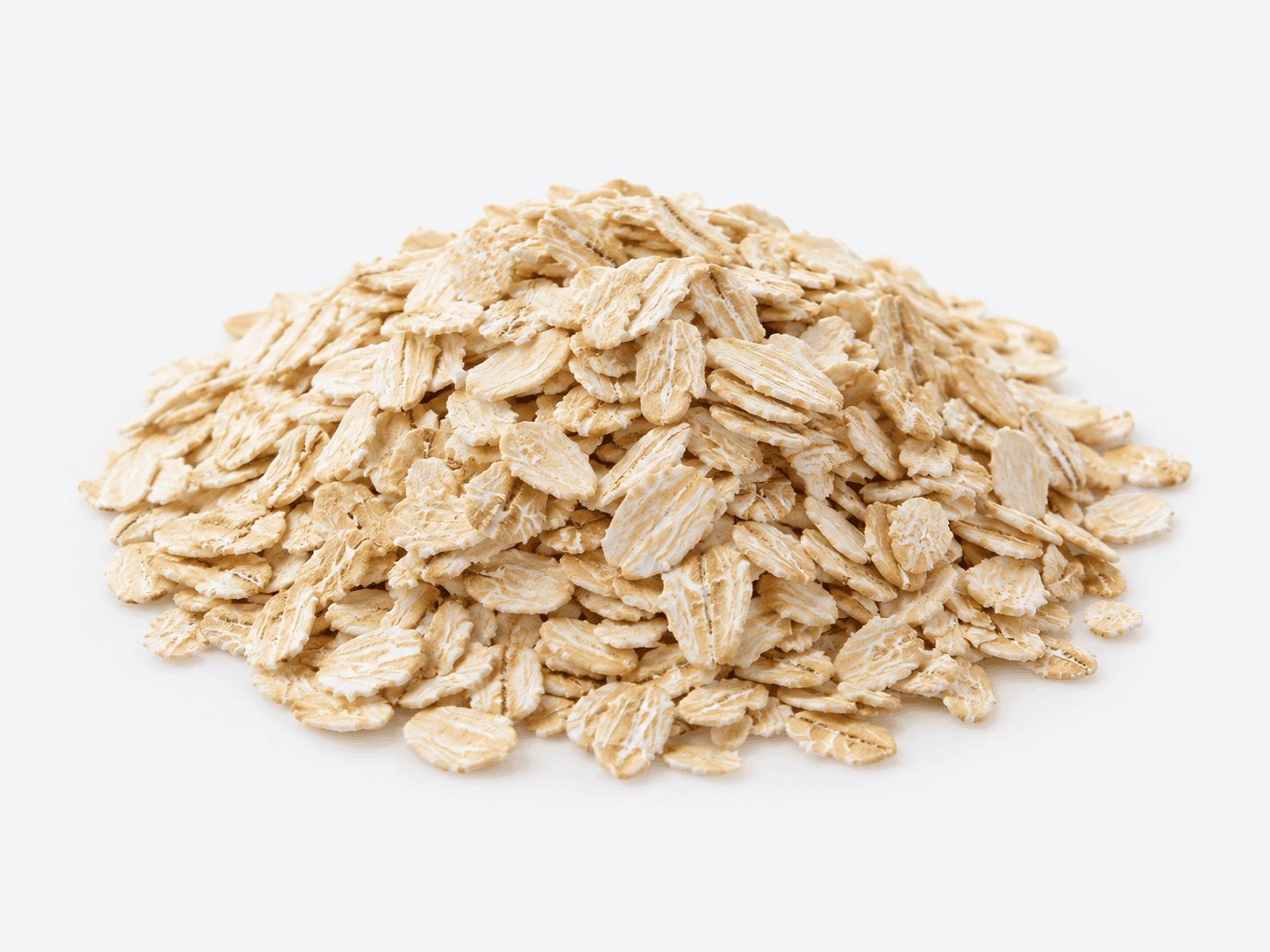
Why rolled oats. Steel-cut takes over twenty minutes; instant turns to paste in five. Rolled oats at 5–7 minutes are the texture this recipe is built on.
Why let it stand. Straight off the heat it looks thin. The oats absorb the remaining liquid and it thickens. Cook it thick on the stove and it sets too stiff once cooled.
Not suitable with a soy allergy.
If you are switching to soy drink for blood pressure, read the soy drink entry. There is a result of 8 mmHg lower on soy instead of cow milk, but its certainty grade is low and the dose was 500 mL a day.