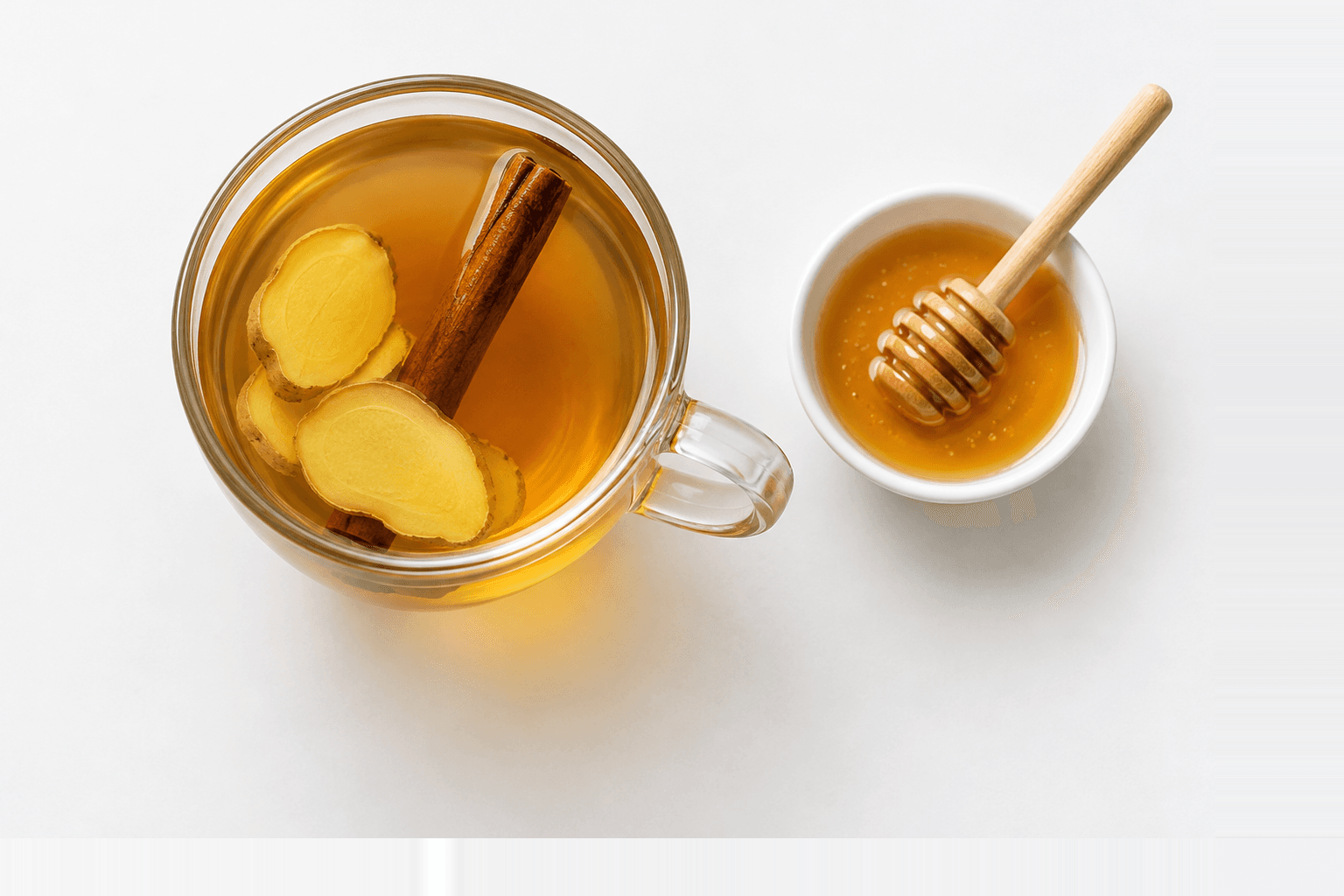
Adding the honey last, into a cooled drink, is the whole point.
Honey's aroma is made of volatile compounds. Stirred into boiling water at 100°C, that aroma leaves with the steam. Honey in a boiling drink is not far from sugar water.
Added below about 60°C the aroma survives. Hold the cup against the back of your hand: warm but not hot is the point.
You will also hear that the enzymes are destroyed, but as far as this site could establish there is no evidence those enzymes do anything in the body. The reason to add honey late is flavour, not health.
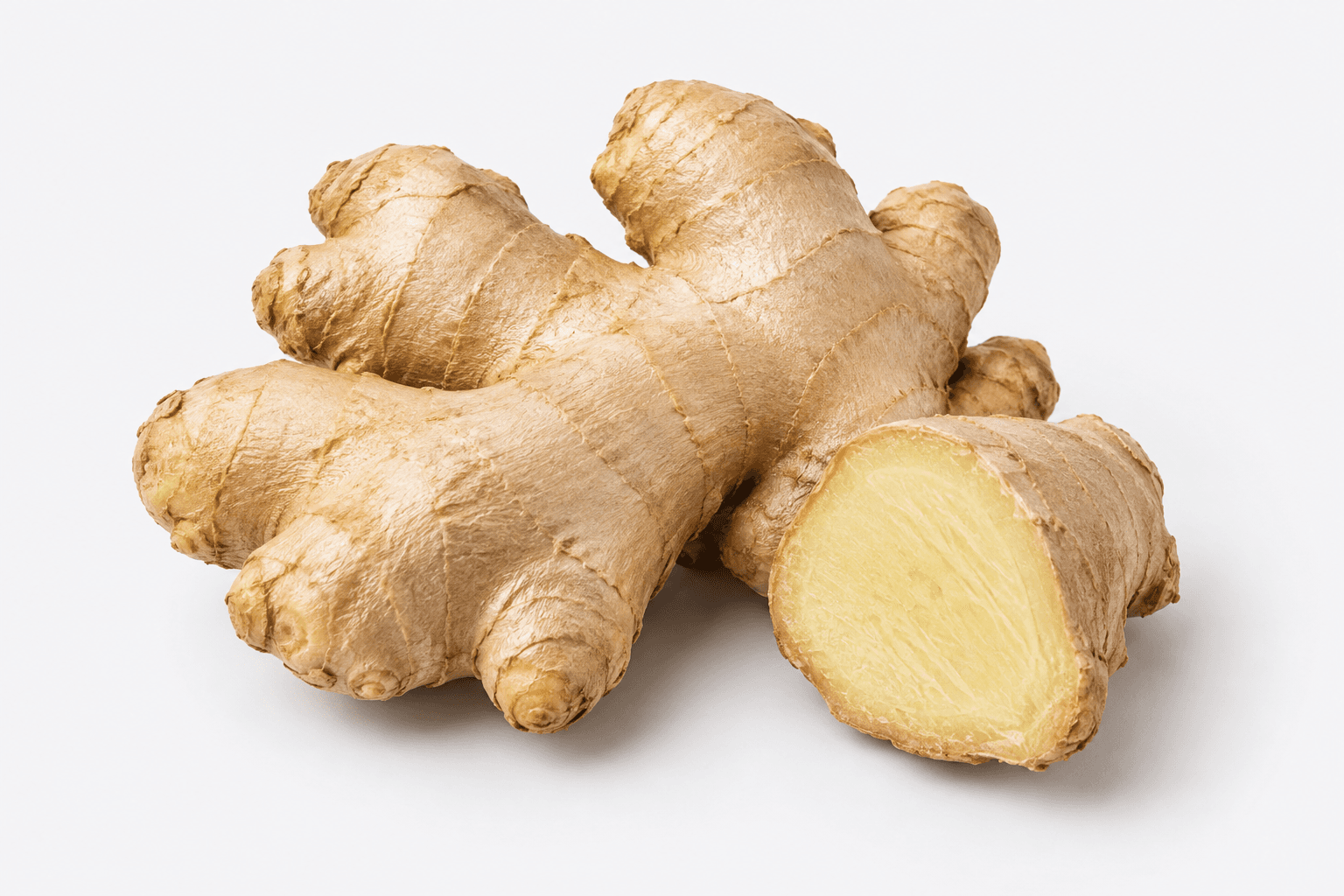
The ginger simmers 20 minutes because of gingerol, the compound behind its sharpness. Heat converts some of it to shogaol; the longer it simmers, the deeper and less sharp the flavour.
Scrape the skin with a spoon. A knife takes the aromatic layer just beneath it as well.
The jujubes are there for sweetness. Their natural sweetness means you need less honey.
Count the sugar. One teaspoon of honey per cup is about 7 g, or 5.8 g of sugar. Against the common habit of a tablespoon (21 g, 17.2 g of sugar) that is a third. The WHO recommends keeping free sugars below 25 g a day.
On children's cough. A Cochrane review (6 randomised trials, 899 children) found honey reduced cough frequency versus no treatment and placebo, at moderate certainty. But there was no advantage beyond three days, and the review covers ages 12 months and up.
Never give this to an infant under one year. Botulinum spores are not killed by boiling. That applies to this tea too — once honey is in it, it is contraindicated below 12 months. For a baby, make the ginger and jujube tea without honey.
If a cough lasts more than three days or breathing is difficult, see a doctor.