Seafood
Nutrition dataClams
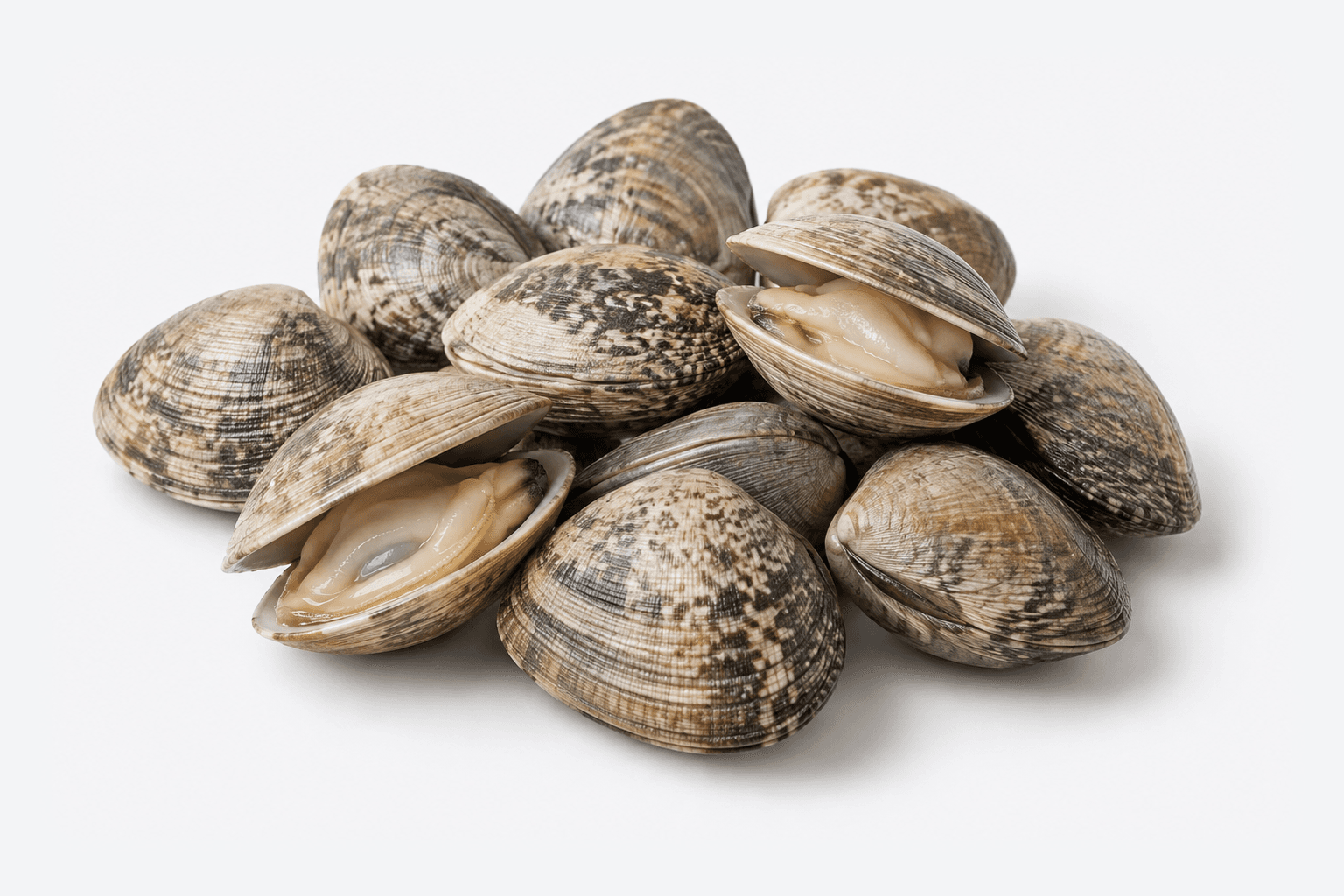
11.3 µg of vitamin B12 per 100 g — 471% of the requirement. Sodium is 601 mg, and most of that salt ends up in the broth.
Season it last. The clams have already brought the salt — 601 mg of sodium per 100 g of meat.
2 servings30 min
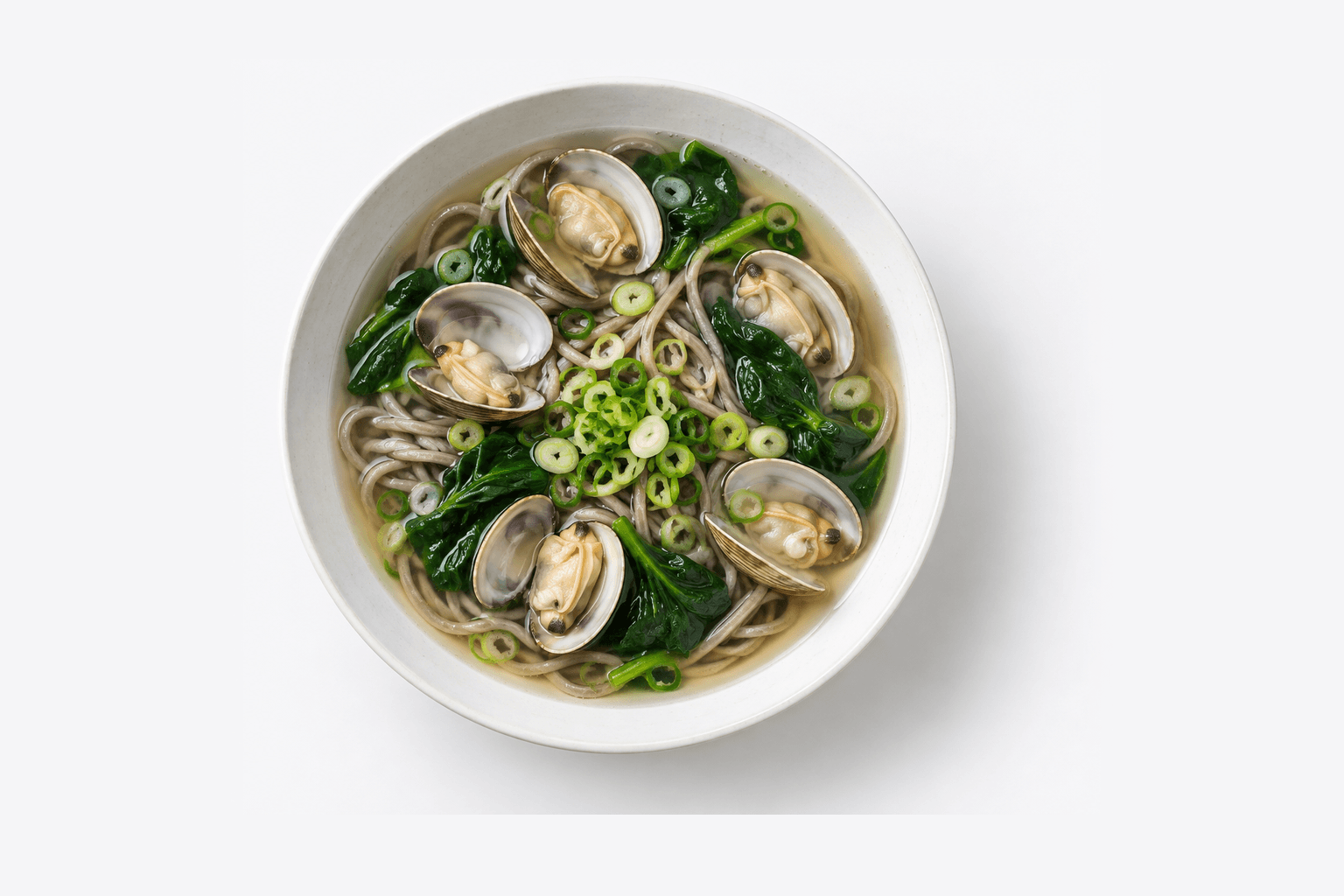
Purge them first. Dissolve 30 g of salt per litre of water to match seawater, cover the clams and leave them somewhere dark for 30 minutes. Darkness is what makes them open.
Throw the purging water away and rub the clams against each other under running water, so the grit outside the shells never reaches the broth.
Bring 4 cups of water and the sliced garlic to the boil. When it boils, add the clams and cover.
The moment they open, kill the heat and lift them out. Two to three minutes is enough; longer and the meat toughens.
Strain the broth through muslin or a fine sieve to catch the sand that settled at the bottom.
Cook the noodles in a separate pan and rinse them hard in cold water. Washing off the surface starch is what stops them sticking.
Return the strained broth to the boil, add the spinach and sliced spring onion for 30 seconds. Taste it here, and only add soy sauce if it needs it.
Put the noodles in bowls, pour the broth over, and top with the clams.
Seasoning last is the point of this bowl.
Clam meat carries 601 mg of sodium per 100 g — not added salt, but seawater. Boil the clams and most of that salt moves into the broth.
Which is why following a recipe's soy sauce quantity almost always oversalts it. That is why this one says "1 tsp — after tasting". Depending on the clams, some days you will not need any.
Why strain the broth. However well you purge them, a little grit stays in the hinges. Five seconds through muslin saves the bowl.
Why lift the clams out. Clams cook in two to three minutes and toughen from there. Boiling them longer to extract more flavour turns the meat you were going to eat into rubber.
Check the wheat in the noodles. Buckwheat itself is gluten-free, but commercial buckwheat noodles usually contain wheat flour as a binder, with buckwheat content ranging from 10% to 100%. With coeliac disease, the ingredient list is not optional.
Do not throw away the noodle water. Buckwheat's water-soluble compounds are in it — which is why soba restaurants bring you the cooking broth at the end. Here the soup is clam broth, so serve the noodle water separately in a cup.
In spring, check shellfish toxin notices. Paralytic shellfish poison can exceed limits from March to June, and cooking does not destroy it. Do not use clams you gathered yourself.
Seafood
Nutrition data11.3 µg of vitamin B12 per 100 g — 471% of the requirement. Sodium is 601 mg, and most of that salt ends up in the broth.
Grains & legumes
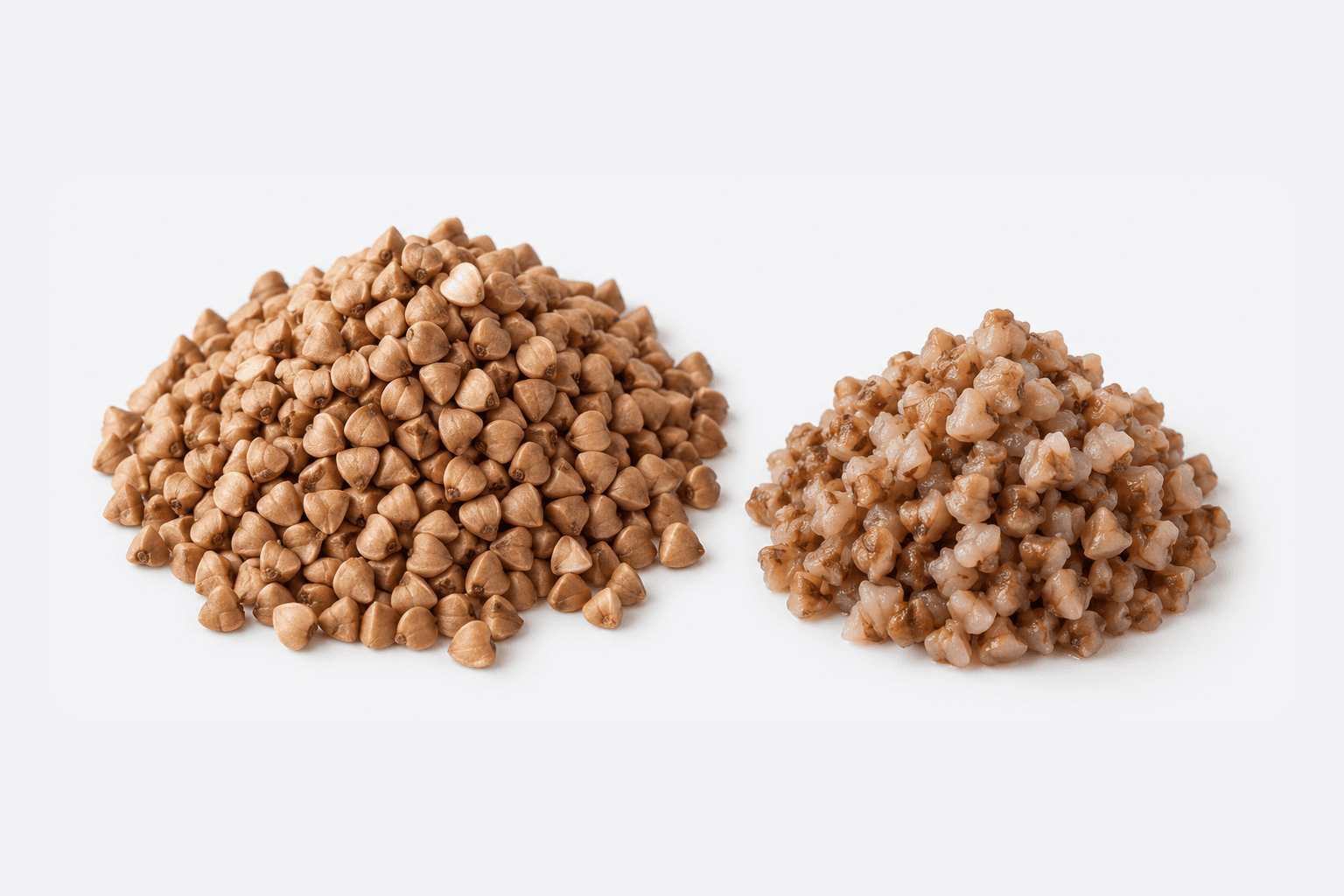
Moderate evidenceAcross 13 randomised human studies, total cholesterol fell 0.50 mmol/L — about 19 mg/dL. The authors also wrote that every outcome showed high unexplained heterogeneity.
Vegetables
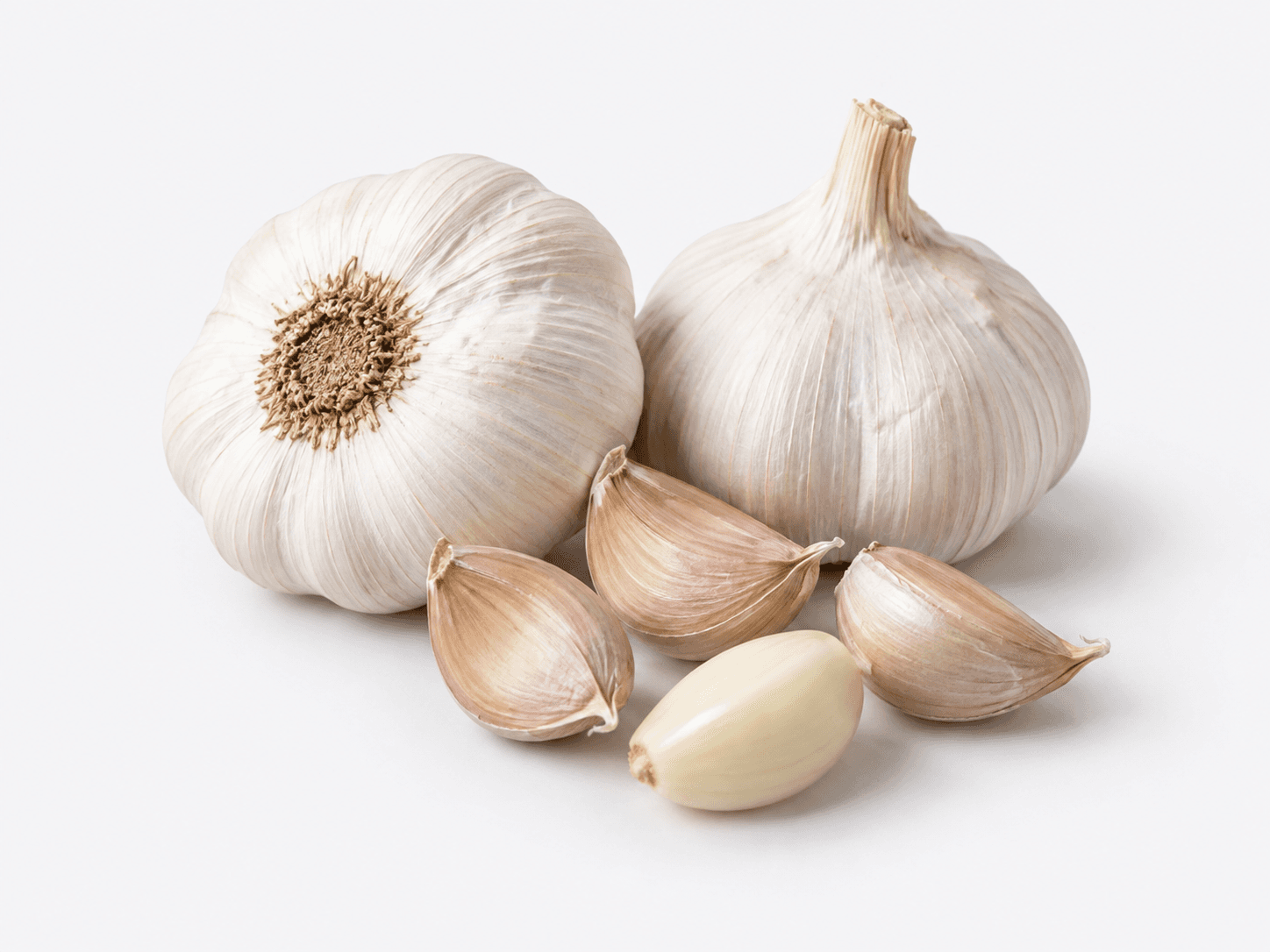
Moderate evidenceThe evidence for garlic points to a modest drop in blood pressure and cholesterol. The trick is to crush it and wait ten minutes before it hits the heat.
Vegetables
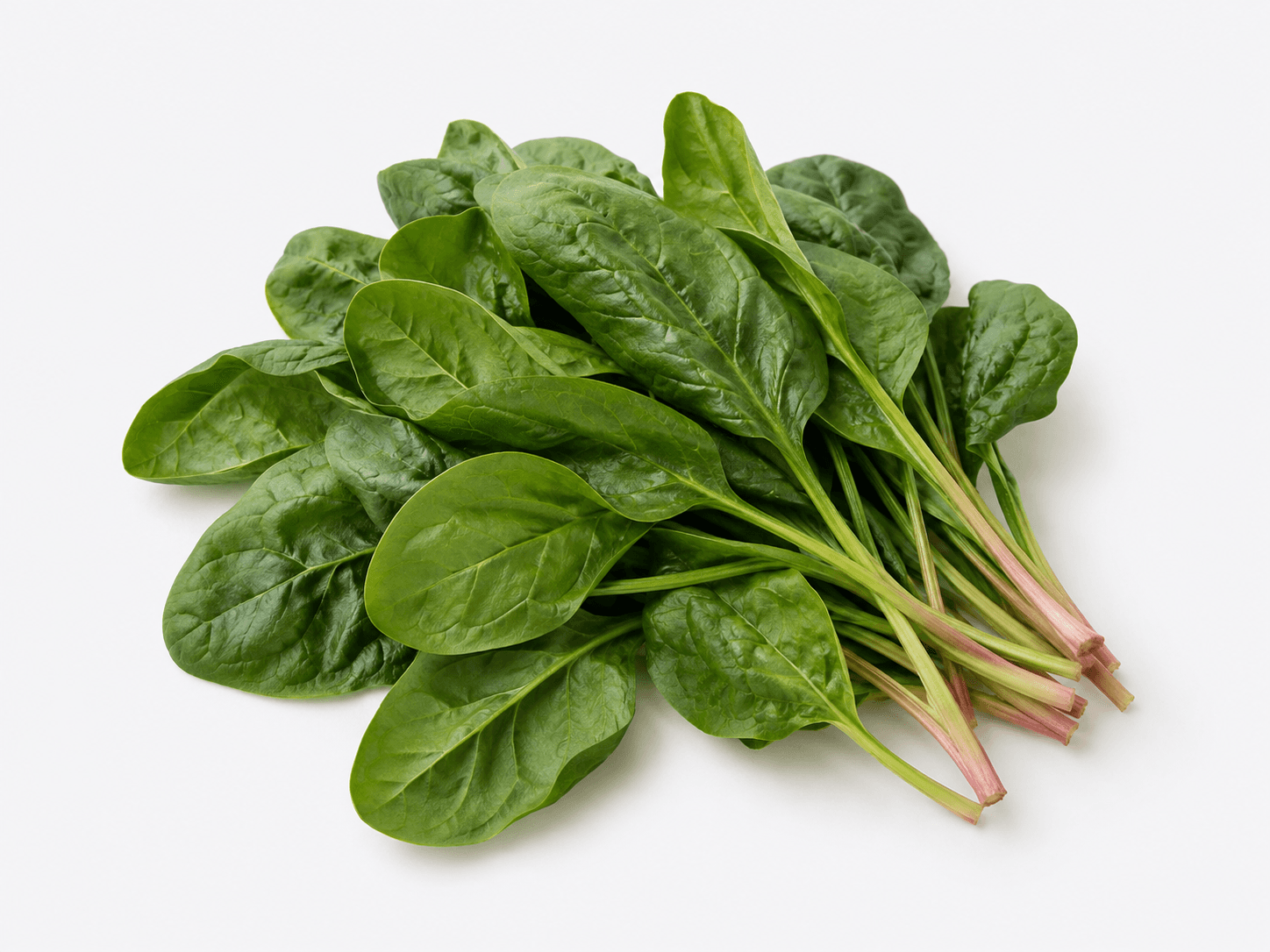
Moderate evidence"Spinach equals iron" is only half true. The real value sits in folate, vitamin K, and the lutein that accumulates in your eyes.