First, what this drink is and what it is not.
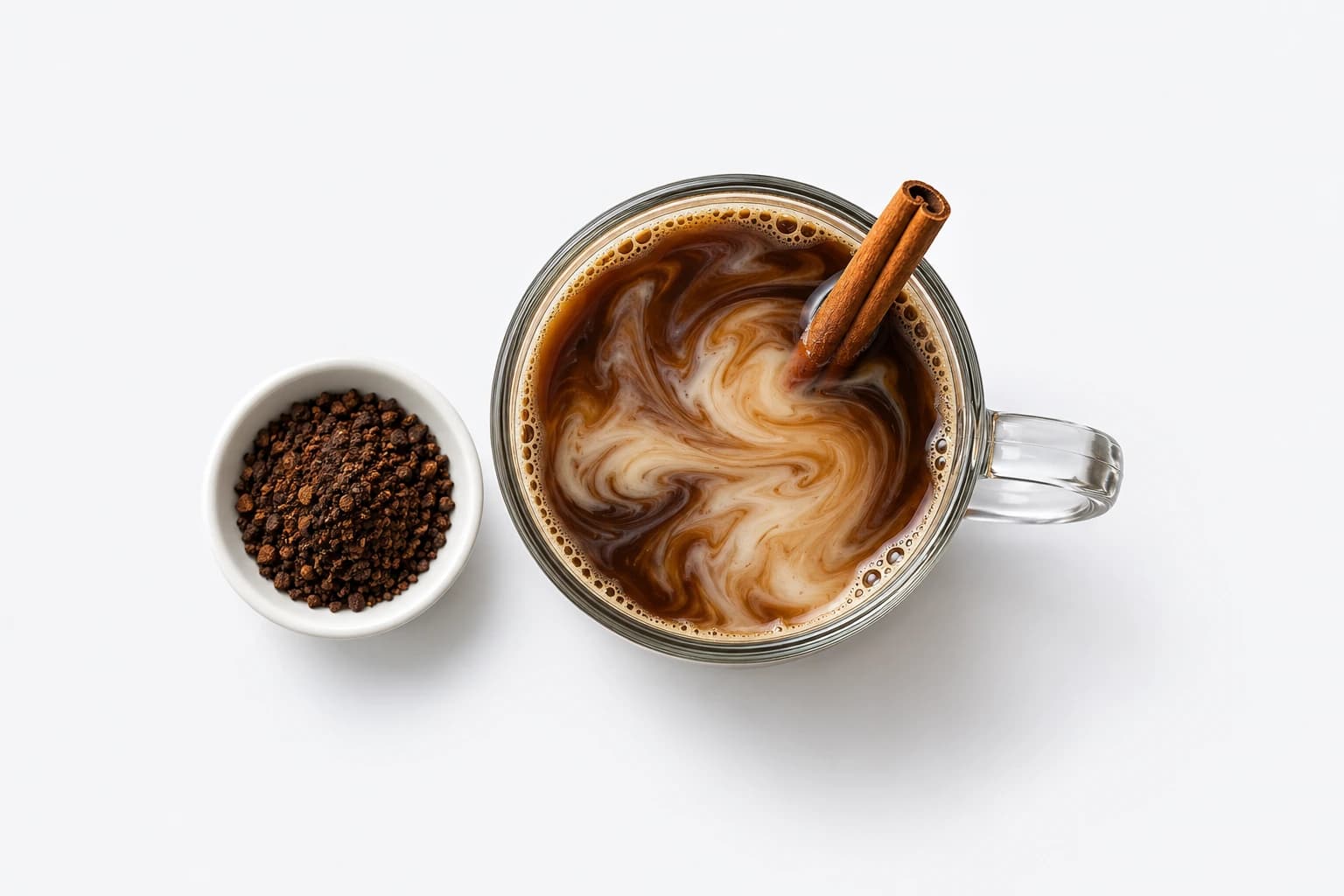
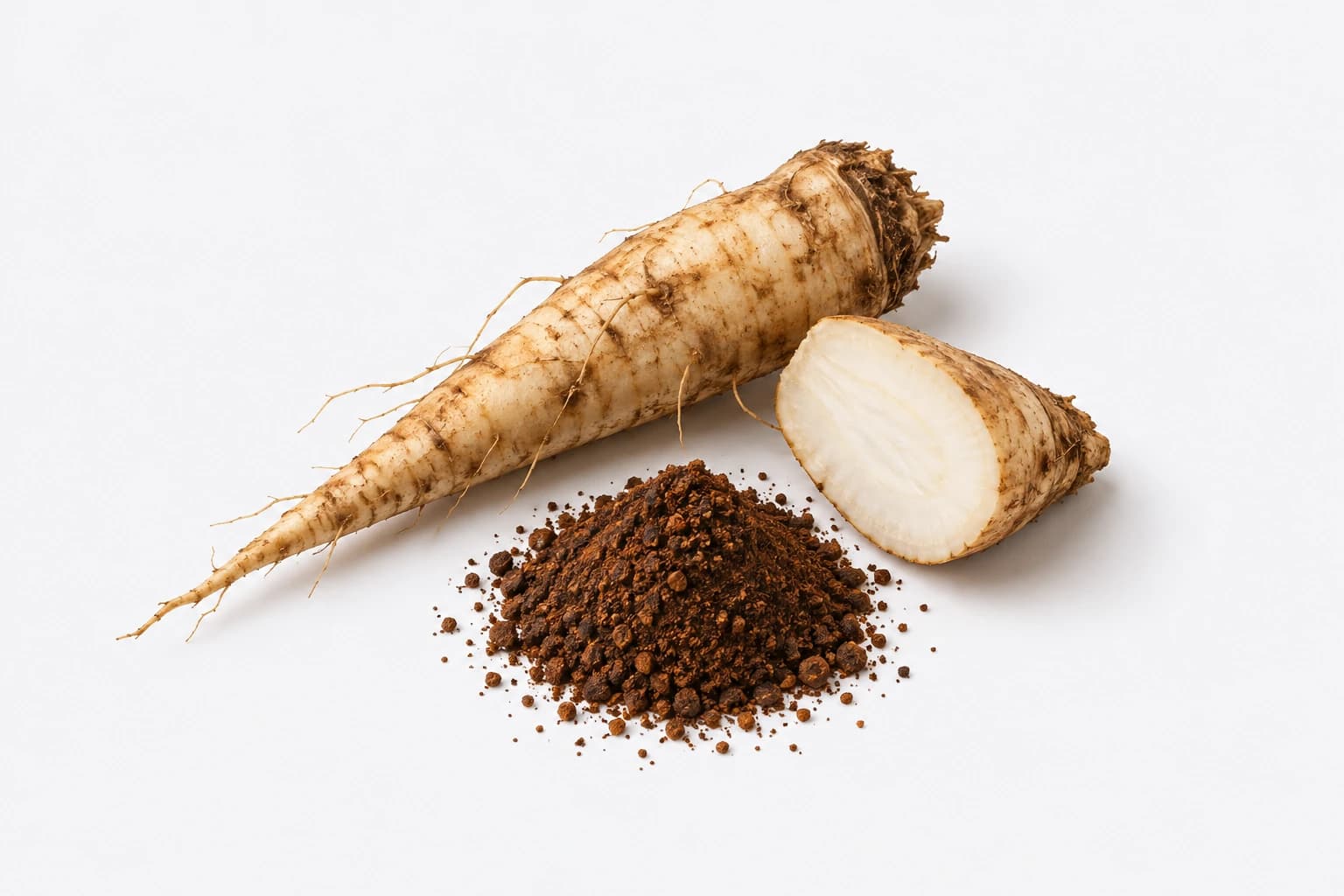
It is a drink with no caffeine. Roasted chicory root comes from a completely different plant from the coffee bean, but roasted it gives a similar bitterness and brown colour. It has a long history in the coffee culture of New Orleans.
- You can drink it in the afternoon or the evening
- For anyone cutting caffeine in pregnancy, it is an alternative
- For keeping the ritual while coming off coffee, it works
But this is not presented as a gut-health drink. Here is why.
The inulin in chicory root does have real evidence behind it.
2017, International Journal of Food Sciences and Nutrition. A randomised, double-blind, placebo-controlled, crossover trial in 44 healthy volunteers with constipation. Twelve grams a day of chicory inulin (3 × 4 g) for four weeks raised stool frequency from a median 3.0 to 4.0 a week (p=0.038).
Three things belong alongside that.
First, the effect size is one stool a week. Satisfaction was not statistically significant (p=0.059).
Second, some authors are affiliated with the BENEO-Institute, the research arm of the company that makes the Orafti® Inulin used in the trial. That does not make the result wrong, but it gets written down.
Third, and most important for this recipe — the dose is nothing alike.
The trial used 12 g a day of extracted, concentrated inulin powder. A cup of this drink delivers far less than that.
For two reasons:
- 20 g of root split across two cups is 10 g a cup
- And only what the water extracts reaches the cup. You are drinking an infusion, not eating the root
So there is no reason to drink this for your bowels. If you intend to take 12 g of inulin a day, an inulin powder with the content declared in grams is the accurate way to do it. This drink belongs in the cup as a bitter drink without caffeine.
One caution about reading the composition table.
The USDA table for 100 g of raw chicory root lists 1.5 g of fibre. That figure does not include the inulin. Traditional fibre assays treat the sample with enzymes and then precipitate the fibre with alcohol and filter it out — and inulin dissolves in alcohol, so it is not retained. It ends up counted inside "carbohydrate" instead.
Per cup:
| Per cup |
|---|
| Chicory infusion 200 ml | energy is effectively negligible |
| Oat milk 50 ml | about 20 kcal |
| Total | about 20 kcal, caffeine 0 mg |
Why let it cool to 92°C. Water straight off the boil pulls out too much astringency. A minute is enough.
Why four minutes. Chicory root extracts more slowly than coffee. Two minutes gives you the colour and a thin taste. Past six minutes it turns astringent.
Why the tiny pinch of salt. Salt suppresses the perception of bitterness, so the cup is drinkable with less sugar. More than a pinch and it tastes salty.
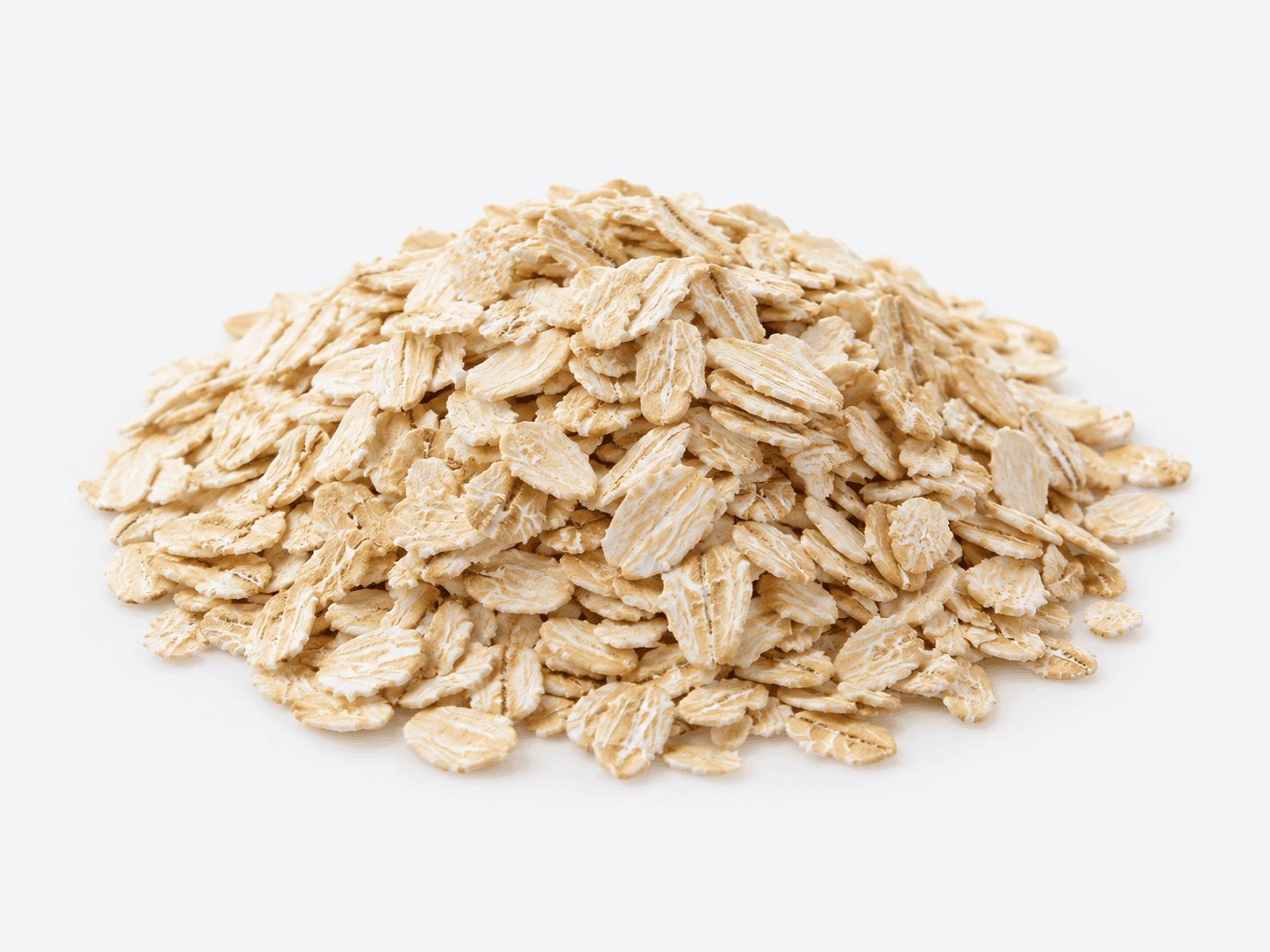
Why oat milk. Chicory infusion is thin-bodied and can feel like water. The starch in oat milk gives it some weight in the mouth. Dairy or soy milk works too.
Now the cautions about inulin. These matter more.
Inulin ferments quickly in the gut. So gas, bloating and cramping are common. The amount in one cup is small, but several cups a day adds up.
Inulin is a FODMAP — the "O", the oligosaccharides. If you have irritable bowel syndrome, this drink may worsen your symptoms. On a low-FODMAP diet it is a restricted item.
Chicory is in the daisy family. Cross-reaction is reported in people allergic to ragweed, mugwort and chrysanthemum. Artichoke, lettuce and sunflower seed are in the same family.
The cinnamon is for aroma. It fills the space where coffee's acidity would be. A stick is cleaner than ground.